
Imagine arriving at an airport where there is no crowded departure hall, no long line of passengers waiting to board, and no need to navigate a terminal filled with flight announcements. Instead, you arrive at a private aviation terminal, meet the people handling your flight, and walk toward an aircraft that has been arranged for your journey.
That is one of the most recognizable parts of private aviation. But the experience involves more than stepping aboard a beautiful aircraft. Someone must select the right jet, coordinate the departure, check the passenger details, arrange ground transportation, and make sure the aircraft is suitable for the trip.
For first-time travelers, the process can seem unfamiliar because private flying works differently from booking an airline ticket. There are several ways to arrange a flight, aircraft come in different sizes, and the price depends on much more than the distance between two cities.
Understanding these details makes the experience easier to navigate. Here is how flying private works, what to expect, and what to consider before arranging your first journey. For a wider look at the industry, see our guide to private jet aviation.
What Does Flying Private Actually Mean?

Flying private generally means traveling on a business aircraft arranged for an individual, family, or group rather than purchasing a seat on a scheduled commercial flight.
The most familiar option is a private jet charter. A customer requests an aircraft for a particular journey, and a charter provider or broker helps arrange the flight through an appropriately authorized aircraft operator.
The aircraft may be a light jet for a short regional journey, a midsize aircraft for a longer domestic trip, or a large-cabin jet designed for international travel.
Private aviation can provide greater scheduling flexibility, a more private cabin, and access to a broader selection of airports. However, it does not eliminate every travel inconvenience. Weather, air traffic control, airport restrictions, customs procedures, and operational requirements can still affect a flight.
The experience also varies considerably. A short trip on a compact business jet is very different from an overnight international journey on an aircraft with separate dining and sleeping areas. New to high-end travel? Read our luxury travel tips for beginners.
Step 1: Start With the Journey, Not the Jet

Before looking at aircraft photographs or comparing luxurious interiors, think about where you need to go and how you intend to travel.
A flight from New York to Boston presents different requirements from a journey to London or Dubai. The first may be suitable for a smaller aircraft, while the second generally calls for an aircraft with substantial range and international operating capability.
Begin with a few practical questions:
- Where will the journey start and end?
- What date and departure window work best?
- How many people will travel?
- How much luggage will everyone bring?
- Is the trip one-way, round-trip, or likely to change?
- Does anyone need special assistance or particular onboard arrangements?
These details help determine which aircraft categories are suitable and whether the planned journey can be completed nonstop.
A useful rule is to choose the aircraft around the actual trip. The largest or most expensive jet is not necessarily the best option for a small group traveling a short distance.
Step 2: Understand the Different Ways to Fly Private

Private aviation has several booking and ownership models. They serve different needs, particularly when comparing an occasional trip with frequent travel throughout the year.
On-Demand Private Jet Charter
An on-demand charter is an arrangement for a particular flight or itinerary. The traveler requests the journey, receives available aircraft options and pricing, and confirms the booking under the agreed terms.
This option can suit people who fly privately occasionally and do not want a long-term membership or ownership commitment.
The aircraft is selected for the specific trip, subject to availability. Pricing can vary with the route, aircraft type, departure date, positioning requirements, and other operational expenses.
Empty-Leg Flights
An empty-leg flight occurs when an aircraft needs to reposition without passengers, often before or after another charter.
These flights may be offered at lower prices than a conventional charter, but flexibility is limited. The departure time and route depend on the aircraft’s existing schedule, and changes or cancellations may be more restrictive.
An empty leg can be worth considering when the route happens to match your plans. It is less suitable when the journey must take place at a precise time or when reliable return arrangements are essential.
Jet Cards and Membership Programs
Jet cards and membership programs provide access to private aviation under a particular set of contractual terms. Depending on the program, customers may purchase flight hours in advance or receive access to specified booking arrangements.
The details matter. Minimum booking periods, peak-day rules, aircraft availability, cancellation terms, surcharges, and expiration policies can vary.
These programs may suit frequent travelers, but they should be compared against the likely number of flights and the flexibility offered by on-demand charter.
Fractional Ownership
Fractional ownership involves purchasing a share of an aircraft or an interest in a structured ownership program. It can provide access to an aircraft fleet under an agreement that defines availability, usage, and operating expenses.
This is a more substantial financial commitment than chartering a jet for one journey. It is generally more relevant to people or organizations with recurring aviation needs.
Full Aircraft Ownership
Owning a private jet provides a high degree of control over how the aircraft is configured and used, but it also brings considerable responsibility.
The owner must account for crew, maintenance, inspections, insurance, hangar arrangements, regulatory compliance, and other operating expenses. Management companies can handle many of these responsibilities, but the costs remain part of ownership.
For someone who flies privately only occasionally, chartering may be more practical than owning an aircraft.
Step 3: Choose the Right Aircraft Category
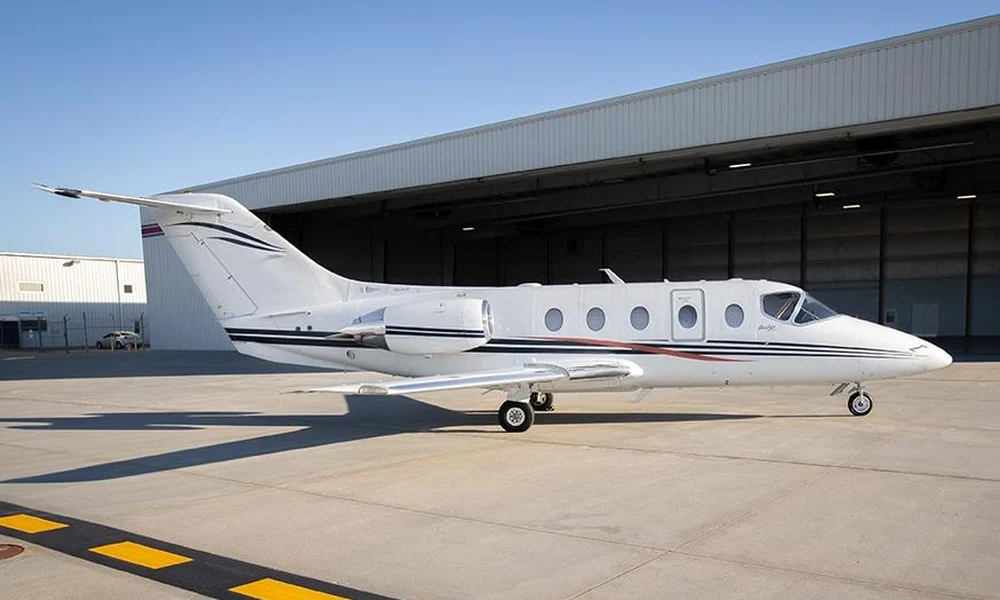
Private jets differ in cabin space, passenger capacity, range, baggage capacity, airport requirements, and operating costs. Advertised passenger capacities are not always the same as the number of people who will travel comfortably on a particular itinerary.
Light Jets
Light jets are commonly used for shorter regional journeys and smaller passenger groups.
They can be suitable for business meetings, weekend trips, and travel between nearby cities. Their cabins are more compact than those of larger aircraft, and luggage capacity can be limited by the specific model and configuration.
Midsize and Super-Midsize Jets
These aircraft offer a larger cabin and greater range than many light jets. Depending on the model, they may provide more room to move around, a more comfortable environment for longer flights, and additional luggage capacity.
They can be appropriate for longer domestic journeys and some international routes, subject to the aircraft’s actual capabilities and operating conditions.
Heavy and Large-Cabin Jets
Large-cabin jets provide more interior space and are often chosen for longer journeys or larger groups.
Their cabins may include separate seating areas, dining arrangements, and sleeping options. These features can be valuable on extended flights, although the exact layout depends on the aircraft.
Ultra-Long-Range Jets
Ultra-long-range aircraft are designed for demanding intercontinental missions. Depending on the model and operating conditions, they can connect distant cities without a fuel stop.
Aircraft such as the Gulfstream G700 and Bombardier Global 7500 illustrate this category. Their appeal includes long-range capability, spacious cabins, and configurations that can support working and resting during extended journeys.
No aircraft should be selected solely on its advertised range. Passenger load, luggage, winds, routing, airport conditions, and required fuel reserves all influence whether a nonstop flight is feasible.
Step 4: Request a Quote and Compare the Details

Once the route and passenger requirements are clear, the next step is to request a charter quotation.
A provider will generally need the departure and arrival locations, travel dates, approximate departure time, passenger count, and relevant baggage information. Additional requirements may include catering, ground transportation, or special assistance.
When comparing quotations, look beyond the headline price.
Check which aircraft is proposed and whether the quotation identifies the actual aircraft or a category subject to availability. Review the flight itinerary, expected departure window, included services, cancellation policy, payment terms, and any additional charges.
It is also important to understand the provider’s role. Some businesses operate aircraft directly, while others act as charter brokers and arrange flights through independent operators.
The company arranging the trip and the operator responsible for the flight may be different businesses. Ask who will operate the aircraft and obtain the relevant operator details before confirming the booking.
Step 5: Check Safety and Operator Credentials

Private aviation is still aviation, and safety should be considered before cabin design or onboard amenities.
In the United States, charter flights are commonly conducted under applicable Federal Aviation Administration regulations, including Part 135 for many on-demand charter operations. The exact requirements depend on the operation and circumstances.
Before booking, verify the operating carrier’s identity and applicable authorization. Ask about the operator’s safety procedures, insurance, and experience with the intended route and aircraft type.
Independent aviation safety audits may provide additional information, but a certification or rating should not be treated as a substitute for checking the operator and the actual flight arrangements.
A responsible provider should be able to explain who operates the flight, which aircraft is planned, and how any aircraft substitution will be handled.
Step 6: Understand What Happens at the Airport

One of the most noticeable differences between private and commercial flying is the departure experience.
Private travelers often use a Fixed-Base Operator, commonly called an FBO. These facilities provide services for business and general aviation and may include passenger lounges, private meeting areas, flight support, and aircraft handling.
The actual departure process depends on the airport, route, operator, and whether the flight is domestic or international.
You will normally receive instructions about where to arrive, when to be there, which identification to bring, and whom to contact on arrival.
Although private passengers often spend less time at the airport than airline passengers, arriving at the last possible moment is not a good assumption. The operator’s instructions should determine the arrival time.
For international travel, passports, visas, customs, and immigration requirements still apply. Private aviation does not remove the obligation to meet the destination country’s entry requirements.
Step 7: Pack for the Aircraft You Are Taking

A private jet does not automatically have unlimited luggage space.
A light jet may have a relatively small baggage compartment, while a large-cabin aircraft can accommodate more luggage. Even when a compartment appears spacious, its shape and dimensions may restrict certain suitcases or oversized items.
Tell the provider about large bags, sporting equipment, musical instruments, or other unusual luggage before booking.
Passengers should also check current security rules and any applicable restrictions on liquids, dangerous goods, and other items. Requirements can vary by country, airport, and operator.
If you are traveling with children, pets, or someone who needs mobility assistance, mention those requirements in advance so the arrangements can be confirmed.
The easiest trip is usually the one where these details are settled before departure rather than discovered at the airport.
Step 8: Arrange Catering, Connectivity, and Ground Transport

The onboard experience can be customized, but the available services depend on the aircraft and the arrangements made before the flight.
Catering may range from simple refreshments to meals prepared according to passenger preferences. Special dietary requests are best communicated in advance rather than assumed to be available at short notice.
Wi-Fi and in-flight connectivity also vary. Coverage, speed, availability, and charges depend on the aircraft’s equipment and the route.
Ground transportation deserves similar attention. A private aircraft may use an airport closer to the destination, but the final journey still requires planning. A car, driver, or other transfer can be arranged according to the itinerary.
For an international arrival, ground arrangements should account for customs and immigration processing as well as the time needed to leave the airport.
These details may not be as visually impressive as the aircraft itself, but they often make the biggest difference to the overall travel experience. Need a car at either end? See our guide to private chauffeur service.
Step 9: Know What to Expect During the Flight
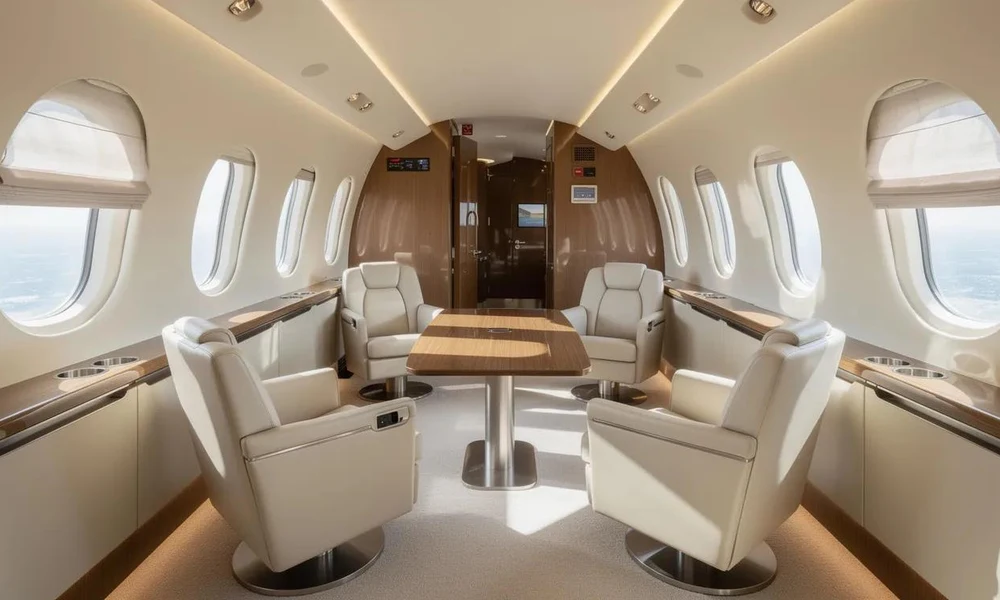
Once onboard, the experience depends on the aircraft’s size and configuration.
Smaller jets may offer a compact seating area designed for conversation and short journeys. Larger aircraft can provide multiple cabin zones where passengers work, dine, relax, or sleep.
The flight crew remains responsible for the safe operation of the aircraft. Passengers should follow crew instructions, use seat belts as directed, and observe any restrictions relating to movement around the cabin.
On longer journeys, comfort depends on more than luxurious upholstery. Cabin temperature, noise levels, lighting, seating arrangements, and the ability to rest all influence the experience.
A spacious aircraft can make an overnight flight more comfortable, but it remains an aircraft rather than a hotel room. Sleeping arrangements and onboard amenities vary, and not every jet has a dedicated bedroom.
Step 10: Plan for Changes and Delays
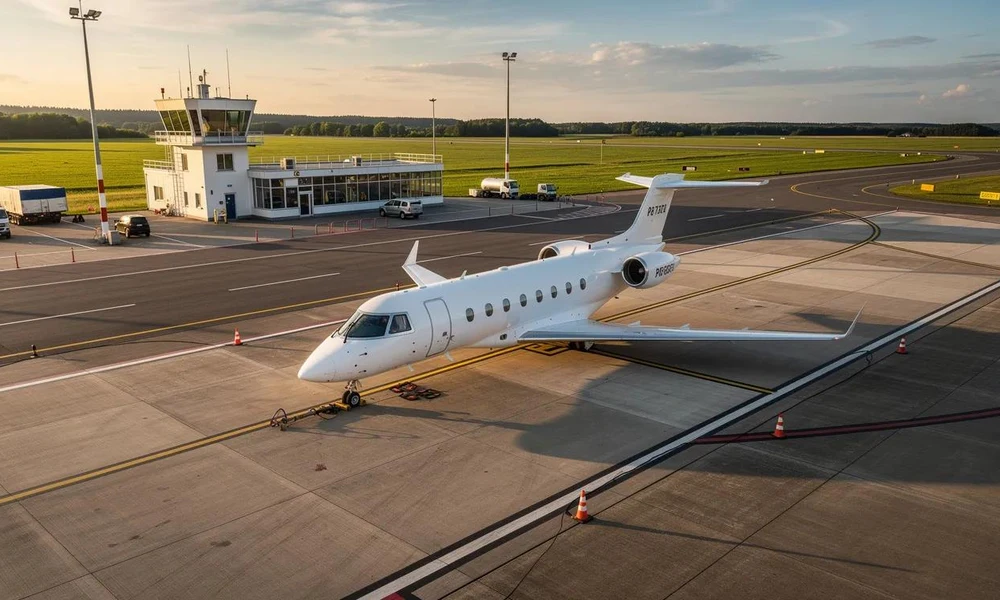
Private aviation offers flexibility, but it cannot guarantee that every flight will depart at the exact requested time.
Weather, air traffic restrictions, airport operating hours, technical issues, and crew or aircraft availability can affect the itinerary. International routes may also require additional operational coordination.
Before confirming a booking, understand the provider’s procedure for delays, cancellations, aircraft substitutions, and itinerary changes.
For a time-sensitive business meeting or connecting journey, leave an appropriate margin in the schedule. A private charter should not be assumed to eliminate every travel risk.
For round trips, clarify whether the aircraft will remain available, depart and return later, or be arranged separately for the return leg. These details can affect both cost and flexibility.
How Much Does It Cost to Fly Private?

Private aviation does not have one universal price. The total cost depends on the aircraft, route, flight time, availability, airport charges, and the terms of the booking.
A smaller aircraft may cost less per flight than a large-cabin jet, but the total quote also reflects operational requirements. Repositioning flights, minimum billing periods, overnight crew expenses, international handling, and other charges can influence the final amount.
The following factors are especially important:
- Aircraft type: Larger aircraft generally have higher operating costs.
- Distance and flight time: Longer journeys usually require more flight time and fuel.
- Availability: Demand and aircraft positioning can influence the quote.
- Airport fees: Landing, handling, parking, and other charges vary by location.
- Schedule: Waiting time, overnight stays, and itinerary changes may affect the price.
- Additional arrangements: Catering, ground transportation, and special services can add expenses.
Empty-leg flights can sometimes reduce the cost, but the schedule is less flexible. Sharing a charter among a group can also distribute the total price across several passengers, although the per-person cost still depends on the aircraft and journey.
The most useful comparison is between complete quotations for the same itinerary, with the included services and cancellation terms clearly identified. For a deeper breakdown of pricing, see our private jet charter cost guide.
Is Flying Private Worth It?

The answer depends on what a traveler values most.
For someone traveling with a team to several cities, the ability to choose a suitable departure time and work privately may be useful. A family traveling with children or specialized luggage may appreciate the flexibility of a dedicated aircraft. For a short journey with convenient commercial service, the additional cost of a private flight may be difficult to justify.
The time saved also varies. A private flight may reduce waiting and simplify airport procedures, but road transfers, security requirements, air traffic, and weather remain relevant.
Private aviation is best evaluated as a particular travel option rather than an automatic upgrade for every trip. Its value depends on the combination of schedule, privacy, route, comfort, and total cost.
Frequently Asked Questions
Can anyone book a private jet?
In general, individuals and organizations can request private jet charter services through appropriately authorized providers. Availability, passenger requirements, route restrictions, and booking terms vary by operator and destination.
How early should I arrive for a private flight?
There is no universal arrival time. Private passengers often need less time at the airport than airline passengers, but the correct timing depends on the operator, airport, route, and any immigration or security requirements. Follow the specific instructions provided for the flight.
Is luggage unlimited on a private jet?
No. Luggage capacity depends on the aircraft’s baggage compartment, passenger load, and the size and shape of the bags. Confirm unusual or oversized luggage before booking.
Can a private jet fly internationally?
Yes, many private jets operate international flights. The aircraft must be suitable for the route, and the trip must comply with relevant operating, customs, immigration, and entry requirements.
Are empty-leg flights always available?
No. Empty-leg flights depend on aircraft repositioning schedules. Routes and departure times are limited, and the itinerary may change if the underlying flight arrangements change.
Is chartering better than owning a private jet?
Chartering may suit people who fly privately occasionally because it avoids the long-term responsibilities of aircraft ownership. Ownership can provide greater control for frequent users, but it involves substantial financial, operational, and regulatory responsibilities.
What should I verify before paying for a charter?
Confirm the operating carrier, aircraft details, itinerary, complete pricing, payment terms, cancellation policy, insurance information, and arrangements for delays or aircraft substitutions. Make sure the operator’s authorization is appropriate for the planned flight.
Final Thoughts
Flying private begins long before a passenger steps aboard an aircraft. It starts with understanding the journey, choosing a suitable jet, checking the operator, and making sure the details work together.
For one traveler, the right choice may be a compact aircraft for a short regional trip. For another, it may be a large-cabin jet designed for an overnight international journey. The aircraft itself is only one part of the experience; the route, schedule, ground arrangements, and reliability of the operator matter just as much.
Private aviation can offer a different way to travel, but the best experience comes from making informed decisions rather than assuming that luxury alone guarantees convenience.
Disclaimer: This content is for informational and entertainment purposes only and reflects our personal opinions and experiences. We just love to write and share what we observe along the way.