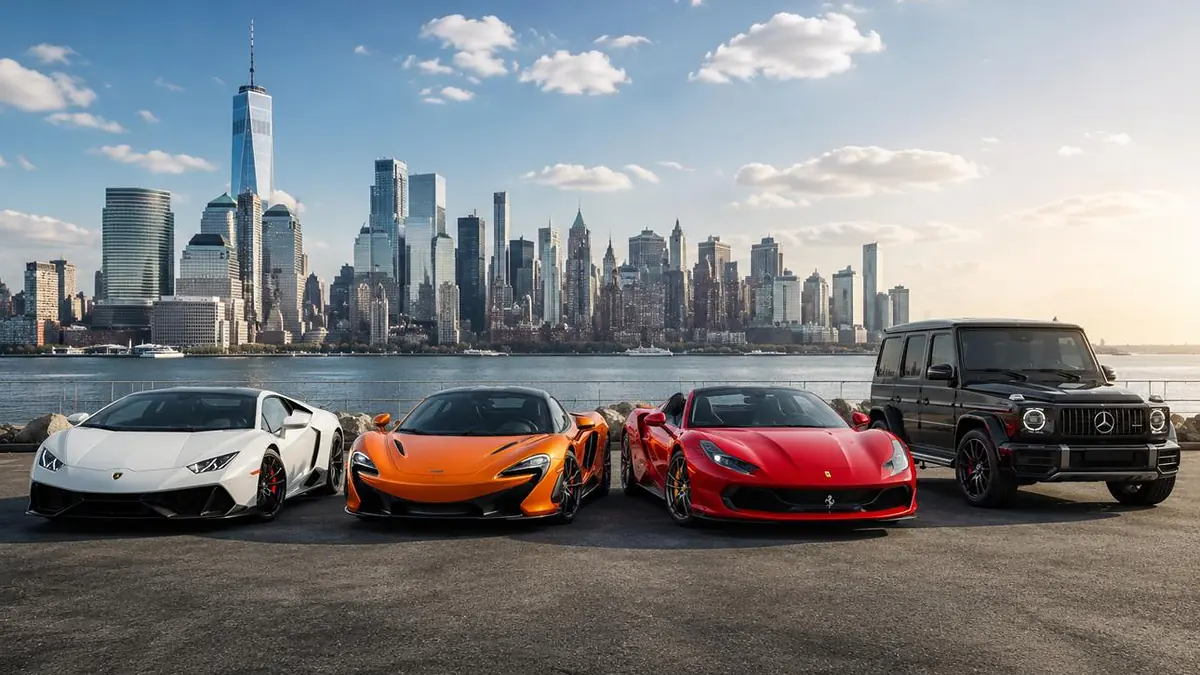
On a busy afternoon in Manhattan, the city seems to move at its own pace. Yellow taxis squeeze between delivery vans, pedestrians cross crowded intersections, and the reflections of glass skyscrapers slide across the polished bodywork of a passing Rolls-Royce. A few blocks away, a Lamborghini draws curious glances, while a quiet luxury sedan waits outside a hotel entrance.
These moments reveal something fascinating about New York’s relationship with luxury cars. A vehicle can be a piece of engineering, an expression of personal taste, a collector’s passion, or simply a comfortable way to travel through a demanding city.
From handcrafted British automobiles to Italian supercars and sophisticated electric sedans, New York’s luxury-car landscape brings together very different ideas of automotive excellence. For a wider look at how brands compare, see our guide to luxury transportation.
1. Rolls-Royce Phantom: The Art of Traditional Luxury
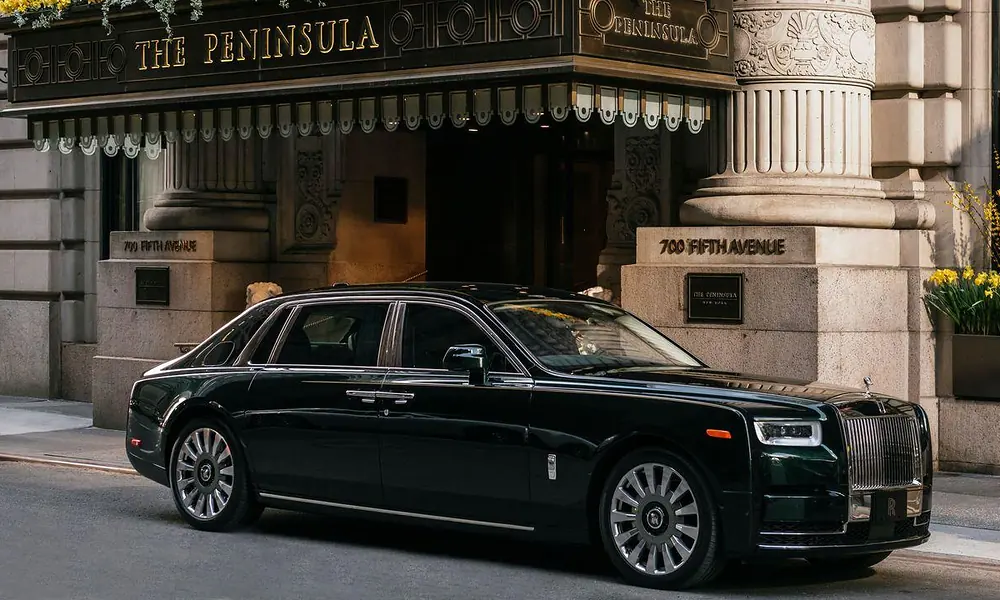
The Rolls-Royce Phantom is designed for a kind of luxury that does not need to announce itself through speed or aggressive styling. Its imposing grille, long proportions, and carefully finished details create a presence that feels deliberate rather than hurried.
Inside, the emphasis shifts toward comfort and craftsmanship. Depending on the specification, the cabin can feature intricate woodwork, fine upholstery, personalized finishes, and carefully arranged rear seating. The experience is built around the idea that a journey should feel calm, even when the city outside is anything but.
In New York, the Phantom fits naturally into the world of luxury hotels, private transportation, formal events, and high-profile occasions. Its appeal lies not simply in its cost but in the attention given to the details that passengers experience every day.
What makes it distinctive is its combination of handcrafted presentation, quiet refinement, and extensive personalization.
2. Rolls-Royce Cullinan: Luxury Beyond the City
New York does not end at Manhattan’s busy avenues. Beyond the city, weekend journeys lead toward coastal destinations, country estates, and quieter roads where an SUV’s versatility becomes more useful.
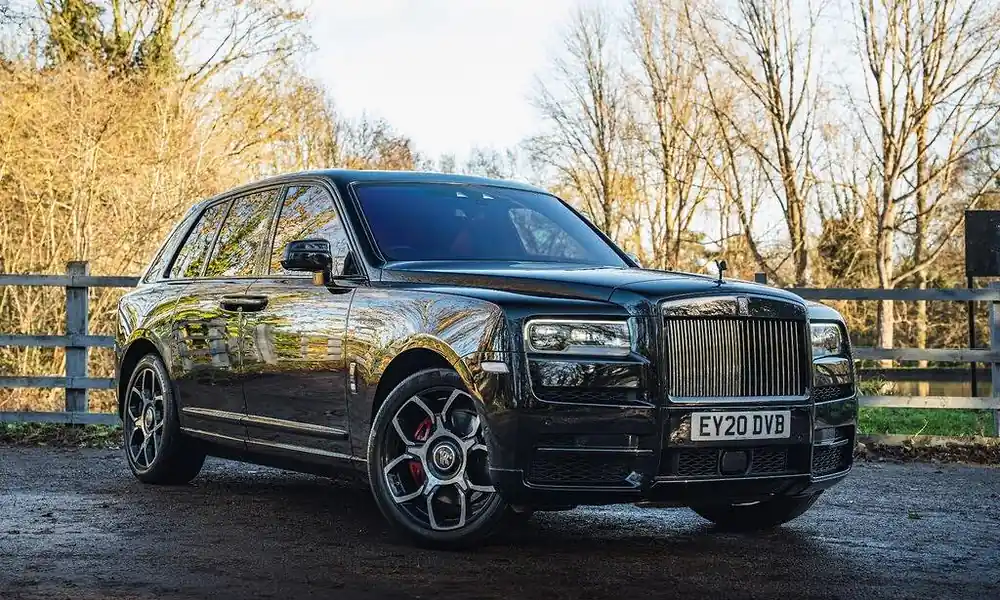
The Rolls-Royce Cullinan brings the brand’s traditional approach to luxury into this environment. Its elevated seating position, spacious cabin, and substantial proportions offer a different experience from the Phantom sedan.
The interior can be configured with personalized materials and finishes, while the vehicle’s engineering is intended to provide a composed ride across a variety of road conditions.
The Cullinan’s size can be an advantage for longer journeys and luggage, but it also presents practical challenges in Manhattan. Narrow streets, tight parking spaces, and expensive garages make dimensions an important consideration.
Its character comes from combining SUV versatility with the craftsmanship and comfort associated with Rolls-Royce.
3. Bentley Flying Spur: Where Performance Meets Elegance
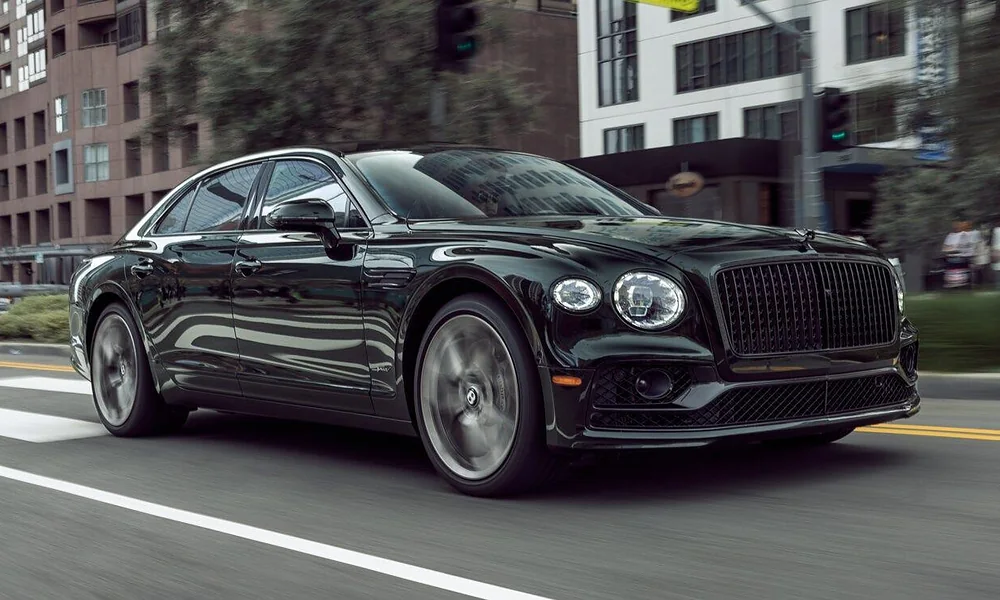
Some luxury cars are designed primarily for passengers. Others are equally concerned with the person behind the wheel. The Bentley Flying Spur brings these two priorities together.
Its exterior combines formal sedan proportions with a more athletic appearance. Inside, carefully selected materials, supportive seats, and refined finishes create an environment suited to both business travel and personal driving.
Depending on the model year and configuration, the Flying Spur has been offered with different powertrain technologies, including hybrid options. Equipment and performance specifications vary, making it important to distinguish between versions.
For someone moving between Manhattan meetings and longer regional journeys, the Flying Spur represents a blend of comfort and driving engagement. It offers a more traditional luxury experience than an exotic sports car while retaining a performance-oriented character.
Its defining quality is balance: elegant design, passenger comfort, and substantial performance in one vehicle. For more cars built around long journeys, see our guide to grand touring cars.
4. Bentley Bentayga: A Refined Take on the Luxury SUV
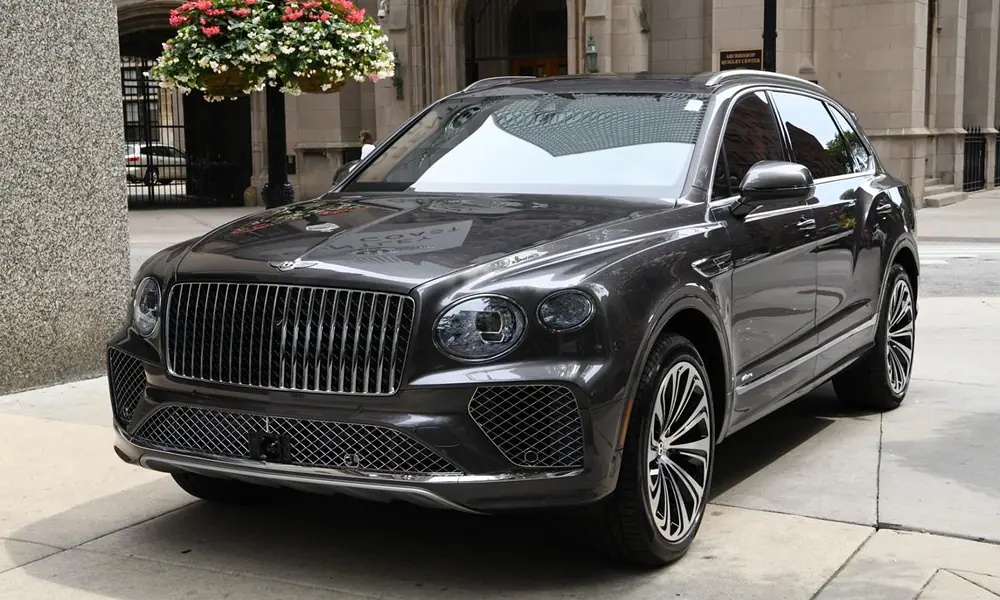
The Bentley Bentayga illustrates how the meaning of luxury has expanded beyond the traditional limousine. Many drivers now want a vehicle that feels sophisticated without giving up the flexibility of an SUV.
The Bentayga combines an elevated driving position with a carefully designed cabin, premium materials, and powertrain options that vary by market and model year.
Its appeal can be understood through everyday situations. A spacious cargo area is useful for luggage, the higher seating position may suit drivers who prefer a commanding view, and the cabin can provide a comfortable environment for longer journeys.
However, the vehicle’s dimensions and ownership costs are important considerations in a dense city. Luxury SUVs can require more space to park and may have higher tire, insurance, and maintenance expenses than smaller vehicles.
The Bentayga’s identity comes from pairing Bentley’s traditional refinement with the flexibility of a modern SUV. Comparing more options? Read our luxury SUV guide.
5. Mercedes-Maybach S-Class: The Luxury of Being Driven
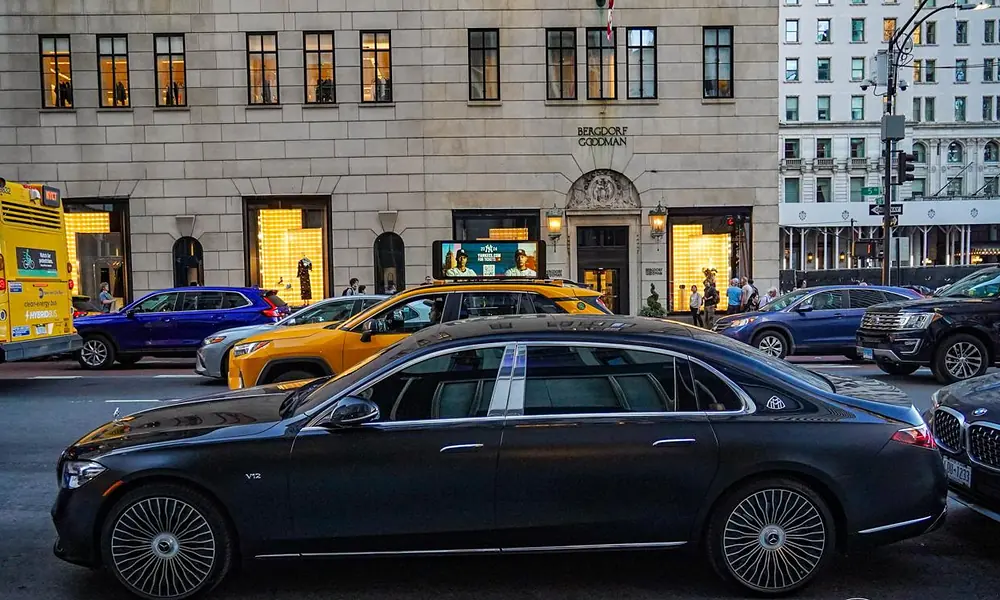
There is a particular kind of comfort in sitting in the back of a car while the city passes by outside the window. Traffic continues, schedules move forward, and the passenger can focus on a conversation or simply enjoy a quiet moment.
The Mercedes-Maybach S-Class is designed around this idea of executive travel. Depending on its specification, it can offer sophisticated rear seating, premium upholstery, advanced climate features, and entertainment technology intended to make journeys more comfortable.
Its exterior is elegant rather than theatrical. The car’s identity comes from its proportions, detailing, and emphasis on refinement instead of the dramatic appearance of a supercar.
In New York, this type of vehicle is particularly suited to chauffeur-driven transportation, business engagements, and formal occasions.
Its appeal is simple: the journey itself becomes a more comfortable part of the day. Prefer to sit in the back? See our guide to private chauffeur service.
6. Mercedes-AMG G 63: An Icon on New York Streets
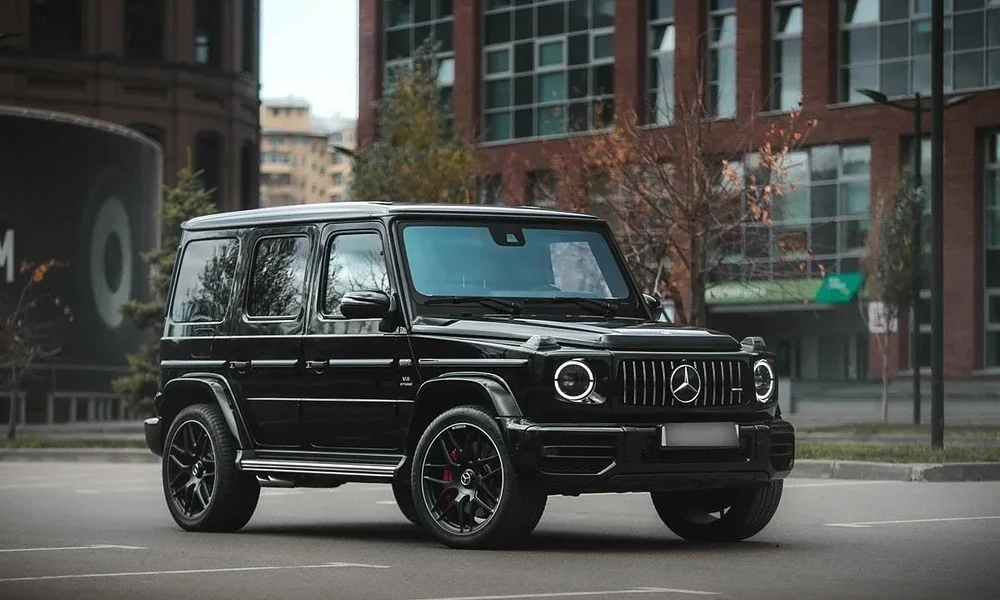
Few luxury SUVs have a silhouette as recognizable as the Mercedes-Benz G-Class. Its upright shape and squared-off body give it a character that remains distinct even among the city’s many premium vehicles.
The Mercedes-AMG G 63 adds a performance-focused personality to this design. It combines the familiar exterior with powerful engineering, a premium interior, and the assertive sound and presence associated with AMG models.
The G 63 has become closely associated with contemporary luxury and fashion culture, making it a familiar sight in images of high-end urban life.
Yet its distinctive shape is not merely a styling choice. Its substantial dimensions can make parking and maneuvering more difficult in crowded areas, while its performance-oriented powertrain can increase fuel expenses.
The G 63 stands out because it combines an instantly recognizable design with a strong luxury and performance identity.
7. Ferrari 296 GTB: Italian Engineering and Hybrid Performance
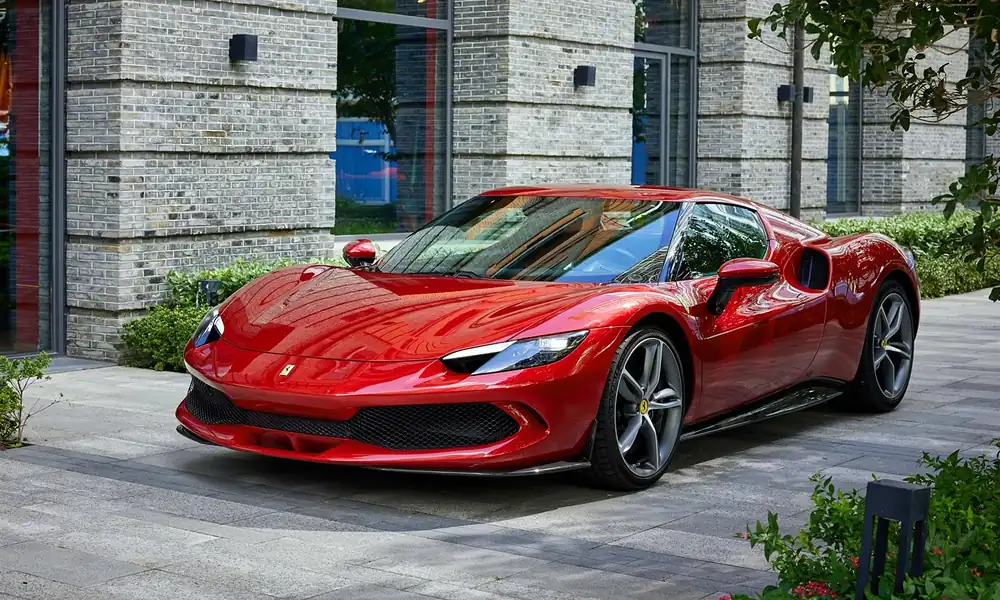
Luxury can also be about the experience of driving rather than the comfort of being transported.
The Ferrari 296 GTB represents this side of automotive culture. Its low stance, sculpted bodywork, and driver-focused cockpit reflect the priorities of a modern Italian sports car.
Its plug-in hybrid powertrain combines a combustion engine with electric assistance, showing how electrification can be used to enhance performance as well as efficiency.
The 296 GTB is not designed to provide the passenger space of a limousine or the cargo flexibility of an SUV. Instead, it focuses on acceleration, handling, engineering, and the emotional appeal of driving a Ferrari.
In New York, a car like this may be most enjoyable on suitable roads outside the busiest parts of the city or at automotive gatherings. Congestion and restricted parking can limit the opportunities to appreciate its capabilities.
Its character comes from the combination of Ferrari’s design heritage and modern hybrid performance technology.
8. Lamborghini Revuelto: A Supercar That Commands Attention
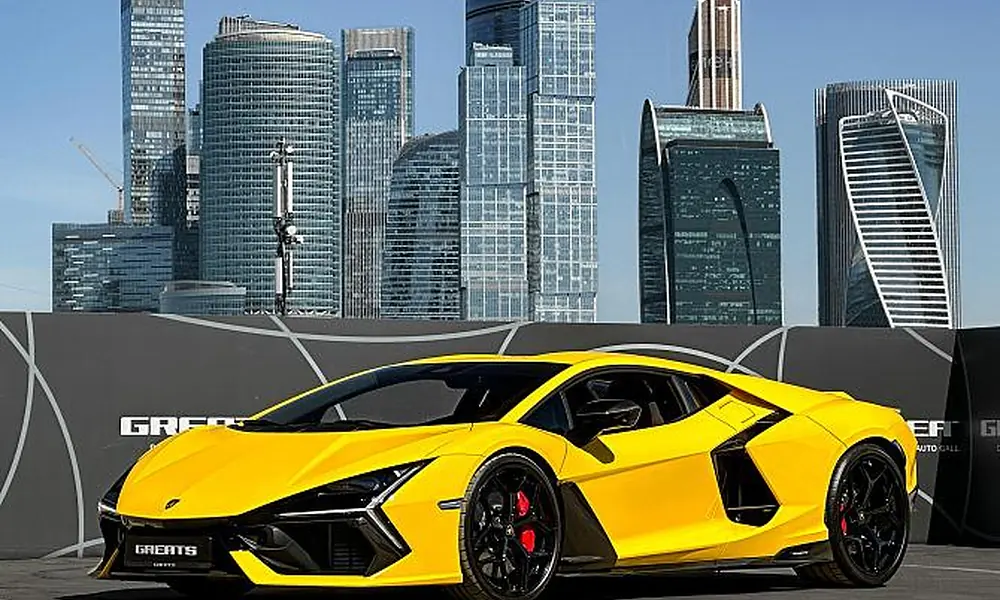
Some cars are designed to blend into their surroundings. The Lamborghini Revuelto takes the opposite approach.
Its angular surfaces, low profile, and dramatic proportions make it visually distinctive. The design reflects Lamborghini’s longstanding preference for bold styling, while its hybrid powertrain brings modern electrification into the supercar category.
The Revuelto is engineered around high performance and an engaging driving experience. Its cockpit prioritizes the driver, and its low body creates a very different relationship with the road from that of a luxury sedan.
In New York, the car’s visual presence makes it a natural attraction at enthusiast events and luxury gatherings. Everyday use involves practical compromises, including limited ground clearance, restricted luggage space, and the challenges of navigating crowded streets.
The Revuelto represents luxury as spectacle, engineering ambition, and performance.
9. Lamborghini Urus: Everyday Versatility with Supercar Character
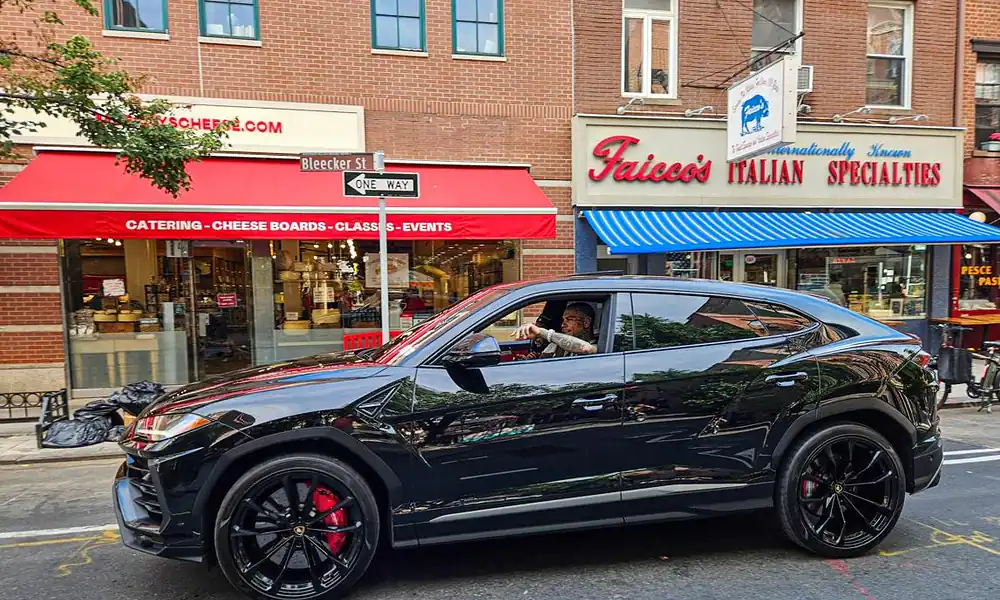
The Lamborghini Urus takes the brand’s dramatic styling into a larger, more versatile vehicle.
Its elevated seating position and SUV layout make it more practical for passengers and luggage than a low-slung supercar. At the same time, its styling and performance-oriented engineering distinguish it from conventional family SUVs.
For some New York-area owners, that combination is the attraction. The vehicle can accommodate everyday activities and longer journeys while maintaining a distinctive visual identity.
Practical considerations remain important. A powerful luxury SUV can involve substantial fuel, insurance, maintenance, and tire costs. Its size also affects parking and maneuverability.
The Urus demonstrates how the boundaries between performance cars and utility vehicles have become increasingly flexible.
10. Porsche 911 Turbo S: Precision Rather Than Excess
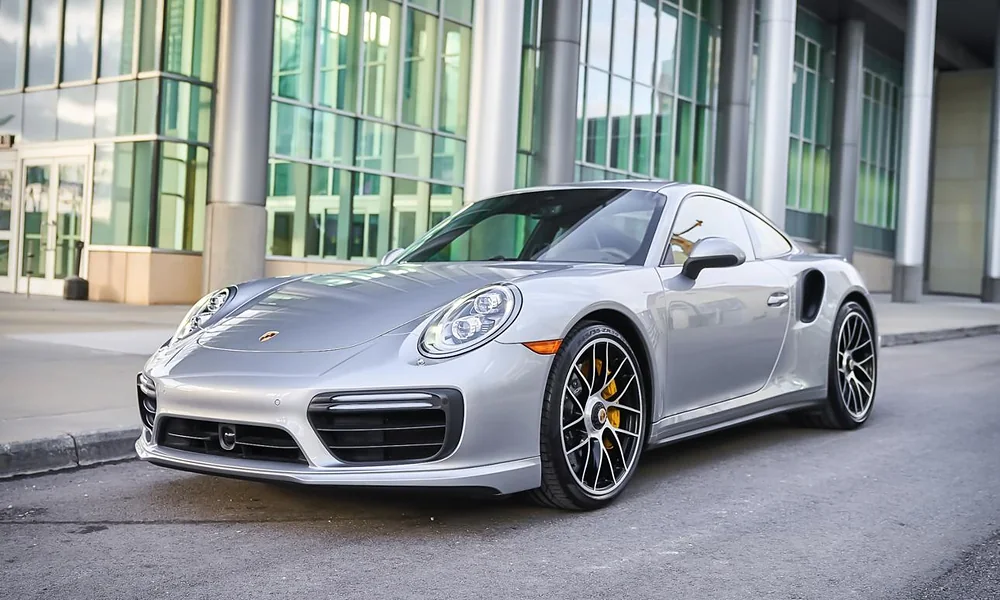
Not every luxury sports car relies on dramatic styling to create an impression. The Porsche 911 Turbo S is known for combining a recognizable shape with extensive engineering development and very high performance.
Its distinctive silhouette has evolved over decades, while its rear-engine layout remains central to its identity. Modern versions combine powerful acceleration with advanced chassis systems and a cabin designed for the driver.
Compared with a large luxury sedan, the 911 Turbo S offers less passenger and cargo space. However, it can provide a more engaging driving experience for someone who values handling and performance.
For New York enthusiasts, it represents a relatively versatile interpretation of the high-performance sports car, though city traffic and parking still influence how it can be used.
Its appeal lies in engineering precision and a long-established sports-car identity rather than size alone.
11. McLaren 750S: Lightweight Performance
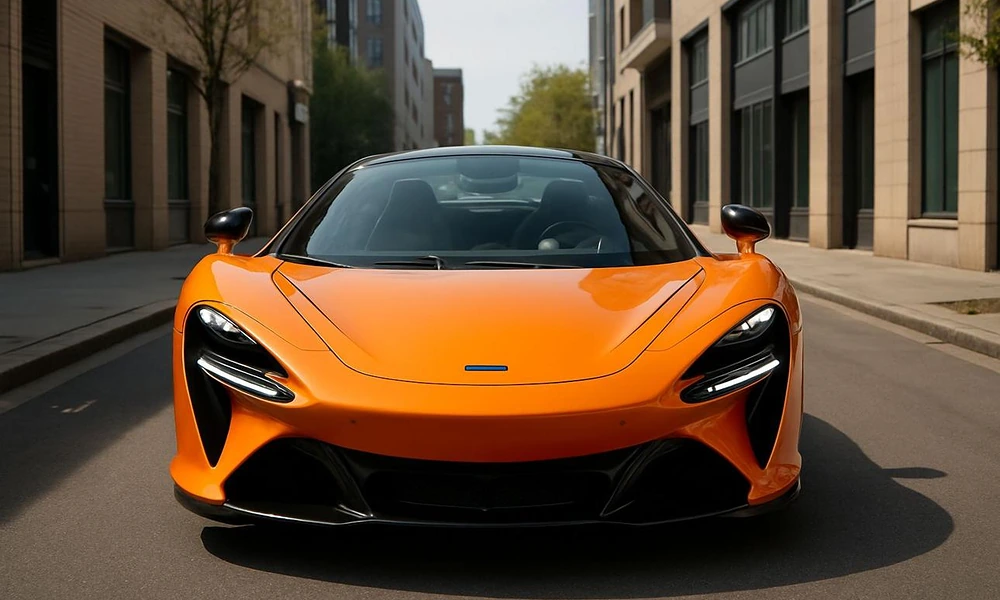
McLaren approaches automotive luxury from a performance engineering perspective. The 750S is designed around responsiveness, weight management, aerodynamics, and the relationship between driver and machine.
Its low profile and sculpted bodywork give it an unmistakable supercar appearance. Inside, the cabin is focused on driving, with controls and information arranged around the needs of the person behind the wheel.
Unlike a Rolls-Royce or Maybach, a McLaren is not primarily about rear-seat comfort or a relaxed ride. Its purpose is to deliver a focused performance experience.
In New York, the 750S is better understood as a specialist enthusiast vehicle than an ideal solution for every daily journey. Low ground clearance, limited storage, and crowded roads can influence ownership.
It offers a different definition of luxury: carefully engineered performance and a direct connection between driver and car. For the most extreme end of performance, see our guide to hypercars.
12. Lucid Air Sapphire: Electric Luxury in a New Era
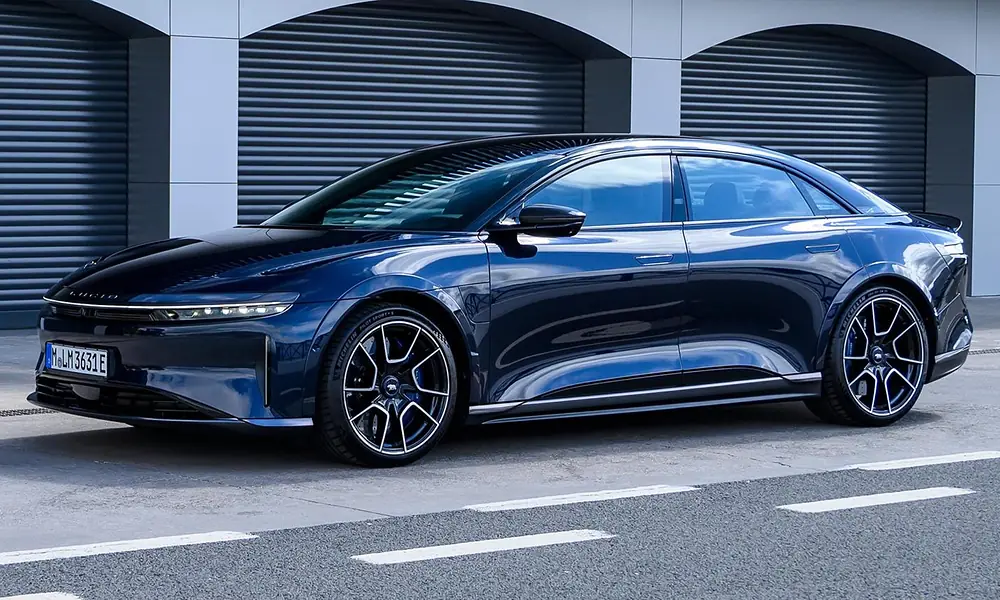
The sound of a conventional engine has long been part of the appeal of high-performance cars. Electric vehicles introduce a different atmosphere: smooth acceleration, reduced powertrain noise, and a driving experience shaped by software and battery technology.
The Lucid Air Sapphire represents a performance-oriented version of the Lucid Air electric luxury sedan. Its design combines aerodynamic proportions with a spacious cabin and advanced electric propulsion.
Electric powertrains can deliver rapid acceleration without conventional gear changes, while the quiet operation can contribute to a refined driving experience.
Ownership, however, introduces different questions. Charging availability, real-world range, weather, and journey planning matter, particularly for drivers who regularly travel between New York City and destinations outside the metropolitan area.
The Air Sapphire illustrates how electric technology can combine luxury and performance without following the traditional formula of a large combustion engine. For more on this shift, see our guides to electric luxury cars and luxury electric mobility.
What Makes New York Different for Luxury-Car Owners?
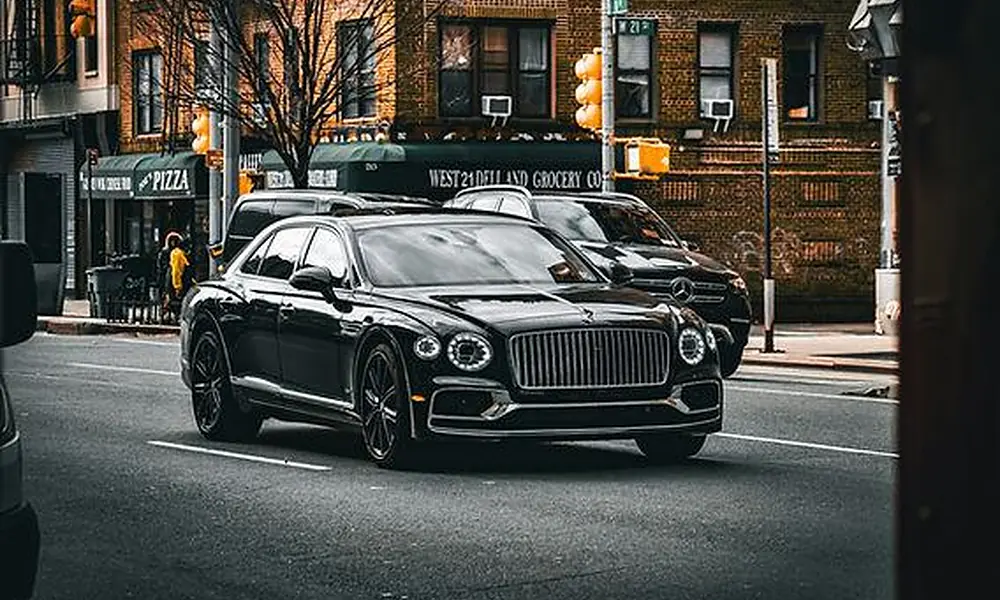
A luxury car in New York serves a different purpose from the same vehicle in a less densely populated place. The city offers world-class destinations and a vibrant automotive culture, but its traffic, parking limitations, and crowded streets affect everyday driving.
Manhattan and Its Urban Rhythm
In Manhattan, compact parking spaces, congestion, and frequent stops can influence the choice of vehicle. A sophisticated sedan may be well suited to chauffeur-driven travel, while a large SUV may require more careful parking arrangements.
The Hamptons and Weekend Travel
Beyond the city, the driving experience changes. Longer routes and seasonal travel make grand touring cars, comfortable sedans, and luxury SUVs attractive for different reasons.
Long Island and Westchester
For people with access to private garages or driveways, owning a large luxury vehicle can be more convenient. Family travel, commuting distances, and access to charging facilities can also influence whether a conventional, hybrid, or electric car makes the most sense.
These differences are not absolute. The right vehicle depends on personal priorities, driving patterns, and where it will be stored.
The Real Cost of Luxury-Car Ownership in New York
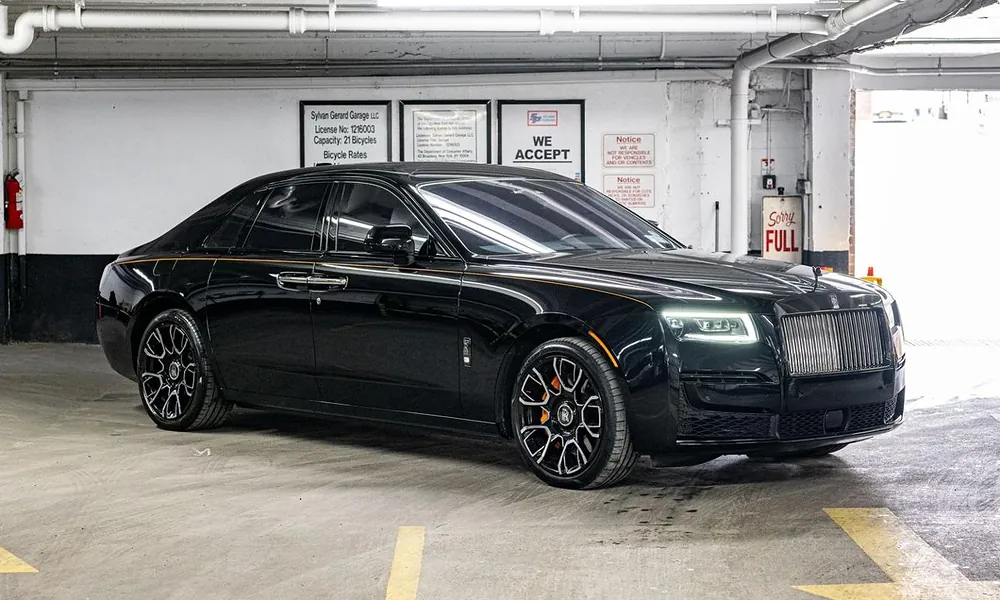
The purchase price is only one part of owning a luxury car. Insurance, maintenance, parking, registration, depreciation, and fuel or charging can contribute significantly to the total cost.
Ultra-luxury and exotic vehicles may require specialized technicians and expensive replacement components. Insurance costs can also reflect the vehicle’s value, performance, repair expenses, and storage arrangements.
Parking deserves particular attention in New York City. Garage rates vary by neighborhood and facility, and larger vehicles may not fit comfortably in every space.
Depreciation is another consideration. Some sought-after or limited-production cars may retain value better than others, but resale performance depends on market demand, condition, mileage, and many other factors.
A careful ownership comparison looks at the full cost over several years rather than focusing only on the advertised purchase price.
Frequently Asked Questions
What is the most luxurious car in New York?
The answer depends on what luxury means to the owner. The Rolls-Royce Phantom represents traditional ultra-luxury and craftsmanship, while the Mercedes-Maybach S-Class emphasizes passenger comfort. Bentley combines refinement with performance, and manufacturers such as Ferrari and Lamborghini focus on exotic driving experiences.
Which luxury cars stand out on New York streets?
Vehicles such as the Rolls-Royce Cullinan, Mercedes-AMG G 63, Lamborghini Urus, Porsche 911, and Ferrari sports cars have distinctive designs that stand out in urban surroundings. Actual sightings vary by neighborhood, season, and event.
Are luxury SUVs practical in New York City?
They can be, particularly for drivers who need passenger space and luggage capacity. However, vehicle dimensions, parking costs, congestion, and fuel or charging expenses should be considered.
Is owning a supercar in Manhattan practical?
It is possible, but not always convenient. Limited parking, traffic, low ground clearance, and the difficulty of using high-performance capabilities in urban conditions can make ownership more complicated.
Are electric luxury cars a good option in New York?
They can be a strong option for drivers with reliable charging access. Before buying, consider real-world range, public charging availability, regular travel distances, and how the vehicle will be parked.
What should someone consider before buying a luxury car?
Consider comfort, performance, reliability, maintenance, insurance, parking, depreciation, and local service availability. A test drive and a review of the exact model specification can help establish whether the vehicle fits everyday needs.
Final Thoughts
New York’s luxury-car scene brings together several different ideas of automotive excellence. The Rolls-Royce Phantom expresses traditional craftsmanship, Bentley balances refinement with performance, and Mercedes-Maybach focuses on the comfort of executive travel. Ferrari, Lamborghini, Porsche, and McLaren offer more performance-centered interpretations, while electric models such as the Lucid Air Sapphire reflect a changing technological landscape.
What makes these cars interesting is not simply their price or reputation. Each represents a different answer to the same question: what makes a journey special?
In a city where every street has its own rhythm, luxury can mean quiet comfort, expressive design, engineering precision, or the simple pleasure of discovering a remarkable machine.
Disclaimer: This content is for informational and entertainment purposes only and reflects our personal opinions and experiences. We just love to write and share what we observe along the way.