There is something about walking into a room with a few beautiful plants that immediately changes the mood.
The space feels softer. More alive. Less like a collection of furniture and more like somewhere people actually live.
That is part of why searches for the best indoor plants for air quality are so popular. People want greenery that looks beautiful but also fits naturally into a healthier-feeling home.
The important thing, though, is to keep expectations realistic. Houseplants can contribute to a pleasant indoor environment, but they are not a replacement for ventilation or proper air filtration.
Which Indoor Plants Are Worth Considering?
For a home, I’d start with plants that combine attractive foliage with relatively manageable care.
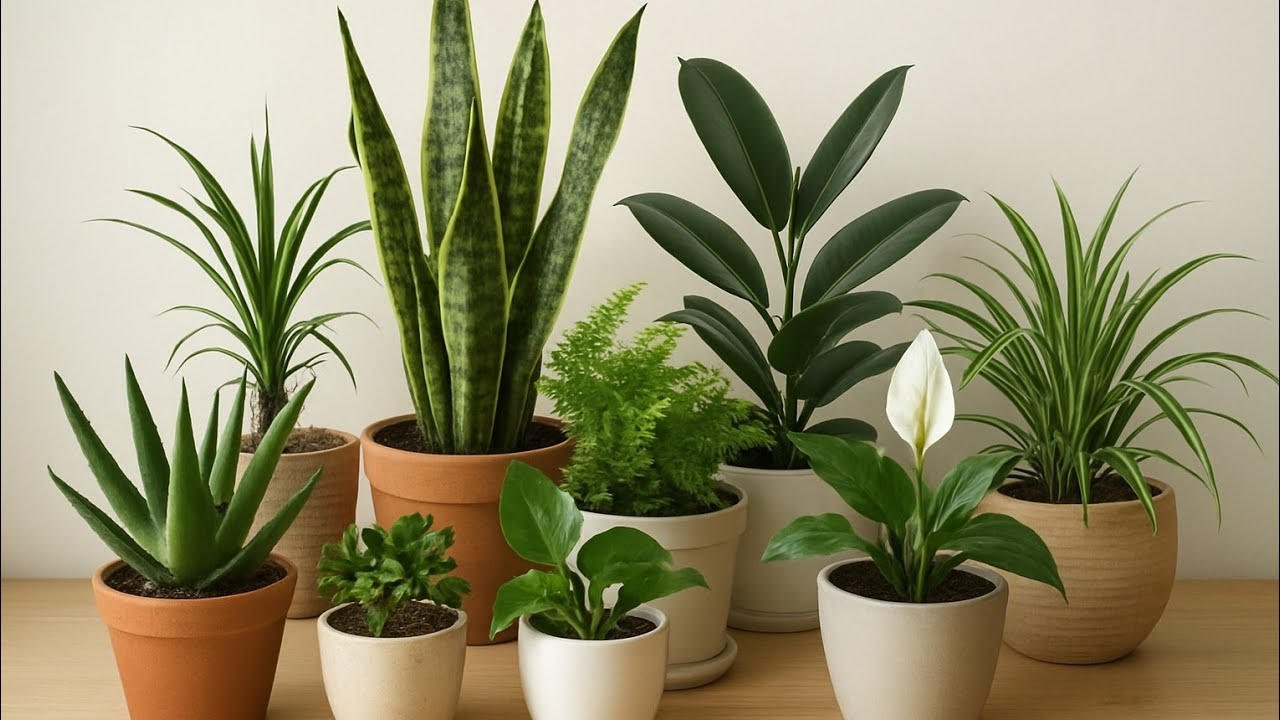
A few familiar choices include:
- Snake plant
- Spider plant
- Peace lily
- Pothos
- Rubber plant
- Areca palm
Each has a different personality, so choosing one is partly about how you want your room to feel.
Snake Plants Are Almost Impossible to Ignore
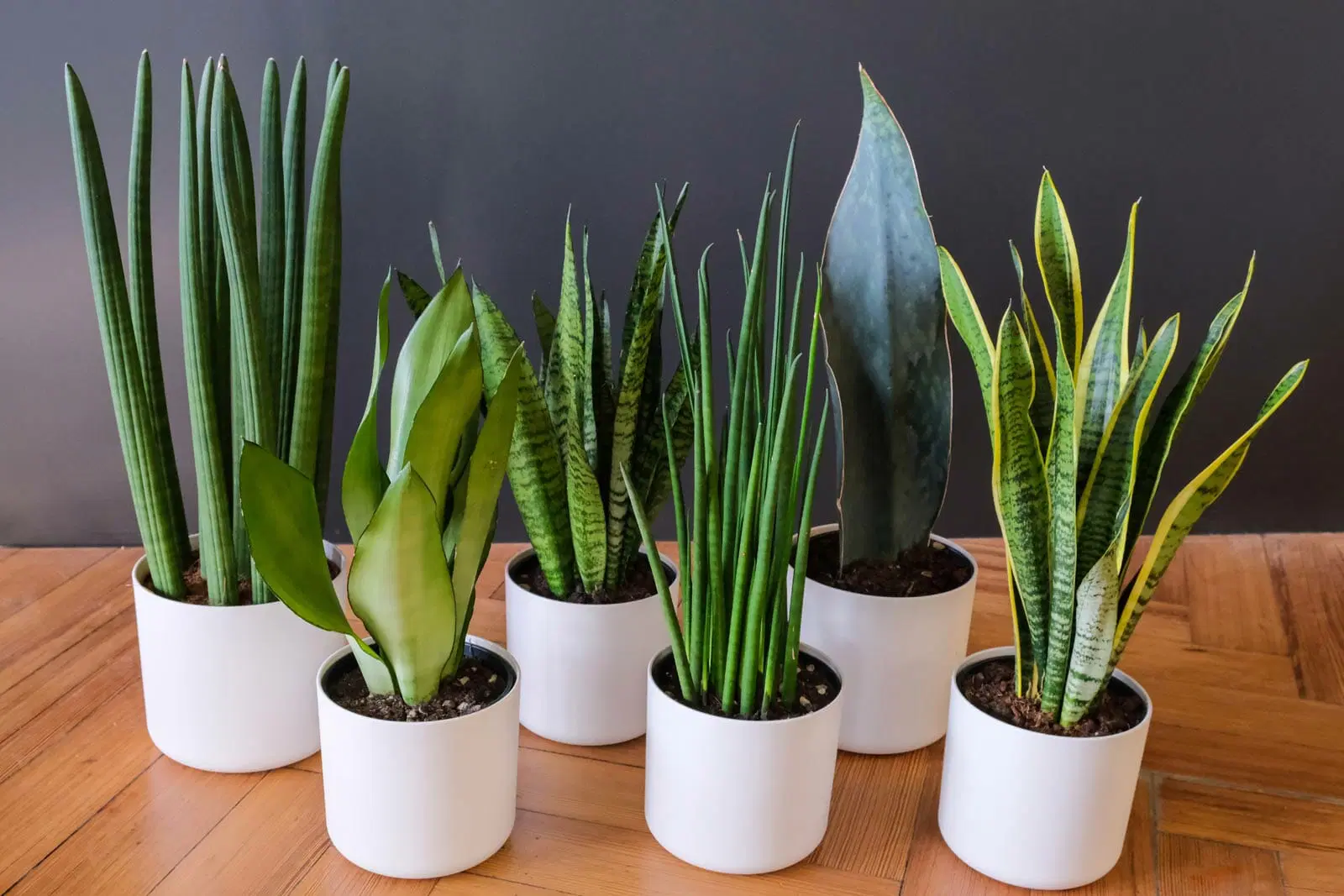
Snake plants have that clean, architectural look that works beautifully in modern interiors.
Their tall leaves add height without making a room feel crowded.
They’re also known for tolerating periods of less-than-perfect care, which makes them appealing if you’re not naturally someone who remembers every watering schedule.
I’d place one in a simple ceramic planter and let the shape do the work.
Spider Plants Feel Light and Casual
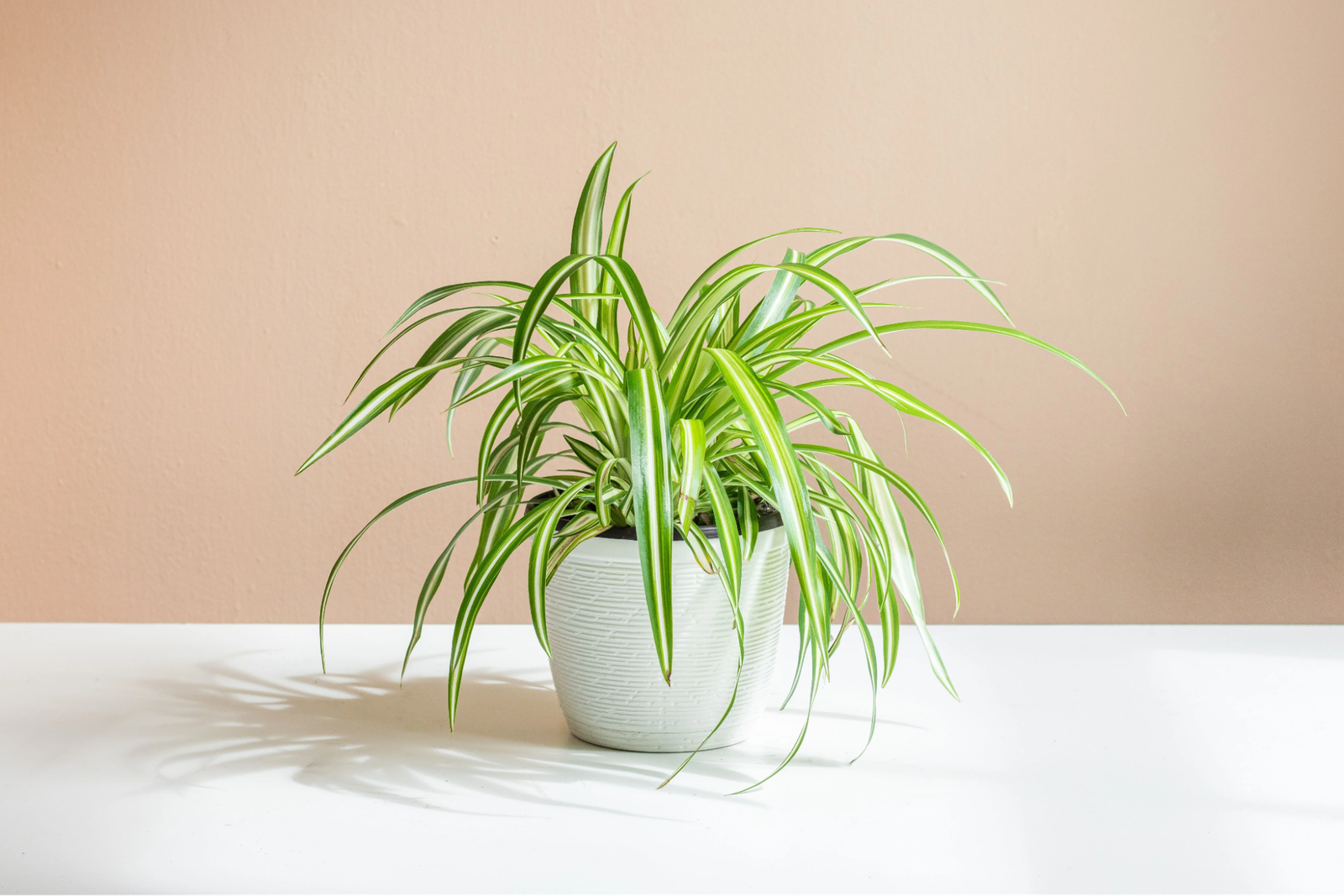
Spider plants have a completely different character.
Their narrow, arching leaves create movement, especially when they’re placed on a shelf or allowed to hang.
They’re a nice choice for bedrooms, home offices or smaller spaces where a large floor plant might feel excessive.
They also have a relaxed, almost effortless appearance.
Peace Lilies Bring a Softer Look
If you prefer something more elegant, a peace lily can change the feeling of a room quite quickly.
Its broad green leaves and white flowers create a softer visual contrast than the sharper silhouette of a snake plant.
Just remember that peace lilies have different care needs and can be sensitive to environmental conditions.
They’re beautiful but they aren’t completely maintenance-free.
Pothos Works Almost Anywhere
Pothos is one of those plants that can make a room look styled without making it feel overly decorated.
Put it on a bookshelf, cabinet or high shelf and let the vines fall naturally.
It’s particularly useful when you want greenery at different heights rather than putting every plant on the floor.
What About Air Purification?
This is where a little context matters.
Some studies have investigated the ability of plants to remove certain pollutants under controlled conditions. That doesn’t mean a few houseplants can clean the air in a typical home the way a dedicated air purifier or good ventilation system can.
So I wouldn’t buy a plant expecting it to replace an air purifier.
I’d buy it because it makes the room more pleasant—and treat any potential air-quality benefit as secondary.
The Real Air-Quality Basics Still Matter
If you’re genuinely concerned about indoor air quality, plants should be part of a bigger picture.
Think about:
- Regular ventilation when outdoor conditions allow
- Controlling indoor smoke and pollutants
- Keeping humidity at an appropriate level
- Cleaning dust regularly
- Maintaining HVAC systems and filters
- Using an appropriate air purifier when needed
Plants can complement those habits, but they shouldn’t replace them.
Choose Plants for Your Actual Room
This is the part I’d focus on before buying anything.
Ask yourself:
How much natural light does the room receive?
A plant that thrives beside a bright window may struggle in a dark corner.
Then consider temperature, humidity, available space and how often you’re realistically going to care for it.
The prettiest plant in a shop isn’t necessarily the right plant for your home.
Plants Can Be Part of Interior Design
This is where I think indoor greenery gets really interesting.
A large plant can soften an otherwise minimal living room.
A trailing plant can make a bookshelf feel more collected.
A sculptural plant can add height beside a sofa.
And a small plant on a bedside table can bring a little life into an otherwise quiet space.
You don’t need dozens.
Sometimes three thoughtfully placed plants look better than twenty scattered around a room.
My Simple Rule for Choosing One

I’d choose based on three things:
Light first.
Make sure the room can support the plant.
Care second.
Be honest about how much maintenance you actually want.
Aesthetic third.
Once the practical side works, choose the plant you genuinely love looking at.
That order saves you from buying something beautiful that slowly becomes unhappy in the wrong corner.
The Best Indoor Plants for Air Quality Are Still Plants You Can Keep Healthy
The healthiest-looking plant will always be more appealing than one struggling because it was chosen for a trendy claim.
So when you’re comparing the best indoor plants for air quality, think beyond air purification.
Think light.
Think maintenance.
Think scale.
Think about whether the plant actually belongs in your home.
Because ultimately, the nicest indoor greenery is the kind that becomes part of the room—not another thing you have to constantly worry about.
FAQs
Do indoor plants really improve air quality?
Plants can interact with certain pollutants under controlled conditions, but ordinary houseplants should not be considered a replacement for ventilation or dedicated air-cleaning equipment.
Which indoor plant is easiest to maintain?
Snake plants and pothos are commonly considered relatively forgiving choices, although every plant still needs suitable light and care.
Can plants replace an air purifier?
No. An air purifier is specifically designed to filter airborne particles or, depending on the technology, address certain other pollutants. Plants should not be treated as a substitute.
How many plants should I have in a room?
There isn’t a universal number. Choose based on the room’s light, available space and your ability to care for them.
What should I check before buying an indoor plant?
Check its light requirements, watering needs, mature size, humidity preferences and whether it is appropriate for your household.