You know that moment when you catch yourself leaning toward your laptop and suddenly realize you’ve been sitting like that for an hour?
You pull your shoulders back.
Lift your head.
Sit up straight.
And five minutes later, somehow, you’re doing it again.
That’s why posture correctors are so tempting. The idea is simple: wear something that reminds your body where it should be.
But the reality is more interesting.
When looking at the best posture correctors, I’d be much more interested in what a device actually does than in dramatic promises about permanently fixing your posture.
First, There Isn’t One Perfect Posture
This is worth clearing up before buying anything.
Cleveland Clinic notes that everyone’s natural posture is different and that there isn’t one universally perfect posture. Healthy posture is more about supporting your body’s natural spinal curves and being able to move comfortably than holding yourself rigidly in one position.
That changes how I’d think about a posture corrector.
It shouldn’t be something that forces your body into an uncomfortable position all day.
A useful device, if you choose to use one, should ideally act as a reminder or provide support for a specific purpose.
What Is a Posture Corrector?
The term covers several different products.
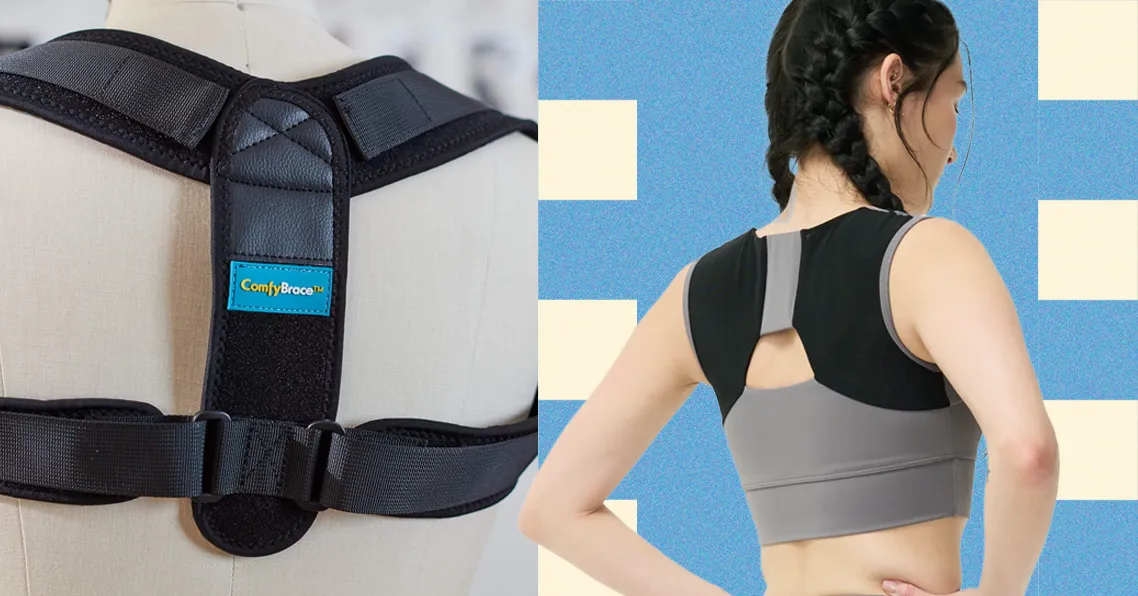
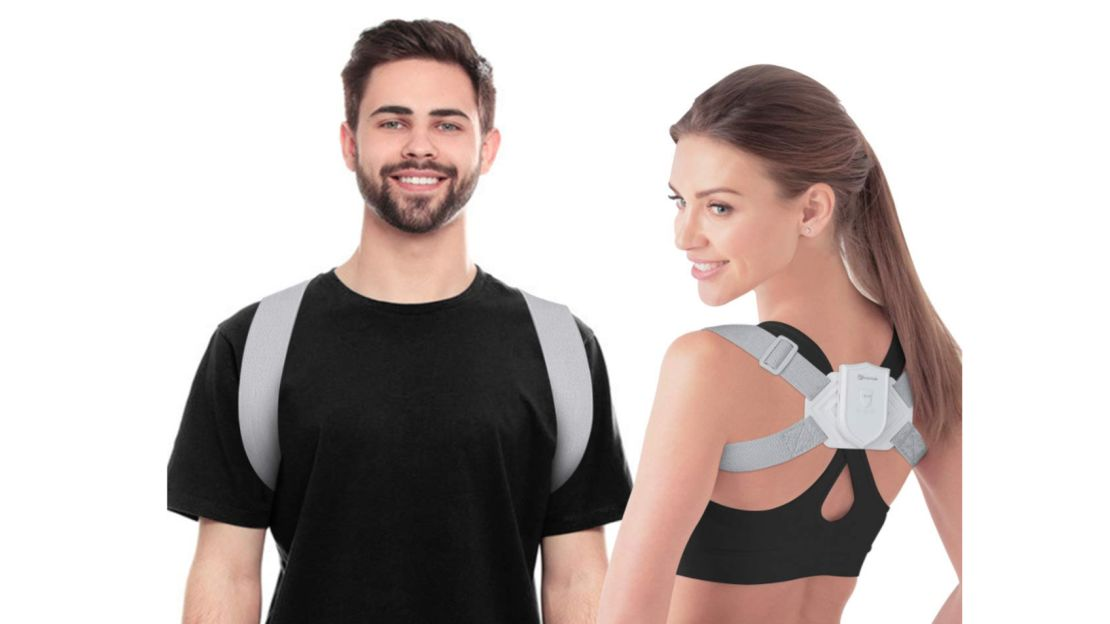
Some are lightweight shoulder straps that gently pull your shoulders back.
Others resemble supportive shirts.
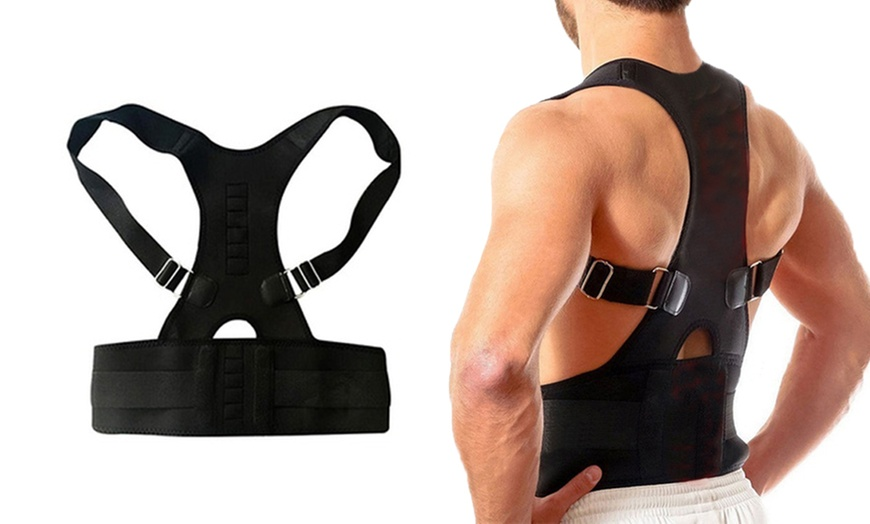
Some are more substantial braces designed to support the lower back or torso.
They’re not interchangeable.
A shoulder posture strap is solving a very different problem from a medical lumbar orthosis.
So before comparing products, figure out what you’re actually trying to address.
I’d Look for Comfort Before Almost Anything Else
If a corrector digs into your shoulders, restricts your breathing or makes you feel trapped, you’re unlikely to want to wear it consistently.
Look for:
- Adjustable straps
- Comfortable contact points
- Breathable materials
- A fit that doesn’t restrict normal movement
- A design that works underneath your usual clothing, if that’s important to you
- Clear sizing instructions
The device should feel supportive rather than punishing.
The Goal Shouldn’t Be to Stay Rigid
This is where I think posture products can easily be misunderstood.
- Your body is supposed to move.
- You bend.
- You reach.
- You walk.
- You change positions.
- You stretch.
- You shift in your chair.
Cleveland Clinic recommends maintaining awareness of posture while also taking breaks, stretching and changing positions rather than obsessing over holding one fixed position.
So I wouldn’t choose a product simply because it makes you feel extremely upright.
More restriction isn’t automatically better.
What Does the Evidence Say?
The research is more complicated than many product pages suggest.
A review of posture-correcting shirts found that the available studies were limited and generally low quality, with insufficient evidence to recommend these garments for managing musculoskeletal pain.
More recent research on lumbar orthoses is somewhat more nuanced.
A 2026 systematic review found that some people with chronic nonspecific low-back pain experienced improvements in pain or disability with lumbosacral orthoses, particularly in shorter-term use. However, the studies were heterogeneous and the authors concluded that more high-quality research is needed.
That’s a very different message from saying a posture brace is universally beneficial.
Posture Corrector vs. Lumbar Support
These are worth separating.
| Product type | Main purpose | What to consider |
| Shoulder posture strap | Awareness of upper-body position | Comfort and adjustability |
| Posture shirt | Gentle sensory feedback/support | Evidence for pain relief is limited |
| Lumbar support | Support around the lower back | More relevant to specific back conditions |
| Medical orthosis | Structured support for a clinical reason | Should be selected with professional guidance |
The right product depends heavily on the reason you’re considering it.
Don’t Use One to Ignore Pain
If you’re experiencing persistent back, neck or shoulder pain, I’d stop treating this as a shopping decision.
A posture corrector may not address the underlying cause.
Cleveland Clinic recommends speaking with a healthcare professional when you’re experiencing neck, shoulder or back pain so the cause and appropriate treatment can be assessed.
That matters particularly if the pain is persistent, severe or accompanied by other concerning symptoms.
Your Desk Setup May Matter More
Sometimes the answer isn’t another piece of equipment.
It’s the chair.
The screen.
The keyboard.
The way you spend eight hours without moving.
Even the best posture device won’t make an uncomfortable workstation disappear.
A better routine might include:
Raise your screen so you’re not constantly looking downward.
Keep your feet supported rather than dangling.
Change positions regularly instead of trying to maintain one perfect position.
Take movement breaks throughout long periods of sitting.
Strengthen and move your body rather than relying entirely on passive support.
Cleveland Clinic specifically recommends taking breaks, stretching and changing positions as part of healthy posture habits.
When a Posture Corrector Might Make Sense
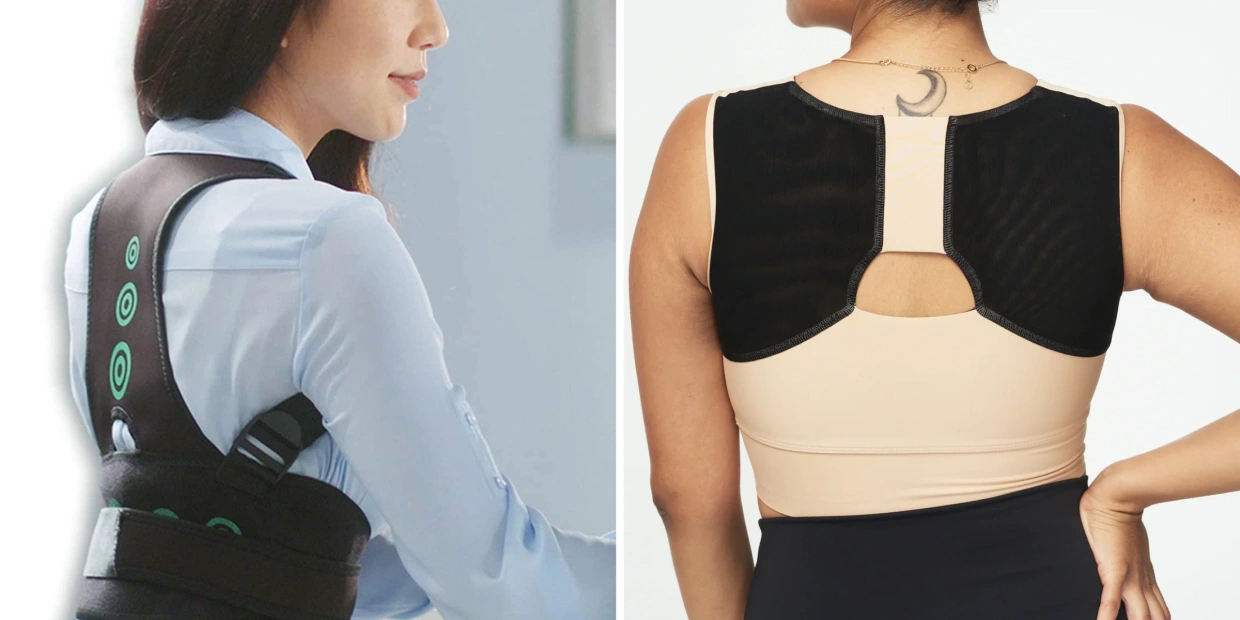
There are situations where someone may find a posture device useful.
For example, you might use a lightweight corrector as a short-term reminder while learning to notice how you’re sitting.
A clinician may also recommend a specific orthosis for a particular condition.
The key is knowing what job the device is supposed to perform.
If the answer is simply “make me sit perfectly straight forever,” I’d be skeptical.
How I’d Choose One
Before buying among the best posture correctors, I’d run through this checklist:
1. What problem am I trying to solve?
Upper-body awareness? Workstation habits? A diagnosed condition?
2. Can I move normally while wearing it?
If not, reconsider the design or fit.
3. Is it adjustable?
Bodies aren’t one-size-fits-all.
4. Can I actually tolerate wearing it?
A technically impressive product is useless if you hate having it on.
5. Does the manufacturer make realistic claims?
Be cautious around promises involving permanent correction, guaranteed pain relief or dramatic structural changes.
6. Do I actually need a medical device?
If you’re dealing with ongoing pain or a diagnosed condition, professional guidance is more useful than choosing based solely on online reviews.
Sometimes the Simplest Fix Is Awareness
There’s something almost funny about posture.
Most of us know when we’re slouching.
We just don’t notice that we’re doing it until someone points it out.
A posture corrector can potentially serve as that reminder.
But I’d rather think of it as one small tool rather than the solution to everything.
Move more.
Adjust your workspace.
Take breaks.
Build strength.
Pay attention to how you feel.
And if a healthcare professional has recommended a specific brace or orthosis, follow that advice rather than treating a generic online product as an equivalent.
So, What Are the Best Posture Correctors?
There isn’t one universal winner.
The best posture correctors depend on why you’re using one, where you need support and whether the design lets you move comfortably.
For general posture awareness, a lightweight, adjustable design may be more practical than a rigid brace.
For a medical condition, the conversation is different and the appropriate device should be based on professional assessment.
That’s probably the biggest thing I’d remember before buying one:
Don’t shop for “perfect posture.” Shop for the right support for your actual need.
Your body was designed to move, not to spend the entire day being held in one position.
FAQs
Do posture correctors really work?
Some devices can provide feedback or support, but evidence for posture-correcting garments as a treatment for musculoskeletal pain is limited. Research on lumbar orthoses suggests possible benefits for selected people with chronic low-back pain, but findings remain inconsistent.
Can wearing a posture corrector fix bad posture permanently?
There isn’t strong evidence that wearing a posture corrector permanently changes posture. Healthy posture also involves movement, strength, body awareness and habits.
Can I wear a posture corrector all day?
That depends on the specific device and why you’re using it. Avoid treating a generic brace as something that must be worn continuously, particularly if it causes discomfort or restricts movement.
Are posture correctors good for back pain?
It depends on the cause of the pain and the type of support. Current evidence for lumbar orthoses is mixed, and WHO recommends against routine use of lumbar braces, belts or supports for chronic primary low-back pain.
What should I do if I have persistent back or neck pain?
Consider getting assessed by a qualified healthcare professional rather than relying on a posture corrector to determine or treat the cause.