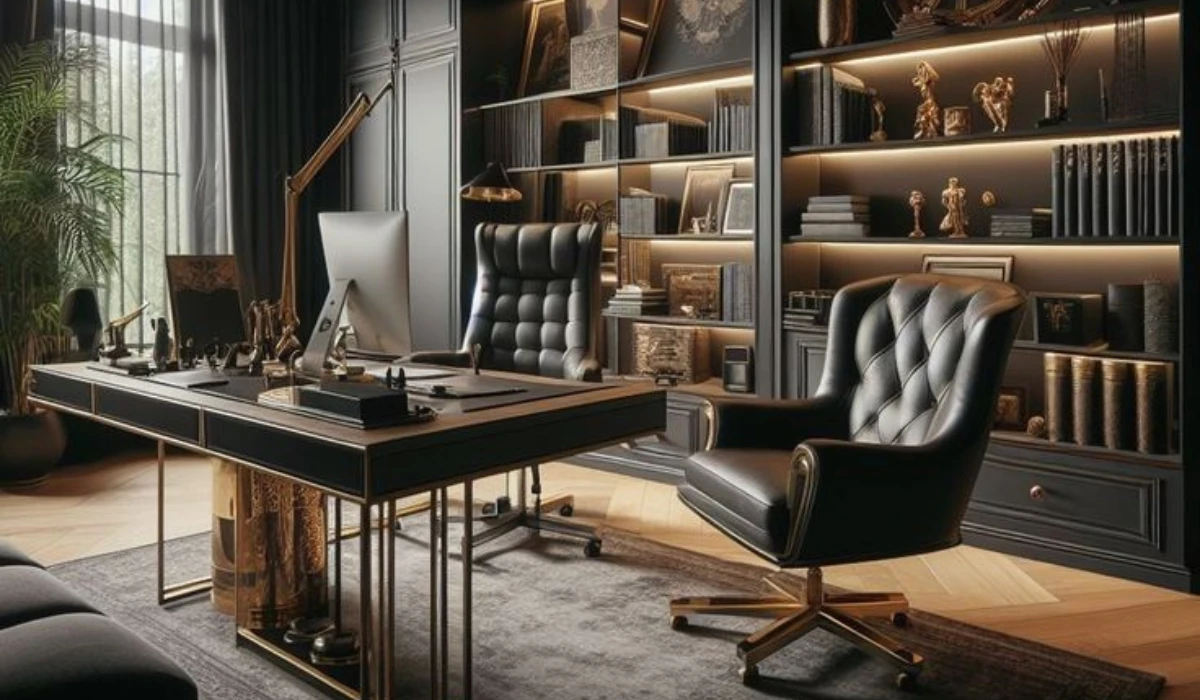
I’ll be honest. I put off setting up a proper home office for way too long. Kept telling myself the kitchen table was fine. It wasn’t. My back was wrecked, I couldn’t focus for more than an hour, and every video call looked like I was broadcasting from a storage unit.
Eventually I got fed up and just started fixing it, piece by piece. What I ended up with isn’t magazine-worthy, but it’s mine, and it actually works.
Here’s what I’ve learned, and what I’d do differently if I were starting over.
Start with the desk. Everything else follows from it
The desk sets the tone for the whole room, so don’t rush this decision. I went through two before landing on one I actually liked. My current one is solid walnut and it was more than I wanted to spend, but three years later I have zero regrets. It just gets better looking over time, which you genuinely cannot say about most furniture.
If you’re in a smaller space, glass is worth considering. It doesn’t eat the room visually the way a chunky wood desk can. And if you’re putting in long hours, a sit-stand setup is worth at least thinking about. I was convinced mine was a gimmick until I actually started using it. Standing for an hour after lunch changed things more than I expected.
One habit I’ve built: nothing lives on the desk surface unless I’m actively using it that day. Sounds obvious. Took me two years to actually do it.
The chair is the one place to not be cheap
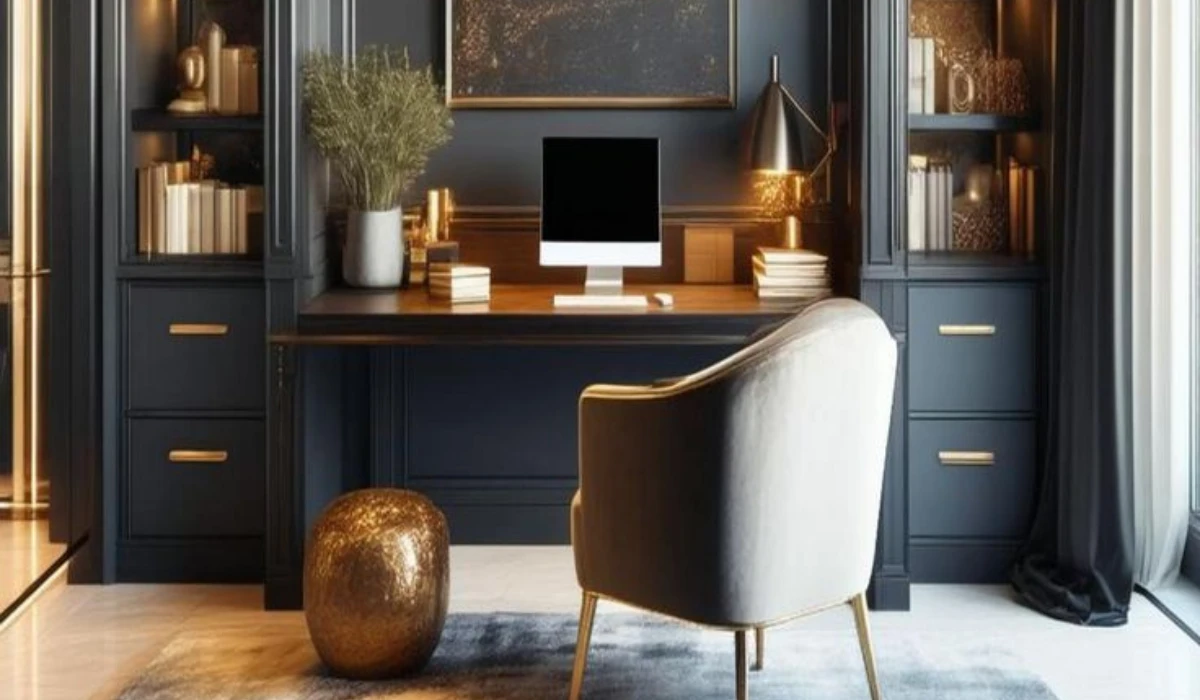
I went through a cheap chair phase. My lower back still has opinions about it. A good ergonomic chair, from Herman Miller, Humanscale, or even Secretlab if you want something that looks less corporate, is genuinely worth the money. You’re in it for hours every day. It’s not a luxury, it’s maintenance.
That said, if the whole office chair look bothers you, a well-built accent chair with a proper lumbar cushion can work for a few hours at a time.
Just be honest with yourself about how long you’re actually sitting in it. I thought I’d be fine in a beautiful but unsupportive chair for just a few hours a day. I was not fine.
Lighting fixes more problems than you would expect
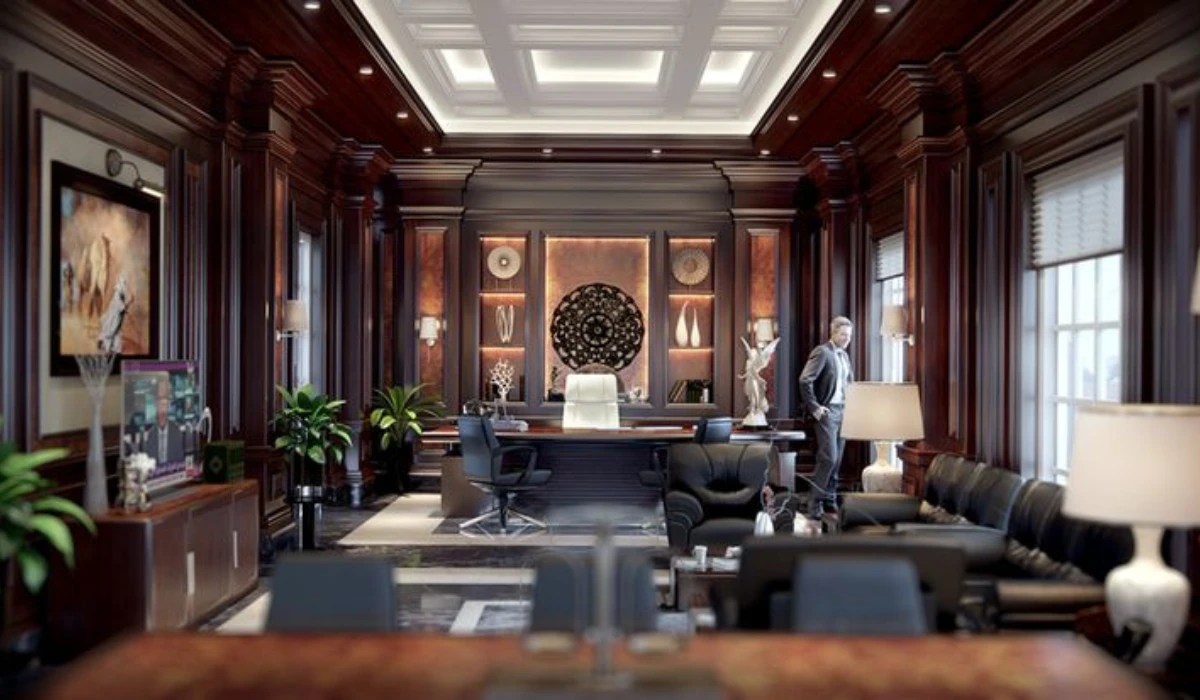
Get the window position right first. Desk to the side of the window, not with the window behind you. I had mine wrong for months. Every afternoon the glare off my screen gave me a headache I couldn’t figure out.
After that, a desk lamp with adjustable color temperature is the move. Warmer light when I’m writing or brainstorming, cooler when I’m doing anything that requires actual precision. Makes a difference I didn’t anticipate.
The thing I didn’t expect to love: a monitor light bar. Sits on top of the screen, lights your desk without any glare, doesn’t take up any surface space. It’s one of those things where you wonder why you waited so long.
Sort your cables out. Seriously
This is the one that surprised me most. I did everything else right and my setup still looked chaotic because of the cables. Ran everything through channels along the desk legs, put a cable box on the floor underneath, switched to a wireless keyboard and mouse. Night and day difference.
A monitor arm is also worth it, not just for ergonomics, but because it lifts the screen off the desk entirely and eliminates a cable or two in the process.
Other things that helped: a single ultrawide instead of two mismatched monitors, a webcam on a small mount instead of relying on my laptop camera, and a wireless charging pad so my phone isn’t trailing a cable across the desk all day.
The bookshelf situation.
If you’re on video calls, whatever is behind you matters. I used to have a crammed bookshelf back there and I could see people looking at it during calls, not in a good way.
Cleared it out, put back maybe half the books, added a small plant and a couple of objects that actually mean something to me. Left some empty space. Looks ten times better and took maybe half an hour.
The key with bookshelves is that negative space is doing as much work as the stuff on the shelves. Resist the urge to fill every gap.
Plants. Just get a plant.
I resisted this for a long time for no real reason. Got a pothos eventually because someone told me it was basically impossible to kill. They were right. It’s been on my shelf for three years, I water it when I remember, and it makes the whole room feel less like a bunker.
A snake plant or ZZ plant will do the same thing with even less effort.
For art, one piece you actually care about is worth more than ten generic prints. Frame it properly, hang it where you can actually see it from your desk. Took me a while to figure out that last part.
Two things nobody talks about.
Scent and sound. I know, it sounds like something from a lifestyle blog. But a small diffuser running rosemary or peppermint while I work has genuinely become part of how my brain knows it’s time to focus. It’s a cue more than anything.
Sound is the same. I can’t work in silence and I can’t work with music I actually know the words to. Ambient coffee shop noise is my go-to for most things, binaural beats when I really need to concentrate. Experiment with it.
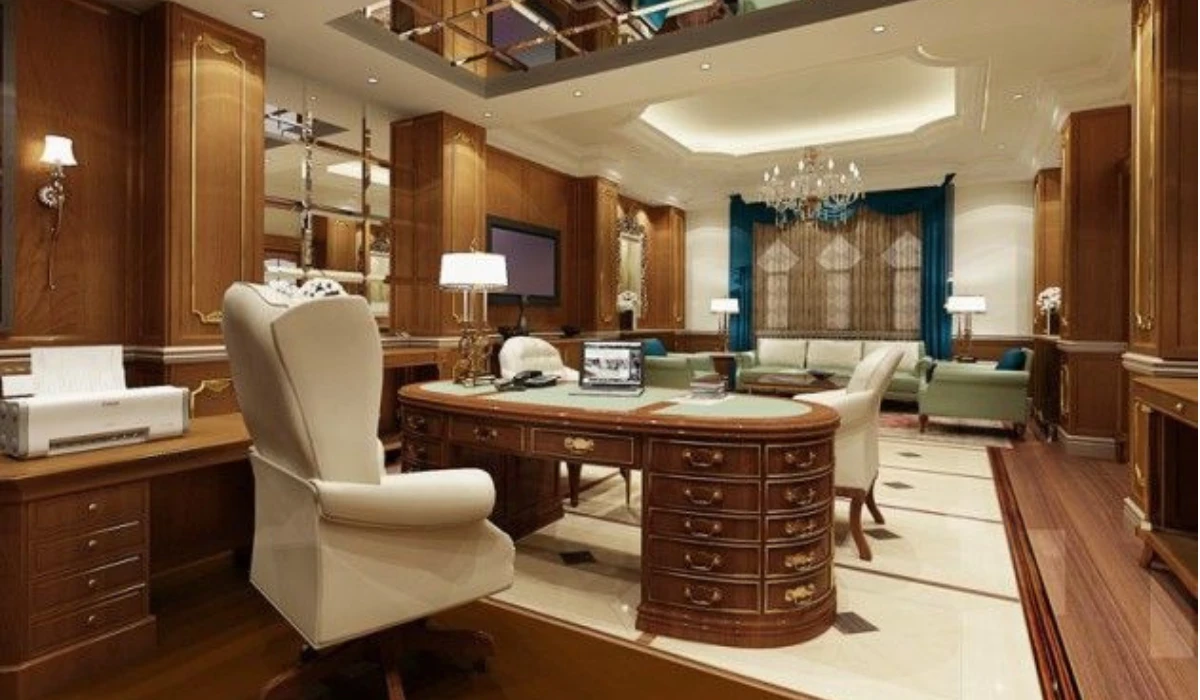
The questions people actually ask.
How do I make a home office look expensive?
Declutter. Seriously, that’s most of it. Negative space is what makes a room look considered rather than accumulated. Then: a quality desk, managed cables, a styled shelf, and one piece of art hung at the right height.
What’s actually worth spending money on?
The chair. Everything else is negotiable.
What if I only have a small space?
Wall-mounted fold-down desk, a monitor arm, one floating shelf. You can build something genuinely good in surprisingly little square footage. Small is a constraint, not a sentence.
A home office that works isn’t really about luxury. It’s about intentionality. Spend the time and money where it actually affects your day, ignore the rest, and stop apologizing for the corner of your apartment where you do most of your actual work.