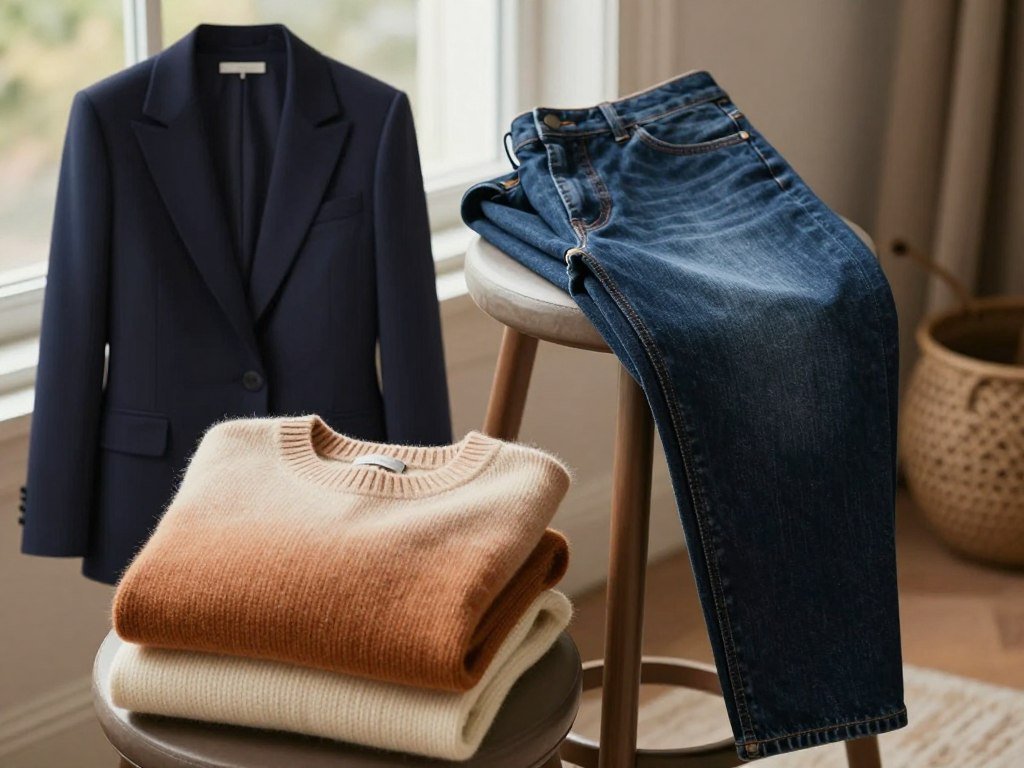
A closet can feel easier to use when a fall capsule wardrobe for women over 40 includes favorite pieces that work across more than one part of your day. You do not need a total closet change to get dressed with less fuss. A small, thoughtful rotation can make room for work, errands, and weekends.
The goal is to find clothes that feel comfortable and still look like you. Your schedule, local weather, and personal taste matter more than age-based rules. A well-planned outfit can shift from a busy workday to dinner with a simple change of layer or accessory. Comfort belongs beside polish, not in place of it.
Key Takeaways
- Start with clothes that fit your current routines.
- Choose colors that coordinate and still feel personal.
- Use a small rotation as a guide, not a strict rule.
- Keep comfort in mind when choosing fabrics and fit.
- Refresh a useful wardrobe with a few seasonal changes.
This approach can help you get more outfits from clothes you already own, while leaving room for a new find that earns its place. The best starting point is the clothing you already reach for and feel good wearing.
What Belongs in a Fall Capsule Wardrobe for Women Over 40?
A capsule wardrobe is a selected group of clothes that mix and match for everyday life. Start with fit, routine, and a palette you enjoy, rather than a fixed shopping list. These planning methods are alternatives, not numbers to add together.
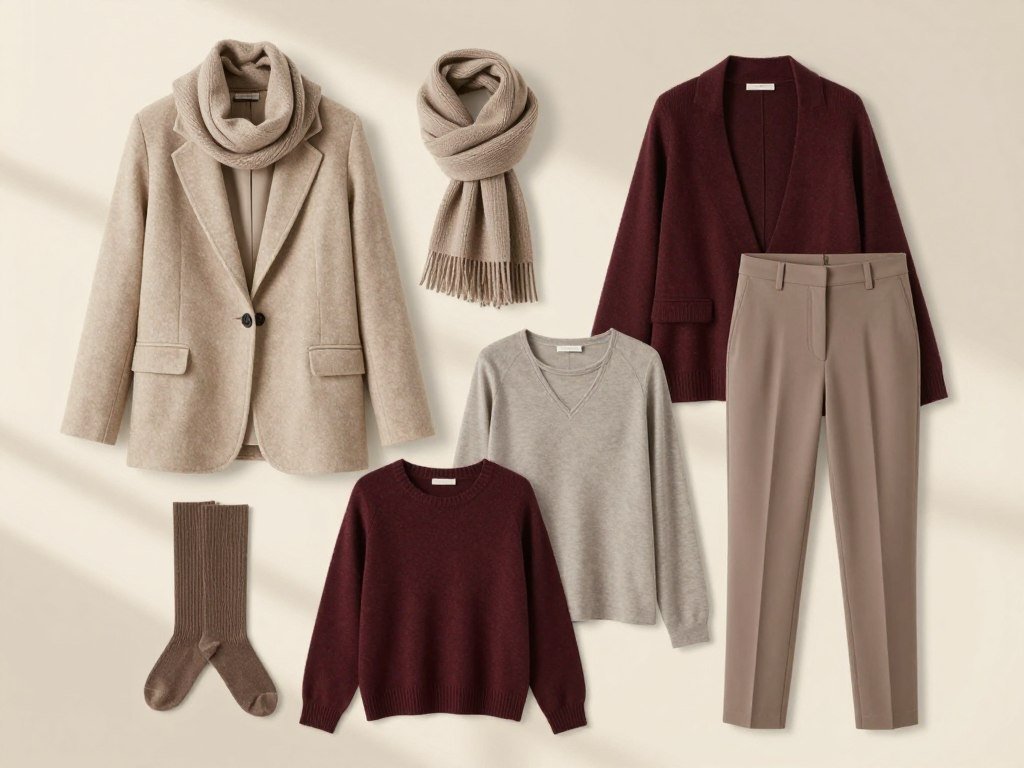
Choose a color palette that feels like you
Two core neutrals, such as navy and cream, make it easier to combine pieces. An accent color is a secondary hue used selectively to add contrast within a coordinated palette. Choose one that suits your taste, then use it in a top, scarf, or bag.
Fashion for a 40-year-old woman in 2026 can reflect personal fit and schedule, not age rules. An autumn capsule wardrobe for 2026 can keep its foundation simple, then refresh texture or color. A [2025 capsule wardrobe guide](https://praviceler.com/capsule-wardrobe-trends/) also offers ideas for small seasonal updates.
Pick a capsule size that suits your routine
Three common planning tools give you different ways to set a useful size. An 18-piece foundation lists 18 foundation pieces, while another method assigns a number to each clothing group.
| Framework | Count | What it includes |
|---|---|---|
| 18-piece foundation | 18 items | White tee, neutral tank, button-up, lightweight sweater, blazer, transitional jacket, little black dress, midi dress, jeans, tailored trousers, skirt, coat, sneakers, ankle boots, flats or loafers, everyday bag, belt, signature jewelry |
| 5-4-3-2-1 seasonal formula | 15 items | 5 tops, 4 bottoms, 3 shoes, 2 layers, and 1 dress |
| 30-40-item rule of thumb | 30-40 items | A general total shaped by your life and style |
A 70/30 balance of timeless basics and trend or statement pieces is one way to guide choices. A 30-40-item total is a general rule of thumb, not a target for every closet.
Let the routine you actually live, rather than an idealized one, set the size of the capsule.
If you do laundry often or dress for one narrow setting, you may need fewer items than the guideline. Use this quick closet audit before adding anything:
- Fits now
- Suits current routines
- Feels comfortable
- Coordinates with the chosen palette
Keep pieces that pass the audit, even if they are not classic basics. A favorite print or unusual color can earn space when you wear it often.
Which Tops Make the Most Useful Fall Layers?
A comfortable tee and a crisp shirt can cover more occasions than a stack of tops that each need a special pairing. Choose two useful roles: one easy base and one shirt with a more finished feel. Each top should work with at least two bottoms you own.
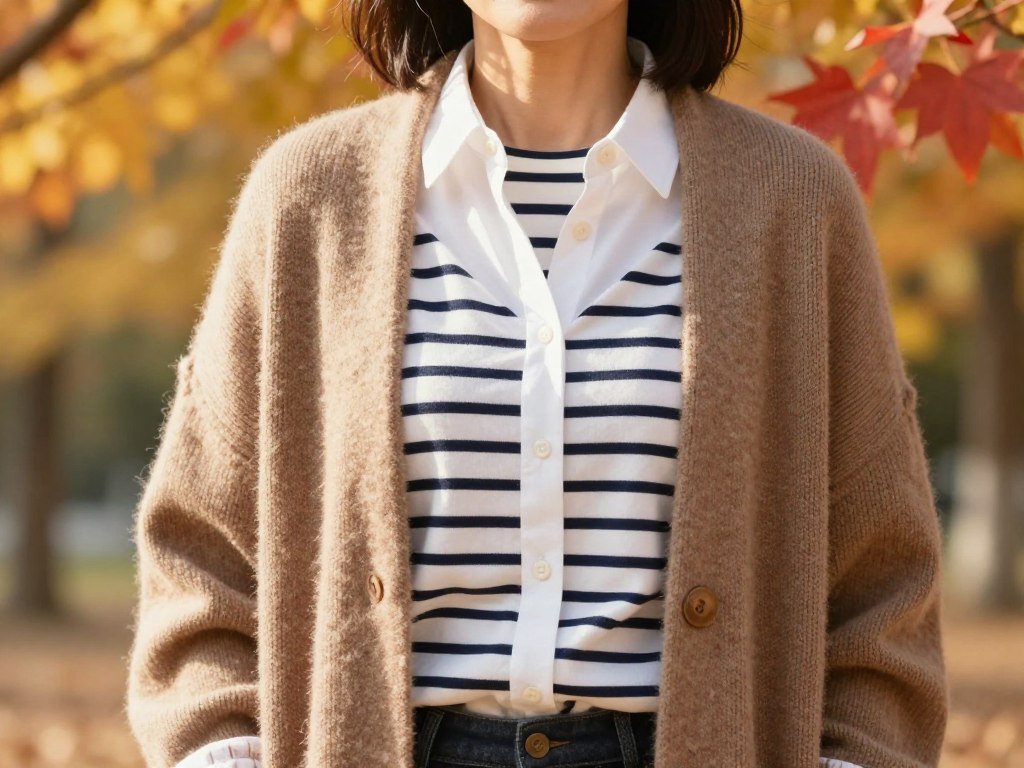
1. A polished tee or striped tee
A polished tee can go under a jacket or stand on its own with pants. Choose a fabric that keeps its shape and a neckline that feels good through a full day. Stripes add interest without making the top hard to wear.
In Fall 2026, a striped tee can layer under blazers, sweaters, and jackets. That gives one simple shirt several jobs, from casual errands to a workday. A solid tee is a sound choice if patterns do not suit your style.
An elevated flannel also earns a place when you like a softer, relaxed shirt. Button it under a blazer for work, or wear it loose over a tank on weekends. Pick a color that connects with the rest of your clothes.
2. A crisp button-down or expressive blouse
A button-down adds a neat line without feeling formal. Wear it tucked into trousers, open over a simple base, or on its own with dark denim. A blouse can fill the same role when you prefer a softer collar or more detail.
Subtly defined waists work with straight-leg or wide-leg pants, a pencil skirt, or dark denim. This shape can give an outfit structure while leaving room to move. In Fall 2026, lace can work as a blouse with jeans or as a ruffled shirt under a blazer.
Velvet offers another texture choice: wear it as a blazer with jeans or tailored pants, or as a top with a simple skirt. Keep the other pieces calm so the texture can stand out. For a simpler wardrobe, choose one textured shirt instead of several statement tops.
A common mistake is buying several distinctive tops that coordinate with only one bottom. They may look appealing on a hanger, then sit unworn because each needs a special outfit. Try a new shirt with familiar pieces before deciding it belongs.
Notice how the fabric feels when you sit, reach, and move through a normal day. A shirt that needs constant adjusting may not be as useful as a plain one. Before keeping a top, try it with at least two bottoms already in the closet.
Which Sweaters Work Across Changing Temperatures?
A fine-knit crewneck gives warmth without making a mild fall afternoon feel like midwinter. Choose a light, easy layer for mild days, then add a thicker knit only when the weather calls for it. The right weight depends on the temperatures you face outdoors and indoors.
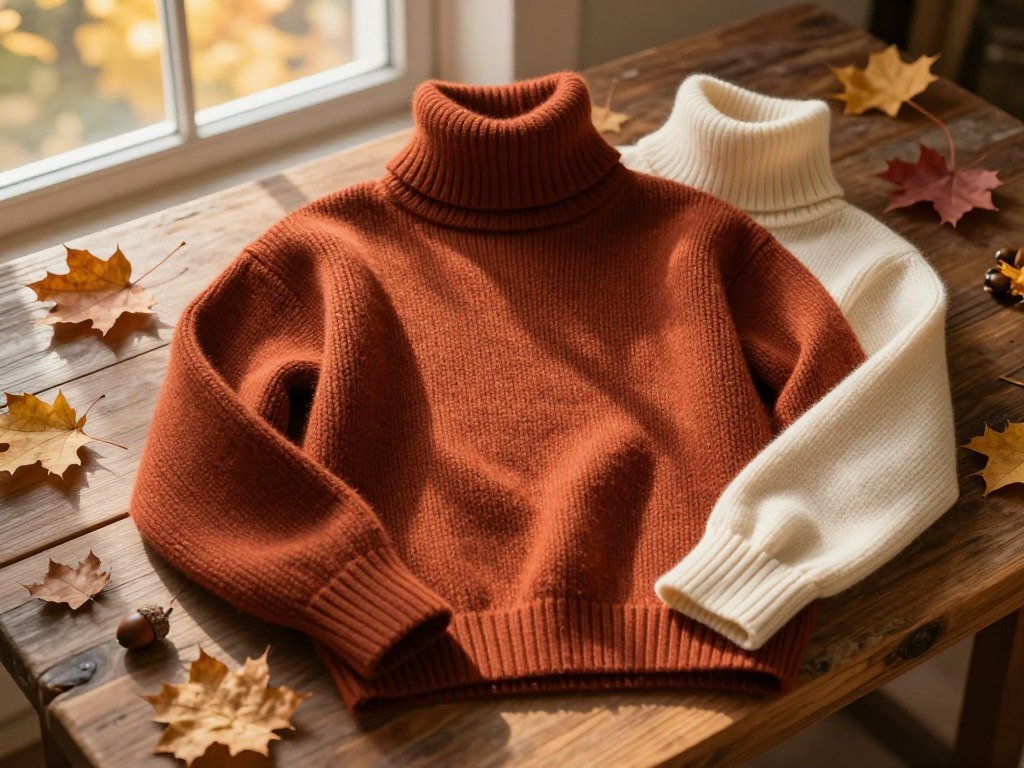
3. A fine-knit crewneck sweater
A classic crewneck works with skirts, trousers, or jeans for fall workwear. The smooth knit sits neatly under a coat, and it can also look finished on its own. Choose a shade that works with the clothes you wear most.
For early fall in a warm climate, look for sleeves you can push up and a knit light enough to layer. A chunky knit gives more warmth and a more casual look. In a warm room or climate, a heavy sweater may feel uncomfortable.
A cardigan is another useful choice when you want a layer that can also be worn buttoned. Its open front makes it easy to adjust during a day with changing temperatures. Keep its fit comfortable over the top you plan to wear beneath it.
4. A fitted turtleneck
A fitted turtleneck adds warmth under a sleeveless dress or button-down shirt. It can extend the use of a dress when the air turns cool, without requiring a separate outfit. A close fit helps keep extra fabric from bunching under other clothes.
Choose a thin knit if you expect to wear it under another layer. A thicker turtleneck can stand on its own on a cold day, but may feel bulky under a jacket. The neckline should feel easy to wear for several hours.
For colder months, a well-shaped chunky knit can still be comfortable under a relaxed coat. Stylist Solange Franklin’s advice on chunky sweaters includes ways to manage bulk and shape. For more cold-weather combinations, browse these practical winter outfit ideas.
Check the label and feel the fabric before choosing a sweater, especially if you dislike scratchy yarn. A simple, soft knit may get more wear than a dramatic one that stays in the drawer. Match the sweater’s weight to the coldest part of the day you expect to spend outdoors.
Which Jeans and Pants Earn Their Place?
One dark-wash pair can bridge casual plans and settings where light denim feels too relaxed. Make comfort the first test, then choose a cut that works with your usual tops. Try sitting, walking, and bending before deciding that a waistband or hem fits.
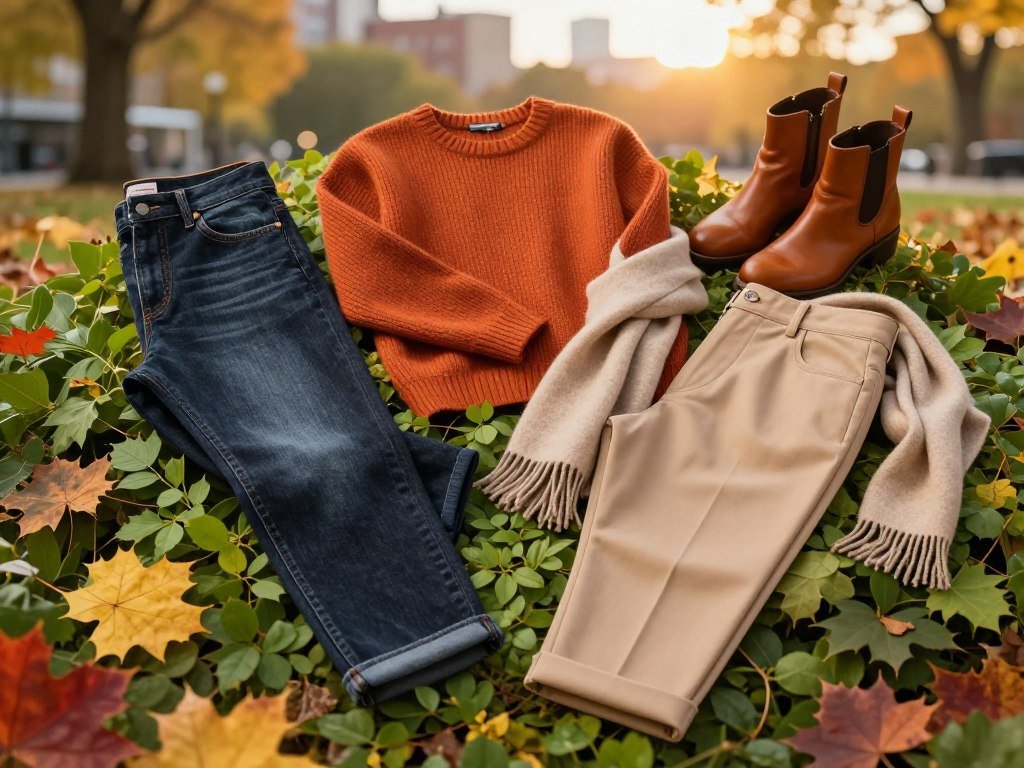
5. Dark-wash jeans in a comfortable cut
Dark-wash jeans are a versatile, dressier-leaning option when denim suits your daily life. Straight-leg jeans give a classic line, while wide-leg jeans bring more room through the leg. A more fitted top can balance wide-leg denim without making the outfit feel stiff.
Skinny-flare jeans fit through the hip and thigh, then widen slightly at the ankle. In Fall 2026, this shape works with heels or flat boots. Ankle-length jeans can show ankle boots or loafers, if that length feels right to you.
Do not pick a cut just because it has a current name. The rise, stretch, and hem should feel good when you move. Check for pinching at the waist and pulling at the hips, then walk a few steps in the fitting room.
6. Tailored trousers with room to move
Tailored trousers are a dressier second option when jeans feel too casual. A straight or wide leg can work with several tops, while a clean front gives the outfit a more polished look. Look for enough room to sit without the fabric pulling.
Pull-on pants can feel easier to wear than structured trousers, especially on long days. A smooth waistband and fabric with some give can help them feel relaxed while still looking neat. Choose a pair that works with the shoes you already wear often.
Your pants should serve your real week, not just a planned occasion. If you spend much of the day seated, test the waistband in that position. If you walk often, see whether the hem stays clear of the ground.
Keep the hem length in mind when you compare cuts, since different shoes change how pants fall. A hem that works with one pair may drag with another. Check the hem with the shoes you wear most often before settling on a jeans length.
Which Dress and Skirt Make Fall Dressing Easier?
A midi dress can make a polished outfit with one main garment and a layer chosen for the weather. Pick a shape you can move in, then decide whether a dress or skirt better fits your plans. A useful choice should work beyond one special event.
7. A versatile midi dress
A midi dress can suit work, lunch, or an event without much planning. A blazer gives it a sharper feel, while a sweater makes it more relaxed. The same dress can look different when you change the layer and small details.
A sweater dress offers another one-piece option that can work for work or events. Wear it in a simple way for daytime, then add a more polished layer when the setting calls for it. Choose a fabric that feels comfortable for the full length of the day.
Fabric and fit matter more than a label or trend. A dress that lets you sit comfortably and move through your day is more likely to earn repeat wear. If you prefer separates, a skirt can give you similar flexibility with tops you own.
8. A skirt that works with knits
A fabric skirt is easy to pair with a sweater and can feel softer than a structured bottom. Choose a length and shape that work with the tops already in your closet. A simple skirt can move between casual and polished plans with a change of layer.
A leather maxi skirt can look polished with a soft knit or oversized shirt. A tailored leather midi skirt can pair with blouses, knits, or sweaters for a fall work outfit. A tailored leather midi skirt works best when its shape fits your day, not just a special event.
Leather is a strong texture, so keep the rest of the outfit simple. A statement leather skirt should replace a skirt you already need, not become an isolated special-occasion purchase. That gives the new piece a better chance of regular wear.
Try the skirt with the tops you reach for most, rather than planning around a future purchase. A simple knit may work in more settings than a highly detailed blouse. Make sure the skirt you choose works with at least one sweater and one top you already own.
Which Jacket and Coat Add the Most Versatility?
A blazer sharpens a simple outfit, while a trench adds a more relaxed outer layer over clothes already in rotation. Choose two different jobs: one jacket for shape and one coat for weather. A roomy coat should fit over the thickest layer you plan to wear.
9. A defined-waist blazer
A defined-waist blazer offers a more structured alternative to a slouchy oversized blazer. It can add shape to jeans or sit over a dress for a more finished outfit. Choose a cut that feels good across your shoulders and arms.
A checked blazer brings a heritage-print option that can stay wearable beyond one season. Pair a pattern with simple pieces so the jacket does not compete with the rest of your look. If you prefer a plain jacket, fit and comfort matter more than a print.
An oversized blazer is not automatically the better layering choice if you prefer a defined waist. Try the shape that suits your taste and lets you move easily. A jacket should feel like your own style, not a rule you have to follow.
10. A layer-ready trench coat
A trench can go over clothes you already wear, including a sweater layer. Sizing up can leave room for sweaters beneath it. The coat should still sit comfortably at the shoulders and allow you to move your arms.
A trench feels less formal than a blazer and can also go over a blazer or chunky sweater. That makes it a useful outer layer when the weather changes during the day. Check the sleeves and length while wearing the layers you expect to use.
A barn jacket is a more casual alternative when you want sweater space. It can suit errands and weekends without taking the place of a polished jacket. Choose it only if its relaxed feel matches the way you dress.
Fall 2026 jacket options include defined-waist blazers, oversized trenches, checked styles, and barn jackets. Glamour’s Fall 2026 jacket trend report features these shapes as seasonal ideas. Try the coat over the thickest layer you plan to wear before deciding on its fit.
Which Shoes and Accessories Finish the Capsule?
A comfortable everyday shoe and one more polished option cover more plans than a row of special-occasion pairs. Choose for real use, including walking, weather, and the outfits you wear most. Supporting accessories should finish your clothes, not take over the outfit.
| Shoe | Works with | Useful for |
|---|---|---|
| Clean sneakers | Jeans or casual dresses | Everyday walking |
| Flats or loafers | Trousers, jeans, or dresses | Polished comfort |
| Ankle boots | Cropped jeans or skirts | A versatile fall shoe |
| Tall boots | Short or long dresses | Colder days |
Shoes can change how a dress works for the day, so choose a pair you can wear for the time you expect to be on your feet. For more dress and shoe pairing ideas, focus on comfort and a shape that suits the outfit.
Keep the accessory edit small and useful:
- A belt
- A bag
- Simple gold jewelry
- A scarf
A fur scarf adds texture over a plain coat or blazer. Croc-effect accessories, such as a handbag or belt, add texture to a jeans-and-blazer outfit. Jacquard can be a small accent in loafers or a bag.
Fall 2026 options such as a military jacket, windbreaker, lace-trim skirt, or skinny-flare jeans can replace pieces with the same role. They do not need to become extra essentials. A statement accessory should not crowd an outfit that already has a prominent print or texture.
Choose accessories that repeat a color or texture already present in the outfit.
How Can You Turn the Ten Essentials Into Outfits?
A small set of clothes can produce noticeably different outfits when the layer, shoe, or accessory changes. Start with one familiar base, then adjust the shape or finish to suit your plans. The third-piece rule adds a layer or accessory to a top-and-bottom outfit.
Try these four formulas as starting points:
- Dark-wash jeans, polished tee, blazer, and loafers
- Wide-leg trousers, simple knit, and a tailored jacket
- Midi dress, turtleneck layer, and ankle boots
- Skirt, soft sweater, and a scarf
Change one element at a time to see what gives an outfit a different feel. A jacket can add shape, while a scarf can bring color near your face. You can also switch a polished shoe for a casual pair when your day includes more walking.
A fall wardrobe capsule for 2025 can still offer practical outfit formulas. For a 2026 refresh, adjust tailoring, texture, or proportions instead of replacing every useful piece. Small capsule wardrobe updates can help an existing rotation feel current without changing its base.
Fall 2026 modern tailoring can mean an oversized blazer with jeans, a tailored jacket over a flowing dress, or wide-leg trousers with a simple knit. You can borrow the shape that feels right without copying a full trend. A slight change in proportions can make familiar clothes feel fresh.
When a jacket would feel too warm, a belt or scarf can serve as the third piece.
Keep a note on your phone with combinations that work for your schedule. Include the layer you wore and any change that made the outfit more comfortable. Photograph the combinations you like so you can recreate them on rushed mornings.
Conclusion
The most useful fall rotation is the one that makes getting dressed feel simpler without making personal style feel smaller. Your wardrobe should support your routines, comfort, and taste, not ask you to dress for someone else’s idea of your age.
You do not need to rebuild everything to make a useful change. One outfit you already enjoy can show you what works and what would help you wear it more often. Choose one outfit you already enjoy, note the missing piece that would make it work more often, and add only that item to your shopping list.
FAQ
Can I wear a summer dress in the fall?
How can I make a fall capsule work in a warm climate?
Should every item in a fall capsule be neutral?
Can skinny-flare jeans work with flat shoes?
How do I keep a leather skirt from feeling too dressy?