A memorable trip can mean an ancient landmark, an island escape, or a dramatic outdoor adventure, so the right choice starts with the experience you want. A bucket list is personal, not a ranked contest, and your best travel destinations may look different from someone else’s. These 15 places span cities, heritage sites, islands, wildlife trips, and wide-open natural settings.
A UNESCO World Heritage Site is a place recognized by UNESCO for cultural or natural importance considered significant to humanity. More than 1,200 such sites sit across 170 countries, so there are plenty of ways to shape a trip around history or nature. In 2026, 95% of U.S. Gen Z and 89% of U.S. Millennials planned leisure travel within 12 months, showing broad interest in taking a trip.
Travel can appeal to Gen Z through experiences, independence, and cultural discovery. Those are reasons to consider, not measured motives for every young traveler. The 2026 leisure-trip plans point to a wide interest in travel across age groups.
Choose a trip that fits your available days and the kind of experience you want to bring home.
Key Takeaways
- Choose by the experience you want, not by a fixed ranking.
- City breaks can pair art, food, and history.
- Island trips range from quiet lagoons to active outdoor days.
- Check access rules and route details for major heritage sites.
- Match the trip’s pace and logistics to your available time.
Paris: One of the Best Travel Destinations for Art and Food
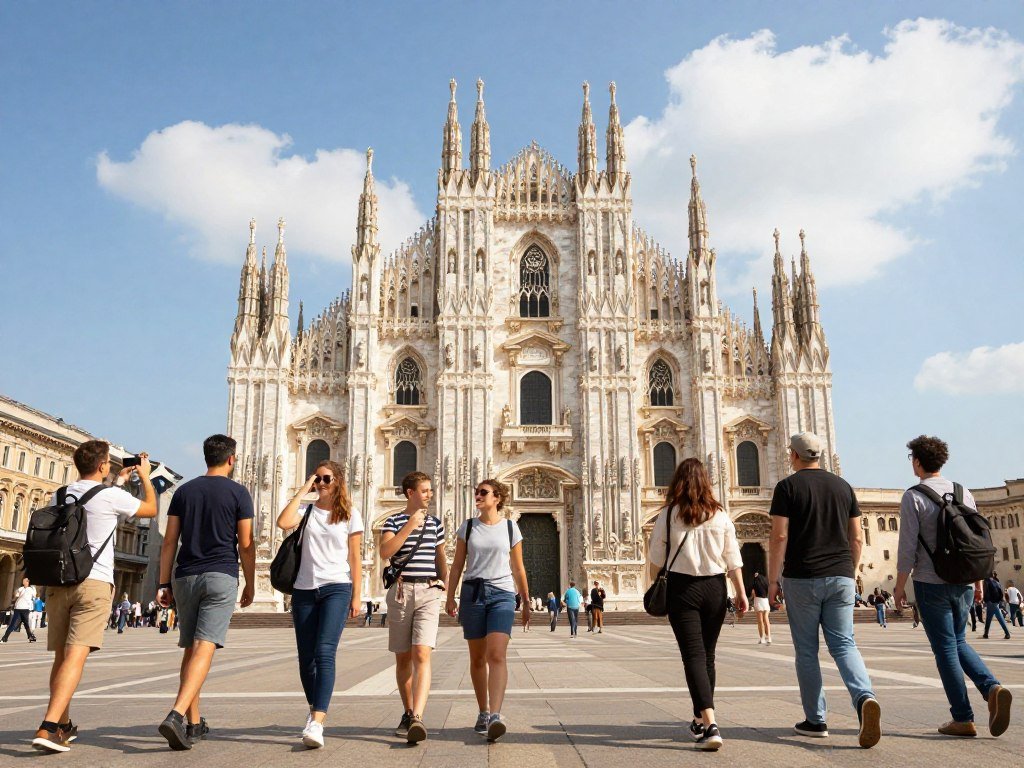
Paris is the strongest pick here for a culture-first city break, with landmark architecture, major museums, and café life packed into a walkable city experience. Paris rewards a slower pace, especially when you give neighborhoods room between major sights.
The city has 20 arrondissements, or districts, and familiar landmarks include the Eiffel Tower, Arc de Triomphe, Louvre, and Notre-Dame Cathedral. For a first visit, combine one major museum with time in nearby streets and cafés.

Paris and four other city breaks for a first big trip
Paris, Rome, Tokyo, Singapore, New York, London, Lisbon, Kyoto, Barcelona, and Chicago make a varied list of top places to visit in the world. Paris suits art and food, while Rome brings ancient history into the modern city. Tokyo and Singapore offer major city energy with distinct food and culture.
| City | Country or region | Named draw | Strongest fit |
|---|---|---|---|
| Paris | France | Louvre | Art and cafés |
| Rome | Italy | Roman Forum | Ancient history |
| Tokyo | Japan | Historic shrines | Food and city life |
| Lisbon | Portugal | Alfama district | Hillside city walks |
London and New York suit travelers who want broad museum and theater choices. Lisbon, Kyoto, Barcelona, and Chicago offer other strong city breaks, from tiled streets to gardens, beaches, and architecture. You can compare more city and destination guides when narrowing your trip.
Paris for wealthy travelers in fall 2026
Paris led wealthy Americans’ fall 2026 destination choices, followed by the Amalfi Coast, French Riviera, Tuscany, and New York. London, Lake Como, Maui, and Rome also ranked among popular choices. These are period-specific luxury travel patterns, not a forecast for every traveler or future season.
Fall 2026 luxury travel and experience bookings rose 59% year over year, while luxury travel sales rose 69%. Sales rose 77% in September, 54% in October, and 71% in November. Bookings at hotels costing $1,500 or more per night rose 37% year over year.
Luxury international hotels averaged $1,653 per night in 2026, up from $985 in 2019. CNBC’s fall 2026 luxury travel report gives context for those changing prices and booking trends.
For a luxury fall visit, compare the full trip cost and dates, not just the hotel’s nightly rate.
For a luxury fall visit, compare the full trip cost and dates, not just the hotel’s nightly rate.
Rome and the Colosseum for Ancient History
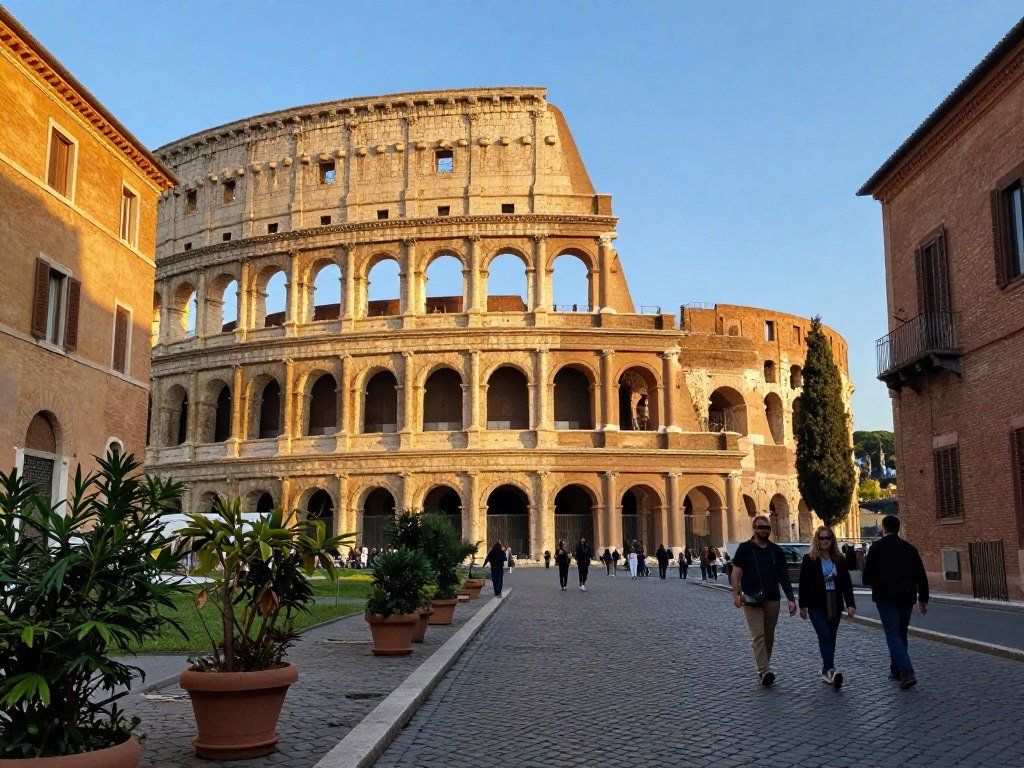
Rome makes ancient history tangible because the Colosseum and Roman Forum stand within the modern city. Their setting matters: together, they show both public spectacle and the civic heart of ancient Rome.
Construction of the Colosseum began in 72 AD under Emperor Vespasian and ended in 80 AD under Titus. The Roman Forum sits beside the arena, with ruins that once formed the center of public life. Seeing both on one visit gives you a fuller sense of how ancient Rome worked.
Leave room for other stops that add a different view of the city:
- The Pantheon, known for its vast domed interior.
- The Vatican Museums, with major art and historic collections.
- The Trevi Fountain, a landmark in the center of Rome.
A guided tour can help connect the stones to their purpose, but you can also explore at your own pace. Wear comfortable shoes, since a day of ruins and streets means plenty of walking. Pausing to look at how roads, public buildings, and gathering spaces relate can make the history easier to picture.
Rome is also a city of ordinary routines, from neighborhood shops to busy squares. Take time to notice the contrast between the old stonework and the streets people use today. A short break in a nearby piazza can make a packed tour feel less rushed.
Ruins become more rewarding when you leave room to understand their setting instead of rushing between photo stops. Plan a route that gives you time inside the archaeological area, not just a quick look at its best-known views. Leave a little unscheduled time between major sights to notice how ancient and contemporary Rome sit side by side.
Tokyo for a Fast-Moving City and Food Adventure
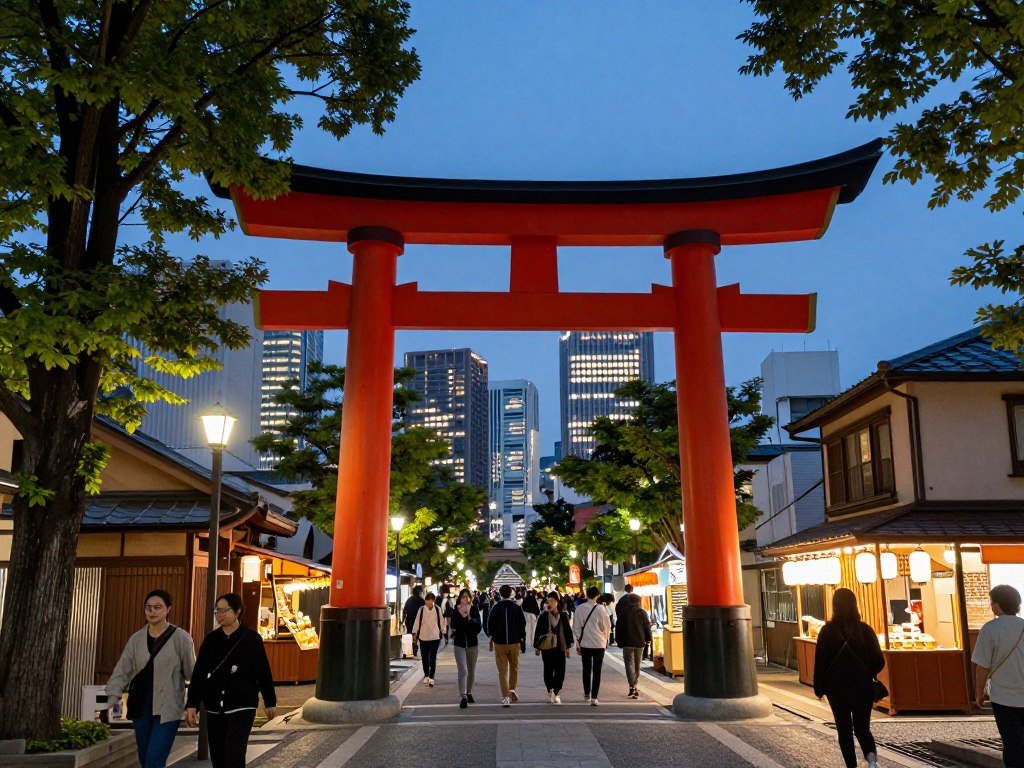
Tokyo is a strong choice when you want a city trip that can move from quiet shrine visits to bright, busy streets in a single day. That contrast gives the city its appeal for travelers who want food, culture, and variety.
You might visit a temple in the morning, eat lunch at a small neighborhood restaurant, then spend the evening in a lively commercial district. Tokyo pairs major shopping and business areas with historic shrines and temples. Plan around a few nearby stops instead of racing across the city all day.
For a quieter pause, add a garden or shrine between larger city stops. Such breaks can make a fast-moving trip feel more balanced without leaving the city behind. Neighborhood restaurants also give you a chance to try local dishes in a more relaxed setting.
Spring cherry blossoms draw many visitors, but bloom timing changes with the season. Check expected conditions against your travel dates before building a trip around flowering trees. Kyoto is another good choice if historic temples and gardens matter more to you than a huge city’s pace.
Tokyo’s food choices range from quick noodle shops to carefully planned meals, and the right stop depends on how much time you have. A neighborhood walk can reveal small cafés, markets, and side streets that a packed list of major sights might miss. Keep one evening open for an area that catches your interest during the day.
Use rail and subway connections to link nearby places, then leave time to walk around each stop. The city feels easier to enjoy when the day has a clear center instead of a long string of transfers. Build each day around one neighborhood cluster so that transit does not crowd out the experience.
Cappadocia for Sunrise Balloons and Rock Valleys
Cappadocia is the best fit for travelers who want a dramatic landscape, with fairy chimneys and sunrise balloon views in the same trip. The land itself is the draw, shaped into cones, pillars, and valleys by erosion.
Göreme and Uchisar are useful bases for exploring the area. Göreme Open Air Museum includes rock-cut churches, while Uchisar Castle offers a high point above the surrounding valleys. You can enjoy the famous dawn scene from the air or from the ground.
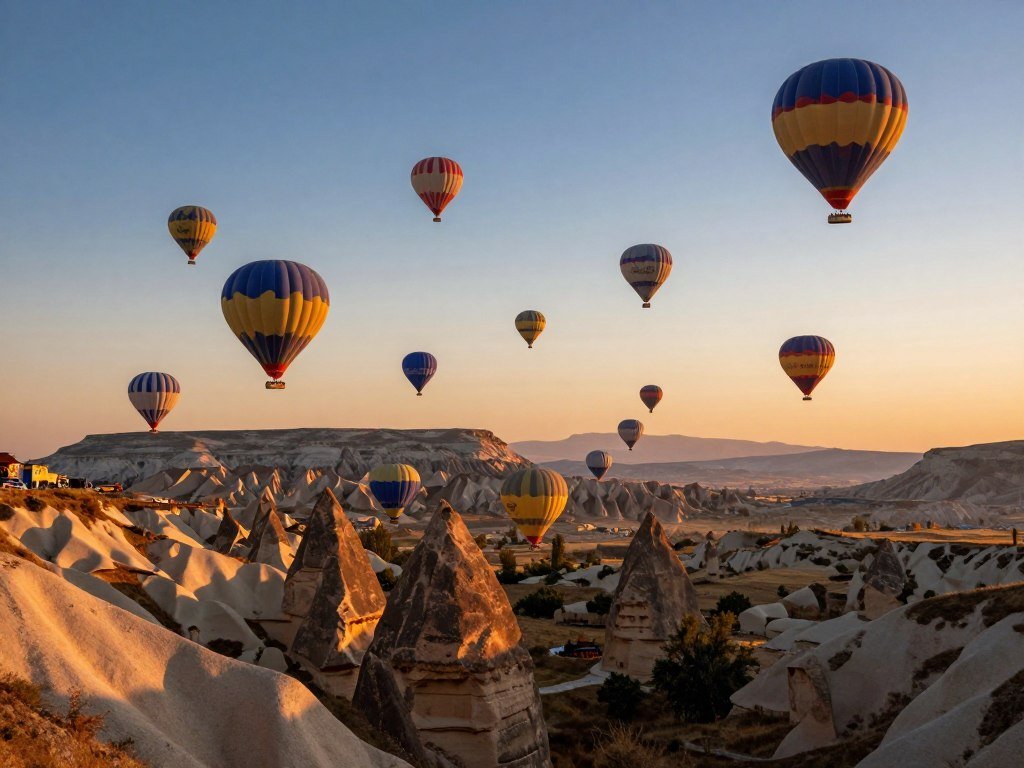
Göreme National Park and the Rock Sites of Cappadocia hold a mixed natural and cultural UNESCO World Heritage Site designation. The area’s rock-cut churches, cave homes, and underground settlements add human history to its unusual forms. A site profile of Göreme and Cappadocia describes how erosion shaped its rock formations.
What to see in Göreme and Uchisar
Use your time for a mix of heritage sites and outdoor views:
- Visit a rock-cut heritage site in Göreme.
- Watch sunrise from a hotel terrace or ground-level lookout.
- Explore a valley on foot at a pace that suits you.
How to enjoy the balloon landscape without booking a flight
A hot-air balloon ride gives you a bird’s-eye view, while a terrace or viewpoint lets you watch dozens of balloons cross the dawn sky. Ground viewing suits travelers who prefer not to fly, and it can still make for a memorable morning.
Balloon trips depend on the day’s flight conditions, so the plan may change. A ground-level view keeps the landscape in your day even when a flight does not run. Check the day’s flight conditions with the local operator before treating a balloon ride as a fixed part of the itinerary.
Machu Picchu for an Inca Citadel in the Andes
Machu Picchu is the pick for an Inca landmark framed by the Andes, and travelers can choose between transport-based access and a four-day trek. The route shapes the trip, from a train and bus journey to a longer walk through mountain country.
The Inca citadel stands 2,430 meters above sea level in Peru’s forested mountain setting. Its stone buildings sit among steep slopes, green peaks, and cloud forest. Choose your access style before setting the rest of your schedule.
Visiting the citadel and its mountain setting
The site combines built structures with a striking natural setting. Give yourself time to take in the terraces, walls, and mountain views instead of treating the visit as a quick stop. The surrounding peaks help explain why the location feels so remote, even as visitors arrive each day.
Weather, elevation, and walking can affect how a day feels. Leave room for rest and follow the route rules that apply to your ticket. Your comfort on uneven paths matters as much as the number of landmarks you see.
Train, bus, or trail: ways to reach Machu Picchu
| Access option | What it involves | Best suited to |
|---|---|---|
| Train | Rail travel toward the site area | Visitors prioritizing transport |
| Bus | Road transfer for the final approach | Visitors limiting long walks |
| Four-day Inca Trail | Multi-day trek through mountain routes | Active hikers with time to plan |
Train and bus travel work well for visitors who want transport-based access rather than a multi-day trek. The four-day Inca Trail is the more active choice and calls for planning around your available days and fitness. The trek adds sustained walking, while transport-based access can keep the visit focused on the citadel.
Entry and route arrangements can change, so check the current rules before setting your dates. Make sure the plan matches your pace and the amount of time you want to spend walking. Match the access route to your available days before booking the rest of the Peru itinerary.
The Taj Mahal for Mughal Architecture and Gardens
The Taj Mahal is the strongest choice for a landmark visit centered on Mughal architecture and a landscaped setting. The whole approach matters, since the garden, reflecting pool, and marble monument form one carefully planned view.
Mughal emperor Shah Jahan commissioned the Taj Mahal in 1632 as a mausoleum for Mumtaz Mahal. Its grounds cover 42 acres and include gardens, a reflecting pool, a mosque, and a guest house. Give the visit enough time for the grounds as well as the central building.
The marble structure draws the eye, but its design works with the space around it. The reflecting pool carries the building’s image toward the visitor, while the garden creates a measured route through the grounds. Those details help explain why the site feels composed from many angles.
Its history also gives the monument a personal story. Shah Jahan built it as a mausoleum for Mumtaz Mahal, connecting the architecture with the lives of the people who commissioned it. The setting adds context beyond the famous central view.
Arrive with enough time to take in the approach, the gardens, and the building itself. Rushing straight to a photo point leaves out the way the view changes as you move through the grounds. The site’s appeal is architectural and historical, not just a quick photo stop.
Look at the details from more than one place, including the pool and the gardens. A slower visit can help you notice how the monument’s shape and its grounds work together. Allow time to experience the approach through the garden rather than heading straight to the central viewpoint.
Petra for a Rose-Colored City Carved in Stone
Petra is the best fit for a history trip where the route through the landscape builds toward a dramatic archaeological reveal. The entrance is part of the experience, as the Siq winds through a narrow gorge before opening toward the Treasury.
Petra, once known as Raqmu, is an archaeological city in southern Jordan. Its Nabataean buildings were carved into multicolored sandstone, with remains spread across a broad landscape. The Treasury is a highlight, not the whole site.
Walking through the Siq brings the rock walls close before the Treasury appears at the end. Beyond it, paths lead to more carved façades, tombs, and viewpoints. The scale of the archaeological area means you can spend a full day exploring rather than stopping at one famous façade.
Build a visit around more than a quick look at the Treasury:
- Walk the Siq and take in its changing rock walls.
- Explore beyond the Treasury to see more of the site.
- Set aside time for a longer trail or viewpoint.
Comfortable walking shoes help on uneven paths, and a longer route takes more energy than a short visit. Luxor in Egypt can complement a regional history trip for travelers extending their plans. It offers another major archaeological destination, with a different setting and history.
Petra’s carved stone buildings gain meaning from the routes, cliffs, and wider remains around them. Plan your day so you can move beyond the first famous view without rushing. Plan enough time to explore beyond the first view of the Treasury.
Chichén Itzá for Maya History in Mexico
Chichén Itzá is the Mexico pick for travelers who want to see Maya architecture at a major pre-Columbian city. Its central pyramid is a powerful landmark, but the wider site helps show the city’s history and design.
The Kukulkan Pyramid, also called El Castillo, is one of the New Seven Wonders of the World. Chichén Itzá lies in Mexico’s Yucatán state and reflects Maya history and architecture. Climbing El Castillo has been prohibited since 2006.
Visitors often travel to the site from Cancún, Mérida, or Valladolid. Each nearby hub can fit a different route through the Yucatán, so consider where you are staying when arranging the day. The site can be a main stop or part of a longer regional trip.
The structures are protected, and respectful visits mean viewing them without touching or climbing. El Castillo’s shape and position are worth studying from the ground, where you can see its place within the wider complex. The Maya city includes more than the pyramid that appears in most travel photos.
Chichén Itzá brings architecture and history together in a place you can walk through. Take time to notice the surrounding structures instead of focusing only on the most famous building. A slower visit can help you see how the main pyramid fits into a larger city.
Its protected status is part of the experience, not an obstacle to it. Follow the site rules and give the structures space as you explore. Treat El Castillo as a site to view and understand, not a structure to climb.
The Great Wall of China for a Walk Through History
The Great Wall is a remarkable history trip because it is a series of fortifications built over centuries, not one continuous structure. Its varied sections tell the story of changing defenses across northern China.
Construction began as early as the 7th century BC, as groups built defenses against incursions from the Eurasian Steppe. Later rulers added and changed sections over time. The Great Wall is a UNESCO World Heritage Site, but its form and condition vary by location.
More than 1,200 UNESCO World Heritage Sites are found across 170 countries, including the Great Wall. The designation recognizes cultural or natural importance considered significant to humanity. The wall’s many sections offer different terrain, access, and levels of upkeep.
Why the wall was built and how it changed
The fortifications were built to help protect settlements and territory from groups moving across the northern frontier. Their construction took place over many centuries, so the wall is not a single design from one era. Some sections have stone walls and towers, while others look quite different.
Claims that the Great Wall is visible from space have been debunked. Its length and varied construction can tempt visitors to imagine one unbroken barrier, but the real site is more complex. A visit makes most sense when you choose a specific section.
Choosing a Great Wall visit that fits your day
Choose a section based on your available time, the terrain you can manage, and how many other visitors you want around you. Some routes involve steep steps and long walks, while easier-access areas may suit a shorter outing. The section you pick changes the feel of the day.
A more restored stretch can make walking simpler, while less restored areas may have rougher paths. Think about transport time as well as the walk itself. Choose an accessible section that matches your mobility and the amount of walking you want to do.
Bora Bora for a Lagoon and an Island Escape
Bora Bora is the pick for an island escape built around a vivid lagoon and easy access to the water. The lagoon shapes the pace, with small motu islets and a barrier reef surrounding the island.
Bora Bora lies in French Polynesia, about 160 miles from Tahiti and roughly 2,600 miles from Hawaii. Its turquoise water is the main draw for swimming, boat trips, and quiet time by the shore. Choose an island for the water activities you want, not just its reputation.
What makes Bora Bora’s lagoon distinctive
The lagoon, barrier reef, and motu give Bora Bora several ways to enjoy the water. A boat outing can bring you close to the outer reef, while a beach day keeps the plan simple. The island suits travelers who want scenery close at hand.
Other islands offer different kinds of water trips, from swimming and beach time to boat rides along varied coasts. This luxury island comparison covers settings and stay styles across several destinations.
Ten exotic vacation destinations for different beach styles
“Exotic” describes a traveler’s preference, not a standard travel category. Bora Bora, the Maldives, Hawaii, Grenada, Bali, Palawan, St. Lucia, the U.S. Virgin Islands, the Philippines, and Maui offer distinct island and beach experiences.
| Destination | Region | Signature water experience | Best fit |
|---|---|---|---|
| Bora Bora | French Polynesia | Lagoon outings | Calm island escape |
| Maldives | Indian Ocean | Reef swimming | Water-focused stay |
| Hawaii | Pacific Ocean | Surf and beach time | Active island trip |
| Grenada | Caribbean | Coastal swimming | Caribbean getaway |
A private villa, a family-friendly resort, or a beach town can shape the trip as much as the island itself. Think about how you want to spend your days before picking a place to stay. Choose the island by the activities you want, not by an “exotic” label alone.
Bali for Temples, Rice Terraces, and Island Variety
Bali is a strong pick for travelers who want temples, mountain scenery, beaches, and cultural experiences in one island itinerary. Its inland side matters, giving you more to do than spend each day by the shore.
The Indonesian island is known for rice terraces, volcanic mountains, beaches, and spiritual traditions. Mount Batur offers a sunrise hike, while Uluwatu and Tanah Lot are well-known temples. Save time for inland areas such as Ubud, not just the beach districts.
Bali’s culture and outdoor options
Plan days around different parts of the island: a temple visit, a walk through rice fields, or a hike near Mount Batur. Ubud can serve as a base for inland scenery and cultural experiences. Beach areas give you a different pace, with coastal views and time by the water.
Penang is another option that pairs historic heritage with tropical rainforest trails. Chiang Mai offers temples, food, and markets for travelers who want a city-based cultural stay. Both give you a different mix from Bali’s island setting.
Try making room for more than one kind of day:
- Walk among rice terraces and village paths.
- Visit Uluwatu or Tanah Lot for temple architecture.
- Plan a Mount Batur sunrise hike if the route suits you.
Ten countries to consider for a vacation
These ten countries suit different interests rather than forming an objective ranking: Indonesia for island variety, Japan for cities and culture, Peru for mountain history, India for architecture, and Jordan for archaeology. Mexico offers Maya history, China has the Great Wall, Kenya is known for wildlife, Norway has fjords, and Australia offers reef trips.
Each country can support many kinds of trips, so narrow your choice by the places and activities you hope to see. Check how much ground you want to cover before planning an itinerary across a large country. Keep enough days in the schedule to explore beyond the beach areas.
The Great Barrier Reef for a Marine Adventure
The Great Barrier Reef is the strongest choice for a trip centered on coral landscapes and marine life. Its scale is remarkable: the reef stretches about 1,800 miles and includes more than 3,000 reef systems and coral cays.
The reef lies off Queensland, and Cairns and the Whitsunday Islands are common bases for visitors. Choose activities that let you see marine life without disturbing it. Local operator guidance and wildlife rules matter on the water.
You can experience the reef in several ways:
- Snorkel above coral and watch marine life from the surface.
- Dive with a qualified operator for a closer underwater view.
- Take a scenic flight to see the reef from above.
The reef is different from Ha Long Bay in northeast Vietnam, where more than 1,600 limestone islands rise above the water. Ha Long Bay is a UNESCO World Heritage Site, known for its island scenery. A Ha Long Bay heritage overview describes the area’s limestone-island setting.
Silfra in Iceland offers another kind of water trip, with near-freezing water and visibility over 300 feet. Its fissure lies where the North American and Eurasian plates move apart about two centimeters each year. The three places suit different interests: coral, limestone islands, or a cold-water fissure.
Follow local guidance during marine activities and give wildlife room to move. Careful choices can help protect the places visitors come to see. Choose reef activities that let you observe wildlife without disturbing it.
The Grand Canyon for Vast Landscapes and Hiking
The Grand Canyon is the best pick for a vast landscape that visitors can experience from overlooks, trails, and the Colorado River. Its scale shapes every visit, from a quick viewpoint stop to a day of hiking.
The canyon stretches 277 miles, reaches up to 18 miles wide, and drops more than a mile deep. Grand Canyon National Park is in Arizona, and many visitors explore viewpoints along the South Rim. Pick a route that fits your time and comfort with steep or exposed paths.
What the canyon’s scale means for a visit
The Rim Trail offers a way to walk between viewpoints, while Bright Angel Trail heads down into the canyon. Colorado River rafting gives visitors a different view from below. These choices involve different effort, time, and ways of seeing the rock layers.
The South Rim is a popular starting point for overlooks and trail access. You do not need to hike far to see the canyon, but the scale changes as you move along the rim. Choose a viewpoint or trail based on how much walking you want.
Top 10 most beautiful places in the world to travel
Beauty depends on what you enjoy, but ten striking examples include the Grand Canyon, Patagonia, Salar de Uyuni, Norway’s fjords, the Great Barrier Reef, Machu Picchu, Bora Bora, Cappadocia, Petra, and Ha Long Bay.
| Place | Country or region | Landscape | Trip style |
|---|---|---|---|
| Grand Canyon | Arizona, United States | Deep canyon | Hiking and viewpoints |
| Patagonia | Chile and Argentina | Mountains and glaciers | Outdoor adventure |
| Salar de Uyuni | Bolivia | Vast salt flat | Seasonal landscape trip |
| Norway’s fjords | Norway | Mountains and inlets | Boat and land travel |
| Great Barrier Reef | Queensland, Australia | Coral ecosystem | Snorkeling and diving |
Salar de Uyuni can become mirror-like during the rainy season, but that effect depends on conditions. Patagonia offers mountains, glaciers, lakes, and rivers, while the reef centers on life beneath the water. These places make very different trips, even when all draw travelers with dramatic views.
Think about how much walking you want and whether you prefer a rim view or a route below it. A short viewpoint visit and a trail day ask different things of your time and energy. Choose a rim viewpoint or a trail according to the time and physical effort you can comfortably manage.
Kenya for a Wildlife Safari
Kenya is the strongest pick in this list for a trip built around guided wildlife viewing and the Great Migration. The experience depends on good guiding, careful driving, and respect for the animals’ space.
A safari is a guided wildlife trip through natural areas, often with time spent watching animals from a vehicle. The Great Migration is a major draw, and the Big Five refers to lion, leopard, rhinoceros, elephant, and African buffalo. Choose an itinerary for its guides and conservation practices, not just its animal checklist.
The safari experience and wildlife
Kenya’s wildlife trips can pair animal viewing with local landscapes and community experiences. A guided day may include time on open plains, at water, or near wooded areas where animals gather. The setting is part of the trip, not merely a backdrop to a checklist.
Safari choices range from budget-focused trips to higher-end camps. Park conservation fees can support conservation work, while your choice of guide and operator affects how the day unfolds. Look at what the itinerary says about time in vehicles, group size, and local involvement.
A common mistake is choosing a trip only by the animals it promises. Check guide quality, how much time you will spend in a vehicle, and the operator’s approach to conservation. A slower drive with a skilled guide can be more rewarding than racing between sightings.
Twenty countries for different kinds of trips
This personal-style shortlist is not a universal ranking: Kenya, Tanzania, South Africa, Namibia, Egypt, Jordan, Morocco, Peru, Chile, Bolivia, Brazil, Mexico, Costa Rica, Indonesia, Japan, India, China, Italy, France, and Norway. The choices span wildlife, deserts, cities, islands, history, and mountain scenery.
Before booking, look for operators that explain their wildlife rules and how they work with local guides. Ask how vehicles approach animals and whether guides avoid blocking their paths. Community visits should be planned with local input rather than treated as an attraction added without care.
Choosing a safari that respects wildlife
Respectful wildlife viewing means keeping a safe distance and letting animals set the pace. Follow guide instructions, stay in permitted areas, and avoid actions that draw animals closer for photographs. Local rules can protect both wildlife and visitors.
Higher fees do not guarantee better guiding, and a low price alone does not explain how an operator treats wildlife. Compare the trip details and the operator’s stated practices before you choose. Luxury safari stays and trip ideas can also help you compare camp styles.
Choose an operator whose wildlife rules prioritize distance, animal behavior, and habitat protection.
Choose an operator whose wildlife rules prioritize distance, animal behavior, and habitat protection.
Norway’s Fjords for Waterfalls and Mountain Scenery
Norway’s fjords are the best pick for travelers who want steep mountain scenery, waterfalls, and a trip that can mix boats with time on land. The view changes from shore, where trails and overlooks give you a different sense of the fjords.
Vestland is known for fjords such as Hardangerfjord, where water runs between high slopes and mountain scenery. A boat excursion is one option, not the whole trip. Add time on land to see waterfalls and viewpoints from another angle.
The 7 most beautiful places in the world
Beauty is personal, so this is an editorial set rather than an objective ranking: Norway’s fjords, the Grand Canyon, the Great Barrier Reef, Patagonia, Salar de Uyuni, Bora Bora, and Cappadocia. Each offers a different kind of scenery and a different way to spend your days.
Elsewhere, Patagonia brings mountains, glaciers, lakes, and rivers across Chile and Argentina. Salar de Uyuni is known for a vast salt-flat setting, while Penang combines heritage with rainforest trails. Vero Beach offers a quieter coast for travelers seeking a relaxed shoreline stay.
How to make a fjord trip more than a boat ride
A cruise can show you the water and the steep sides of a fjord, but a stop on shore adds another view. Use a local town or trail as a base for a walk, a waterfall stop, or a viewpoint. Even a short outing can change how you read the scenery.
Choose a hike that fits your fitness and the time available. Some views are close to roads or towns, while others take more effort to reach. Build the itinerary around both the water views and at least one stop on shore.
Conclusion
The most rewarding destination is the one that matches the experience you want and the time you can give it. Your interests, comfort with travel logistics, and available days all help narrow the choice. A short city break and a multi-stop adventure call for different plans.
Pick two preferred destinations and compare trip length, season, and transportation needs before booking. Look at how much time each route takes, then choose the one that fits your calendar. Pick two favorites, check their seasonal conditions and travel logistics, then start with the option that fits your calendar.
FAQ
What are the top ten vacation destinations?
Is $20,000 enough to travel the world?
What are 7 unique places in the world?
What are the 10 most beautiful places in the world?
What are the most magical places on Earth?
What is the most awesome place in the world?
What are some unique and exciting travel destinations?
Where do very wealthy people vacation?