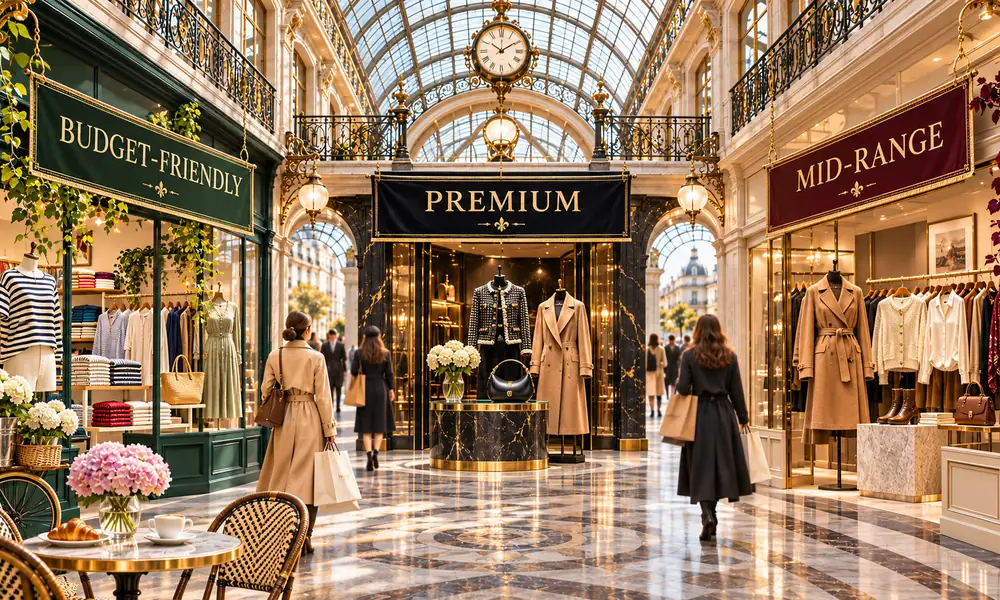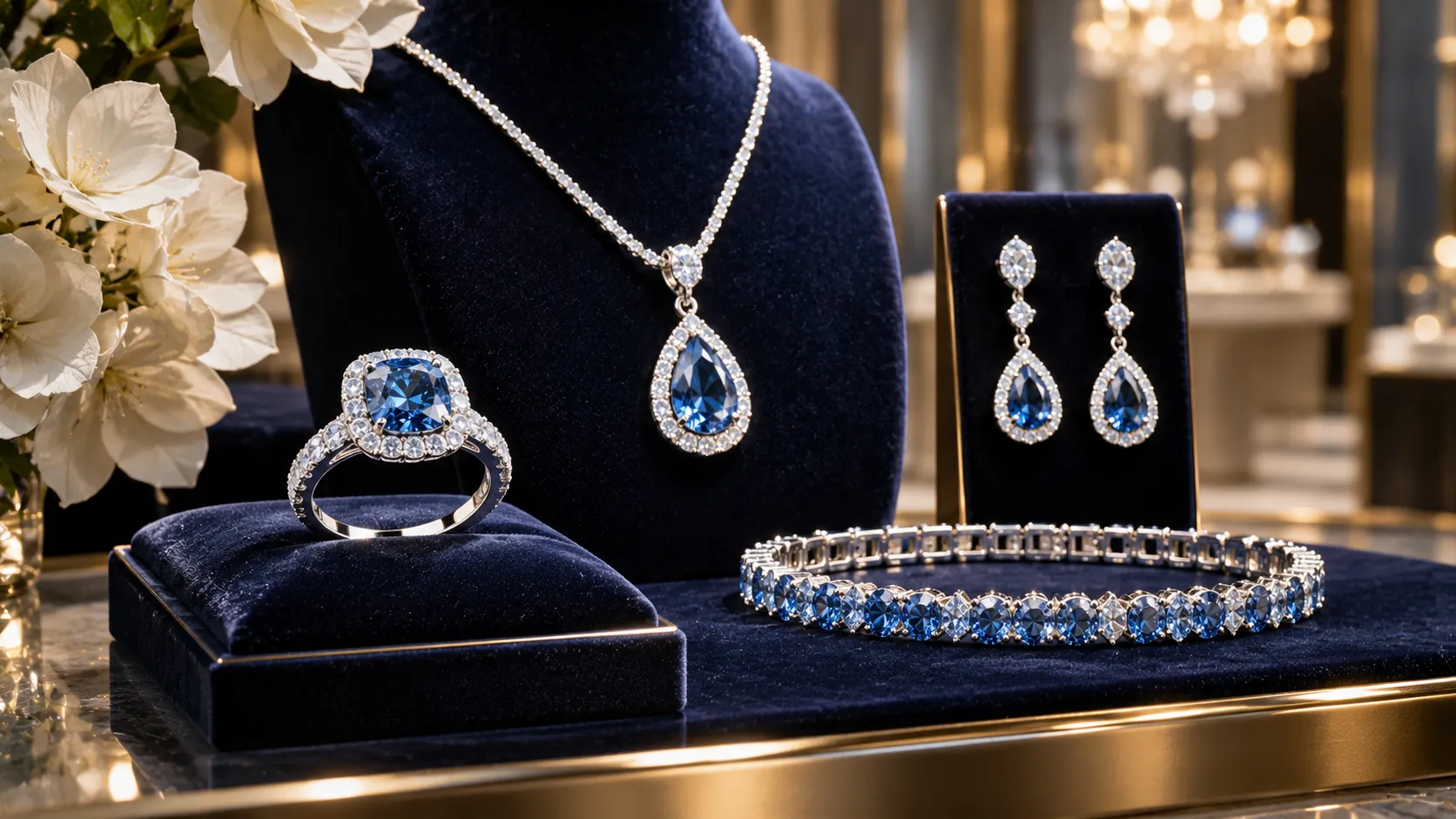
A blue diamond luxury boutique represents the appeal of rare gemstones, refined craftsmanship, and jewelry designed to make a lasting impression. Whether you are searching for a statement ring, an elegant pendant, a sophisticated pair of earrings, or a meaningful gift, blue diamond jewelry offers a distinctive alternative to traditional colorless diamonds.
Blue diamonds are admired for their captivating blue hues, which can range from delicate, icy shades to deep, saturated tones. Their appearance makes them particularly attractive to collectors and jewelry enthusiasts who appreciate individuality and understated sophistication.
This guide explores what to look for in a blue diamond luxury boutique, the most popular jewelry styles, the factors that influence value, and practical tips for selecting a piece that suits your taste and budget.
What Is a Blue Diamond Luxury Boutique?
A blue diamond luxury boutique is a specialized jewelry retailer or luxury shopping destination that offers sophisticated jewelry featuring blue diamonds or other premium gemstones. Depending on the retailer, its collection may include engagement rings, necklaces, bracelets, earrings, and custom-designed pieces.
The word boutique often suggests a more curated shopping experience than a large general jewelry store. Customers may have access to carefully selected designs, personalized recommendations, bespoke jewelry services, and assistance understanding gemstone characteristics.
However, the term itself does not guarantee that a retailer sells natural blue diamonds or provides superior craftsmanship. Buyers should always evaluate the individual business, explore different types of luxury diamond jewelry, review product descriptions and certification practices, and carefully check customer policies.
What Makes Blue Diamonds Special?
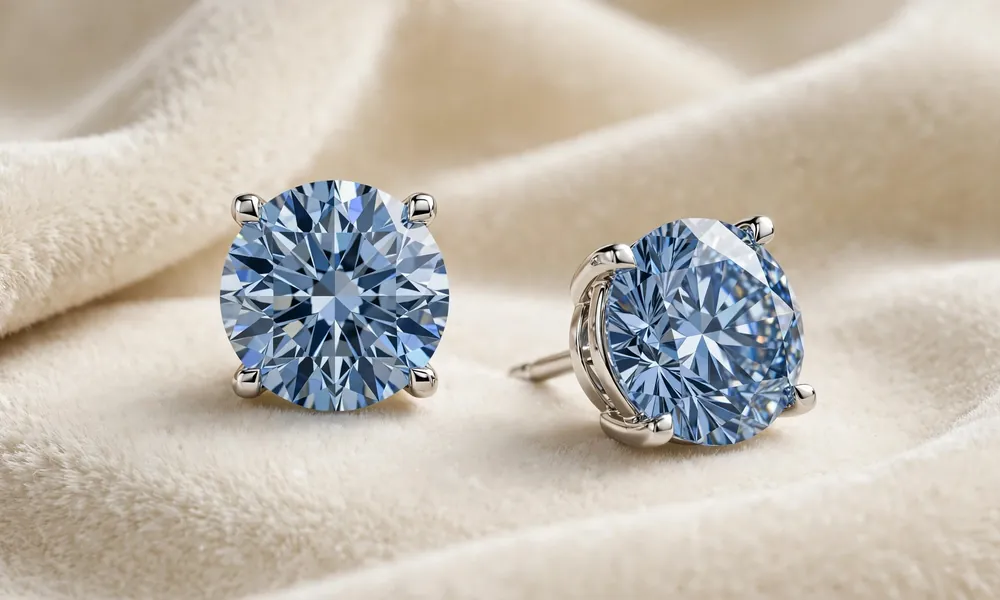
Blue diamonds owe their color primarily to trace amounts of boron within the diamond’s crystal structure. These elements affect how the gemstone interacts with light, creating its characteristic blue appearance.
Natural blue diamonds are exceptionally rare compared with ordinary colorless diamonds. Their rarity, color intensity, clarity, size, and provenance can contribute significantly to their market value.
Not every blue diamond is naturally colored, though. Some diamonds receive treatments to change or enhance their appearance, while others are grown in laboratories. These alternatives can provide attractive options at different price points, provided their origins are clearly disclosed.
Popular Blue Diamond Jewelry Styles
A luxury boutique may offer blue diamonds in several jewelry categories. The best option depends on your personal style, intended use, and budget.
1. Blue Diamond Engagement Rings
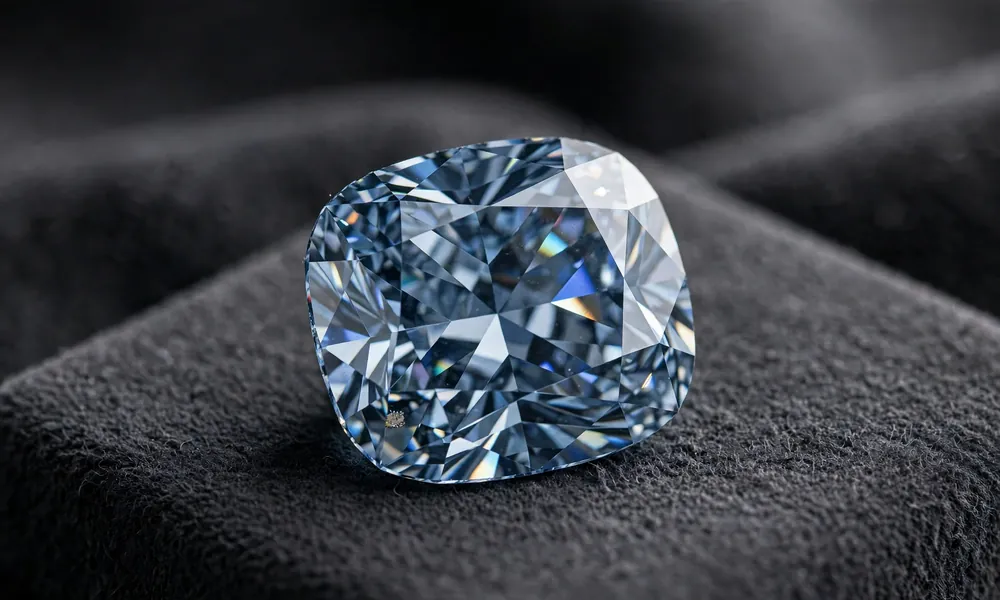
Popular designs include solitaire rings, halo settings, three-stone rings, and vintage-inspired styles.
- Solitaire rings: Place the diamond at the center, allowing its color to remain the main attraction.
- Halo rings: Surround the central gemstone with smaller diamonds to create additional sparkle.
- Three-stone rings: Combine the blue diamond with complementary gemstones or colorless diamonds.
- Vintage-inspired rings: Feature decorative metalwork, intricate details, and classic silhouettes.
When choosing an engagement ring, consider how the setting protects the stone, how comfortably it fits, and whether the design complements your everyday style.
2. Blue Diamond Necklaces and Pendants
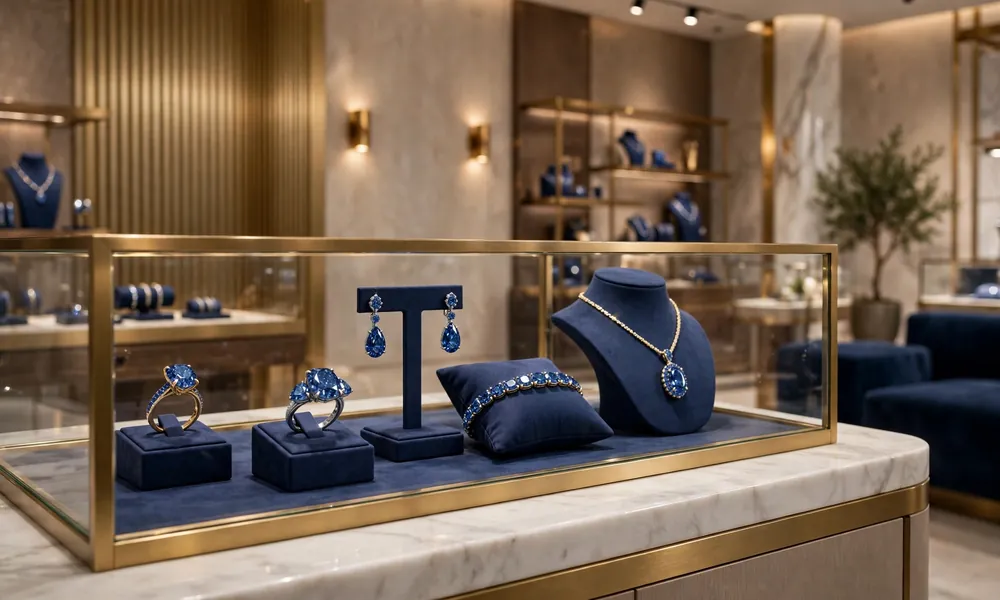
Blue diamond necklaces offer a versatile way to incorporate colored gemstones into a jewelry collection. A simple pendant can provide a subtle accent for everyday outfits, while a larger blue diamond surrounded by smaller stones can create a more formal look.
White gold and platinum often emphasize cool blue tones, while yellow gold creates a warmer contrast. Rose gold can produce a softer, more contemporary appearance. For a practical everyday necklace, pay attention to chain strength, clasp quality, pendant security, and the overall weight of the piece.
3. Blue Diamond Earrings
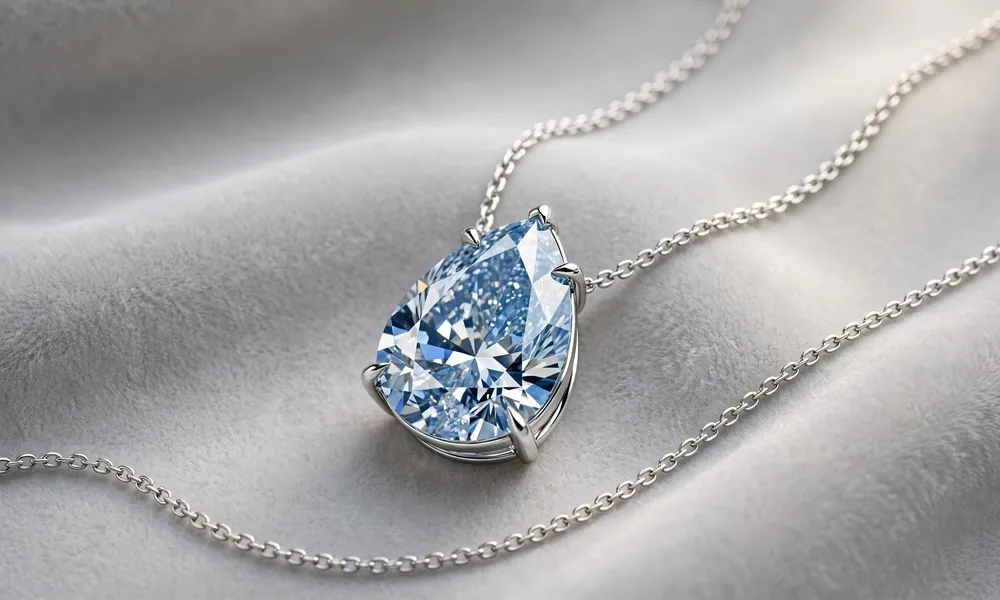
Stud earrings are a popular choice for daily wear because they are simple to style and suitable for many occasions. Drop earrings and more elaborate designs are better suited to formal events, celebrations, and evening outfits.
When comparing earrings, check whether the stones match in color, size, and appearance. In a pair of colored diamond earrings, consistency between the two gemstones can make a noticeable difference.
4. Blue Diamond Bracelets
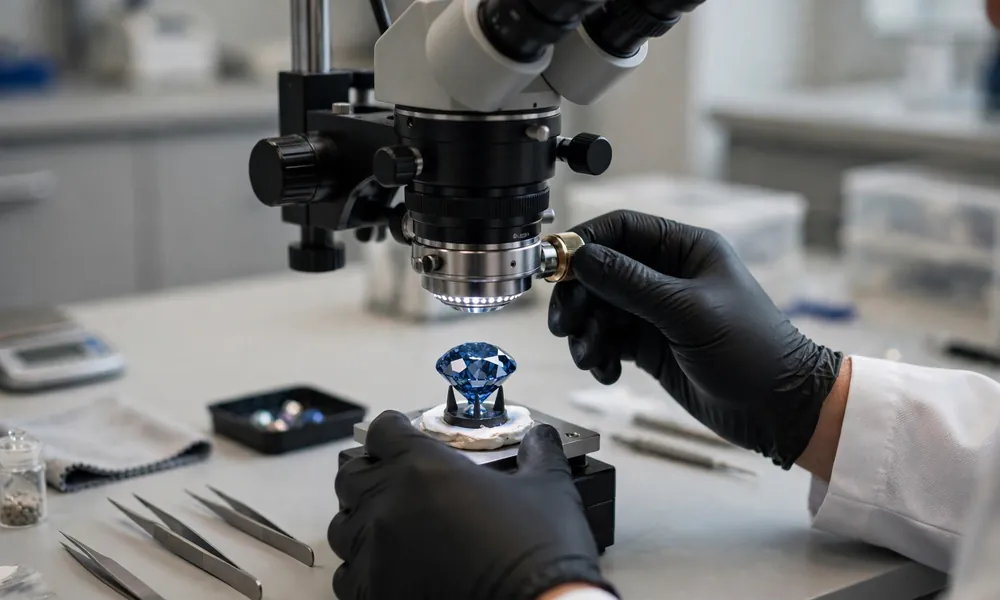
A delicate bracelet with a few blue diamonds can provide a subtle touch of color. Tennis bracelets featuring a continuous line of gemstones offer a more prominent design, while custom bracelets can incorporate alternating blue and colorless diamonds.
Before purchasing a bracelet, examine its clasp, links, and overall flexibility. A secure construction is especially important for jewelry worn frequently.
5. Custom Blue Diamond Jewelry
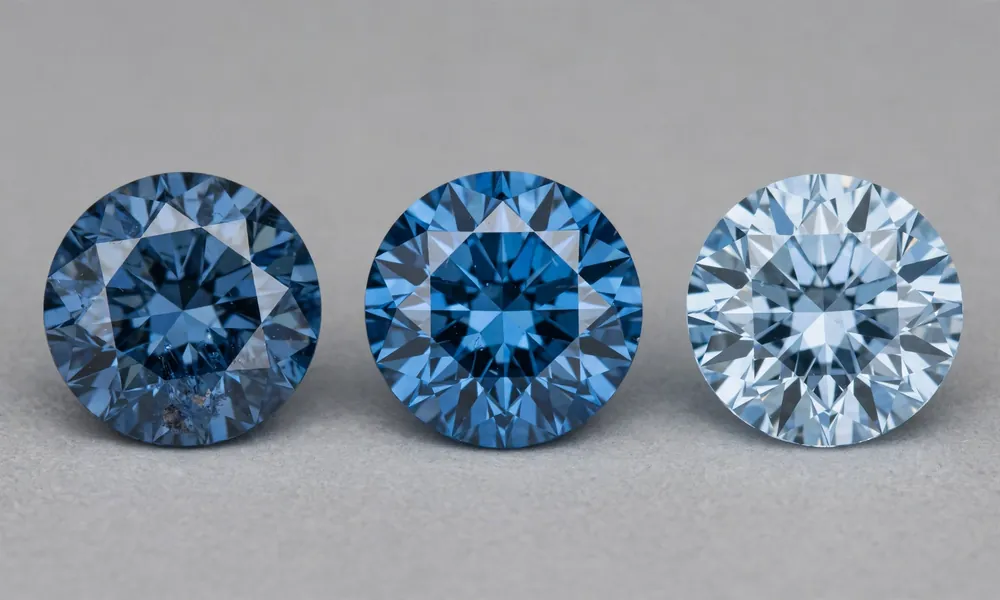
Custom jewelry may allow you to select the gemstone, metal, setting, and overall shape. It can also provide an opportunity to redesign a family heirloom or create a piece for a special occasion.
Before approving a custom order, request a written specification covering the gemstone’s origin, treatment status, dimensions, metal purity, price, and delivery terms. Confirm whether a design preview or model will be provided before production begins.
Natural, Treated, and Lab-Grown Blue Diamonds
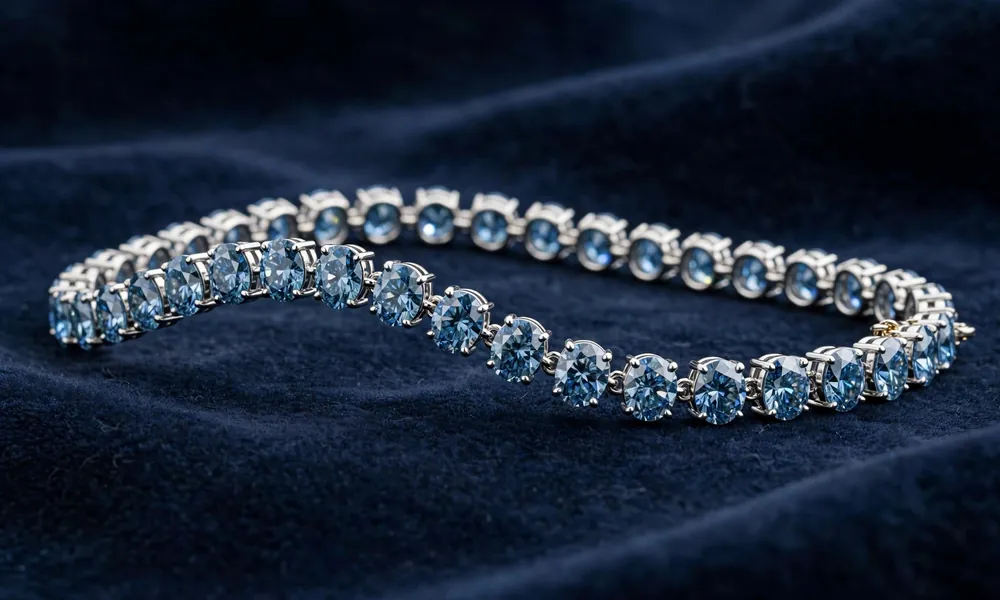
One of the most important considerations when shopping at a blue diamond luxury boutique is understanding how the gemstone acquired its color.
Although these diamonds may look similar at first glance, their origins and pricing can differ considerably.
| Diamond type | How it gets its color | What buyers should know |
| Natural blue diamond | Color develops naturally through geological processes, commonly involving boron | Rare and potentially very valuable, depending on its characteristics |
| Treated blue diamond | A natural diamond undergoes treatment to alter or enhance its color | Often more accessible than comparable natural-color stones; treatment must be disclosed |
| Lab-grown blue diamond | Created in a controlled environment, with color introduced or developed during growth or subsequent treatment | Can offer a diamond option at a different price point from natural stones |
Which Blue Diamond Is Best?
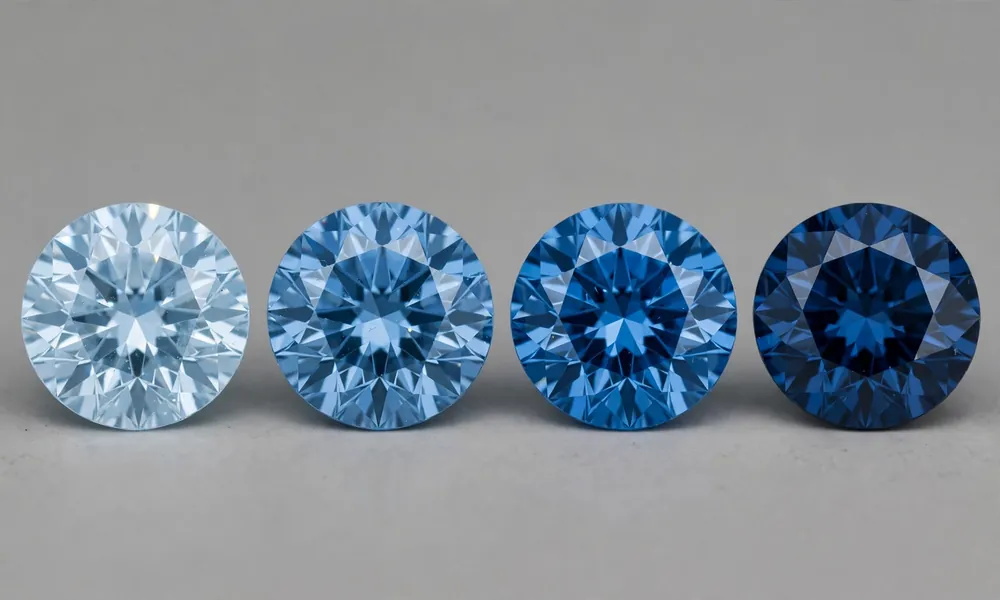
A natural blue diamond may suit someone who prioritizes geological rarity, collecting, or long-term ownership of an unusual gemstone. A treated blue diamond may appeal to someone who wants a particular shade without paying the premium associated with a comparable natural-color stone. Lab-grown blue diamonds can be attractive to buyers who value a controlled production process and a more accessible purchase price.
The key is transparency. The retailer should clearly identify the diamond’s origin and disclose any treatments that affect its color or other characteristics. Do not rely on appearance alone to distinguish these categories. Appropriate gemological testing and documentation are more reliable than visual inspection.
Understanding Blue Diamond Quality and Value
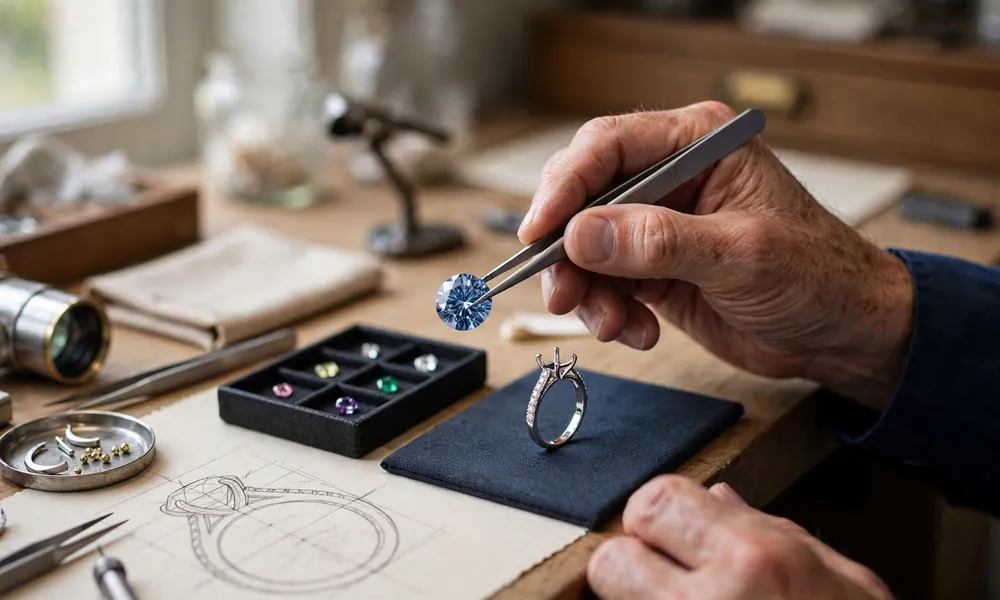
Blue diamond prices can vary dramatically. Two stones of similar size may have very different values because of differences in color, origin, clarity, cutting, and documentation. Understanding these factors helps you compare jewelry more effectively.
Color Intensity
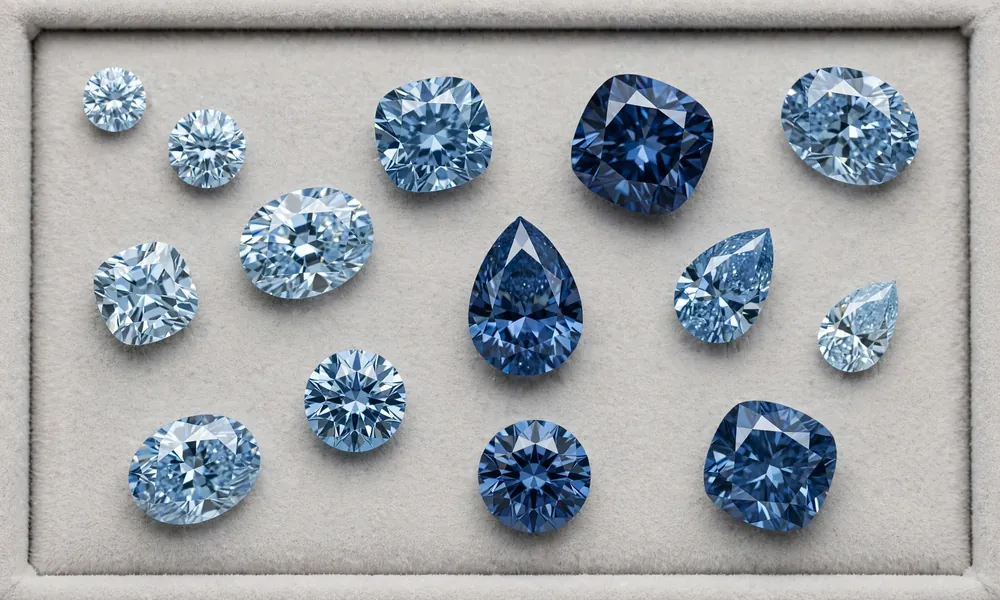
A stone may appear pale blue, grayish blue, vivid blue, or deep blue. The distribution of color also matters: an evenly colored diamond may look different from one with visible variations across the stone.
In natural fancy-color diamonds, stronger and more desirable color can significantly affect value. However, the best shade is ultimately a matter of personal preference as well as market demand.
Carat Weight
Larger diamonds are generally more expensive when other characteristics are comparable, but size alone does not determine value. A smaller stone with exceptional color may command greater interest than a larger stone with less desirable characteristics. Compare the diamond’s face-up appearance and measurements rather than relying exclusively on the carat number.
Clarity
Clarity describes the presence of internal features, known as inclusions, and external characteristics, known as blemishes. Some inclusions are difficult to notice without magnification, while others may affect transparency or durability. The importance of clarity depends on the stone, its cut, and its intended setting. Ask whether any visible inclusions affect the diamond’s appearance or structural integrity.
Cut and Light Performance
Round, oval, cushion, pear, and emerald cuts can all create attractive blue diamond jewelry. Each shape distributes color and light differently, so the most suitable option depends on the gemstone’s proportions and the look you prefer. A well-cut diamond should look appealing from different angles, not just under the bright display lighting commonly used in jewelry stores.
Certification and Documentation
For a significant purchase, independent gemological documentation can provide important information about a diamond’s identity and characteristics. Depending on the stone, a report may address whether the diamond is natural or laboratory-grown, whether its color is natural or treated, and its other relevant gemological properties.
Verify that the report corresponds to the actual stone being sold. For expensive natural fancy-color diamonds, documentation from a respected independent gemological laboratory can be particularly valuable.A certificate is not a guarantee of investment performance or future resale value. It is evidence that helps you understand what you are buying.
How Much Does Blue Diamond Luxury Jewelry Cost?
There is no universal price for blue diamond jewelry. The cost depends on the diamond’s origin, color, size, quality, design, and the materials used in the finished piece. Natural blue diamonds with exceptional color can command very high prices because of their rarity.
Treated and lab-grown alternatives may be available at substantially lower prices, depending on their characteristics. The finished jewelry price can also include the cost of precious metals, additional diamonds, design work, manufacturing, and the retailer’s operating expenses.
What Influences the Final Price?
Consider these factors when comparing quotes:
- Diamond origin: Natural, treated, and lab-grown stones belong to different pricing categories.
- Color quality: The shade, intensity, and consistency of blue can affect desirability.
- Gemstone size: Larger stones may cost considerably more, especially when other qualities remain comparable.
- Setting and metal: Platinum, gold purity, craftsmanship, and design complexity influence the final price.
- Documentation: Independent reports and supporting records can help establish the stone’s characteristics.
- Retail services: Customization, warranties, maintenance, and after-sales support may affect the overall value of the purchase.
Rather than comparing prices based on carat weight alone, request itemized information about the diamond and its setting.
How to Choose the Right Blue Diamond Luxury Boutique
Finding the right boutique involves evaluating the retailer as carefully as the jewelry itself.
Look for Transparent Product Information
A trustworthy seller should explain whether each blue diamond is natural, treated, or laboratory-grown. Product descriptions should also provide relevant information about the gemstone, setting, metal, and certification. Be cautious when a retailer uses vague descriptions such as “rare blue diamond” without explaining the stone’s origin or providing supporting documentation.
Examine Craftsmanship
Inspect the jewelry’s finish, setting, symmetry, and overall construction. Prongs should hold the gemstone securely, clasps should function properly, and the metalwork should be finished neatly. If you are buying online, request detailed photographs and clear information about dimensions. For a high-value piece, consider having an independent jeweler examine the item before the return period expires, where practical.
Compare Customer Service
Luxury jewelry purchases may involve sizing, cleaning, repairs, insurance documentation, or custom adjustments. A retailer that clearly explains its after-sales services can make ownership easier. Review the return policy, warranty terms, shipping arrangements, and procedures for resolving problems before completing the transaction.
Check the Boutique’s Reputation
Look for consistent information about the business, clear contact details, realistic product descriptions, and a documented purchasing process. Customer reviews can help identify patterns in service quality, but individual reviews should not be treated as conclusive proof. For expensive purchases, independent verification is more important than marketing language.
Choose According to Your Budget
Decide how much you are comfortable spending before browsing premium collections. If your budget does not accommodate a natural blue diamond of the desired size, consider a smaller stone, a treated diamond, a lab-grown option, or a design that combines a blue diamond with other gemstones. A thoughtfully selected piece can be beautiful without requiring the largest or rarest available stone.
Blue Diamond Jewelry for Different Occasions
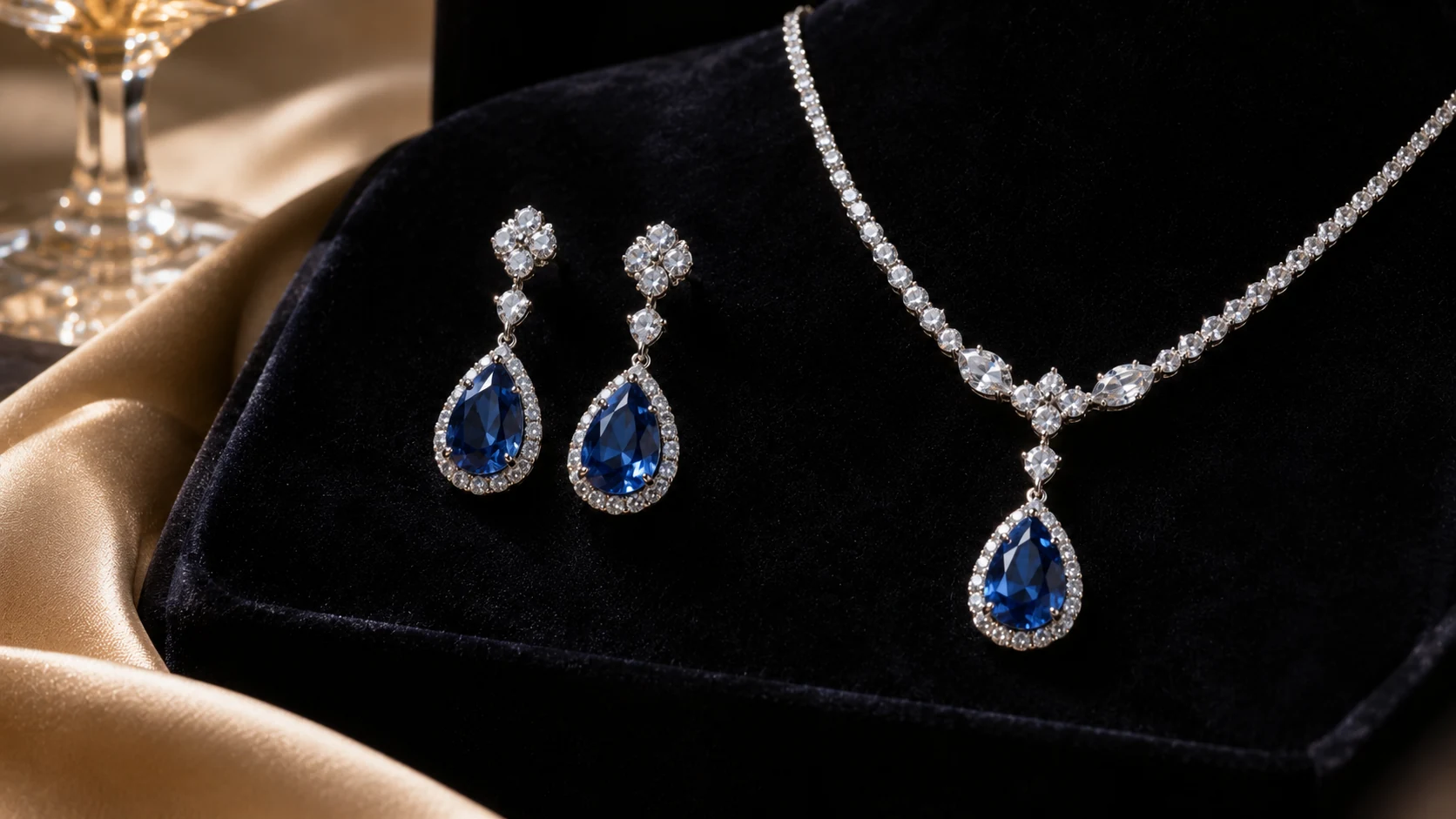
Blue diamonds can complement a range of personal styles and events.
- Engagements and anniversaries: A blue diamond ring can offer a distinctive alternative to a traditional colorless diamond.
- Birthdays and milestones: Pendants, earrings, and bracelets can serve as meaningful gifts.
- Formal occasions: Blue diamond drop earrings or statement necklaces can add color to evening wear.
- Everyday styling: Small studs and delicate pendants provide a more subtle approach to luxury jewelry.
- Personal collections: Unusual colors, distinctive cuts, and custom settings can appeal to collectors who value individuality.
When selecting a gift, consider the recipient’s preferred metal color, typical clothing style, lifestyle, and existing jewelry collection. These details can matter more than choosing the most expensive design.
How to Care for Blue Diamond Jewelry
Diamonds are hard gemstones, but diamond jewelry is not indestructible. A strong impact can cause damage, and a loose setting can lead to a lost stone. Proper care helps preserve the appearance and condition of your jewelry.
Clean It Gently
For many diamond pieces, gentle cleaning with lukewarm water, mild soap, and a soft brush is suitable. Rinse carefully and dry with a lint-free cloth. However, jewelry may include treated stones, delicate settings, adhesives, or additional gemstones that require different care. Follow the seller’s instructions when treatment status or construction is uncertain.
Store Jewelry Separately
Store blue diamond jewelry in a clean, dry place, ideally in a lined jewelry box with separate compartments. Although diamonds are highly resistant to scratching, they can scratch other gemstones and jewelry. Keeping pieces separate also reduces the chance of chains becoming tangled or settings rubbing against one another.
Arrange Periodic Inspections
If you wear a ring or bracelet regularly, have its setting inspected periodically by a qualified jeweler. Loose prongs, damaged clasps, and worn links should be addressed before they cause a larger problem. For valuable jewelry, consider appropriate insurance and keep photographs, purchase records, and gemstone reports in a secure place.
Common Mistakes to Avoid When Buying Blue Diamonds
Even experienced jewelry shoppers can overlook important details when choosing a colored diamond. Confusing rarity with quality: A naturally colored blue diamond is rare, but its individual characteristics still determine its desirability and value. Ignoring treatment disclosure: A treated stone should not be priced or represented as equivalent to a comparable natural-color diamond without clear explanation.
Choosing based only on photographs: Lighting, editing, and screen settings can alter how blue a gemstone appears. Ask for additional views and reliable documentation. Assuming certification guarantees value: A gemological report helps identify a stone and describe its characteristics, but it does not promise appreciation or an easy resale.
Overlooking the setting: Beautiful gemstones can be let down by poor construction. Examine the security of the setting and the quality of the metalwork, particularly when choosing luxury diamond necklaces, where secure gemstone placement and quality craftsmanship are essential.
Rushing the purchase: Take time to compare the diamond, the finished jewelry, the documentation, and the seller’s policies before committing to a high-value purchase. Avoiding these mistakes can help you focus on genuine quality rather than sales language or visual appeal alone.
Frequently Asked Questions
1. What is a blue diamond luxury boutique?
A blue diamond luxury boutique is a jewelry retailer or curated shopping destination specializing in elegant jewelry featuring blue diamonds and other premium gemstones. Its offerings may include engagement rings, earrings, necklaces, bracelets, and custom designs.
2. Are natural blue diamonds rare?
Yes. Natural blue diamonds are exceptionally rare compared with ordinary colorless diamonds. Their scarcity, color intensity, size, and other characteristics can make them highly desirable to collectors and luxury jewelry buyers.
3. Are blue diamonds more expensive than white diamonds?
They can be. Exceptional natural blue diamonds may be considerably more expensive than comparable colorless diamonds because of their rarity and desirable color. Treated and lab-grown blue diamonds have different pricing structures and may be more accessible.
4. How can I tell if a blue diamond is natural?
Appearance alone cannot reliably establish whether a blue diamond is natural, treated, or laboratory-grown. Review its documentation and, for a significant purchase, seek an independent gemological assessment from a reputable laboratory.
5. Are lab-grown blue diamonds real diamonds?
Yes. Lab-grown diamonds have essentially the same fundamental crystal structure and principal chemical composition as natural diamonds. They are created in controlled environments rather than forming naturally underground. Their origin should be disclosed, and they should not be represented as natural diamonds.
Final Thoughts
A blue diamond luxury boutique can be an excellent starting point for discovering jewelry that combines distinctive color, elegant design, and fine craftsmanship. The most rewarding purchase is not necessarily the largest or most expensive stone, but the piece that meets your aesthetic preferences and offers reliable evidence of its quality.
Before making a decision, understand whether the diamond is natural, treated, or lab-grown. Compare color, cut, carat weight, clarity, setting quality, and documentation. You can also explore how high-profile diamond fashion statements, such as Beyoncé’s Met Gala 2026 diamond skeleton dress, showcase the creativity and artistry of luxury diamond design.
Evaluate the retailer’s reputation and after-sales support, and make sure the price fits your budget. With careful research and realistic expectations, you can choose blue diamond jewelry that feels personal, looks beautiful, and remains a treasured part of your collection for years to come.
Disclaimer: This content is for informational purposes only and reflects our personal opinions and experiences. We just love to write and share what we know and research