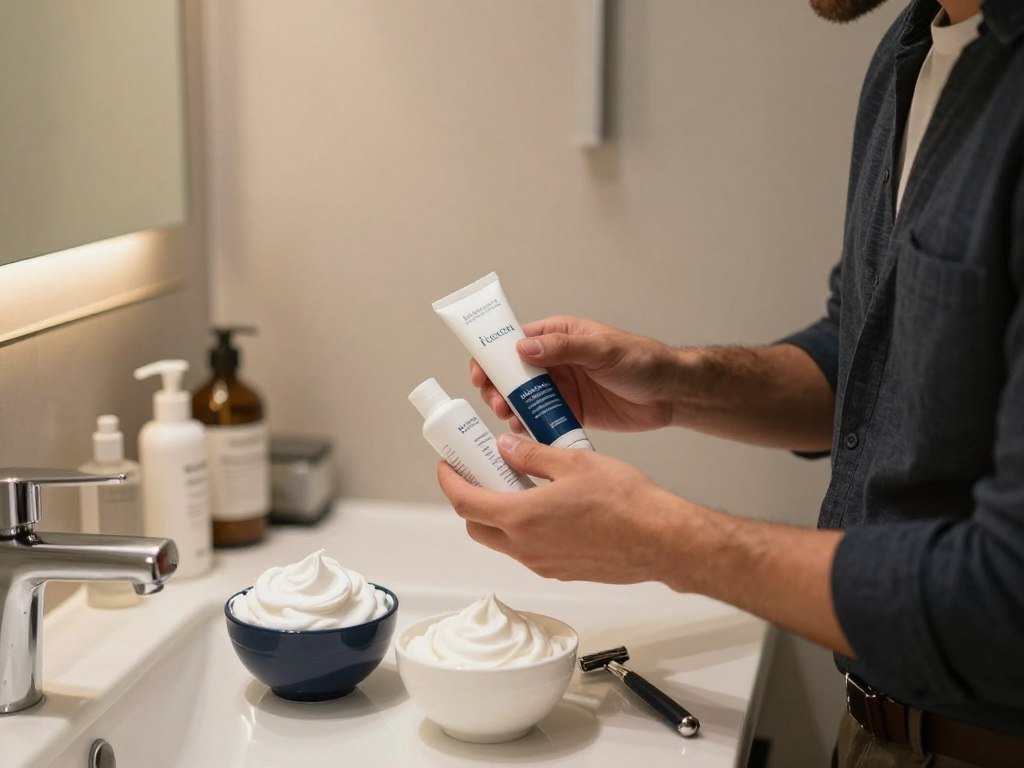
The right shaving formula is the one that gives your razor a smooth path without making your routine harder. The best shaving cream for men should match how you apply it, what your skin needs, and the scent you enjoy. Razor glide means how smoothly the blade moves across skin. A protective cushion is the layer of product between the blade and skin.
A comfortable shave depends on more than the label on the tub. Some formulas spread by hand, while others suit brush lather, which is shaving cream worked with water and a shaving brush. Your facial hair, skin comfort, and preferred pace all shape the choice. This roundup separates those needs and includes gel as an option when you need a clear view of the skin.
You do not need a complicated routine to get good results. A formula that fits your habits can help the razor move with less drag and make each shave feel more comfortable. Start with application, then consider skin comfort and scent. Start by matching the product to how you shave, then narrow the choice by skin comfort and scent.
Key Takeaways
- Hand application suits a quick, simple shave.
- A brush is optional, even with traditional cream.
- Choose a formula for your skin and facial hair.
- Clear gel helps when you need to see the blade’s path.
- Compare value by the cost of your own shaves.
How do you choose a shaving cream for your routine?
A quick choice starts with whether you prefer spreading cream by hand or building a brush lather. Both methods can give a cartridge razor or safety razor a slick layer between blade and skin. The right men shaving cream also depends on beard thickness, skin comfort, and how much you want to spend.
A safety razor does not require a brush. Brush-friendly creams can still go on by hand, though this method may use more product. Hand application suits a faster, simpler shaving experience; brush lather suits a more traditional routine.
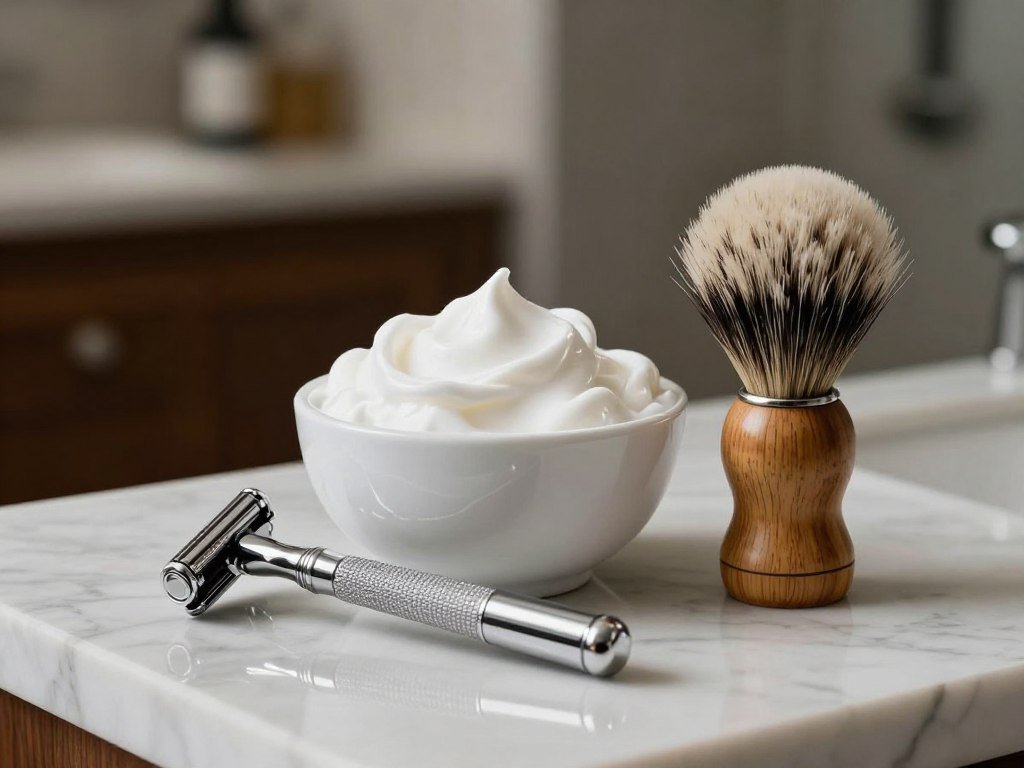
Keep the method that feels comfortable, then choose a formula that solves the problem you notice most.
Use this checklist to compare options before you pick a product. It keeps the choice tied to your daily routine rather than a long feature list.
- Application method: hand spread or brush lather.
- Beard thickness: light growth or dense, coarse facial hair.
- Skin sensitivity: calm skin or a face prone to discomfort.
- Fragrance preference: scented, lightly scented, or no added scent.
- Value per shave: package price, size, and how much you use.
Both cartridge razors and safety razors benefit from lubrication. A thick beard may call for a formula that keeps the blade moving comfortably, while a simple daily shave may need only easy coverage.
A brush can help build a traditional lather, but the brush itself does not determine whether a safety razor works. Choose the application that fits your pace and the kind of shaving experience you want. If your method is already comfortable, keep it and choose a formula that solves the problem you notice most.
Best Shaving Cream for Men: Top Picks by Application
Cremo is the easiest starting pick for many men who want a hand-applied cream they can find in common U.S. stores. In 2026, its lubrication and wide retail availability make it a practical choice for men shaving with a straightforward routine. Easy to find matters when you want a product you can replace locally.
These five picks cover different routines, not every face. Together with the five alternatives in section 4, they make a ten-product comparison. A shaving cream that suits one person’s skin or beard may not suit another’s.
| Product | Best fit | Why it stands out |
|---|---|---|
| Cremo | Hand application and U.S. retail availability | Lubrication and easy access in drugstores, grocery stores, and big-box retailers |
| Barbasol 1919 | Value and glide | Cushion and glide from a small amount |
| Pacific Shaving Unscented Clean Shave Cream | Fragrance-free hand application | Lubrication and cushion comparable to higher-priced products |
| Supply Ultra Lather Shave Cream | Brush lather and hard water | Tolerates different cream-to-water ratios |
| Taylor of Old Bond Street | Traditional scents and premium value | A range of scents and shaving performance at relative value among premium brands |
Barbasol 1919 is the value pick when you want a slick layer without using much cream. In 2026, a 6-ounce tub costs about $6. Pacific Shaving Unscented Clean Shave Cream gives you a fragrance-free hand-applied option with a protective cushion.
Supply Ultra Lather Shave Cream is a forgiving brush choice, including when your water is hard or your mix varies. Taylor of Old Bond Street offers traditional and modern scent choices, with shaving performance and relative value among premium brands. These are useful differences, not promises that every formula will suit every face.
For a direct answer to which facial shaving cream to try first, start with Cremo if hand application is your usual method. Choose another pick when value, no fragrance, brush lather, or traditional scents matter more. Choose a single pick by the routine you already use, not by the longest list of features.
Which other shaving creams fit specific needs?
A product can earn a place on a shortlist for a specific texture or skin concern, even if it is not the best fit for every routine. Distinct formulas can help you compare a mainstream cream, a premium option, and a clear gel. A gel is not a cream, even when both serve as shaving products.
Match each product’s stated feature to the job you need it to do. The table separates their prices from their useful differences, so you can compare without treating every option as interchangeable.
| Product | Price | Useful distinction |
|---|---|---|
| Harry’s Shave Cream | $8 | Everyday cream with aloe, cucumber, marula oil, and licorice root extract |
| Omorovicza Soothing Shave | $45 | Premium formula with sea mayweed and vitamin E |
| Ursa Major Natural Shave Cream | $26 | Non-lathering cream |
| Bevel Clear Shave Gel | $10 | Translucent gel for seeing the skin |
| Proraso Nourishing Shaving Cream | $10 | Positioned for coarse stubble |
Hydrating formulas for everyday shaving
Harry’s Shave Cream is a mainstream pick for a routine that calls for a familiar cream texture. Its formula includes several moisturizing ingredients, which may appeal if you want an everyday product with a softer feel. The way a formula feels during a shave still depends on your skin.
Options for a more sensitive-feeling shave
Omorovicza Soothing Shave offers a premium option for someone seeking a soothing feel. The formula’s listed ingredients set it apart, but a higher price does not guarantee personal comfort. A small test can help you judge how your face responds.
Ingrown-prone skin and clear visibility
Ursa Major’s non-lathering texture may suit someone who prefers a cream without a foamy finish. Bevel Clear Shave Gel is translucent, so it helps you see skin while guiding the blade. Proraso is positioned for coarse stubble, which makes it a relevant comparison when beard texture is the main concern.
Product labels can change, and names may cover more than one version. Check the exact version and formula before buying, since product names alone do not tell you how a formula will feel.
What should sensitive skin avoid in shaving cream?
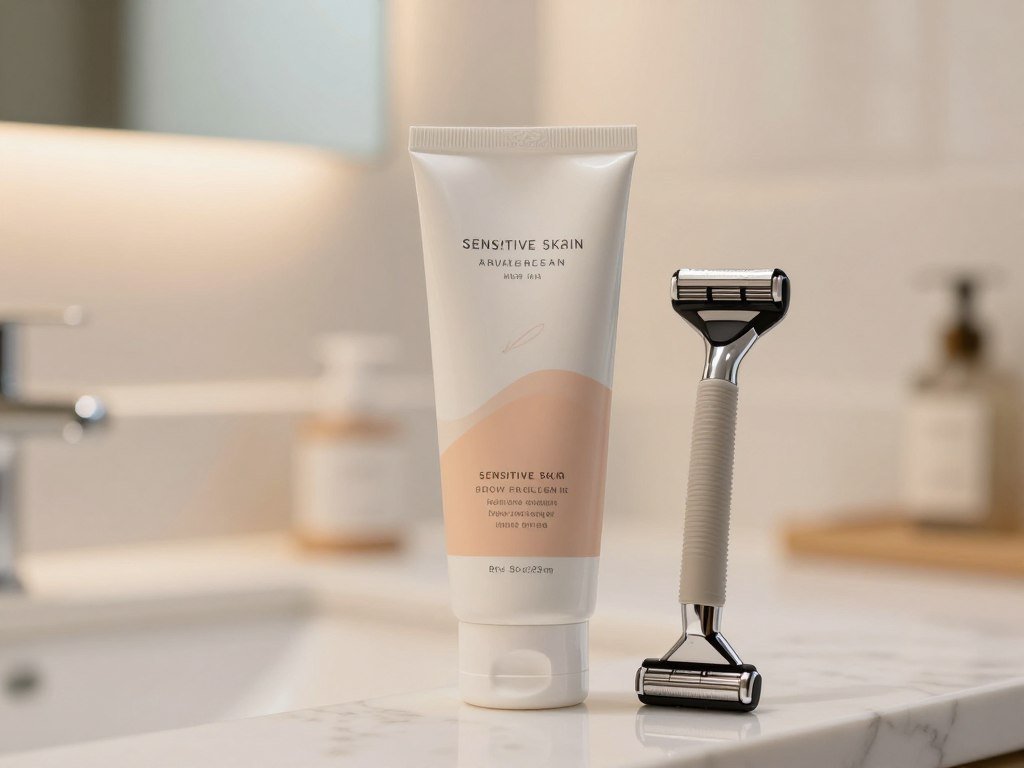
If fragranced or cooling products have bothered your face before, start by checking the ingredient label rather than relying on the front-of-pack wording. Read the full label because “unscented” does not always mean a formula has no fragrance ingredients. What irritates one person may not bother another.
For sensitive or acne-prone skin, screen for these five ingredients:
- Fragrance
- Menthol
- Peppermint
- Witch hazel
- Alcohol
These ingredients can bother some people, but personal triggers differ. A cooling feel can be pleasant for one face and uncomfortable for another. The ingredient list gives more detail than a claim on the front of a package.
The Art of Shaving Unscented is a brush-use option without added fragrance. “Unscented” is not a guarantee of zero irritation, so use your own skin’s response as the guide. For a related way to read personal-care labels, see how to check personal-care ingredients.
Cremo Sensitive Skin has no synthetic fragrance, but it does contain essential oils. That distinction matters if you avoid fragrance ingredients, even when you do not see a conventional perfume claim. Essential oils can still matter to someone who wants to avoid fragrance.
Try a new product on a small area before using it for a full shave. Note any redness, itching, or burning instead of assuming that a “sensitive” label makes it suitable. Patch-test a new formula on a small area and stop using it if it causes a reaction.
Which shaving cream works for acne-prone or ingrown-prone skin?
For acne-prone skin, begin with an oil-free, non-comedogenic formula and check whether it gives enough lubrication. These label cues can help narrow a choice, but they do not guarantee that every person will tolerate a product. A slick protective layer can help the blade pass without scraping dry skin.
Look for glycerin, aloe vera, and allantoin. Glycerin is a humectant, which means it helps skin retain moisture. It can also help create a protective layer between the skin and razor.
Oil-free means the formula is labeled without oil, while non-comedogenic signals that it is made to avoid clogging pores. Neither label guarantees a clear face for every user. Your skin can still react to a formula, so pay attention to how it feels after shaving.
Ursa Major Natural Shave Cream is a non-lathering option if you prefer that texture. It is one way to compare a different kind of shaving cream without assuming foam is needed for glide. A smooth layer matters more than a large amount of visible lather.
Ingrown-prone skin may benefit from less friction during a shave. Keep the blade moving over a slick layer, and avoid pressing harder when the product starts to dry. If bumps or blemishes are also a concern, guidance on choosing acne spot treatments can help distinguish surface pimples from deeper ones.
Facial hair can trap the blade against the skin if the layer thins out. Pay attention to drag and tightness, especially around areas where hairs tend to grow back into the skin. If a product leaves the blade dragging or the skin feeling tight, switch to a formula that maintains a more comfortable layer.
What should you choose for dry skin or coarse facial hair?
Dry-feeling skin usually benefits from a cream that leaves a hydrated, cushioned layer, while coarse stubble needs dependable glide. These are different needs, though one person can have both. A cream can add moisture and cushioning, while coarse facial hair may need a layer that softens hair before the blade passes.
Choose for skin dryness and beard texture separately. Dry skin describes how your face feels; coarse stubble describes the thickness or feel of your facial hair. One does not automatically mean the other.
A thicker cream may feel more cushioning on dry-feeling skin. Texture alone does not tell you whether a product will keep the razor moving well. Enough water and a steady layer still matter as you shave.
Coarse facial hair can feel tougher to cut, so the blade needs a well-lubricated path. A layer that softens hair and stays slick can make a shave feel more controlled. If you have dry skin without coarse stubble, you may care more about moisture than beard softness.
Proraso Nourishing Shaving Cream is positioned for coarse stubble. It offers an example of a formula aimed at thicker facial hair, rather than a universal choice for every skin type. Your beard’s appearance alone cannot tell you whether your skin also needs extra moisture.
When both concerns apply, look for a cream that maintains a comfortable cushion without needing a heavy hand. Dryness and coarse growth can call for the same product, but they are not the same problem. Choose for the skin condition you actually experience, not just the apparent thickness of your beard.
Is cream, gel, foam, oil, or soap better for shaving?
Cream is the most versatile starting format for a typical face shave, while clear gel makes it easier to see the skin and guide a precise line. Choose by the job: cream favors moisture and cushioning, while gel favors visibility. Shaving products soften hair and skin and lubricate the space between blade and skin.
For a typical face shave, cream is the best starting format; choose clear gel when visibility matters most. Cream buffers the razor against skin and can help reduce irritation and ingrown hairs. A barber doing line work may favor a clear gel to see the edge.
| Format | Visibility | Best use |
|---|---|---|
| Cream | Skin partly covered | Moisture and cushioning for many routines |
| Clear gel | Skin visible | Precision and line work |
| Foam | Skin mostly covered | Quick coverage for a simple shave |
| Oil | Skin partly visible | A slick, low-foam layer |
| Brush-lathered soap | Skin covered by lather | A traditional brush routine |
Cream and brush-lathered soap
Cream offers a useful mix of coverage, moisture, and cushioning for a broad range of routines. Brush-lathered soap suits someone who enjoys working water into a lather with a brush and bowl. Both can form a protective layer, but their use may feel different.
Clear gels and shaving foam
Clear gel leaves skin easier to see, which helps when you are shaping an edge or moving around a small area. Foam gives quick, familiar coverage when speed matters more than seeing every part of the skin. A barber working on visible line work may favor gel.
Oil and other low-visibility formats
Shaving oil provides a slick, low-foam layer, though it may not give you the same visible coverage as cream. Soap offers a traditional brush routine. Pick the format that lets you keep the blade’s path visible and comfortably lubricated.
Do you need a brush to use shaving cream?
You do not need a brush, but it can make concentrated traditional creams easier to lather evenly. Hand application works for brush-friendly cream too, though a wetter hand and face can use more product. A brush is a choice, not a requirement for shaving cream.
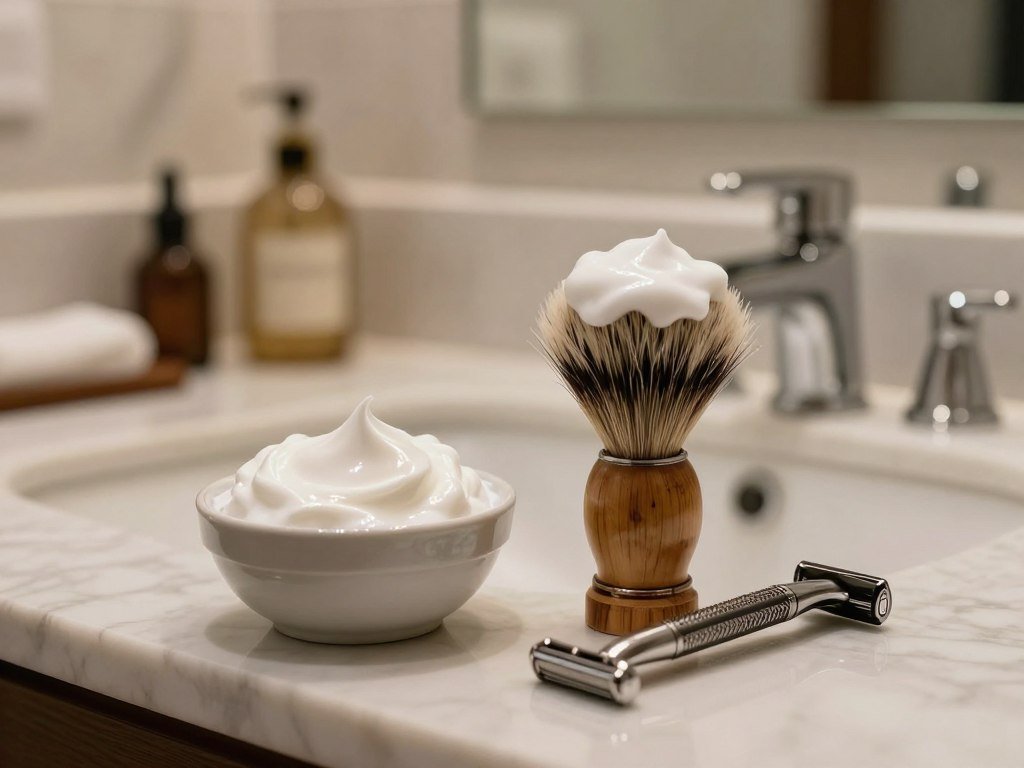
For brush lather, start with enough cream to cover the bristle tips. Then add water gradually, since both hard water and the cream-to-water balance affect the lather. You can build it in a bowl or directly on your face.
Use this four-step routine to build brush lather:
- Wet the brush.
- Remove excess water.
- Load the bristle tips with cream.
- Build lather in a bowl or on your face.
The brush spreads a traditional lather across your face, which can help you cover the beard evenly. A bowl gives you room to work the cream and water together. Lather can turn thin or dry if their balance is off, so adjust the water little by little.
Hand application is often quicker when you want to shave and move on. With some traditional creams, though, it may take more product to create an even layer on a wet face. Your method affects how much product you use, not whether the razor can shave.
Hard water can make it harder to build lather, and different creams tolerate different mixes. Try a small change in water or cream before changing your whole routine. If a brush routine feels like extra work, use a brush-friendly cream by hand and adjust the amount to maintain coverage.
How should you prepare skin and apply shaving cream?
Begin with warm water so the hair softens before the blade reaches the skin. Give the hair time to take up water, then apply shaving product and let it sit for a separate minute. This order helps prepare facial hair and skin for a smoother shave.
Warm-water preparation takes about three minutes; product sits for one minute after application. These are two distinct steps, not one combined wait. The American Academy of Dermatology shares razor-bump prevention tips, including softening hair with warm water and shaving in its growth direction.
Soften facial hair with warm water
Wet your skin with warm water or use a warm, damp cloth to soften facial hair. About three minutes of hydration can help prepare the hair before shaving. Avoid treating this warm-water step as the same wait as the time after applying product.
Once you spread the cream or gel, let it sit for one minute before you shave. This gives the product time to settle over the hair and skin. Keep the layer in place while you begin.
Spread an even, slick layer
Wet the skin, then spread shaving product over the area you plan to shave. Aim for an even surface rather than bare spots or thick patches. The blade needs a slippery path across the skin.
Use short strokes with the grain of your facial hair. Add water if the product starts to lose slip, rather than pushing the razor harder. Cremo’s directions also call for circular massage, short strokes with the grain, and water as needed.
A steady layer helps the blade move without dragging across dry patches. Check the skin as you work, especially where hair changes direction. If the blade starts to drag, pause and restore a slippery layer instead of pressing harder.
How much shaving cream should you use?
Start with a small amount, then add product only if the wet skin is not evenly covered. Coverage matters more than a fixed scoop: a continuous slick layer should sit between blade and skin. Hand-application amounts can differ by product.
The almond and nickel amounts below are product-specific suggestions, not universal measurements. Brush lather starts with enough cream to cover the bristle tips, then you can adjust the water as you build it.
| Application | Starting amount | Adjustment |
|---|---|---|
| Cremo by hand | About an almond-sized amount | Add a little if coverage is thin |
| Barbasol 1919 by hand | About a nickel-sized amount | Adjust to an even slippery layer |
| Brush lather | Enough to cover the bristle tips | Adjust water gradually |
These examples give you a place to start, not a rule for every cream or face. The amount you need depends on whether you spread the product by hand or build a lather with a brush. A brush also holds water, so adjust the mix as you work.
Look for full coverage over the area you are shaving. If you see dry patches or feel drag, add a small amount and spread it thinly. Extra cream is not useful if it gathers in one spot instead of covering the skin.
Use the least product that keeps the skin covered and the blade moving smoothly. The right amount can be different across products and methods, so make small changes rather than adding a large scoop. The right amount is the least that keeps the blade moving over a continuous slick layer.
How can you compare shaving cream value?
A fair value comparison looks at package price, package size, and how much you use each time. Cost per ounce is a useful starting point: divide the package price by the number of ounces. That shows how two packages compare by volume.
Cost per ounce does not show how many shaves each package provides. The amount used per shave can change the result, especially when one formula spreads farther in your routine. A lower sticker price alone does not prove better value.
Think about how your application method affects use. A brush-friendly traditional cream may use more product when you apply it by hand, so a low price per ounce might not translate into a low cost per shave. Use the method you actually follow when comparing products.
A low purchase price may be less compelling if you need more product each time. An expensive cream can still feel worthwhile if its texture or glide suits your routine. Value is personal when performance and preference matter alongside package size.
Compare package price and size first, then consider the amount your shaves use. Keep the method consistent when you compare two products. Compare the cost per shave for your own application method rather than relying on package price alone.
Which scent and ingredients should you check?
Choose the scent by the exact formula, since two versions of one brand can feel and smell different. Check the version rather than assuming all products in a line share one fragrance. Taylor of Old Bond Street creams, for example, include traditional and modern scents.
Read four label details before choosing a scent or cooling effect:
- Scent name
- Added fragrance or essential oils
- Menthol or peppermint for cooling
- Whether that exact version is unscented or fragrance-free
Sandalwood is a common traditional fragrance in shaving products. Its warm scent may appeal if you like a classic shave, while another version in the same line may smell quite different. The scent name is a useful clue, not a substitute for reading the label.
Menthol and peppermint create a cooling sensation in some formulas. That feeling can make a shave seem fresh, but it may differ from other versions in the same product range. Check whether cooling ingredients are present when you compare formulas.
A brand can offer several products with different scent and ingredient profiles. For general help reading personal-care labels, see this guide to checking ingredients. Read the ingredient list for the specific version rather than assuming every product in a brand line has the same scent or cooling effect.
Can you use men’s shaving cream on the body?
You can use shaving cream on the body, but choose the formula for the area and the visibility you need. Skin differs by area, so a product that feels fine on your face may not feel right elsewhere. Cream offers moisture and cushioning, while clear gel can make skin easier to see.
For more sensitive underarm or bikini-area skin, choose an alcohol-free, fragrance-free cream. Body-area sensitivity varies, and you should not apply shaving products to broken or irritated skin. Choose a formula that suits the area, not only the label’s intended user.
Face and legs
On the face or legs, cream can suit you if moisture and cushioning are your main goals. A clear gel may work better when you need to see the skin and guide a precise line. For legs, that visibility can help around curves or spots you want to avoid.
For a broader look at choosing body-care products by skin need, read this guide to body wash for different skin types. Shaving products have a different job, but your skin needs still matter when you choose what touches it.
Underarms and bikini-area skin
Underarms and bikini-area skin can feel more sensitive during shaving. An alcohol-free, fragrance-free cream is a sensible starting point if those areas react easily. Try a small area first, and do not shave over a rash or a cut.
Use a light touch on areas where skin curves or folds. Rinse the skin well after shaving, and stop if discomfort starts. Use light pressure on curved or delicate areas and rinse the skin well after shaving.
Can shaving cream expire?
Check the package for an expiration date and inspect the formula if it has been stored for a long time. Age can change texture, even when the product still looks familiar. Some shaving cream packages carry an expiration date that helps you judge product quality.
An older formula may harden or become harder to lather. An expiration date is a useful quality guide, not a promise that an old product will perform just as it did when new. Follow the package directions for storage and use.
Look for a change in consistency when you open a product that has sat in a cabinet. Cream that has hardened may spread unevenly or resist mixing with water. A change in texture can make the shaving experience less comfortable.
Notice whether the product still spreads and lathers as expected. If it has a clear change in feel, follow the package guidance rather than trying to force it into your routine. A formula that irritates your skin is not worth keeping.
Do not assume a product is fresh just because the package is closed. Storage time and visible changes both matter when you decide whether to use an older cream. Replace a product that has changed in texture or no longer spreads and lathers as expected.
How can you reduce nicks and irritation while shaving?
A comfortable shave depends on a sharp blade, softened hair, and a lubricating layer between blade and skin. Less friction starts with steady coverage and controlled strokes. Shaving cream buffers the razor against skin and can help reduce irritation and ingrown hairs.
Replace a blade at the first sign of dullness. A dull blade can drag, so pressing harder is not a good fix. Keep the razor moving with light pressure instead.
Use these four habits to lower avoidable friction:
- Use a fresh, sharp blade.
- Keep skin and hair hydrated.
- Maintain a lubricating layer.
- Use short, controlled strokes without pressing hard.
Stop if shaving causes persistent pain or irritation, and seek medical advice when a skin problem does not settle.
Shaving products hydrate and soften hair and skin, then lubricate the space between blade and skin. That cushion helps the razor move with less friction. If the layer thins, reapply rather than making the blade work harder.
Short strokes help you stay in control of the razor, especially around curves. Rinse the blade as needed to clear away product and hair. Do not keep shaving over a spot that already feels sore.
Persistent irritation can signal that your skin needs a break or another kind of care. Stop if shaving causes persistent pain or irritation and seek medical advice when a skin problem does not settle.
Conclusion
The best choice is the one that fits your routine and leaves your skin comfortable after rinsing. Start with the method you already use, then favor glide and skin comfort over scent claims or packaging. A formula that feels good during a shave is a better match than one chosen for its label alone.
You do not need to switch every part of your routine at once. Pick one formula that matches your main need and track how your skin feels after a few shaves.
FAQ
What is the best body shaving cream for men?
Can shaving cream expire?
Is Gillette shaving cream good for men?
Which is better for shaving foam or gel?
What do dermatologists recommend for shaving?
What do barbers use for shaving cream?
What to avoid in shaving cream?
Which is better, Barbasol or Gillette shaving cream?