A shampoo can help hair look fuller and feel stronger, but it cannot stop hereditary hair loss. If your part looks wider or your ponytail feels thinner, it helps to know what a bottle can change. This article separates scalp care, strand strength, and breakage from treatment of pattern hair loss.
The best shampoo for hair growth depends on your scalp concern and hair texture, not a promise on the label. The right pick may lift fine hair, ease flakes, or help fragile lengths feel smoother. Those results can improve how your hair looks without creating new hair follicles. Choose a formula for the problem you can actually address, such as scalp buildup or fragile lengths.
Key Takeaways
- Shampoo can clean the scalp and improve the look of strands.
- It does not stop hereditary hair loss or replace medical care.
- Scalp comfort and strand texture are separate concerns.
- Hair types respond differently to lightweight and rich formulas.
- Persistent thinning calls for more than repeated shampoo changes.
Can Shampoo Stop Hereditary Hair Loss?
No rinse-off shampoo can halt hereditary hair loss, though it can help manage dandruff and buildup. A shampoo cleans the scalp and may leave strands looking healthier, but pattern hair loss involves changes in the hair follicles. Those are different jobs, so a fuller look does not prove hair density has increased.
Persistent changes in density are a reason to look beyond shampoo, not to keep switching bottles.
Scalp hair grows about 0.5 inch per month on average, though growth varies from person to person. Hair growth also moves through cycles, including the anagen phase, the active phase of the hair-growth cycle, when a follicle produces a hair shaft. Shampoo can support scalp health, but it cannot reverse the genetic process behind pattern loss.
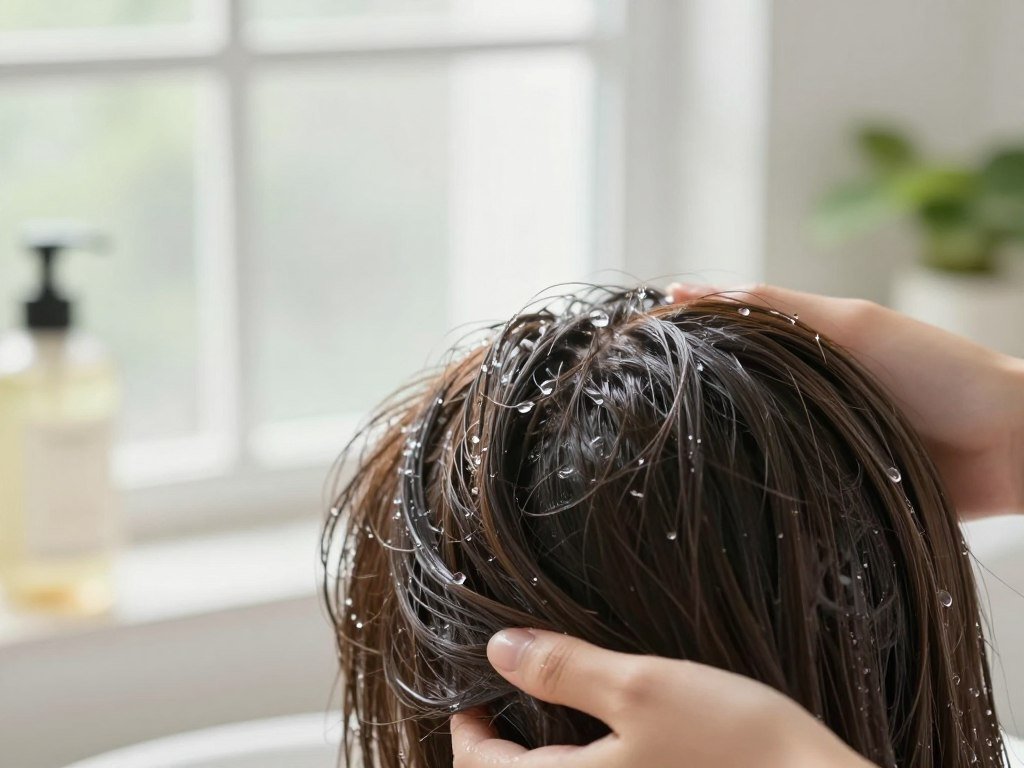
A cleanser may still help if flakes or oil buildup make your scalp uncomfortable. Those changes can improve how the hair and scalp feel, even when they do not address the cause of thinning. Treat a persistent change in density as a reason to look beyond shampoo rather than switch bottles repeatedly.

Best Shampoo for Hair Growth: Which One Fits Your Scalp?
For fine-to-medium hair where the goal is extra volume, Virtue Volumizing Full Shampoo is a sensible first pick, while dandruff calls for a scalp-focused formula. It costs $44 and comes in 60 mL and 240 mL sizes, with phospholipids and glycerin. For flakes, Nizoral 2% is a named ketoconazole shampoo.
Choose the bottle for its scalp or styling purpose, not as proof of regrowth. A ketoconazole shampoo trial found 80% dandruff improvement after four weeks. That finding supports dandruff care, not a claim that every ketoconazole formula restores hereditary hair loss.
| Shampoo | Named ingredient | Best fit | What the evidence can and cannot support |
|---|---|---|---|
| Nizoral 2% | Ketoconazole | Dandruff-prone scalp | Dandruff improvement and limited hair-density findings, not proof of hereditary-loss treatment |
| Head & Shoulders Dermax Pro Scalp Care | Piroctone olamine | Scalp care | Ingredient-level shedding and shaft-thickness findings, not a product-specific regrowth claim |
| Plantur 39 Phyto-Caffeine Shampoo for Fine, Brittle Hair | Phyto-caffeine | Women concerned about shedding | A hair-pull-test finding, not proof of new growth |
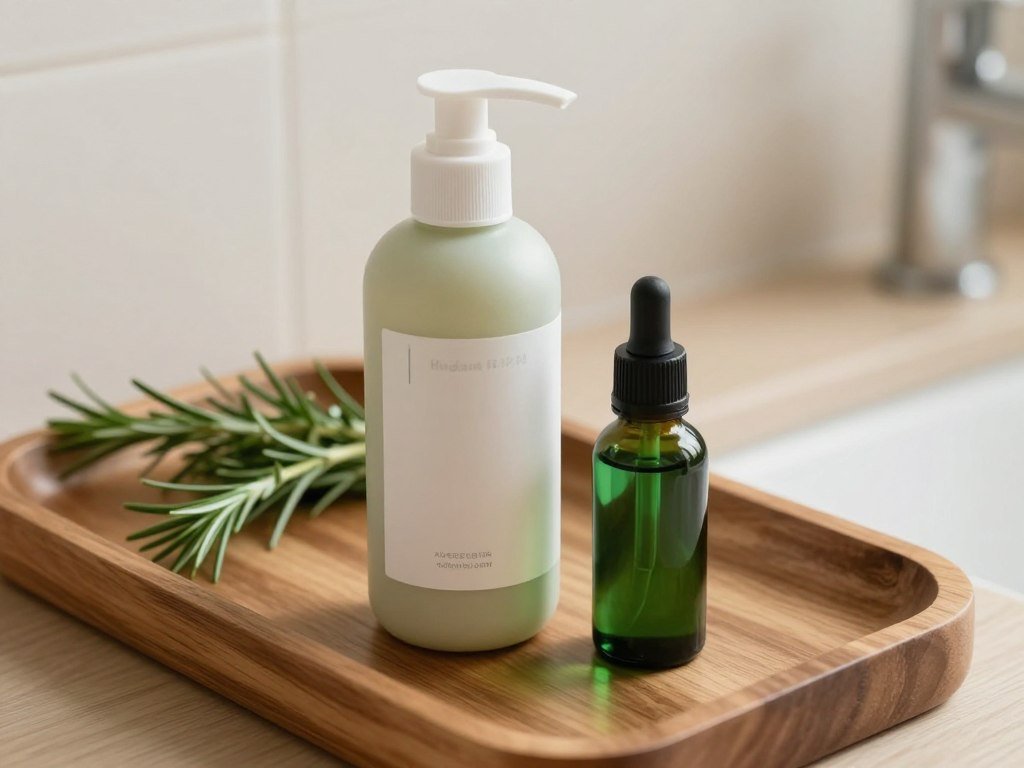
| Faith In Nature Rosemary Shampoo | Rosemary oil | Readers interested in rosemary | Oil research does not establish the shampoo’s effect |
| Paul Mitchell Tea Tree Special Shampoo | Tea tree oil | Dandruff symptoms | Tea tree shampoo research does not establish this exact product’s result |
Plantur 39 and Head & Shoulders offer named ingredient options, but their ingredient findings do not prove that each bottle regrows hair. Mill Creek Botanicals Aloe Vera Shampoo and Vatika Black Seed Complete Care Shampoo are other ingredient options, not evidence-backed regrowth picks.
Faith In Nature and Paul Mitchell also suit shoppers drawn to botanical oils, but their named ingredients do not settle how a finished shampoo will affect hair density. Match the bottle to the scalp concern, and treat any growth claim as separate from the ingredient’s evidence.
Which Shampoo Ingredients Have the Strongest Evidence?
Ketoconazole has the clearest clinical signal among shampoos discussed here, but it is not an approved treatment for hereditary hair loss in the United States. Its approved uses include dandruff and tinea versicolor, a fungal skin condition. The distinction matters: treating a scalp condition is not the same as treating genetic thinning.
Ketoconazole and medicated scalp care
A study of men with stage 3 male-pattern hair loss found that 2% ketoconazole shampoo improved hair density, hair size, and the share of anagen follicles. The study compared it with topical minoxidil, but one result does not make ketoconazole an approved hereditary-loss treatment.
Use medicated scalp care for its established scalp purpose, not as a replacement for a proven pattern-loss treatment. Dandruff can involve ongoing flakes and irritation, so controlling the scalp condition may be a useful goal on its own.
Piroctone olamine and caffeine
A shampoo with 1% piroctone olamine reduced shedding by 16.5% and raised average hair-shaft thickness. Women who regularly used phyto-caffeine shampoo had a significant improvement on a hair-pull test after six months. That test measures loose hairs, not new growth.
A caffeine-and-adenosine shampoo study found less hair loss after three months. Still, most caffeine hair-growth evidence comes from follicles grown in a lab, and shampoo research remains limited. The findings do not establish that caffeine shampoos reliably regrow hair.
Rosemary, tea tree and other botanicals
One study of 100 men with male-pattern hair loss found a higher hair count after six months of regular rosemary-oil use. The results were described as comparable to minoxidil, but rosemary oil research does not prove that a rinse-off rosemary shampoo has the same effect.
Among 126 people with dandruff, daily tea tree oil shampoo use improved symptoms by 41% after four weeks. That result concerns dandruff symptoms, not hereditary hair loss or every tea tree formula. The American Academy of Dermatology’s dandruff guidance explains how medicated shampoos can help control scalp seborrheic dermatitis.
A study of an ingredient does not demonstrate the same result for every rinse-off formula. A scalp ingredient may be worth choosing for its established scalp benefit even when its regrowth evidence remains limited.
What Works for Female-Pattern Hair Loss?
For female-pattern hair loss, topical minoxidil is the first-choice treatment with the strongest evidence, not a rinse-off shampoo. A 2023 therapeutic review found it was the only treatment with adequate evidence for this condition. Shampoo is not a substitute, and no shampoo is proven to treat female-pattern hair loss.
Topical 2% minoxidil produced a mean difference of 12.4 hairs per square centimeter versus placebo after 24 weeks. About 40% of patients do not improve with topical minoxidil. Early results usually take four to six months, and continued use is needed to maintain them.
What topical minoxidil can do
About 18% of users have a temporary increase in shedding during the first few weeks. That early change can be unsettling, but it may occur before later results. The treatment must continue indefinitely to keep its benefits.
For people comparing a hair growth shampoo for women with a treatment, minoxidil has stronger evidence. A dermatologist-recommended shampoo for female hair loss may help with scalp comfort or strand care, but it does not treat the pattern loss itself.
Choose a formulation and watch for irritation
Studies of women found no significant response difference between 5% solution twice daily or 5% foam once daily and 2% solution twice daily. The FDA approved 5% minoxidil foam for female-pattern hair loss in 2014. A clinician can help you choose a schedule that fits your needs.
Possible reactions include facial hypertrichosis, or unwanted facial hair, and scalp itching, burning, redness, papules, or pustules. Reported rates ranged from 1.9% to 5.7% across studies. Propylene glycol, a vehicle ingredient in many solutions, is the topical minoxidil ingredient most often linked to contact dermatitis.
Switching to a propylene-glycol-free option can resolve symptoms when that ingredient is responsible. Ask a clinician about persistent irritation or a change in formulation before abandoning a treatment that may be helping.
How Can You Reduce Hair Fall and Breakage?
If the hair you see is mostly short snapped pieces, reducing damage is a more direct target than buying a regrowth shampoo. Breakage happens along the strand; shedding releases hairs from the scalp. That difference helps you choose a useful next step.
Heat styling, over-processing, harsh brushing, and dry lengths can weaken hair. These habits can increase breakage, even though they do not explain every kind of hair loss.
Reduce mechanical and heat damage
- Reduce repeated heat styling.
- Avoid over-processing with chemical services.
- Detangle gently instead of brushing harshly.
- Use conditioning care to limit dryness.
For heat tools, use the lowest effective temperature and avoid repeated passes. A guide to choosing a straightener for your hair type can help you match a tool to fragile or treated strands.
Support scalp comfort while washing
Conditioner can soften dry lengths, while shampoo focuses on the scalp. If you have an oily scalp and dry ends, the two areas may need different care. Choosing shampoo and conditioner for separate needs can help you avoid coating fine roots with heavy care.
Aging, postpartum shedding, menopause, stress, and dietary changes can all affect hair growth. The American Academy of Dermatology lists common causes of hair loss, including health conditions and hair-care damage. Sudden or persistent shedding deserves an evaluation rather than an assumption that breakage is the cause.
How Often Should You Shampoo Thinning Hair?
Wash as often as your scalp needs, with daily shampooing acceptable for greasy hair. Many people with normal-to-dry scalps can start at two to three washes weekly, then adjust for comfort and buildup. Scalp comfort is a better guide than a fixed schedule for all hair types.
Infrequent washing can allow dandruff, dirt, and oil to build up. Use these checks to decide when to wash:
- Oily scalp or greasy hair between washes.
- Dandruff or visible buildup at the roots.
- Exercise and styling-product use that leave residue.
If flakes increase as washes become less frequent, cleanse more often. A clarifying shampoo can remove residue and hard-water minerals, but use it less often than your regular cleanser. Follow it with conditioning care if your lengths feel dry.
Change one part of your routine at a time, so you can tell whether your scalp feels better. If dandruff worsens while washes become less frequent, increase cleansing rather than letting oil and flakes accumulate.
What Treatments Work Beyond Shampoo?
Pattern hair loss and alopecia areata have different treatment paths, so identify the type of loss before choosing a product. Topical minoxidil and oral finasteride are the two FDA-approved medications for pattern hair loss discussed here. Alopecia areata is different, and its approved medicines do not treat hereditary thinning.
Hair products without minoxidil may improve appearance or scalp comfort, but they do not replace diagnosis-specific care. That matters when a product promises to promote hair growth without addressing the cause.
Treat pattern hair loss with established medicines
| Condition | Treatment examples | Approval or age information | Practical distinction |
|---|---|---|---|
| Pattern hair loss | Topical minoxidil and oral finasteride | FDA-approved medications described for pattern hair loss | Treatment options, not shampoos |
| Alopecia areata | Olumiant and Leqselvi | Adults 18 years and older; Leqselvi approved in July 2024 | A different diagnosis |
| Alopecia areata | Litfulo | Adults and children 12 years and older | A different diagnosis |
Olumiant, Litfulo, and Leqselvi are JAK inhibitors approved for alopecia areata. Olumiant is for adults 18 years and older, while Litfulo is for adults and children 12 years and older. Leqselvi was approved in July 2024 for adults 18 years and older.
Keep alopecia areata treatments separate
Alopecia areata and pattern hair loss are not interchangeable diagnoses. Approval of a medicine for alopecia areata does not mean it treats hereditary thinning. That distinction can prevent you from choosing a treatment for the wrong cause.
For the best products for hair growth and thickness without minoxidil, cosmetic shampoos and scalp products may support the look of strands or scalp comfort. They do not replace a clinician’s diagnosis or a treatment chosen for the type of loss. Have a clinician confirm the diagnosis before considering prescription treatment.
Which Formula Fits Your Hair Type and Texture?
Fine hair usually benefits more from lightweight cleansing and volume than from a heavy, highly conditioning formula. A shampoo cannot change your hair follicles, but a fitting formula can help strands look less flat. Texture matters when you want lift without a coated feel.
Choose formulas for fine or thinning hair
| Product | Listed price | Available size | Key ingredients | Best fit |
|---|---|---|---|---|
| Kérastase Densifique Bodifying Shampoo | $48 | 8.5 oz and 16.9 oz | Hyaluronic acid, ceramides, gluco-peptides | Dry or thinning hair seeking a denser appearance |
| OGX Thick & Full Biotin & Collagen Shampoo | $9 | 13 fl oz and 25.4 fl oz | Biotin, collagen, wheat protein | Flat-to-medium-volume hair |
| Living Proof Full Shampoo | $36 | 236 mL, 710 mL, 946 mL | Amino cleansing complex, amaranth peptides, phytantriol | Fine, flat hair seeking volume |
| Nexxus Diametress Volume Shampoo | $25 | 400 mL | Green tea extract, concentrated elastin protein | Fine hair seeking lightness and body |
Fine strands often do better with less weight at the roots. A formula that adds volume may help the hair look fuller without changing its growth rate. Dry or thick strands may need more conditioning than fine hair.
Balance scalp needs with strand care
Gentle cleansing helps remove oil without leaving lengths rough. Conditioning agents and humectants help maintain elasticity and pliability, so strands bend instead of feeling brittle. Hyaluronic acid can appear in a formula for added moisture, but the finished product’s feel matters too.
Shampoo choice should follow scalp needs, while conditioner should suit the lengths. Choose based on scalp comfort and the finish you want, not a promise that a bottle will create new follicles.
When Should You See a Dermatologist for Hair Loss?
Arrange a dermatology evaluation for sudden patchy loss, rapidly worsening thinning, or persistent scalp symptoms. A board-certified dermatologist can assess likely causes and discuss options. Do not wait for a shampoo change to explain a major shift.
Seek an appointment if you notice any of these signs:
- Sudden or patchy loss.
- Rapidly worsening thinning.
- Persistent scalp itching, redness, or scaling.
- Shedding that continues or causes concern.
Sudden patchy loss can point to alopecia areata, while itching and scaling may signal a scalp condition. Seborrheic dermatitis is one example that may need diagnosis. A dermatologist can examine the scalp and review your health history before suggesting care.
Hair loss can have more than one cause, so a visit may help narrow down what is happening. Bring a timeline of the change and a list of new medicines or major health changes to the appointment.
How Do You Build a Simple Wash-Day Routine?
A useful wash-day routine can stay simple: one scalp-focused shampoo, thorough rinsing, and conditioning for the lengths. Start with one formula that matches your main scalp concern, rather than layering several new products at once.
Use these three steps:
- Choose one shampoo that matches your scalp concern.
- Follow its label and rinse thoroughly.
- Condition the lengths and record scalp comfort and visible breakage.
A single wash cannot show whether a cosmetic formula suits you. Judge comfort and appearance consistently over several weeks, noting whether your scalp feels calm and whether breakage changes.
Keep the routine steady during that trial, so a change is easier to spot. Stop using a formula that causes a persistent reaction and seek clinical advice if irritation does not settle.
Conclusion
Think of shampoo as scalp and strand care, not a cure for hereditary hair loss. It can help your scalp feel clean and your strands look fuller, while pattern thinning may need a diagnosis-specific approach. Match the product to the concern you can address.
If flakes or buildup are your main issue, choose scalp care; if lengths feel fragile, focus on gentle cleansing and conditioning. Sudden or ongoing thinning deserves attention beyond the bathroom shelf. If thinning is new, persistent, or worsening, book a dermatologist visit before adding more products.
FAQ
Which shampoo is 100% natural?
What are the big 3 for hair regrowth?
What is the #1 hair regrowth product?
What to drink to stop hair loss?
What do Chinese use for hair loss?