Every fashion publication eventually has to answer the dinner party question: okay, so what IS the best handbag brand in the world? Most dodge it with a diplomat’s smile and a list of twelve brands “in no particular order”. We’re not doing that. This is a ranking, with a first place and a twentieth, and reasons for every position in between.
Before the list, honesty. Ranking handbag brands is part craft criticism, part market reading and part taste. Reasonable people will argue about positions four through nine, and we hope they do, loudly, in the comments. But the top three has been settled for a generation, and the bottom half of this list is chosen with one principle: we’d rather rank a brand that makes few things beautifully than one that makes everything adequately.
Our five criteria: craftsmanship, heritage, icon power (does the brand own a silhouette the whole world recognizes?), cultural momentum in 2026, and value retention. Let’s begin at the summit.
The Apex
1. Hermès
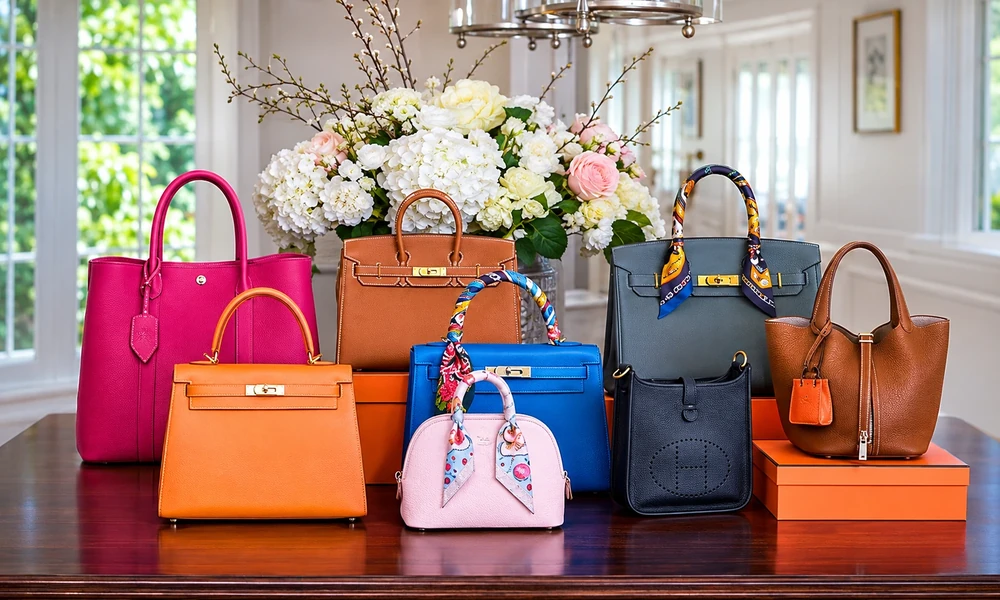
There is no debate here, only paperwork. Hermès closed 2025 with €16.0 billion in revenue at a 41 percent operating margin, the most profitable model in luxury, and in April 2025 its market value briefly overtook LVMH itself. The Birkin and the Kelly are not bags; they are the closest thing fashion has to currency, handmade by single artisans, allocated rather than sold, and routinely worth more secondhand than new. Every other brand on this list is, in some way, measured by its distance from this one.
2. Chanel
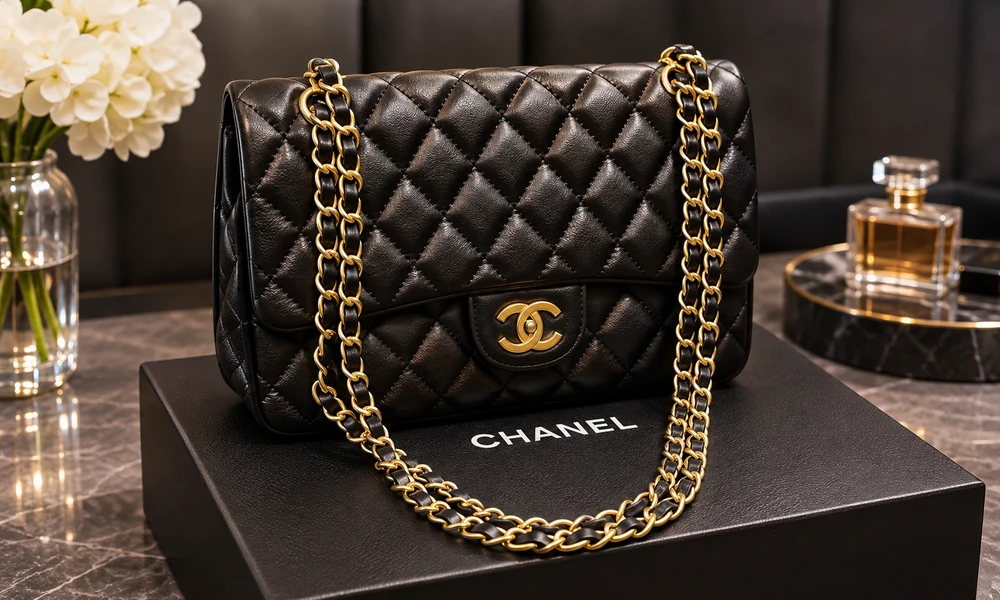
The house that turned a quilted shoulder bag into a savings account. The Medium Classic Flap now retails at $11,700, roughly double its 2019 price, and Chanel enforces scarcity with a policy worthy of a central bank: one classic bag per customer, per year, passport recorded. Then came the plot twist: Matthieu Blazy’s debut collection in October 2025, the most anticipated show of the decade, which critics judged as exceeding expectations. Heritage, discipline, and suddenly, fresh electricity.
3. Louis Vuitton
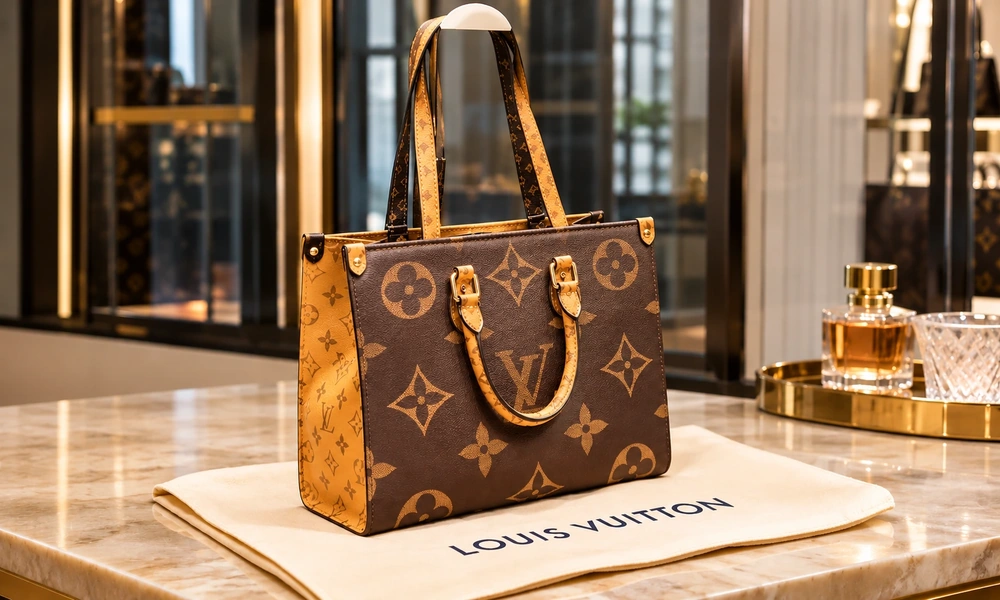
The biggest luxury brand on earth, valued at $87.5 billion, and the only house whose canvas pattern is recognized on every continent including the ones without boutiques. The Neverfull, born in 2007, remains the bestselling luxury tote ever made at $2,240, and the house still builds special order trunks at Asnières the way it did in 1859.
The Great Houses
4. Dior
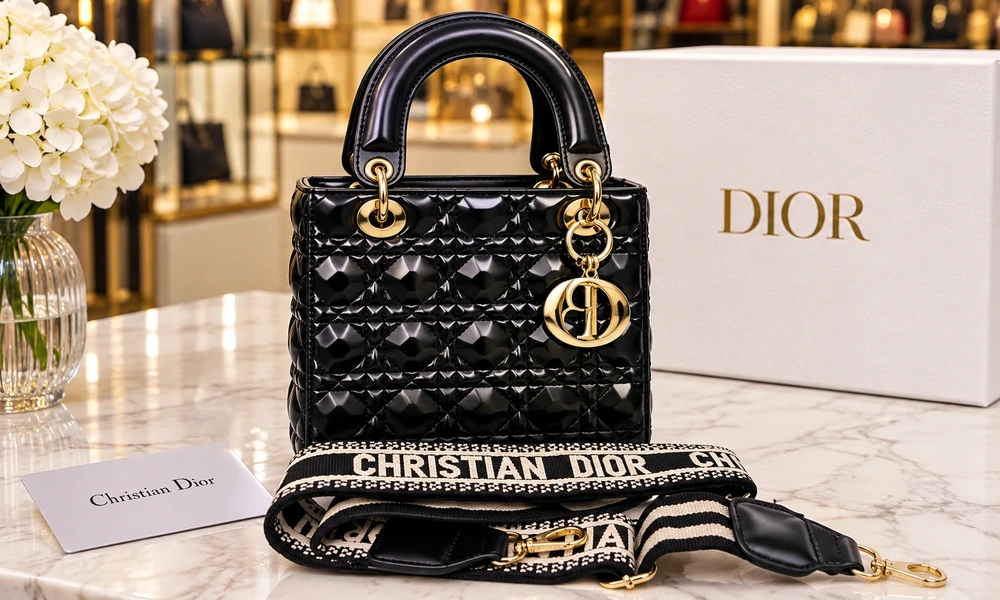
The Lady Dior, carried by and later named for Princess Diana, is arguably the most architecturally perfect bag ever made, and the Book Tote ate the last five years of airport fashion. Now the house belongs to Jonathan Anderson, whose polarizing 2025 debut did something more valuable than please everyone: it made Dior the most talked about atelier in Paris again. Watch this space; fourth today, with momentum pointing up.
5. Gucci
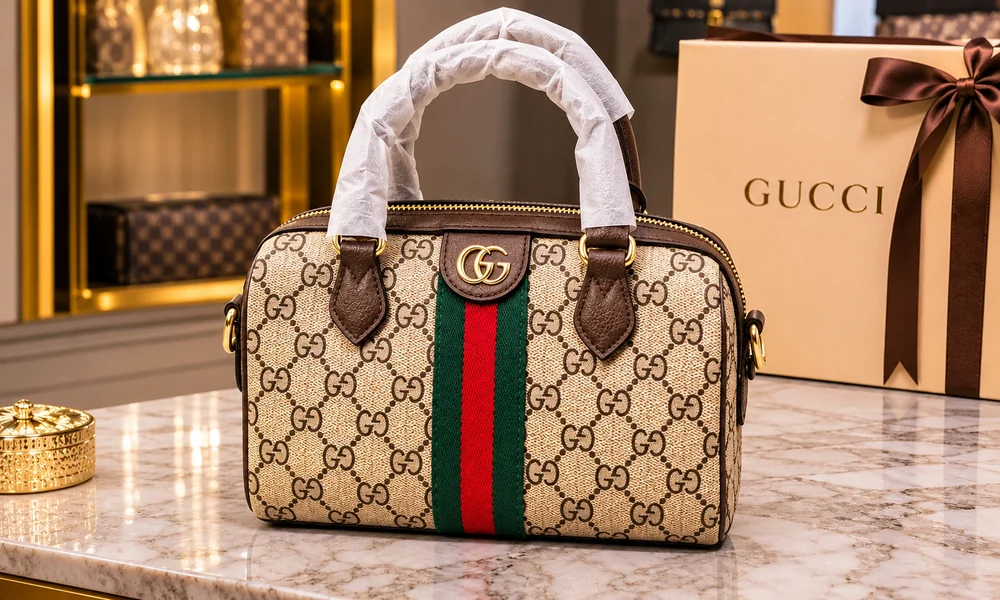
The house of the bamboo handled bag of 1947 and the Jackie, carried by the First Lady it was renamed for. Gucci’s recent years were turbulent, but 2026 opened a new chapter: Demna, the designer who made Balenciaga the defining brand of the 2010s, took the creative chair with a debut that broke the fashion internet. The archive is the deepest in Italian luxury, and the new energy is real.
6. Prada
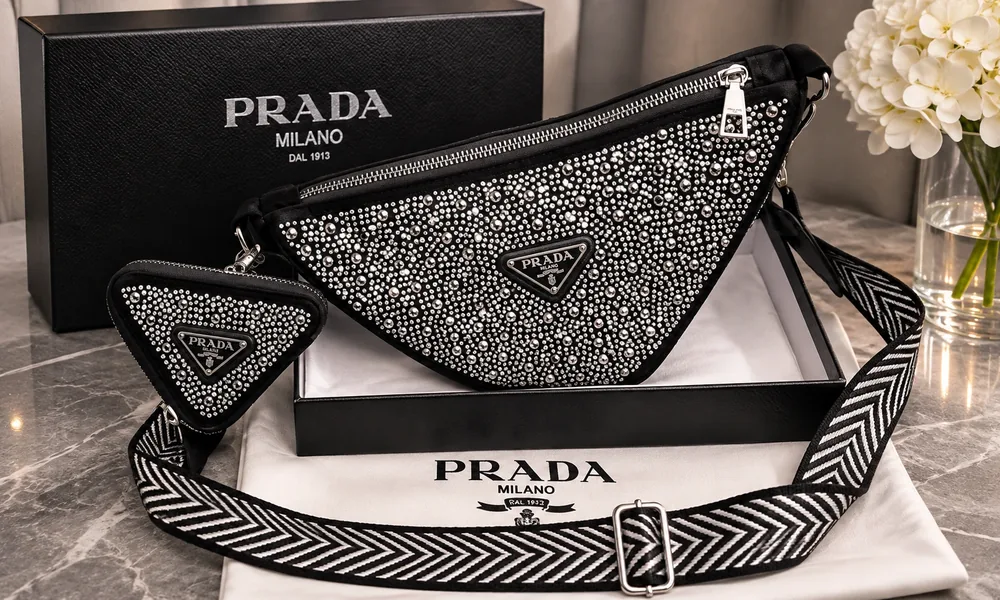
The intellectual’s handbag. Prada turned industrial nylon into luxury in the 1980s, a provocation the industry still hasn’t finished absorbing, and the Re-Edition line made the 1990s feel eternal. The Prada Group closed 2025 at €5.7 billion in revenue, its twentieth consecutive quarter of growth, and bought Versace in December 2025. Quietly, Milan’s most serious house has become one of its most powerful.
7. Miu Miu
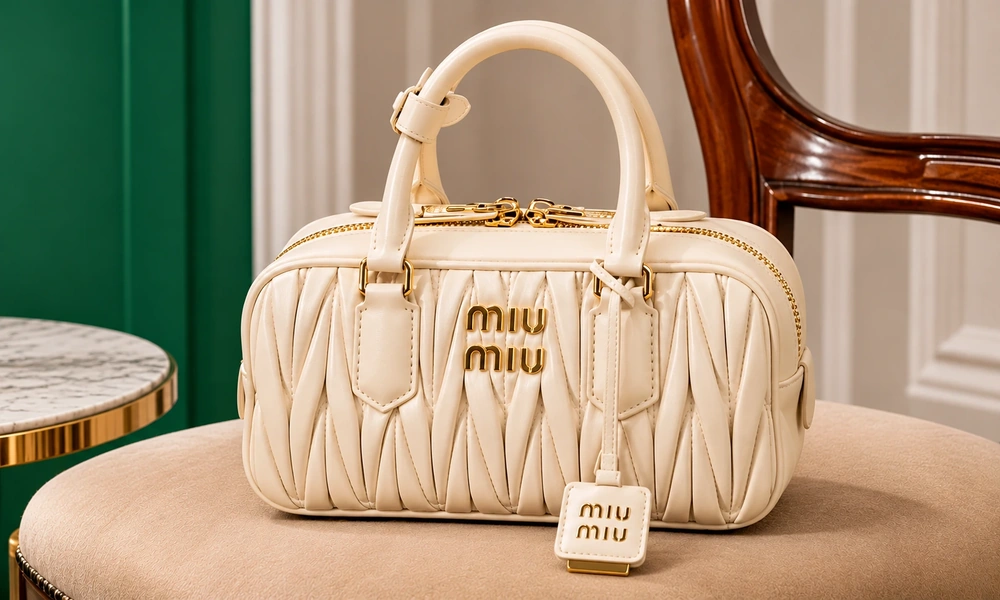
The hottest handbag brand on earth right now, full stop. Miu Miu topped the Lyst Index as the world’s hottest fashion brand in mid 2025, after growing 93 percent in 2024 and a further 35 percent in 2025, numbers no other luxury brand on the planet can currently touch. The Arcadie and the Wander are the bags a generation of fashion girls actually want, not the ones they think they should want. Seventh on craft and heritage; first on heat.
8. Loewe
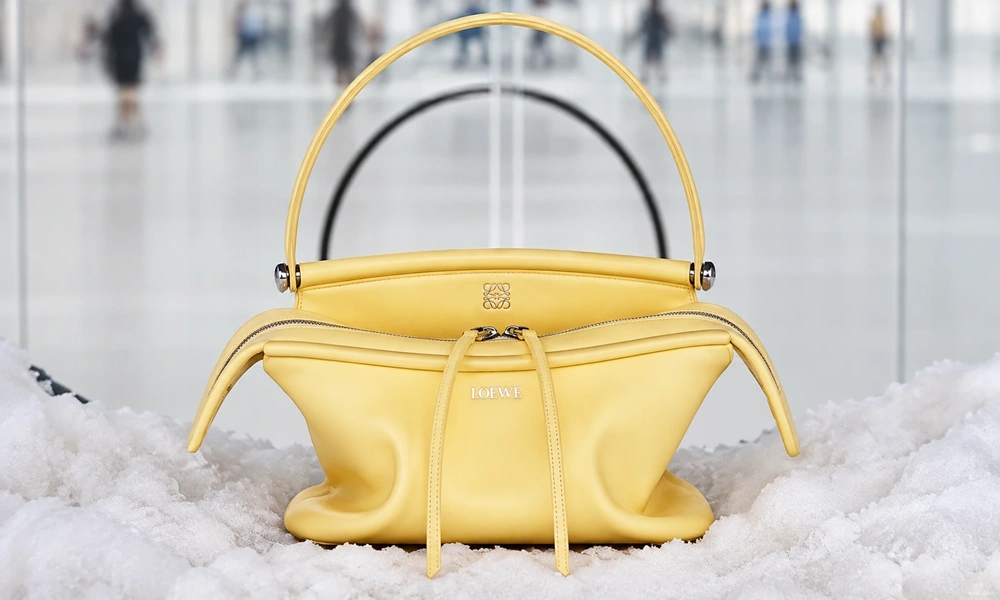
The Spanish house that Jonathan Anderson spent eleven years turning into fashion’s critical darling, with the Puzzle bag as his masterpiece: a single bag folded from geometric leather panels like origami you can carry. Now in the hands of the Proenza Schouler duo, Loewe sits at number two on the Lyst Index and remains the thinking person’s leather house, with a craft prize that funds artisans worldwide.
9. Bottega Veneta
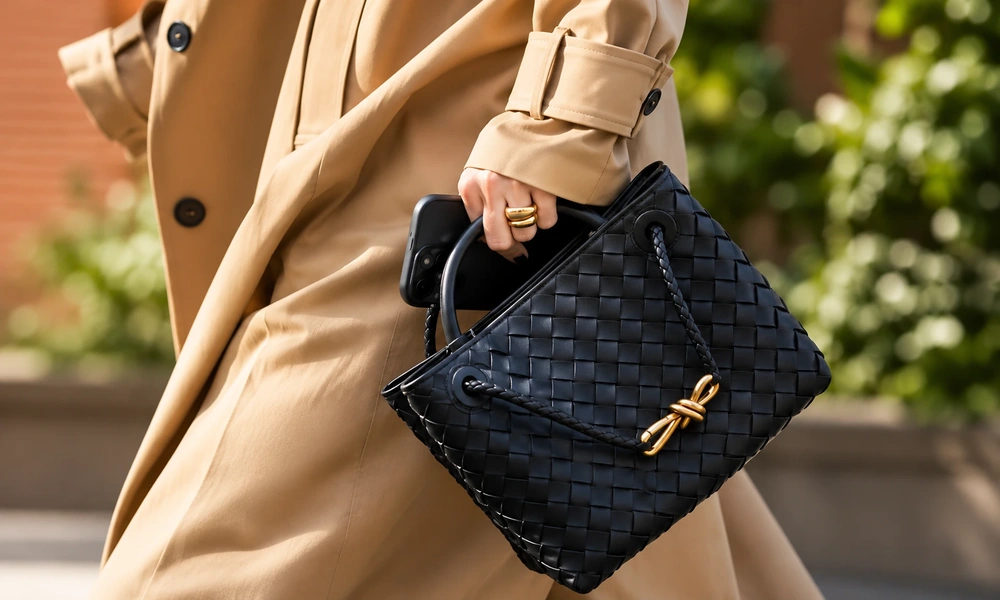
The house that speaks in weave. Bottega’s intrecciato technique, leather strips woven into fabric without a stitch showing, is the most recognizable craft signature in luxury that isn’t a logo, because Bottega famously uses none. New creative director Louise Trotter’s 2026 debut was praised for exactly what the house worships: texture. The Jodie and the Andiamo are the quiet flex of the decade.
10. Celine
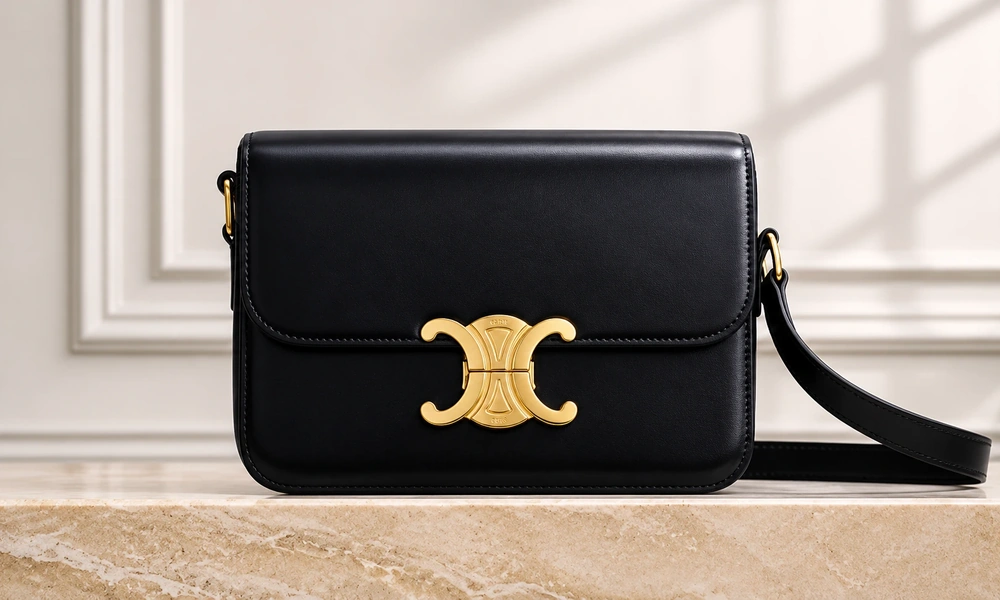
The Left Bank’s answer to everything. Celine makes bags the way Parisians like their everything: restrained, precise and faintly unimpressed. The Triomphe and the Classic Box are wardrobe infrastructure for women who dress well without discussing it, and the house’s new creative chapter keeps the codes intact. Celine rarely shouts; it also rarely misses.
The Icons
11. Saint Laurent
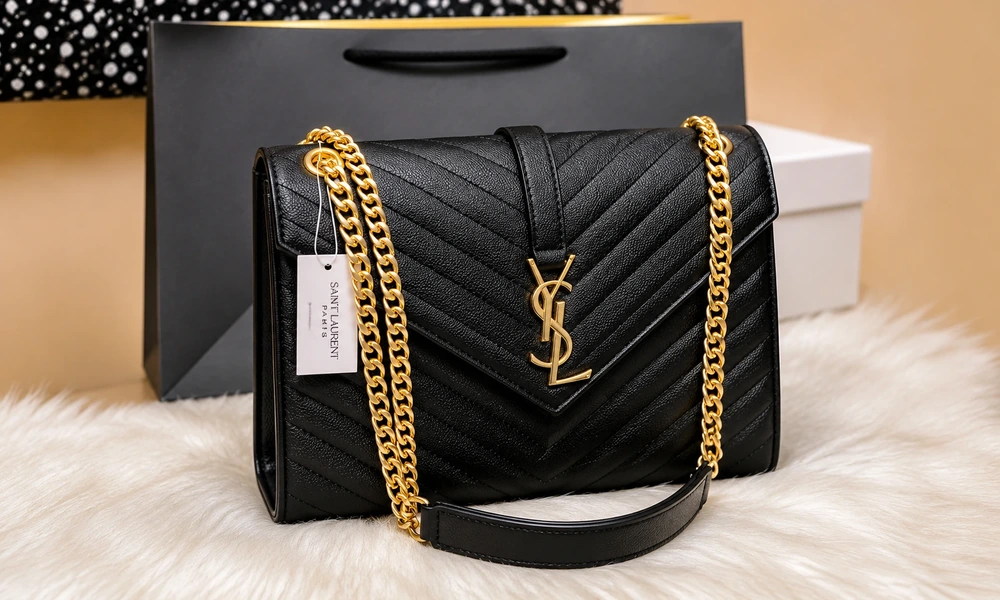
Rock and roll with a French accent. The Sac de Jour is a modern classic, the Loulou chain bags are evening artillery, and the Icare maxi tote became an airport paparazzi staple. Saint Laurent holds third place on the Lyst Index quarter after quarter, one of the steadiest performers in fashion, and its bags survive trend cycles with unusual grace.
12. Fendi
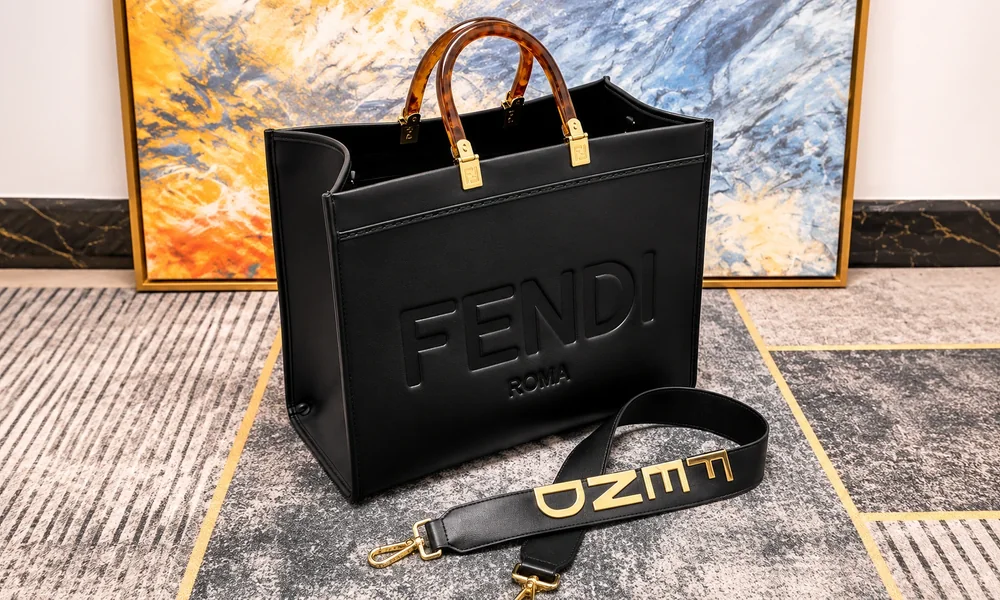
The Roman fur and leather house that invented the It bag twice. The Baguette of 1997, immortalized by a certain television show and a mugging scene fashion people still quote, was arguably the first handbag treated as a celebrity. The Peekaboo remains the connoisseur’s choice: sober outside, party inside. Fendi at its best is joy with craftsmanship underneath.
13. Balenciaga
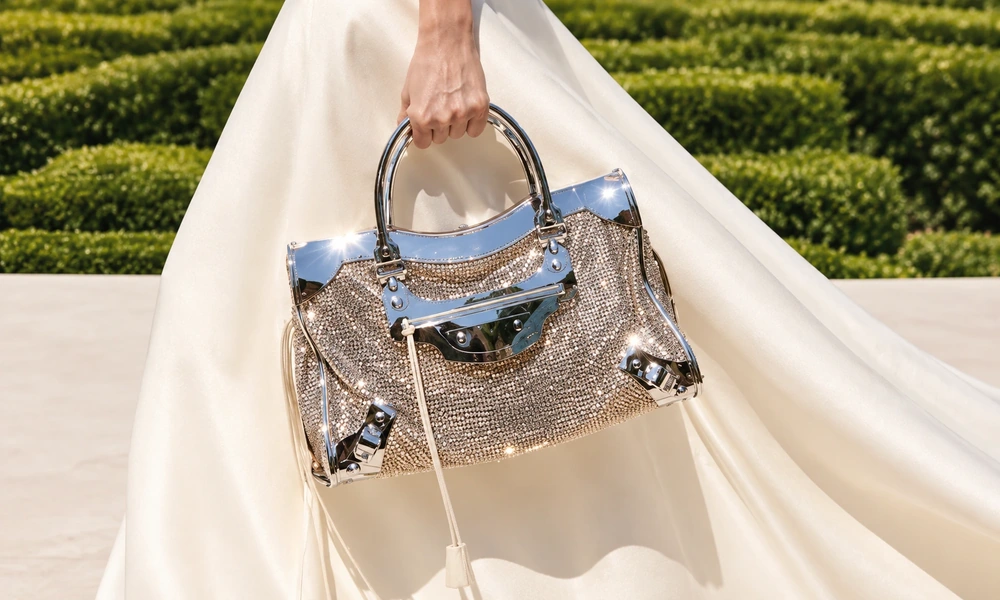
The Motorcycle City bag of 2001 defined a whole decade’s silhouette, and the Hourglass carried the brand through the streetwear era. Now Pierpaolo Piccioli, the romantic who built Valentino’s golden years, has taken the chair and brought something the house deliberately lacked for a decade: warmth. The most interesting brand transition of 2026, included on icon power and watched with hope.
14. Valentino
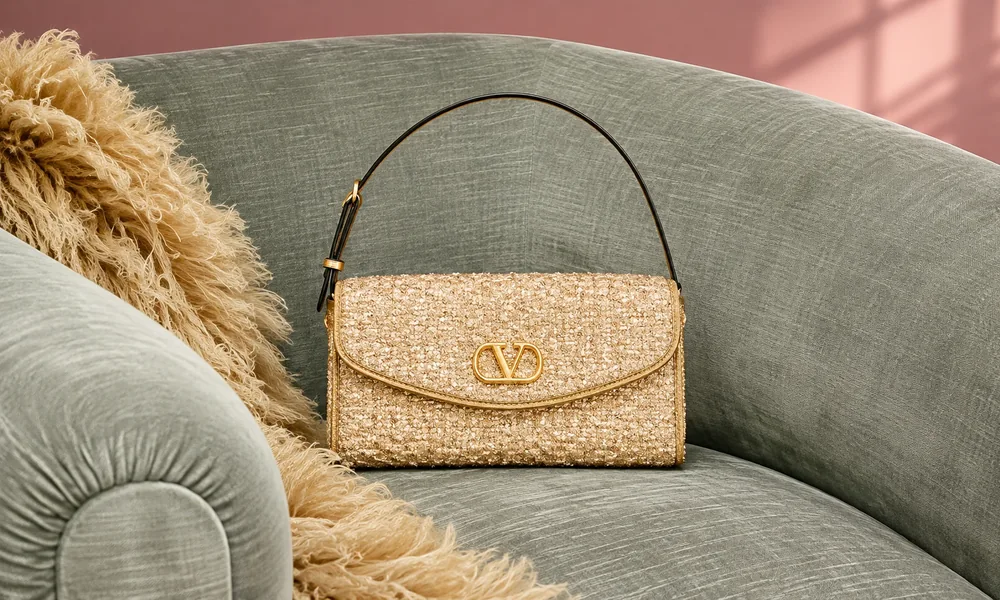
The house of Roman glamour is now Alessandro Michele’s playground, and the maximalist who made Gucci a phenomenon is doing what he does: filling the windows with more beauty per square meter than physics should allow. The Locò and the VLogo bags are the new signatures. Valentino ranks on heritage and red carpet gravity; its next era is just getting dressed.
15. Givenchy
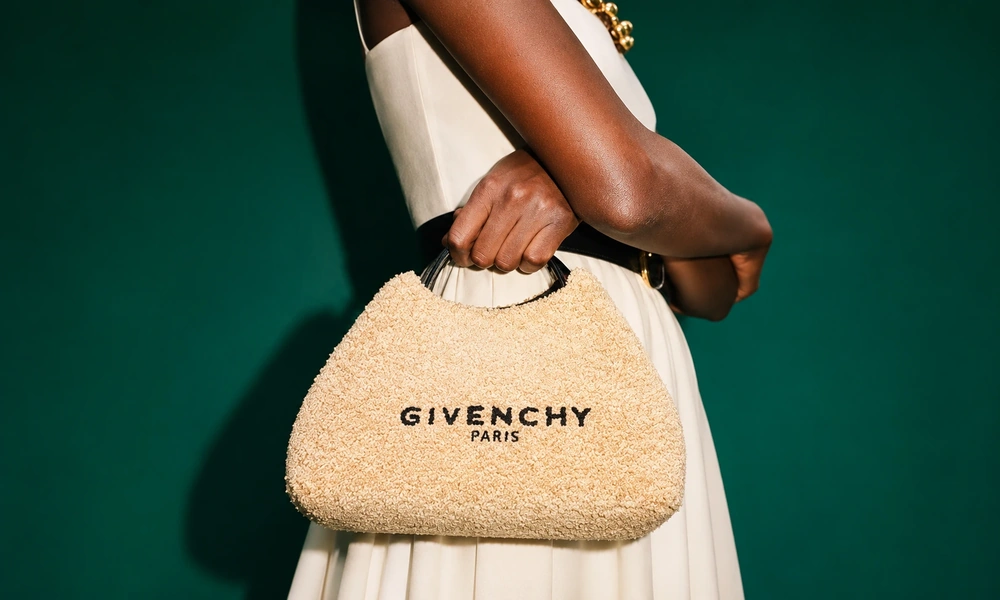
The Antigona, launched in 2010, earned its place in the modern canon: structured, sharp and instantly recognizable from across an airport. Givenchy’s couture pedigree runs back to Audrey Hepburn’s little black dress, and under Sarah Burton, the designer who spent decades building Alexander McQueen, the house has its most credible creative leadership in years.
16. Goyard
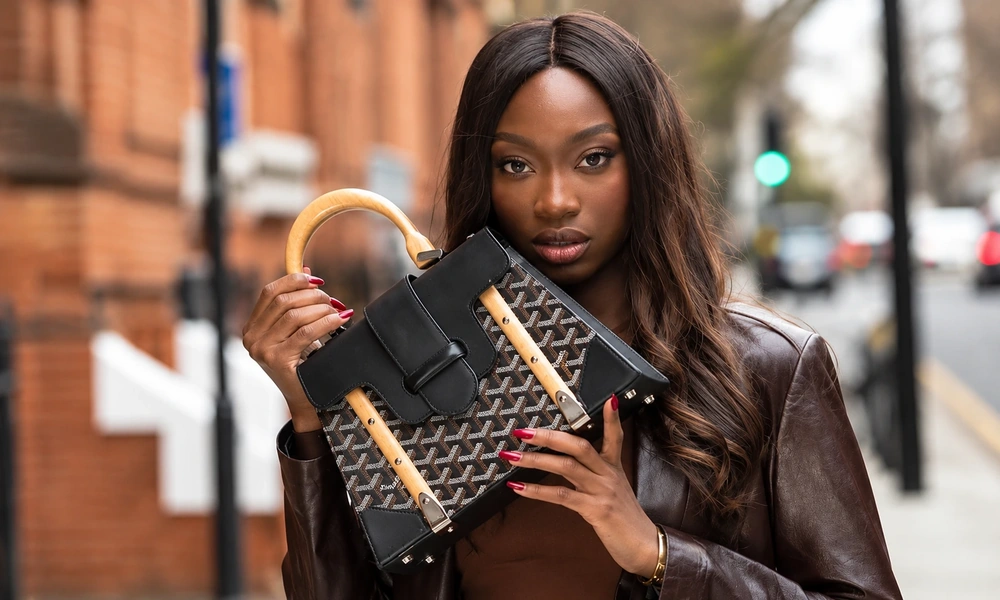
The mystery house. Founded in Paris in 1853, a year before Louis Vuitton, Goyard does no advertising, no e-commerce, no interviews and no apologies. The hand painted chevron on the St. Louis tote is the ultimate “if you know” signal in luxury, and the house’s silence has made it one of the most counterfeited and most desired names in the game. Sixteenth only because invisibility has a price: an entire generation is still discovering it.
The Quiet Elite
17. The Row
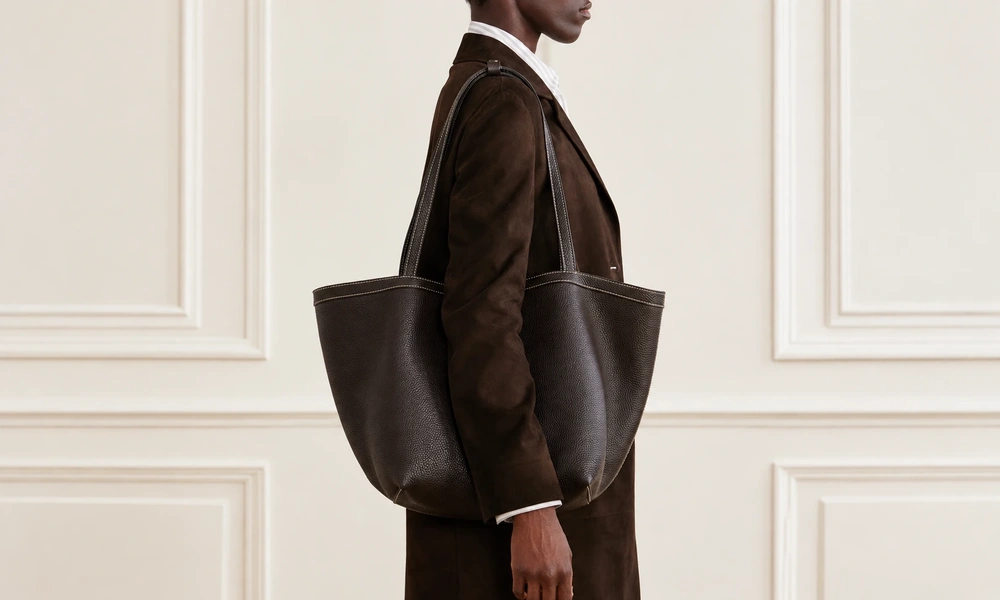
The highest ranked brand on this list without a century of history, and it got here in under twenty years on pure product. Mary-Kate and Ashley Olsen’s house of absolute discretion, no logos, no ads, phones banned at shows, makes the Margaux, the $7,000 bag that fashion people speak about in lowered voices. In 2024 the families behind Chanel and L’Oréal bought in at a $1 billion valuation, the ultimate insider endorsement. Our guides to quiet luxury brands and the wider quiet luxury fashion movement show the wave The Row is riding.
18. Delvaux
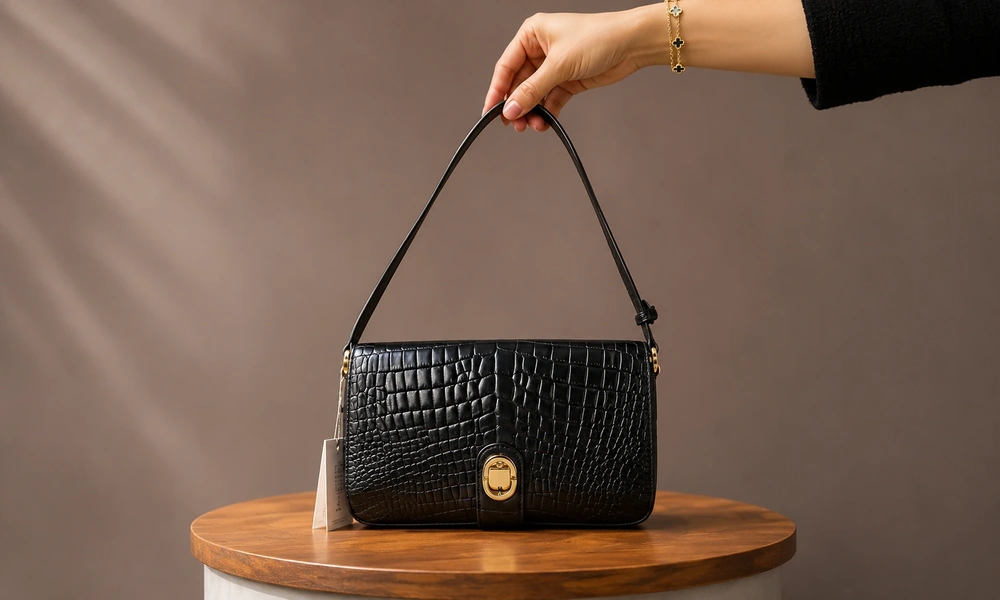
The oldest luxury leather goods house in the world, founded in Brussels in 1829, a year older than Belgium itself. Delvaux patented the modern handbag in 1908, literally holds the paperwork on the entire category, and still makes the Brillant by hand in shapes that haven’t needed changing since 1958. Ask a Belgian queen, any of them, since 1883.
19. Moynat
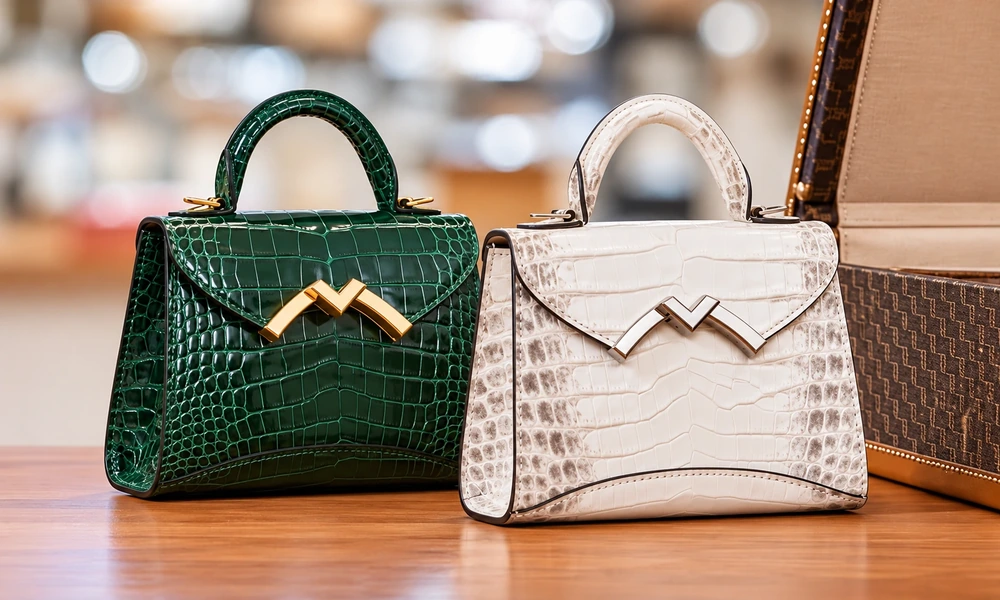
The great trunk maker that time forgot and Bernard Arnault remembered. Founded in 1849, Moynat rivaled Vuitton and Goyard in the golden age of travel, closed in 1976, and was revived by Arnault’s family group as an act of pure connoisseurship. The Réjane, named for a Belle Époque actress, is what happens when a trunk making craft is aimed at a handbag. Fewer stores means more pilgrimage.
20. Mulberry
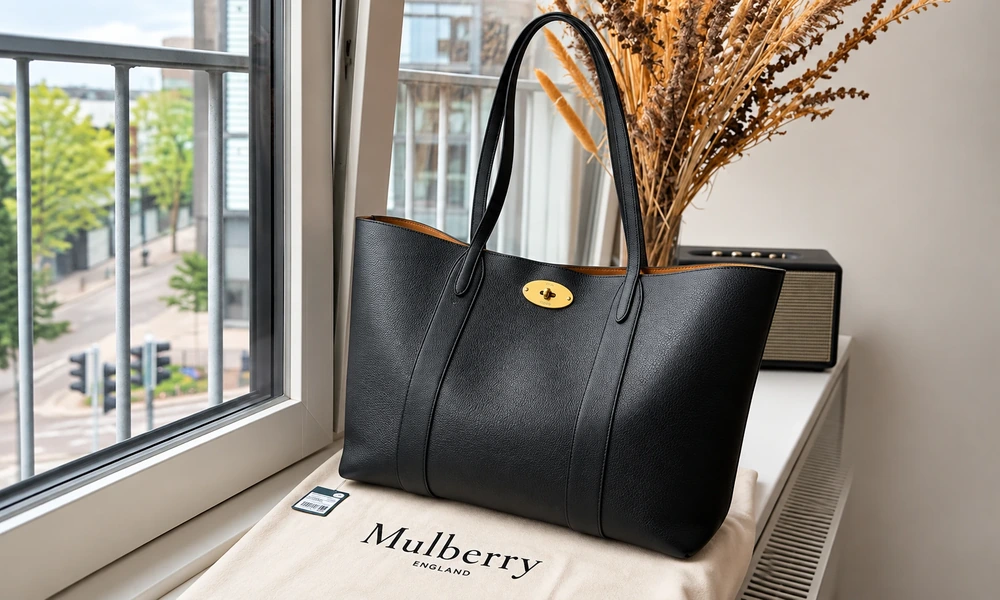
The British entry, and the right one. Mulberry still cuts and stitches bags in Somerset, England, and the Bayswater, with its postman’s lock, has survived two decades of fashion weather by simply being well made. In a list dominated by Paris and Milan, Mulberry holds the line for an entire country’s craft tradition, as we detailed in our guide to British handbag brands. Twentieth place, first in stubbornness.
The Master Table
| Rank | Brand | The Icon | Icon Price (2026) | Why It’s Here |
| 1 | Hermès | Birkin | Five figures, if offered | The apex of craft and scarcity |
| 2 | Chanel | Classic Flap | $11,700 | The bag that became an asset class |
| 3 | Louis Vuitton | Neverfull | $2,240 | The global symbol of luxury itself |
| 4 | Dior | Lady Dior | ~$5,900 | Architectural perfection, new energy |
| 5 | Gucci | Jackie 1961 | ~$3,000 | The deepest Italian archive, new chapter |
| 6 | Prada | Re-Edition 2005 | ~$1,750 | The intellectual’s choice, surging group |
| 7 | Miu Miu | Arcadie | ~$3,200 | The hottest brand on earth |
| 8 | Loewe | Puzzle | ~$3,350 | Craft as modern art |
| 9 | Bottega Veneta | Andiamo | ~$4,200 | Luxury that whispers in weave |
| 10 | Celine | Triomphe | ~$3,600 | Parisian restraint, perfected |
| 11 | Saint Laurent | Sac de Jour | ~$3,200 | Rock and roll reliability |
| 12 | Fendi | Baguette | ~$3,400 | The original It bag, twice over |
| 13 | Balenciaga | City | ~$2,500 | Decade defining, warming up again |
| 14 | Valentino | Locò | ~$2,900 | Roman glamour, maximalist era |
| 15 | Givenchy | Antigona | ~$2,300 | Sharp, structured, newly credible |
| 16 | Goyard | St. Louis | ~$1,800 | The beautiful silence since 1853 |
| 17 | The Row | Margaux | ~$7,000 | Quiet luxury’s billion dollar proof |
| 18 | Delvaux | Brillant | ~$6,000 | The house that patented the handbag |
| 19 | Moynat | Réjane | ~$4,500 | The trunk maker revived |
| 20 | Mulberry | Bayswater | ~$1,500 | British craft, still standing |
Prices are approximate US retail at the time of writing and vary by size and material; the handbag market adjusts prices more often than airlines.
The Famous Names That Didn’t Make the List
Here’s where we lose friends, so let’s do it honestly.
Coach, Michael Kors, Kate Spade and Tory Burch are not on this list, and it’s not a snub; it’s a category. They are accessible luxury, a tier we cover with genuine love across our affordable luxury brands guide and the whole Bag Wars series. Coach in particular is having a historic run, fifth on the Lyst Index, above most names on this list, but its average price point and made for outlet economics keep it out of a luxury ranking by definition. Different league, played brilliantly.
The closest challengers to the top twenty: Jacquemus, the showman of Provence; Alaïa, whose sculptural bags have a cult of their own; Chloé, enjoying a full bohemian revival; Burberry, back in the Lyst top 20 after a year away; and Polène, the Parisian upstart LVMH invested in during 2024. Any of them could crack this list by 2028. And if you’re shopping the legends secondhand, which is often the smartest route into every tier above, start with our vintage shopping guide.
Frequently Asked Questions
What is the number one luxury handbag brand in the world?
Hermès is the number one luxury handbag brand in the world. Its Birkin and Kelly bags are handmade by single artisans, allocated to select clients, and regularly resell above retail. Hermès posted €16 billion in 2025 revenue at a 41 percent operating margin, luxury’s most profitable model.
Which luxury handbag brands hold their value best?
Hermès holds value best, with Birkins and Kellys often reselling above retail. Chanel follows closely: the Classic Flap has doubled in price since 2019, pulling secondhand prices up with it. Louis Vuitton, Goyard and The Row also retain value strongly due to controlled supply and sustained demand.
Is Coach one of the top luxury handbag brands?
Coach is not ranked among true luxury handbag brands; it belongs to the accessible luxury tier below them. However, Coach is currently the hottest brand in that tier, ranking fifth on the global Lyst Index in 2025, above many traditional luxury houses, with rising prices and strong cultural momentum.
What is the best first luxury handbag to buy?
The best first luxury handbag is a versatile classic from a top house: the Louis Vuitton Neverfull or Speedy, the Celine Triomphe, or a Saint Laurent Loulou. Choose a neutral color and durable leather, buy from an authorized boutique, and pick a silhouette you will genuinely carry daily.
Hermès or Chanel: which is better?
Hermès ranks higher on craftsmanship, scarcity and value retention; its bags are handmade and allocated. Chanel offers wider availability, a stronger ready to wear universe and its own proven price appreciation. For pure handbag supremacy, Hermès; for a complete fashion world, Chanel. Most collectors eventually own both.
The Bottom Line
Twenty brands, five criteria, one honest order. The apex hasn’t moved in decades because Hermès and Chanel play a game nobody else can afford: refusing volume in a volume obsessed industry. The middle of the list is where the real war is, Dior, Gucci, Prada and a rampaging Miu Miu all fighting for the same customer in the same decade. And the quiet elite at the bottom prove the industry’s oldest lesson: in luxury, the brand that says less usually owns more.
Bookmark this page. Rankings like this are living documents, and with fifteen creative director debuts reshuffling the industry in a single season, the 2027 edition of this list is going to look very interesting indeed.