Great sushi starts long before you add salmon, tuna, avocado, or cucumber. It starts with the rice.
When sushi rice is prepared properly, every grain feels tender and slightly chewy, with a gentle shine and a delicate balance of sweetness, salt, and vinegar. The rice holds together when shaped but never feels like a sticky lump. Even a simple cucumber roll can taste wonderful when the rice is right.
The good news is that you do not need a Michelin-star restaurant kitchen to get excellent results. With the right type of rice, careful rinsing, accurate water measurements, and a simple seasoning mixture, you can make delicious sushi rice in your own kitchen.
This recipe walks you through every step, from washing the grains to seasoning the rice while it is still warm.
Ingredients for the Best Sushi Rice
- 2 cups Japanese short-grain rice, uncooked
- 2 cups water, or the amount recommended for your rice and cooking method
- ¼ cup unseasoned rice vinegar
- 2 tablespoons granulated sugar
- 1 teaspoon fine salt
These quantities make enough seasoned rice for several sushi rolls, depending on their size and how much rice you use per roll.
The most important ingredient is the rice itself. Choose Japanese short-grain rice labeled for sushi when possible. It contains the starch characteristics needed for sushi rice’s tender, cohesive texture. Ordinary long-grain rice, such as basmati, will not produce the same result.
Step 1: Rinse the Rice Thoroughly
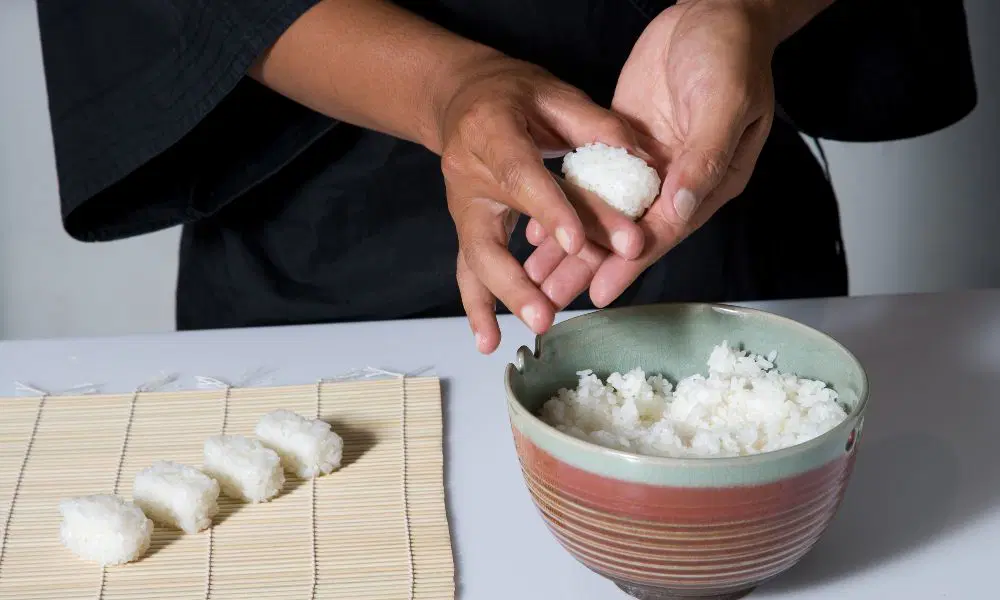
Measure the rice into a large bowl and cover it with cool water. Gently swirl the grains with your fingers, then pour off the cloudy water.
Repeat this process several times until the water becomes noticeably clearer. It does not have to be perfectly transparent.
Rinsing removes excess surface starch that can make the finished rice overly gummy. Handle the grains gently rather than rubbing them aggressively, as broken grains can affect the texture.
After rinsing, drain the rice well.
Step 2: Let the Rice Rest
If time allows, leave the rinsed rice to drain for about 10–15 minutes. Some cooks also soak short-grain rice before cooking to help it absorb water evenly.
The ideal soaking time depends on the rice variety and cooking method, so follow the package instructions when available.
This small preparation step helps you get more consistent results, particularly when cooking rice on the stovetop.
Step 3: Cook the Rice
Stovetop Method
- Put the rinsed rice and measured water into a heavy-bottomed saucepan with a tight-fitting lid.
- Bring the water to a gentle boil over medium heat.
- Once boiling, reduce the heat to low and cover the saucepan.
- Cook for approximately 15 minutes, or according to the rice package instructions.
- Turn off the heat and leave the lid on for another 10 minutes.
Avoid lifting the lid repeatedly while the rice cooks. Escaping steam can interfere with the cooking process.
When the resting period is over, the rice should be tender and the water should have been absorbed. If it is still hard in the center, it may need a little more cooking time and a short additional rest.
A rice cooker can also work very well. Use the settings and water measurements recommended for Japanese short-grain rice.
Step 4: Prepare the Sushi Vinegar
While the rice cooks, prepare the seasoning.
Combine the rice vinegar, sugar, and salt in a small saucepan. Warm gently over low heat, stirring until the sugar and salt dissolve.
Do not let the mixture boil. Remove it from the heat and allow it to cool slightly.
You can also dissolve the ingredients in a microwave-safe bowl using short heating intervals, stirring between each one.
Taste the mixture once it has cooled slightly. It should be pleasantly tangy, lightly sweet, and balanced by a little salt.
Avoid using seasoned rice vinegar without adjusting the recipe, because it may already contain sugar and salt.
Step 5: Season the Warm Rice
Transfer the freshly cooked rice to a wide, shallow bowl or a traditional wooden sushi-rice tub if you have one.
Pour the vinegar mixture evenly over the warm rice. Using a rice paddle or spatula, gently cut through the rice with short slicing motions, then turn the grains over to distribute the seasoning.
Do not stir aggressively or mash the rice. The goal is to coat the grains without crushing them.
As you mix, fan the rice gently if possible. The moving air helps it cool and gives the surface a delicate shine.
Continue folding until the seasoning is evenly distributed. The rice should look glossy and feel cohesive, with individual grains still visible.
Step 6: Cool the Rice Before Making Sushi
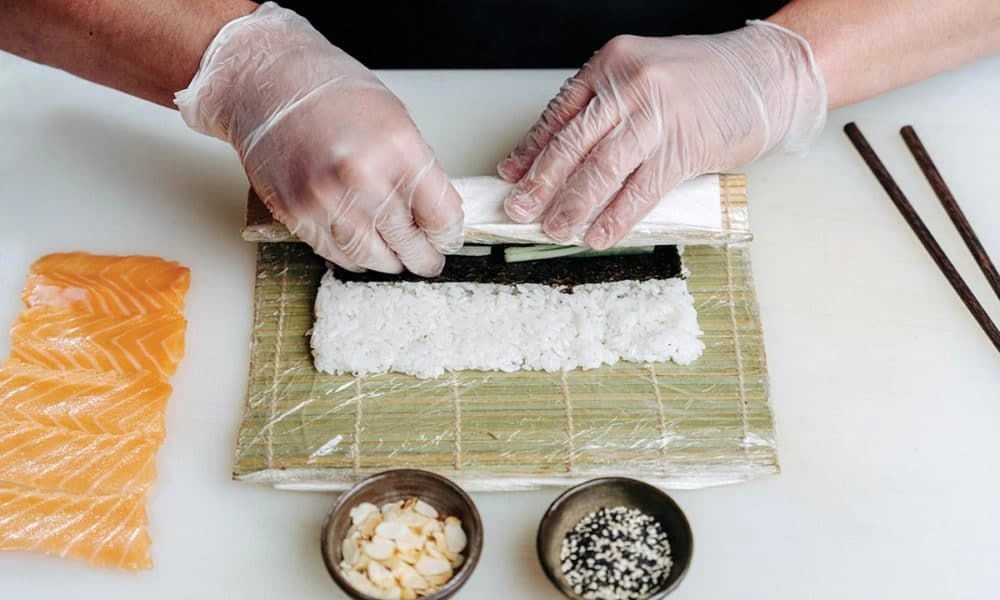
Let the seasoned rice cool until it is close to room temperature before assembling sushi.
Cover it with a clean, slightly damp cloth to prevent the surface from drying out. Avoid leaving it uncovered for long periods, as the grains can become hard around the edges.
Sushi rice is generally easiest to shape while it is slightly warm or at room temperature. Rice that is too hot can soften nori quickly, while refrigerated rice becomes firm and difficult to shape.
For the best texture, prepare the rice shortly before making your sushi.
What Makes Sushi Rice Taste So Good?
The secret is not simply adding vinegar. Excellent sushi rice depends on several details working together.
The right rice variety: Japanese short-grain rice provides the cohesive texture sushi needs.
Proper rinsing: Removing excess surface starch helps prevent an unpleasantly gummy finish.
Balanced seasoning: Vinegar adds brightness, sugar rounds out the sharpness, and salt brings the flavors together.
Gentle handling: Cutting and folding the rice keeps the grains intact.
Careful cooling: Cooling the rice while mixing helps create a glossy surface without drying it out.
When these steps are done well, the rice complements the other ingredients instead of overpowering them.
Common Sushi Rice Mistakes to Avoid
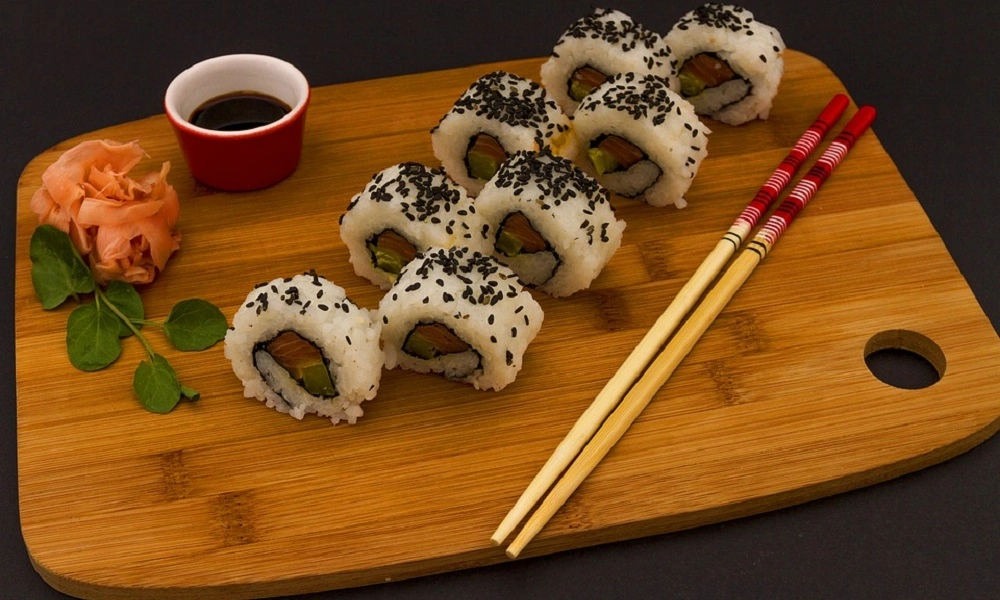
Using the Wrong Type of Rice
Long-grain rice is less cohesive and generally does not work well for traditional sushi. Look for Japanese short-grain rice or a product specifically sold as sushi rice.
Adding Too Much Water
Excess water can leave the rice soft and mushy. Start with the package’s recommended ratio and adjust only if you know your rice or cooking equipment requires a change.
Skipping the Rinsing Step
Unrinsed rice may retain excess surface starch, making the finished texture heavier and stickier than intended.
Mixing Too Aggressively
Vigorous stirring can crush the grains and turn the rice into a paste. Use gentle slicing and folding motions instead.
Adding Vinegar After the Rice Has Cooled Completely
Seasoning warm rice makes it easier to distribute the vinegar evenly. Add the seasoning soon after cooking, while the rice is still warm.
Refrigerating the Rice Before Making Sushi
Cold temperatures make cooked rice firmer and less pleasant to shape. Prepare only what you need, and avoid refrigerating it if you intend to use it immediately.
Delicious Ways to Use Homemade Sushi Rice
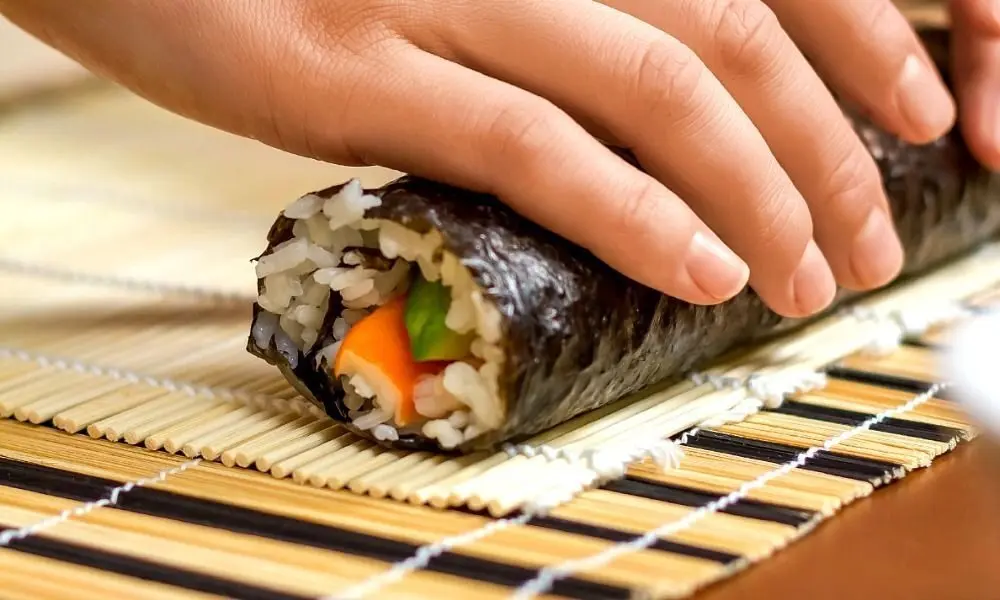
Once your rice is ready, you can use it in several dishes.
- California rolls: Combine sushi rice with nori, imitation crab or another suitable filling, cucumber, and avocado.
- Salmon sushi: Pair the rice with properly handled salmon suitable for raw consumption, or use cooked salmon.
- Cucumber rolls: Keep things simple with crisp cucumber and seasoned rice.
- Spicy tuna rolls: Combine suitable tuna with a spicy mayonnaise-based filling.
- Sushi bowls: Serve the rice with cooked seafood, vegetables, avocado, and your favorite sauce. Pair your sushi with a crisp white if you like. Here’s what dry white wine means when choosing a bottle.
- Onigiri: Shape plain or lightly seasoned Japanese rice around a filling, following a recipe suited to onigiri rather than relying on the stronger sushi-vinegar seasoning.
For raw seafood, use fish specifically intended and handled for raw consumption, and follow appropriate food-safety guidance.
Frequently Asked Questions
What is the best rice for sushi?
Japanese short-grain rice is the preferred choice because it cooks into tender, cohesive grains that hold together when shaped. Look for rice labeled for sushi.
Can I make sushi rice without rice vinegar?
Rice vinegar provides the characteristic mild acidity of sushi rice. Other vinegars can have a stronger flavor and may change the result, so unseasoned rice vinegar is the best choice when available.
Why is my sushi rice too sticky?
Sushi rice should naturally be cohesive, but it may become excessively gummy if it is not rinsed sufficiently, contains too much water, or is stirred too aggressively after cooking.
Should sushi rice be served hot or cold?
It is best used slightly warm or close to room temperature. Allow it to cool after seasoning, but avoid refrigerating it before shaping sushi.
How long does homemade sushi rice last?
For the best texture, prepare it shortly before serving. Cooked rice needs careful food-safety handling: do not leave it at room temperature for extended periods. If storing leftovers, cool and refrigerate promptly, and follow local food-safety guidance. Rice held for sushi service should be handled according to a validated food-safety procedure, particularly if it is kept at room temperature.
Can I make sushi rice ahead of time?
You can prepare it shortly before your meal, but sushi rice is best when freshly cooked and seasoned. Planning the rice and fillings together helps you avoid storing it for longer than necessary.
Final Thoughts
Making excellent sushi rice at home is less about complicated techniques and more about paying attention to a few important details. Choose the right rice, rinse it well, cook it carefully, season it while warm, and handle it gently.
Once you master the basics, homemade sushi becomes much easier and more enjoyable. Whether you are rolling simple cucumber maki, preparing salmon rolls, or assembling a colorful sushi bowl, perfectly seasoned rice gives every bite a better foundation. If you enjoy mastering the basics at home, you may also like our look at current fine dining trends.
Disclaimer: This article is intended for informational purposes only.