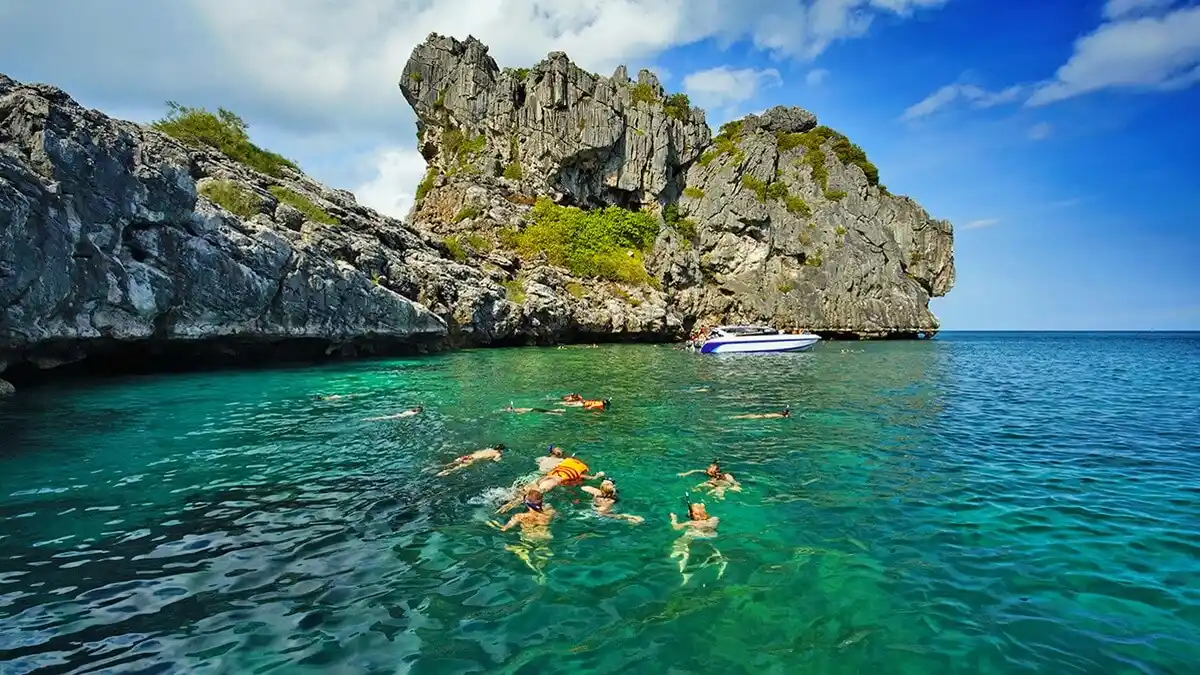
Snorkeling offers a remarkable way to experience the underwater world, from colorful coral gardens and tropical fish to graceful sea turtles and crystal-clear lagoons. You do not need advanced diving skills to explore these marine environments, making snorkeling one of the most accessible ways to add adventure to a beach holiday.
The best places to snorkel combine clear water, healthy marine ecosystems, fascinating underwater life, and accessible reefs. From Australia’s Great Barrier Reef to the turquoise lagoons of the Maldives and the extraordinary marine biodiversity of Indonesia, these destinations offer experiences for beginners and experienced snorkelers alike.
1. Great Barrier Reef, Australia
The Great Barrier Reef is one of the world’s most celebrated marine destinations. Stretching along Australia’s northeastern coast, this immense reef system features coral formations, tropical fish, sea turtles, rays, and countless other marine species.
Snorkelers can explore shallow reef gardens on guided boat excursions departing from places such as Cairns and Port Douglas. Many tours offer access to outer reef locations, where conditions and marine life can differ from those near the coast.
The Australian winter and spring months, broadly June through October, often offer favorable conditions, although visibility and weather vary by location.
Best for: Coral gardens, marine biodiversity, and guided reef excursions.
2. Raja Ampat, Indonesia
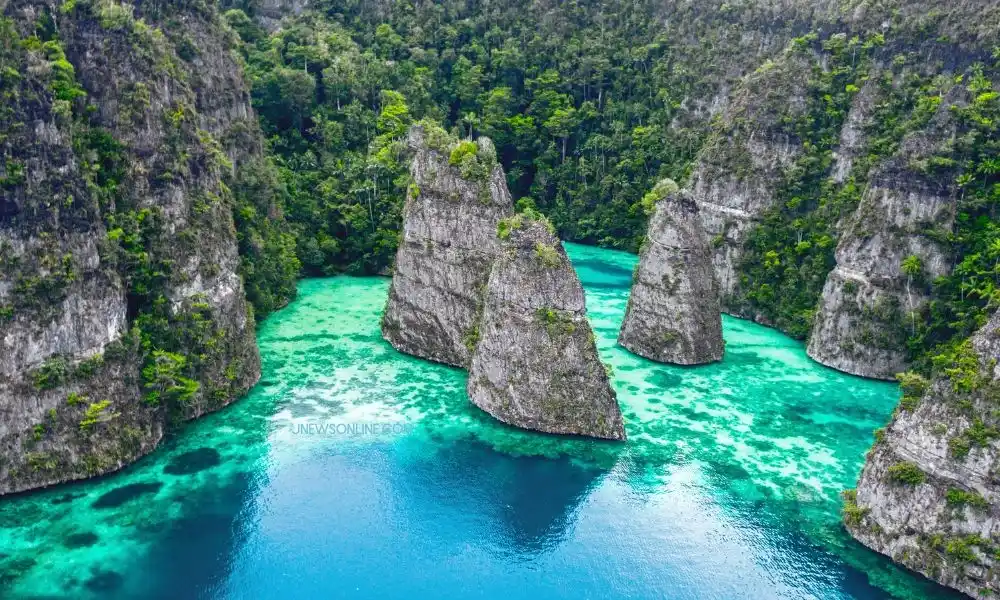
Raja Ampat, in Indonesia’s West Papua region, is renowned for its exceptional marine biodiversity. Its islands, limestone formations, sheltered bays, and coral reefs create a spectacular setting for underwater exploration.
Snorkelers may encounter colorful reef fish, sea turtles, and expansive coral communities. Some sites are accessible directly from shore or from accommodations, while others require a boat trip. Currents can be strong in certain areas, so choosing a suitable location and following local guidance is essential.
The drier season, often around October to April, is a popular period to visit, but local weather conditions can vary.
Best for: Biodiversity, coral-rich reefs, and nature-focused travel.
3. The Maldives
The Maldives is famous for its turquoise lagoons, white-sand islands, and reefs that often sit close to resort beaches. Many visitors can snorkel directly from the shore or join short boat trips to nearby reefs.
Depending on the island and season, snorkelers may see parrotfish, butterflyfish, reef sharks, rays, and sea turtles. Some resorts also provide guided excursions to locations known for particular marine encounters.
The northeast monsoon, generally November through April, often brings drier weather and calmer conditions to many parts of the country. Conditions still differ between atolls and individual reefs.
For a more complete island escape, explore our guide to luxury private islands and consider how the right accommodation can shape your experience.
Best for: Resort-based snorkeling, warm lagoons, and tropical escapes.
4. Palawan, Philippines
Palawan offers limestone cliffs, sheltered bays, and striking blue-green water. Areas around Coron and El Nido provide opportunities to explore coral reefs, shallow marine habitats, and islands surrounded by clear water.
Coron is also known for its historic shipwrecks, although many wreck sites are more suitable for diving than casual snorkeling. Visitors should select snorkeling excursions specifically designed for their experience level and ask operators about water depth, currents, and visibility.
Conditions are often favorable during the drier months, commonly November through May, though weather can change and varies across the region. If you’re planning a wider trip, see our guide to luxury travel in Southeast Asia.
Best for: Island-hopping, dramatic coastal scenery, and tropical reef excursions.
5. Komodo National Park, Indonesia
Komodo National Park is known for its rugged islands, rich marine life, and striking landscapes. Its underwater environments can feature coral reefs, reef fish, rays, and sea turtles.
However, this destination requires particular care. Some snorkeling locations experience powerful currents, and conditions can change quickly. Beginners should choose sheltered sites with qualified guides rather than entering unfamiliar water independently.
Boat trips from Labuan Bajo can include snorkeling stops, but itineraries should be selected according to sea conditions and the group’s abilities.
Best for: Experienced snorkelers, guided marine adventures, and dramatic island scenery.
6. Hanauma Bay, Oahu, Hawaii
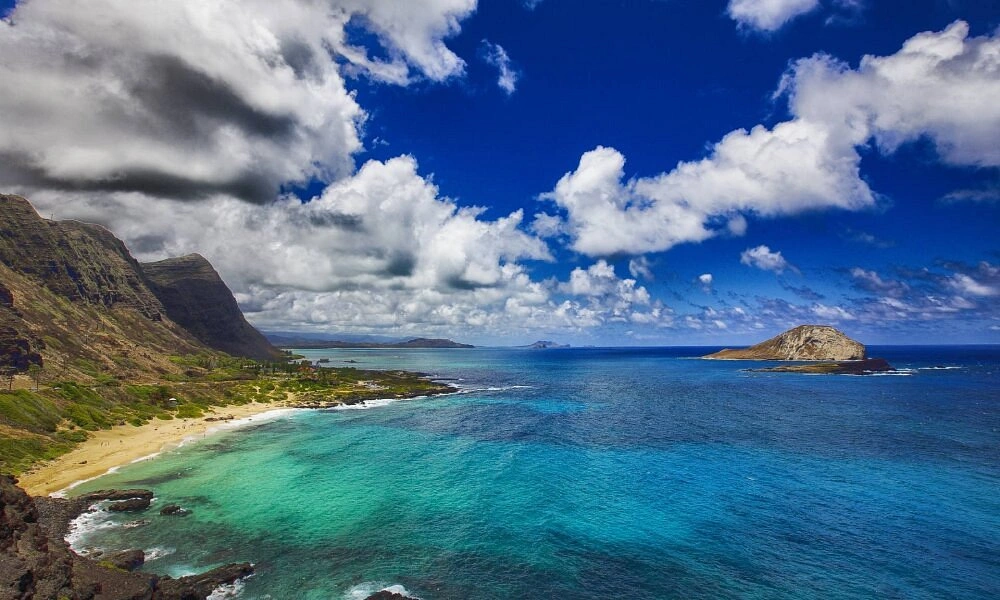
Hanauma Bay is a protected marine area on Oahu known for its curved volcanic coastline and shallow reef habitat. Its sheltered appearance and relatively accessible location make it a popular choice for visitors hoping to see tropical fish without joining a long offshore excursion.
The bay is managed to protect its marine ecosystem, so visitors should check current access requirements, reservations, and conservation guidance before arriving. Water conditions can change, and not every area is suitable for every swimmer.
Avoid standing on coral, chasing fish, or touching marine animals. These simple precautions help preserve the habitat for future visitors.
Best for: Accessible reef snorkeling and travelers staying on Oahu.
7. Hol Chan Marine Reserve, Belize
Hol Chan Marine Reserve, near Ambergris Caye and Caye Caulker, protects a section of the Belize Barrier Reef. Its shallow reef habitats and channels support a variety of tropical fish and other marine life.
Guided excursions commonly take visitors to designated snorkeling areas, where they may encounter rays, nurse sharks, and schools of reef fish. Sightings are never guaranteed, and the experience depends on weather, water conditions, and the location visited.
Many travelers combine snorkeling with time on Belize’s islands, making it a strong choice for a relaxed Caribbean getaway.
Best for: Caribbean marine life, guided excursions, and island-hopping.
8. The Red Sea, Egypt
Egypt’s Red Sea coast offers colorful reefs, warm water, and excellent opportunities to observe marine life. Destinations such as Sharm El Sheikh and Hurghada provide access to snorkeling sites, including some reef areas reachable from the shore.
The region’s coral formations can be particularly impressive, with reef fish, occasional sea turtles, and other marine species inhabiting the underwater landscape. Some sites are exposed to wind or currents, so check local conditions before entering the water.
Many visitors find spring and autumn comfortable for combining snorkeling with sightseeing, although snorkeling is possible throughout much of the year.
Best for: Coral reefs, shore-accessible sites, and warm-water adventures.
9. Bora Bora, French Polynesia
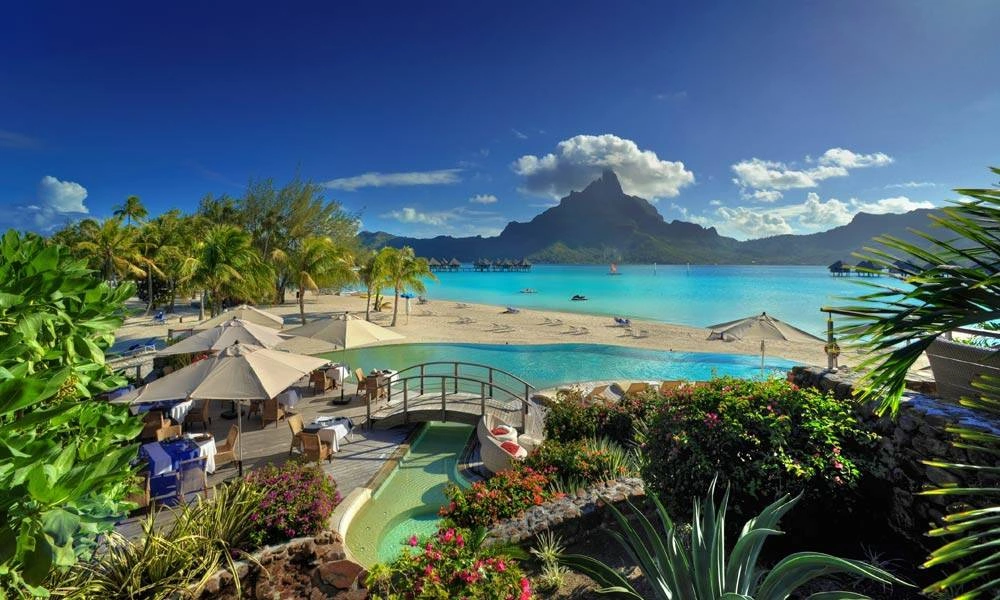
Bora Bora is known for its luminous lagoon, volcanic peaks, and reef-protected waters. Its shallow lagoon environments provide opportunities to observe tropical fish, rays, and other marine life on guided snorkeling trips.
Some excursions visit locations where rays or sharks are commonly encountered. Choose responsible operators that maintain appropriate distances from wildlife and do not encourage touching, feeding, or chasing animals.
Bora Bora also works well for travelers seeking to combine marine activities with an upscale island holiday. When comparing stays, consider location, lagoon access, transport, and environmental practices rather than choosing a property on appearance alone. Our guide to eco-luxury resorts is a good place to start.
Best for: Lagoon snorkeling, romantic escapes, and luxury island holidays.
10. The Great Astrolabe Reef, Fiji
Fiji’s Great Astrolabe Reef, near Kadavu, offers coral-rich waters and a more remote alternative to some of the Pacific’s busier tourist destinations.
The reef supports a variety of tropical marine life, while the surrounding islands provide a quieter setting for travelers who enjoy nature and outdoor activities. Depending on the location, snorkeling may require a boat transfer or guidance from a local operator.
Because some areas are remote, it is worth checking what equipment, safety support, and emergency arrangements are available before booking an excursion.
Best for: Remote reef experiences, tropical biodiversity, and quieter island travel.
How to Choose the Right Snorkeling Destination
The best destination depends on your swimming ability, travel style, budget, and the type of marine life you hope to see.
- For beginners: Look for sheltered lagoons, shallow reefs, and supervised snorkeling areas, such as selected resort reefs in the Maldives or designated sites at Hanauma Bay.
- For coral diversity: Raja Ampat and the Great Barrier Reef are standout choices.
- For luxury holidays: The Maldives and Bora Bora combine snorkeling with upscale island accommodation.
- For Caribbean scenery: Belize offers reef excursions and easy opportunities to combine snorkeling with island stays.
- For adventurous travelers: Komodo National Park can be rewarding, but strong currents make site selection and qualified guidance particularly important.
- For shore access: Look for destinations and accommodations with verified reef access rather than assuming every beachfront property has safe snorkeling directly outside.
Before booking, check seasonal weather, water visibility, marine conservation rules, and the distance between your accommodation and the snorkeling sites. A destination’s reputation alone does not guarantee ideal conditions on your travel dates.
When Is the Best Time to Go Snorkeling?
There is no single best month for snorkeling worldwide. Conditions depend on the destination, local weather patterns, tides, currents, and seasonal marine activity.
In many tropical locations, the drier season can offer more comfortable boat trips and better visibility. However, rainfall does not always mean poor snorkeling, and dry weather does not guarantee calm seas.
Before traveling, check:
- Local weather and marine forecasts.
- Water visibility and current conditions.
- Seasonal closures or protected-area access rules.
- Whether the excursion is suitable for your swimming ability.
- Local guidance on wildlife encounters and conservation.
If seeing a particular animal is your priority, remember that wild marine life moves freely. Responsible operators should never promise guaranteed sightings.
Essential Snorkeling Safety and Reef Protection Tips
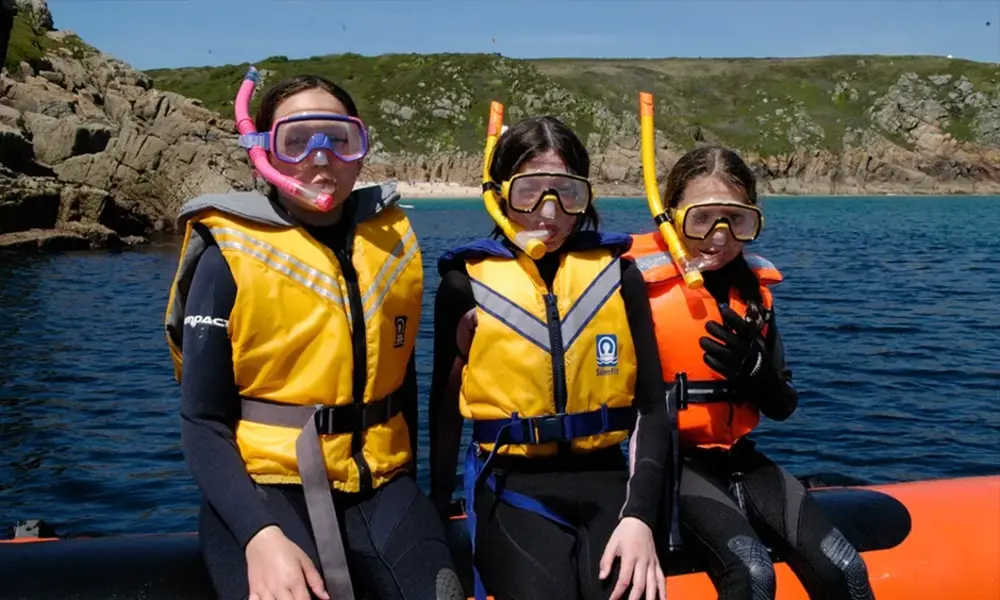
A beautiful reef can still present risks. Good preparation helps you enjoy the experience while protecting the marine environment.
Use properly fitted equipment. A comfortable mask, suitable snorkel, and fins can make swimming easier. A flotation aid may help if you are not a confident swimmer, but it does not replace supervision or water-safety skills.
Never ignore currents. Check conditions before entering the water, stay within your ability, and follow the instructions of qualified local guides. Avoid snorkeling alone or in unfamiliar water.
Protect yourself from the sun. Use reef-conscious sun protection where appropriate, wear a rash guard, and limit prolonged exposure during the strongest sunlight.
Keep your distance from wildlife. Do not touch, chase, feed, or block the path of marine animals. Some encounters may look calm but can become dangerous if animals feel threatened.
Never stand on coral. Coral is fragile and can be damaged by a single careless step. Maintain buoyancy, keep fins away from the reef, and follow local conservation rules.
Choose responsible tour operators. Look for clear safety briefings, appropriate group sizes, qualified guides, and a commitment to protecting marine habitats. For more on traveling with a lighter footprint, see our guide to carbon-neutral luxury travel.
Frequently Asked Questions
What is the best place in the world to snorkel?
The Great Barrier Reef in Australia and Raja Ampat in Indonesia are leading choices for coral diversity and marine life. The best option for an individual traveler depends on accessibility, conditions, experience level, and preferred travel style.
Where is the best place to snorkel for beginners?
Sheltered lagoons and designated shallow reef areas are often the easiest starting points. Selected resort reefs in the Maldives and supervised areas at Hanauma Bay may suit beginners when local conditions are safe.
Which destination has the clearest water for snorkeling?
The Maldives, Bora Bora, and many locations around Palawan are known for clear tropical water. Visibility changes with weather, tides, plankton, and local conditions, so exceptionally clear water is never guaranteed.
When should I book a snorkeling holiday?
Start by identifying your destination and preferred travel dates, then check its seasonal weather patterns and marine conditions. Booking with a flexible itinerary can help if wind or sea conditions affect excursions.
Can you snorkel if you are not a strong swimmer?
Snorkeling requires appropriate water-safety skills. If you are not a confident swimmer, choose a supervised, sheltered location, use a suitable flotation aid, and follow qualified guidance. Do not enter open water beyond your abilities.
How can travelers snorkel without damaging coral reefs?
Maintain a safe distance from coral, avoid standing on the reef, never touch marine animals, and follow local conservation rules. Choose operators that prioritize reef protection and responsible wildlife encounters.
Final Thoughts
The world’s best snorkeling destinations offer far more than beautiful beaches. They provide opportunities to experience extraordinary marine ecosystems, discover unfamiliar wildlife, and see some of the planet’s most remarkable coastal landscapes.
Whether you choose the Great Barrier Reef, Raja Ampat, the Maldives, or the warm waters of Belize, plan around local conditions and your own abilities. Respecting marine life and choosing responsible excursions will help make the experience memorable while protecting the underwater environments that make these destinations special.
Disclaimer: This article is intended for informational purposes only.