The night before an important interview, the clothes somehow become the hardest part.
Your CV is ready.
Your alarm is set.
You’ve checked the company website three times.
You know what you’re going to say when they ask about your experience.
And then you look at the chair where you’ve thrown three outfits and think:
“What on earth am I supposed to wear?”
I’ve been there.
And I think that’s why interview dressing can feel so strangely emotional. You’re not just choosing a shirt or a pair of trousers. You’re choosing the version of yourself you’re going to introduce to someone for the first time.
You want to look capable.
Put together.
Approachable.
Professional.
But you also don’t want to walk into the room feeling like you’ve borrowed somebody else’s personality.
So at PraviCeler, let’s make this easier.
What Should Women Wear to an Interview?

Start with one simple goal:
Wear something that makes you feel composed.
That doesn’t necessarily mean a traditional suit.
For some workplaces, a tailored suit is exactly right.
For others, it can feel unnecessarily formal.
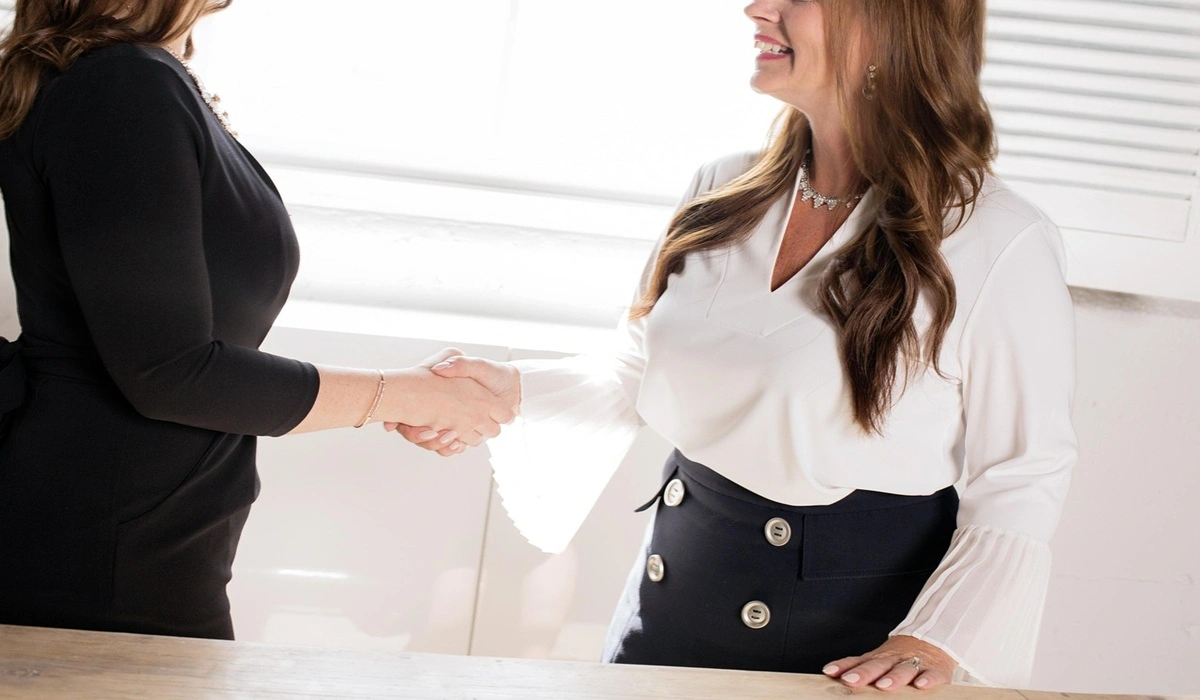
A polished blouse with tailored trousers may work beautifully.
A simple dress with a structured blazer can feel elegant and professional.
A knit top with tailored pants might be appropriate for a more relaxed workplace.
The industry, company culture, and interview setting matter.
A creative studio and a corporate law office probably won’t have the same expectations.
And that’s the first thing I’d check before opening your wardrobe:
What does this workplace actually feel like?
Look at the company’s website.
Look at its social channels.
Notice how employees appear in professional photographs.
You aren’t trying to copy them.
You’re simply learning the language of the room.
The Best Interview Outfit Is the One You Don’t Have to Think About
This is one of my favorite rules.
If you’re constantly wondering whether your skirt is riding up, whether your blouse is too tight, or whether your shoes are destroying your feet, you’re using precious mental energy on the wrong thing.
An interview is already enough pressure.
Your clothes shouldn’t add another layer.
Sit down in the outfit.
Stand up.
Walk around.
Raise your arms.
Put your hands in your pockets if you have them.
Check whether the fabric pulls.
And please try the shoes before the morning of the interview.
A pair of beautiful shoes that you’ve never worn before can become a tiny personal disaster after twenty minutes.
Should You Wear a Suit?

Sometimes, absolutely.
A well-fitted suit can be incredibly powerful.
Not because it makes you look intimidating.
Because good tailoring gives the body a sense of structure.
A blazer can create clean lines.
Trousers can make movement easy.
A matching set removes some of the guesswork.
If you’re investing in a tailored blazer, these affordable luxury brands are a good place to start.
Your shoulders go back a little.
Your walk changes.
You feel ready.
But don’t wear a suit simply because you think every woman is supposed to.
If the workplace is more relaxed, a full suit may be unnecessary.
Professional doesn’t have one uniform.
What Colors Are Good for Interview Clothes?
There isn’t one magical interview color.
But there are colors that are easier to style in a professional setting. Cream, white, beige, and soft neutrals create the clean look behind quiet luxury fashion.
Black is classic.
Navy feels polished without being as severe.
Gray can look wonderfully sophisticated.
Cream, white, beige, and soft neutrals can create a clean appearance.
And color isn’t forbidden.
A deep burgundy blouse.
A muted green.
A soft blue.
Even a richer jewel tone can work beautifully when the rest of the outfit is restrained.
The question isn’t really:
“Is this color professional?”
Ask:
“Will I spend the interview thinking about my bright orange jacket?”
If yes, perhaps save it for another day.
Not because orange is wrong.
Because you want your answers—not your clothes—to be the memorable part.
What Should You Wear to a Casual Interview?

This is where things get confusing.
“Casual” doesn’t mean you should arrive looking as though you just came from the sofa.
And “professional” doesn’t mean you need to dress like you’re attending a board meeting.
Try finding the middle.
A polished blouse with tailored trousers.
A simple dress with loafers.
Dark, clean jeans with a structured jacket where the workplace genuinely permits denim.
A fine knit with tailored pants.
Clean shoes.
Simple accessories.
Neat grooming.
The overall feeling should be:
“I made an effort, but I didn’t have to become someone else to do it.”
What About Dresses?
A dress can be one of the easiest interview outfits.
You don’t have to coordinate multiple pieces.
The silhouette is already there.
Look for something that isn’t excessively tight, extremely short, or difficult to move in.
A simple midi dress can be beautiful.
A structured knee-length dress can work well in more formal environments.
A shirt dress can be excellent for a creative or business-casual setting.
Then add a blazer if you need more structure.
And choose shoes you can comfortably walk in.
It’s amazing how much confidence comes from not thinking about your clothes every thirty seconds.
The Interview Outfit Nobody Talks About
Your backup outfit.
I know it sounds excessive.
It isn’t.
Especially if the interview matters to you.
Have another option ready.
Because buttons break.
Coffee spills.
Weather happens.
A zipper decides it has had enough of life.
And sometimes you simply put the outfit on the morning of the interview and realize:
Nope.
It doesn’t feel right.
Having a second outfit means you don’t have to panic.
And there’s something strangely calming about knowing that the alternative is hanging right there.
What Shoes Should Women Wear to Interviews?
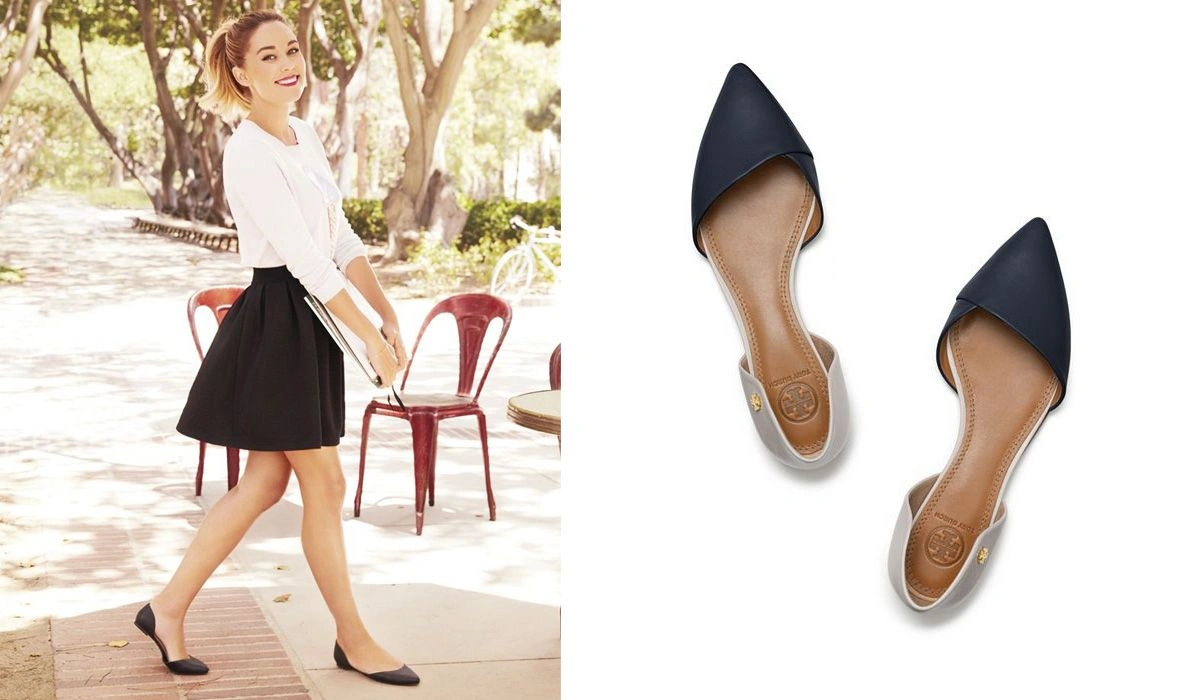
Choose shoes that look intentional and feel stable.
Depending on the workplace, that might mean:
- Loafers
- Ballet flats
- Pumps
- Low heels
- Block heels
- Ankle boots
- Minimal, polished sneakers in genuinely casual environments
You don’t need a six-inch heel to look confident.
Confidence is much easier when you’re not secretly wondering whether you can survive the walk from the parking lot.
If you love heels and feel comfortable in them, wear them.
If you prefer flats, wear beautiful flats.
Your shoes should support your confidence—not test it.
What About Accessories?
Keep them purposeful, and learn how to style accessories so they support the outfit.
A watch.
Small earrings.
A delicate necklace.
A simple ring.
A structured handbag.
You don’t need to remove all personality from your outfit.
Actually, I think a little personality is important.
Maybe your earrings are unusual.
Maybe your watch is vintage.
Maybe your bag has a beautiful texture.
Those little details can make an otherwise conventional outfit feel like yours.
Just don’t let the accessories become louder than the conversation.
Should You Wear Perfume to an Interview?
A tiny amount can be lovely.
But this is one place where restraint matters.
You don’t know whether the interviewer is sensitive to fragrance, so wearing something extremely strong isn’t worth the risk.
A clean, subtle scent—or none at all—is perfectly reasonable.
And honestly, there’s something elegant about someone who smells beautiful only when you’re close enough to notice.
What If You Have a Video Interview?
Ah, the modern interview problem.
You can technically wear pajamas below the camera.
But I wouldn’t recommend it.
Not because anyone will know.
Because you will know.
And clothes can affect how you carry yourself.
Even for a video interview, wear something that makes you feel present.
Pay extra attention to:
- Your neckline
- Lighting
- Background
- Hair
- Clothing contrast with the background
- Anything distracting around the face
And test the camera before the interview begins.
There is nothing quite like discovering five minutes before a serious interview that your camera makes your beautiful navy blouse look strangely purple.
What If You Don’t Feel “Professional” Enough?
This one is deeper than clothing.
Sometimes women think they need the perfect outfit because they’re worried they aren’t experienced enough.
The clothes become armor.
But your outfit can’t answer the interview questions for you.
It can only help you arrive feeling ready.
So choose something familiar.
Something comfortable.
Something you already know works.
Then let your experience speak.
You don’t need to dress like the person who already has the job.
You are dressing like the person who is ready to earn it.
What Should You Never Wear to an Interview?
I don’t love rigid “never” lists.
But there are a few things worth thinking twice about:
Anything uncomfortable.
Anything that needs constant adjusting.
Anything excessively revealing for the workplace.
Anything heavily wrinkled or visibly damaged.
Shoes you can’t walk confidently in.
Clothing that makes you feel unlike yourself.
And anything you’ve never worn before.
Especially the last one.
Don’t experiment with a completely new outfit on the morning you’ve been waiting weeks for.
Save the experiment for brunch.
The Question I Wish Women Asked Before an Interview
Instead of asking:
“Will they think I look professional?”
try asking:
“Will this outfit let me forget about myself for the next hour?”
That’s the real goal.
Because once you sit down, you don’t want to be thinking about your neckline.
You don’t want to be pulling your skirt down.
You don’t want to wonder whether your trousers are too tight.
You want to listen.
Think.
Answer.
Smile.
Ask intelligent questions.
And walk out knowing you gave the conversation your full attention.
And the Morning of the Interview…

Don’t rush.
Give yourself time.
Put the outfit on early.
Look in the mirror.
Then stop looking.
Have some breakfast.
Drink your coffee.
Take a breath.
Check your bag.
Bring what you need.
And before you walk through that door, remember something:
They’re not interviewing your clothes.
They’re meeting you.
The outfit is simply the frame around the picture.
Choose one that makes you feel calm, polished, and comfortable enough to let your personality come through.
Then walk in.
Shoulders relaxed.
Head up.
And don’t worry about looking like you’ve already made it.
Sometimes the most beautiful thing you can wear into an interview is the quiet feeling that you belong in the room.