
Key Takeaways
-
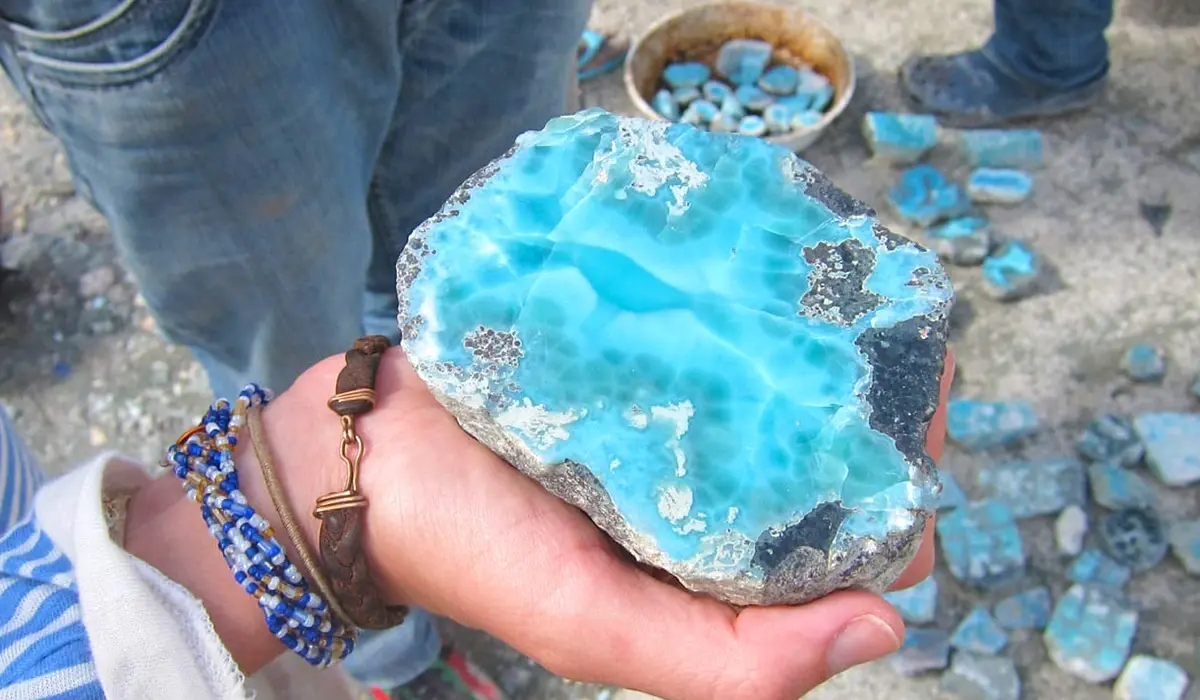
Rare mineral discovery
-
Expert evaluation tips
-
Essential portfolio additions
-
Safe storage habits
Introduction
Have you ever held a tiny crystal that feels like it holds a whole universe inside?
Building a gem collection is one of the most rewarding journeys you can take in your life. Whether you are starting out or growing your vault, having a solid precious gemstones collector guide makes all the difference.
At PraviCeler, we believe every single gem tells a unique story of deep time, tremendous pressure, and unbelievable natural beauty. From classic red rubies to rare blue tanzanites, knowing what to look for keeps your passion fun, safe, and smart.
Let us dive right in and explore 15 stunning jewels that deserve a spot in your display case today.
AI Overview
This precious gemstones collector guide breaks down fifteen essential jewels every enthusiast should understand. We cover famous classics alongside rare collector finds, explaining key traits like color depth, durability, and natural origin. Learn how to spot genuine quality, evaluate market rarity, and build a lasting personal collection with confidence through practical tips backed by PraviCeler.
Why Collecting Gemstones Captivates Us
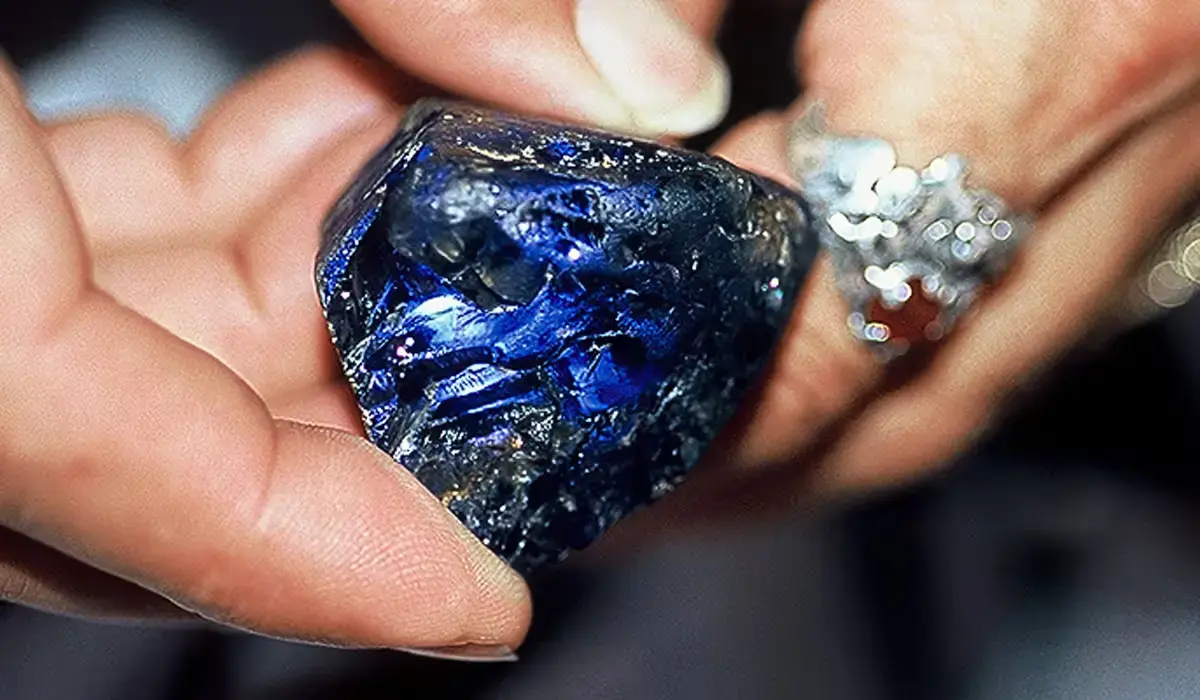
There is something truly magical about holding natural treasures that took millions of years to form deep under the Earth.
Gem collecting is equal parts fine art, fascinating science, and smart personal curation.
You get to admire stunning color showpieces while building something genuinely valuable over time.
Having a clear path helps you choose pieces that speak to you while protecting your hard-earned money.
Whether you prefer raw unpolished specimens or perfectly faceted stones, the joy of discovery never fades.
Every collector remembers their very first stone, and that spark often leads to a lifelong adventure.
The Big Four: Timeless Classics
Every serious collector starts by learning the traditional heavyweights of the mineral world. These four gems have dominated human history, royal treasuries, and trade routes for thousands of years.
1. Diamond: The Ultimate Standard
Diamonds remain the absolute hardest known natural substance on the surface of the planet.
Their unmatched fire and brilliant sparkle set the benchmark for all other light-reflecting minerals.
Beyond classic clear white stones, fancy colored diamonds like pinks, greens, and deep blues capture massive attention.
They form deep in the earth under extreme thermal pressure before traveling upward through ancient volcanic pipes.
Owning a clean natural diamond with great proportions gives any collection an immediate anchor of quality.
2. Ruby: Passionate Crimson
Known historically as the King of Gems, fine natural ruby displays an intense red glow unlike anything else.
The most sought-after shade in the global trade is often called pigeon blood red.
In most cases, natural untreated rubies of good size command top-tier collector interest and value.
Their brilliant color comes from trace amounts of chromium present inside the corundum crystal lattice during growth.
When UV light hits a fine ruby, it fluoresces strongly, making the stone appear lit from within.
3. Sapphire: Ocean Depths and Beyond
While world-famous for deep velvety blues, sapphires actually come in almost every color of the rainbow.
Fancy sapphires range from bright canary yellow to soft violet, green, and rare padparadscha peach shades.
They are remarkably tough and durable, making them a staple choice for both display and wear.
A comprehensive precious gemstones collector guide always highlights sapphire for its incredible color variety.
Collectors often build entire displays dedicated strictly to collecting every single natural color variant of sapphire.
4. Emerald: Lush Green Magic
Emeralds are universally famous for their rich green hues and fascinating internal inclusion patterns.
Collectors fondly refer to these natural internal growth patterns as the gem’s secret garden.
Gentle oiling with natural cedarwood oil is a widely accepted traditional practice for enhancing visual clarity.
Part of the beryl family, emeralds derive their lush tones from trace amounts of chromium and vanadium.
Finding a large natural emerald with high transparency is exceptionally rare and prized across the globe.
Comparison of the Big Four Precious Gemstones
| Gemstone | Mohs Hardness | Primary Color Spectrum | Key Defining Trait |
| Diamond | 10 | Colorless, Pink, Blue, Yellow | Unmatched Brilliance & Fire |
| Ruby | 9 | Vivid Crimson to Deep Red | Strong Chromium Fluorescence |
| Sapphire | 9 | Royal Blue, Yellow, Pink, Violet | Exceptional Toughness & Variety |
| Emerald | 7.5 to 8 | Rich Pure Green to Bluish-Green | Natural Internal Garden Patterns |
Rare and Exotic Showstoppers
If you want to take your collection beyond the standard basics, these rare treasures add striking variety and excitement to your trays.
5. Alexandrite: Nature’s Color-Change Chameleon
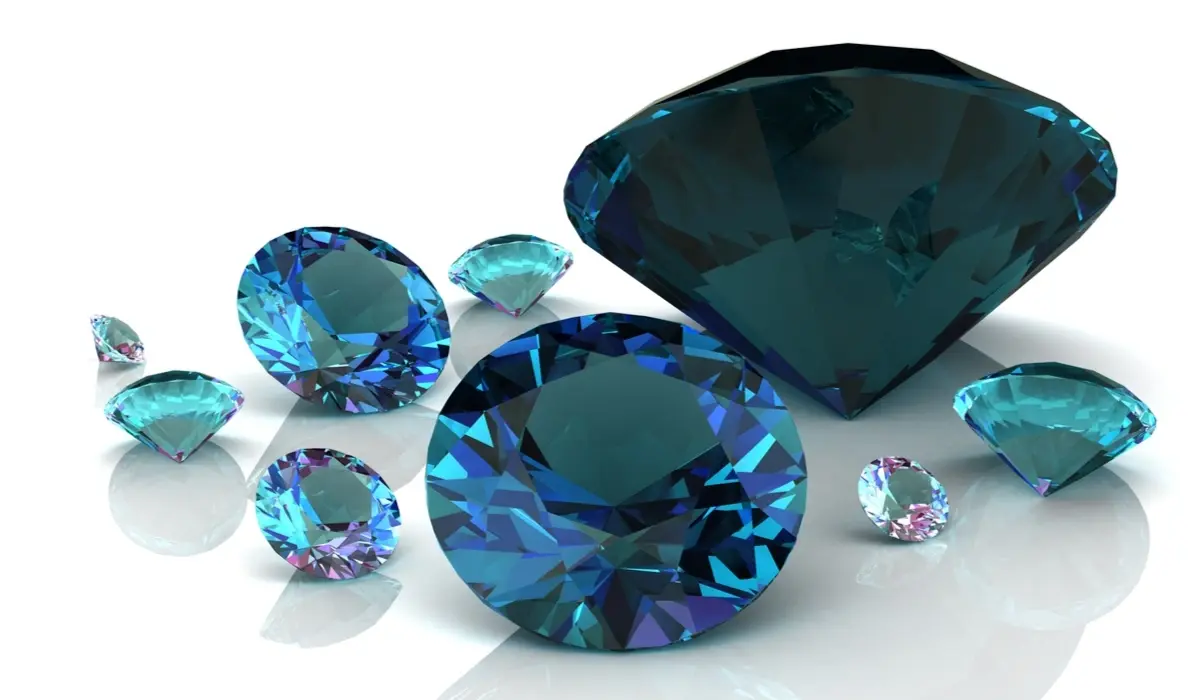
Alexandrite is world-renowned for its remarkable ability to change color dramatically under different light sources.
It appears lush teal green in natural sunlight but shifts to a warm raspberry red under indoor tungsten light.
Because top-grade natural specimens are exceedingly scarce, it remains a true trophy piece for advanced enthusiasts.
First discovered in the Ural Mountains of Russia, fine alexandrite remains one of the hardest gems to source.
Its color-shifting mechanism is caused by complex light absorption traits within its unique chrysoberyl structure.
6. Tanzanite: The Single-Source Wonder
Tanzanite comes from only one tiny geological location on Earth near the base of Mount Kilimanjaro.
Its deep blue-violet shade changes slightly depending on the exact angle from which you view the stone.
Since future global supply is strictly limited by geography, collectors track its availability very closely.
It was brought to global fame in the late twentieth century and quickly became a modern classic.
The stone displays vivid pleochroism, showing intense blue, violet, and bronze tones in rough form.
7. Paraiba Tourmaline: Neon Electric Blue
This incredible gem completely shocked the mineral market when it was first discovered in Brazil during the 1980s.
Trace amounts of copper inside the crystal structure give it an astonishing electric turquoise glow.
Even tiny stones under one carat can light up an entire room with their unusual vivid brightness.
Demand for genuine Paraiba tourmaline has driven prices to levels that rival top diamonds and rubies.
At PraviCeler, we always encourage enthusiasts to examine the copper content when evaluating these electric gems.
8. Padparadscha Sapphire: Sunset in a Stone
This ultra-rare sapphire variant shows a delicate, breathtaking blend of pink and orange hues mixed together.
The historic name derives from a Sinhalese term referencing the soft color of a lotus blossom.
Finding a natural stone with balanced color saturation that isn’t too pink or too orange is a major triumph.
True padparadscha sapphires are among the rarest natural corundum stones ever unearthed by miners.
Their subtle elegance makes them a quiet favorite among high-end collectors who value extreme rarity.
Vibrant Favorites with Unique Personality
These remarkable minerals bring incredible color palettes, dynamic patterns, and fascinating optical phenomena to your display.
9. Black Opal: Dancing Spectral Fire
Black opal features a dark body tone that causes vibrant spectral colors to pop with dramatic intensity.
Lightning Ridge in Australia produces the most famous and valuable natural specimens found anywhere in the world.
No two opals ever look identical, giving you a truly unique masterpiece formed by ancient silica drops.
The play-of-color occurs because microscopic spheres of silica diffract light into brilliant rainbow flashes.
Proper care is essential for opals, as they contain small amounts of natural water within their structure.
10. Spinel: The Imposter Turned Icon
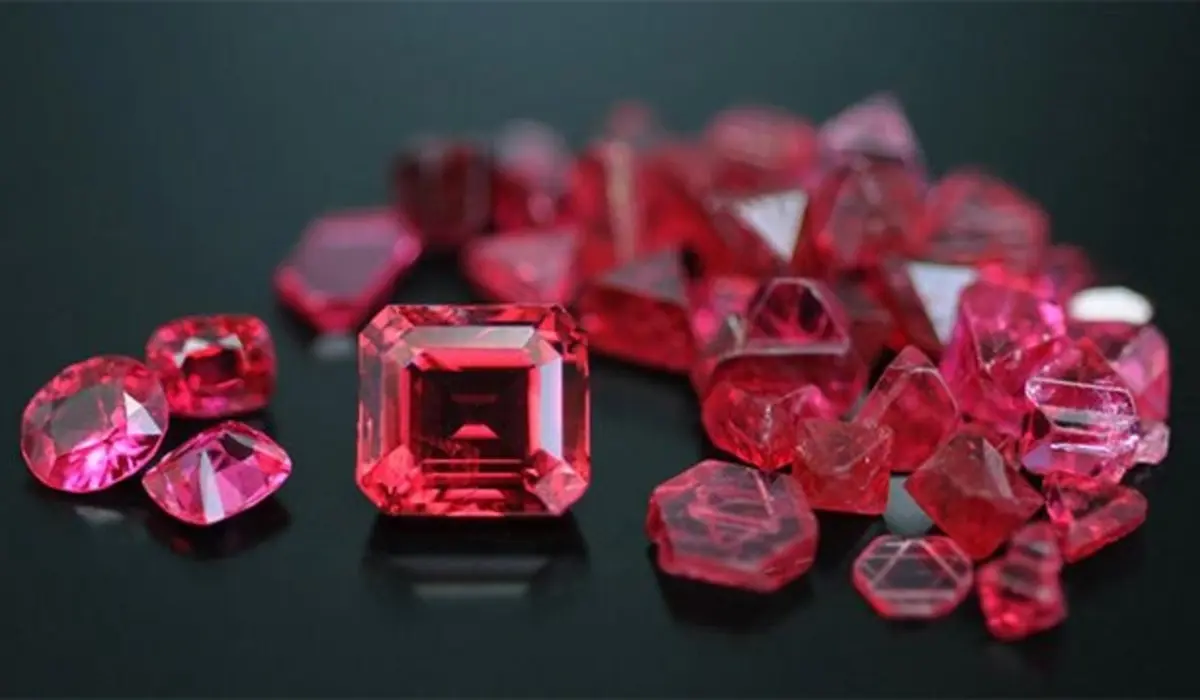
For many centuries, famous historic red spinels were regularly mistaken for fine rubies in royal crowns.
They feature outstanding natural brilliance, crisp clarity, and wonderful physical hardness suitable for daily wear.
Today, modern collectors treasure vivid cobalt blue and hot pink spinels in their own right.
Spinel forms in octahedral crystals that often look like perfectly faceted doubled pyramids right out of the ground.
Because it is singly refractive, the color of a fine red or pink spinel stays pure and true in all light.
11. Tsavorite Garnet: Bright Mint and Forest Hues
Tsavorite is an exceptionally rare green garnet that easily outshines many classic emeralds in pure sparkle.
It rarely requires any artificial heat or clarity treatments to display its magnificent natural color.
Its vivid green shade looks completely natural and fiery straight out of the African earth where it forms.
Discovered in East Africa, this gemstone offers high durability alongside incredible refractive brilliance.
It provides a durable, untreated alternative for anyone who loves rich green gemstones in their showcase.
12. Demantoid Garnet: Golden Fire Stars
Demantoid is famous among mineralogists for possessing higher light dispersion values than a natural diamond.
The rarest and most prized Russian pieces display horse-tail inclusions made of golden chrysotile threads.
These unique internal features actually increase the gem’s overall financial value to knowledgeable collectors.
When light hits a clean demantoid garnet, it breaks into brilliant flashes of rainbow color across every facet.
It represents the pinnacle of the garnet group, combining historical prestige with unmatched visual fire.
Remarkable Finds to Complete Your Set
Rounding out our comprehensive precious gemstones collector guide are three gems that bring distinctive historic charm, elegance, and scale.
13. Morganite: Pastel Elegance
Morganite belongs to the prestigious beryl mineral family, sharing direct heritage with both emerald and aquamarine.
Its soft peach-pink and rose tones make it a massive favorite for modern romantic jewelry pieces.
Large, remarkably clean crystals allow skilled lapidaries to craft impressive gems with deep custom facets.
Named in honor of famous collector J.P. Morgan, this gem offers high clarity and soft sophisticated warmth.
It looks particularly striking when mounted in rose gold settings or displayed under warm showcase lights.
14. Aquamarine: Sea-Glass Clarity
Aquamarine brings the soothing blue tones of clear, sunlit ocean waters directly into your hands.
It typically forms in clean, well-defined hexagonal prism crystals with great natural transparency.
Collectors love finding raw crystal clusters alongside perfectly faceted stones for dramatic display contrast.
The finest aquamarines display a deep, intense sea-blue color known in the trade as Santa Maria blue.
Its name comes from the Latin words for sea water, reflecting its long history as a sailor’s protective talisman.
15. Peridot: Celestial Green
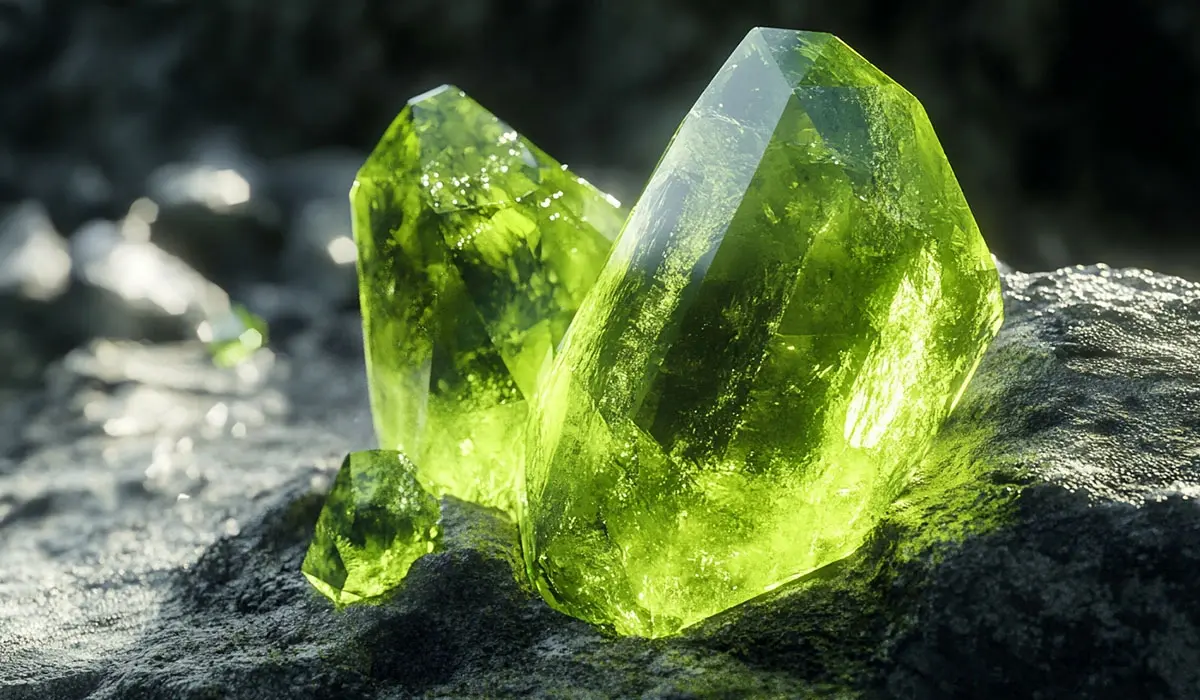
Peridot forms deep within the Earth’s mantle and sometimes even arrives on Earth inside ancient stony meteorites.
Its distinct olive-green shade stays bright and vibrant even under dim artificial indoor lighting conditions.
It offers an accessible and fascinating way to add historical extraterrestrial green stones to your setup.
Known to ancient Egyptians as the gem of the sun, peridot has been mined for thousands of years on St. John’s Island.
Its double refraction property means you can often see double facet lines when looking through the stone.
Rare and Specialty Gemstone Features
| Gemstone | Primary Chemical Family | Notable Optical Phenomenon | Primary Geographic Origin |
| Alexandrite | Chrysoberyl | Color Change (Sunlight to Incandescent) | Russia, Brazil, Sri Lanka |
| Tanzanite | Zoisite | Strong Pleochroism (Multi-Color Views) | Tanzania (Merelani Hills) |
| Paraiba Tourmaline | Tourmaline | Copper-Induced Electric Fluorescence | Brazil, Mozambique |
| Black Opal | Hydrated Silica | Spectral Play-of-Color | Australia (Lightning Ridge) |
| Demantoid Garnet | Andradite Garnet | High Dispersion / Horsetail Inclusions | Russia, Namibia |
How to Evaluate Gemstone Quality Like a Pro
When expanding your gemstone tray, knowing how to test and evaluate pieces protects your passion and your wallet.
Key Factors to Inspect
-
Color Tone and Saturation: Look for rich, pure saturation that is neither too light nor overly dark.
-
Clarity Profile: Check if natural inclusions affect structural strength or reduce visual light reflection.
-
Cut Precision and Proportion: Ensure facets align neatly to return maximum bright light back to your eye.
-
Carat Weight Impact: Remember that price per carat jumps significantly as natural stone size increases.
Taking time to compare multiple stones side by side builds your eye for quality very quickly.
Work with dealers who provide full disclosure regarding treatments, origin, and grading factors.
Using a 10x loupe allows you to explore the internal world of a gemstone before making a decision.
Always examine colored stones under neutral daylight-balanced lighting for the most accurate view.
Essential Collector Care and Preservation Tips
Taking proper care of your physical treasures ensures they stay gorgeous and vibrant for generations to come.
Essential Storage and Maintenance Habits
-
Store items in individual soft velvet pouches so harder stones never scratch softer ones during transport.
-
Avoid using ultrasonic cleaners for oiled or porous gems like natural emeralds, pearls, and black opals.
-
Gently wipe stones down with a soft, clean micro-fiber cloth after handling them to remove skin oils.
-
Consult trusted resources at PraviCeler when organizing your long-term vault storage and display layout.
Keeping a detailed inventory log with purchase dates, weights, and lab certificates keeps your vault organized.
Environmental factors like direct heat, sudden temperature shifts, and harsh chemicals can damage sensitive minerals.
Insuring high-value pieces gives you peace of mind as your private collection grows over time.
Conclusion
Building a personal gem collection is an amazing path filled with vibrant color, deep history, and natural wonder. Using a clear precious gemstones collector guide helps you pick pieces that match your personal taste while building real long-term value.
Whether you love classic red rubies or neon tourmalines, PraviCeler is always here to inspire your journey forward. Start small, keep learning, and enjoy every single incredible discovery you make along the way!
Frequently Asked Questions
Q1: What gemstone is best for a beginner collector?
A: Amethyst, garnet, and blue topaz offer great durability, rich color choices, and affordable entry prices.
Q2: How do I know if a gemstone is natural or synthetic?
A: Certified gemology lab reports verify natural origin, heat treatments, and chemical structure accurately.
Q3: Does gemstone heat treatment lower collector value?
A: Untreated gems generally command higher market values, though traditional heat treatments remain widely accepted.
Q4: Which gemstone is currently the rarest on Earth?
A: Painite and fine Alexandrite are generally recognized among the rarest gem-quality minerals available today.
Q5: How often should I clean my gemstone collection?
A: Gentle wiping after handling and light soapy cleanings every few months keep your stones sparkling bright.
