
Key Takeaways
-
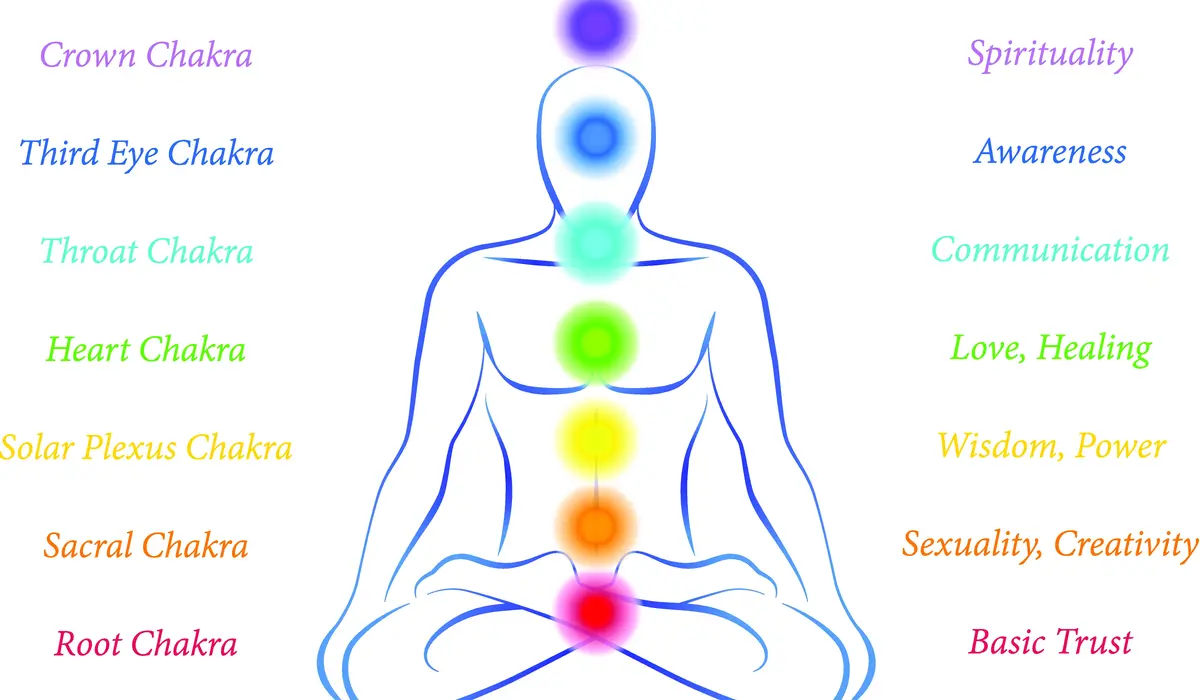
Clear mapping of energy centers
-
Meaning behind each chakra color
-
Easy guide to symbols and functions
-
Simple ways to spot energy imbalances
Ever feel like your energy is totally drained for no clear reason? Or maybe you just feel a bit off, disconnected, or stuck in a rut?
You aren’t alone. That is usually where a chakra chart comes in handy. Think of it as a road map for your body’s subtle energy system.
In simple terms, a chakra chart maps out the seven main energy points running along your spine. It shows you where each center sits, what color represents it, and how it impacts your daily emotions and physical health.
When you learn to read a chakra chart, you get a handy blueprint for your personal well-being. At PraviCeler, we like to think of it as a quick wellness dashboard for your mind and body.
AI Overview
A chakra chart is an intuitive visual guide that maps the body seven core energy centers. Running from the base of your spine to the top of your head, these centers govern physical, emotional, and spiritual well-being. This complete chakra guide breaks down each point by location, chakra colors, and chakra symbols so you can easily spot imbalances and practice self-care.
The Origin of the Energy Body
Have you ever wondered where this whole idea came from?
The concept of chakras originated in India thousands of years ago. The word “chakra” actually means “wheel” or “disk” in ancient Sanskrit.
These energy centers are described as spinning wheels of light that absorb, process, and express life force energy. While ancient traditions identified dozens of subtle centers, modern practice focuses primarily on the main seven.
Understanding this system doesn’t require complex rituals. It is simply about listening to what your body is trying to tell you every single day.
The 7 Chakra Chart: A Detailed Breakdown
Let us take a walk through all seven energy points, starting from the ground up.
1. Root Chakra (Muladhara)
This is your foundation. Located at the base of your spine, it keeps you grounded and secure.
-
Location: Base of the spine
-
Color: Red
-
Symbol: Four-petaled lotus with a square
-
Meaning: Survival, safety, and physical stability
When your root center is balanced, you feel grounded, calm, and secure in your environment. When it is out of whack, you might feel anxious or restless.
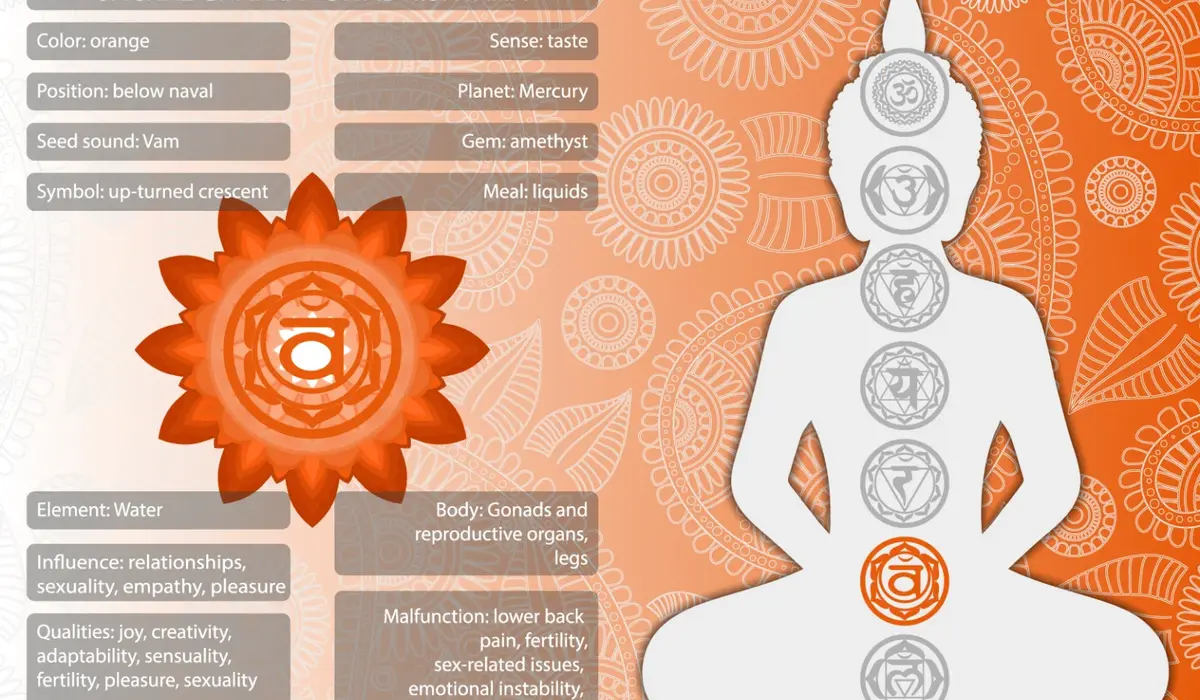
2. Sacral Chakra (Svadhisthana)
Moving up a bit, we reach your emotional and creative hub located just below your belly button.
-
Location: Lower abdomen
-
Color: Orange
-
Symbol: Six-petaled lotus with a crescent moon
-
Meaning: Passion, creativity, and emotional health
This center governs how you relate to your emotions and others. It drives your artistic spark and overall passion for life.
3. Solar Plexus Chakra (Manipura)
Located in your upper stomach area, this point is your personal powerhouse.
-
Location: Upper abdomen / stomach area
-
Color: Yellow
-
Symbol: Ten-petaled lotus with a downward triangle
-
Meaning: Personal power, confidence, and discipline
Feel a burst of confidence before a big presentation? That is your solar plexus firing up!
4. Heart Chakra (Anahata)
Right in the middle of your chest sits the bridge between physical and spiritual energy.
-
Location: Center of the chest
-
Color: Green
-
Symbol: Twelve-petaled lotus with a six-pointed star
-
Meaning: Love, empathy, and forgiveness
This center helps you form deep connections and express genuine compassion toward yourself and others.
5. Throat Chakra (Vishuddha)
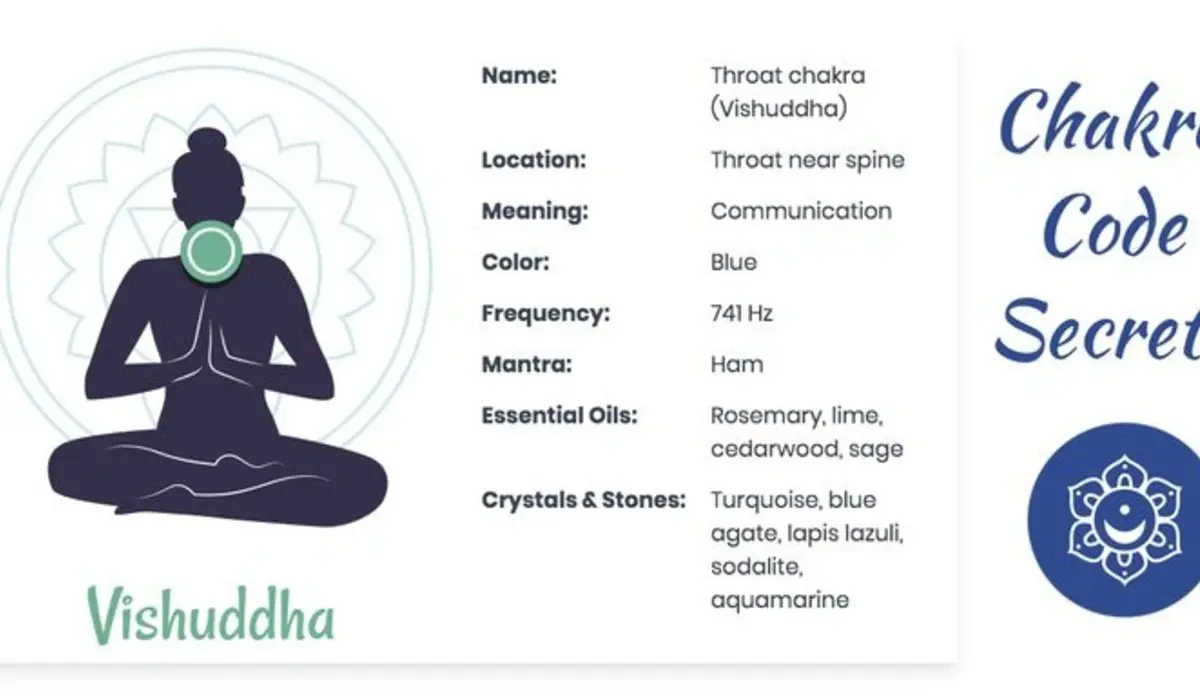
Ever struggled to speak your mind? Your throat energy might need a little attention.
-
Location: Throat area
-
Color: Light Blue
-
Symbol: Sixteen-petaled lotus with a circle inside a triangle
-
Meaning: Truth, communication, and self-expression
A healthy throat center allows you to speak honestly and listen attentively to others.
6. Third Eye Chakra (Ajna)
Located between your eyebrows, this center is all about inner wisdom.
-
Location: Between the eyes, above the nose
-
Color: Indigo
-
Symbol: Two-petaled lotus
-
Meaning: Intuition, focus, and imagination
It acts as your internal compass, helping you trust your gut instincts when making decisions.
7. Crown Chakra (Sahasrara)
At the very top of your head sits your connection to something bigger than yourself.
-
Location: Top of the head
-
Color: Violet or White
-
Symbol: Thousand-petaled lotus
-
Meaning: Universal awareness and spiritual unity
This point links you to universal wisdom and brings a sense of deep peace when fully open.
Comprehensive 7 Chakra Guide Matrix
Here is a full summary comparing all seven points at a glance:
| Chakra Name | Location | Color | Symbol Element | Core Function |
| Root | Base of Spine | Red | Earth / Square | Grounding & Security |
| Sacral | Lower Abdomen | Orange | Water / Moon | Creativity & Emotion |
| Solar Plexus | Upper Abdomen | Yellow | Fire / Triangle | Confidence & Power |
| Heart | Chest Center | Green | Air / Star | Love & Compassion |
| Throat | Throat | Light Blue | Ether / Circle | Truth & Expression |
| Third Eye | Between Eyes | Indigo | Light / Lotus | Intuition & Insight |
| Crown | Top of Head | Violet | Thought / Lotus | Spiritual Unity |
Decoding Chakra Colors and Their Meaning
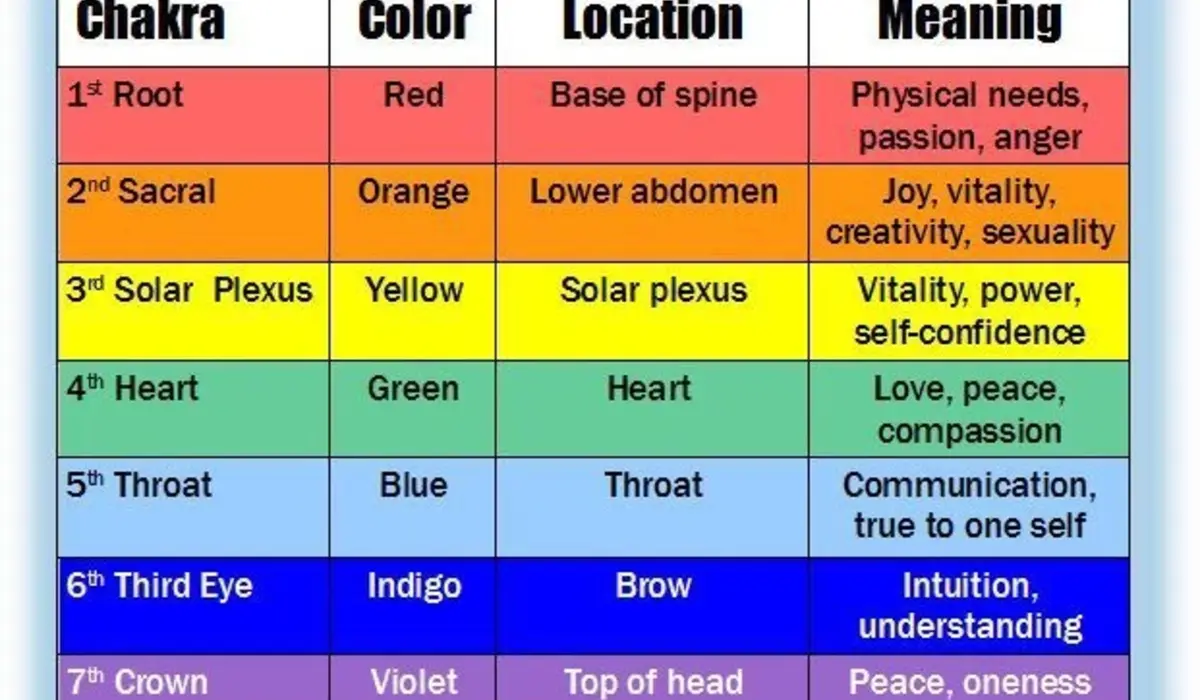
Why are chakra colors so distinct?
Light vibrates at different frequencies, and each color corresponds to a specific energy level in your body. Lower frequencies match warm tones like red and orange, while higher frequencies align with cool violet tones.
By understanding chakra colors, you can use simple tools like colored clothing, foods, or decor to help shift your mood and balance your day.
Understanding Ancient Chakra Symbols
Each design on a 7 chakra chart carries ancient geometric meaning.
The lotus petals represent the unfolding of consciousness. The geometric shapes inside—like squares, triangles, and circles—symbolize the fundamental elements of nature.
Studying chakra symbols gives you a visual focus point during meditation, making it easier to lock in your attention.
How to Tell if Your Energy Is Blocked
How do you know when an energy center needs support?
Energy blocks generally happen when stress, fatigue, or unresolved emotions build up over time. You might notice physical tension or emotional imbalance in specific areas.
Consulting a chakra guide helps you spot these subtle clues early so you can restore balance quickly.
Simple Techniques for Energy Alignment
Keeping your energy aligned does not have to be complicated. At PraviCeler, we recommend keeping self-care practices practical and easy to fit into your busy schedule.
Daily Alignment Practices
-
Root Alignment: Walk barefoot on grass or spend ten minutes outdoors.
-
Sacral Support: Drink plenty of water and engage in creative hobbies like drawing or dancing.
-
Solar Plexus Boost: Get some sunshine and practice mindful breathing exercises.
-
Heart Opening: Practice daily gratitude journaling and acts of kindness.
-
Throat Activation: Sing your favorite songs aloud or practice gentle neck stretches.
-
Third Eye Focus: Take quiet meditation breaks without digital screens.
-
Crown Connection: Spend quiet time in deep reflection or peaceful silence.
Using a Chakra Healing Chart for Daily Balance
A chakra healing chart acts as a visual reference guide for quick daily check-ins.
You can hang one near your workspace or keep a digital copy on your phone. When you feel off-center, consult your chakra healing chart to identify which point needs attention and pick a matching self-care activity.
Essential Healing Elements Matrix
| Energy Center | Complementary Foods | Healing Crystals | Simple Affirmation |
| Root | Root vegetables, berries | Red Jasper | “I am safe and grounded.” |
| Sacral | Oranges, seeds | Carnelian | “I embrace my creativity.” |
| Solar Plexus | Bananas, oats | Citrine | “I am strong and capable.” |
| Heart | Leafy greens, green tea | Rose Quartz | “I give and receive love.” |
| Throat | Blueberries, water | Lapis Lazuli | “I speak my truth clearly.” |
| Third Eye | Dark grapes, nuts | Amethyst | “I trust my intuition.” |
| Crown | Pure water, light teas | Clear Quartz | “I am connected to everything.” |
Common Myths vs. Realities
Let us clear up a few common misconceptions about energy work:
-
Myth: Chakras are physical organs inside your body.
Reality: They are non-physical energy points aligned with major nerve clusters.
-
Myth: You must open all chakras completely at once.
Reality: Energy balance changes daily; small steady shifts are best.
-
Myth: Only experts can use a chakra chart.
Reality: Anyone can use a simple chakra guide for personal wellness.
How to Integrate Energy Work into Your Routine
Ready to put this knowledge to work? You don’t need hours of spare time.
Start small. Pick one area from your chakra chart to focus on each week. Use matching chakra colors in your wardrobe or workspace, practice simple affirmations, and pay attention to how your body responds.
Over time, this simple awareness builds long-term balance, focus, and overall vitality.
Final Thoughts on Your Energy Journey
Understanding your subtle energy does not need to feel complex or overwhelming.
By using a clear chakra chart, you gain a practical, visual tool for daily self-awareness. Whether you want to boost your confidence, improve your communication, or simply feel more grounded, tuning into your chakra colors and energy points is a great place to start.
Keep your daily checks simple, stay consistent, and enjoy the journey toward balanced living with PraviCeler.
FAQs
What is a chakra chart used for?
A chakra chart helps map energy points to track physical, emotional, and spiritual balance easily.
How many main chakras are on a 7 chakra chart?
There are seven primary energy centers running from your spine base up to your crown.
Why do chakra colors matter in energy healing?
Each color matches a specific energy frequency, helping you target and balance individual centers.
Can beginners use a chakra guide effectively?
Yes, a simple guide helps anyone identify energy blocks and apply basic self-care habits.
What is the purpose of a chakra healing chart?
It acts as a visual tool listing crystals, foods, and exercises to restore internal balance.
