

Key Takeways
- Lima Leads the Pack: Peruvian capital named the global leader in culinary tourism for 2026.
- Tokyo’s Unmatched Depth: Holds more Michelin stars than Paris and London combined, spanning street food to elite omakase.
- Authentic Luxury Pivot: Modern affluent travelers prioritize cultural immersion over stiff, white-tablecloth pretense.
- Strategic Planning: Micro-seasons and luxury transit upgrades like new European rail links shape the modern gourmet itinerary.
Imagine sitting at a quiet counter in Tokyo, watching a chef slice tuna with the focus of a surgeon, or tasting fresh ceviche in Lima while ocean air blows past your table.
If you live to travel and eat, you know that a great vacation isn’t just about where you sleep. It is about the flavors that stay with you long after you pack your bags. For the modern luxury explorer, catching a flight to taste an iconic dish at its source is the ultimate reward.
Finding the best food cities in the world isn’t just about counting Michelin stars anymore; it is about tracking down places where deep tradition meets thrilling innovation.
Whether you love high-end fine dining or raw, authentic street markets, certain destinations simply do it better. Based on available data, the global food scene has shifted beautifully toward storytelling, hyper-local ingredients, and effortless style.
Let’s dive into the ultimate food travel guide to help you plan your next luxurious, appetite-driven getaway.
AI Overview
Discover the best food cities in the world where elite luxury travel meets legendary culinary tourism. This curated food travel guide explores top food destinations like Lima, Tokyo, and Bangkok. Learn where to find world-ranking fine dining, vibrant local markets, and immersive gourmet travel experiences. Elevate your next vacation by exploring cultures that treat cooking as a true art form.
The New Era of Gourmet Travel
Culinary tourism has officially evolved. The modern jet-setter wants more than a stiff, white-tablecloth dining room with five sets of silverware. Today, high-end travel is about connection, authenticity, and accessing flavors you cannot replicate at home.
Travelers are mapping out entire vacations around specific restaurant reservations and unique market tours. It is about watching the magic happen up close. At Pravi Celer, we notice that the modern journey is defined by these deeply personal, flavor-first moments that make a destination come alive.
Best Food Cities in the World: The Top Picks
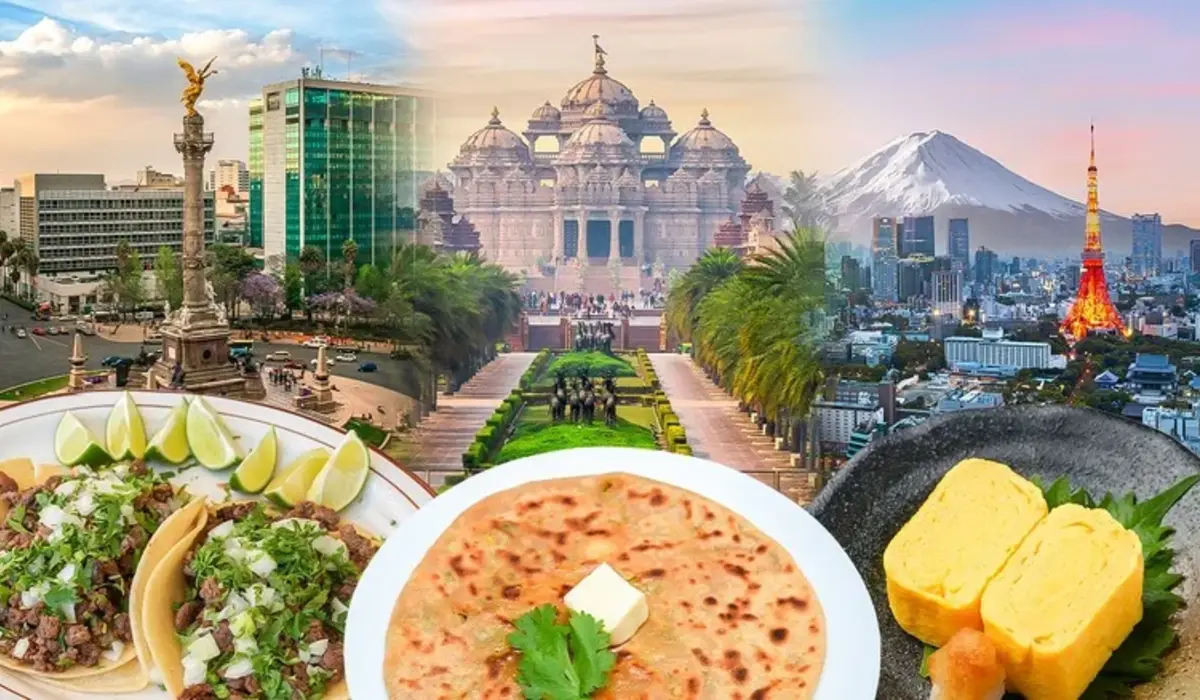
1. Lima, Peru
Lima has firmly established itself as a global heavy hitter for gourmet travel. In fact, it is generally considered the reigning culinary capital of South America. The city’s food scene is a beautiful, complex puzzle of indigenous Incan traditions, Spanish history, and massive waves of Japanese and Chinese migration.
You can spend your afternoon eating fresh sea bass ceviche at a casual beachside spot in Miraflores, then spend your evening enjoying a 17-course tasting menu at Central, frequently ranked among the absolute best restaurants on earth. The way local chefs use Amazonian fruits, Andean potatoes, and fresh Pacific seafood is completely mind-blowing.
2. Tokyo, Japan
Tokyo is a dream world for anyone obsessed with culinary tourism. It famously holds more Michelin stars than Paris and London combined, but the real magic is the sheer depth of the food culture.
In Tokyo, a casual 1,000-yen bowl of ramen in a train station is prepared with the exact same dedication and perfectionism as a 50,000-yen omakase sushi dinner.
For a truly elevated experience, step into the quiet, minimalist world of a high-end kaiseki restaurant. This traditional multi-course dinner is designed to reflect the immediate season through beautifully arranged, delicate plates. It is a slow, poetic style of dining that reminds you exactly why Tokyo is one of the top food destinations on the planet.
3. Bangkok, Thailand
Bangkok is a beautiful sensory overload where street food and ultra-luxury dining live side by side. The city’s food identity is built on a brilliant balance of sweet, salty, sour, and spicy notes that wake up your palate instantly.
- Yaowarat Road: The historic heart of Chinatown, famous for late-night wok cooking, charcoal-grilled seafood, and rich noodle soups.
- Modern Fine Dining: Groundbreaking restaurants like Le Du and Sorn are reimagining traditional Thai recipes into elite, multi-course masterpieces.
- The Atmosphere: Savoring a bowl of aromatic curry while watching the sunset over the Chao Phraya River from a luxury rooftop terrace.
The sheer energy of the local food markets makes Bangkok an essential stop in any serious food travel guide. It invites you to step outside your comfort zone and try something new at every corner.
4. Venice and the Dolomites, Italy
Italy is enjoying an incredible moment for food-focused travel. While Rome and Florence are always wonderful, northern Italy is drawing major attention for its creative, region-specific cooking.
Venice is seeing a massive wave of luxury hotel openings, with historic properties reimagining classic lagoon cuisine using hyper-local seafood and herbs.
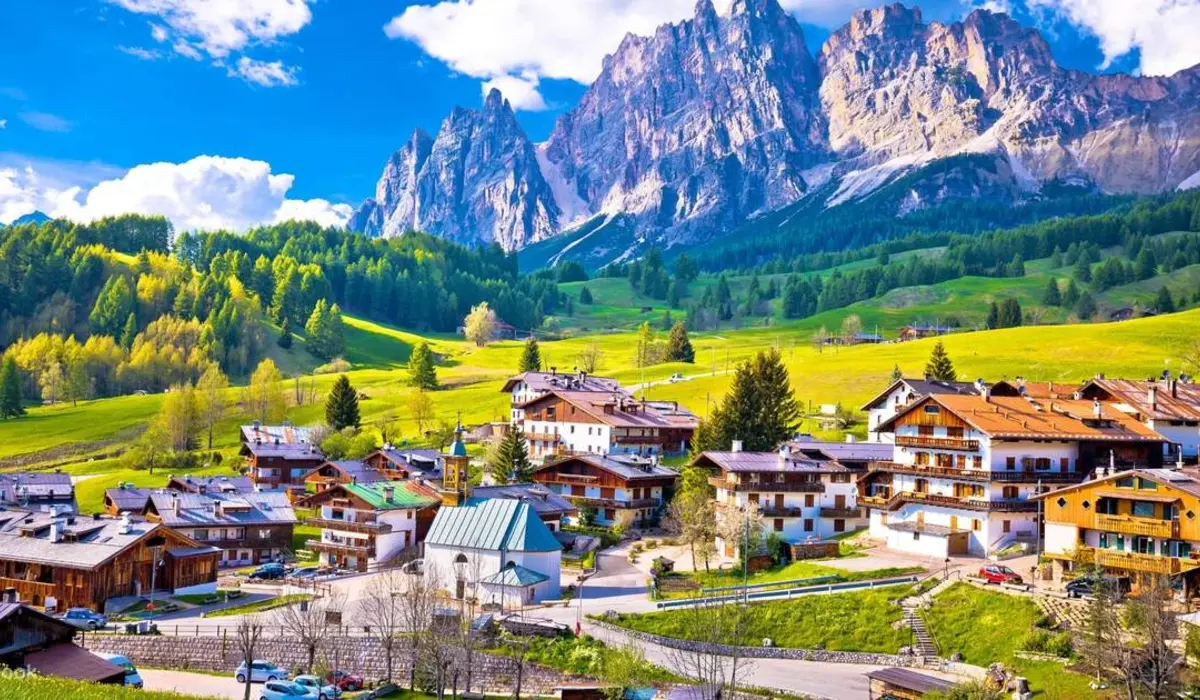
Just a short drive north into the dramatic Dolomites, alpine chefs are pairing rugged mountain ingredients like smoked meats and wild mushrooms with elegant, contemporary techniques. This striking contrast makes the region a must-visit for travelers seeking fresh inspiration.
Comparing the World’s Culinary Capitals
To help you choose your next flight, let’s look at what makes each of these top food destinations unique. Every city has its own rhythm, primary flavor profile, and ideal style of exploration.
| City | Signature Flavor Element | Best Fine Dining Experience | Essential Casual Bite |
| Lima | Citrus, chilies, fresh seafood | Multi-altitude tasting menus | Causa Limeña (layered potato dish) |
| Tokyo | Umami, fresh seasonal fish | Counter-style sushi omakase | Shio ramen in a hidden alley |
| Bangkok | Lemongrass, lime, fiery chilies | Innovative royal Thai cuisine | Crab omelet from a legendary stall |
| Venice | Lagoon seafood, wild herbs | Refined canal-side dining | Cicchetti (Venetian tapas) with wine |
Smart Tips for Planning a Luxury Food Vacation
An incredible food vacation does not happen by accident. The best spots book out months in advance, meaning a little strategy goes a long way.
1. Secure your anchor reservations early: 3 to 6 months before.
Identify the one or two world-class restaurants you absolutely must try. Map out their booking release dates and set an alarm to secure your table the moment it opens.
2. Mix high-end dining with local street life: Daily balance.
Do not overbook yourself with heavy tasting menus. Balance a formal dinner with a morning market tour or a casual lunch counter to experience the city’s true heartbeat.
3. Hire a trusted local culinary guide: Day 1 or Day 2.
A knowledgeable local guide can unlock hidden neighborhoods, introduce you to vendor owners, and explain the history behind complex regional dishes.
4. Align your travel dates with micro-seasons: Booking phase.
Research specific food seasons, such as the white truffle harvest in Italy or the peak seafood months in Japan, to ensure you taste ingredients at their absolute best.
Keep in mind that the finest meals are rarely just about the price tag. The most memorable culinary travel moments come from the care, history, and passion that a chef pours into a single plate.
Emerging Culinary Gems to Watch
The world of food travel guide maps is constantly expanding. Beyond the household names, several exciting regions are stepping into the global spotlight for sophisticated travelers.
According to recent data from the Michelin Guide, the Philippines is on the verge of a major international breakthrough, with cities like Manila and Cebu earning praise for their vibrant, balance-driven dishes.
Meanwhile, Saudi Arabia is experiencing a fascinating culinary evolution, as modern restaurants in Riyadh beautifully blend historic desert hospitality with contemporary global trends. Keeping an eye on these rising spots ensures your travel itinerary stays ahead of the curve.
Elevating the Travel Experience
At Pravi Celer, we believe that true luxury lies in the details of an experience. It is the joy of discovering a hidden neighborhood spot that your friends back home have never heard of, or learning the complex history behind an ancient cooking technique directly from a master chef.

When you plan your journey around the best food cities in the world, you are doing more than just sightseeing. You are using food as a window to understand the soul, history, and people of a destination. It is a beautiful, deeply fulfilling way to see the world, one incredible bite at a time.
FAQs
What makes a city one of the best food cities in the world?
A world-class food city needs a combination of deep culinary heritage, access to high-quality fresh ingredients, and a diverse range of dining options. The top destinations offer exceptional food at every price point, from humble street-side stalls to innovative, globally ranked fine dining establishments.
How can luxury travelers book tables at highly exclusive restaurants?
Securing reservations at top-tier venues requires planning well in advance, often three to six months ahead. Utilizing premium credit card concierge services, staying at luxury hotels with well-connected concierges, or joining specialized culinary travel platforms can significantly increase your chances of landing a coveted table.
Why is culinary tourism growing so rapidly among luxury travelers?
Modern travelers increasingly prioritize experiential, authentic memories over static luxury goods. Sharing a meal is a direct, emotional way to connect with a foreign culture, making food the perfect centerpiece for a meaningful and immersive vacation.
Is street food safe for luxury travelers to explore?
In major food hubs like Bangkok or Mexico City, street food is a vital part of the cultural fabric and is generally highly reliable. To enjoy it safely, look for vendors with long lines of local residents, high turnover rates, and clean, open preparation spaces.
