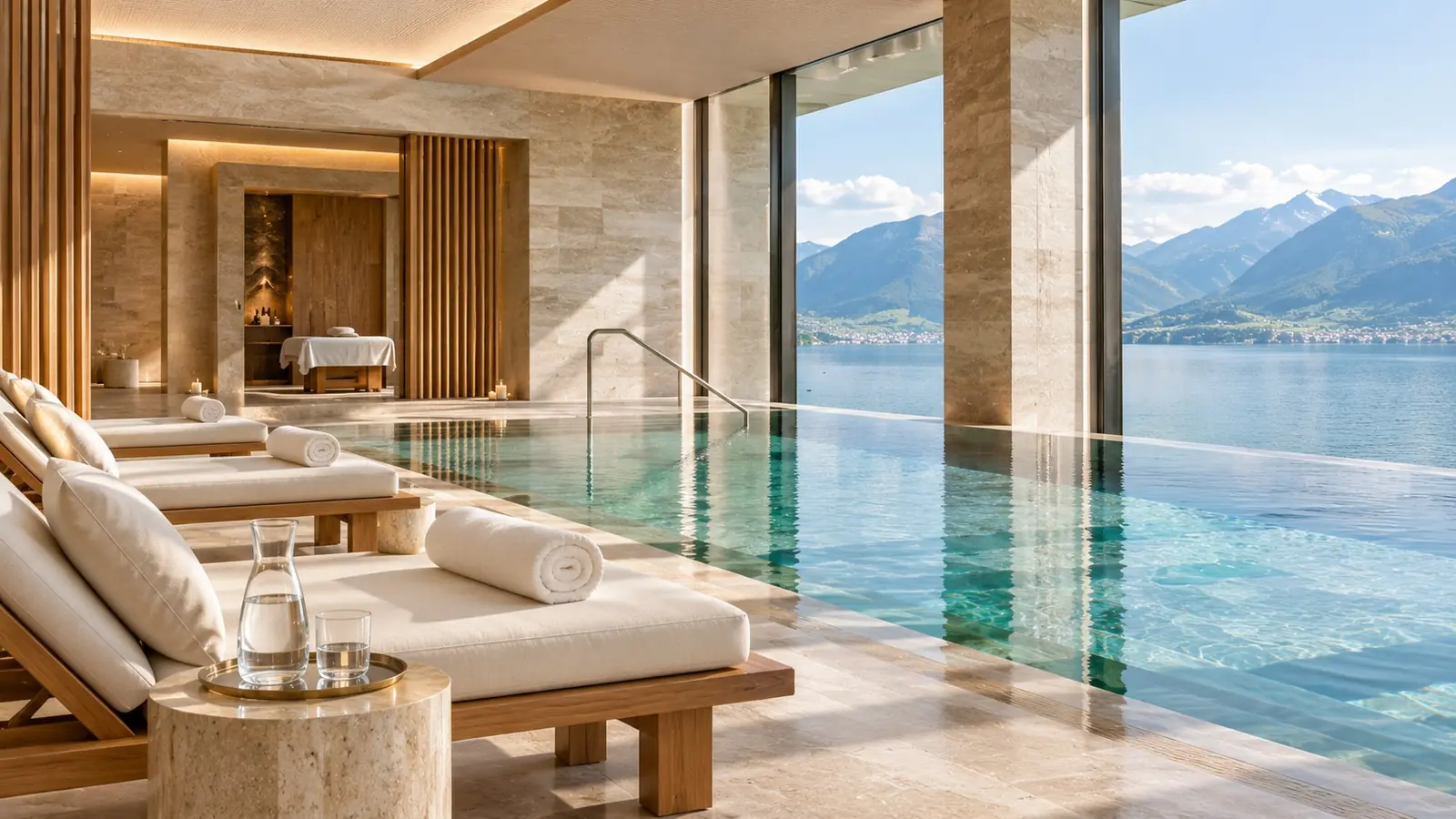
The best luxury spas in the world do not simply offer a massage and a scented room. They offer a complete change of rhythm. Days are measured in slow mornings, long lunches and unhurried treatments. The architecture, the landscape and the people looking after you all serve a single purpose: to help you leave feeling genuinely restored. A truly great spa is not a hotel amenity. It is a destination in its own right.
This guide gathers the spas that consistently set the standard. They range from a Thai retreat on a private peninsula to a medical wellness clinic on the Spanish coast. The list also includes a Himalayan palace, a lakeside sanctuary in Switzerland and the quiet treatment rooms of some of the world’s most considered hotels.
Each one is exceptional for a different reason. Some are built around medical science and measurable results. Others focus on silence, nature and time. What they share is an uncompromising attention to detail. Their therapists train for years rather than weeks. Their atmosphere makes doing very little feel like the most luxurious thing in the world.
What Makes a Spa Truly World-Class
Before the names, it is worth knowing what separates a good spa from a great one. The first test is time. A world-class spa never rushes you. Consultations are long, and treatments are given their full duration.
There is always somewhere beautiful to sit afterwards with tea, water and nothing in particular to do. The second test is coherence. The food, the movement classes, the architecture and the treatments should all point in the same direction. That direction might be detoxification, deep rest or simply pleasure.
The third test is the people. At the finest spas, therapists are career professionals. Many are trained in traditions such as Thai massage, Ayurveda and Traditional Chinese Medicine. These practices take years to learn properly. You can feel the difference within minutes.
The pressure is assured rather than tentative, and the treatment feels composed rather than improvised. Finally, there is setting. The best spas in the world are inseparable from where they stand. This might be a cliff above the Andaman Sea, a valley in the Himalayan foothills or the shore of Lake Lucerne. They use that setting as part of the treatment itself.
Amanpuri, Phuket, Thailand
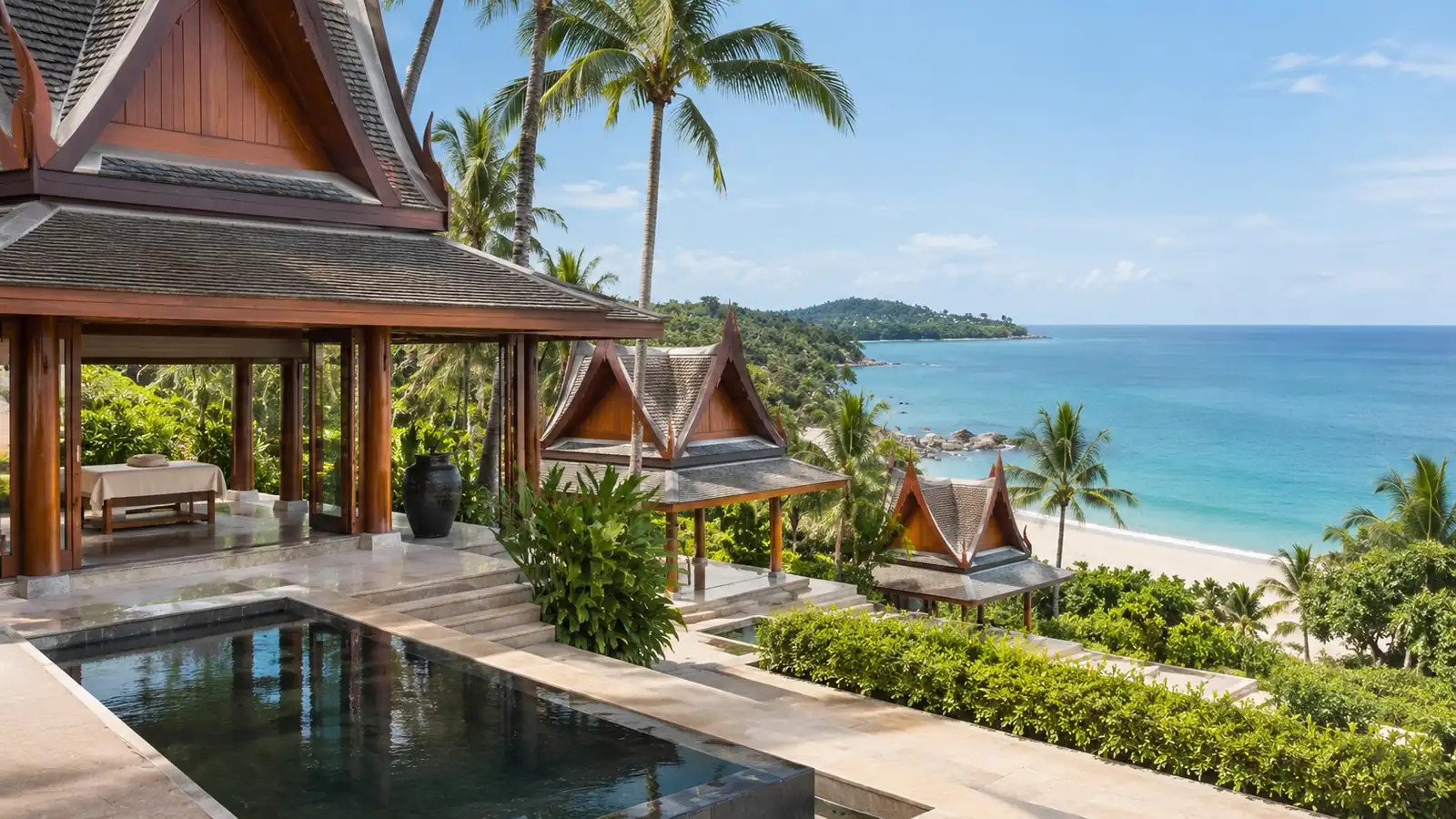
Amanpuri, on its own private peninsula on Phuket’s west coast, was Aman’s first resort. It opened in 1988, and its spa remains one of the most quietly perfect in Asia. The Aman Spa sits above the beach in a series of open pavilions. Its treatment rooms look out over the Andaman Sea.
The design owes everything to Thai temple architecture and nothing to ornament for its own sake. There is no music piped through hidden speakers and no scent pumped into the corridors. The sound is the sea, and the scent is frangipani from the gardens below.
Treatments draw on Thai healing traditions alongside more familiar Western therapies. The signature journeys combine a Thai massage with a body scrub, a wrap and a long, unhurried facial. The massage is firm, rhythmic and deeply stretching.
A single treatment typically runs from around $200 to $400. Half-day and full-day journeys can reach $800 or more. Guests who want a structured programme can book multi-day wellness immersions. These pair daily treatments with movement, meditation and the resort’s famously restrained, beautiful food.
Much of what makes Amanpuri’s spa so particular is the resort around it. That same philosophy of stillness is what why Aman resorts are the quietest luxury on earth explores in full.
Chiva-Som, Hua Hin, Thailand
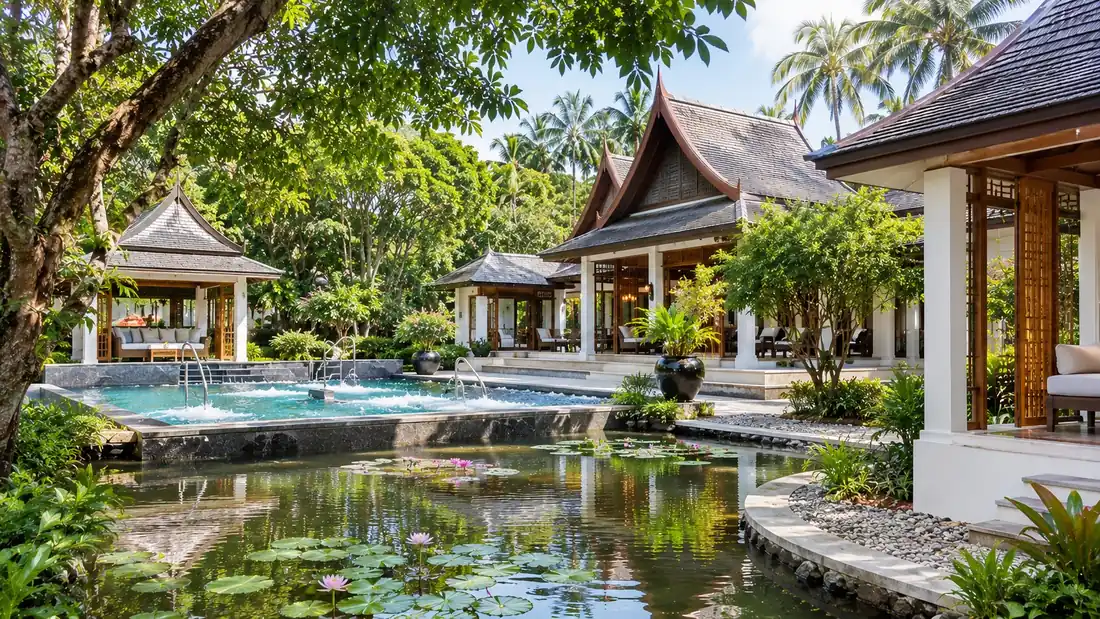
Chiva-Som, on the Gulf of Thailand at Hua Hin, is the spa against which almost every other destination spa is still measured. Founded in 1995, it was one of the first resorts in the world to treat wellness as a serious, structured discipline rather than a pleasant extra.
Three decades on, it remains remarkably uncompromising. Guests arrive for a health consultation on the first day. A programme is then built around them. It may include physiotherapy, naturopathy, Traditional Chinese Medicine, Ayurveda, fitness, nutrition and a long menu of treatments.
The setting is a seven-acre garden of lotus ponds, frangipani trees and whitewashed pavilions. The atmosphere is one of gentle discipline. Meals are light, inventive and largely organic. They are served in a dining room where conversation is quiet and phones are nowhere to be seen.
Rooms are comfortable rather than opulent. This is because the luxury here is not in the thread count but in the expertise. More than 200 health and wellness professionals work on site.
A stay of three nights with a programme of daily treatments typically starts at around $3,000 to $4,000 per person. Chiva-Som suits the guest who wants a genuine reset with expert guidance. It is ideal for someone ready to be assessed, advised and gently held to a plan.
SHA Wellness Clinic, Alicante, Spain
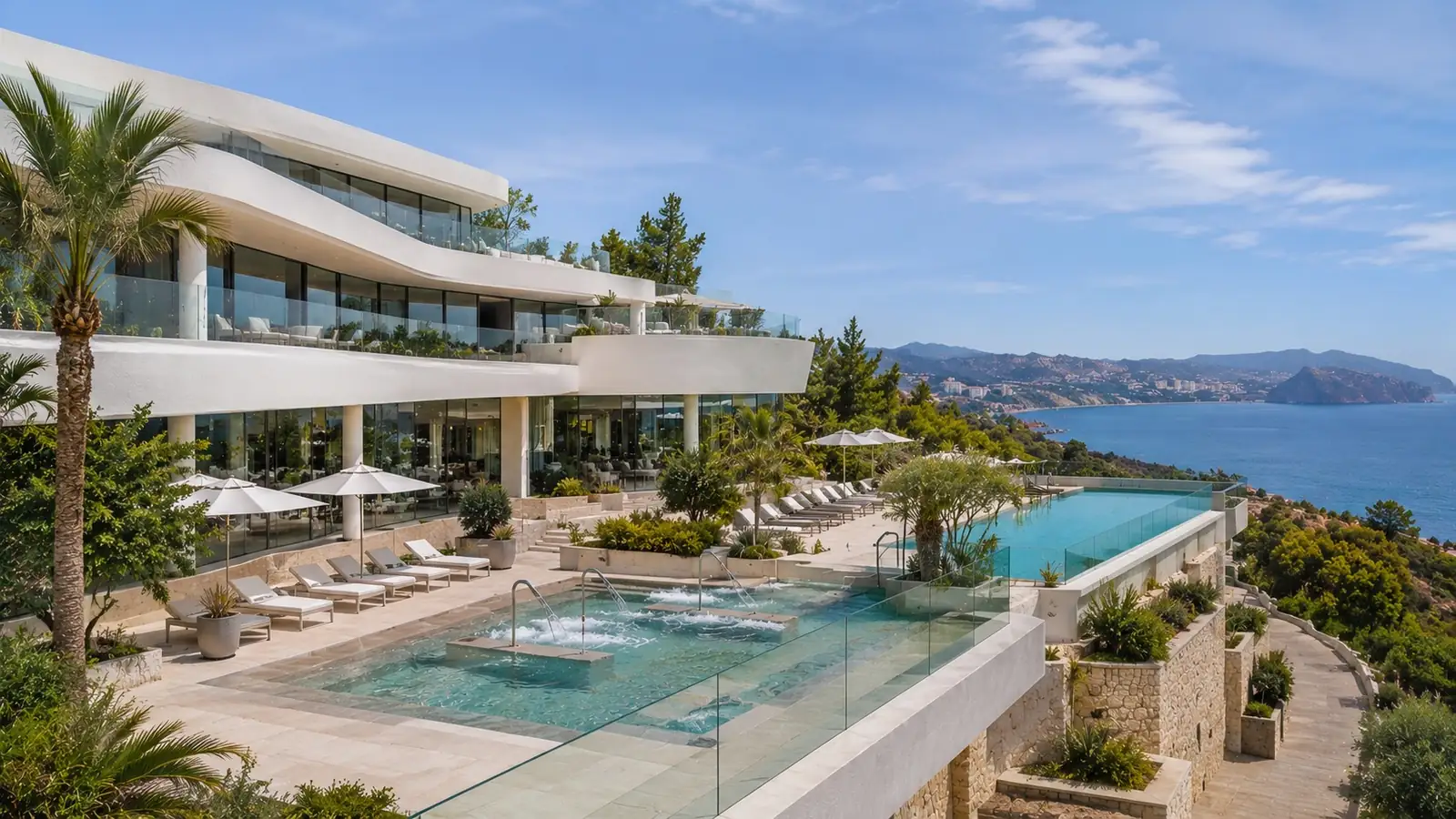
SHA Wellness Clinic, on a hillside above the Mediterranean near Alicante, is the most medically serious spa on this list. It makes no apology for it. Founded in 2008, SHA combines a five-star hotel and a proper clinic.
Doctors, nutritionists, physiotherapists and specialists in sleep, ageing and cognitive health work alongside chefs, trainers and therapists. The method blends modern medicine with macrobiotic nutrition and Eastern therapies. Every stay begins with medical consultations and diagnostic tests.
The building itself is a study in calm. It is white, curved and flooded with light, with views across the sea from almost every room. The food is a revelation for anyone who assumes that a health clinic must serve penance on a plate.
SHA’s macrobiotic kitchen produces meals that are genuinely pleasurable. The spa’s hydrotherapy circuit, with its pools, saunas and salt rooms, is one of the finest in Europe. Signature programmes include the four-night Detox and Optimal Weight programme and the seven-night Rebalance and Detox.
Stays typically start at around €4,000 to €5,000 for four nights. SHA is the choice for a guest who wants measurable change. This might mean better sleep, lower stress or a real shift in energy. It suits someone who is comfortable with a programme that is structured and scientific, and taken seriously by everyone involved.
Ananda in the Himalayas, Rishikesh, India
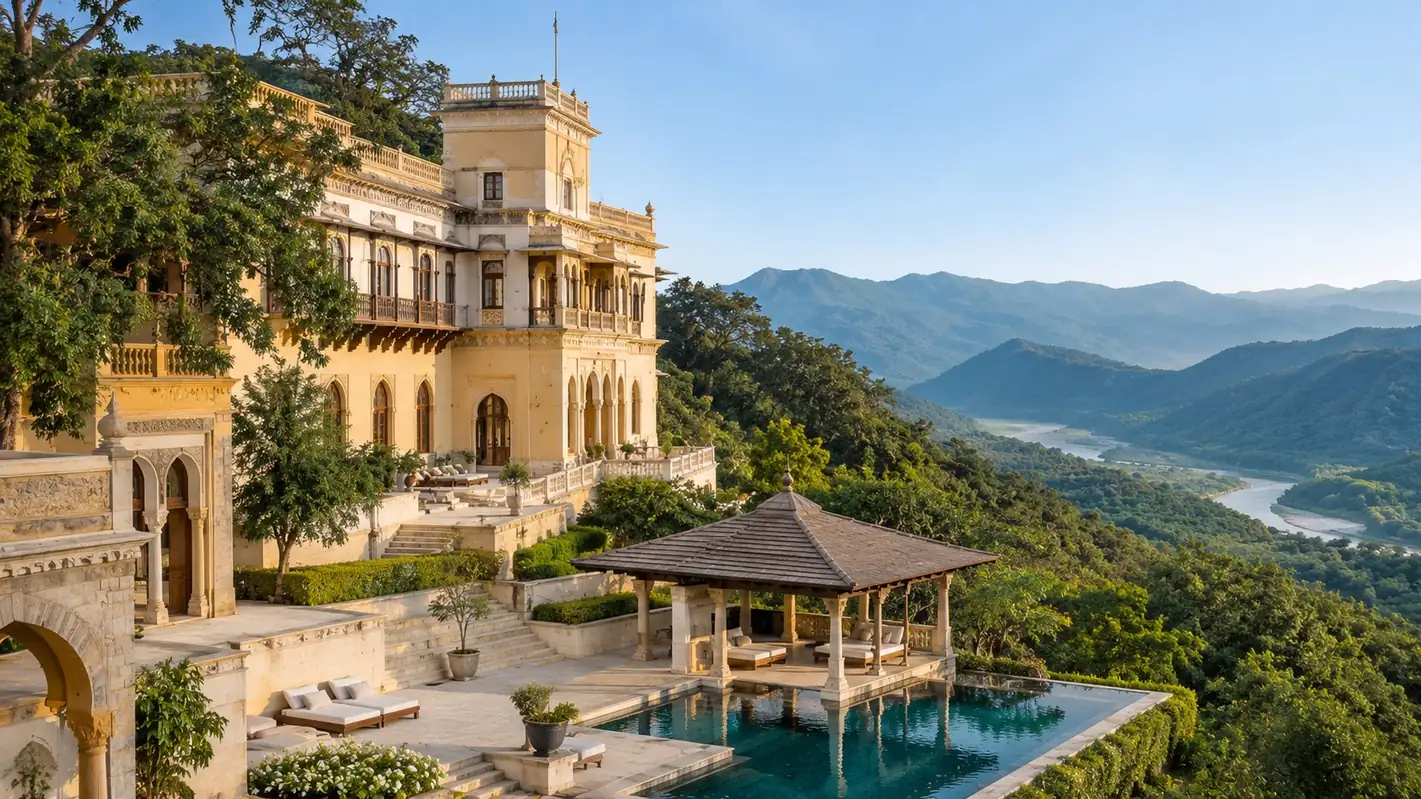
Ananda sits in the former palace of the Maharaja of Tehri Garhwal. It occupies 100 acres of sal forest above Rishikesh, looking out over the Ganges valley and the Himalayan foothills. It is, quite simply, one of the most beautiful spa settings on earth.
The spa itself covers 24,000 square feet. It includes treatment rooms, hydrotherapy pools, a hammam, a gymnasium and a yoga pavilion. Everything is built around Ayurveda, yoga and Vedanta. These are the three traditions that have been practised in this valley for thousands of years.
Every stay begins with a consultation with an Ayurvedic physician. The physician determines your dosha your constitutional type and prescribes a programme of treatments, diet and daily routine accordingly. The signature therapies include abhyanga, a four-handed warm-oil massage. Another is shirodhara, in which warm oil is poured in a slow, continuous stream over the forehead.
The spa also offers deeply restorative Ayurvedic detox programmes that run over seven, fourteen or twenty-one days. Hatha yoga at dawn in the open pavilion, walks through the forest and quiet evenings that end early are all part of the treatment.
A three-night stay with daily treatments typically starts at around $1,500 to $2,500 per person. Ananda suits the traveller who wants depth and tradition rather than novelty. It also appeals to those drawn to the idea that a spa can be a place of genuine spiritual as well as physical renewal.
Lefay Resort & SPA Lago di Garda, Italy
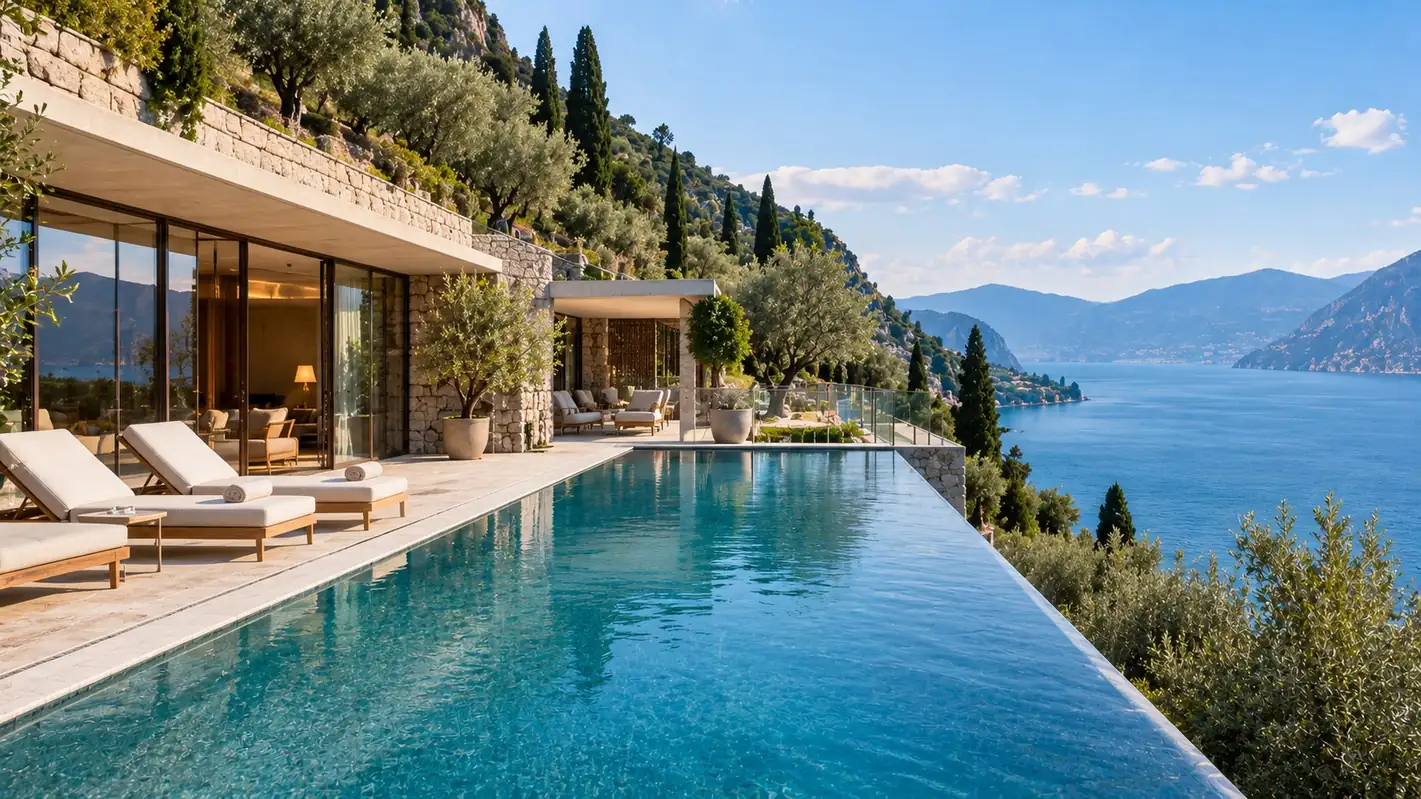
Lefay, above the western shore of Lake Garda at Gargnano, is Italy’s answer to the great destination spas. It is a thoroughly Italian answer: beautiful, unhurried and built around the pleasure of being well rather than the duty of it.
The resort is set in eleven hectares of olive groves and woodland. Its spa covers more than 4,300 square metres. It is organised around the Lefay SPA Method, which combines classical Chinese medicine with Western scientific research on longevity.
The spa’s centrepiece is a vast water world. It includes indoor and outdoor pools, saunas, a salt-water lake and treatment rooms with views across the lake to the mountains beyond. Signature treatments include the Lefay rituals, which pair massage with acupressure and the use of the resort’s own olive-oil-based skincare. The skincare is made from olives grown on the estate.
The food is light Mediterranean cooking, much of it from the resort’s own gardens. The atmosphere is one of civilised ease. A stay with spa access and treatments typically starts at around €400 to €600 per night for the room. Signature treatments start at around €200 to €350. Lefay is the choice for a guest who wants wellness without austerity. It is a spa that feels like a holiday in the fullest sense, with Lake Garda doing half the healing.
The Dolder Grand Spa, Zurich, Switzerland
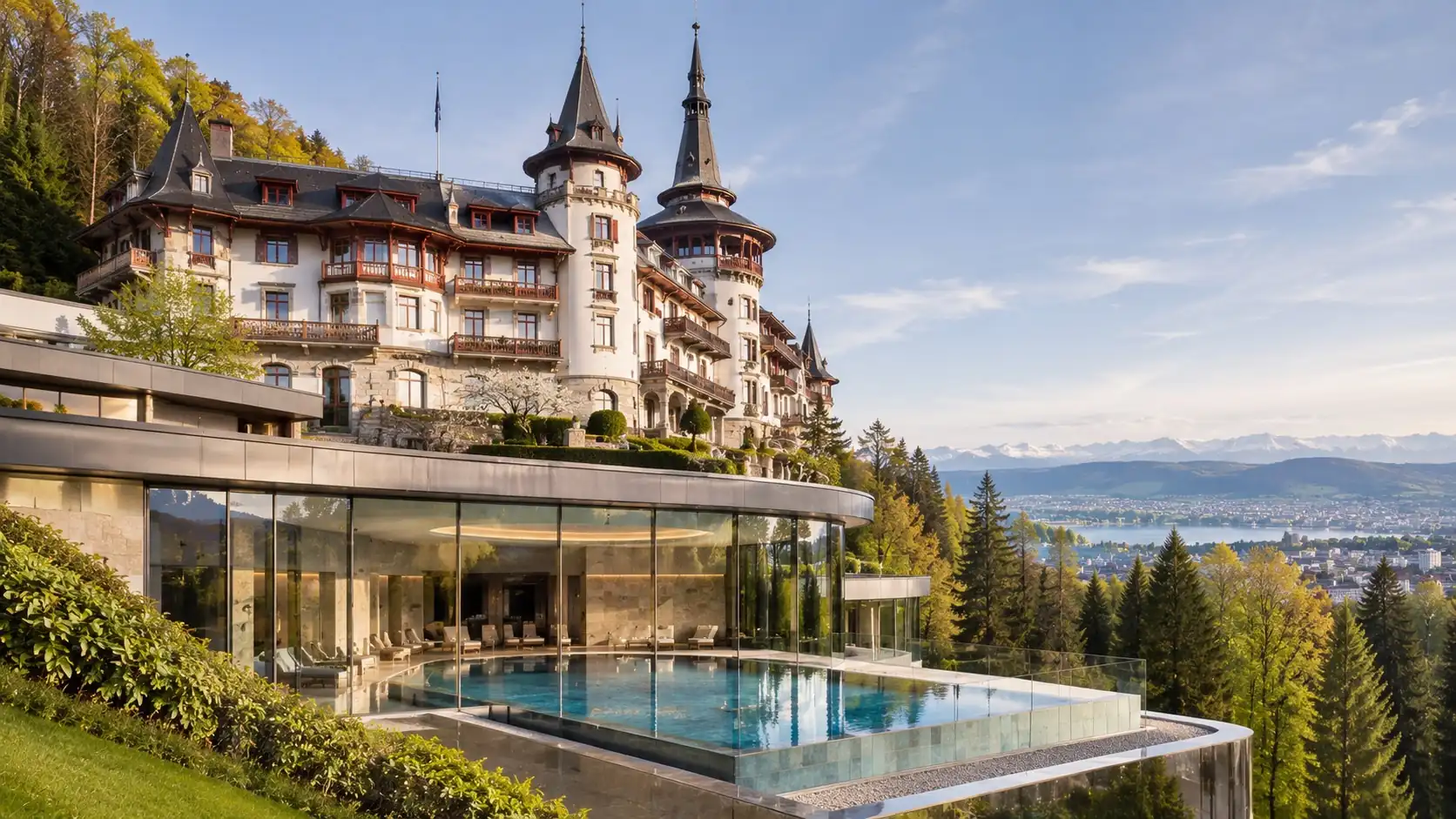
The Dolder Grand, on a wooded hill above Zurich, is a grand hotel in the old European sense a 19th-century palace rebuilt by Norman Foster and its spa, opened in 2008, is one of the most architecturally striking in the world. The 4,000-square-metre spa is a landscape of water and light, designed so that the eye rests and the mind follows.
Treatments use products from Swiss skincare houses and from La Prairie, whose spa here is one of its flagships, and the menu runs from classic massages and facials to the long, ritualistic La Prairie treatments that are the spa’s signature.
The Dolder’s medical spa offers more clinical programmes too, including check-ups and aesthetic medicine. A treatment typically costs from around CHF 200 to CHF 500, and the spa is open to non-residents by appointment, which makes it a rare entry on this list: you can visit for an afternoon rather than a week.
The Dolder suits the traveller who wants a single, immaculate spa day in a grand setting, and who values Swiss precision, discretion and immaculate service above all.
Chenot Palace Weggis, Lake Lucerne, Switzerland
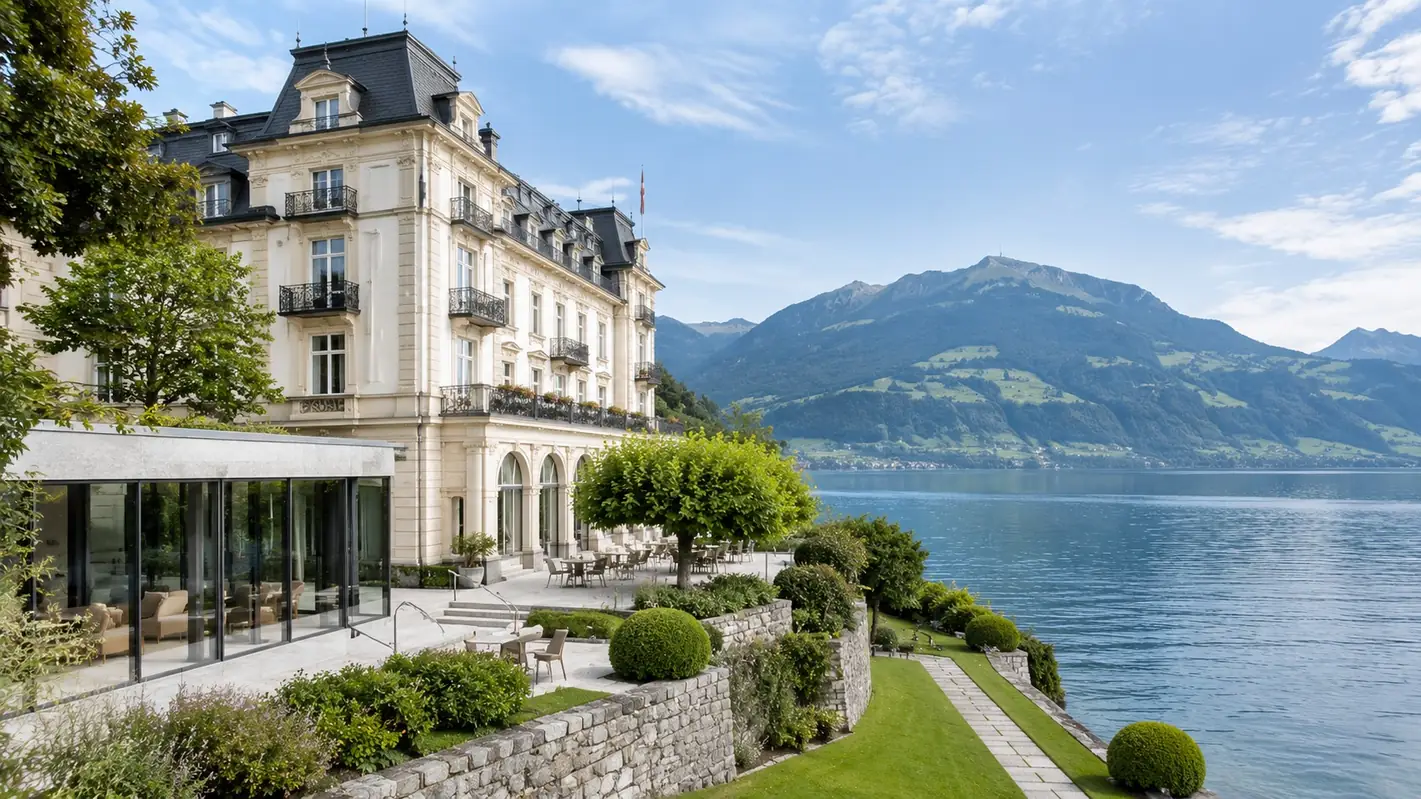
Chenot Palace Weggis, on the shore of Lake Lucerne with Mount Rigi rising behind it, is the home of the Chenot Method, the detox and longevity programme developed by Henri Chenot over more than fifty years. This is a spa for people who take detoxification seriously: the method combines a specific diet, hydrotherapy, mud treatments, massages and energetic treatments based on Traditional Chinese Medicine
The palace itself dates from 1875 and has been restored with great care; the interiors are calm and classical, the lake is visible from the treatment rooms and the dining room, and the medical spa more than 5,000 square metres includes a vast hydrotherapy circuit, a cryotherapy room, and a team of doctors, dieticians and therapists.
A stay is structured rather than free-form: meals are taken at set times, treatments are scheduled across the day, and guests are expected to follow the programme rather than pick at it. Programmes typically run from three to seven nights, with prices starting at around CHF 4,000 to CHF 5,000 for a shorter stay. Chenot is the choice for a guest who wants a rigorous, medically supervised detox and is prepared to commit to it fully.
ESPA at The Ritz-Carlton
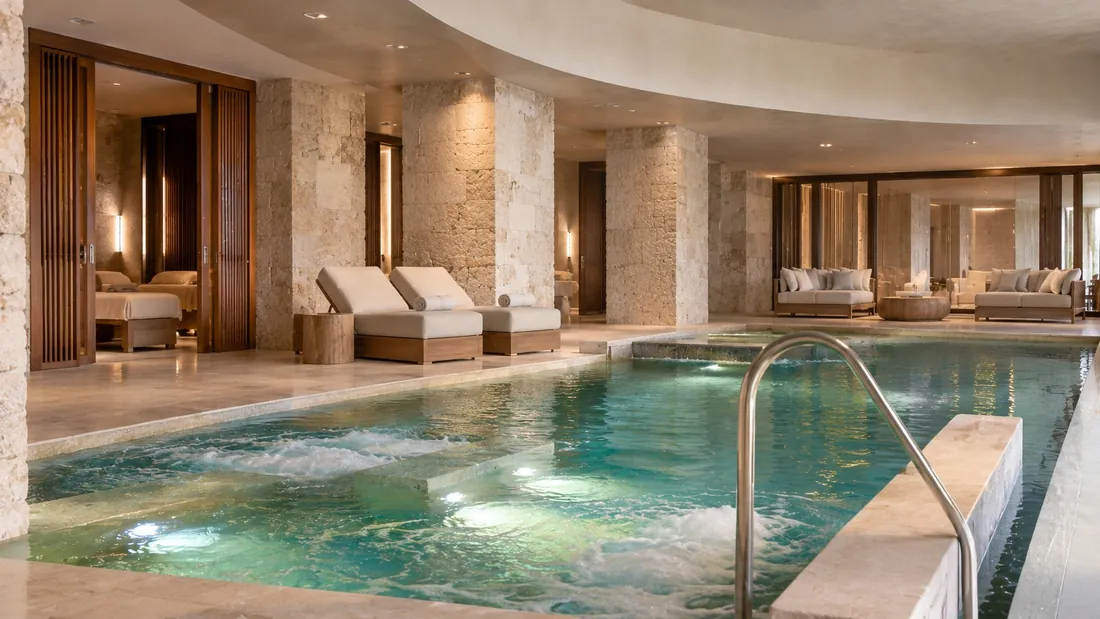
ESPA is the spa brand behind some of the finest hotel spas in the world, and its partnership with The Ritz-Carlton has produced treatment rooms that are, in many cities, the quietest and most accomplished places to spend an afternoon. The Ritz-Carlton spas that carry the ESPA name share a common language: low light, natural materials, and a menu built around ESPA’s own aromatherapy oils and signature rituals.
The signature ESPA treatments are long, layered affairs: a full-body exfoliation, a warm-oil massage, a facial, and time in the heat and water facilities before and after, so that a two-hour booking easily becomes half a day.
The therapists are trained in ESPA’s own schools, and the standard of the massage itself the pressure, the pacing, the attention to the back, neck and shoulders where most travellers carry their tension is consistently high.
Prices vary by city, but a signature treatment typically runs from around $250 to $500, and the spas are open to non-residents, which makes them the most accessible entry on this list. An ESPA at a Ritz-Carlton is the choice for a guest who wants a world-class spa experience without leaving the city or committing to a retreat: a perfect afternoon’s reset, delivered with the polish and discretion that both names promise.
Six Senses Spas
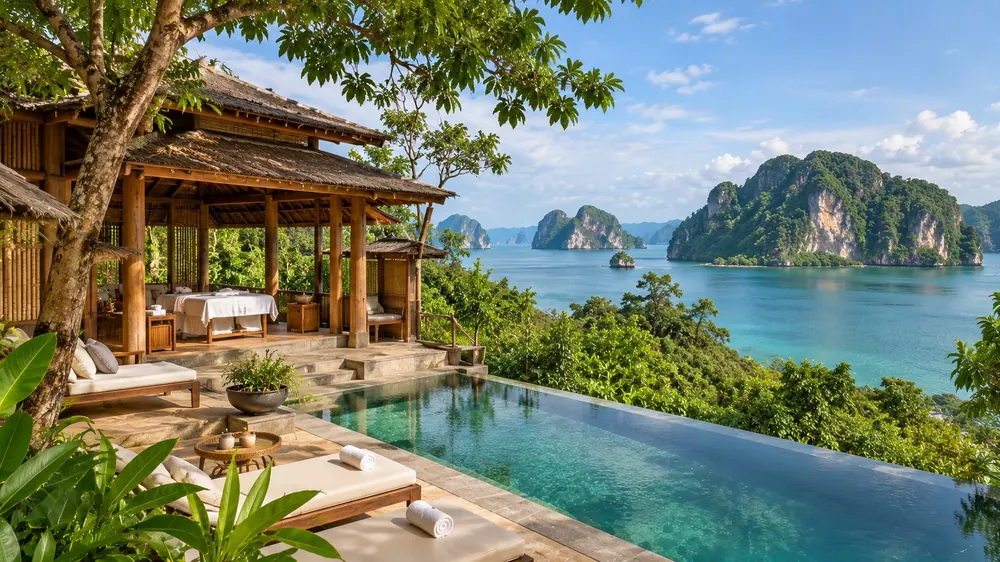
Six Senses does not have a single flagship spa. Instead, it has a philosophy applied with remarkable consistency across resorts. These range from the Douro Valley in Portugal to Yao Noi in Thailand, the Maldives, Oman and beyond.
The Six Senses spa is always integrated into its landscape. It features open-air pavilions, local stone and timber, and treatment rooms that look onto jungle, desert or sea. It is also built around natural, locally sourced ingredients and therapists trained in the traditions of the place.
Signature experiences vary by location, which is rather the point. Six Senses adapts its treatments to the traditions and natural resources of each destination. Thai locations feature traditional massage and herbal compresses, while Oman draws on frankincense and desert rituals.
In Portugal, the experiences take inspiration from the wines and waters of the Douro. What remains consistent is the quality of the sleep programme.
Six Senses was among the first hotel groups to treat sleep as a discipline. Its approach includes sleep tracking, sleep-inducing treatments and rooms designed for darkness and quiet. There is also a sense that the spa is not a separate department but the heart of the resort.
A treatment typically costs from around $150 to $350. Six Senses suits the traveller who wants a spa that belongs to its place. It also appeals to those choosing a resort as much as a treatment menu. For those drawn to remoteness as part of the cure, the same instinct that leads travellers to the best luxury lodges in Patagonia is at work here. Distance, landscape and quiet are themselves part of the treatment.
How to Choose a Spa for a Real Reset
Choosing well begins with honesty about what you actually need. When exhaustion is the main concern, choose rest: a spa with long, unstructured days, a beautiful pool, and no programme that requires you to be anywhere at seven in the morning.
For more specific needs, such as poor sleep, persistent stress, or a body that aches from travel or work, choose expertise. Look for a spa with doctors, physiotherapists or Ayurvedic physicians who can assess you properly and build a programme around their findings. If pleasure is what you want, choose beauty: a lakeside terrace, a clifftop pool, or a treatment room with a view worth sitting in for an hour afterwards.
Choosing the Right Spa Stay and Bringing the Benefits Home
Consider the length of stay next. A single afternoon can restore you, but a real reset takes at least three nights: the first day is for arrival and unwinding, the second for the treatments to begin working, and the third for the calm to settle into something you can carry home.
The great destination spas Chiva-Som, SHA, Ananda, Chenot are designed around stays of three nights or more, and booking a single night at one of them is rather like ordering a tasting menu and leaving after the first course. Consider, too, how much structure you want. Some guests flourish under a programme; others feel policed by one. There is no right answer, only the answer that matches your temperament.
Finally, think about the journey home. The best spa in the world is the one whose effects survive the flight back, and that has less to do with the treatments than with what the spa teaches you. A good spa sends you home with a practice a breathing exercise, a morning stretch, a simpler way of eating, a better understanding of your own sleep and with the memory of how it felt to live, even briefly, at a slower pace.
That is why the best spas in the world share a quality that has little to do with luxury in the ordinary sense, and everything to do with time. It is the same quality at the heart of slow travel, the luxury of time well spent: the understanding that the rarest thing a journey can give you is not a new sight, but unhurried hours of your own.
A Few Practical Notes
A word on prices. The figures in this guide are indicative, drawn from published rates, and they change with season, programme and length of stay. Ask for the full cost of the stay, including consultations, treatments and any supplements, before you commit, and remember that at the best spas the price includes something that does not appear on the invoice: the time and attention of people who have spent years learning how to look after you.
And a word on etiquette, which at a great spa is simple. Arrive early, leave your phone behind, tell your therapist what you need more pressure, less pressure, a sore shoulder and then let go of the need to direct the experience. The finest spas in the world are staffed by people who have done this thousands of times. Trust them, and the hours will take care of themselves.
May the calm you find in one of these rooms stay with you long after the towels are folded and the journey home begins. Choose the spa that matches the rest you truly need, book it properly, and give yourself the rare gift of days that belong entirely to you.