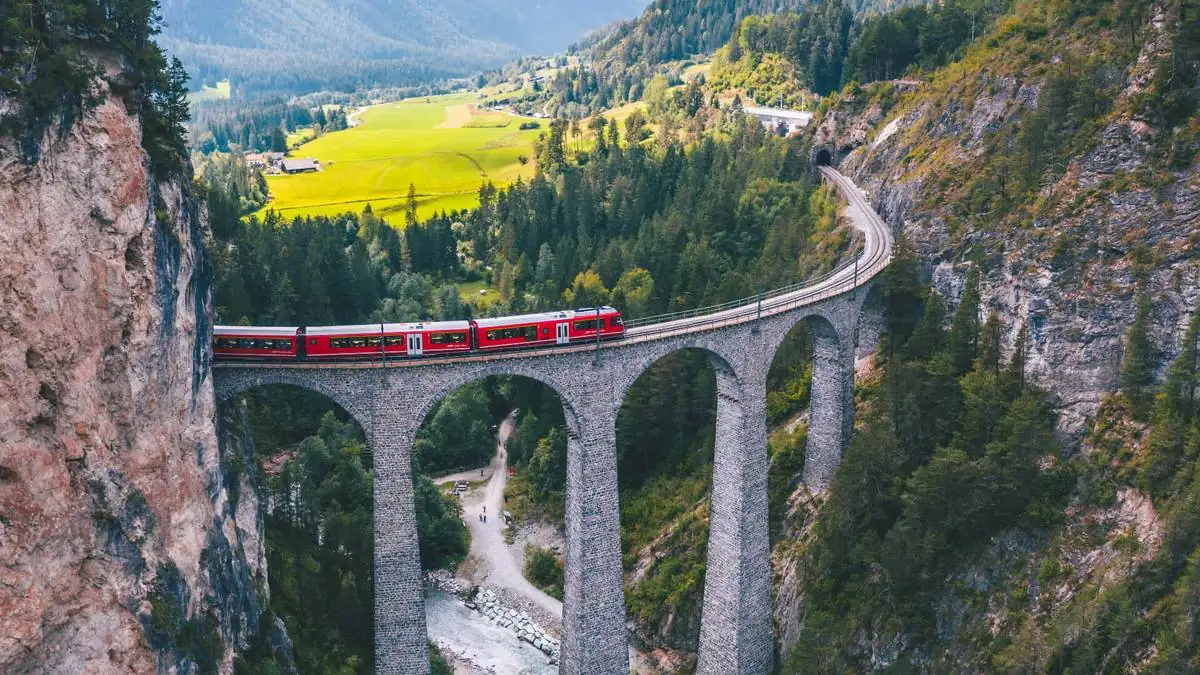
There is a particular kind of journey that begins before you arrive anywhere. The train pulls out of the station in the morning, the valley opens below the viaduct, and for the next few hours there is nothing to do but watch the landscape pass at the speed it was made to be seen. That feeling of time widening rather than narrowing is the whole point of slow travel, and it is quietly becoming the most sought-after luxury in the world.
Slow travel is not a trend, and it is not a compromise. It is the decision to treat time as the rarest thing a journey can offer, and to spend it well.
Where fast travel measures a trip in sights covered and miles flown, slow travel measures it in mornings without an alarm, in a village that becomes familiar over a week, and in the pleasure of getting somewhere properly.
The luxury is not in the thread count, though it may be excellent. It is in the absence of hurry itself.
What Slow Travel Actually Means
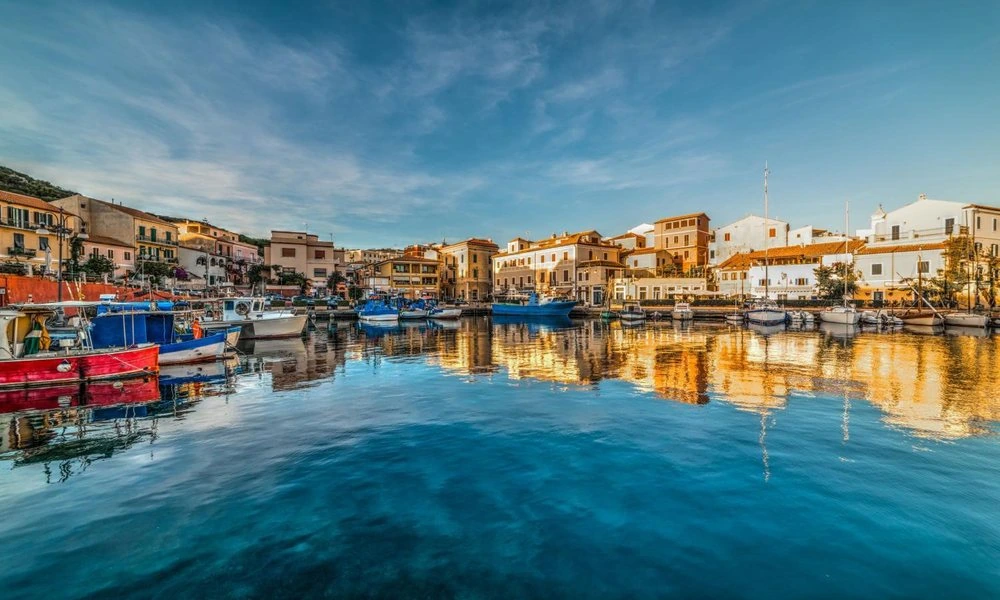
At its simplest, slow travel means fewer places, more time in each of them, and a pace set by the place rather than the schedule. A slow traveller might spend a week in one coastal village instead of three nights in three cities.
She might take the train between two towns rather than the flight, not to save money but to keep the journey itself. She might walk the last stretch of road because the road is worth walking. The pattern is always the same: less ground covered, more of it actually experienced.
The idea has its roots in the slow movement, which began with food with the insistence, in Italy in the 1980s, that a meal was worth taking time over and spread, over the decades, to the way people work, live and travel. The principle translates neatly.
A fast journey treats a place as a list of attractions to be collected. A slow journey treats it as a place to live in for a while: to learn which bakery opens earliest, which table in the square catches the evening light, which walk the locals take at dusk. That knowledge cannot be bought or hurried.
It is worth being clear about what slow travel is not. It is not backpacking on a budget, though it can be done simply, and it is not a refusal of comfort quite the opposite.
The finest slow journeys are among the most comfortable in travel: a sleeper train with a proper dining car, a small hotel where the staff know your name by the second day, a villa with a pool and nothing on the agenda. A fast luxury trip buys intensity. A slow one buys depth.
Why Time Became the Rarest Luxury
There was a time when speed itself was the luxury. The first passengers to cross an ocean by steamship, or a continent by rail, paid for the thrill of arriving sooner than anyone had arrived before. For more than a century, travel sold itself on the same promise: faster, further, more.
The modern traveller has inherited that promise in its most extreme form a weekend that touches three cities, a holiday assembled from connections and layovers, a camera roll full of places barely visited.
Something has shifted. Ask seasoned travellers what they remember best from their finest trips, and the answers are rarely the landmarks. They remember a morning on a terrace, a conversation with a winemaker, a road that wound through hills for an hour without another car.
The landmarks fade; the unhurried hours stay. Slow travel is built on that observation: what a journey gives you depends not on how much you cover, but on how much attention you give to what you cover.
The Slow Ways to Move
The way you move sets the tempo of everything that follows. A flight compresses a journey into its endpoints; the hours between departure and arrival are lost, endured rather than enjoyed. The slow ways of moving do the opposite. They make the hours between places the best part of the trip.
By Rail, at the Speed of the Landscape
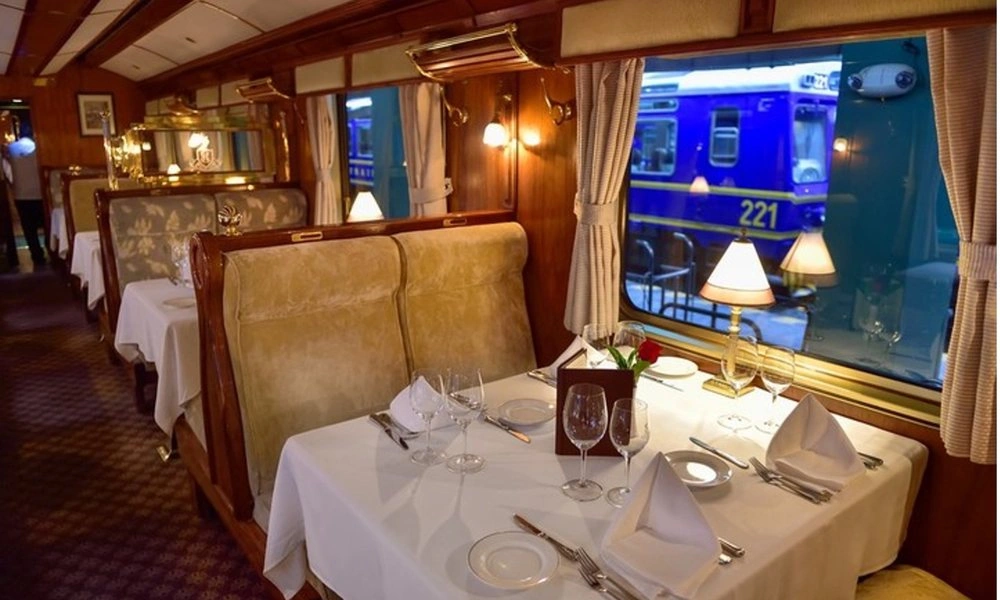
No form of travel suits slowness better than the train. A scenic railway crosses the landscape at the speed the landscape deserves: fast enough to cover real distance in a day, slow enough for a valley to unfold properly outside the window.
The great sleeper trains of Europe understood this a century ago, and the best of them still run on the same principle dinner in the dining car as the light changes, a night of proper sleep in a proper bed, and a morning arrival in a city you have approached gradually rather than dropped into.
The pleasure of rail travel is partly in what it removes. There are no security queues, no hours spent in an airport built for throughput rather than people. You arrive at the station minutes before departure, step aboard, and the journey begins.
The hours on board are genuinely yours: to read, to talk, to watch a river valley give way to mountains, to eat lunch as the countryside passes. A train journey does not ask you to fill the time. It fills it for you.
For the slow traveller, the advice is simple. Choose the daytime train over the night flight when the route is beautiful, and the sleeper over the early flight when the distance is long.
Book the dining car, take the window seat, and leave the headphones off for the first hour. The landscape is the entertainment, and it does not need competition.
By Sea, Where the Journey Is the Point
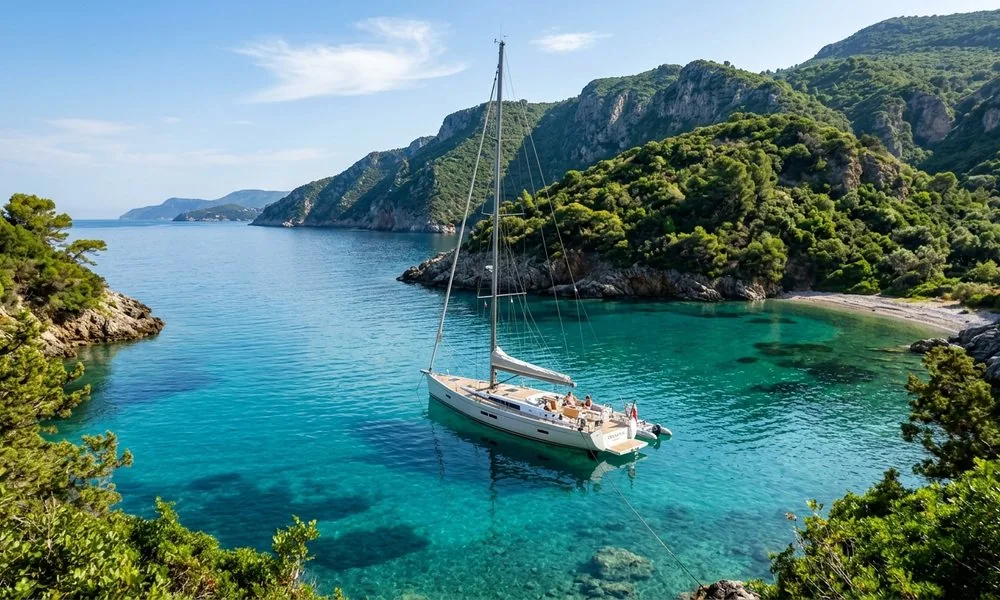
The sea has always imposed its own pace, and that is its gift. A sailing yacht cannot be hurried; it moves at the speed of the wind, anchors where the water is calm, and waits out weather rather than fighting it.
Aboard a small yacht, the day arranges itself around simple things: a morning swim in a cove no road reaches, lunch cooked on deck, an afternoon of reading at anchor, a sunset that arrives without any need to be anywhere else. It is slow travel in its purest form, because the vessel itself refuses to rush.
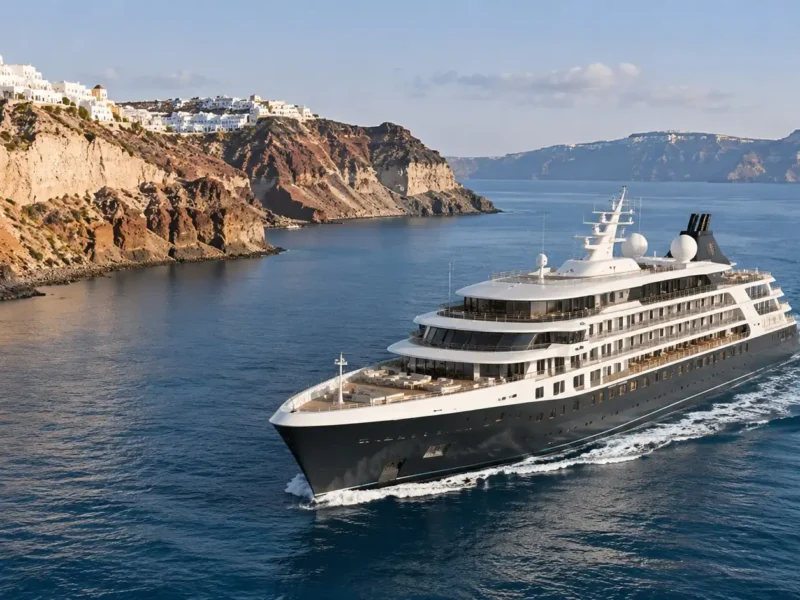
Larger ships offer their own version of the same pleasure. The finest small-ship voyages are built around the idea that the sea is the destination, not the road to it days at sea that are meant to be savoured, ports reached without haste, itineraries with room for a change of plan when the light is good somewhere unexpected.
Our guide to the world’s most luxurious cruise journeys follows exactly that principle: the journeys that earn their place do so through the quality of the sailing itself, not the number of ports ticked off.
Whether the vessel is a yacht or a ship, the rule is the same: choose the smaller one, and the slower itinerary. A small ship can enter harbours the great vessels pass by, and linger at anchor when the evening is fine. A yacht offers something no ship can the freedom to stay another day in a bay that has earned it, and to leave when the wind, rather than the timetable, says so.
On Foot, the Oldest Luxury of All
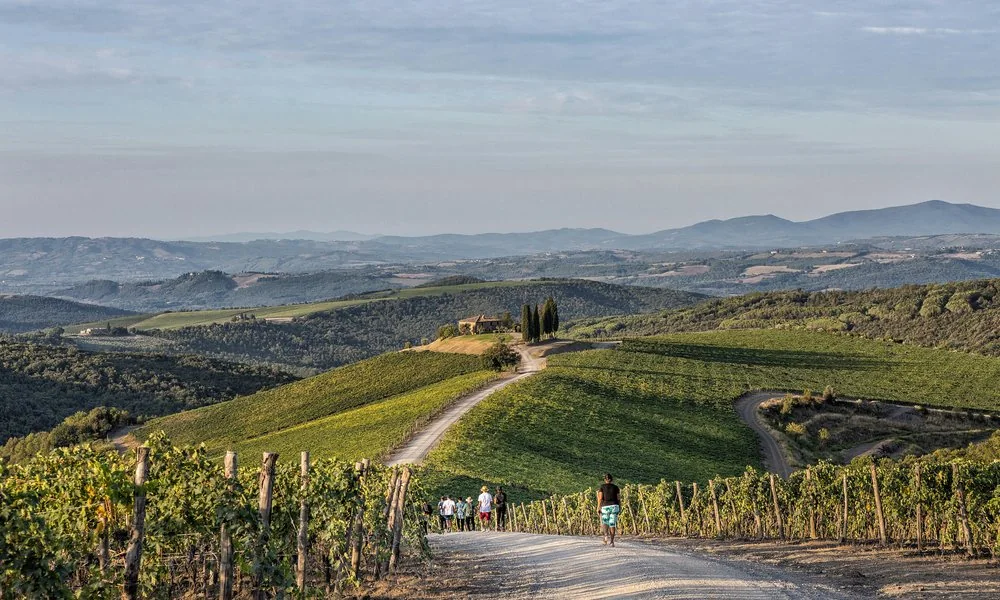
Walking is the slowest way to travel, and the one that repays attention most richly. At walking pace, a landscape stops being scenery and becomes a place: you notice the smell of the vines after rain, the sound of a village waking up, the way a hill reveals its view gradually rather than all at once.
The great walking routes understood this long before slow travel had a name. The Camino de Santiago, walked for a thousand years by pilgrims and now by travellers of every kind, is slow travel in its original form a journey measured in days on foot, in simple lodgings, in conversations with strangers who become companions by the second evening.
You do not need a pilgrimage to walk well. A week of gentle walking through vineyards or along a coast, with luggage carried ahead and a good hotel waiting each evening, is one of the finest journeys a person can take.
The days have a natural shape walk in the morning, lunch in a village, a slow afternoon and the evenings are earned in a way no sightseeing can replicate. The body, given a rhythm, settles; the mind, given a road, quietens. It is no accident that so many travellers call a walking holiday the most restful they have taken, even though it is the most physically demanding.
Where to Stay When You Stay Longer
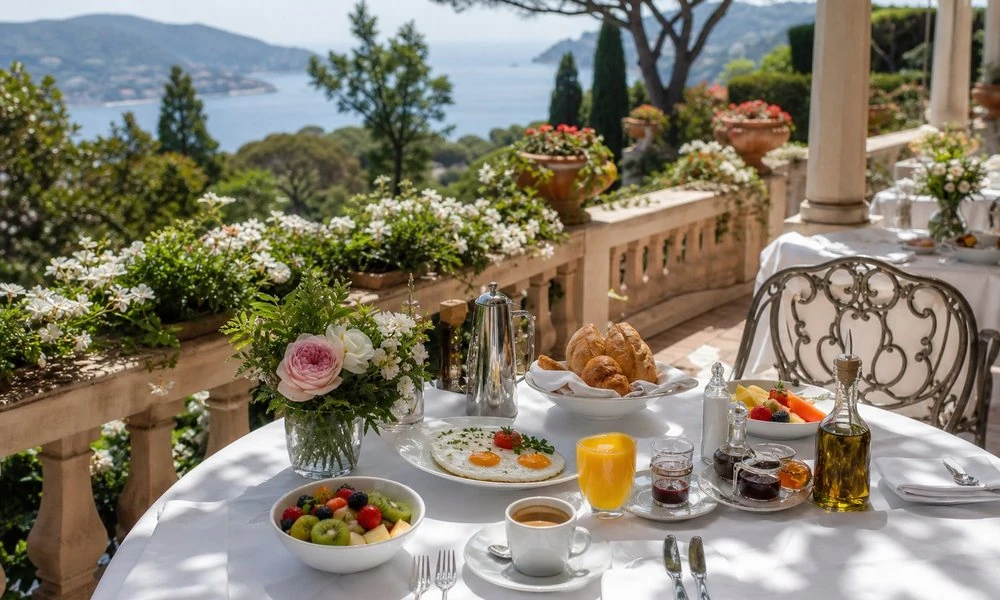
Slow travel changes what a traveller needs from a place to stay. For one night, a hotel is a bed and a shower. For a week in a village, it becomes a temporary home: a quiet room matters more than a grand lobby, a terrace where breakfast can stretch into the late morning matters more than a rooftop bar, and staff who remember how you take your coffee matter more than a grand concierge desk.
This is why small hotels suit slow travel so well. A boutique hotel with a handful of rooms cannot compete on scale, so it competes on attention: on knowing its guests, on cooking breakfast properly rather than grandly, on being part of its village rather than apart from it.
The best boutique hotels in Europe share this quality they are places where the stay itself is the experience, and where a week passes without the sense that anything is being missed elsewhere. Choose the hotel that makes you want to stay in, not the one that makes you want to go out.
Quiet Luxury Retreats and Private Villas
At the other end of the scale, the same principle holds for the great quiet retreats. Few hotel groups understand the value of stillness better than Aman, whose resorts are built around space, silence and the removal of everything unnecessary a philosophy explored in our account of why Aman resorts are the quietest luxury on earth.
And for travellers who want a place entirely their own, a villa suits slowness perfectly: a house with a pool, a kitchen, and a view that rewards sitting still. The test, in every case, is the same. Ask whether the place is good at doing nothing in. If it is if an afternoon on its terrace feels like a day well spent it is a place for slow travel.
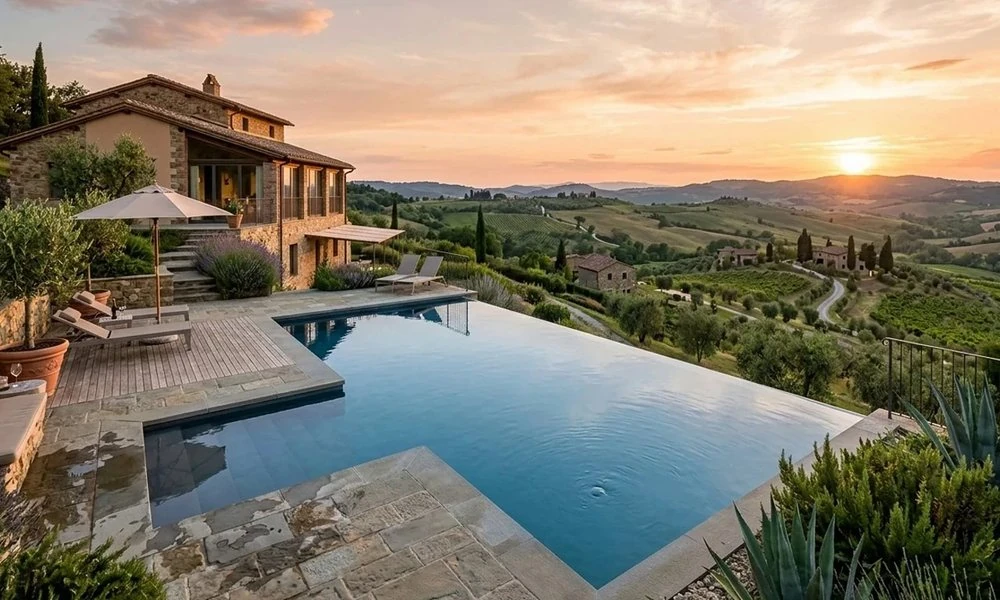
Length of stay matters as much as the choice of place. Three nights barely reveals a village’s rhythms; a week lets a traveller stop being a visitor and start being, briefly, a resident. Book fewer places for longer, and resist the temptation to fill the extra days. A slow itinerary should have empty days in it by design days with nothing booked, nothing to see, and nothing to prove. Those are usually the days that end up mattering most.
The Long Lunch and the Unscheduled Day
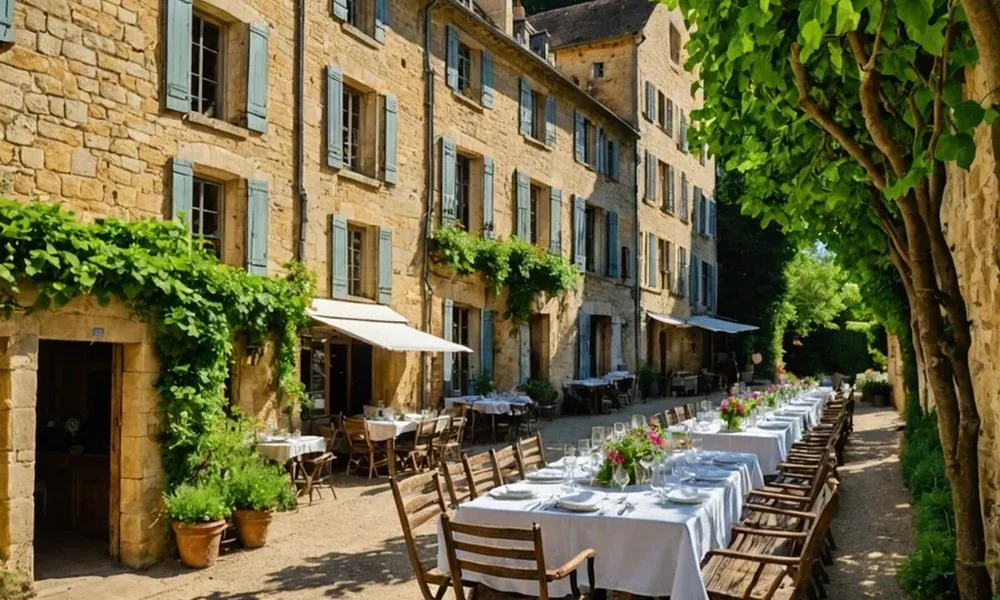
Every slow journey has a ritual at its centre, and more often than not it is a meal.
The long lunch is the slow traveller’s institution: a table in a village square, a menu that changes with the market, courses that arrive when they are ready rather than when the kitchen is rushed, and an afternoon that stretches out afterwards in the pleasant haze of a meal properly taken. In much of southern Europe, this is not a special occasion.
It is simply lunch and it is the reason the rest of the day moves at the pace it does.
The point is not indulgence, though a long lunch is certainly indulgent. A meal taken slowly anchors the whole day: it gives the morning a destination and the afternoon a gentle beginning, and turns eating which fast travel reduces to fuel back into one of the day’s main events. The slow traveller plans the day around the table, not the other way round, and the journey is better for it.
The Beauty of Unscheduled Days and Rest
The unscheduled day is the long lunch’s companion. A slow itinerary should contain at least one day with nothing in it at all: no tickets, no reservations, no departure time.
On such a day, the traveller discovers what the place offers when it is not being performed for visitors the market at its busiest, the café where the owner has time to talk, the walk that was not in any guide. It is the day that turns a trip from a collection of experiences into a memory of a place.
Rest, too, deserves its place in the plan. A slow journey is not a lazy one, but it makes room for doing nothing well. An hour with a book on a balcony above the sea is not time wasted; it is the journey doing its work.
The traveller who returns home rested has understood something the hurried traveller misses: that a holiday should leave you more rested than it found you, and that rest is not the absence of travel but one of its purposes.
How to Plan a Slow Journey
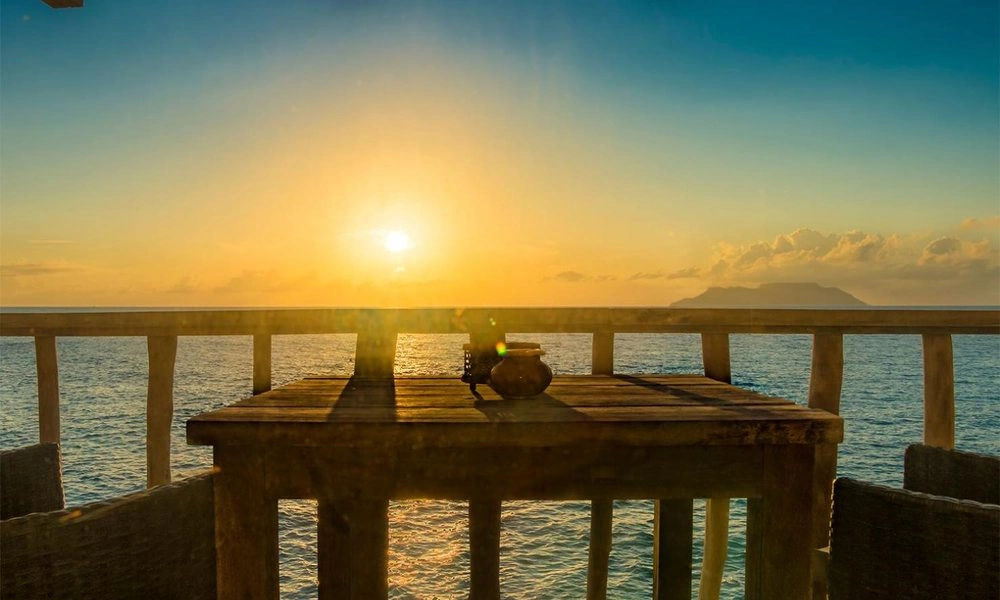
Slow travel rewards a different kind of planning. The fast itinerary is assembled like a puzzle, with every hour accounted for. The slow itinerary is assembled like a garden, with room left for things to grow.
First, choose one region and stay inside it. A week in a single valley, a single island, or a single stretch of coast will give you more than the same week spent crossing a country.
Depth comes from staying; breadth, in slow travel, is a false economy. Second, travel between places by the slowest pleasant means available the train rather than the plane, the boat rather than the bus, the walk rather than the taxi and treat the transit as part of the holiday, not as the price of it.
Third, book the stay before the sights. Decide where you want to wake up, and for how long, before you decide what you want to see. The sights will arrange themselves around a good base; a good base will not arrange itself around a list of sights.
Fourth, leave gaps: a slow itinerary should be no more than two-thirds full, and the empty third is not a failure of planning but the plan itself. Finally, travel in the shoulder seasons when you can. The light is softer, the crowds thinner, and the village in May or September is the village as its residents know it, not the one it performs in August.
What Slow Travel Is Not
It is worth clearing away a few misunderstandings, because slow travel is often described as something it is not. It is not a holiday for people with unlimited time. A slow journey can be a long weekend three unhurried days in one place will teach you more about it than a week spent racing between five. The principle is proportion, not duration: whatever time you have, spend it in fewer places, more slowly.
It is not a rejection of luxury, either. Some of the finest slow journeys are also the most luxurious a sleeper train, a private villa, a small ship with a fine kitchen. Luxury and slowness suit each other because both are, at heart, about attention: to craft, to comfort, to the quality of an hour.
Nor is slow travel a form of virtuous suffering. There is nothing noble about a bad bed or a missed meal, and the slow traveller is under no obligation to endure either. Comfort is not the enemy of slowness. Hurry is.
And it is not, finally, a matter of taste or temperament alone. Anyone who has returned from a packed holiday feeling more tired than when they left has already learned the lesson slow travel teaches. The question is whether your next journey gives you the time to enjoy it.
Frequently Asked Questions
How long should a slow trip be?
As long as you have a long weekend is enough to feel the difference, and a week in one place is ideal.
Is slow travel more expensive?
Not necessarily. Fewer flights and transfers, longer stays, and meals in local restaurants rather than tourist districts often cost less than a packed itinerary. The luxury is in the time, not the spending.
Can slow travel work with children?
It often works better. Children tire of constant movement quickly, and a single base with a pool, a beach or a village to explore suits them far more than a new hotel every night.
Give your next journey the one thing no upgrade can buy, and it will repay you in the only currency that matters days you actually remember. Travel slowly, stay a little longer than seems sensible, and let the place do the rest. We wish you unhurried roads, long tables, and evenings that arrive without an agenda.