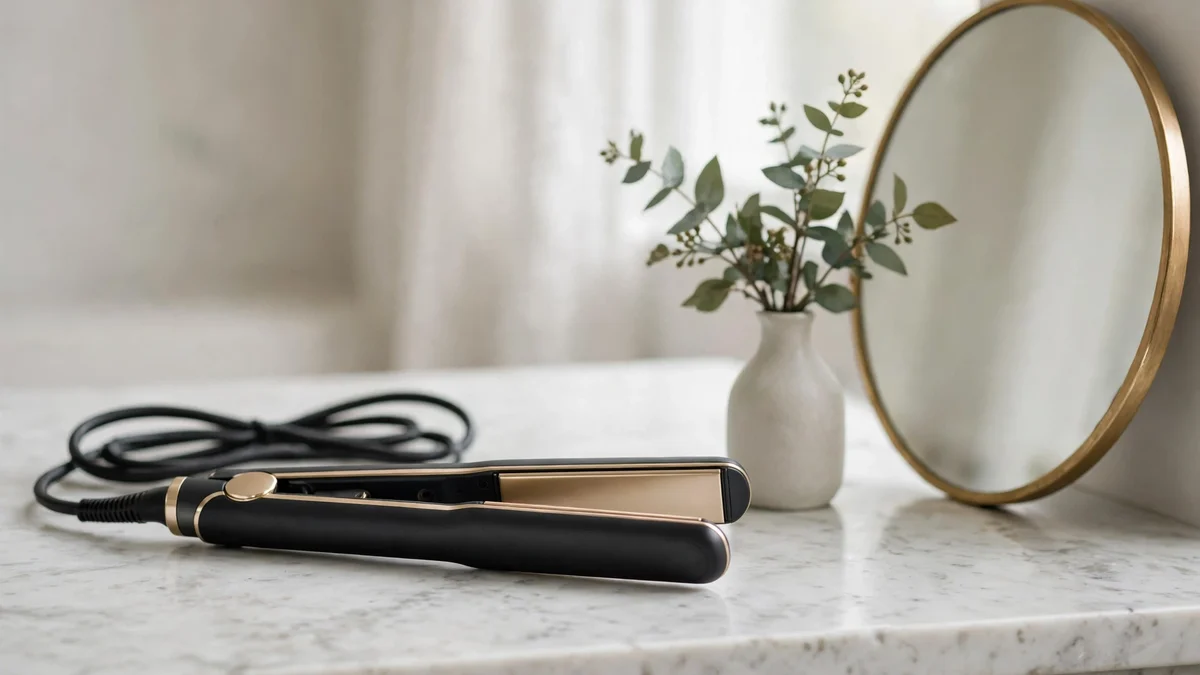
The best luxury hair straighteners do more than straighten hair: they protect it while they work, with even heat, precise temperature control and plates that glide instead of dragging. A cheap straightener can leave hair smooth for an hour and damaged for months, because uneven heat and rough plates break the hair’s surface. A good luxury straightener costs more, but it is the difference between styling your hair and slowly ruining it.
That is the honest case for spending more. The question is not whether a luxury straightener works better than a budget one, because it does. The question is which features earn the price, which ones are marketing, and how to choose a tool that suits your hair type rather than the hair in the advertisement. This guide answers all three.
What Makes a Straightener Luxury?
A luxury straightener earns its price in four places: the plates, the heat control, the build and the experience of using it. The plates should be smooth, evenly heated and made from a material that suits your hair. The heat control should be precise, with a display you can read and a range that lets you use the lowest effective temperature. The build should feel solid, with a swivel cord, a sensible weight and a hinge that moves smoothly.
The experience matters because you use this tool several times a week. A straightener that is too heavy tires your arm, a cord that tangles wastes your time, and a tool that takes minutes to heat up wastes your morning. The best luxury tools feel considered in the hand, and that consideration is part of what you pay for. Our guide to choosing the best hair straighteners for your hair type explains how to match a tool to your hair before you buy.
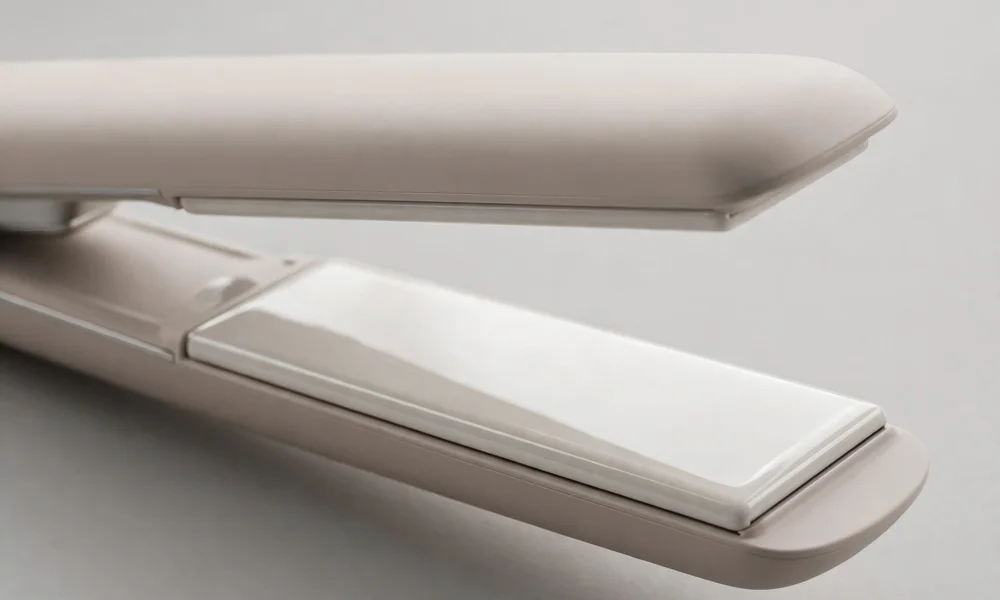
Plate Materials Compared
The plates are the heart of the straightener, and the material decides how heat is delivered to your hair. Three materials dominate the luxury market, and each suits a different hair type.
Ceramic: The Gentle All-Rounder
Ceramic plates heat evenly and hold a steady temperature, which makes them the safest choice for fine, damaged or colour-treated hair. They glide smoothly, reduce hot spots, and are usually the most affordable of the luxury plate materials. The trade-off is speed: ceramic plates can be slower to straighten very thick or curly hair, and they may need an extra pass on stubborn sections. For most people, ceramic is the right starting point.
Titanium: The Fast Professional
Titanium plates heat quickly, hold high temperatures and transfer heat very efficiently, which makes them the choice of professionals and of people with thick, coarse or very curly hair. They straighten in fewer passes, which can mean less total heat exposure, but they also reach damaging temperatures faster if you are careless. Titanium suits confident users with resilient hair, and it is the material to choose if your hair resists every other tool.
Tourmaline: The Smooth Finisher
Tourmaline is a mineral coating, usually over ceramic, that releases negative ions when heated. In practice it means a smoother glide, less static and a shinier finish, which suits frizzy hair particularly well. Tourmaline-coated plates are a good middle ground: gentler than titanium, faster than plain ceramic, and especially good at taming frizz in humid weather.
Heat Control and Hair Health
Heat is the single biggest factor in hair damage, and it is also the most misunderstood. Higher is not better. Fine hair straightens well at lower temperatures, while thick hair needs more heat, and colour-treated hair should always be styled at the lowest temperature that works. A luxury straightener with precise digital controls lets you find that temperature and stay there, while a cheap tool with three vague settings forces you to guess.
Look for a tool that heats evenly across the whole plate, because hot spots are what burn hair. Look for a fast heat-up time, ideally under a minute, and for an automatic shut-off, which is a safety feature worth having. Some luxury tools now include sensors that measure the temperature many times a second and adjust the heat as you style, which keeps the plates at your chosen temperature even on thick sections.
That technology is genuinely useful, not a gimmick, if you style thick or curly hair.
Always use a heat protectant before straightening, whatever the tool costs. No straightener, however expensive, makes heat harmless, and a good protectant is the cheapest insurance your hair will ever get. Our best hair dryers guide covers the same heat-protection principles for drying, and the advice applies equally here.
Dual voltage is worth checking if you travel. Many luxury straighteners work on both 110 and 240 volts, which means one tool for home and abroad, while cheaper tools may need a converter or may not work safely overseas.
Cord length matters too: a cord of around three metres gives you room to move in front of a mirror, while a short cord ties you to the socket. These details seem small until you use the tool every day, and they are part of what separates a considered luxury product from a merely expensive one.
| Plate material | Heat delivery | Best hair type | Typical price band | Watch out for |
|---|---|---|---|---|
| Ceramic | Even, steady | Fine, damaged, coloured | $150 to $300 | Slower on thick hair |
| Titanium | Fast, very hot | Thick, coarse, curly | $200 to $400 | Easy to overheat fine hair |
| Tourmaline-coated | Smooth, anti-frizz | Frizzy, wavy | $180 to $350 | Coating can wear over time |
| Heated brush hybrid | Gentle, indirect | Wavy, short hair | $150 to $300 | Not for pin-straight results |
The table shows the central choice: ceramic for gentle, everyday styling, titanium for speed on thick hair, tourmaline for frizz control. A heated brush hybrid suits people who want a smooth, natural finish rather than pin-straight hair. Match the row to your hair, not to the advertisement.
How to Straighten Without Damage
Technique matters as much as the tool. Start with clean, fully dry hair, because straightening damp hair boils the water inside the shaft and causes lasting damage. Work in small sections, no wider than the plates, and move the tool slowly and steadily from root to tip in a single pass. Two slow passes are better than five fast ones, because each pass adds heat.
Keep the temperature as low as you can. Start low and increase only until the hair straightens in one pass. Hold the tool at a slight angle so the plates do not crease the hair, and never clamp the same section repeatedly. Finish with a light serum or oil on the ends, not the roots, to add shine without weighing the hair down. If you straighten daily, give your hair a rest day when you can, and use a deep conditioning treatment weekly.
Your Straightener Buying Checklist
Work through this list before you spend luxury money on a straightener. A tool that passes every point will serve your hair well for years.
– Match the plate material to your hair type, not to the most expensive option
– Check the temperature range and display: you need precise control, not three vague settings
– Hold the tool in your hand: it should feel balanced, not heavy, with a swivel cord
– Confirm the heat-up time is under a minute and the tool has automatic shut-off
– Check the plate width against your hair length: wider plates suit long, thick hair
– Read the warranty and confirm what it covers, including the heating element
-Buy a good heat protectant at the same time and use it every time you style
Frequently Asked Questions
What is the best luxury hair straightener for fine hair?
A ceramic-plate straightener with precise digital temperature control is the best choice for fine hair, because it heats evenly and lets you use the lowest effective temperature. Avoid titanium unless your fine hair is also very curly, and always use a heat protectant.
Are expensive hair straighteners worth it?
Yes, if you straighten your hair regularly. A luxury straightener delivers more even heat, better temperature control and smoother plates, which means fewer passes and less damage over time. If you straighten rarely, a good mid-range tool is enough.
What temperature should I use on my hair straightener?
Fine or damaged hair usually needs the lowest effective setting, while thick or curly hair needs more heat. Start low and increase only until the hair straightens in a single pass. Never use the maximum setting on fine, bleached or damaged hair.
Can a hair straightener damage your hair permanently?
Yes, repeated high heat can damage the hair shaft permanently, which is why temperature control and heat protectant matter so much. Damaged hair cannot be repaired, only cut away, so prevention is the only real protection. Our curling iron guide for fine hair covers the same damage risks for curling tools.
How long should a luxury hair straightener last?
A well-made luxury straightener should last five years or more of regular use. Plates that wear unevenly, a hinge that loosens or a heating element that becomes unreliable are signs it is time to replace it. Keep the plates clean and store the tool properly to extend its life.