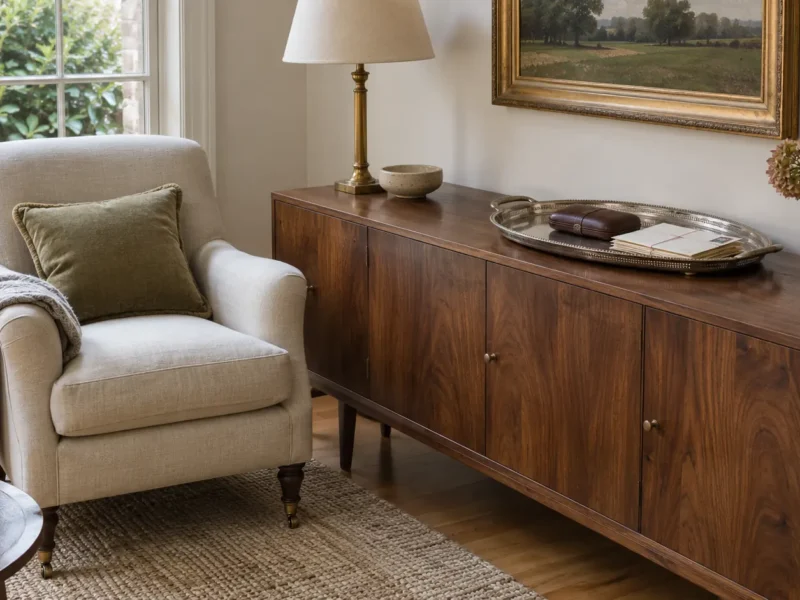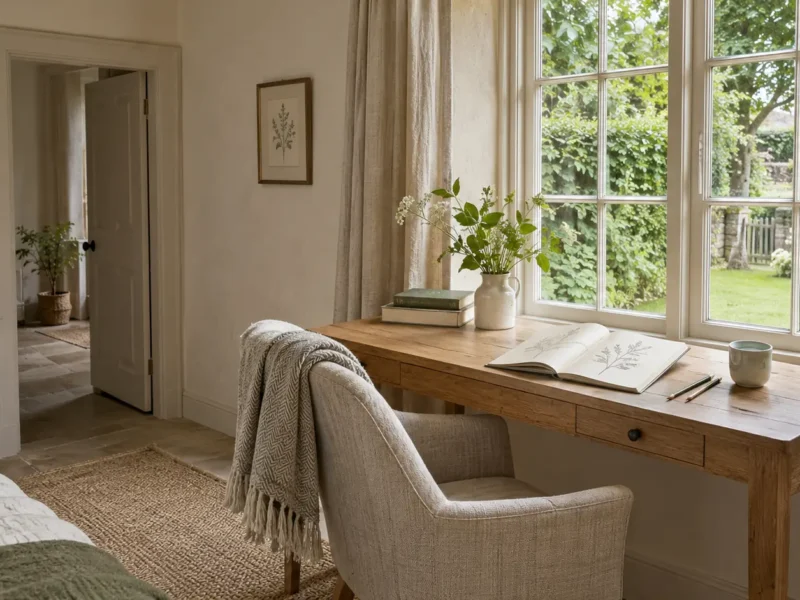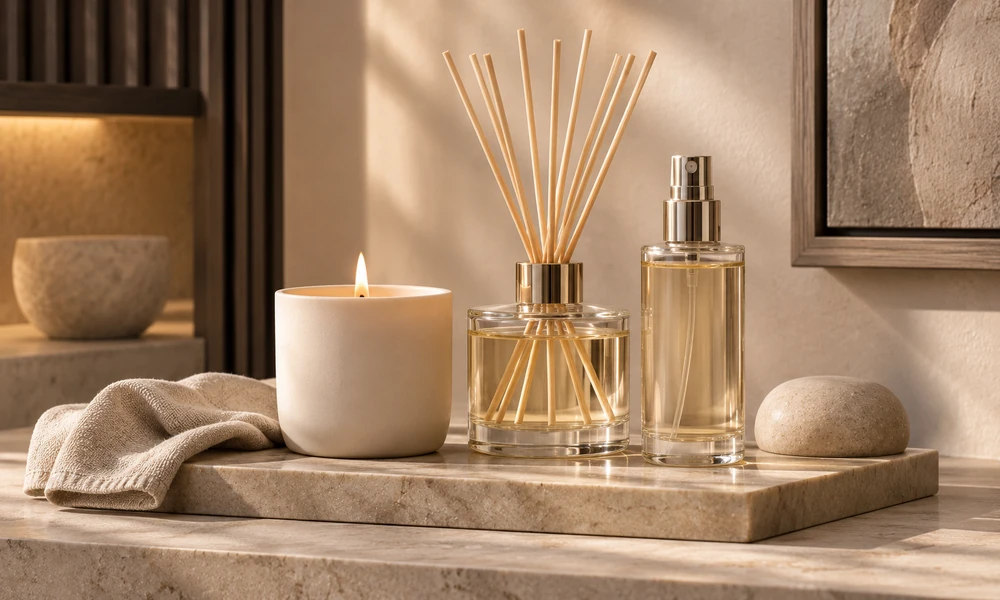
To build a personal home scent collection, start with one everyday fragrance, one contrasting option, and formats that suit your routine. Test each scent at home before expanding, keep its intensity comfortable, and choose additions that offer something genuinely different.
You might enjoy a fresh fragrance when opening the house in the morning and something woodier while reading in the evening. A personal collection gives you those choices without filling every room with competing smells.
The goal is a home you enjoy spending time in not a fragrance counter.
What Is a Home Scent Collection?
A home scent collection is a selection of fragrances used to shape the atmosphere of your living space.
It can include scented candles, reed diffusers, room sprays, and compatible electric fragrance systems. Jo Malone London, for example, offers candles, reed diffusers, and sprays as different ways to fragrance a home.
A collection does not need a particular number of products. Two well-chosen scents can provide more useful variety than ten similar purchases.
Start With Three Roles, Not Three Expensive Products
Before shopping, decide what you want fragrance to contribute.
| Role | What to look for | When you might use it |
| Everyday scent | A fragrance you enjoy repeatedly | Ordinary days at home |
| Contrasting scent | A noticeably different character | A change of atmosphere |
| Occasional scent | Something distinctive you use selectively | Entertaining or seasonal occasions |
These are suggested roles, not mandatory purchases. Start with the everyday scent and add another only when you know what is missing.
The same principle applies to personal fragrance: choosing a clear purpose helps prevent repetitive buying. Our guide to luxury perfume and fragrance wardrobes explores that approach.
1. Identify the Smells You Already Enjoy
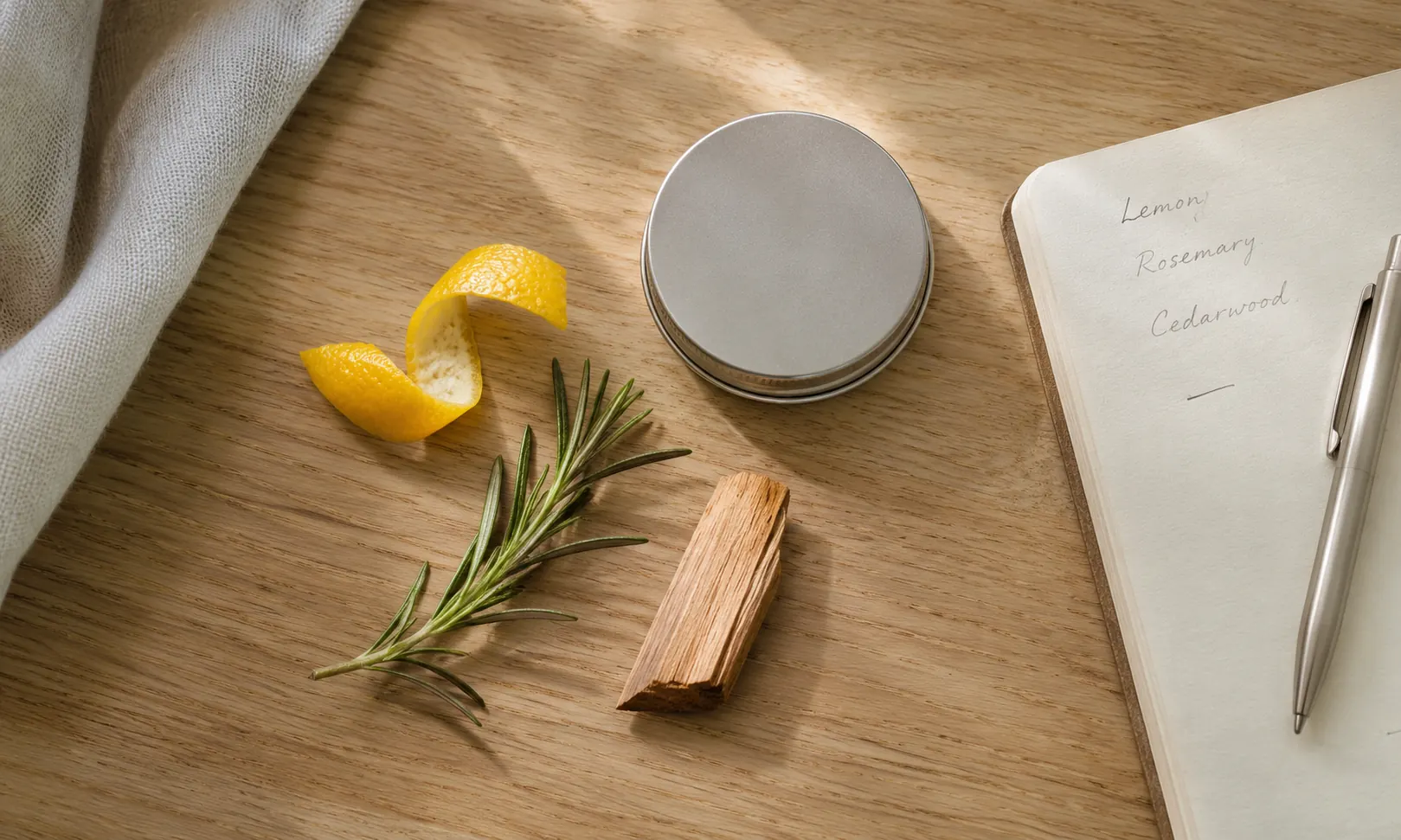
Begin with familiar references rather than fragrance terminology.
Think about the smell of citrus peel, garden herbs, roses, cedar furniture, black tea, or baking spices.
Write down:
- Three smells you enjoy.
- Two you find overwhelming.
- One atmosphere you want to create.
For example:
“I like lemon peel, green leaves, and dry wood. I dislike heavy sweetness. I want the living room to feel fresh but comfortable.”
That description gives you a useful starting point when speaking to a retailer.
Use Fragrance Families as a Browsing Tool
| Scent direction | Notes you may encounter | What to compare |
| Citrus and aromatic | Lemon, bergamot, basil, rosemary | Sharpness, sweetness, and herbal character |
| Green and leafy | Fig leaf, cut grass, tomato leaf | Freshness versus earthy depth |
| Floral | Rose, jasmine, orange blossom | Airiness versus richness |
| Woody | Cedar, sandalwood, vetiver | Dryness, softness, and smokiness |
| Spiced and amber-style | Clove, cinnamon, resins, vanilla | Warmth and sweetness |
| Gourmand | Caramel, coffee, baked-fruit accords | How food-like the fragrance feels |
Treat note lists as clues. The complete composition matters more than whether it contains one favourite ingredient.
2. Choose Formats Around Your Routine
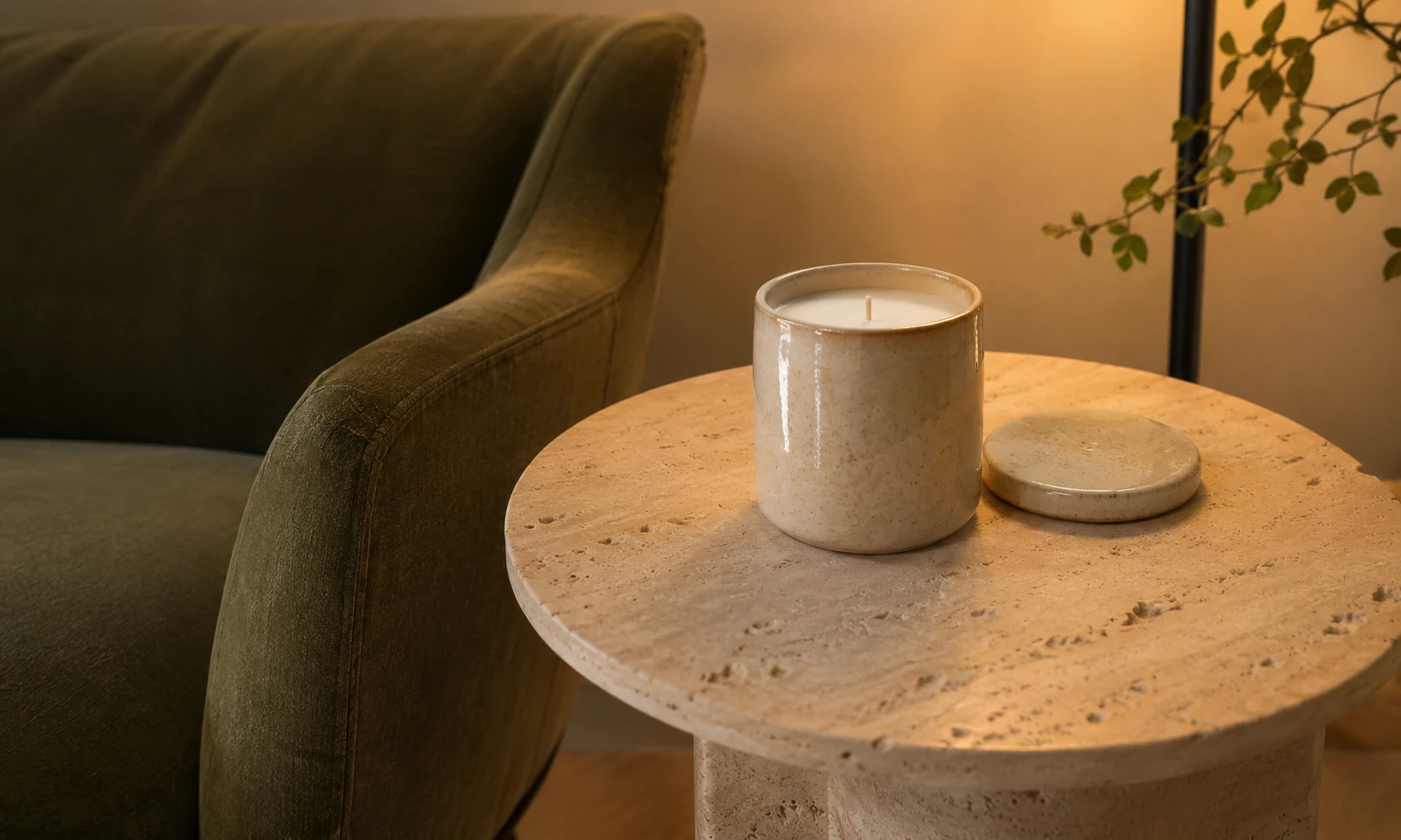
A fragrance you love may still be inconvenient in the wrong format.
Scented Candles: For Deliberate Sessions
A candle suits a period when you will remain nearby and can follow its burn instructions.
Check the recommended first burn, subsequent burn limits, wick care, and stopping point. These vary by product. Diptyque, for example, publishes different burn guidance for different candle sizes and collections.
Choose a candle that fits the time you actually spend in the room.
Reed Diffusers: For Ongoing Fragrance
Reed diffusers release fragrance without being lit.
Their performance depends on the particular product and setting. Follow the maker’s instructions for reed count, placement, and maintenance rather than assuming every diffuser should be handled identically.
For example, Jo Malone’s Wild Bluebell diffuser instructions allow 24–36 hours for initial diffusion, so an immediate impression may be premature.
Room Sprays: For Occasional Use
A room spray lets you introduce fragrance when you choose rather than maintaining a continuous background scent.
Use it according to the label. A room spray is not automatically suitable for bedding, upholstery, polished furniture, or skin.
Electric Systems: Check Compatibility First
Before buying, confirm the device’s compatible refills, maintenance requirements, and intensity controls.
Compare the ongoing refill commitment as well as the initial device price.
3. Test One Fragrance at a Time
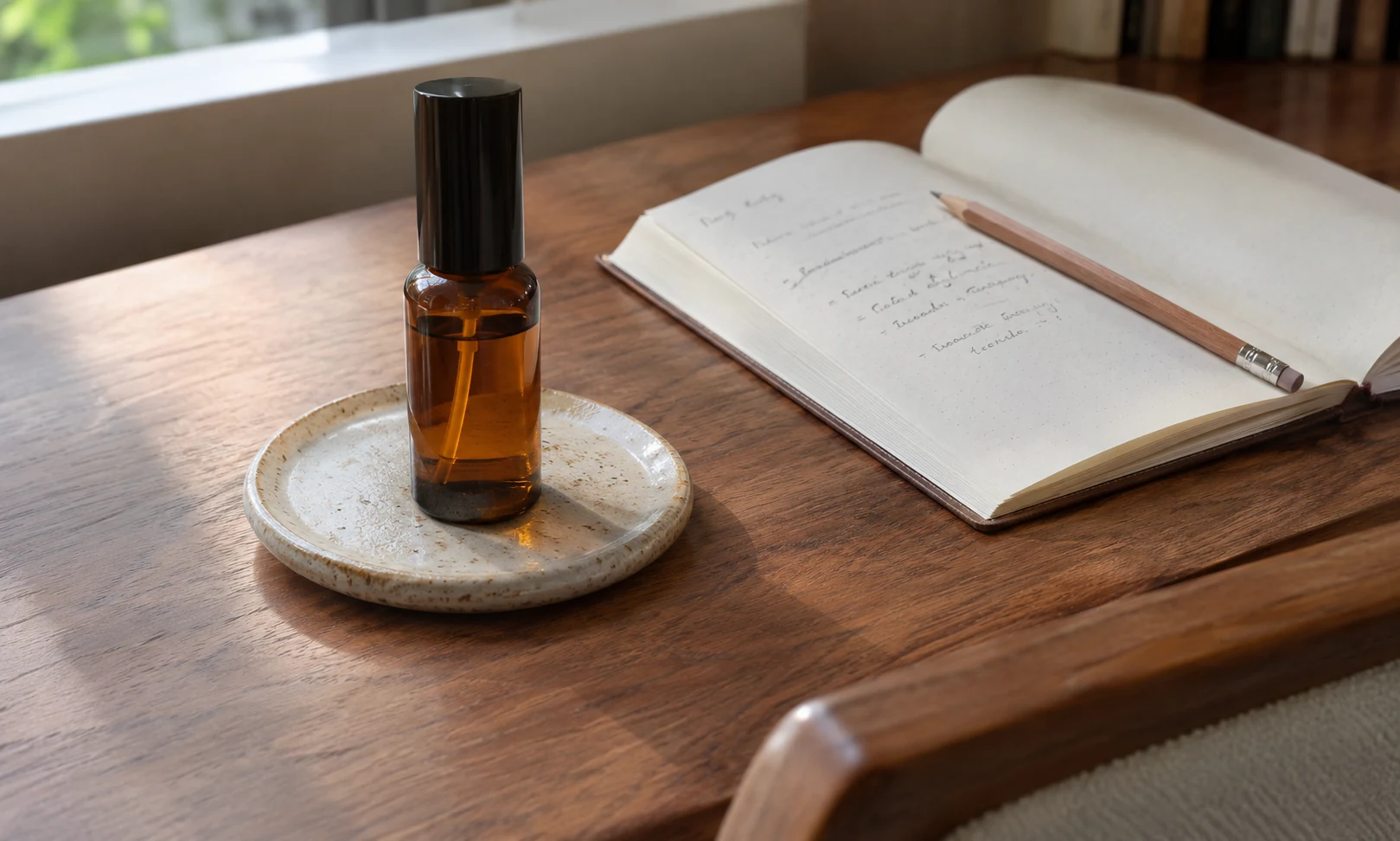
A scent strip or an unlit candle can help you shortlist options. The next step is experiencing the product in your own space.
Use the smallest suitable size or an available sample before committing to a larger purchase.
Keep a Simple Scent Notebook
| Question | What to record |
| Where did I use it? | Room and approximate size |
| How did I use it? | Format and label-directed amount |
| What did it smell like? | Your own words |
| Was the intensity comfortable? | Too faint, balanced, or too strong |
| Did others enjoy it? | Household feedback |
| Would I use it again? | Yes, occasionally, or no |
Avoid testing several new products together. Otherwise, you may struggle to identify which one you enjoyed or disliked.
4. Match Intensity to the Space
The same fragrance does not need to appear everywhere.
A compact hallway, enclosed bedroom, and open-plan living area create different conditions for using a product. Begin conservatively and assess the result in the room.
Use This Room-by-Room Starting Point
| Space | Suggested approach |
| Entrance | A subtle introduction, assessed from adjoining rooms |
| Living room | Your most versatile scent |
| Dining area | Little or no added fragrance during meals |
| Bedroom | A restrained, flame-free option or no fragrance |
| Bathroom | Address ventilation and cleaning before adding scent |
| Home office | A familiar option that remains unobtrusive |
These are editorial suggestions, not rules about which notes belong in particular rooms.
For a living room built around quiet activities, combine fragrance with the textures, lighting, and comfortable proportions explored in our warm minimalism interior design guide.
5. Create a Relationship Between Scents
A collection feels personal when its fragrances have a reason to belong together.
You might connect them through:
- A recurring woody note.
- A preference for green, leafy compositions.
- Floral fragrances with different levels of richness.
- Memories of particular places.
Example: A Small, Flexible Collection
Everyday: A citrus-and-herb composition.
Evening alternative: A dry woody fragrance.
Occasional addition: A restrained floral.
This is a sample framework, not a recommendation to buy all three. Your own collection could consist entirely of different floral interpretations if that is what you enjoy.
6. Be Selective About Layering
Start by enjoying each fragrance independently.
If you want to combine scents, try a restrained pairing and check the result from the spaces where they overlap.
In an open-plan home, products placed in separate “zones” may still mingle. Positioning them on opposite sides of the room does not guarantee separation.
Avoid mixing diffuser liquids, adding perfume to candles, or putting products into devices they were not designed for.
7. Add Seasonal Variety Slowly
You do not need a new collection every season.
Keep a dependable favourite and introduce a different character when you want a change. For example, you may prefer something lighter during warm weather and a richer composition during cooler evenings.
Follow your experience rather than buying according to the calendar.
Replace Before You Multiply
When a product is finished, ask:
- Did I use it happily?
- Did it suit the room?
- Was the format practical?
- Would I prefer the same scent or a different one?
An empty container tells you more about your preferences than an untouched collection.
8. Set a Budget That Includes Refills
Consider the cost of using the product, not just displaying it.
| Purchase | What to check |
| Candle | Size, care requirements, and stated burn-time estimate |
| Reed diffuser | Bottle size, compatible refills, and replacement reeds |
| Room spray | Bottle size and how frequently you expect to use it |
| Electric system | Device, refills, maintenance, and ongoing availability |
You can calculate an approximate cost per stated burn hour for candles, but it will not tell you which scent you prefer or how strongly it performs in your room.
A smaller product you finish can be a better personal purchase than a large one you avoid using.
9. Store the Collection Thoughtfully
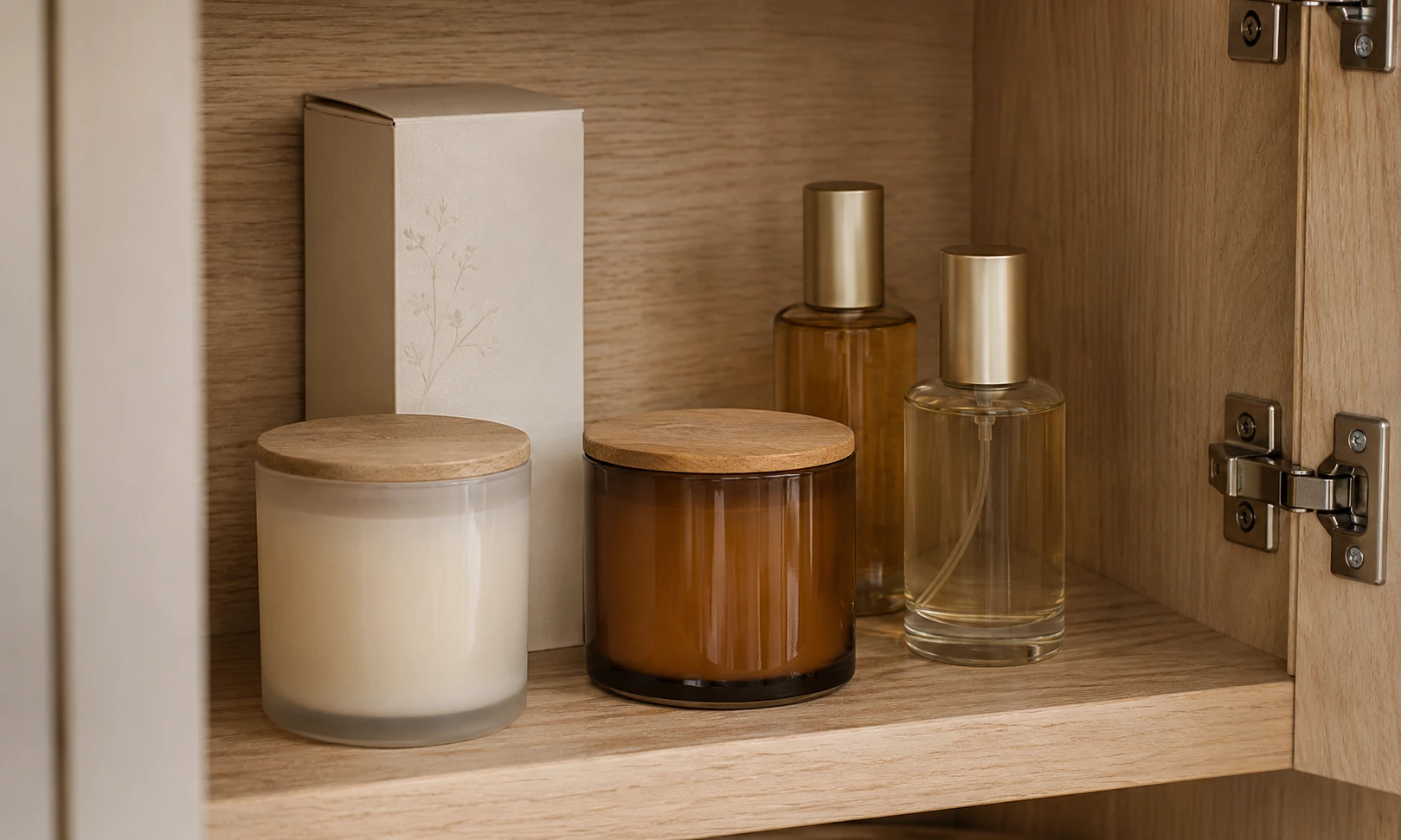
Keep unused products closed and follow their storage instructions.
Diptyque advises storing its candles in a dry, temperate place away from direct sunlight. Use the guidance for the product you own rather than treating one brand’s temperature range as universal.
Keep liquid fragrance products upright and protect surfaces as directed. Check compatibility before purchasing a refill; similar-looking vessels do not necessarily accept the same product.
10. Make Comfort Part of the Selection
Ask other household members before introducing continuous fragrance.
The EPA notes that fragrances can cause adverse effects in some sensitive individuals. A fragrance-free room or household may therefore be the right choice.
For candles, use stable holders, keep flames at least 12 inches from combustible materials, and extinguish them before leaving or sleeping. The US Fire Administration advises against lit candles in bedrooms, bathrooms, and sleeping areas.
A scent collection should fit the people living with it.
Common Home Fragrance Mistakes
Buying several versions of the same scent. Decide what each addition contributes.
Choosing by packaging alone. A beautiful vessel cannot establish whether you will enjoy the fragrance.
Using fragrance to cover an unresolved odour. Identify and address the source first.
Expecting personal perfume and home fragrance to be interchangeable. Use each product only as directed.
Assuming stronger means better. Comfortable intensity matters more than filling every adjoining room.
FAQs About Building a Home Scent Collection
How Many Home Fragrances Should I Start With?
One everyday favourite is enough to begin. Add a contrasting scent after testing the first at home. Three useful products can form a complete collection.
Should Every Room Smell the Same?
No. You can repeat one fragrance, use related scents selectively, or leave some rooms fragrance-free. In connected spaces, consider how fragrances may overlap.
Can I Use My Favourite Perfume as a Room Spray?
Do not assume it is suitable. Personal fragrances and room products have different intended uses. Follow the label and choose a product designed for the application.
Are Candles or Reed Diffusers Better?
Neither is universally better. Candles suit supervised sessions; reed diffusers provide ongoing fragrance. Choose according to the room, household, and maintenance routine.
Does Expensive Home Fragrance Last Longer?
Price alone cannot establish longevity or suitability. Compare the product’s format, quantity, instructions, and your experience in the intended room.
Build Around What You Enjoy Using
Choose one fragrance you want to return to, in a format that fits your day. Test it, listen to household feedback, and expand only when another scent offers a clear purpose.
A personal home scent collection earns its place through use. It should make familiar moments more enjoyable without demanding constant attention.