You finally have an afternoon to yourself. You open the project you have been meaning to revisit, then remember an unanswered email. A little research becomes an hour of browsing. By evening, the project is still waiting.
A personal creative retreat gives that work a clearer place in your life: time set aside, materials ready, and fewer decisions competing for attention.
To plan a personal creative retreat, choose one main intention, reserve a manageable period, prepare a suitable workspace, and create a flexible schedule with time for making, breaks, and reflection. Arrange everyday responsibilities beforehand and finish by identifying your next step.
Your first retreat can happen at home. A change of address is optional; protecting the time is the essential preparation.
What Is a Personal Creative Retreat?
A personal creative retreat is a period deliberately set aside for creative exploration or work.
You might write, draw, compose, photograph, design, sew, or experiment with a craft. You can focus on an existing project or explore a question without expecting a finished result.
Unlike a formal residency, a self-directed retreat follows your own arrangements. Established artist residencies may have applications, eligibility requirements, and public-engagement commitments. For example, National Park Service residency programs vary by site and often involve sharing work with visitors.
For a personal retreat, you decide the purpose, duration, and structure.
1. Choose One Main Intention
Write down what you want the retreat to make possible.
“Be more creative” is difficult to plan around. A more specific intention gives you somewhere to begin.
| Intention | A practical retreat focus |
| Restart an unfinished project | Review it and complete one manageable section |
| Explore a new direction | Make several small studies or experiments |
| Develop an idea | Gather references and sketch possible approaches |
| Edit existing work | Review a defined selection and record revisions |
| Return to a neglected hobby | Spend time making without a publication goal |
Distinguish between an activity you can choose and a result you hope for.
You can reserve time to draft a scene. You cannot guarantee that it will become your best writing.
Write a Short Retreat Brief
Complete this sentence:
“During this retreat, I want to explore ______ through ______.”
For example:
“I want to explore memories of my childhood home through three short pieces of writing.”
Keep the brief visible when you start.
2. Choose a Length You Can Protect
Begin with the time you can realistically reserve.
The following formats are planning suggestions, not research-established targets.
| Format | What it can accommodate |
| Half-day | One focused task or a small experiment |
| Full day | Several work sessions with breaks and review |
| Overnight | An evening of preparation and a fuller working day |
| Weekend | A project with several stages and room to adjust |
Account for preparation, travel, meals, and packing. An overnight trip may provide less working time than a well-prepared day at home.
If uninterrupted time is difficult, two protected half-days can be a useful alternative.
3. Choose the Setting Around the Work
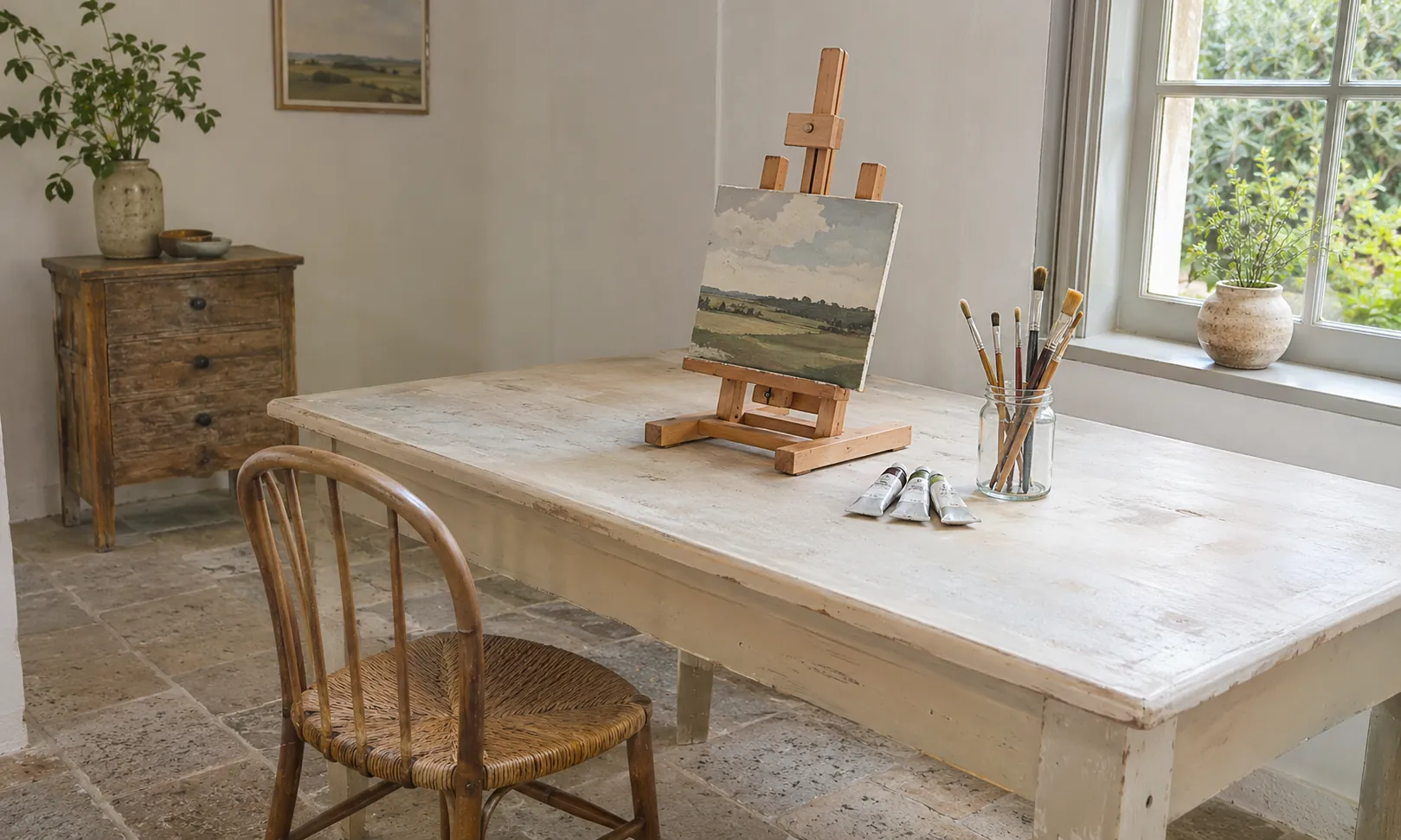
Ask what your activity requires before choosing somewhere attractive.
A writing retreat may need a comfortable desk and quiet. Painting may require permission for materials, ventilation, and cleanup. Music-making may need privacy or an appropriate studio.
Compare Your Options
| Setting | Main advantage | Check beforehand |
| Home | Familiar equipment and little travel expense | Household interruptions and shared-space needs |
| Borrowed workspace | A different environment | Permission, access, and available facilities |
| Hotel or rental | Separation from everyday tasks | Desk, chair, noise, check-in times, and permitted activities |
| Hired studio | Workspace suited to the medium | Equipment, storage, hours, and material restrictions |
| Local day workspace | A clear start and finish | Suitability for your activity and privacy needs |
Look closely at workspace photographs and ask specific questions. A beautiful room may have no comfortable place to work.
If you are arranging a retreat in a compact home, Pravi Celer’s guide to thoughtful small-space living offers ideas for giving limited space a clear purpose.
4. Set a Budget Before Booking
Include the whole experience rather than accommodation alone.
Your budget may need to cover:
- Workspace or accommodation.
- Transport and parking.
- Food.
- Materials.
- Equipment hire.
- Care arrangements or other practical support.
- A contingency for unexpected costs.
A retreat at home can still have a budget for supplies, prepared food, or help that genuinely protects the time.
Spend on what enables the work. That might be a suitable chair, an essential material, or an extra hour of support.
5. Prepare the First Task in Advance
Decide what you will do when the retreat begins.
Open the relevant document, identify the section to review, or lay out the materials for your first study.
Prepare references beforehand where practical:
- Download files you are permitted to use.
- Check software and equipment.
- Charge batteries.
- Gather source notes.
- Back up existing work.
- Test unfamiliar materials.
This prevents the opening session from becoming an extended search for tools.
Give Yourself a Small Entry Point
Try an action that is easy to understand:
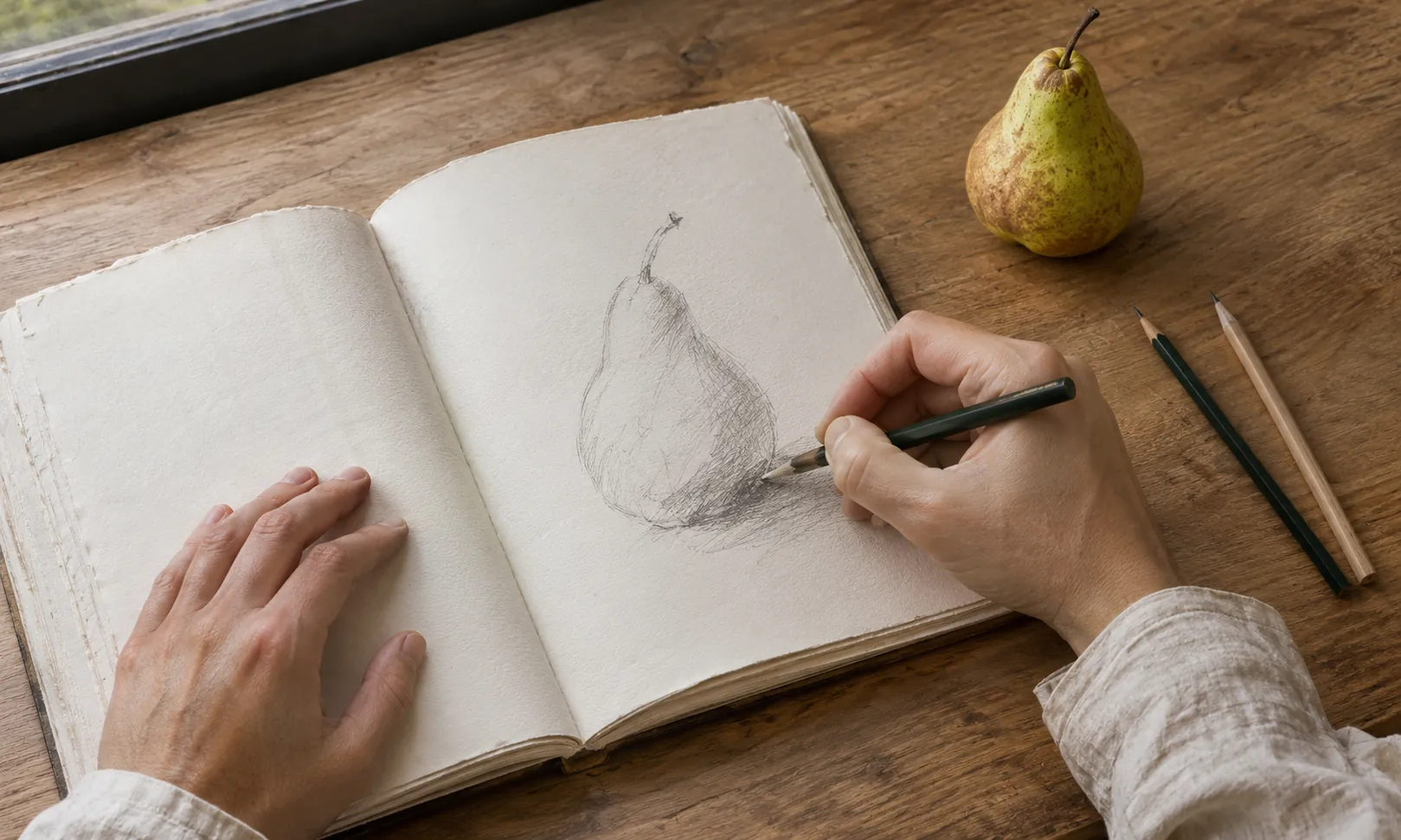
- Sketch the same object from three angles.
- Read the last two pages of your draft.
- Record a short musical phrase.
- Make a sample using one technique.
- List the questions your project needs to answer.
The first task should help you begin, even if you feel uncertain.
6. Make Clear Arrangements With Other People
Tell household members or relevant contacts when you will be occupied and when you will be available.
Agree on essential contact and responsibilities in advance. Keep necessary communication, assistive technology, and care arrangements available.
For a shared home, discuss practical details: which space you will use, whether you need quiet, and when it will return to ordinary use.
A clear arrangement is easier to respect than an unspoken hope for uninterrupted time.
7. Decide How You Will Use Technology
Choose technology according to the project.
A photographer, designer, or writer may need a computer throughout the retreat. The useful distinction is between tools that serve the work and activities that repeatedly pull you away.
Research summarized by the American Psychological Association shows that switching between tasks can carry time costs, particularly as tasks become more complex.
A practical response is to separate activities where possible: drafting now, checking references later, and handling messages at an agreed time.
Keep a note titled “Look up later” so minor questions do not automatically become browsing sessions.
8. Build a Flexible Schedule
Alternate periods of making with breaks, food, and review. Choose work-session lengths according to your energy, access needs, and activity.
The schedule below is an illustrative full-day plan.
| Time | Activity |
| 9:00–9:20 | Settle in, review your intention, and prepare |
| 9:20–10:20 | First creative session |
| 10:20–10:40 | Break |
| 10:40–11:40 | Continue or develop a second approach |
| 11:40–12:00 | Record observations |
| 12:00–1:00 | Lunch and time away from the work |
| 1:00–2:00 | Experiment, develop, or revise |
| 2:00–2:30 | Break |
| 2:30–3:30 | Final working session |
| 3:30–4:00 | Review, save, and plan the next step |
Shorten sessions or extend breaks as needed. Leave some unscheduled space rather than trying to use every minute.
9. Make the Workspace Comfortable
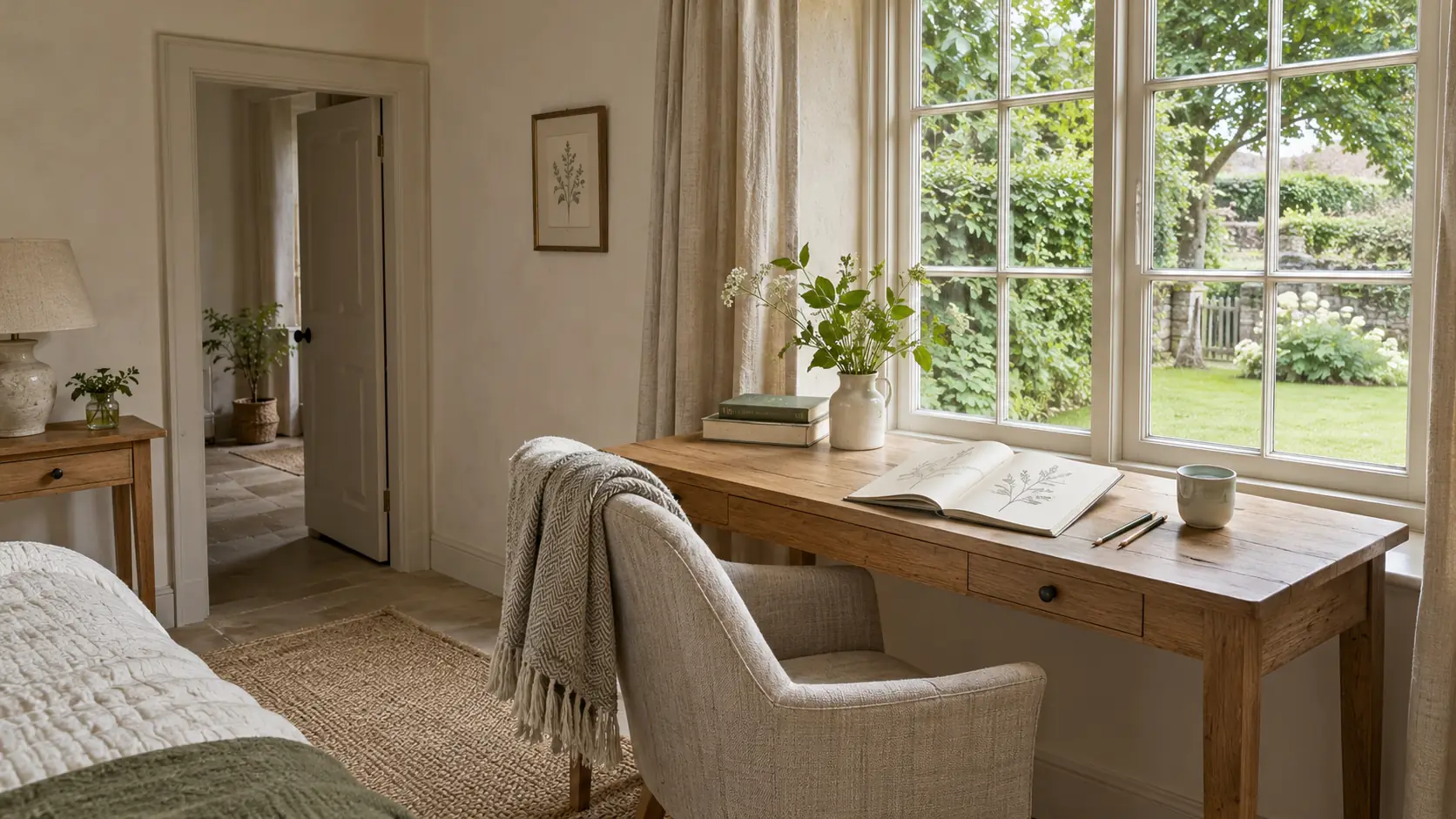
Clear enough room for the activity, arrange suitable lighting, and keep frequently used tools within reach.
Provide water, a comfortable place to sit, and somewhere appropriate for materials to dry or remain undisturbed.
You can make the setting inviting with what you already own. Pravi Celer’s warm minimalism interior design guide offers ideas for combining useful surfaces, simple surroundings, and personal comfort.
Avoid spending the retreat perfecting the room. Prepare enough to begin, then make changes when a practical need appears.
10. Plan for Moments When the Work Stalls
A retreat can include uncertainty, boredom, or disappointing experiments.
Prepare a fallback activity that stays connected to your intention:
| If you feel stuck | Try |
| The project feels too large | Work on one paragraph, detail, or small section |
| You are judging everything immediately | Make a rough version before reviewing |
| You need information | Write a specific research question |
| Your energy has dropped | Take a break and reassess the session |
| The approach is unproductive | Try a smaller variation or record what you learned |
You can revise the plan. Keep enough notes to understand why you changed direction.
What to Pack for a Creative Retreat
Bring the essentials for the work you intend to do.
- Your retreat brief and first task.
- Core tools and materials.
- Required references and files.
- Chargers and necessary adapters.
- A backup method.
- Comfortable clothing.
- Food and drink arrangements.
- Personal essentials and medication.
Follow material-safety instructions and the venue’s requirements. Avoid bringing every possible tool simply because you might use it.
Finish With Something You Can Return To
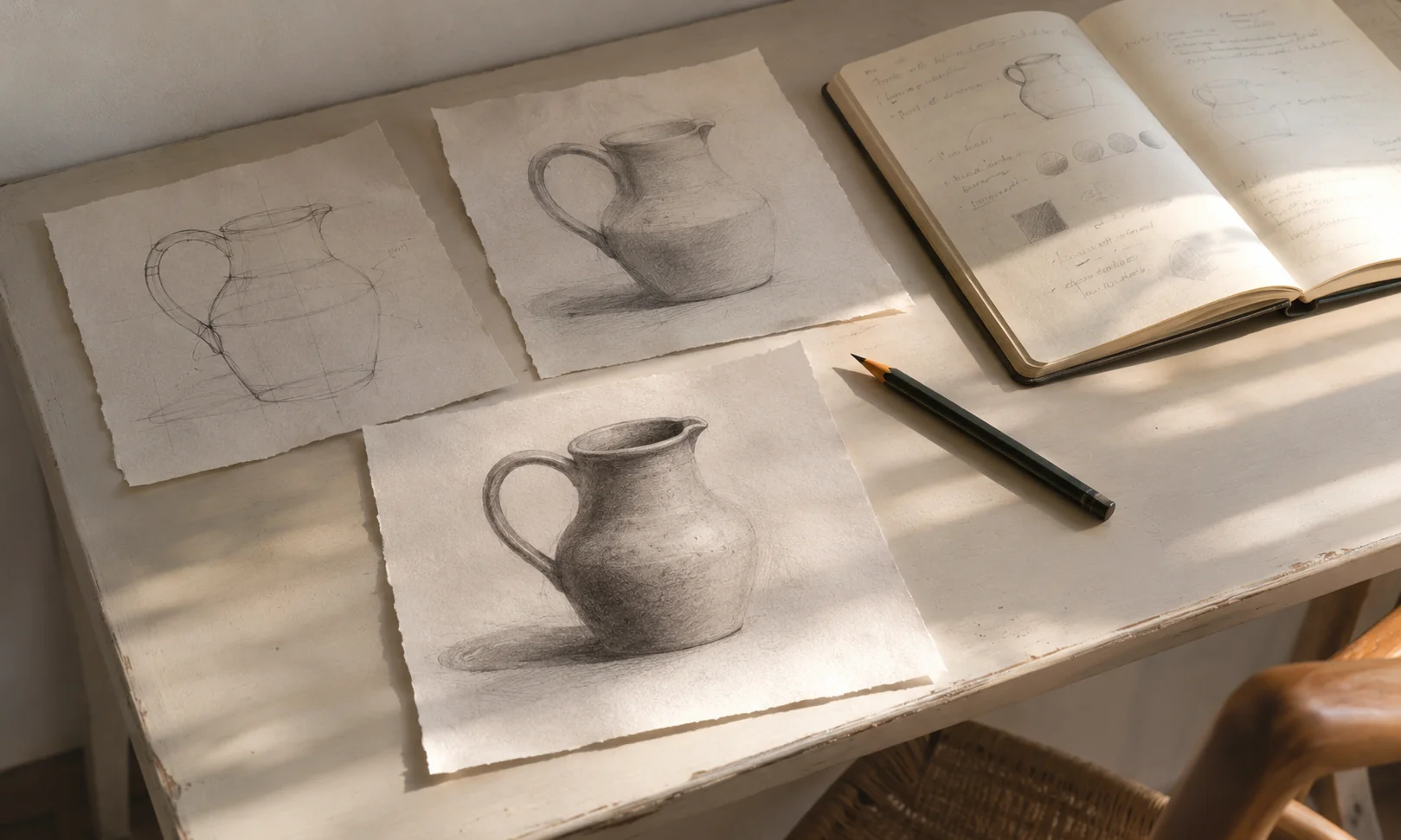
Reserve time to review before packing away.
Record:
- What you made or explored.
- What seems worth developing.
- What remains unresolved.
- The next manageable action.
Save files, photograph physical work where useful, and label experiments while you remember them.
Then reserve a realistic follow-up session. A note such as “revise the opening scene using the second outline” makes restarting easier.
FAQs
Can beginners take a personal creative retreat?
Yes. Choose a small activity, prepare the materials, and allow room to learn. You do not need a professional project.
Can I plan a creative retreat at home?
Yes. Reserve a suitable space and time, agree on household arrangements, and prepare everyday necessities beforehand.
Should I set a word count or output goal?
Use one if it helps you. Keep it proportionate to the available time, and distinguish a working target from a measure of the retreat’s value.
Does a creative retreat need to be screen-free?
No. Use the tools your activity requires and set boundaries around unrelated distractions.
What if I finish less than expected?
Review what happened. You may have clarified a problem, rejected an approach, or discovered what preparation was missing. Use that information to adjust the next session.
Should I go alone?
Choose according to your needs. A shared retreat can work when participants agree on quiet periods, conversation, workspace, and expectations.
Begin With One Protected Session
Choose a date, write a clear intention, and prepare the first task.
Give yourself enough structure to start and enough flexibility to respond to the work. At the end, leave a clear path back into it.
That is a practical foundation for a retreat you can repeat and a creative practice that continues afterward.