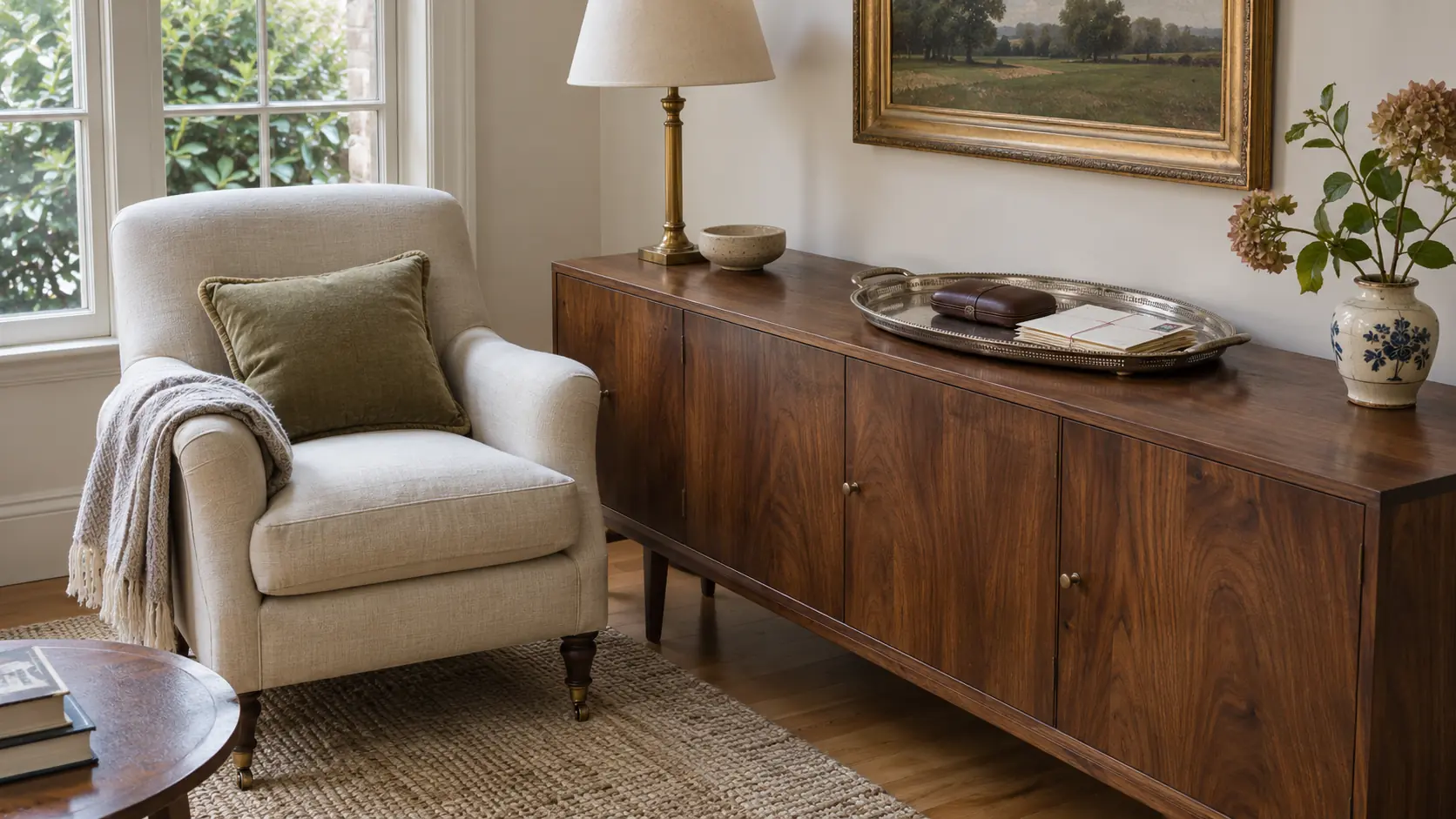
A tray comes out of a cupboard after years in storage. You remember it carrying tea through your grandparents’ house. Now it sits on your sideboard, holding the things you reach for each morning.
Its story continues through an ordinary task.
Heirloom accessories can bring that sense of continuity into a home. Some are inherited. Others are pieces you choose today because you hope to use them for years and eventually pass them on.
The best heirloom home accessories for everyday use combine personal meaning, sound condition, practical function, and manageable care. Trays, baskets, boxes, bookends, and suitable textiles can be useful starting points. Assess each older object before putting it back into service, especially for food, drink, or electrical use.
Begin with one piece that fits naturally into your routine.
What Makes a Home Accessory an Heirloom?
An heirloom is something passed down or kept with the intention of passing it on.
It does not need to be antique, expensive, or made by a famous designer. A handmade basket may carry as much family meaning as a silver tray.
When choosing a new piece with future generations in mind, look for:
- A function you will use.
- Construction suited to that function.
- Materials you can maintain.
- Repair options where practical.
- A design you personally enjoy.
- Information about its maker and care.
“Heirloom quality” is a description to investigate. Ask what the object is made from, how it is assembled, and what support is available if something fails.
First, Decide How Much Use the Object Can Take
Separate everyday candidates from pieces that need more protection.
A robust wooden box may suit daily opening. A fragile embroidered cloth may be better displayed occasionally. An old vessel may look intact while having unknown food-contact suitability.
| Intended role | What matters most |
| Daily use | Stability, sound construction, comfortable handling |
| Occasional use | Condition and suitable cleaning between uses |
| Display | Appropriate support and protection |
| Preservation | Material-specific storage and specialist advice where needed |
Choose the role according to the actual object.
1. A Tray That Gives Everyday Items a Home
A tray can organize a sideboard, dressing table, or bedside surface.
Use a sound piece for lightweight items such as glasses in their case, correspondence, or a notebook. Protect delicate finishes from abrasive objects and moisture.
Check Before Carrying It
Examine handles, joints, the base, and previous repairs. A tray that works as a stationary organizer may be unsuitable for carrying hot drinks.
If you buy a new tray, test its weight and grip. Consider how you will clean it and where it will live between uses.
2. A Wooden Box for Small Essentials
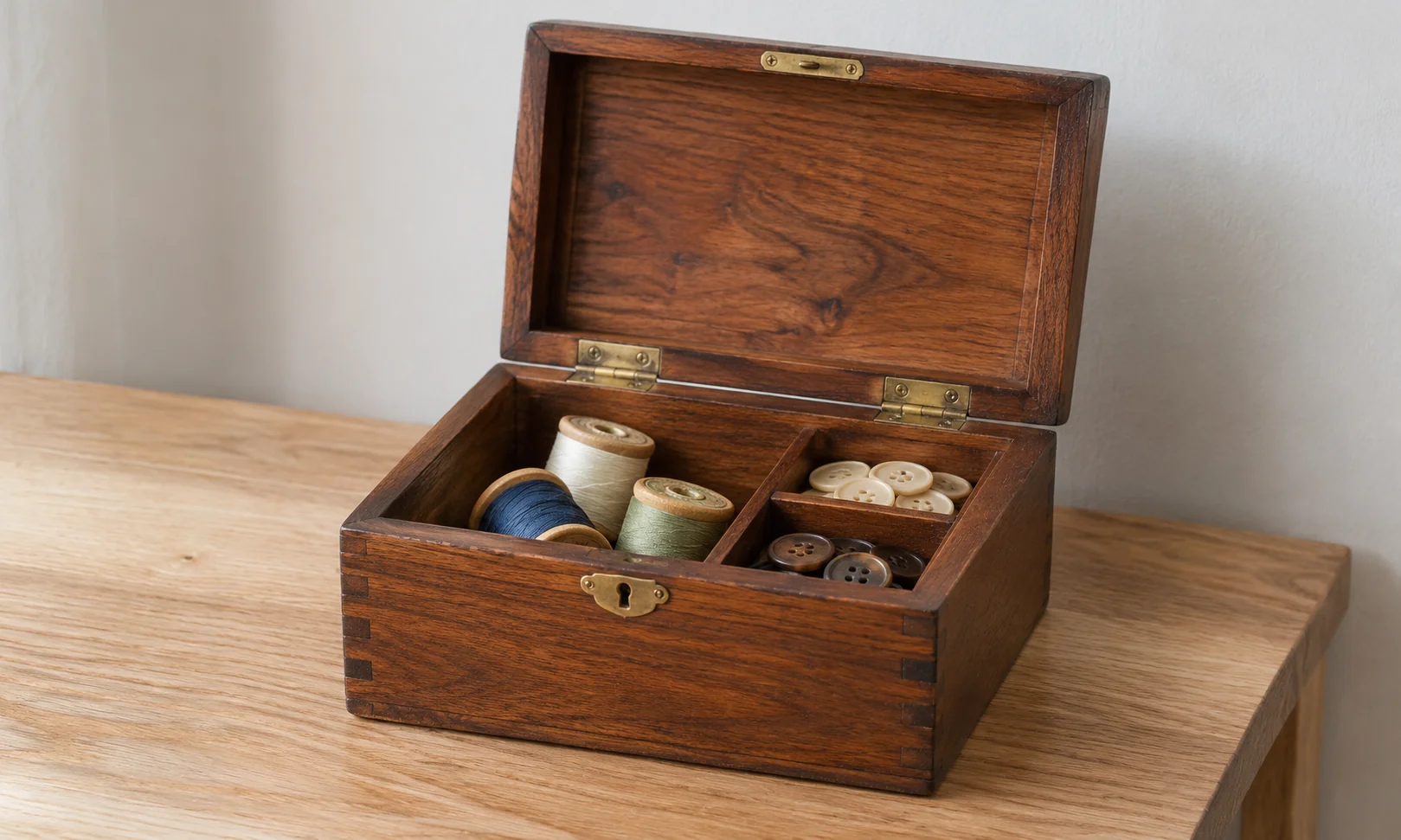
A well-made box can hold sewing supplies, keepsakes, spare buttons, or other small household items.
Check that hinges operate smoothly, the lid stays supported as intended, and the interior is clean and sound.
Keep the contents appropriate to the lining. A delicate fabric interior may need a gentler role than storing loose keys or metal tools.
A box earns its place when it helps you find things you regularly need.
3. Bookends That Support a Real Reading Habit
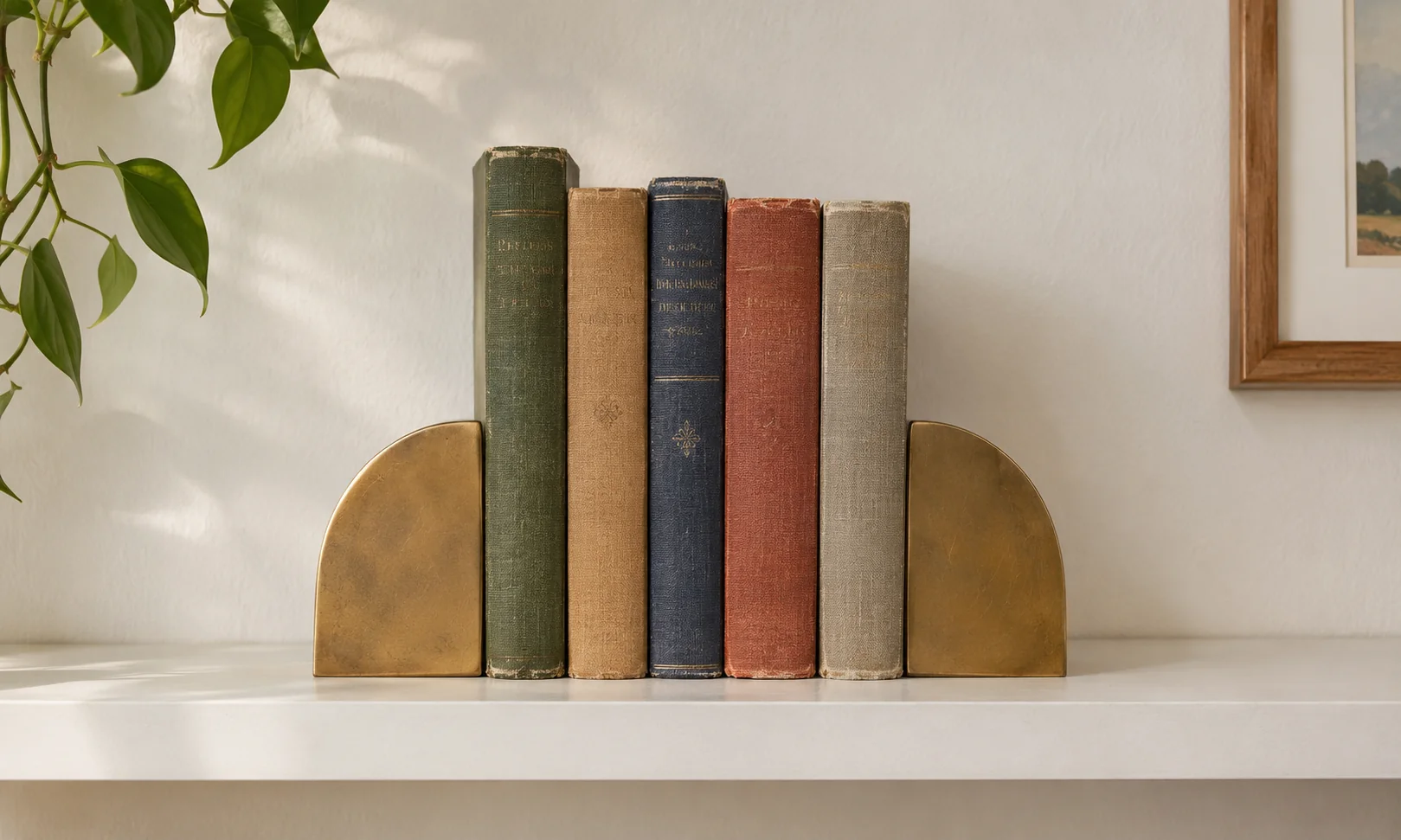
Bookends can combine daily function with a connection to a person, place, or maker.
Check that they are stable, smooth where they touch books, and heavy enough for the intended row without being awkward to handle.
A small pair might support bedside reading; a larger pair may suit a bookcase.
Keep them where they help the collection rather than using valuable books as platforms for decorative objects.
4. A Basket for Lightweight Storage
An inherited basket can hold yarn, fabric pieces, or other lightweight belongings when its weave and structure remain sound.
Inspect the rim, base, handles, and any areas that flex. Avoid lifting a loaded basket by weakened handles.
For a new basket, ask about the material, care, and intended carrying capacity. A basket designed for decoration may need a different role from one made for regular use.
In a compact room, one useful basket can replace several scattered containers. Pravi Celer’s guide to thoughtful small-space living offers more ideas for making storage serve everyday needs.
5. Table Linens You Can Maintain
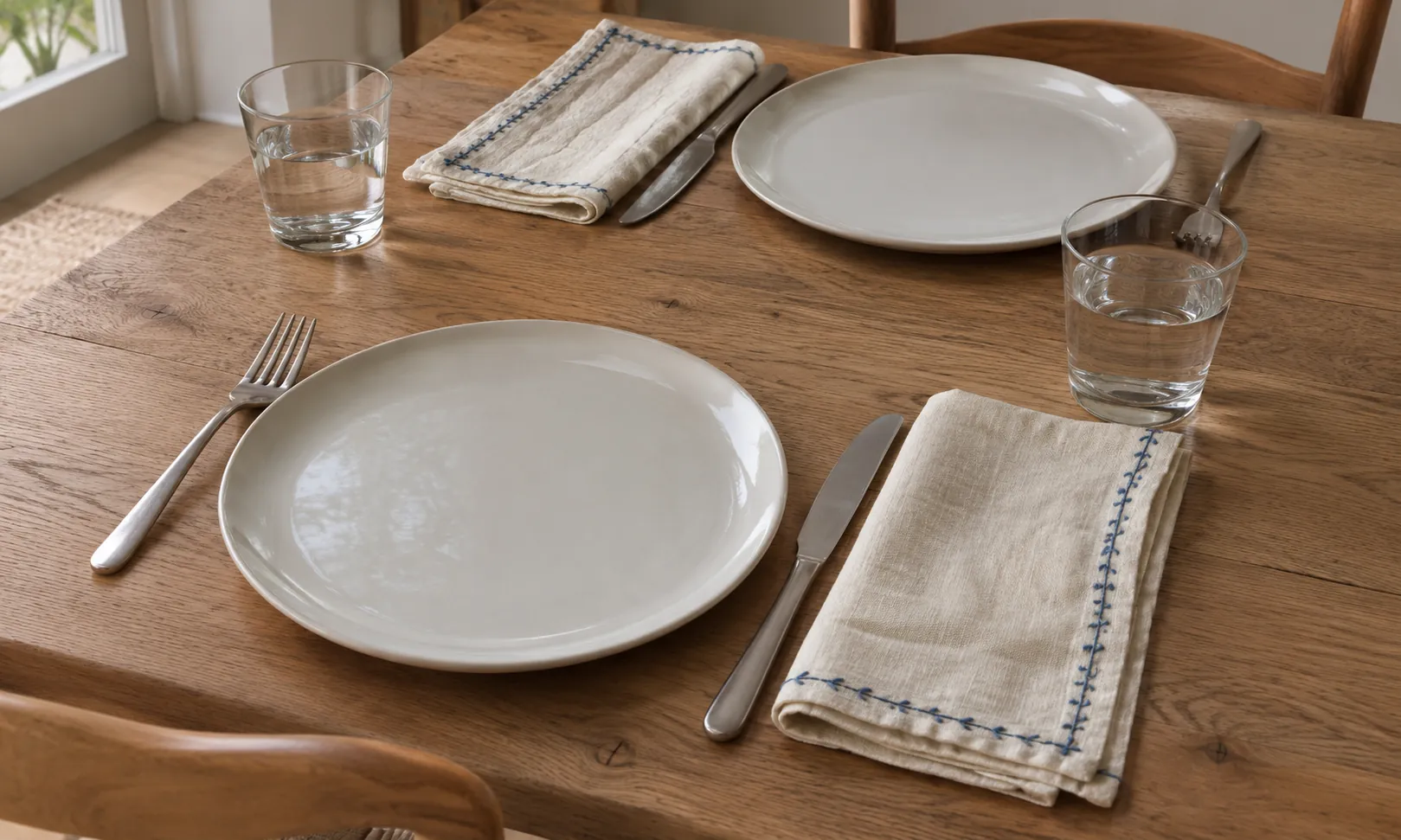
Napkins, runners, and tablecloths can become part of family routines.
For everyday use, choose textiles you can clean and store comfortably. Check surviving care instructions and inspect older pieces for weak areas, tears, loose embroidery, or previous repairs.
Keep fragile heirloom linens for a gentler role if ordinary use would put them under strain.
Build a New Tradition
A new set of well-chosen napkins can become meaningful through repeated use: weekend breakfasts, family dinners, and birthdays.
Keep a record of the maker and material. Familiarity develops over time.
6. A Vase With a Suitable Place to Stand
A vase can bring an inherited object into a frequently used room.
Check its stability, condition, and suitability for holding water. Old repairs or porous materials may make a piece better suited to dry display.
Protect the supporting surface and keep the vase away from edges and busy routes.
If you are uncertain about water use, choose an empty display or another arrangement that does not strain the object. Seek advice before assuming an internal liner makes every fragile vase suitable for flowers.
7. A Small Dish for Personal Items
A sound dish can hold a watch, hair accessories, or other small belongings.
Choose contents that will not scratch the surface. Keep the arrangement somewhere you can reach comfortably without knocking it over.
Keep Unknown Ceramics Out of Food Service
The FDA identifies antique, damaged, excessively worn, and uncertain-origin pottery among ceramicware that warrants particular attention because lead may leach into food or drink.
If food-contact suitability is uncertain, give the dish a non-food role. Its age, appearance, or long family history does not establish that it is suitable for meals.
8. A Silver Piece With a Manageable Role
A silver box, tray, or other accessory can sit comfortably beside contemporary furniture.
Identify the material and condition before cleaning. Solid silver and silver plate require different consideration, and mixed-material pieces may have components that should not get wet.
The Canadian Conservation Institute explains that tarnish removal takes away some underlying silver and warns that excessive polishing can be especially damaging to plated surfaces.
Choose an appropriate care approach rather than automatically polishing whenever the surface changes. Ask a specialist about valuable, decorated, repaired, or unfamiliar pieces.
9. A Lamp Assessed for Modern Use
An older lamp can give a reading corner a distinctive character.
Before using an inherited or secondhand lamp, have its electrical condition assessed by a qualified professional. The cord, plug, socket, switching, and construction need to be suitable for use where you live.
Consider the shade, stability, and light placement too. A beautiful lamp should remain comfortable to operate and useful for its task.
Keep records of repairs so the next owner understands what has been changed.
10. A Throw or Cushion With Personal History
A woven throw, handmade cushion, or quilt can add both comfort and meaning.
Use the piece according to its present condition. A robust contemporary textile may suit regular handling, while an older quilt may need limited use or specialist support.
Avoid forcing a fragile textile into service simply because you want it visible. You can enjoy it through an appropriate display and use another piece for everyday warmth.
For ideas on mixing personal textiles with simple furniture, explore Pravi Celer’s warm minimalism interior design guide.
How to Mix Heirloom Accessories With a Modern Home
Start with one useful object in a place where you will notice it.
A wooden box can sit on a contemporary desk. An inherited basket can work beside a plain chair. A silver accessory can accompany simple ceramics without needing a formal room around it.
Connect the arrangement through one feature:
- A repeated color.
- Similar material tones.
- A shared scale.
- A practical activity.
- A personal story.
Leave enough clear surface for the room to function. Avoid buying additional antiques just to make one inherited piece “match.”
Buying New Accessories to Become Future Heirlooms
Choose something you want to use now.
| Question | What it helps you assess |
| What exactly is it made from? | Material claims and care needs |
| How is it assembled? | Construction and potential weak points |
| Can it be repaired? | Options if a component fails |
| Are care instructions available? | Realistic maintenance |
| Who made it? | Provenance and useful records |
| Does it suit my routine? | Whether it will earn regular use |
Price alone cannot answer these questions. Examine the actual piece and ask the maker or seller for specific information.
Record the Story While You Can
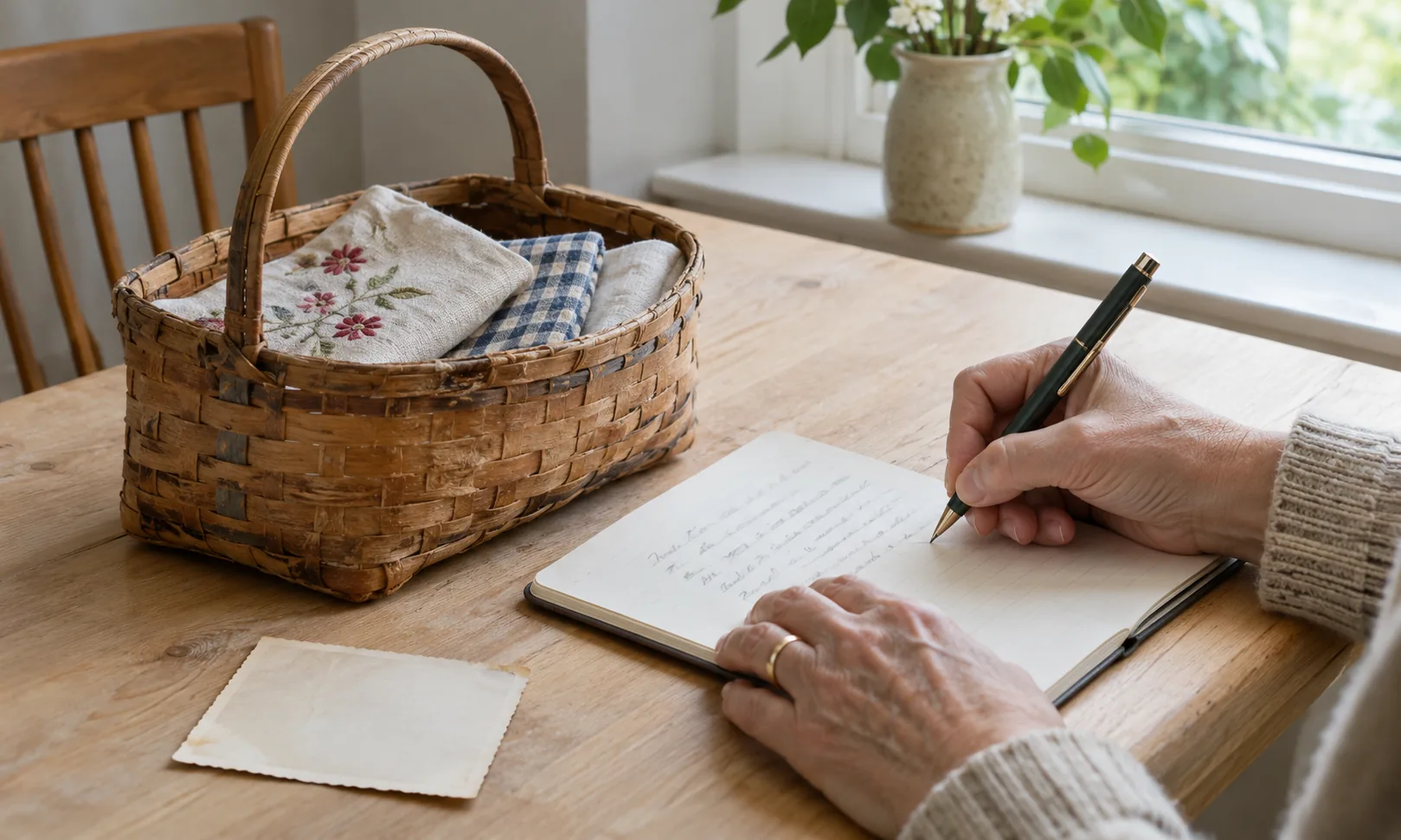
Keep a photograph and a short note for meaningful objects.
Record who owned or made the piece, where it came from, approximate dates, known repairs, and why you kept it.
Store this information separately rather than attaching labels to delicate surfaces.
A sentence such as “This basket held sewing materials beside my grandmother’s chair” may become more valuable to the family than a general description of its style.
FAQs
Can heirloom accessories be used every day?
Some can. Assess condition, construction, materials, and the intended task before choosing an everyday role.
Do heirlooms need to be valuable?
No. Family meaning and continuity do not depend on market price.
Should I use inherited dishes for meals?
Only when their food-contact suitability is established. Choose a non-food role when uncertain, particularly for older or damaged ceramics.
Can I mix inherited pieces with contemporary furniture?
Yes. Start with a useful placement and connect the arrangement through color, material, scale, or function.
Should I restore every inherited object?
No. First understand its condition and significance. Cleaning, refinishing, or altering it can be irreversible, so seek appropriate advice when the outcome matters.
What is a good first heirloom accessory to buy?
Choose a well-made object that answers an existing need, such as a tray, box, basket, or pair of bookends. Investigate its materials and care before purchasing.
Let Meaning Grow Through Use
Choose one object you enjoy and give it a suitable everyday task.
Keep it somewhere accessible, care for it according to its needs, and write down its story.
Over time, the small act of reaching for it can become part of your own household history—something the next person may remember.