There is a particular kind of compliment that feels different from all the others. It’s not about your dress, your shoes, or the beautiful handbag you’ve carefully chosen. It’s when someone notices your fragrance and asks, almost instinctively, what you’re wearing.
And suddenly, something invisible has become the most memorable part of your entire look.
That’s the wonderful thing about perfume.
You can take off your jewelry, change your outfit, and leave your handbag at home. But a beautiful fragrance has a way of becoming connected to your identity.
Sometimes it reminds you of an evening you never wanted to end. Sometimes it brings back a person you haven’t seen in years. And sometimes, the simple pleasure of wearing your favorite scent makes an ordinary morning feel just a little more special.
I think that emotional connection is what makes luxury perfume so fascinating.
Not the elaborate packaging. Not the astonishing price tags. And certainly not the idea that expensive automatically means beautiful.
It’s the artistry of turning flowers, woods, spices, resins, and carefully constructed accords into something that feels personal.
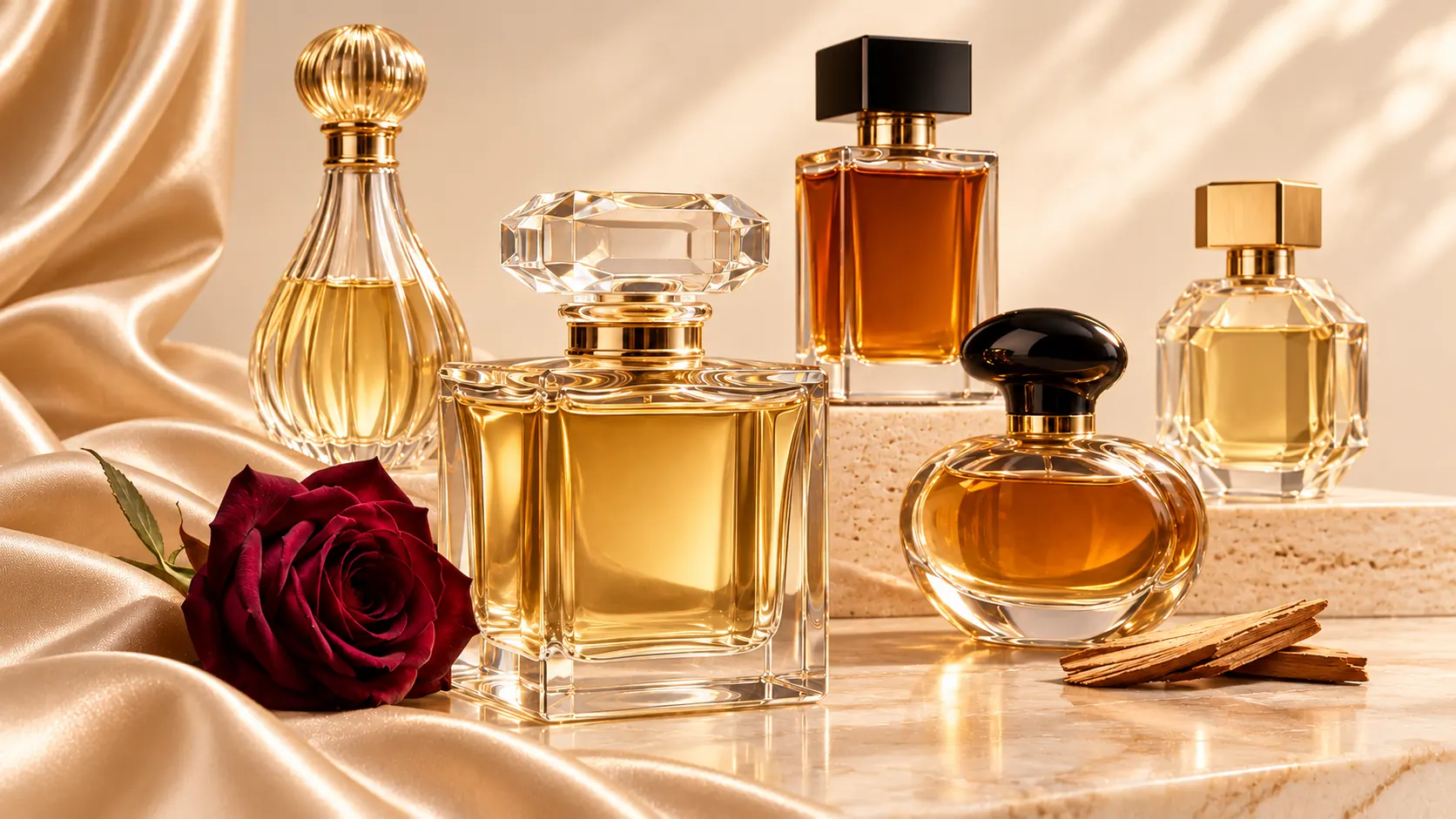
The best luxury perfume is one that smells beautiful to you, develops pleasantly on your skin, and suits the moments you want to wear it. Among the most influential fragrances worth discovering in 2026 are Chanel No. 5, Dior J’adore, Maison Francis Kurkdjian Baccarat Rouge 540, Frédéric Malle Portrait of a Lady, Le Labo Santal 33, and Guerlain Shalimar.
But choosing a fragrance shouldn’t feel like memorizing a list of famous names.
It should feel like discovering something wonderful about your own taste.
So whether you’re buying your first luxury perfume, building a fragrance collection, or searching for one extraordinary scent, this guide will help you understand what makes a fragrance special and which bottles deserve your attention.
Key Takeaways
- Best classic luxury perfume: Chanel No. 5 is a landmark floral-aldehydic fragrance with a history dating to 1921.
- Best modern statement fragrance: Maison Francis Kurkdjian Baccarat Rouge 540 offers a distinctive amber-woody composition.
- Best romantic floral: Dior J’adore combines jasmine, rose, and ylang-ylang in an elegant bouquet.
- Best sophisticated rose: Frédéric Malle Portrait of a Lady blends rose with patchouli, woods, and incense.
- Best woody signature: Le Labo Santal 33 is known for sandalwood, cardamom, leather, and musky facets.
- Best for fresh everyday elegance: Jo Malone London’s Wood Sage & Sea Salt is worth exploring.
- Best buying strategy: Try samples on your skin, compare the dry-down, and buy the size you’ll actually use.
- Most important lesson: Price, concentration, and brand prestige do not guarantee that you’ll enjoy a fragrance or that it will last longer on your skin.
What Makes a Perfume Truly Luxurious?
Imagine two perfume bottles sitting beside each other.
One costs $80. The other costs $350.
The expensive bottle has a beautiful glass design, an elegant cap, and a name that fragrance enthusiasts immediately recognize.
Does that make it five times better?
Not necessarily.
Luxury perfumery is more complicated than a price tag.
At its most compelling, a fragrance brings together thoughtful composition, creative direction, careful production, and an experience that feels distinctive.
The Art of Composition
A perfumer doesn’t simply combine pleasant-smelling ingredients.
The challenge is creating balance.
A citrus opening might introduce freshness before a floral heart appears. Over time, the composition may become warmer, softer, woodier, or more sensual.
The most interesting perfumes can reveal different facets throughout the day.
That evolution is one reason it’s worth wearing a sample for several hours instead of deciding within thirty seconds.
Ingredients and Creative Freedom
Some luxury fragrances use costly natural materials, including particular floral absolutes, resins, and woods.
Others achieve extraordinary effects through synthetic aroma molecules.
Neither approach is inherently superior.
Modern perfumery depends on both natural and synthetic materials, and synthetics can create effects that would be difficult or impossible to obtain from nature alone.
The real question is how successfully the materials have been used.
The Identity of the Fragrance House
Chanel approaches perfume through its fashion heritage and established fragrance codes.
Guerlain has a long perfumery tradition.
Maison Francis Kurkdjian emphasizes composition and a recognizable creative signature.
Frédéric Malle gives individual perfumers a prominent role in the identity of its fragrances.
Each house offers a different interpretation of luxury.
And understanding those differences is far more useful than assuming every expensive bottle belongs in the same category.
12 Luxury Perfumes Worth Discovering in 2026
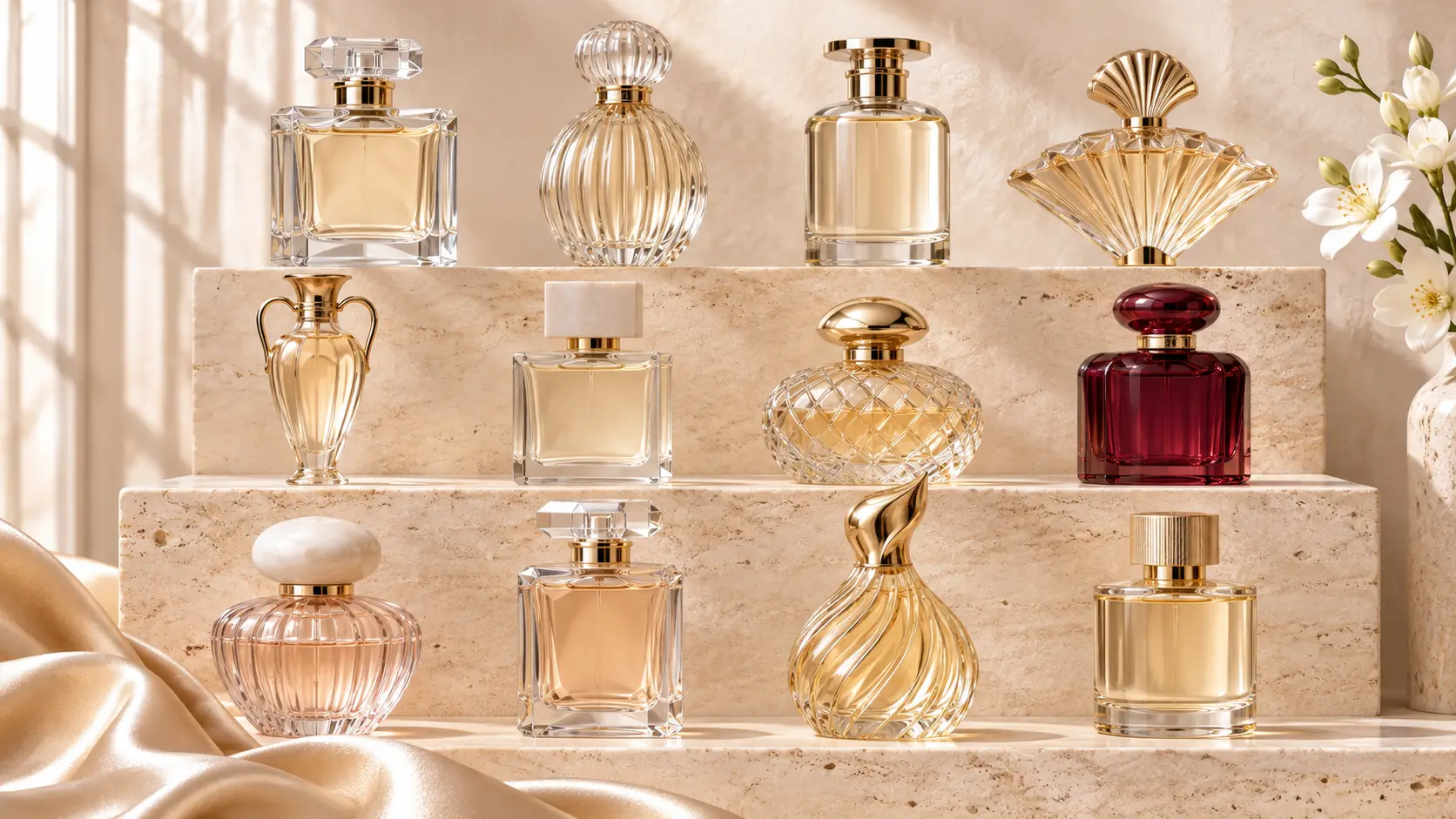
These fragrances have been selected for their distinctive compositions, recognizable identities, and importance within contemporary or heritage perfumery.
They are not ranked by sales, and they aren’t guaranteed to suit everyone.
Think of them as twelve different doors into the beautiful world of luxury fragrance.
1. Chanel No. 5: The Fragrance That Became a Fashion Legend
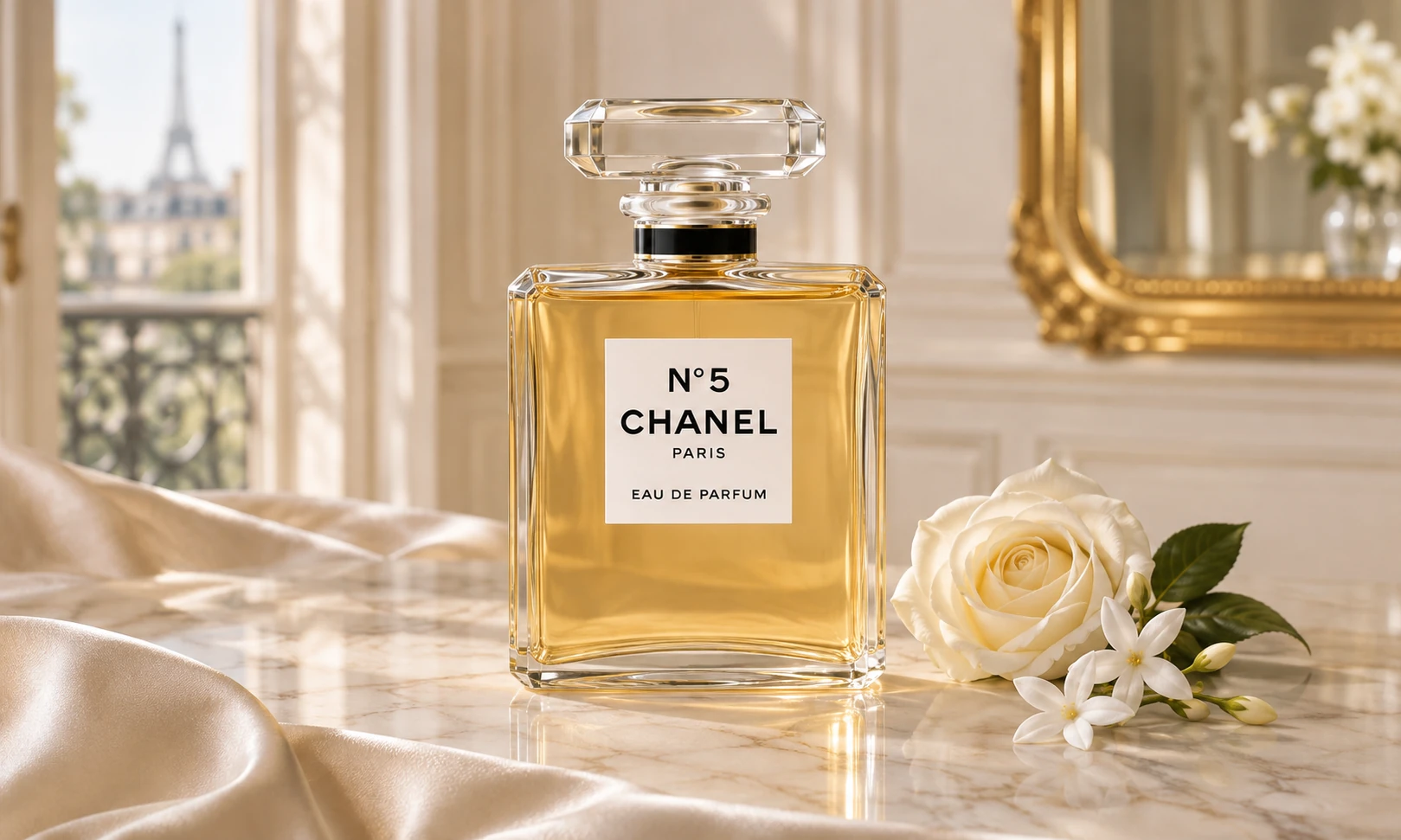
Best for: Lovers of classic, elegant, floral fragrances
Fragrance family: Floral aldehydic
Key notes: Aldehydes, jasmine, May rose, citrus, vanilla
Character: Elegant, powdery, complex, unmistakably classic
Some perfumes become fashionable for a season.
Chanel No. 5 became part of fashion history.
Created in 1921 by perfumer Ernest Beaux for Gabrielle Chanel, No. 5 challenged the idea that a fragrance should simply resemble one recognizable flower.
Its composition uses aldehydes to create a distinctive brightness around a rich floral arrangement.
The result is abstract, layered, and quite different from many contemporary sweet fragrances.
The version matters, too.
Chanel No. 5 Eau de Parfum, introduced in 1986 as a reinterpretation of the original composition, is not identical to the original parfum or the later No. 5 L’Eau.
For someone discovering the fragrance today, sampling the different interpretations is a lovely way to understand how a classic can evolve.
Why it’s special: Chanel No. 5 represents one of the most important chapters in twentieth-century perfumery.
It’s also a fascinating part of the house’s business history. Our feature on the extraordinary story of Chanel explores how one fragrance helped shape a global luxury empire.
Worth knowing: This is not an automatically safe gift simply because it’s famous. Its aldehydic and powdery character can feel magnificent to one person and too traditional to another.
Try it before buying.
2. Dior J’adore: A Beautiful Celebration of Flowers
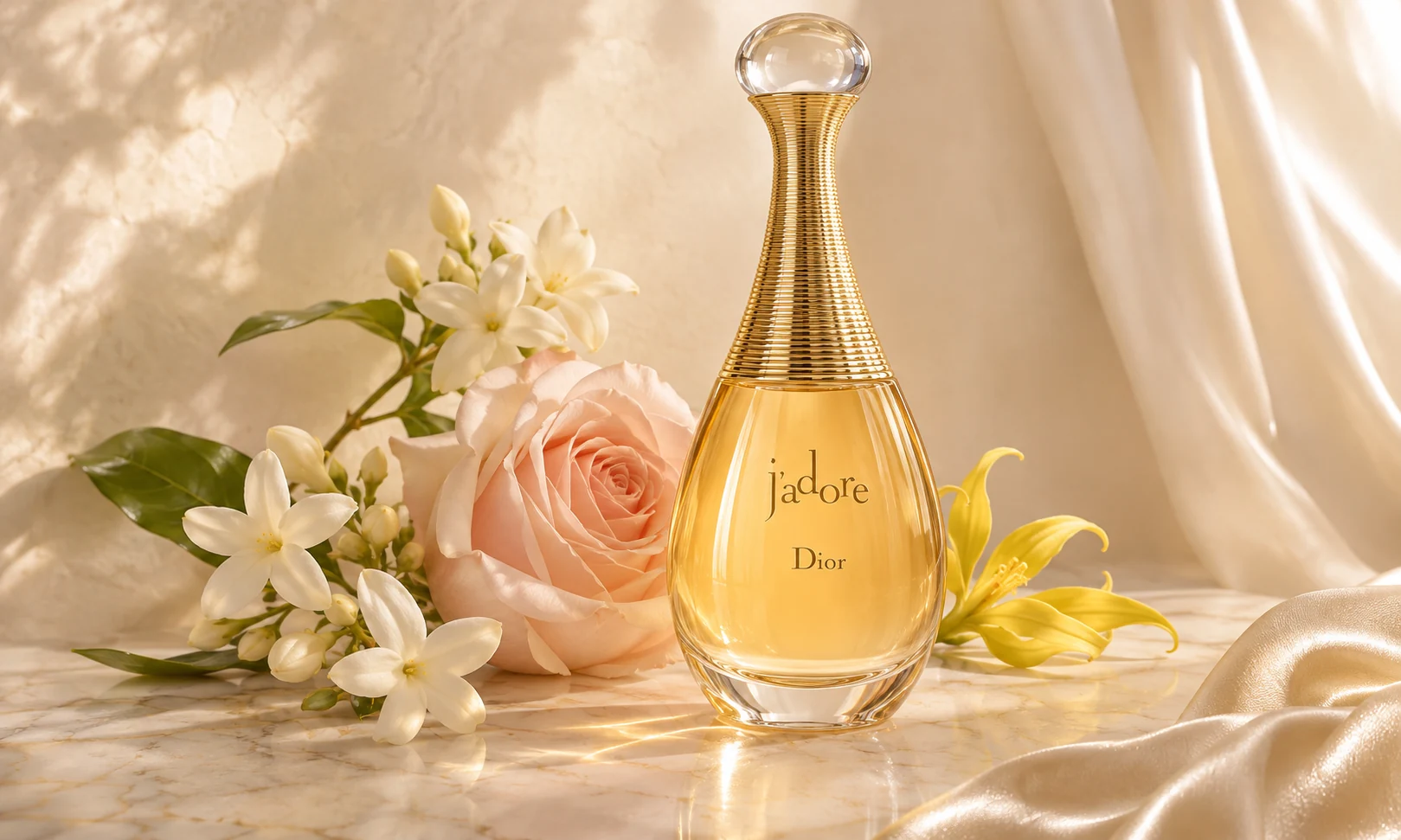
Best for: Romantic florals, daytime elegance, and special occasions
Fragrance family: Floral
Key notes: Ylang-ylang, Damascus rose, jasmine grandiflorum, jasmine sambac
Character: Luminous, graceful, feminine, floral
There are fragrances that feel like a single flower.
And then there are fragrances that feel like an entire bouquet arranged with extraordinary care.
Dior J’adore belongs to the second category.
Its floral composition brings together ylang-ylang, rose, and different expressions of jasmine.
The effect is full and radiant without depending entirely on heavy sweetness.
There’s something particularly lovely about its balance.
The different floral elements contribute to the impression rather than allowing one flower to dominate everything.
J’adore can feel especially appropriate when you’re getting dressed for a beautiful afternoon, a celebration, or an occasion when you want your fragrance to feel polished.
Why it’s special: It offers a recognizably luxurious floral character that can move between everyday wear and formal occasions.
Worth knowing: The J’adore collection contains several interpretations. Always check whether you’re buying the original Eau de Parfum, L’Or, or another version.
A similar bottle doesn’t necessarily mean an identical fragrance.
3. Maison Francis Kurkdjian Baccarat Rouge 540: Modern Luxury With a Distinctive Identity
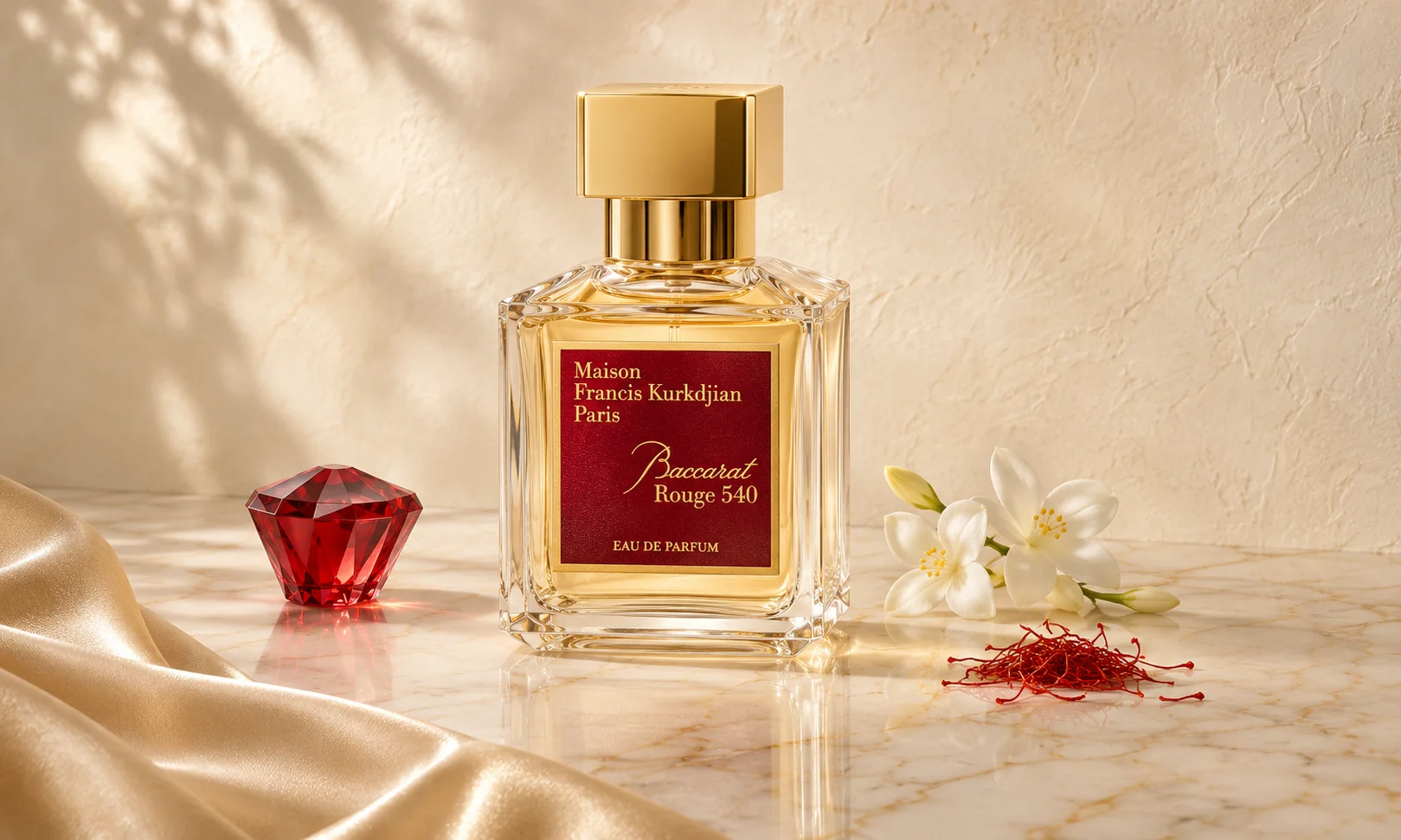
Best for: Amber-woody fragrance lovers and statement scent wardrobes
Fragrance family: Amber woody floral
Key accords: Saffron, jasmine-like floral facets, amber woods, mineral and gourmand nuances
Character: Radiant, distinctive, airy yet rich
Few contemporary luxury perfumes have generated as much conversation as Baccarat Rouge 540.
And its story is genuinely interesting.
The fragrance was created by Francis Kurkdjian in connection with the crystal house Baccarat.
Its name refers to the temperature associated with producing Baccarat’s distinctive red crystal through the addition of gold powder.
The perfume itself explores contrasts.
There is an airy floral quality, a mineral-like amber effect, and warmth created through saffron and gourmand nuances.
It doesn’t behave like a conventional floral bouquet or a straightforward vanilla fragrance.
That’s part of its appeal.
For some wearers, Baccarat Rouge 540 feels sweet, radiant, and luxurious. Others notice woody, mineral, or almost transparent facets.
Why it’s special: It’s an influential example of modern abstract perfumery, where the overall impression matters more than identifying individual flowers.
Worth knowing: Baccarat Rouge 540 Eau de Parfum and Extrait de Parfum are different interpretations. Don’t assume the extrait is simply the same scent turned up louder.
And because this composition has a strong recognizable identity, wearing it on your skin before purchasing is especially important.
4. Frédéric Malle Portrait of a Lady: Rose With Extraordinary Depth
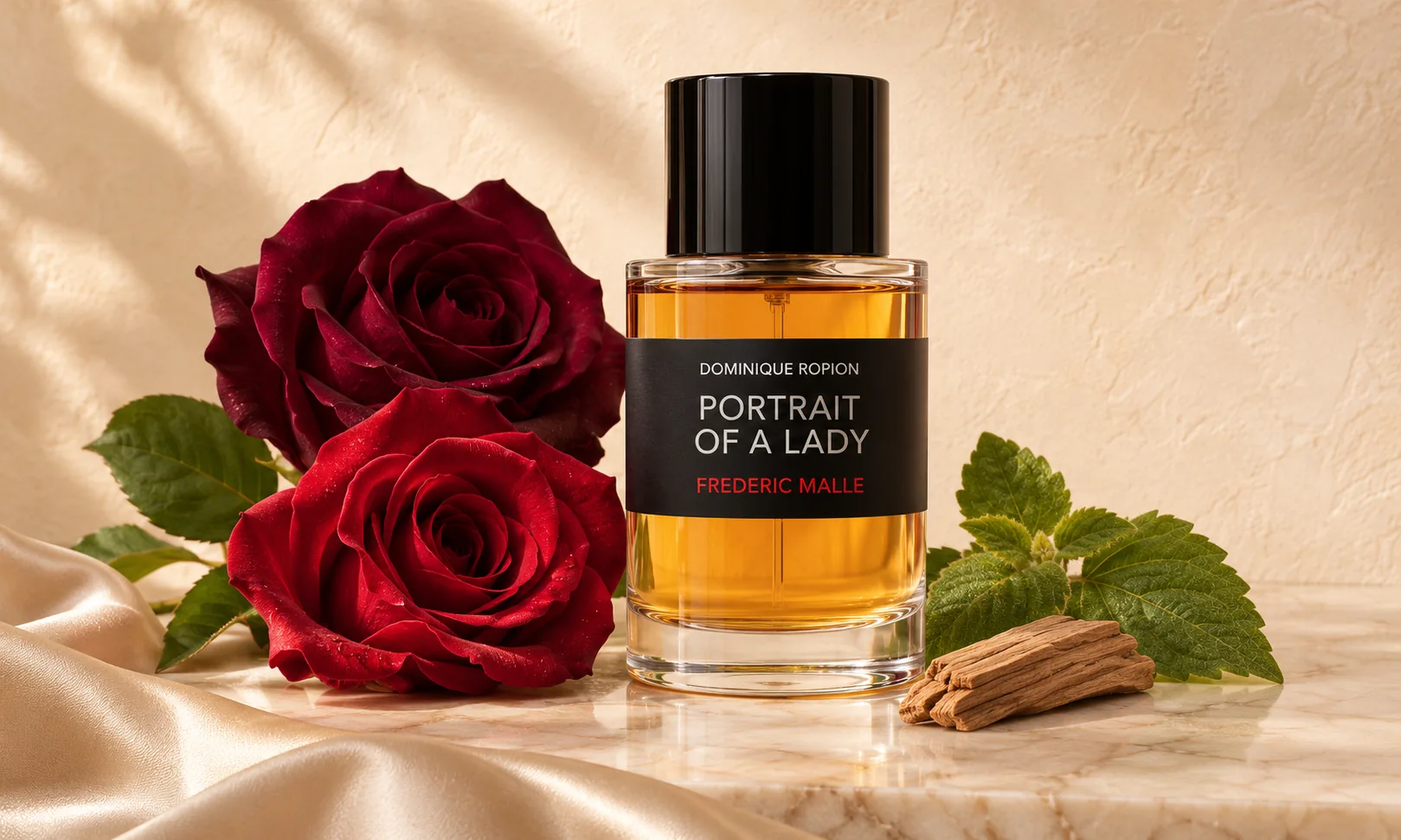
Best for: Sophisticated rose lovers and dramatic evening fragrances
Fragrance family: Floral chypre
Key notes: Rose, patchouli, sandalwood, incense, dark fruit accents
Character: Opulent, complex, romantic, powerful
Forget everything you think you know about a delicate rose perfume.
Portrait of a Lady approaches the flower from a completely different direction.
Created by perfumer Dominique Ropion, the fragrance combines the richness of Turkish rose with patchouli, incense, and woody notes.
There is sweetness, certainly, but there’s also darkness and structure.
It feels luxurious without relying on a simplistic idea of femininity.
Portrait of a Lady has become an important modern perfume, and in 2026 it entered The Fragrance Foundation’s Hall of Fame.
That recognition reflects its influence within contemporary perfumery.
Why it’s special: It demonstrates how an extremely familiar material rose can become something unexpected through composition.
Worth knowing: This is a fragrance with a strong personality.
If you prefer transparent citrus fragrances or subtle skin scents, sample carefully before buying a full bottle.
5. Le Labo Santal 33: The Beauty of Woody Minimalism
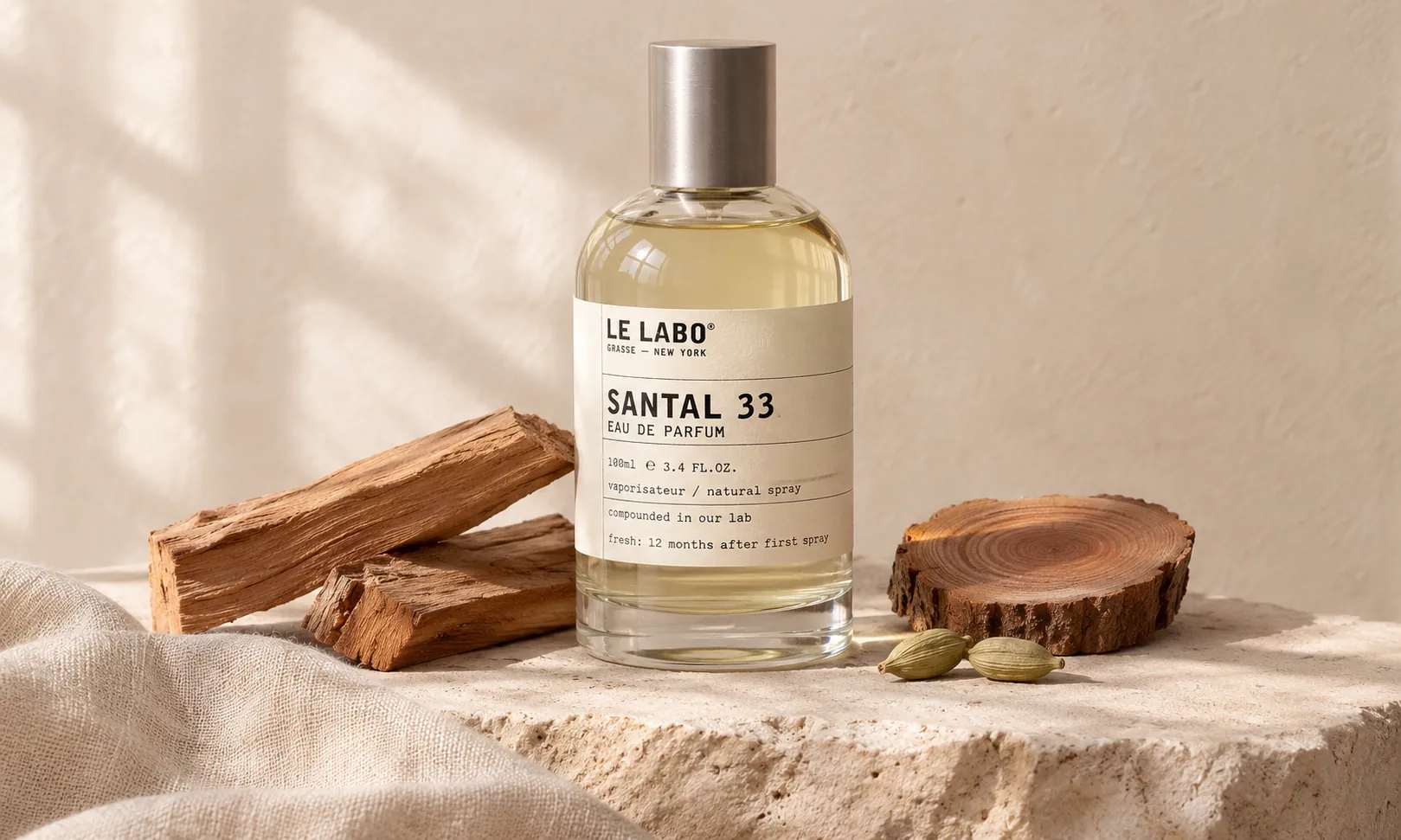
Best for: Lovers of sandalwood, leather, and modern unisex fragrance
Fragrance family: Woody aromatic
Key notes: Sandalwood, cedarwood, cardamom, iris, violet, leather, musk
Character: Dry, warm, textured, contemporary
Santal 33 has one of those recognizable fragrance identities that people often describe as effortlessly cool.
It combines woods with spice, soft floral elements, leather, and musk.
The result is not a traditional sweet perfume.
Instead, it leans into a dry, textured, comforting kind of warmth.
I love the styling comparison here.
If Baccarat Rouge 540 feels like statement jewelry, Santal 33 is closer to a beautifully tailored jacket.
It doesn’t need decorative flourishes to make an impression.
This is the kind of composition worth exploring if you love minimalist fashion, natural textures, and fragrances that blur conventional gender categories.
Why it’s special: It helped establish woody, sandalwood-led fragrances as a recognizable part of contemporary luxury scent culture.
Worth knowing: Sandalwood fragrances can develop quite differently depending on the composition and the wearer. Santal 33’s distinctive leathery character won’t appeal equally to everyone.
6. Guerlain Shalimar: Vintage Glamour in a Bottle
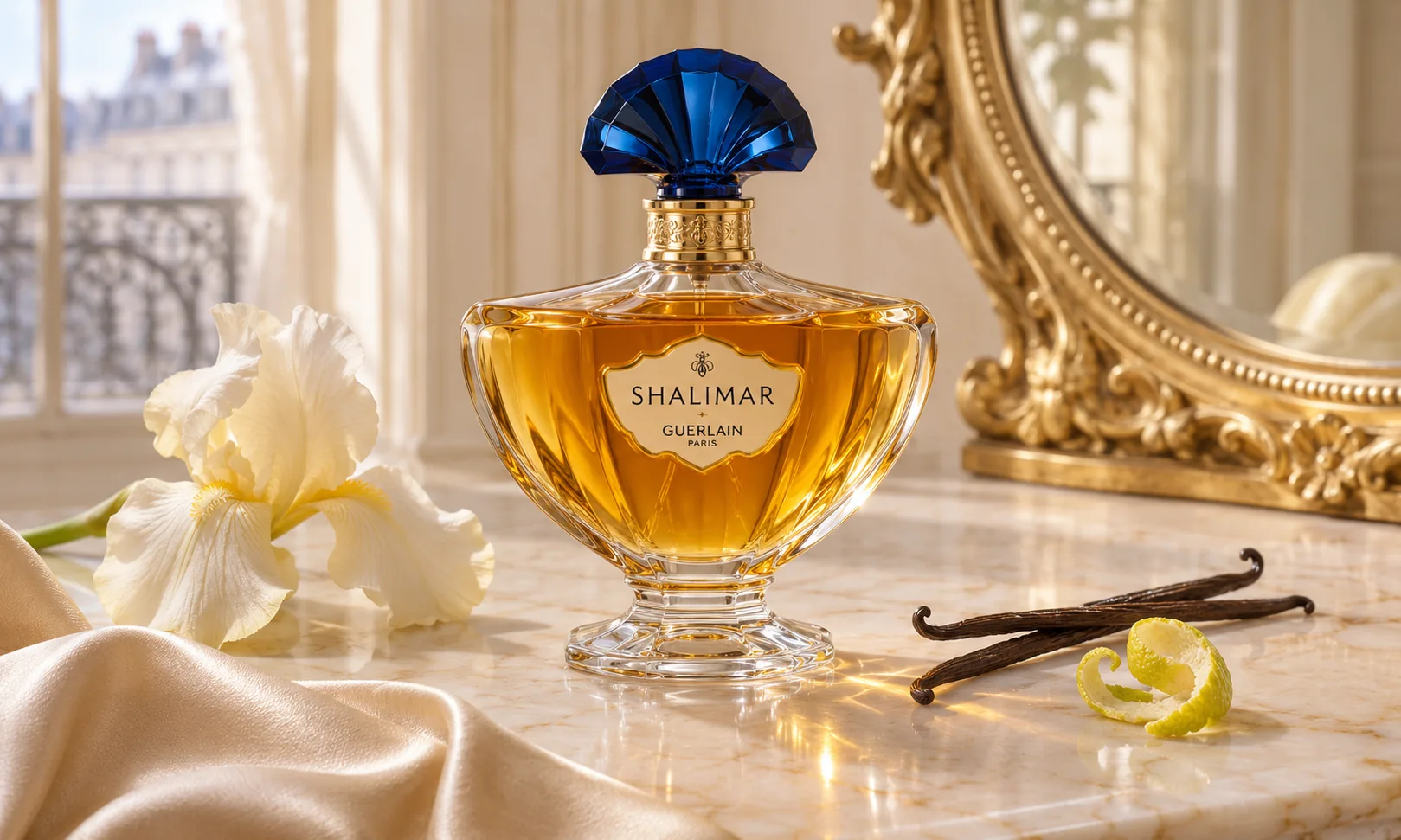
Best for: Lovers of vanilla, amber, and heritage perfumery
Fragrance family: Amber
Key notes: Bergamot, iris, vanilla
Character: Sensual, warm, powdery, richly layered
Some fragrances feel modern because they’re minimalist.
Others feel extraordinary because they carry an entire era within their composition.
Guerlain Shalimar is a beautiful example of the second kind.
Originally created in 1925, Shalimar is one of the great reference points of amber perfumery.
Its contrast between fresh bergamot and warm vanilla creates a distinctive personality.
The fragrance can feel powdery, rich, and sensual, with a more classical structure than many modern gourmand perfumes.
It’s the kind of scent that rewards curiosity.
Instead of comparing it only with contemporary vanilla fragrances, try to appreciate the balance between brightness, warmth, and depth.
Why it’s special: Shalimar remains an important heritage composition that demonstrates the long history of amber fragrances.
Worth knowing: If you love modern sugary vanilla perfumes, Shalimar may surprise you. Its classic character is more complex than a simple sweet scent.
7. Diptyque Philosykos: A Summer Memory Made of Fig Trees
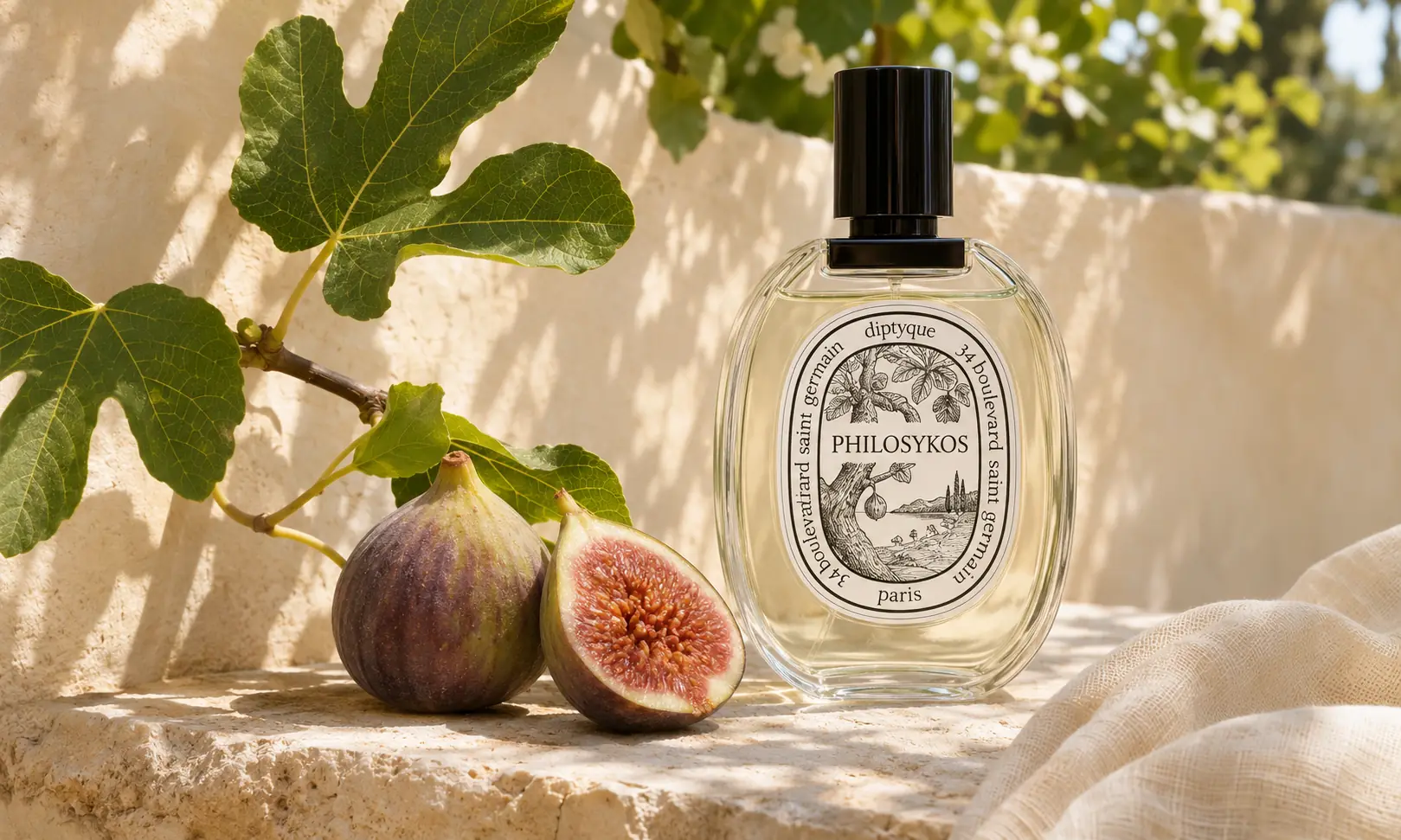
Best for: Green fragrance lovers and understated everyday luxury
Fragrance family: Green woody
Key notes: Fig leaves, fig tree sap, fig wood, black pepper
Character: Green, natural, softly woody, evocative
Some perfumes try to capture a flower.
Philosykos tries to capture an entire tree.
Created around the impression of fig trees in Greece, Diptyque’s fragrance explores the leaves, sap, fruit, wood, and surrounding atmosphere.
The Eau de Parfum particularly emphasizes the woody dimensions of the fig tree.
There’s something joyful about that concept.
It feels less like wearing a conventional perfume and more like carrying an impression of a warm landscape with you.
This is an appealing choice for people who enjoy natural-looking fabrics, quiet spaces, and fragrances that feel atmospheric rather than heavily decorative.
Why it’s special: Philosykos demonstrates how a perfume can express a complete environment rather than just a recognizable ingredient.
Worth knowing: The Eau de Toilette and Eau de Parfum offer different balances. Compare both before deciding.
8. Byredo Bal d’Afrique: Brightness With a Beautiful Woody Finish
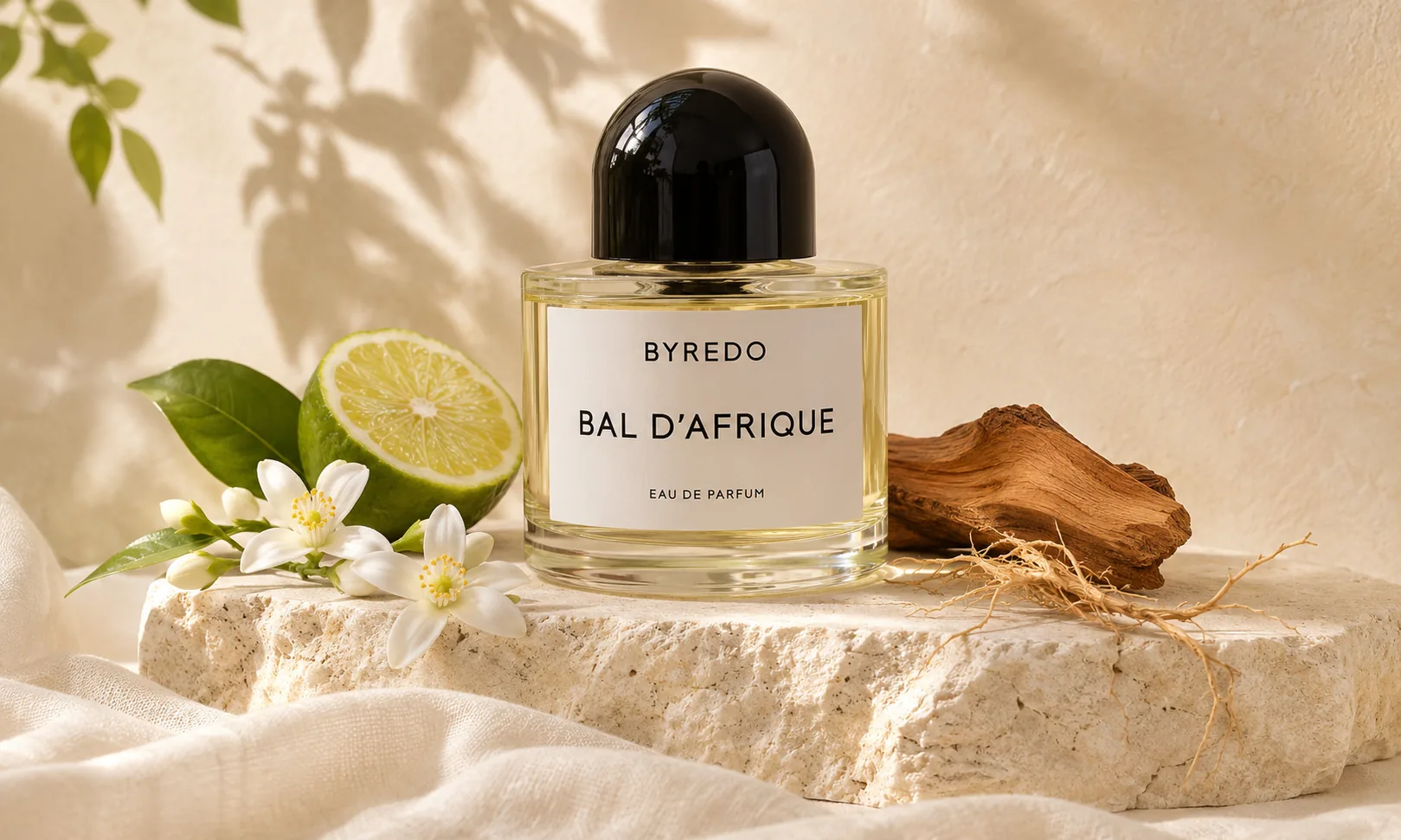
Best for: Cheerful, sophisticated daytime fragrance
Fragrance family: Floral woody
Key notes: Bergamot, African marigold, blackcurrant, violet, jasmine, vetiver
Character: Bright, smooth, warm, contemporary
Bal d’Afrique has an appealing sense of energy.
The composition begins with lively fruity and citrus elements before moving toward florals and a woody base.
Vetiver brings depth, while the brighter notes keep the overall impression feeling cheerful and open.
What makes it interesting is how easily the composition balances lightness and warmth.
It doesn’t have to be a dramatic evening perfume to feel luxurious.
Sometimes a beautiful daytime fragrance is exactly what your collection needs.
Why it’s special: Bal d’Afrique offers an expressive contemporary profile that combines brightness with a refined woody finish.
Worth knowing: Byredo describes it as a genderless fragrance. As with any perfume, personal preference matters more than the label.
9. Tom Ford Oud Wood: Dark Woods With Tailored Elegance
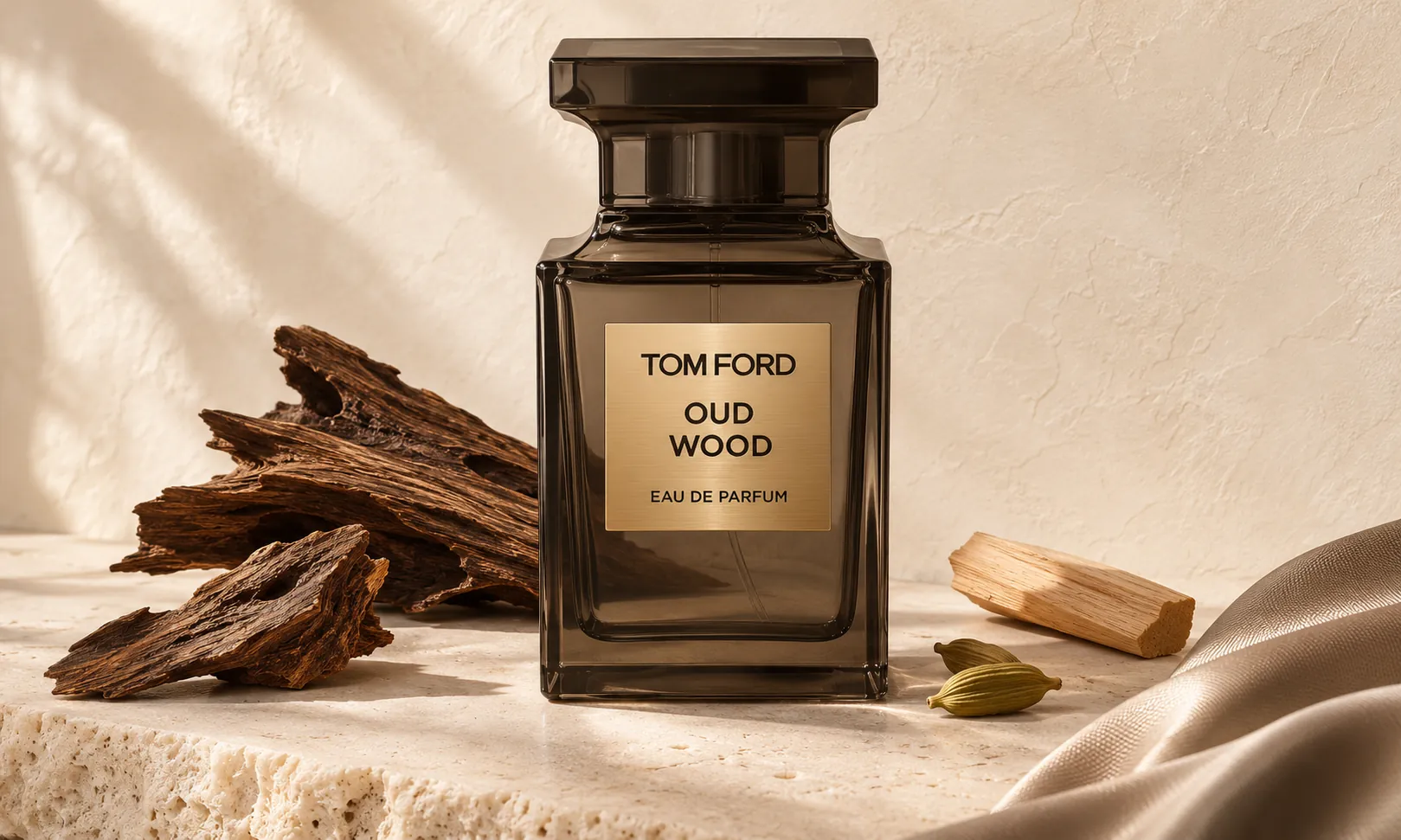
Best for: Warm woody fragrances and sophisticated evenings
Fragrance family: Woody spicy
Key notes: Oud accord, cardamom, rosewood, sandalwood, vetiver, amber, tonka bean
Character: Warm, polished, woody, sensual
There is something very satisfying about a beautifully constructed woody fragrance.
It can feel rich without being sugary, confident without being aggressively sharp, and appropriate for occasions when you want something a little more distinctive.
Tom Ford Oud Wood explores that mood.
Its composition combines oud-like notes with spices and other woods, supported by warm amber and tonka facets.
The result is a polished interpretation of oud-inspired perfumery.
It doesn’t necessarily have the intensity associated with some traditional oud compositions.
Instead, it offers a smoother, more approachable interpretation.
Why it’s special: Oud Wood has helped make modern oud-inspired fragrances familiar to a wider luxury audience.
Worth knowing: Oud is associated with agarwood, but a perfume described as having an oud note does not automatically contain a particular quantity of natural oud oil.
Judge the finished fragrance rather than making assumptions from the ingredient’s reputation.
10. Creed Aventus: A Confident Modern Classic
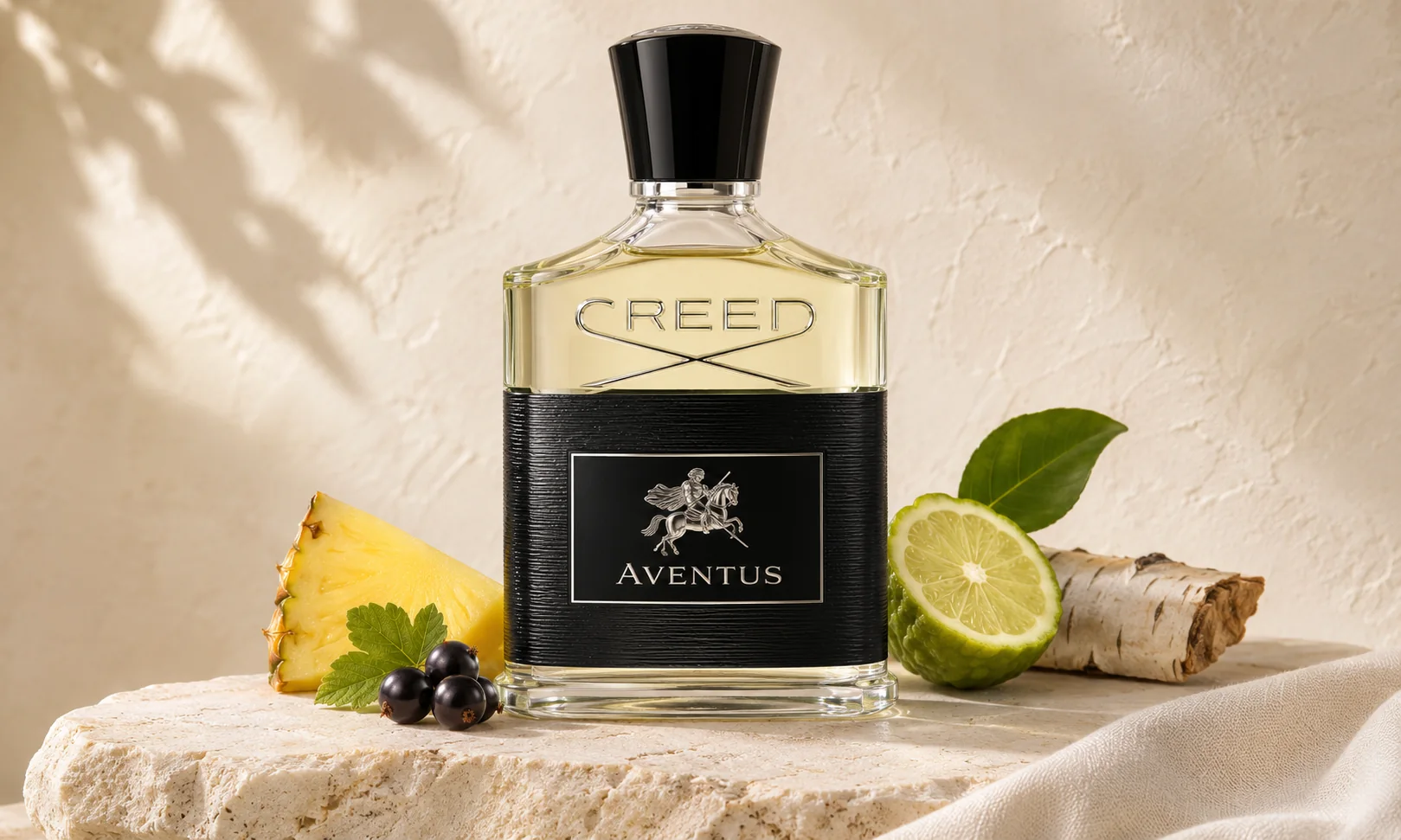
Best for: Fruity-woody fragrances and versatile statement wear
Fragrance family: Fruity woody
Key notes: Pineapple, apple, blackcurrant, bergamot, birch, jasmine, oakmoss
Character: Fresh, bold, woody, energetic
Aventus became widely recognizable for a composition that feels both fresh and substantial.
Its opening combines fruity notes such as pineapple, apple, and blackcurrant.
Those elements contrast with darker woody facets, including birch and oakmoss.
It’s an interesting balance.
The freshness keeps the fragrance lively, while the woods give it a more structured character.
Although Aventus is traditionally marketed toward men, fragrance preferences are personal.
Anyone who enjoys its scent profile can explore it.
Why it’s special: Aventus became one of the defining fragrances of the modern premium masculine fragrance market.
Worth knowing: Don’t buy Aventus solely because of its reputation.
Try it alongside other fruity-woody fragrances and decide whether you genuinely prefer its composition.
11. Jo Malone London Wood Sage & Sea Salt: Understated Everyday Luxury
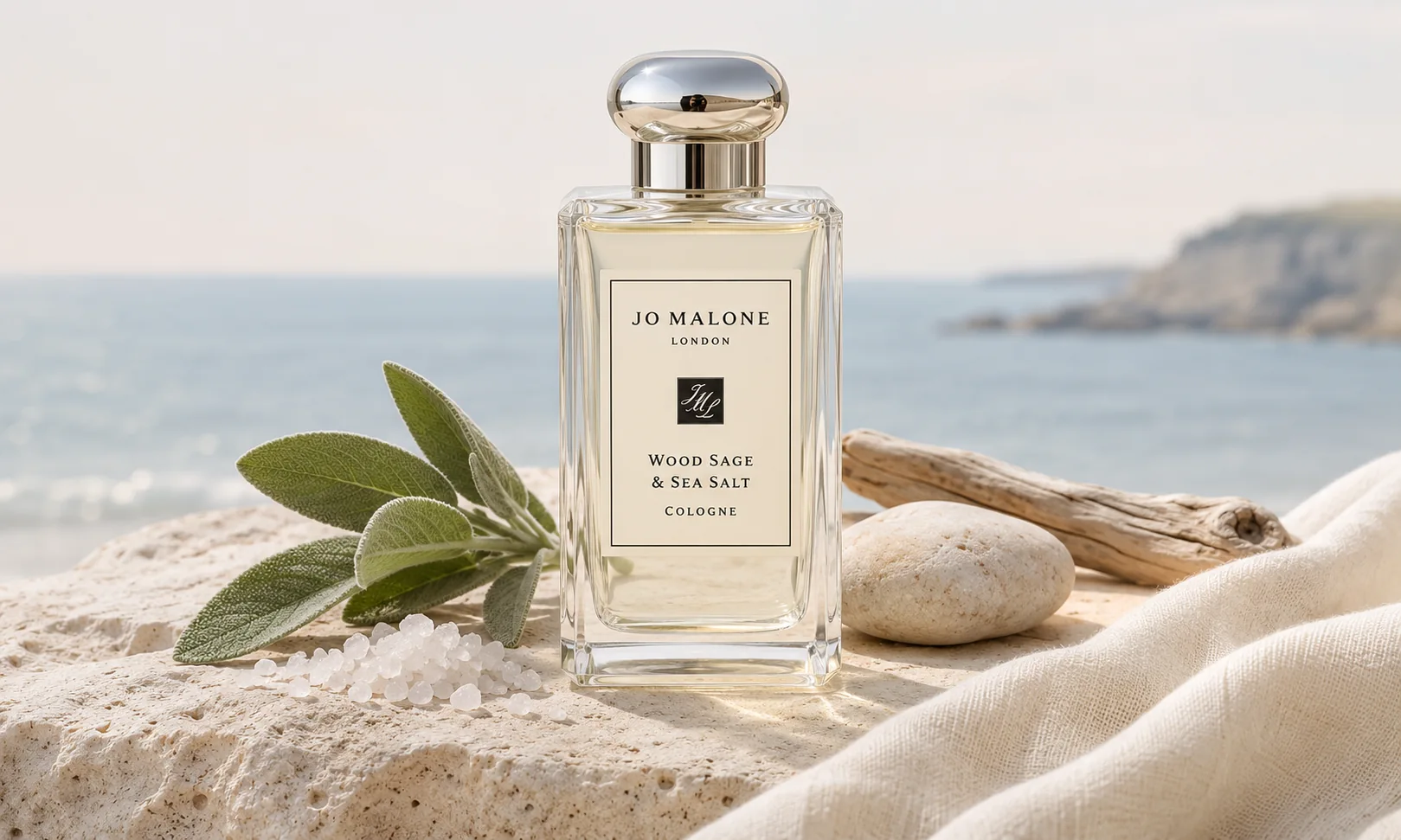
Best for: Fresh, understated, office-friendly fragrance preferences
Fragrance family: Woody aromatic
Key notes: Ambrette seeds, sea salt, sage
Character: Airy, mineral, fresh, relaxed
Not every luxury perfume needs to make an entrance.
Some are more appealing when they remain subtle and personal.
Wood Sage & Sea Salt captures the impression of a windswept coastline through fresh mineral facets, soft woods, and aromatic sage.
It’s a refreshing alternative to heavy amber or rich gourmand fragrances.
The composition feels relaxed and uncomplicated.
For someone who enjoys gentle scents, it can be a lovely everyday option.
Why it’s special: It proves that a fragrance can have a distinctive personality without relying on obvious sweetness or heavy richness.
Worth knowing: This is sold as a cologne. Don’t expect the same intensity or longevity as every richer eau de parfum, although actual performance varies.
12. Acqua di Parma Colonia: The Pleasure of Timeless Freshness
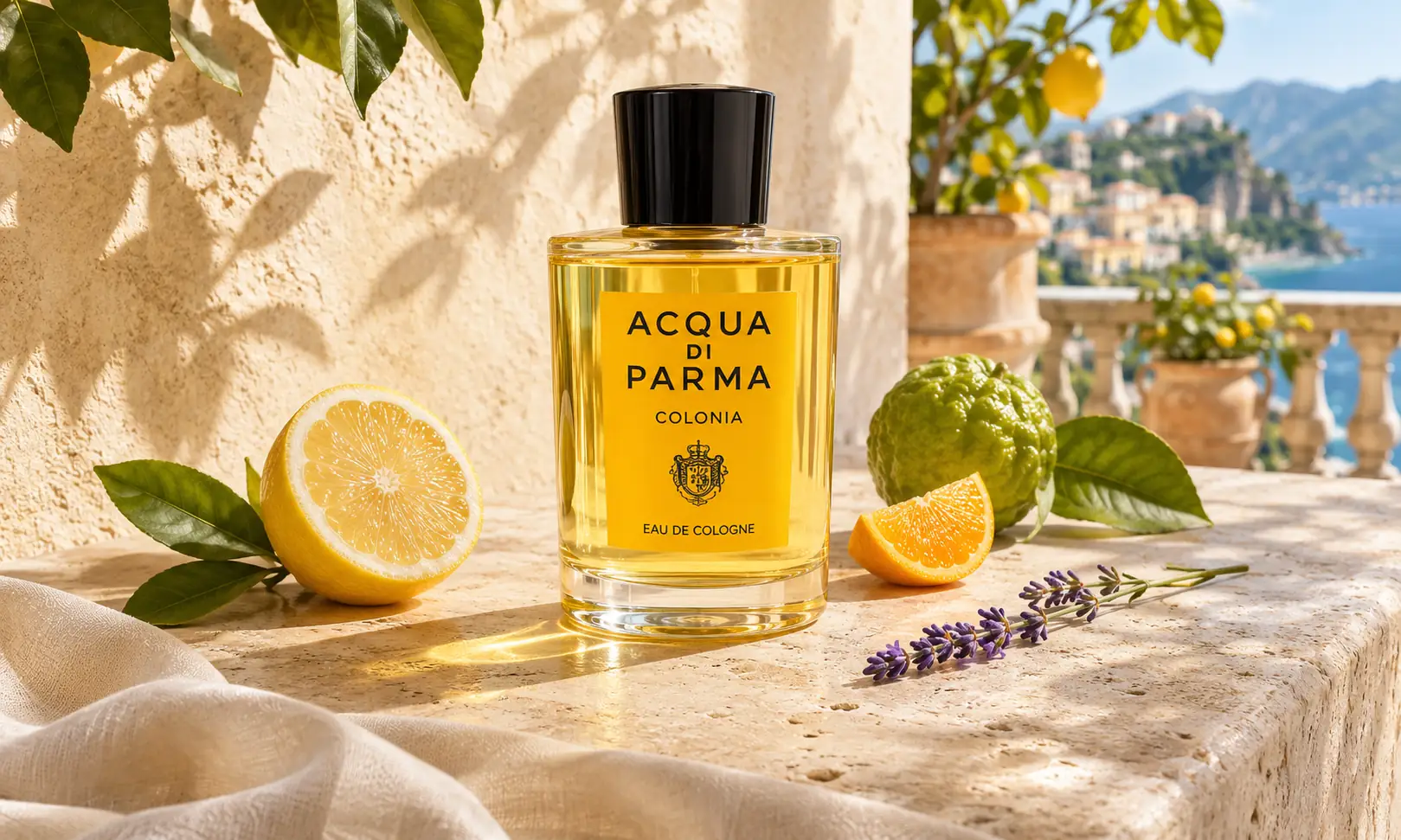
Best for: Lovers of classic citrus fragrances
Fragrance family: Citrus aromatic
Key character: Bright citrus, aromatic freshness, elegant warmth
Character: Fresh, refined, uplifting, timeless
There’s a particular pleasure in wearing a fragrance that feels crisp and beautifully clean.
Acqua di Parma Colonia is closely associated with that style of elegance.
First introduced in 1916, Colonia became one of the enduring reference points of Italian fragrance heritage.
Its citrus-led character offers a refreshing contrast to the deeper amber, rose, and oud fragrances elsewhere in this guide.
This is the type of perfume I’d suggest exploring when you want something uplifting for daytime wear.
It’s especially appealing if you enjoy the atmosphere of summer travel, linen shirts, and uncomplicated sophistication.
Why it’s special: Colonia represents a classic interpretation of refined citrus perfumery.
Worth knowing: Citrus fragrances can have a lighter impression than heavier compositions. That doesn’t make them less luxurious; it simply gives them a different purpose.
Luxury Perfumes Compared: Which One Should You Choose?
| Luxury perfume | Fragrance style | Best suited to |
| Chanel No. 5 | Floral aldehydic | Classic elegance |
| Dior J’adore | Luminous floral | Romantic occasions |
| Baccarat Rouge 540 | Amber woody floral | Distinctive signature wear |
| Portrait of a Lady | Rich rose chypre | Dramatic evenings |
| Le Labo Santal 33 | Woody leather | Modern everyday style |
| Guerlain Shalimar | Vanilla amber | Heritage fragrance lovers |
| Diptyque Philosykos | Green fig woods | Understated freshness |
| Byredo Bal d’Afrique | Bright floral woods | Cheerful daytime wear |
| Tom Ford Oud Wood | Warm spicy woods | Sophisticated evenings |
| Creed Aventus | Fruity woods | Confident statement wear |
| Jo Malone Wood Sage & Sea Salt | Mineral aromatic | Light daily fragrance |
| Acqua di Parma Colonia | Citrus aromatic | Timeless fresh elegance |
This is an editorial comparison based on fragrance character and intended use, not a ranking of objectively superior products.
Luxury Perfume Prices: What Are You Actually Paying For?
A perfume’s price can reflect many different things.
The fragrance formula matters, but so do packaging, bottle design, manufacturing, distribution, marketing, retail margins, and brand positioning.
A more expensive perfume is not automatically more concentrated or longer-lasting.
Here are examples of US retail prices advertised by selected luxury fragrance houses during 2026.
| Fragrance | Bottle size | Listed US price |
| Chanel No. 5 Eau de Parfum | 1.2 fl oz | $118 |
| Guerlain Shalimar Eau de Parfum | 50 ml | $145 |
| Diptyque Philosykos Eau de Parfum | 75 ml | $260 |
| Frédéric Malle Portrait of a Lady | 50 ml | $295 |
| Tom Ford Oud Wood Eau de Parfum | 50 ml | $300 |
Prices are examples rather than permanent quotations and may change. Bottle sizes differ, so the prices are not directly comparable on a per-milliliter basis.
This is also why I wouldn’t recommend buying a fragrance simply because its full-size bottle looks impressive.
A smaller bottle you use and enjoy may offer better personal value than an enormous bottle that spends most of its life untouched.
Eau de Parfum vs. Eau de Toilette vs. Extrait: What’s the Difference?
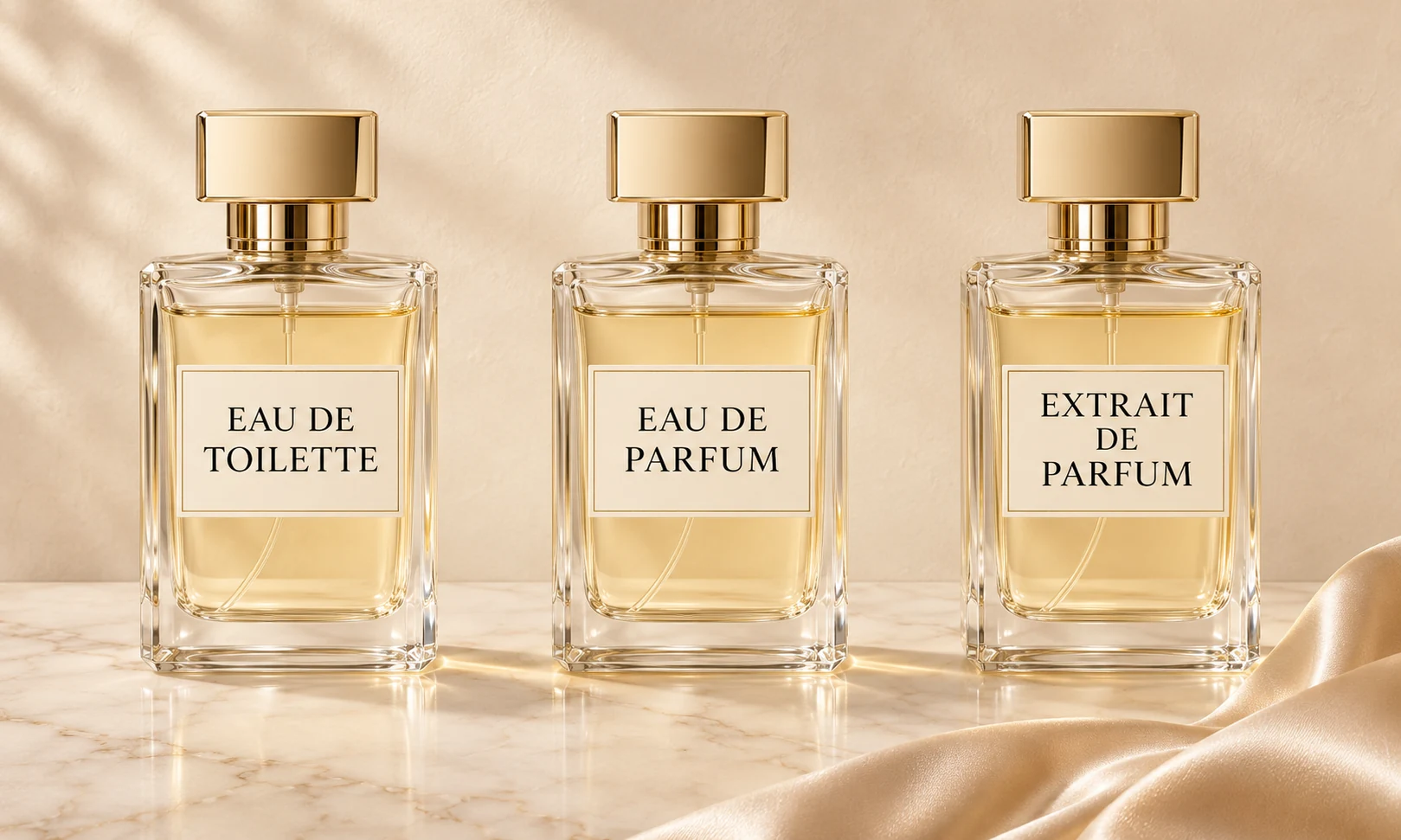
This is one of the most important things to understand before shopping for luxury perfume.
Fragrance concentration generally refers to the proportion of fragrance materials in the finished product.
However, the categories are not governed by universally fixed concentration percentages.
Manufacturers can use the labels differently.
| Type | Common fragrance concentration range | General character |
| Eau de Cologne | About 3–8% | Often fresh and light |
| Eau de Toilette | About 5–15% | Often lighter in character |
| Eau de Parfum | About 10–20% | Frequently fuller and richer |
| Extrait de Parfum | About 15–40% | Often highly concentrated |
These are typical industry ranges, not strict definitions.
Does a Higher Concentration Always Last Longer?
No.
Concentration can influence performance, but it doesn’t determine everything.
The specific aroma materials, composition, application, environment, and individual wearer all contribute to the experience.
A well-constructed eau de toilette can sometimes be more noticeable than an extrait designed to sit close to the skin.
And two versions of the same fragrance may use different compositions rather than simply different amounts of perfume oil.
That’s why testing matters far more than choosing the strongest-sounding label.
How to Choose a Luxury Perfume That Actually Suits You
Here’s where buying perfume becomes genuinely enjoyable.
Forget choosing the most famous bottle for a moment.
Instead, think about the kind of atmosphere you want your fragrance to create.
1. Discover Your Favorite Fragrance Family
Some people naturally gravitate toward flowers.
Others love warm vanilla, dry woods, fresh citrus, or soft musk.
There’s no need to force yourself into a particular category.
Start with what appeals to you.
Floral: Rose, jasmine, iris, and other floral impressions. A wonderful direction for romantic and classically elegant fragrance preferences.
Woody: Sandalwood, cedar, vetiver, and other wood-related accords. Often appealing to those who enjoy modern, understated scents.
Amber: Warm accords that may include vanilla, resins, balsamic materials, and spices. These can feel rich and comforting.
Fresh and citrus: Bergamot, lemon, grapefruit, herbs, marine, and green impressions. Often lively and refreshing.
Gourmand: Fragrances that evoke edible notes such as vanilla, caramel, coffee, chocolate, or pastry-like sweetness.
Leather and smoky: Textured compositions that can feel darker, drier, or more dramatic.
Perfume families are starting points, not rigid boxes.
A fragrance can belong to several overlapping styles.
2. Understand Top, Heart, and Base Notes
Imagine hearing a beautiful piece of music.
The opening catches your attention, the middle develops its personality, and the ending leaves a lasting impression.
Perfume often works in a similar way.
Top notes are the initial impression, frequently created by lighter, more volatile materials.
Heart notes help establish the fragrance’s central character as the opening settles.
Base notes provide depth and can contribute to the scent that remains later.
Not every modern perfume follows a clear traditional pyramid, but the concept is useful when exploring fragrances.
And there’s one important detail worth remembering.
The notes listed on a perfume description are not necessarily a complete ingredient list.
They are often a way of communicating the scent’s character.
3. Test Perfume on Your Skin
This is the step I would never skip for an expensive fragrance.
A paper blotter is useful for discovering the opening.
But a scent can develop differently when worn on skin.
Start by testing only one or two fragrances so you can pay attention to them.
Allow the opening to settle, then revisit the scent after thirty minutes, a few hours, and later in the day.
Ask yourself whether you still enjoy it.
Not whether it smells expensive.
Not whether everyone else loves it.
Whether you genuinely want to keep smelling it.
That’s what matters.
4. Match the Fragrance to Your Lifestyle
Someone who spends most of the day in a shared office may prefer a softer, more discreet fragrance.
Someone who enjoys formal evening events might love richer rose, amber, or woody compositions.
If you live somewhere warm, you may find that refreshing fragrances suit your daily routine.
But none of these are strict rules.
A beautiful vanilla perfume can be worn in summer. A crisp citrus scent can be wonderful in winter.
The point is to think about the occasions when you’ll actually wear your fragrance.
5. Choose a Sensible Bottle Size
A full-size luxury fragrance can be an exciting purchase.
But buying the largest bottle immediately isn’t always wise.
Start with a sample, discovery set, travel spray, or smaller bottle whenever possible.
If you wear the fragrance frequently and genuinely enjoy its development, a larger size may eventually make financial sense.
It’s much more satisfying to finish a perfume you love than to own an expensive bottle you rarely use.
Niche Perfume vs. Designer Perfume: Which Is Better?
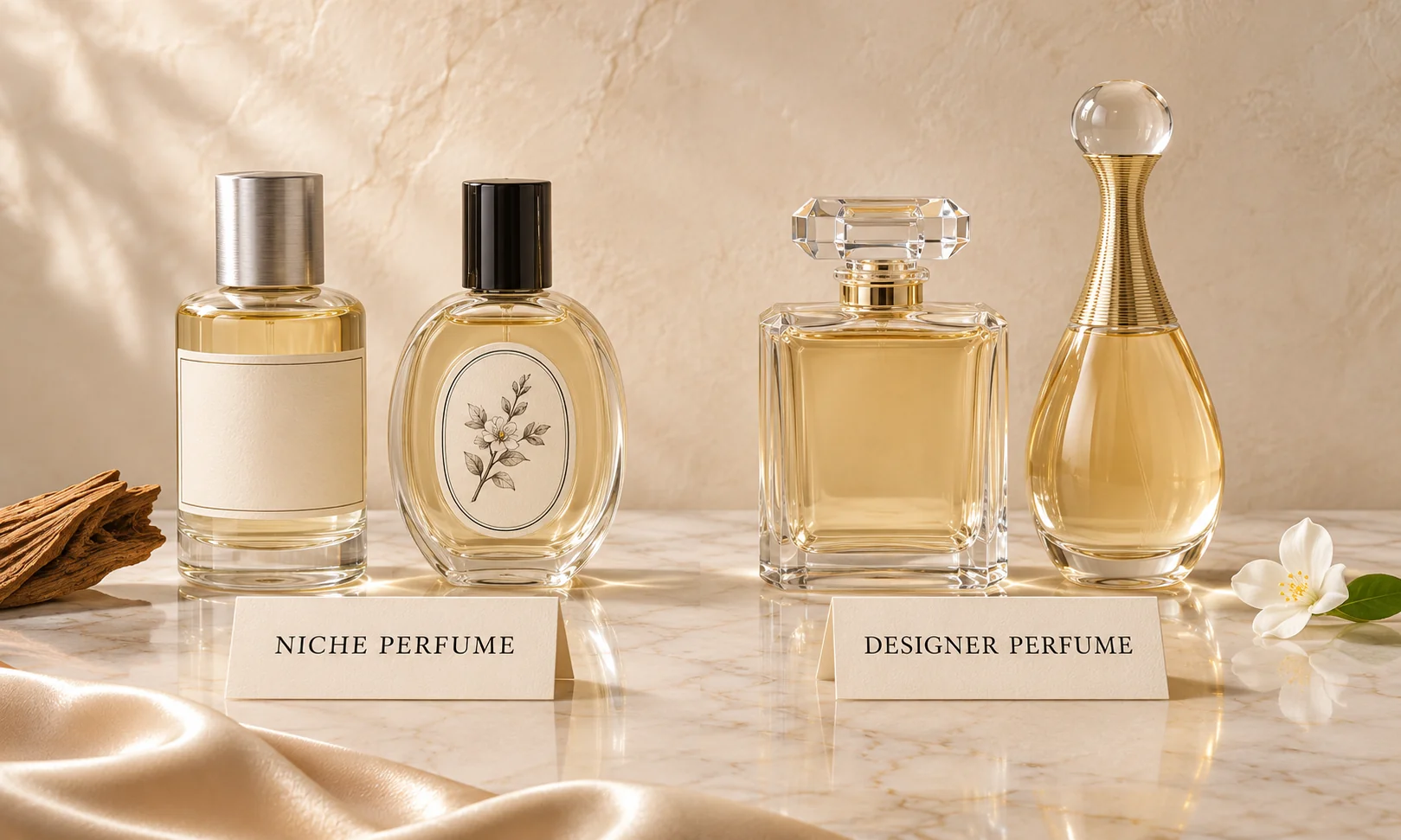
Luxury fragrance shoppers often encounter two broad categories.
Designer perfumes are associated with established fashion or lifestyle houses, such as Chanel, Dior, and Tom Ford.
Niche perfume houses generally place fragrance at the center of their business identity.
Maison Francis Kurkdjian, Frédéric Malle, and Diptyque are examples of brands closely associated with specialist perfumery.
But the distinction isn’t absolute.
Some niche fragrance brands belong to major luxury groups, and many designer houses produce extraordinary perfume compositions.
Neither category is automatically better.
Designer fragrances can offer beautiful craftsmanship and broad versatility.
Niche fragrances may give you access to unusual compositions or different creative perspectives.
The best choice depends on your taste.
A person who adores Dior J’adore has no reason to abandon it simply because a niche perfume costs twice as much.
Beautiful fragrance doesn’t require proving anything.
Can Luxury Perfume Be a Good Investment?
Here’s a distinction worth making.
A luxury perfume can be a wonderful personal purchase.
That doesn’t necessarily make it a financial investment.
Certain discontinued fragrances and collectible editions attract interest from enthusiasts, but ordinary perfume bottles are not reliable investment assets.
Fragrance can change with age, especially when stored poorly.
Resale value is also uncertain, and authenticity can be difficult to establish in secondary markets.
If you’re interested in collectible luxury products, our guide to luxury items worth investing in explains why scarcity, condition, provenance, and resale demand all matter.
For most fragrance buyers, the best return is much simpler.
It’s enjoying the scent.
How to Make Luxury Perfume Last Longer Without Overdoing It
There’s a lovely balance between enjoying a fragrance and making sure everyone else can enjoy their surroundings, too.
You don’t need an enormous number of sprays for perfume to feel luxurious.
Try these simple habits.
- Apply to clean, dry skin: A small amount on suitable areas can help you judge the scent properly.
- Use an unscented moisturizer if needed: Moisturized skin may help some fragrances feel more comfortable, although results vary.
- Start with a modest application: One or two sprays may be enough for a stronger fragrance. Adjust based on the composition and setting.
- Avoid applying to irritated skin: Fragrance materials can cause sensitivity in some people.
- Be careful with fabrics: Perfume can stain delicate silk, leather, and other materials.
- Store the bottle properly: Keep it away from excessive heat, strong sunlight, and frequent temperature changes.
- Don’t chase maximum projection: A softer scent can be just as beautiful as one that fills a room.
And please remember that more expensive doesn’t necessarily mean stronger.
Some luxury perfumes are intentionally delicate.
That’s part of their appeal.
How to Buy Authentic Luxury Perfume and Avoid Counterfeits
A counterfeit fragrance is more than a disappointing luxury purchase.
It may contain substances that haven’t been adequately assessed or labeled, making it difficult to know what you’re putting on your skin.
The safest approach is buying from official brand boutiques or authorized retailers.
If you’re shopping through another seller, check its reputation and return policy.
Be cautious about unusually low prices, unclear product photographs, and vague descriptions.
Packaging details may offer clues, but packaging alone cannot reliably authenticate a fragrance.
Counterfeiters can imitate bottles, boxes, labels, and batch codes.
For an expensive purchase, reliable provenance is far more important than a convincing-looking box.
Is Luxury Perfume a Good Gift?
Absolutely—when you understand the recipient’s taste.
A fragrance can feel wonderfully personal.
It becomes part of someone’s routine, travels with them, and may eventually remind them of the person who gave it.
But that closeness also makes perfume a difficult gift to choose without any information.
A person who loves fresh citrus may not enjoy a rich oud fragrance.
Someone who prefers subtle skin scents may find a powerful amber perfume overwhelming.
Before choosing, try to discover which fragrances they already wear.
If you don’t know, a discovery set can be a much more thoughtful option than a blind full-bottle purchase.
For more ideas, our guide to the best fragrance gifts for women explores perfume sets, scent preferences, and ways to make a fragrance present feel personal.
The most beautiful gift isn’t necessarily the most expensive bottle.
It’s the one that makes the recipient feel understood.
Should You Own One Signature Perfume or Build a Fragrance Wardrobe?
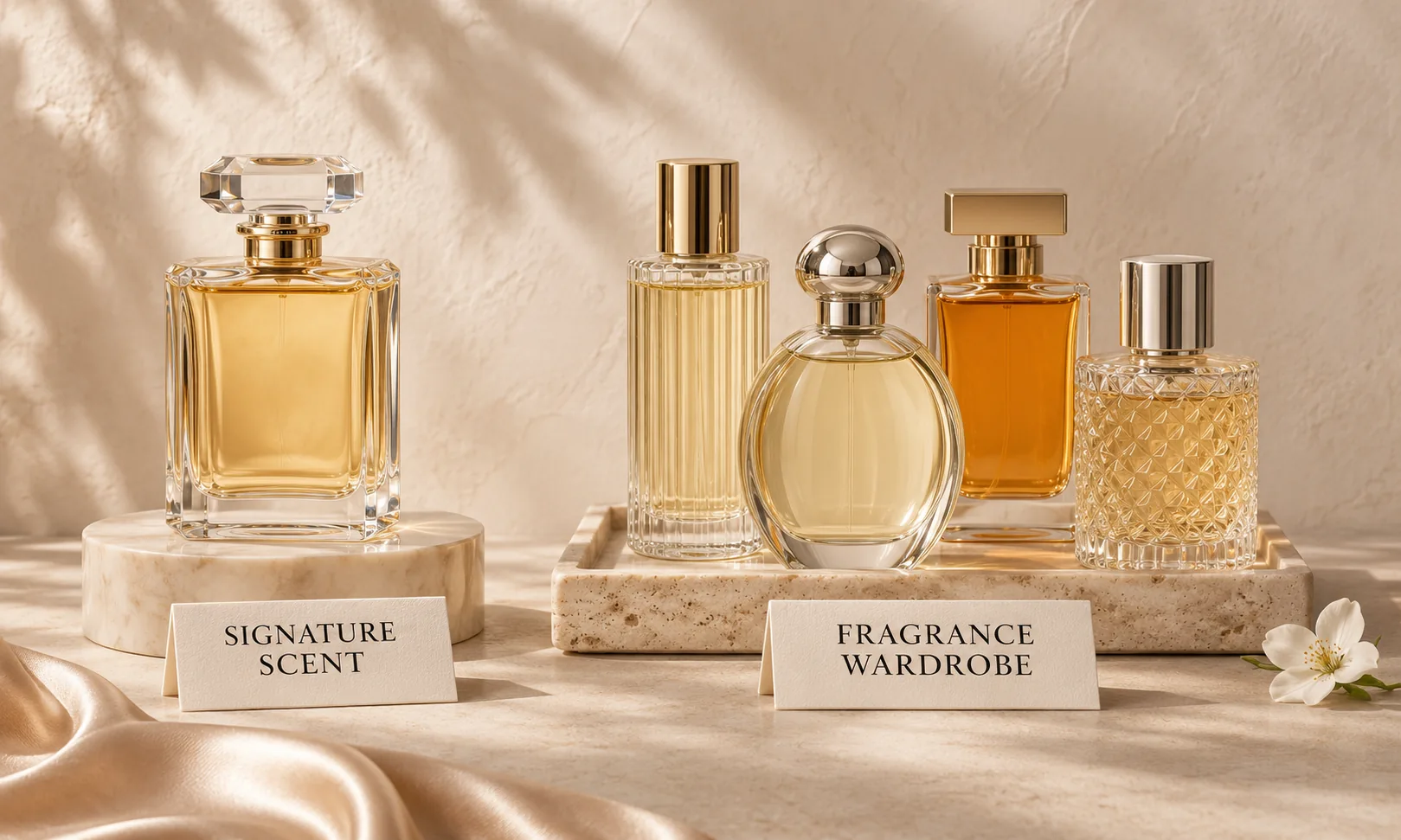
Both approaches have their charm.
One signature perfume can become closely associated with your identity.
There is something beautifully uncomplicated about reaching for the same fragrance each morning and knowing it feels right.
A fragrance wardrobe offers a different pleasure.
You might prefer a bright citrus scent during the day, a delicate floral for lunch, and a warm woody perfume in the evening.
If you’re starting out, I’d recommend exploring three fragrance moods.
Your everyday scent: Something comfortable, versatile, and pleasant to wear regularly.
Your special-occasion scent: A composition that makes getting dressed feel exciting.
Your personal favorite: The perfume you love regardless of trends, seasons, or compliments.
You may eventually discover that one fragrance does all three jobs.
And that’s perfectly wonderful.
Frequently Asked Questions About Luxury Perfume
What is considered a luxury perfume?
A luxury perfume is generally a fragrance positioned in the premium or high-end market through its brand identity, composition, creative direction, presentation, pricing, or specialist craftsmanship. There is no universal minimum price that legally defines a perfume as luxurious.
Which luxury perfume brand is the most famous?
Chanel, Dior, and Guerlain are among the world’s best-known heritage luxury fragrance houses. Maison Francis Kurkdjian, Creed, Le Labo, and Frédéric Malle are also prominent names in contemporary high-end perfumery.
What is the best luxury perfume for women?
There is no single best choice for everyone. Chanel No. 5 is worth exploring for classic florals, Dior J’adore for luminous floral elegance, and Frédéric Malle Portrait of a Lady for a richer rose composition.
What is the best luxury perfume for men?
Creed Aventus is a well-known fruity-woody option, while Tom Ford Oud Wood suits those who prefer warm woods and spice. Le Labo Santal 33 is another possibility for anyone who enjoys dry sandalwood and leather. Fragrance preferences need not be restricted by gender labels.
What luxury perfume smells expensive?
Many people associate rich amber, refined woods, iris, rose, and sophisticated musks with luxurious fragrances. Baccarat Rouge 540, Portrait of a Lady, and Oud Wood offer different interpretations of those impressions. What smells expensive remains subjective.
Is a $300 perfume worth buying?
It can be, if you love the composition, wear it frequently, and can comfortably afford the purchase. However, a $300 perfume is not automatically better or longer-lasting than a $100 fragrance. Sampling first is the most sensible approach.
Does extrait de parfum last longer than eau de parfum?
Extrait usually has a higher concentration of fragrance materials, but that does not guarantee longer wear. Longevity depends on the full formula, the materials used, and how the fragrance behaves on the wearer.
Can men and women wear the same luxury perfume?
Yes. Many fragrances are marketed as unisex or genderless, and any person can explore a perfume they enjoy. Notes such as rose, vanilla, sandalwood, leather, and citrus aren’t inherently restricted to one gender.
How long does a luxury perfume last in the bottle?
A fragrance can remain enjoyable for years when properly stored, but there is no universal shelf life. Heat, light, air exposure, and the composition itself influence how it changes. Follow product guidance and avoid using a fragrance if it has noticeably deteriorated.
Should I buy luxury perfume online?
Buying online can be convenient when you already know the fragrance and purchase from a reputable seller. For unfamiliar scents, samples or an in-store test are more useful than relying only on descriptions and reviews.
Final Thoughts: The Most Beautiful Fragrance Is the One That Feels Like You
There is something wonderfully intimate about perfume.
It becomes part of the little rituals that make life feel special.
The final touch before leaving home.
A familiar scent when you open your wardrobe.
A beautiful reminder of an evening, a holiday, or a person who made you smile.
And unlike so many luxury purchases, perfume doesn’t need to be seen to be appreciated.
You don’t have to explain its price.
You don’t need to announce its brand.
You simply wear it.
Perhaps your perfect fragrance will be a timeless Chanel floral. Perhaps you’ll fall in love with Guerlain’s warm vanilla, the green beauty of Diptyque Philosykos, or the distinctive amber glow of Baccarat Rouge 540.
Or perhaps the perfume that feels most extraordinary to you won’t be particularly famous at all.
That’s the joy of discovering your own fragrance identity.
Take your time. Explore different compositions. Enjoy the creativity of the perfumers behind them.
And don’t be afraid to choose something completely different from what everyone else is wearing.
Because the most luxurious perfume in the world isn’t necessarily the rarest, the strongest, or the most expensive.
It’s the one that makes you feel wonderful every time you wear it.