
Own, charter, or jet card is the first question every new private flyer must answer, and the industry has a financial interest in making the answer sound complicated. A family office manager I know puts it more plainly.
She says private aviation offers exactly three doors, each suited to a different number of annual flight hours, and the only real mistake is walking through the wrong one because a salesperson described it beautifully. She is right. Behind the marketing language, the choice reduces to arithmetic plus lifestyle:
how many hours you fly, how predictable your calendar is, and how much complexity you are willing to own alongside the aircraft.
This guide walks through all three doors honestly, with the real numbers and the questions that reveal which one belongs to you.
Door One: Chartering, Freedom by the Trip

Chartering is private aviation with no strings attached. You call a broker or operator, describe your trip, receive quotes on available aircraft, pay for that specific journey, and walk away with zero ongoing obligation.
There is no capital commitment, no monthly fee, and no contract beyond the flight itself. For anyone flying fewer than roughly 50 hours a year, or anyone still discovering their flying patterns, chartering is almost always the correct answer. It is also the perfect laboratory:
A year of chartering teaches you which aircraft sizes actually suit your missions, which is knowledge worth having before any larger commitment.
The tradeoffs live in variability. Pricing moves with demand, availability tightens around holidays and major events, and the quality of your experience depends on the diligence of your broker in vetting operators.
Understanding what private jet charter actually costs trip by trip, including positioning fees, de-icing, and crew expenses, protects you from the quote that looks low until the invoice arrives. Work with brokers who disclose the operating carrier, hold proper insurance, and verify safety ratings, and chartering remains the cleanest, most flexible way to fly private.
Door Two: Jet Cards, Convenience by the Hour
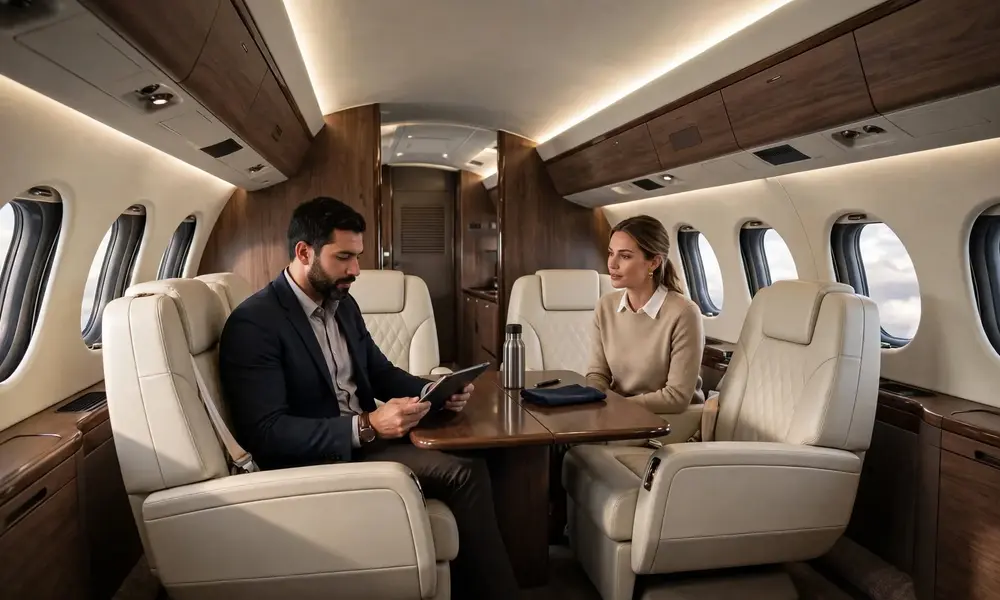
Jet cards occupy the middle ground, and they exist because frequent flyers grew tired of renegotiating every trip. You prepay for a block of flight hours, typically 25 at a time, on a specific aircraft category at a fixed or capped hourly rate.
In return you receive guaranteed availability with contracted notice, usually 24 to 72 hours, consistent service standards, and one invoice relationship instead of a new negotiation per trip. For flyers logging between roughly 50 and 150 hours annually with reasonably predictable patterns, the jet card removes friction without demanding capital.
The honest caveats deserve attention. Hourly rates in card programs typically run higher than well shopped charter quotes for the same aircraft, because you are paying for the guarantee, the consistency, and the recovery aircraft when mechanicals strike.
Peak day restrictions, fuel surcharges, and minimum flight time billing vary between providers and reward careful reading. And the prepaid model concentrates risk: buy hours only from financially sound providers with transparent escrow arrangements, and treat any card sold at implausibly low rates as a warning rather than a bargain.
Door Three: Ownership, Control at a Price
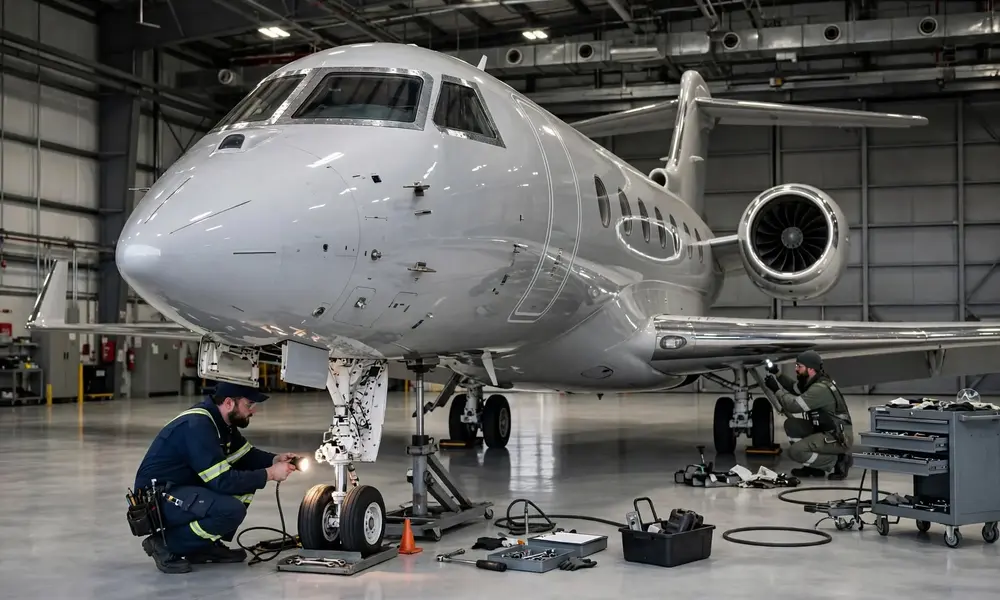
Full ownership means the aircraft is yours: your tail number, your crew, your interior, your schedule with no notice period at all. For flyers exceeding 300 to 400 hours annually, or for those whose missions demand an aircraft configured to their exact needs, ownership delivers control that no program can match.
The purchase price is only the opening bid. Crew salaries, hangar space, insurance, maintenance, management fees, and refurbishment create an annual operating budget that runs well into seven figures for even a modest jet, which is why the full picture painted in our analysis of the real cost of owning a private jet surprises so many first time buyers.
Fractional ownership, covered in our NetJets versus Flexjet comparison, splits this door into shares, granting guaranteed hours with professional management in exchange for a capital stake and multi year commitment.
It suits the 150 to 400 hour flyer who values consistency over flexibility. Full ownership suits the flyer for whom the aircraft is infrastructure: the global business, the multi residence family, the schedule that cannot wait for anyone else’s availability. Both forms reward buyers who run five year cost models before falling in love with the most beautiful private jets in the sky.
The Arithmetic That Decides It

Strip away the romance and the thresholds look like this. Under 50 hours a year: charter, and spend the savings on better hotels. Between 50 and 150 hours: jet cards, possibly two complementary programs if your missions split between short hops and long hauls.
Between 150 and 400 hours: fractional ownership enters the conversation seriously, especially if your routes repeat and your calendar is knowable. Above 400 hours, or when configuration control matters deeply: full ownership earns its complexity.
These boundaries bend for specific circumstances. A family flying only thirty hours a year but always on the same holiday weeks, when charter availability is tightest, may rationally buy a jet card for the guarantee.
A founder flying 200 unpredictable hours across random city pairs may still charter better than any program serves. The thresholds describe the center of gravity, not laws, and the honest advisors are the ones who tell you when their own product does not fit.
The Questions That Reveal Your Door
Before signing anything, answer five questions in writing. How many hours did you actually fly in the past twelve months, not how many you imagine flying? How many of your trips repeat on the same routes? What is the largest cabin you genuinely need, rather than the one that photographs best? And how much do you value a single phone number to call versus the best price on each trip? Your answers form a profile, and the profile points at the correct door with surprising clarity.
The private aviation industry, at its best, sells time and certainty. The mistake buyers make is purchasing more certainty than their lives require, or less. Match the commitment to the calendar, verify every claim against transparent charter pricing and real operating budgets, and the right choice stops being a gamble. It becomes what good decisions in private aviation always are: simple arithmetic, honestly done.
FAQs
What is the cheapest way to fly private?
Chartering individual trips is the lowest-commitment and typically the most economical entry point, especially for travelers flying fewer than 50 hours per year. Empty-leg flights, which are repositioning trips sold at deep discounts, offer the lowest prices of all for travelers with flexible schedules and destinations.
How many flight hours justify buying a jet card?
Jet cards generally make sense for travelers flying roughly 50 to 150 hours per year. At this level, booking individual charters can become administratively tedious, while fractional or full ownership may still be unjustified. Below this range, chartering is usually more cost-effective; above it, ownership structures may offer better economics.
What does a jet card actually cost?
Most programs sell blocks of 25 hours. Light jet cards typically start at around $150,000 to $200,000, while larger cabin categories cost substantially more. Rates vary by provider, aircraft category, and contract terms, including peak-day rules and fuel surcharge policies.
How much does it cost to own a private jet annually?
Beyond the purchase price, annual operating costs—including crew, hangar, insurance, maintenance, and management—typically range from around $1 million for a light jet to several million dollars for large-cabin aircraft. Utilization of more than 300 to 400 hours per year is generally required to justify ownership economically.
Is fractional ownership better than a jet card?
Fractional ownership suits travelers flying more than roughly 150 hours annually who want guaranteed access, consistent aircraft, and a capital asset with residual value. Jet cards are better suited to lighter or less predictable flying, requiring no capital investment or multiyear commitment but offering no residual value and typically higher hourly rates.
Can I switch between charter, jet cards, and ownership?
Yes. Experienced private flyers often combine these options. Many aircraft owners charter supplemental lift when their aircraft is unavailable or when a different cabin size better suits a particular trip. Similarly, jet cardholders may charter for one-off missions. These strategies are complementary rather than exclusive.
What is an empty-leg flight?
An empty-leg flight is a repositioning flight operated without passengers and sold at discounts of 30% to 75% off standard charter rates. These flights suit flexible travelers who can adapt their schedules to the aircraft’s existing routing. However, they carry rebooking risks because they may disappear if the primary charter changes.
How do I verify a charter operator is safe?
Ask for the operator’s FAA Part 135 certificate, third-party safety ratings such as ARGUS or Wyvern, minimum pilot experience requirements, and insurance coverage details. Reputable brokers provide this documentation proactively. Operators who hesitate to answer safety-related questions should be eliminated from consideration.