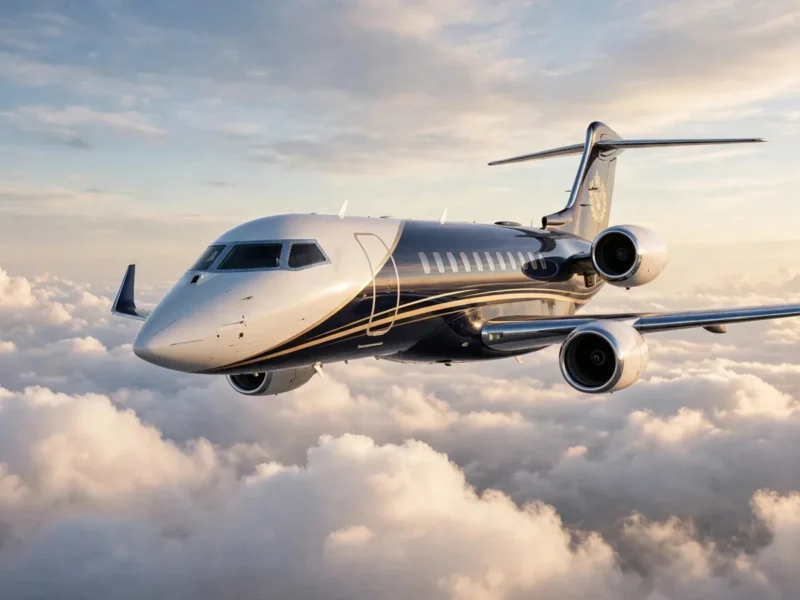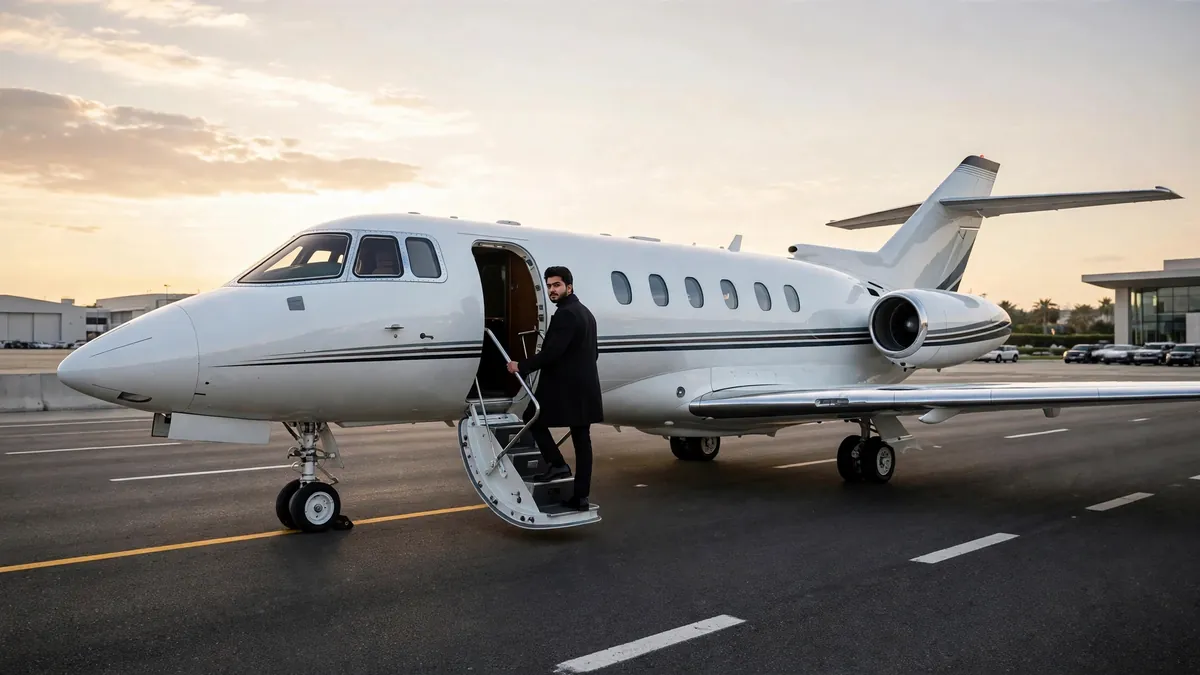
Stand on the ramp at Teterboro on a Friday afternoon and watch the Gulfstreams taxi out for Aspen and Palm Beach. Every one of those tails represents a purchase price of anywhere from $3.5 million to $85 million. And here is what nobody on that ramp will tell you: the purchase was the cheap part.
The direct answer: owning a private jet in 2026 costs between $3.5 million and $85 million to buy, then between $700,000 and $3.5 million every single year to keep it crewed, hangared, insured, and airworthy. Fly fewer than about 200 hours a year and chartering beats owning almost every time. Fly more than 400 and ownership starts to win. Everything else is detail, and the detail is where fortunes quietly disappear.
I have spent years around people who own jets and people who charter them, and the happiest ones all did the same thing: they ran the math before they fell in love. Let us run it properly.
The Sticker Price Is the Small Number
Jets are priced by category, and the 2026 market breaks down cleanly. Prices below are for new aircraft, typically equipped, from the industry’s 2026 purchase planning data:
| Category | New Price | Example | Range |
|---|---|---|---|
| Very light jet | $3.5M–$7.6M | Cirrus Vision Jet G3, $3.5M | ~1,200 nm |
| Light jet | $11.7M–$14.3M | Embraer Phenom 300E | ~2,000 nm |
| Midsize | $18.2M–$22M | Cessna Citation Ascend | ~2,800 nm |
| Super-midsize | $25M–$30M | Bombardier Challenger 350 | ~3,400 nm |
| Large cabin | $35.5M–$38.3M | Challenger 650 | ~4,000 nm |
| Ultra-long-range | $50M–$85M | Global 8000, G700 | 7,500+ nm |
The cheapest new jet you can buy in 2026 is the Cirrus Vision Jet at about $3.5 million. The most expensive purpose-built business jet is the Bombardier Global 8000 at roughly $85 million, with the Gulfstream G700 just behind it at $84.9 million.
Between those two numbers sits every ego, every boardroom decision, and every family compromise in private aviation. The category you choose matters less than what comes next.
The Annual Bill Nobody Puts in the Brochure
Before your jet flies a single hour, it costs you money. These are the fixed costs, due every year whether the aircraft moves or not:
- Crew salaries and training: $200,000 to $500,000. Two pilots, recurrent simulator training, and the quiet reality that good crews get poached.
- Hangar: $30,000 to $150,000. More at the airports you actually want, like Teterboro or Van Nuys.
- Insurance: $30,000 to $150,000, depending on hull value and pilot history.
- Management company: low to mid six figures if you hand the logistics to professionals, which nearly everyone does.
Add it up and the fixed floor runs from about $500,000 a year for a small jet to well past $2 million for a large one. That is the meter running on a parked airplane. It is the same logic the great maisons understand about flagship stores on rue Cambon or Madison Avenue: the address costs money before a single customer walks in, as we saw in the Chanel story.
Every Flight Hour Has a Meter Running
Now the variable costs, the ones that scale with every hour in the air. Fuel is the monster: a very light jet burns about $866 of Jet A per hour at current prices near $7.66 a gallon, while an ultra-long-range jet burns close to $3,865 an hour.
Then add maintenance, engine reserves, landing fees, and catering. The median variable bill runs from roughly $2,000 per flight hour for a very light jet to nearly $8,900 for an ultra-long-range machine.
Put fixed and variable together at a typical 200 hours a year, and the honest annual total looks like this: about $712,000 for a very light jet, around $1.3 million for a midsize, and roughly $3.5 million for an ultra-long-range flagship. Every year. Before depreciation.
The 200-Hour Rule Decides Everything
Here is the number that separates smart owners from regretful ones. Chartering a comparable midsize jet runs about $4,000 to $6,000 per flight hour. Owning that same jet costs $1.2 to $1.8 million a year all in.
At 100 hours a year, chartering costs you perhaps $500,000. Owning costs you $1.5 million. Charter wins by a mile. At 400 hours, the lines cross and ownership starts to make sense, especially if you need the aircraft on your schedule, configured your way, with your crew.
This is why the world’s savviest luxury travelers mostly charter or hold jet cards, and why full ownership is really a tool for people who fly like executives, not like vacationers. If you are weighing a specific trip, our breakdown of what private jet charter actually costs on popular routes does that math line by line.
Buying Used Is the Smart Move With One Catch

Pre-owned jets trade at 30 to 60 percent below new prices, and older light jets can be found under $1 million. The catch is that a cheap airframe can hide an expensive future.
A pre-buy inspection is non-negotiable, because refurbishment costs are surreal: cabin Wi-Fi installation can exceed $500,000 plus $100,000 for the antenna, new woodwork runs $300,000 to $500,000, re-leathering the seats costs $200,000, and even carpet is $40,000 to $90,000. Engine programs matter more than paint. A jet not enrolled in an engine maintenance program can lose millions in value, because one unscheduled engine event can cost more than a house.
Buy used, absolutely. But buy records, programs, and inspection history, not the paint job. The discipline is identical to buying any other serious luxury asset, whether a pre-owned Hermès or a vintage Daytona: provenance is everything.
Private Jet Ownership By The Numbers
- $3.5 million the cheapest new jet in 2026, the Cirrus Vision Jet G3
- $85 million the most expensive, the Bombardier Global 8000
- $712,000 a year to operate a very light jet at 200 hours
- $3.5 million a year to operate an ultra-long-range jet at 200 hours
- $2,000 to $8,900 variable cost per flight hour, by category
- 200 hours the annual break-even point where owning starts to rival chartering
- 30 to 60 percent the typical discount for buying pre-owned instead of new
- $500,000+ what a cabin Wi-Fi retrofit can cost on a large jet
Who Should Actually Own One
Honestly, the profile is narrow. You fly 250 to 400-plus hours a year. Your routes are consistent, so one category of aircraft genuinely fits your life. You value the airplane being ready at your hangar, with your configuration, more than you value capital efficiency. And the annual bill, even at $2 million, is a rounding error against what your time earns.
Everyone else should charter, hold a jet card, or look at fractional shares, which we will break down separately in this series. There is no shame in that. The people who fly private the smart way treat the aircraft as a service, not a possession, the same discipline that separates the truly expensive luxury brands from the ones that merely look expensive.
Frequently Asked Questions
How much does it cost to own a private jet per year?
Between $500,000 and $3.5 million annually, depending on category and hours flown. A very light jet flown 200 hours costs around $700,000 a year all in; an ultra-long-range jet at the same utilization runs about $3.5 million, before depreciation and financing.
What is the cheapest private jet to own in 2026?
The Cirrus Vision Jet G3, at about $3.5 million new and roughly $1,900 per flight hour to operate. It seats up to seven, is single-pilot certified, and was designed for owner-operators, which keeps crew costs low.
Is it cheaper to charter or own a private jet?
Charter is cheaper below roughly 200 flight hours a year, because ownership’s fixed costs spread across too few hours. Above 400 hours, ownership usually wins on a per-hour basis. Between those numbers it depends on your routes and flexibility.
How much does jet fuel cost per hour?
At current Jet A prices around $7.66 a gallon, fuel runs about $866 per hour for a very light jet, $1,490 for a light jet, and up to $3,865 per hour for an ultra-long-range aircraft. Fuel is typically the largest single variable cost.
Are used private jets worth buying?
Yes, if the records are clean. Pre-owned jets sell for 30 to 60 percent below new prices, but always require a pre-purchase inspection. Engine program enrollment and maintenance history matter far more than cosmetic condition or paint.
Do private jets hold their value?
They depreciate steadily, typically losing the most value in their first years, then flattening. Popular models with full engine programs hold value best. A jet is a tool, not an investment; buy it for utility, never for appreciation.
The Bottom Line
The real cost of owning a private jet in 2026 is $3.5 million to $85 million on day one, and $700,000 to $3.5 million every year after. The purchase price is the cover charge. The annual bill is the party.
Run your hours honestly. If the number is under 200, charter and sleep well. If it is over 400, buy used, demand records, and enjoy the finest tool in travel. Either way, you are now ahead of most people who ever signed for an airplane.
And when the jet drops you in Paris, you will want our guide to the city in spring and the houses that built this world, from Hermès Vuitton onward. The machine that gets you there is only half the story.