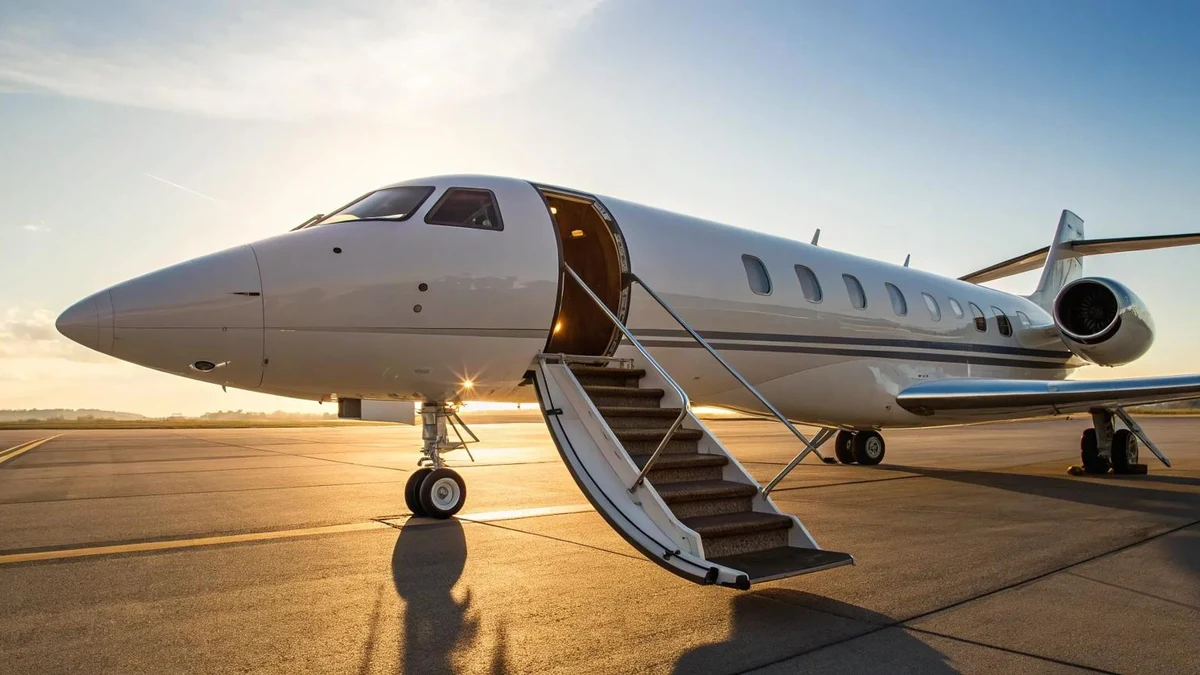
A friend of mine booked his first charter last year. Got a quote for $7,200. Thought that was the price. Invoice came in at $11,400 for Private jet charter cost. Nobody lied to him. The base rate was $7,200. Everything else, fuel surcharge, crew overnight, landing fees, a short-leg penalty he’d never heard of, was just not in that first number.
That’s the private jet industry in one story.
Private jet charter cost in 2026 isn’t complicated once you understand what you’re actually buying. The confusion comes from how it gets quoted. Base rates that don’t include fuel surcharges that are currently running 10 to 15% above normal. Repositioning fees that appear because no jet happened to be sitting at your departure city. Daily minimums that bill you for two hours even if you only flew forty minutes. The gap between a quote and a final invoice is real and, on multi-day international trips, can be 30 to 40%.
What I’ve put together here is the full picture. Aircraft categories with current rates, the fees that inflate every quote, how fractional ownership and NetJets pricing actually works in 2026, and a few ways to bring the number down without compromising on the experience.
How Private jet charter cost Per Hour Gets Calculated
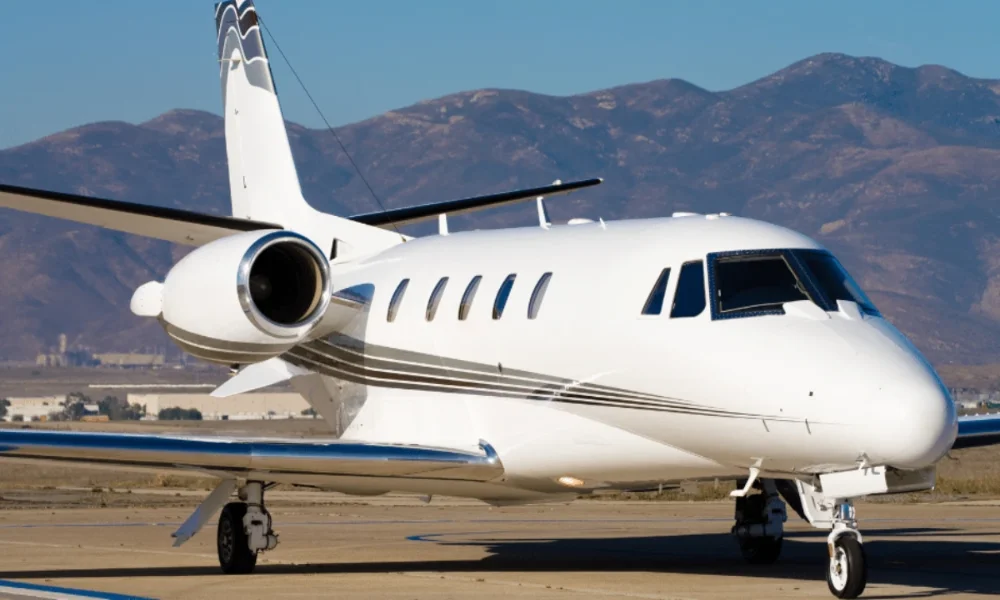
Operators running aircraft under FAA Part 135 don’t pick hourly rates randomly. They have real costs that exist before a single passenger boards. Every Part 135 flight involves two certificated pilots whose salaries, training, and benefits cost $300,000 to $500,000 per year combined. Then hull insurance, liability coverage, hangar rent, scheduled maintenance programs, and the manufacturer’s engine overhaul reserve fund. For a midsize jet in 2026, that stack of fixed costs runs roughly $2.2 million per year before fuel.
Divide that by projected annual flight hours and you get the base rate. An operator flying their midsize 200 hours a year is recovering $11,000 per hour in fixed costs alone. Push utilization to 400 hours and it drops to $5,500. That’s why higher-utilization operators can quote more competitively, not because they’re cutting corners, because their fixed cost per hour is lower.
Fuel is the big variable right for Private jet charter cost. Jet-A spiked about 60% and operators are billing that separately as a surcharge, currently 10 to 15% above base rates. On a five-hour flight at $8,000/hr, that’s an extra $4,000 to $6,000 on your invoice.
One thing that catches people who haven’t chartered before: the clock doesn’t start when you board. It starts when the aircraft begins operating, which sometimes means you’re absorbing part of a positioning flight. If the nearest available jet on your requested date is based in Dallas and you’re departing from Nashville, someone has to move that Private jet charter cost. That repositioning time often lands partially in your quote. Two operators quoting the same Nashville to New York route on the same day can come back $6,000 to $9,000 apart strictly because of aircraft location. A straight answer from any legitimate broker: where is this specific aircraft right now?
What’s Not in the Quote You’ll See First
Every charter quote has a base rate. Almost none of them have everything.
- Fuel surcharge: 10 to 15% above base across most operators right now. Not always disclosed upfront.
- Daily minimums: Two to two-and-a-half flight hours billed per day regardless of actual time in the air. A 45-minute hop in the middle of a multi-day trip still bills like a two-hour flight.
- Crew overnight per diem: $200 to $600 per crew member per night when they’re away from their home base. Two pilots, three nights, that’s $1,200 to $3,600 added on.
- Landing and FBO fees: Major airports like LAX, JFK, Teterboro cost significantly more than a reliever airport 20 miles from the city. Sometimes worth landing somewhere smaller and driving the last stretch.
- Catering: Basic snacks typically included. Anything custom runs $600 to $1,000 for a four-person flight.
- International handling: Overflight permits, landing permits, customs and immigration handling. $500 on the low end, $5,000 on the high end depending on route and destination.
- De-icing: $1,000 to $10,000 when conditions require it. Not optional.
- Federal excise tax: 7.5% on domestic US flights. $19.70 per passenger on international departures from the US.
If you’re flying into or out of Europe: two new costs arrived in 2026. The ReFuelEU mandate requires 2% Sustainable Aviation Fuel blending at EU airports, which shows up as a SAF surcharge in your quote. The UK also raised air passenger duty on private flights in April 2026, adding more than $1,400 per passenger on long-haul routes. Ask your broker to itemize both of these specifically on any European Private jet charter cost.
Owning a Private Jet vs. Chartering: The Actual Math
Anyone who charters more than a few times a year eventually runs the ownership math. The instinct makes sense. If you’re spending $150,000 a year chartering, why not own?
Because ownership isn’t $150,000 a year. It’s the aircraft acquisition, plus $2.2 million in annual fixed costs for a midsize jet, plus capital depreciation, plus the aircraft being unavailable sometimes because it’s in a maintenance hangar. The pilots’ salary alone is $300,000 to $500,000. Hangar rent at a busy FBO in a major market, $50,000 to $150,000. Type rating and recurrent simulator training for both pilots, $40,000 to $80,000 per year. Hull insurance on a $15 million aircraft, somewhere around $150,000 annually.
Add it up and chartering looks very rational for anyone under 150 to 200 personal flight hours per year. You get the same aircraft and service, none of the operational burden, and your capital isn’t sitting in a depreciating asset. The aircraft you charter can also be different for each trip, light jet for a short hop, heavy jet for a long international leg, instead of being forced to use whatever you own for every mission.
Fractional Jet Ownership: What It Costs and Who It’s Actually For
Fractional ownership is the structure that sits between chartering and outright ownership. You buy a share of a Private jet charter cost aircraft. The standard entry point is 1/16th, which gives you roughly 50 flight hours per year. Multiple co-owners divide the fixed costs proportionally based on share size.
The main reason people choose it over on-demand charter: guaranteed access. When you need a jet on Christmas Eve or the week before the Super Bowl, on-demand charter availability is genuinely thin. Fractional programs guarantee an aircraft within a few hours’ notice on peak days because the operator owns a fleet large enough to honor those commitments. You’re not scrambling for whatever’s available.
What it costs is a different conversation. The share purchase, management fees, and hourly rate combine into a significantly higher per-hour cost than charter for most usage profiles. And the Private jet charter cost depreciates. A light jet fractional share loses 30 to 50% of its value over a standard five-year term. Monthly management fees continue whether you fly or not. Over five years on a light jet share, management fees alone add about $720,000 to the total cost. This structure rewards high-frequency flyers and penalizes infrequent ones.
NetJets Pricing in 2026
NetJets is the original fractional ownership company, still the largest, still backed by Berkshire Hathaway, and still the most premium-priced option in the segment. Their fleet runs over 800 aircraft. Here’s what their programs cost right now:
Jet cards: Entry point is their 25-hour card on a Phenom 300 at $215,000, or $8,600 per hour. That card comes with 275 access days per year. European equivalent is 212,000 Euros for the same aircraft and hours.
Fractional shares at 1/16th, year-one costs:
- Light jet (Phenom 300, Citation XLS): Year one over $1 million. Years two through five: $350,000 to $400,000 annually.
- Midsize (Citation Latitude, Longitude): Year one $1.3 to $1.5 million. Ongoing: $450,000 to $550,000 per year.
- Large cabin (Challenger 650, Global 5000): Year one over $2 million. Ongoing: $650,000 to $800,000 per year.
Monthly Private jet charter cost: $12,000 to $15,000 per month for a light jet share, up to $28,000 per month for large cabin. Occupied hourly rates start at $8,500 on light jets and reach $18,500 on heavy jets, before 7.5% federal excise tax.
FlexJet prices slightly lower than NetJets and allows owners to resell up to 25% of unused hours, which NetJets doesn’t permit. If capital efficiency matters and you’re not set on the NetJets name, FlexJet is worth a side-by-side quote. Wheels Up runs a membership model instead of fractional ownership. Annual fee of $8,500 plus a $100,000 prefunded deposit, with hourly rates from $5,995 on a King Air up to $7,795 on a light jet. Different structure, different use case.
Ways to Pay Less on Private Charter
There’s a real gap between what private charter costs at rack rate and what people who book it regularly actually pay. Not because they’re getting special treatment. Because they know a few things most first-timers don’t.
Empty Legs Are the Biggest Private jet charter cost Drop Available
When a jet flies a passenger to a destination and then needs to return to base empty, operators discount those repositioning flights heavily. Up to 75% below standard charter rates. The jet has to make that flight regardless, so any revenue from it is better than none.
To use them, you need flexibility. Empty legs post with 24 to 72 hours’ notice. The route is fixed wherever the jet is already going. And they can vanish fast if the original booking changes. But if you fly the same corridors consistently, having an alert set for those routes genuinely pays off over time. A route that costs $28,000 at standard charter can come up as an empty leg for $8,000. That’s real money.
Right-Sizing the Aircraft
The most consistent way people overpay for charter is booking a jet category above what the trip actually needs. A heavy jet for a 90-minute domestic hop doesn’t get you there faster than a light jet. It costs three to four times more per hour.
Two passengers flying two hours: turboprop or VLJ. Four to six passengers flying three to four hours: light or midsize depending on comfort preference. Group of eight or more flying long-haul: now you have real reasons to move up. Match the aircraft to the mission and the savings are immediate without touching any other variable.
When You Fly Matters as Much as Where
January through March is the cheapest window in private aviation every year. September through November is close. Peak periods, Thanksgiving through New Year, July Fourth week, major event weekends like the Super Bowl or Art Basel, drive pricing up 20 to 30% because demand is genuinely higher than supply. Weekdays consistently come in cheaper than Fridays and Sundays on most routes. If you have any flexibility on timing, that flexibility is worth cash.
Private Jet Charter vs. Business Class: When the Numbers Are Closer Than You’d Expect
Solo traveler, business class wins on price. That’s straightforward. The comparison gets interesting once you’re moving a group.
Six people flying London to New York in business class. Depending on the airline and booking window, combined tickets range from $28,000 to $42,000. A midsize jet on the same route comes in at a comparable number. Except you’re leaving from a private terminal on a schedule you chose, not one the airline published. No connection in Dublin or Reykjavik. Cabin to yourselves for eight hours. Able to have an actual conversation.
The comparison isn’t always close. Sometimes commercial wins clearly. But the instinct to not even run the numbers on groups of four or more, especially on routes with expensive premium fares, costs people money in the other direction.
Six Reasons a Charter Quote Comes Back Higher Than Expected
- Positioning: The aircraft is based far from your departure city. Some of that ferry cost ends up in your quote.
- Aircraft category: You requested a midsize but the only one available on your date is a super-midsize. Or you chose bigger than needed for the route.
- Peak timing: Holiday weekend, major event, or peak seasonal demand window inflating availability and pricing simultaneously.
- Airport fees: You chose a major hub when a reliever airport 15 miles away would have cost half as much in landing and FBO fees.
- International surcharges: Landing permits, overflight fees, customs handling, and the new 2026 SAF and UK APD levies adding up on European routes.
- Multi-day daily minimums: A three-day trip with short flights each day is still billing two-plus hours per day minimum across all three days.
Picking a Charter Broker: Four Things That Actually Matter
Private jet charters almost always go through a broker. The broker doesn’t own aircraft, they access a global network of Part 135 operators and source the right one for your trip. The margin they charge is the cost of that service.
Some brokers are good at this. Some quote a low base rate and then explain the fees later. The ones worth working with are transparent from the first quote and reachable when things go sideways.
- FAA Part 135 Air Carrier Certificate: Every aircraft in any quote you receive should be operating under Part 135. Not Part 91. Ask to confirm this specifically.
- Third-party safety audits: Wyvern Wingman and ARGUS Platinum are the two main independent safety rating systems for Part 135 operators. A reputable broker sources from rated operators.
- All-in quotes: Fuel surcharge, repositioning, crew overnight expenses, and taxes should be in the number before you say yes. Not itemized for the first time on the final invoice.
- 24/7 availability: Your flight disruption won’t happen at 2pm on a Tuesday. Confirm your broker actually answers calls outside office hours before you need them to.
For a side-by-side look at private jet charter versus first-class commercial across different route types and group sizes, Praviceler’s private jets and first-class travel guide covers it in detail.
Bottom Line on Private Jet Charter Cost in 2026
The $2,000 to $30,000 range you keep seeing is real. It’s also nearly useless without knowing which end of it you’re actually in, and why.
Most US domestic travelers chartering a light or midsize jet for a multi-city trip will land somewhere between $3,500 and $10,000 per hour before fees. Add 20 to 35% for what doesn’t show up in the base rate. If you’re in Europe, add the SAF and potentially the UK APD. If it’s a holiday week, price it at peak rates. If an aircraft is being positioned to reach you, ask how much of that is in the quote.
Once you understand how the Private jet charter cost is built, the invoice stops being a surprise. That’s really all this takes.
Frequently Asked Questions
How much does it cost to charter a private jet for a day?
Depends heavily on how many hours you actually fly and what aircraft you’re on. Light jet, four to six hours of actual flying in a day, somewhere around $12,000 to $25,000. Midsize jet same utilization, $20,000 to $45,000. The detail that trips people up: operators bill daily minimums of two to two-and-a-half hours. If you fly one 45-minute leg in a day, you’re still billed for the minimum. A single domestic hop on a light jet has a floor price of roughly $7,000 to $10,000 once fees are included.
What is the cheapest way to charter a private jet?
Empty legs are the real answer, and it’s not Private jet charter cost. Repositioning flights operators need to run anyway, available at 50 to 75% below standard rates. The practical catch is flexibility. They appear on 24 to 72 hours’ notice, the route is already determined, and they can disappear if the originating trip cancels or changes. For people who fly set corridors regularly, keeping empty leg alerts running for those routes is worth doing. Outside of empty legs, turboprops and VLJs in off-peak months departing from secondary airports are the next most affordable setup.
Is it cheaper to charter a private jet or fly first class?
Solo or traveling as a couple, first class is cheaper. Usually not even close. Start adding people and the gap narrows fast. Four passengers in domestic US first class, combined fares run $5,000 to $9,000 depending on the route. A light jet charter on the same route costs $8,000 to $15,000. That’s roughly $3,500/person private versus $2,000/person commercial at the spread. Not a huge difference once you factor in the time saved at both ends, no connection risk, and departing on your own schedule. Six or more people on a premium international route and private is sometimes actually cheaper per person.
How does fractional jet ownership work?
You buy a fractional share of a specific aircraft. The most common entry point is 1/16th, which represents roughly 50 hours of use per year. Multiple owners share the same aircraft and split fixed costs proportionally to their share size. When you need the aircraft, the operator makes one available from the fleet, not necessarily the exact plane your share is tied to.
How much does NetJets cost per hour in 2026?
Jet card holders on the Phenom 300 (light jet) pay $8,600 per hour. The entry 25-hour card starts at $215,000. Fractional ownership hourly rates start around $8,500 on light jets and reach $18,500 on heavy jets, both subject to 7.5% federal excise tax on domestic US flights.
What does a private jet charter price include?
Base quotes cover the aircraft, the crew, and standard fuel. That’s the floor. Not included in most base rates: the current fuel surcharge (10 to 15% right now), landing and ramp fees, crew overnight per diem if they’re staying away from base, any catering beyond basic snacks, ground transportation, international handling fees, de-icing when required, and federal excise tax. .
Can you rent a private jet for a weekend trip?
Yes, and it’s one of the more sensible ways to use a Private jet charter cost. A Friday departure, Sunday return on a light jet doing a typical domestic US routing runs $15,000 to $30,000 total depending on distance and how the aircraft stages. If the jet can remain at your destination between flights instead of repositioning to its home base, you avoid the repositioning cost but pick up crew overnight per diems.