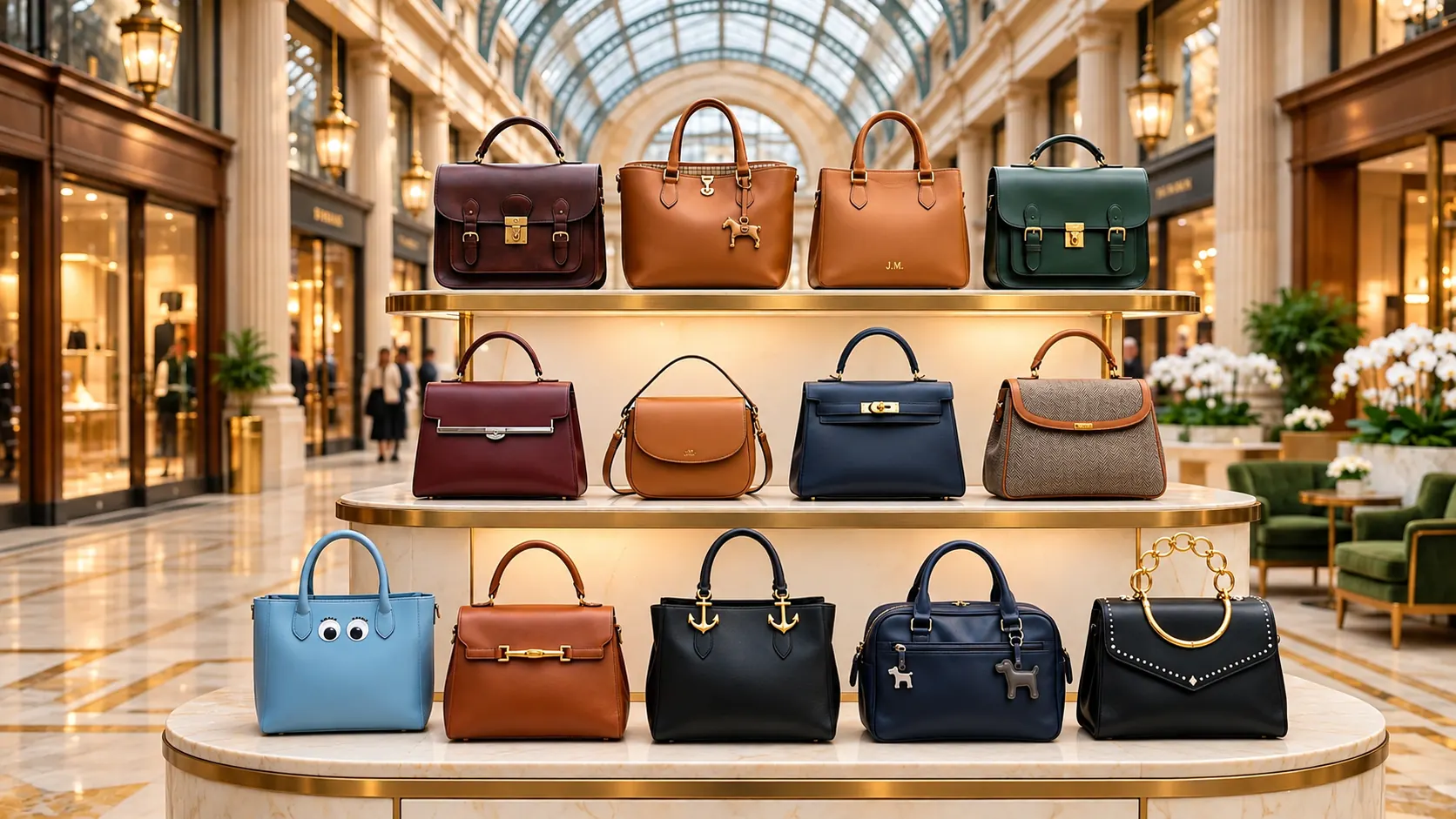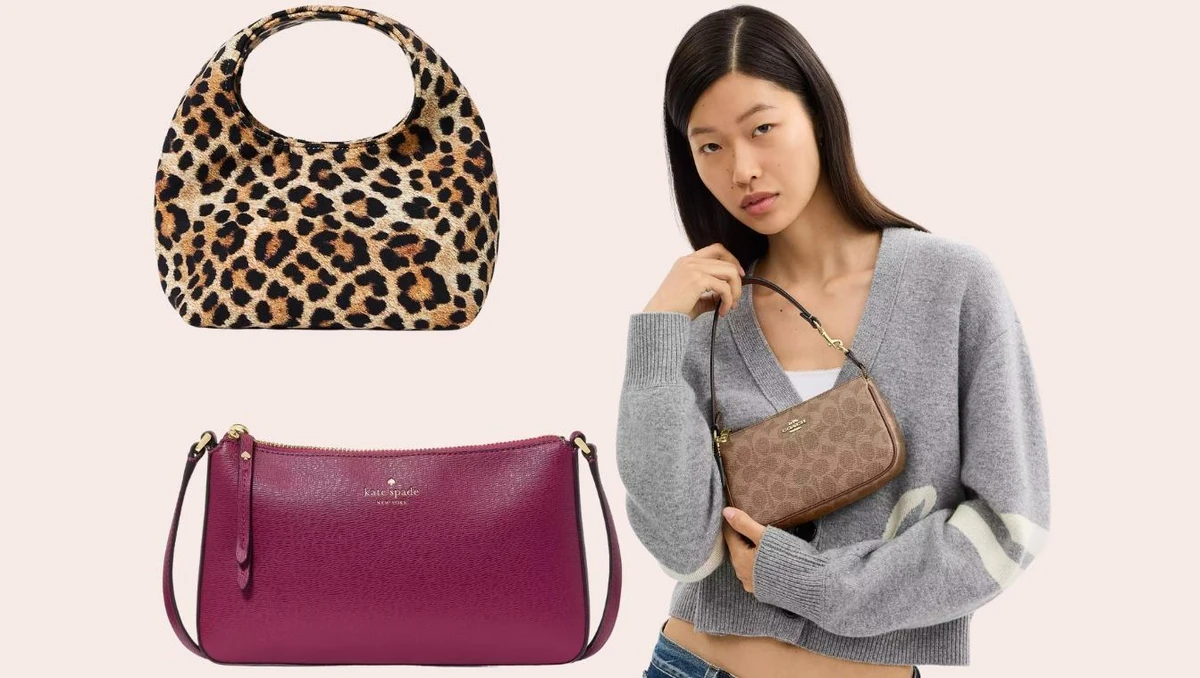
If you’ve ever shopped for a first designer bag in America, you’ve stood in this exact spot. Coach on one side, all rich leather and quiet confidence. Kate Spade on the other, bright colors and a wink. Same mall, same price neighborhood, same promise of “your first proper bag”. And you stand between them thinking: okay, but which one is actually better?
Here’s the answer most reviews are too polite to give you. For most people, most of the time, Coach is the better bag. Better leather, better hardware, longer life, stronger resale, and a brand currently having the hottest run in its 85 year history. But Kate Spade wins one category completely, and if that category is the reason you shop, it might be the right choice for you.
Let’s go round by round, and I’ll show you exactly where each brand earns its money.
First, the Family Secret Nobody Mentions
Before the fight, you should know something that changes how you watch it: Kate Spade and Coach are sisters. Both brands are owned by Tapestry, the New York group that bought Kate Spade for $2.4 billion back in 2017.
And here’s where it gets fascinating, because the family’s own report card reads like the verdict to this article. In its 2026 fiscal year, Coach grew to roughly nine tenths of Tapestry’s entire revenue, with quarterly growth above 30 percent and a handbag line Gen Z is genuinely fighting over.
Kate Spade, in the same household, has been sliding for years: sales down around 10 percent annually, an $855 million write down on the brand’s value in 2025, and a new creative director brought in to engineer a rescue. Tapestry’s own CEO says she’s “committed to fixing” it.
One sister is thriving. The other is in rehab. Remember that as we go, because it explains almost everything you’ll feel in the stores.
The Tale of the Tape
| Coach | Kate Spade | |
| Founded | 1941, New York leather workshop | 1993, New York, six nylon bags |
| Personality | Heritage, timeless, quietly polished | Playful, colorful, witty |
| Leather | Glove tanned, full grain, the tier’s best | Saffiano and lighter leathers |
| Hardware | Heavy, durable, repairable | Lighter, more decorative |
| Typical bag price | $250 to $600 | $200 to $450 |
| Resale value | Retains roughly 30 to 50 percent | Retains roughly 30 percent or less |
| Expected lifespan | A decade or more with care | Two to five years of heavy use |
| Brand momentum (2026) | Surging | In turnaround |
Round by Round
Quality and Leather: Coach, Clearly
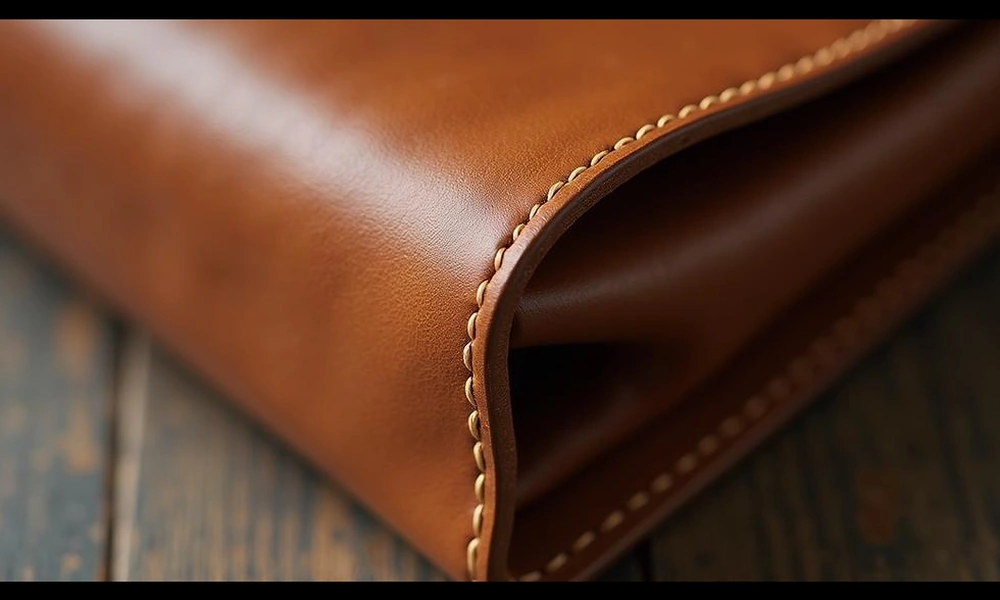
This is the round that decides it for bag people. Coach was born as a leather workshop in 1941, and eighty five years later you can still feel it. Their glove tanned leather is the same family of hides used for baseball gloves, chosen to soften and deepen with age instead of wearing out. Pick up a Coach bag and the hardware has weight, the stitching is dense, the edges are painted properly.
Kate Spade builds a pretty bag, not a tank. Much of the line uses Saffiano leather, which resists scratches beautifully but feels stiffer and thinner in the hand, and the hardware is lighter and more decorative. Nothing about it is cheap junk; it’s just engineered to charm you for a few seasons rather than outlive your career. As one resale insider put it, Coach is built to last; Kate Spade is built to impress.
Durability Over Years: Coach, Again
Ask any purse forum and you’ll hear the same story on repeat: “My Coach bag lasted ten years; my Kate Spade gave out in two.” That’s anecdote, not lab data, but it matches what the materials predict. Coach bags routinely become vintage pieces; there is a thriving secondhand market for Coach bags from the 1990s that are still in daily service.
Our vintage shopping guide covers what to look for if you go that route. Kate Spade bags are loved hard and replaced, which is fine, as long as you know that’s the deal going in. And if you do choose Coach, our guide on how to clean a Coach leather bag will help you get that decade out of it.
Style: The Round Kate Spade Wins Outright

Here it is, the category Kate Spade owns. Nobody in this price tier does joy like Kate Spade. The brand was founded in 1993 by a Mademoiselle accessories editor who thought handbags had become too serious, and thirty years of spade charms, bow details, taxi cab yellow and unapologetic polka dots later, that mission holds. A Kate Spade bag doesn’t whisper. It shows up to brunch and gets compliments from strangers.
Coach’s aesthetic is the opposite virtue: quiet, classic, goes with everything, excites no one and offends no one. Under creative director Stuart Vevers that’s changed recently, the Tabby and the soft slouchy bags have real fashion heat, but the core line still plays it safe. So be honest with yourself about who you are. If your wardrobe is a neutral canvas and your bag is the personality, Kate Spade is your brand and no verdict should talk you out of it.
Price and Value: A Draw, With an Asterisk
Kate Spade’s entry prices run slightly lower, and the outlet discounts run deeper, so on sticker day Kate Spade is usually the cheaper buy. But value isn’t what you pay; it’s what you pay per year of use. A $500 Coach bag carried for ten years costs you $50 a year.
A $300 Kate Spade carried for three costs you $100. Run your own math for how you actually treat bags. If you’re gentle and trend driven, Kate Spade’s math works. If you’re hard on your things, Coach is the bargain hiding at the higher price.
Resale Value: Coach, Comfortably
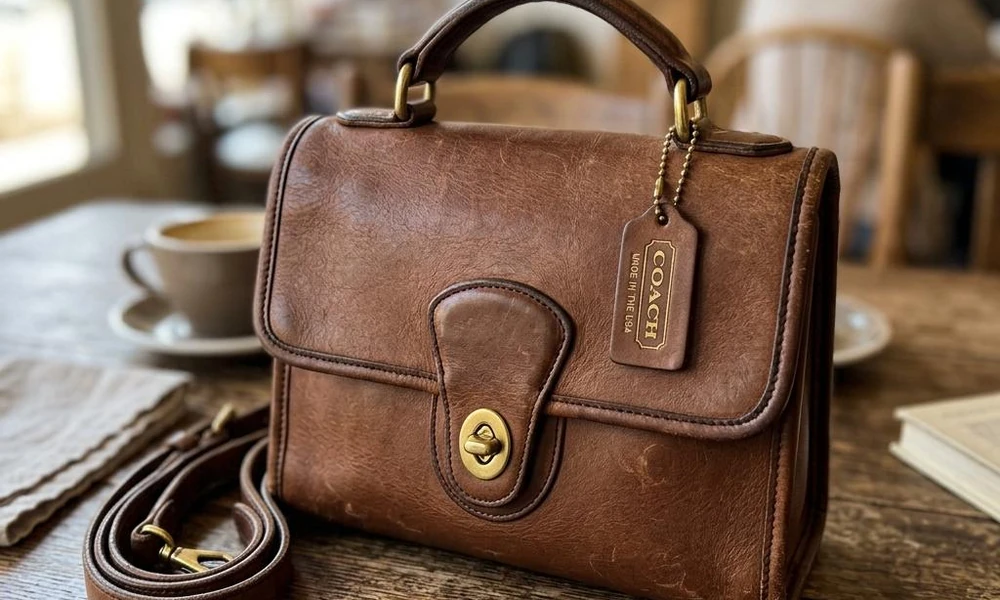
Check any resale platform and the pattern is consistent: gently used Coach bags typically retain around 30 to 50 percent of retail, while Kate Spade pieces tend to resell at 30 percent or less.
Coach has the deeper collector base, the vintage credibility and the current hype. Neither brand is an investment, never buy either expecting profit, but if resale matters to you, Coach protects more of your money. Our wider Michael Kors vs Coach vs Kate Spade vs Tory Burch comparison has the full resale breakdown across all four brands of this tier.
Brand Momentum in 2026: Coach, and It’s Not Close
This is the round most comparison articles miss, because they were written years ago. Right now, Coach is arguably the hottest accessible bag brand on earth: revenue up double digits, Gen Z adopting it as their first luxury purchase, waitlists on the popular shapes. Kate Spade is mid rescue mission, with a leaner store fleet and a new creative director, Jonathan Saunders, rebuilding the collections.
Momentum isn’t a reason to buy a bag by itself, but it tells you where the design energy, the marketing money and the resale demand currently live. We track where Coach sits in the bigger picture in where Coach ranks among luxury brands.
So Which Should You Buy?
Buy Coach if: you want one bag to carry for years, you value leather and construction over novelty, you care about resale, or you want the brand with the current fashion heat. Coach is the responsible choice that, lately, also happens to be the cool one.
Buy Kate Spade if: color and playfulness are the whole point for you, you like rotating bags every couple of seasons, you’re buying for occasions rather than daily grind, or you find a piece on sale that makes you smile every time you look at it. Joy is a legitimate feature. Just buy it at outlet or sale prices, where the value math finally works in its favor.
And if you’re torn between Coach and its other great rival instead, our Coach vs Michael Kors tote bags piece handles that fight specifically.
Frequently Asked Questions
Is Coach better quality than Kate Spade?
Yes. Coach uses thicker glove tanned leather, heavier hardware and denser stitching, reflecting its origins as a 1941 leather workshop. Kate Spade favors lighter Saffiano leather and decorative hardware. Both are well made for their tier, but Coach is built to a more durable standard.
Do Coach bags last longer than Kate Spade bags?
Generally yes. Coach bags commonly survive ten years or more of regular use and often become vintage pieces still in service. Kate Spade bags typically hold up for two to five years of heavy daily use. Leather thickness, hardware weight and construction density explain most of the difference.
Is Kate Spade cheaper than Coach?
Slightly. Kate Spade bags typically run $200 to $450 versus Coach’s $250 to $600, and Kate Spade outlet discounts usually run deeper. However, Coach’s longer lifespan often makes it cheaper per year of use, so the better value depends on how long you keep your bags.
Which brand holds value better, Coach or Kate Spade?
Coach holds value better. On resale platforms, gently used Coach bags typically retain around 30 to 50 percent of retail price, while Kate Spade bags generally resell at 30 percent or less. Coach’s heritage, current popularity and vintage collector market support stronger secondhand prices.
Are Kate Spade and Coach owned by the same company?
Yes. Both are owned by Tapestry, Inc., the New York group formerly known as Coach, Inc., which acquired Kate Spade for $2.4 billion in 2017. Coach currently generates most of Tapestry’s revenue while Kate Spade undergoes a turnaround under a new creative director.
The Bottom Line
Kate Spade or Coach? For your money, your daily grind and your future resale value, Coach is the better bag, and right now it’s also the more exciting brand, which rarely happens at the same time.
But the honest verdict has a second sentence. Better is not the same as right for you. If a lemon yellow tote with a spade charm makes you happy every single morning, no leather thickness chart outranks that. Buy the Coach if you want the smarter bag. Buy the Kate Spade if you want the happier one. Either way, buy on sale, and you’ll have beaten the system both brands are built on.