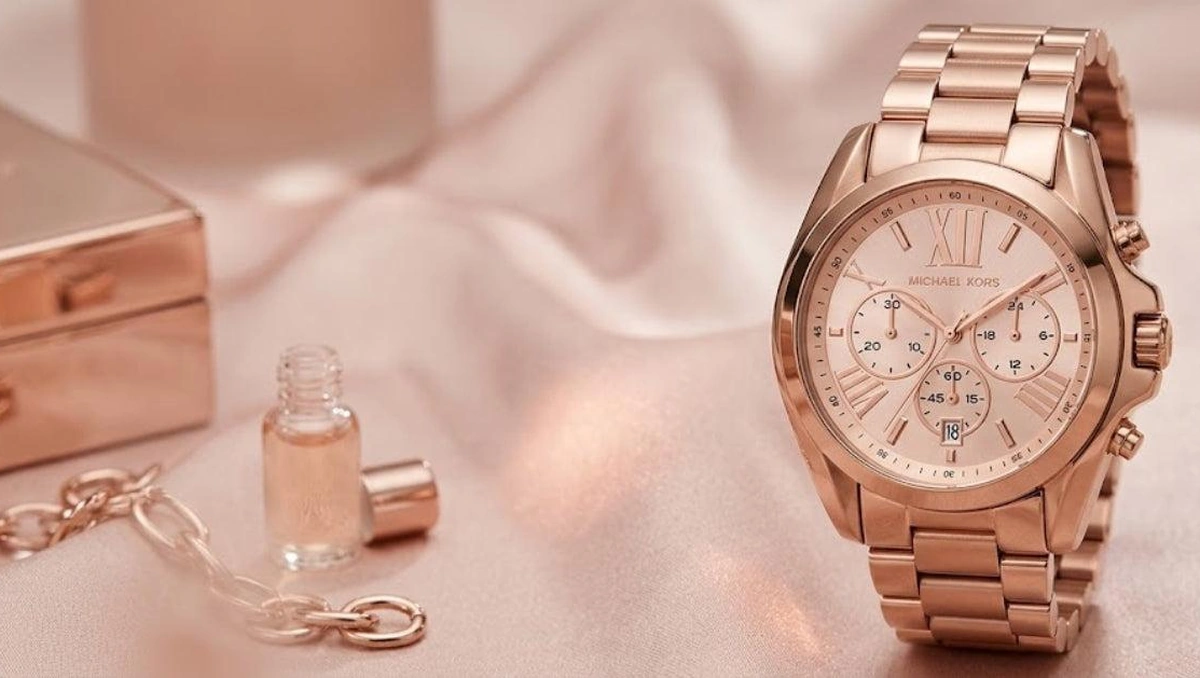
Three years ago, someone unwrapped a Michael Kors watch on a birthday morning and it was a moment. The rose gold caught the light, the box felt expensive, the whole thing cost the giver $275 at Macy’s. Last month, that same watch, barely worn, was listed online. It sold for $35.
Nobody tells you this part at the counter. So let me be the one.
No, Michael Kors watches do not hold value. They are fashion watches: beautiful, reliable, perfectly decent timepieces that depreciate almost immediately and never recover. Real sales data puts the median used Michael Kors watch at around $33, no matter what it cost new. If you’re buying one as an investment, stop. If you’re buying one as a style object at the right price, that’s a different and much smarter conversation, and we’ll have it below.
First, though, you deserve to know the thing most articles never mention: Michael Kors doesn’t actually make watches.
The Secret in the Fine Print: Who Really Makes Your MK Watch
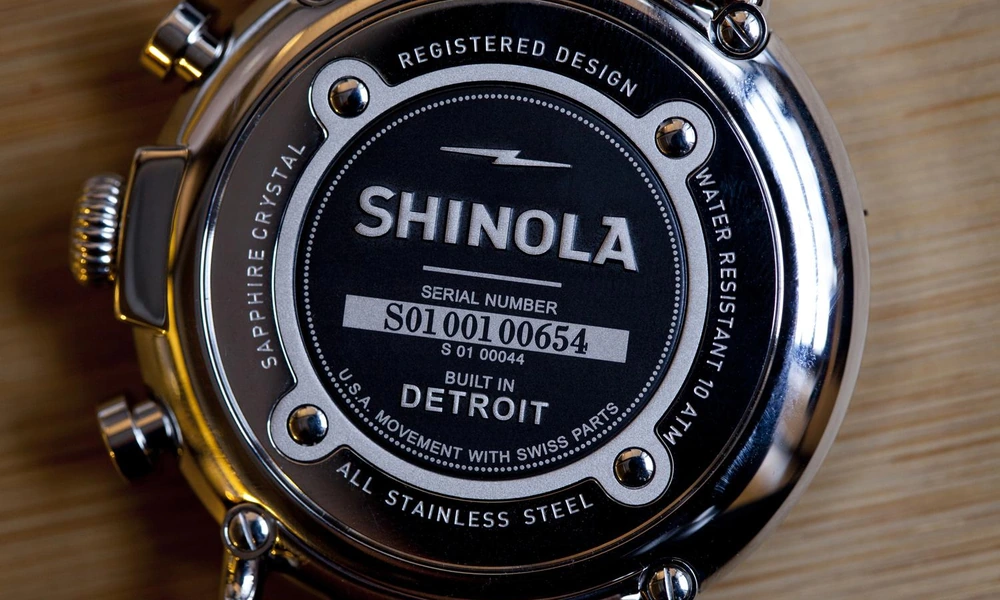
Flip over almost any Michael Kors watch and read the case back. Somewhere in the small print you’ll find the truth: these watches are designed, manufactured and warranted by the Fossil Group, the Texas watch giant, under a licensing agreement with Michael Kors. The partnership has run for over twenty years and was just extended through 2027.
This is completely normal, and it’s not a scandal. The entire fashion watch industry works this way. Fossil builds watches for Michael Kors, Kate Spade, Tory Burch, Emporio Armani, Diesel and DKNY. Rival Movado builds them for Coach, Tommy Hilfiger and Hugo Boss.
The fashion house supplies the design language and the logo; the watch company supplies everything else. When you buy an MK watch, you’re buying Michael Kors design wrapped around Fossil engineering.
And to be fair to Fossil, the engineering is competent. These are proper watches, not toys. But understanding who makes them explains everything about what happens to their value.
What You’re Actually Buying (and What You’re Not)
Open up the typical Michael Kors watch and here’s the honest inventory:
A Japanese quartz movement. Reliable, accurate, keeps excellent time for years on a battery change. Also a commodity component that costs a few dollars and powers watches at every price from $20 to $500. Nothing wrong with it; nothing special about it either.
Mineral crystal over the dial. Scratches more easily than the sapphire crystal on serious watches. On a polished gold tone case, those scratches show.
Stainless steel with plated finishes. The gold and rose gold tones are plating over steel, not gold. Plating wears at the clasp and case edges with daily use, which is why a three year old MK watch looks its age.
Genuine design flair. This is the real product. Michael Kors watches look expensive, photograph beautifully and finish an outfit the way a $40 unbranded watch doesn’t. You’re buying the aesthetic judgment of a real fashion house, and on that front they deliver.
The sum of those four things is a good fashion watch. What it is not, and was never built to be, is horology. And horology is the only kind of watch that holds value.
The Depreciation Math, With Real Numbers
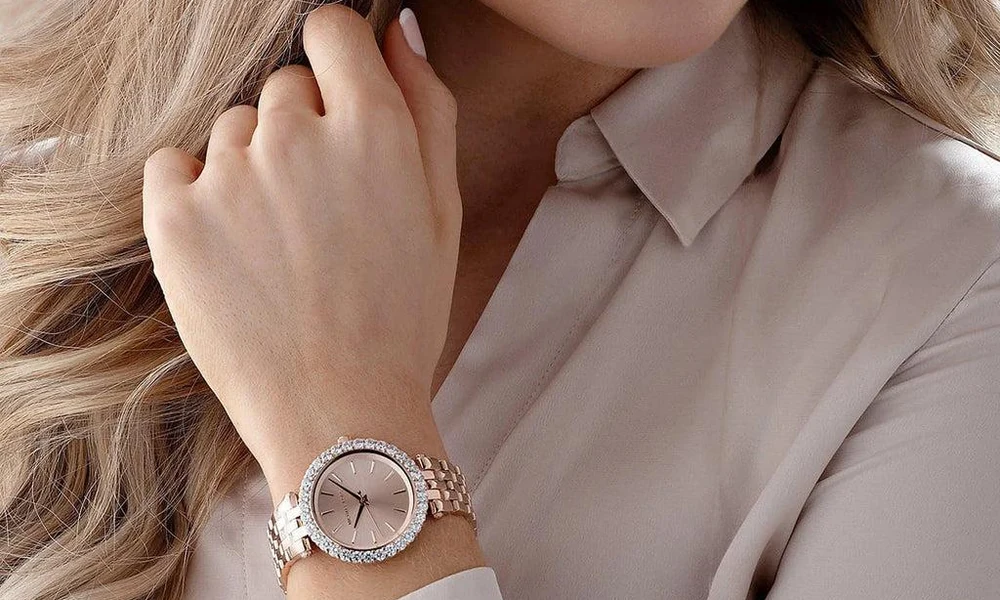
This isn’t opinion; we can put actual market data on it. Analysis of hundreds of recent secondhand sales puts the median used Michael Kors analog watch at $33, with discontinued Access smartwatches at $53. Watch forums are blunter: expect $20 to $40 for a typical model, if you can find a buyer at all. Against a typical $195 to $350 retail price, that’s a recovery of roughly 10 to 20 percent, and that’s before the platform takes its fee.
| What Happens | Michael Kors Watch | Rolex Submariner |
| New price | $250 | $10,000+ |
| Value after 3 years | $30 to $60 | At or above retail |
| Value retained | 10 to 20 percent | Often 100 percent or more |
| Why | Commodity movement, unlimited supply, constant discounting | In house movement, controlled supply, waiting lists |
The right comparison isn’t really Rolex, though, because nobody cross shops those. The right comparison is what the same $250 buys elsewhere in watches: a Seiko 5 with an in house automatic movement that watch people genuinely respect, a Citizen Eco Drive that never needs a battery, a Timex with real heritage. None of those are investments either, but they hold a far larger share of their price, because the value lives in the watch itself rather than in a fashion logo licensed onto it.
So Should You Ever Buy One? Yes, Actually
Here’s where I part ways with the watch snobs, who answer this question with a sneer and a lecture about Swiss movements. Not every purchase is an asset decision. Sometimes you want a beautiful object that matches your bag and makes you happy on a Tuesday. A Michael Kors watch does that job superbly, and dismissing it because it won’t fund your retirement misses the point of why people buy it.
The trick is to buy it with open eyes, on these three rules:
Rule one: never pay full retail. Like everything else Michael Kors, watches ride the discount calendar. A $275 watch is routinely $150 to $180 within months. Paying retail for a fashion watch is paying for the privilege of maximum depreciation.
Rule two: skip the smartwatch line entirely. Fossil exited the smartwatch business, so the MK Access line is discontinued technology with no future support story. If you want a smart watch, buy from the companies that make their own.
Rule three: let someone else take the depreciation. That same data showing $33 medians is bad news for sellers and wonderful news for you. A clean secondhand MK watch for $40 to $60 delivers 90 percent of the new experience for 20 percent of the money. Our vintage shopping guide covers secondhand buying in general, and the same inspection logic applies here: check the plating at the clasp, the crystal for scratches, and that the bracelet has no stretched links. The authentication mindset from our piece on telling a real Michael Kors purse from a fake transfers directly, because counterfeit MK watches flood the same marketplaces.
If you love the broader brand, our guides on whether a Michael Kors bag is luxury and whether Michael Kors is a premium brand give the full picture of what the label does and doesn’t promise across everything it sells.
Frequently Asked Questions
Do Michael Kors watches hold value?
No. Michael Kors watches lose most of their value immediately and typically resell for $20 to $60 regardless of original price. Market data shows a median used price around $33. They are fashion watches built for style, not horological investments, and should be bought to wear and enjoy.
Who makes Michael Kors watches?
The Fossil Group designs, manufactures and warrants Michael Kors watches under a licensing agreement running since 2004 and extended through 2027. Michael Kors supplies the design direction and branding, while Fossil handles movements, production and quality control, as it does for several fashion brands.
Are Michael Kors watches good quality?
They are good fashion watches: reliable Japanese quartz movements, solid cases and attractive design, but with mineral crystal and plated finishes that show wear over years. They keep time dependably and look premium, though the materials don’t match dedicated watch brands at the same price.
Are Michael Kors watches real gold?
No. The gold and rose gold finishes on Michael Kors watches are plating over stainless steel, not solid gold. The plating is durable enough for regular wear but will gradually thin at high friction points like the clasp and case edges over years of daily use.
How much is a used Michael Kors watch worth?
Most used Michael Kors watches sell for $20 to $60, with market medians around $33 for standard analog models. Limited or pristine pieces with boxes may reach slightly higher. Discontinued Access smartwatches sell for around $50. Original retail price has little influence on secondhand value.
The Bottom Line
Do Michael Kors watches hold value? No, and they were never designed to. A Michael Kors watch is a piece of jewelry that happens to tell time: lovely to wear, pointless to resell, and priced for joy rather than returns.