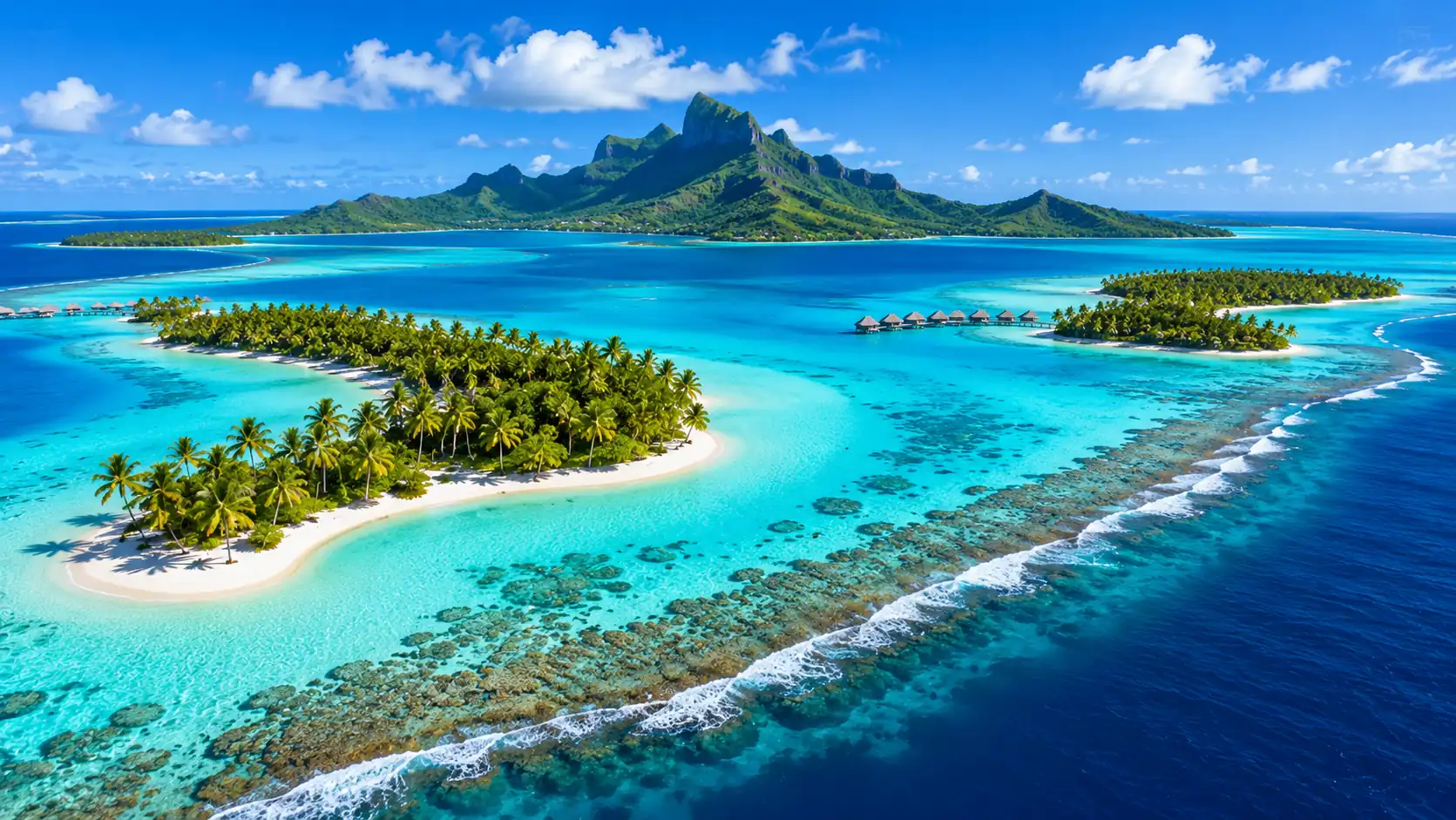
Imagine waking up in an overwater bungalow, sliding open the glass doors, and finding the lagoon glowing in shades of turquoise beneath the morning sun. Mount Otemanu rises in the distance, breakfast arrives on your private terrace, and the only difficult decision is whether to go snorkeling or spend another hour beside the water. Choosing the best time to visit Bora Bora makes this dream even more rewarding, with favorable weather and ideal conditions for enjoying the island.
This is the Bora Bora that travelers dream about.
But the island does not look or feel exactly the same throughout the year. Some months bring clear skies and refreshing breezes, while others offer lush tropical scenery, occasional heavy rain, and quieter resorts.
The best time to visit Bora Bora is from May to October, when the island experiences its drier season, lower humidity, and generally favorable conditions for beaches, snorkeling, and outdoor activities. For travelers looking for a balance between pleasant weather, fewer visitors, and potentially better accommodation rates, May and October are particularly appealing.
However, the ideal month depends on what you want from your holiday. A honeymoon couple booking an overwater villa may have different priorities from a snorkeling enthusiast or a traveler hoping to experience Bora Bora without peak-season prices.
Here is how to choose the right time for your visit.
When Is the Best Time to Visit Bora Bora?
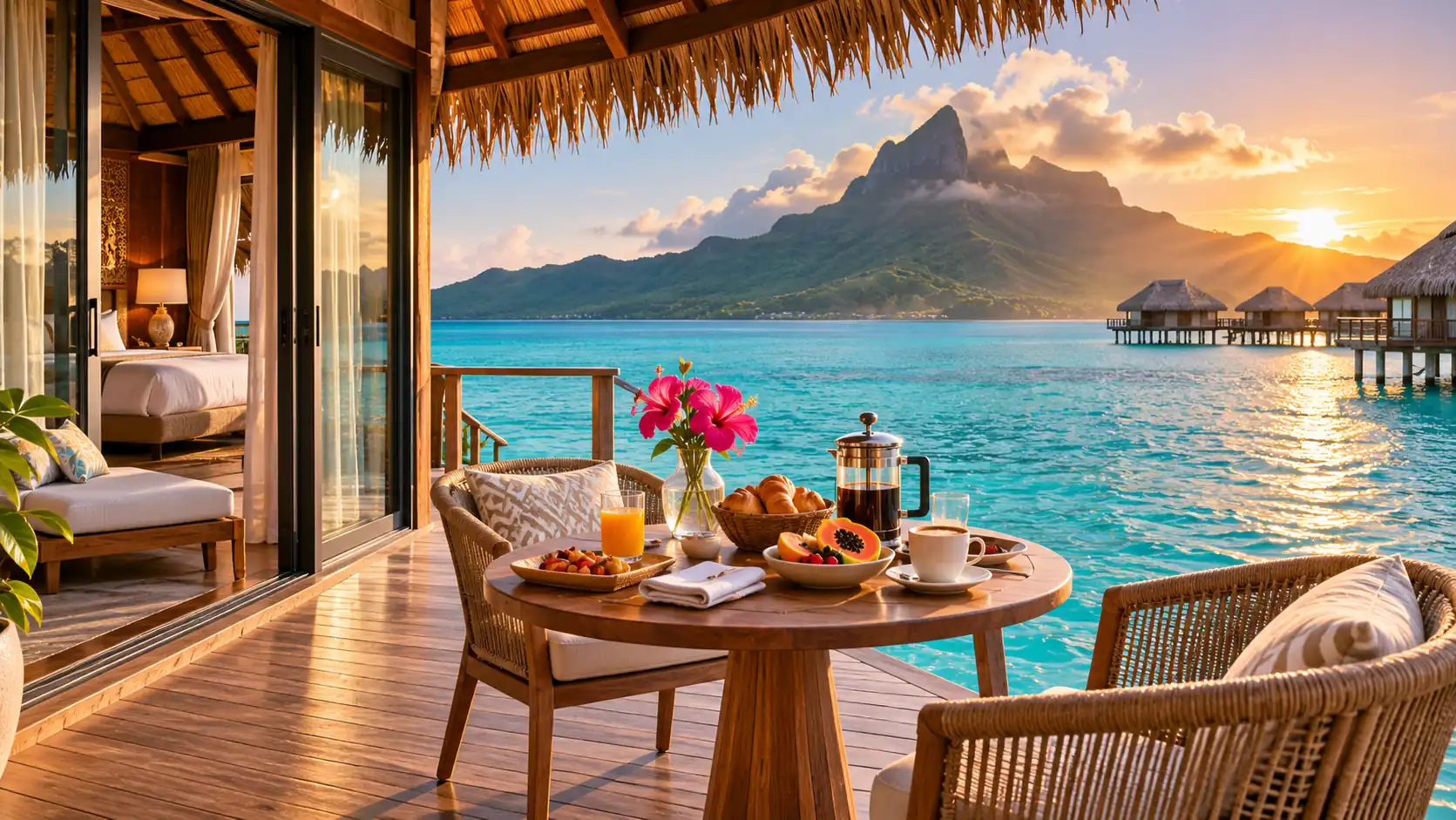
Bora Bora is a tropical island in French Polynesia, and its warm climate makes travel possible throughout the year.
There are two main seasons:
- Dry season: May to October. Generally sunnier conditions, lower humidity, and comfortable temperatures.
- Wet season: November to April. Warmer, more humid conditions with a greater likelihood of tropical showers.
The dry season is usually the most popular time for visitors, particularly those planning expensive resort stays and outdoor experiences.
The wet season can still be enjoyable, with warm water, beautiful tropical scenery, and opportunities to find more attractive accommodation offers.
Bora Bora Seasons at a Glance
| Travel priority | Recommended period |
| Best overall weather | May to October |
| Best balance of weather and value | May and October |
| Most popular travel season | June to September |
| Potentially lower resort prices | January to March |
| Honeymoons and romantic escapes | May, June, September, October |
| Snorkeling and lagoon excursions | May to October |
| Humpback whale-watching season | Approximately July to November |
| Lush tropical scenery | November to April |
| Cultural celebrations | July |
No month guarantees perfectly clear skies. Even during the dry season, tropical showers are possible.
Bora Bora Weather by Month
Understanding the differences between individual months can make your travel planning much easier.
| Month | Typical conditions | Travel considerations |
| January | Hot, humid, rainy | Quieter periods and possible resort offers |
| February | Warm, humid, frequent showers | Lower-season pricing opportunities |
| March | Humid with variable rainfall | Tropical scenery and fewer peak-season visitors |
| April | Transition toward drier weather | A good balance of conditions and value |
| May | Drier, pleasant temperatures | Excellent overall choice |
| June | Sunny periods, breezier weather | Popular for outdoor activities |
| July | Dry-season conditions | Cultural events and high demand |
| August | Pleasant, relatively dry | Popular for luxury resort stays |
| September | Generally favorable weather | Excellent for lagoon experiences |
| October | End of dry season | Appealing balance of weather and crowds |
| November | Increasing humidity and showers | Transitional weather and potential savings |
| December | Warm, humid, wetter conditions | Holiday demand despite rainy season |
These are seasonal expectations, not a forecast for a particular travel date.
Bora Bora in January: A Quiet Tropical Escape
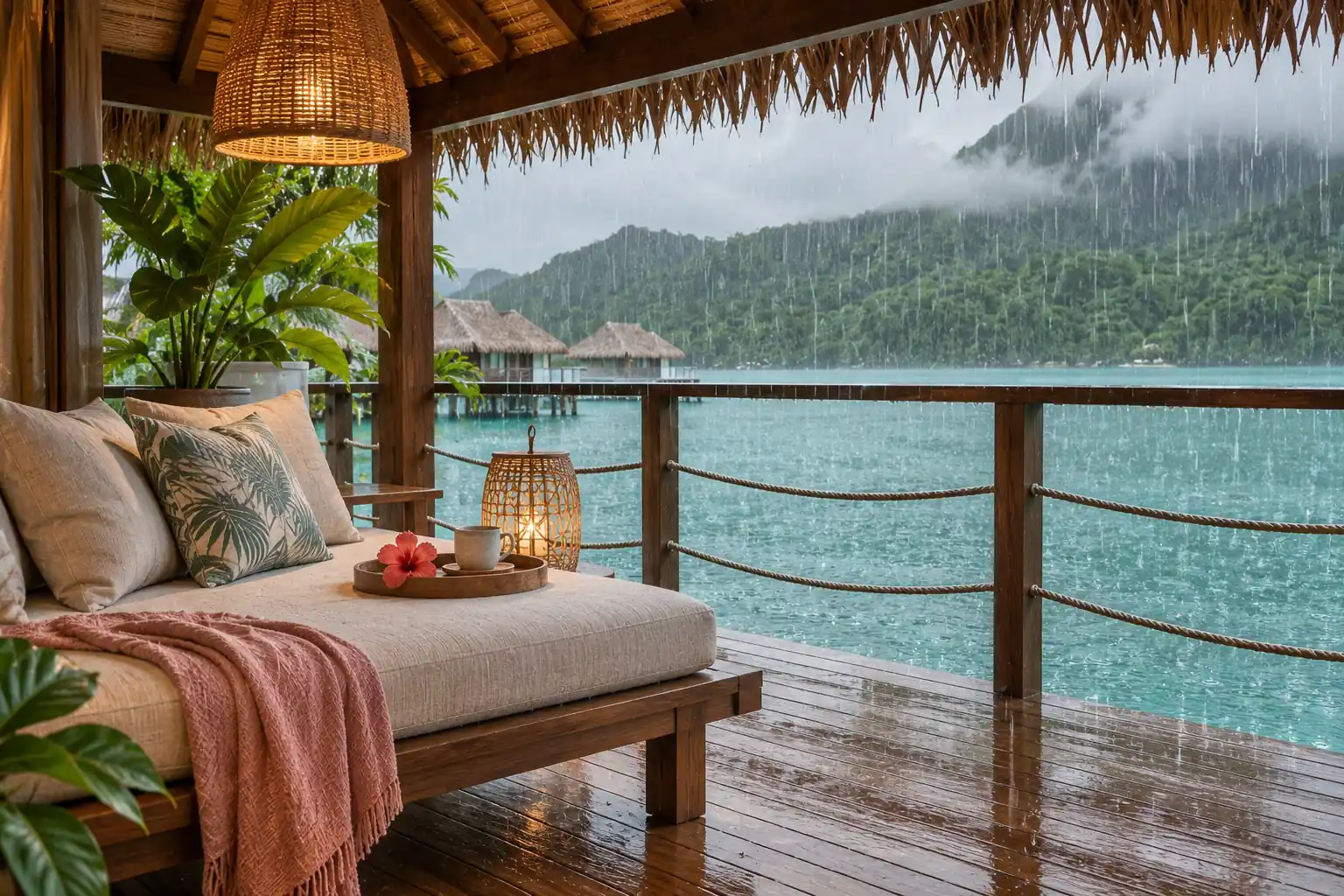
January falls in Bora Bora’s wet season.
Days are generally warm and humid, and showers can be frequent. Heavy rainfall may occasionally interrupt outdoor plans, although sunny periods are still possible.
For travelers who enjoy a slower pace and do not require perfect weather every day, January can be attractive.
Some resorts offer lower seasonal rates outside the Christmas and New Year holiday period.
It is particularly important to choose accommodation with comfortable indoor facilities, enjoyable dining options, and flexible activities.
Best for: Flexible travelers who prioritize resort comfort and potential savings.
Bora Bora in February: Warm Weather and Fewer Crowds
February is another relatively wet month.
Humidity remains high, and rainfall may affect boat tours, hiking, or other outdoor experiences.
However, the island’s scenery can look wonderfully lush, and its lagoon remains warm.
Travelers willing to accept some weather uncertainty may find appealing accommodation offers.
February is better suited to those who enjoy relaxing at a beautiful resort than those planning an activity-filled itinerary with little flexibility.
Best for: Budget-conscious luxury travelers and quiet resort holidays.
Bora Bora in March: Tropical Beauty and Changing Conditions
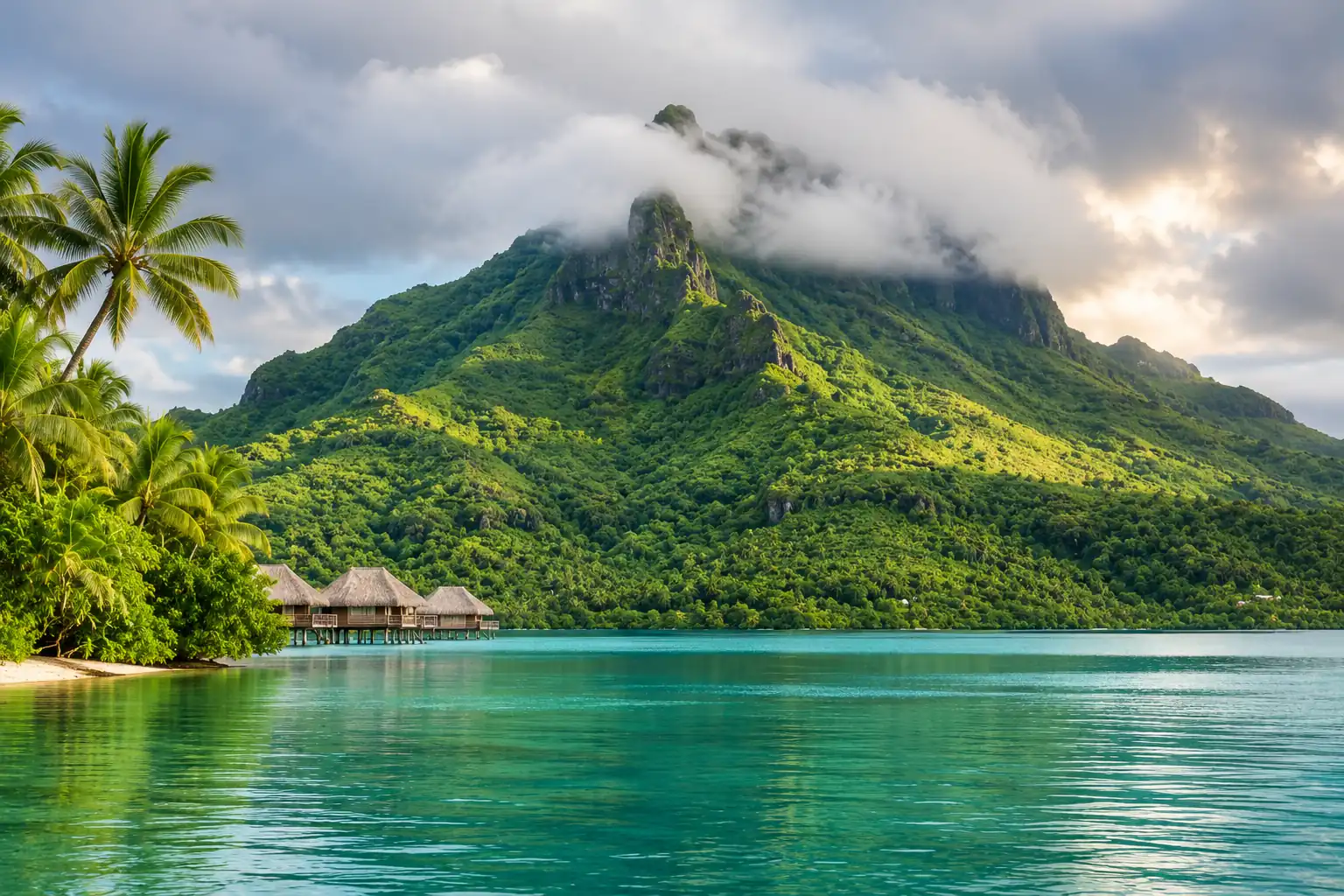
March remains within the rainy season, although weather conditions vary considerably.
Some days can be bright and sunny, while others bring showers and cloud cover.
The island’s vegetation is particularly green during this part of the year.
March can suit travelers who want a peaceful escape and are comfortable planning activities around the weather.
Best for: Relaxed holidays, resort experiences, and flexible itineraries.
Bora Bora in April: An Underrated Month to Visit
April marks the transition toward Bora Bora’s drier season.
Rain is still possible, but visitors may experience a favorable mixture of warm temperatures, sunshine, and calmer conditions.
April is particularly appealing because it falls outside the busiest part of the dry-season travel period.
For couples planning a romantic holiday, this can mean the opportunity to enjoy an atmospheric island setting without the strongest peak-season demand.
Best for: Couples, snorkeling enthusiasts, and travelers seeking a balance between weather and price.
Bora Bora in May: One of the Best Months Overall
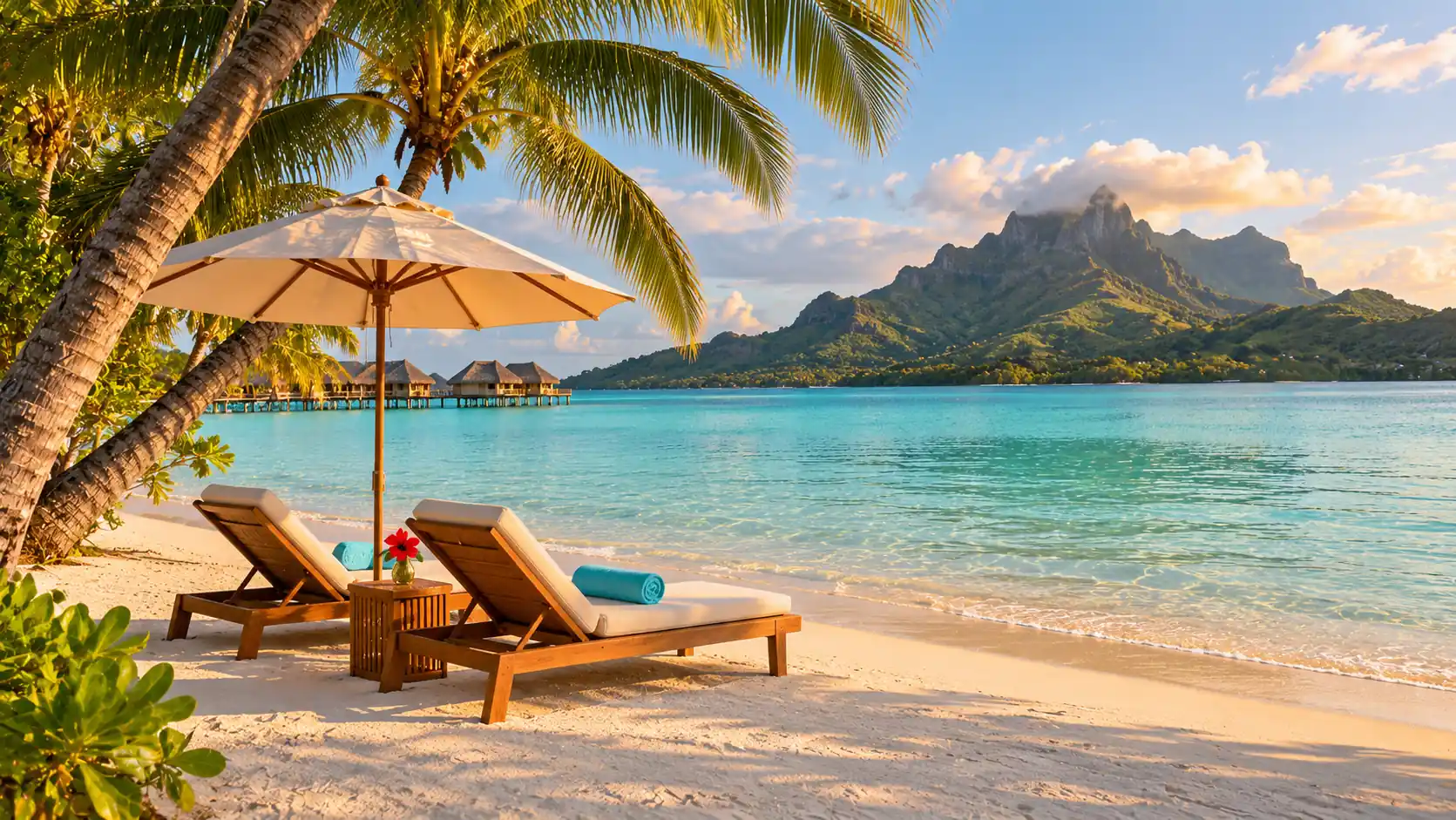
May is an excellent choice for many travelers.
The dry season begins, humidity generally decreases, and outdoor conditions become more comfortable.
It is a wonderful time to enjoy Bora Bora’s lagoon, take boat excursions, and spend long afternoons on the beach.
May also offers an appealing combination of weather and relative flexibility before some of the busiest summer holiday periods.
For first-time visitors, it is one of the easiest months to recommend.
Best for: First visits, honeymoons, beach holidays, and luxury resort stays.
Bora Bora in June: Sunny Days and Refreshing Breezes
June is part of the dry season and generally brings comfortable weather.
Trade winds may become more noticeable, which can make the warm tropical climate feel refreshing.
Outdoor dining, island exploration, and lagoon excursions are attractive possibilities.
However, some days may be breezy, particularly on exposed beaches or overwater resort decks.
Resort demand also increases as international holiday travel begins.
Best for: Outdoor activities, resort holidays, and travelers who enjoy breezier conditions.
Bora Bora in July: Culture and Peak-Season Energy
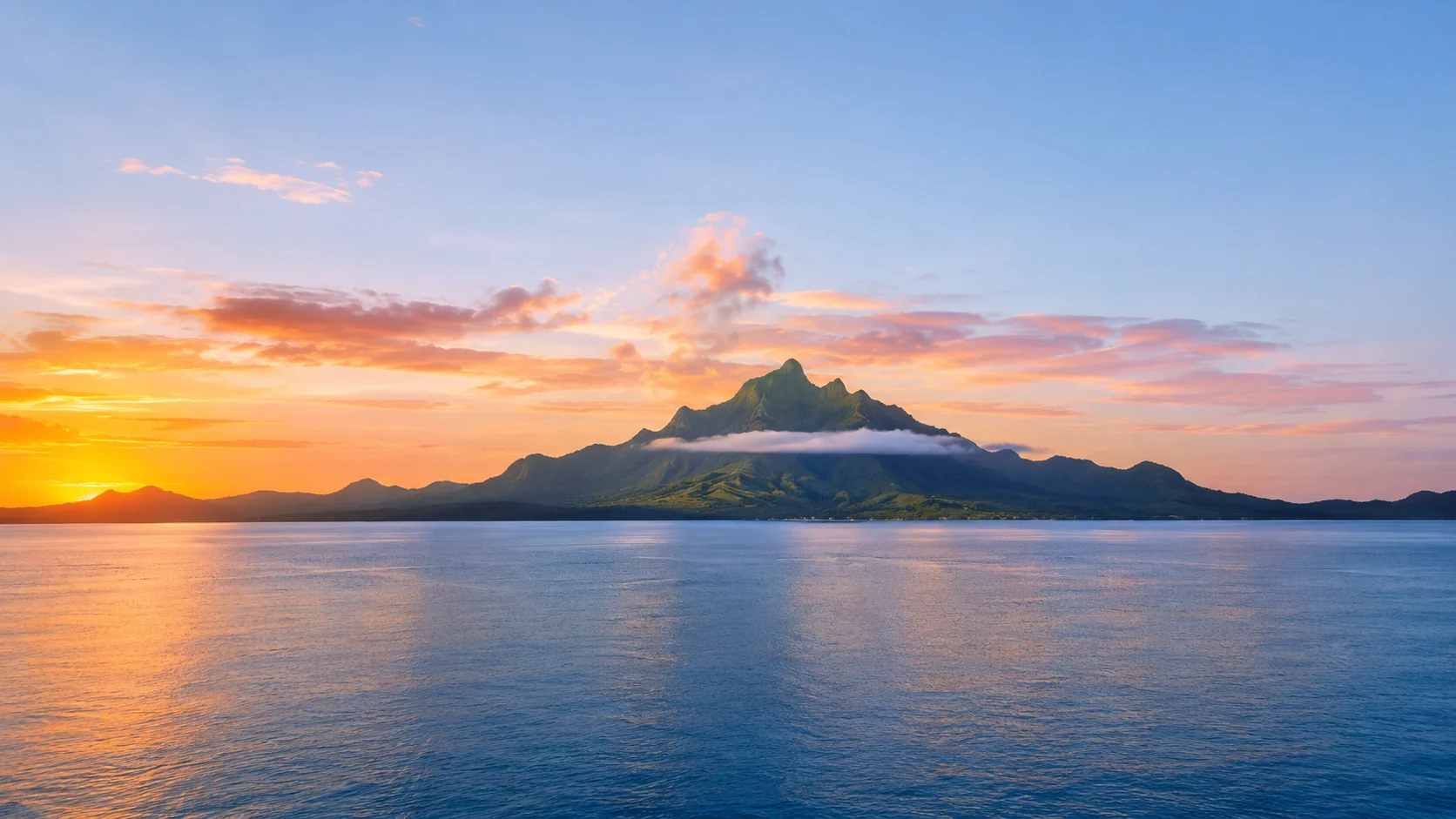
July is one of Bora Bora’s most popular travel months.
The weather is generally favorable, and the island has a lively atmosphere.
The wider French Polynesian cultural calendar includes Heiva celebrations, featuring traditional dance, music, and sporting activities.
These events provide an opportunity to experience aspects of Polynesian culture beyond the resort environment.
Because July overlaps with international holidays, accommodation availability can be more limited and prices may be higher.
Best for: Cultural experiences, active holidays, and travelers comfortable with peak-season demand.
Bora Bora in August: Beautiful Weather and High Demand
August is another popular dry-season month.
Temperatures are generally comfortable, humidity is comparatively low, and conditions often favor beach and lagoon activities.
It is an appealing time for travelers planning a special anniversary or honeymoon.
The main drawback is demand. Luxury resorts and popular overwater bungalow categories may require early booking.
Best for: Honeymoons, snorkeling, and high-end island holidays.
Bora Bora in September: A Beautiful Time for Luxury Travel
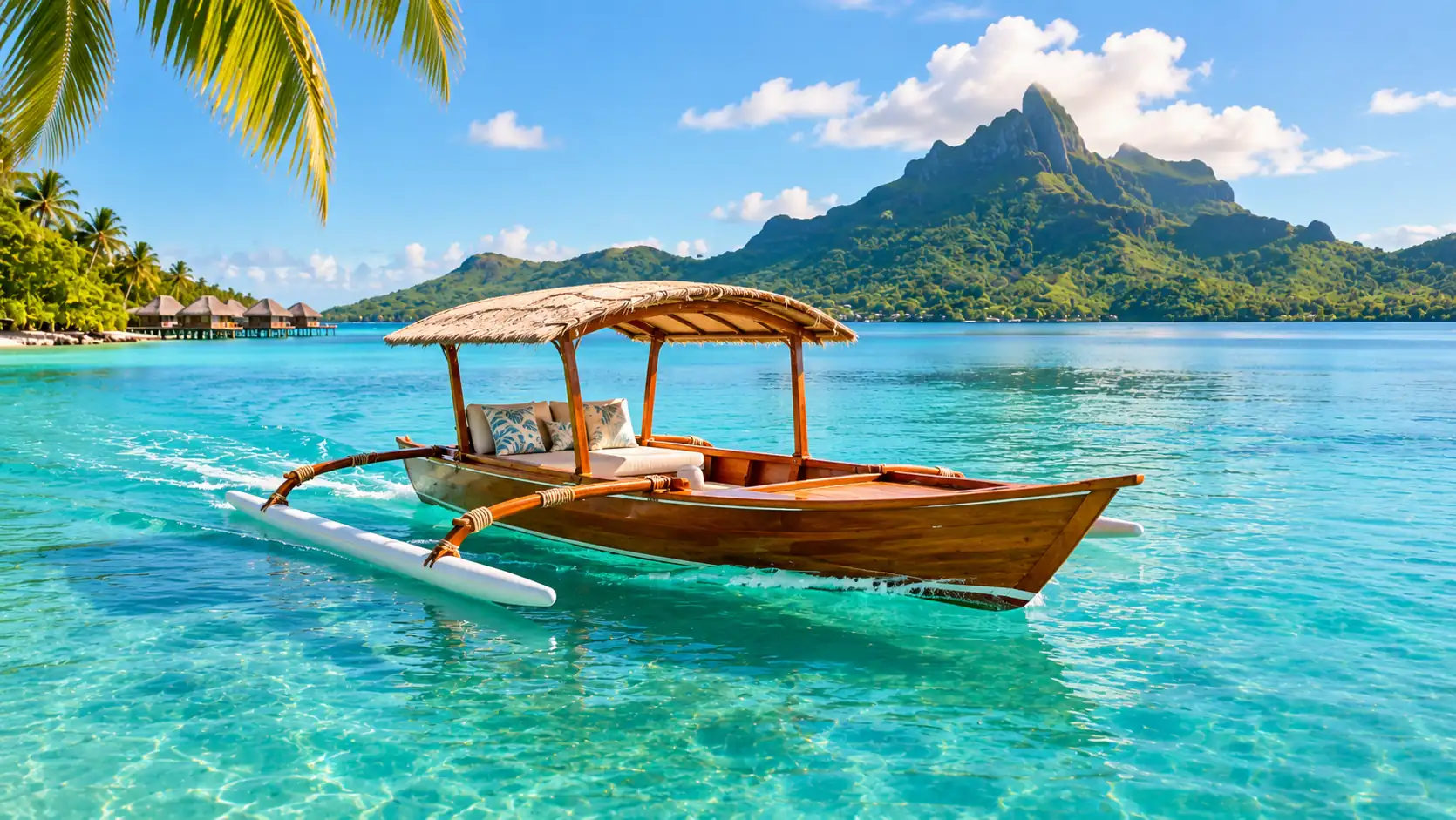
September combines many of the benefits of the dry season with a slightly different atmosphere from the busiest summer weeks.
The island generally enjoys favorable outdoor conditions, making it an appealing time for boat trips, snorkeling, and beach experiences.
It can also be a particularly enjoyable month for couples who prefer a relaxed itinerary.
A private lagoon excursion followed by a quiet evening at the resort captures the kind of luxury travel experience that makes Bora Bora such a memorable destination.
Best for: Couples, lagoon activities, and refined resort holidays.
Bora Bora in October: Excellent Weather With More Flexibility
October is one of the most appealing months for travelers seeking a balance between pleasant conditions and relative value.
It falls near the end of the dry season, so visitors may still enjoy plenty of sunshine.
Humidity and rainfall can begin increasing toward November, but October remains a strong option for outdoor activities.
Some travelers may find better opportunities for accommodation offers than during the busiest months.
Best for: Honeymoons, first-time visitors, and travelers seeking good overall value.
Bora Bora in November: A Softer, Quieter Island Experience
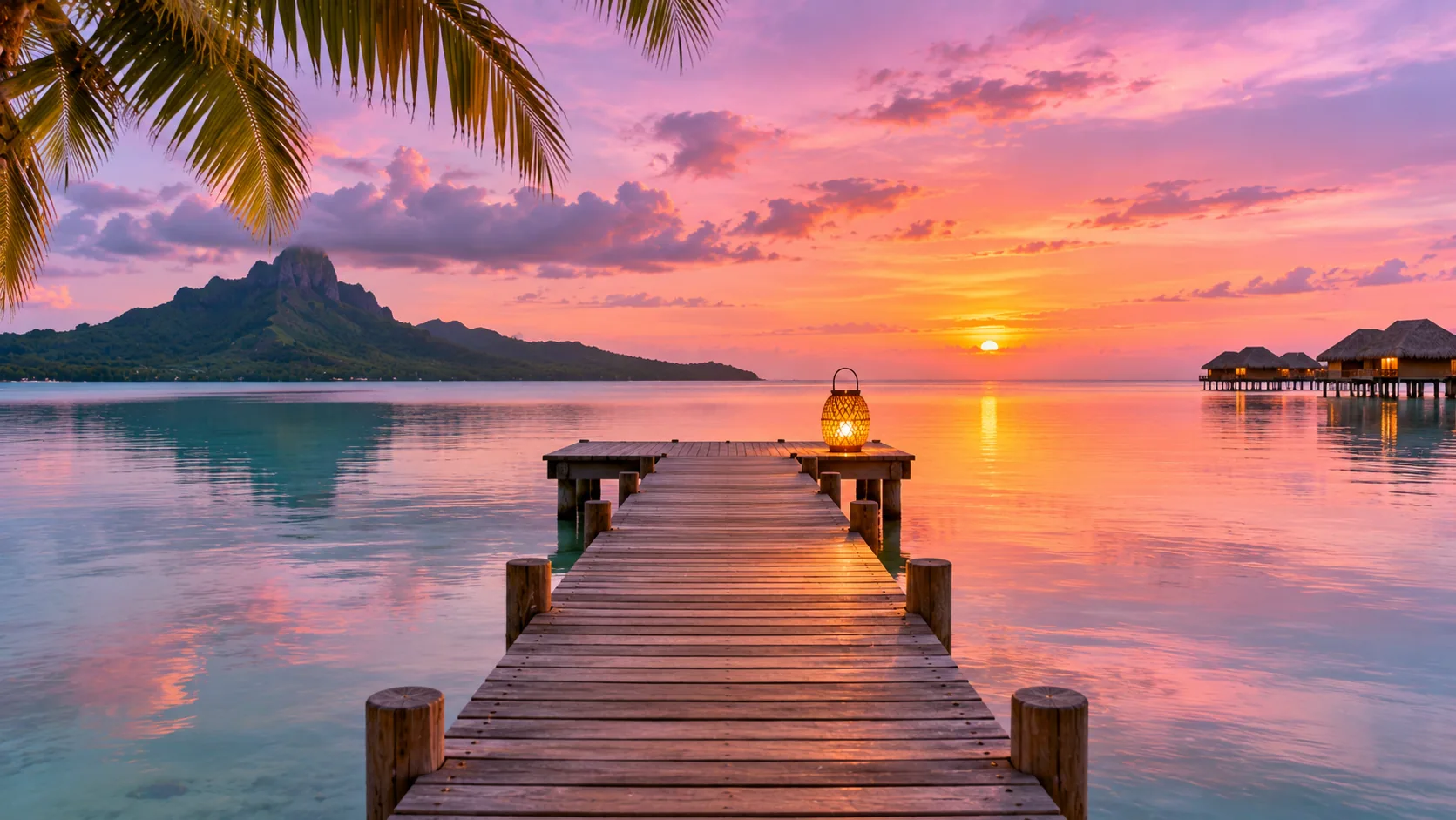
November marks the beginning of the wetter season.
Warm temperatures continue, but humidity rises and tropical showers become more likely.
The island may feel quieter outside major holiday periods, and some resorts introduce lower-season offers.
Travelers who do not mind occasional rainfall may appreciate the relaxed atmosphere.
November also falls near the end of the broader humpback whale season in French Polynesia, although sightings are never guaranteed.
Best for: Flexible travelers, quieter stays, and potential accommodation savings.
Bora Bora in December: Festive Luxury in the Tropics

December brings warm, humid weather and a greater chance of rain.
However, the festive season makes Bora Bora attractive to travelers seeking a special Christmas or New Year escape.
Luxury resorts may offer seasonal dining experiences and celebrations.
Despite the rainy season, holiday demand can push prices higher, particularly around Christmas and New Year.
Best for: Festive holidays and travelers who want a tropical alternative to winter destinations.
Best Time to Visit Bora Bora for a Honeymoon
For many couples, Bora Bora is the definition of a romantic island escape.
Overwater bungalows, private decks, lagoon views, and intimate dining experiences create an atmosphere that feels far removed from everyday life.
May, June, September, and October are particularly attractive honeymoon months because they generally provide favorable weather without requiring travel during the busiest peak-season weeks.
July and August can also be wonderful, but early reservations are important.
If you are planning a honeymoon, consider your priorities carefully.
A couple who wants long sunny afternoons and frequent water activities may prefer the dry season.
A couple who wants privacy, spa treatments, leisurely breakfasts, and uninterrupted time together may be comfortable visiting during a quieter transitional period.
The most memorable honeymoon is not necessarily the one with the fullest itinerary.
Sometimes, the luxury comes from having nothing planned.
The most memorable honeymoon is not necessarily the one with the fullest itinerary. Sometimes, the luxury comes from having nothing planned, embracing the luxury of empty time in travel, and simply enjoying each moment without rushing.
Best Time to Visit Bora Bora for Overwater Bungalows
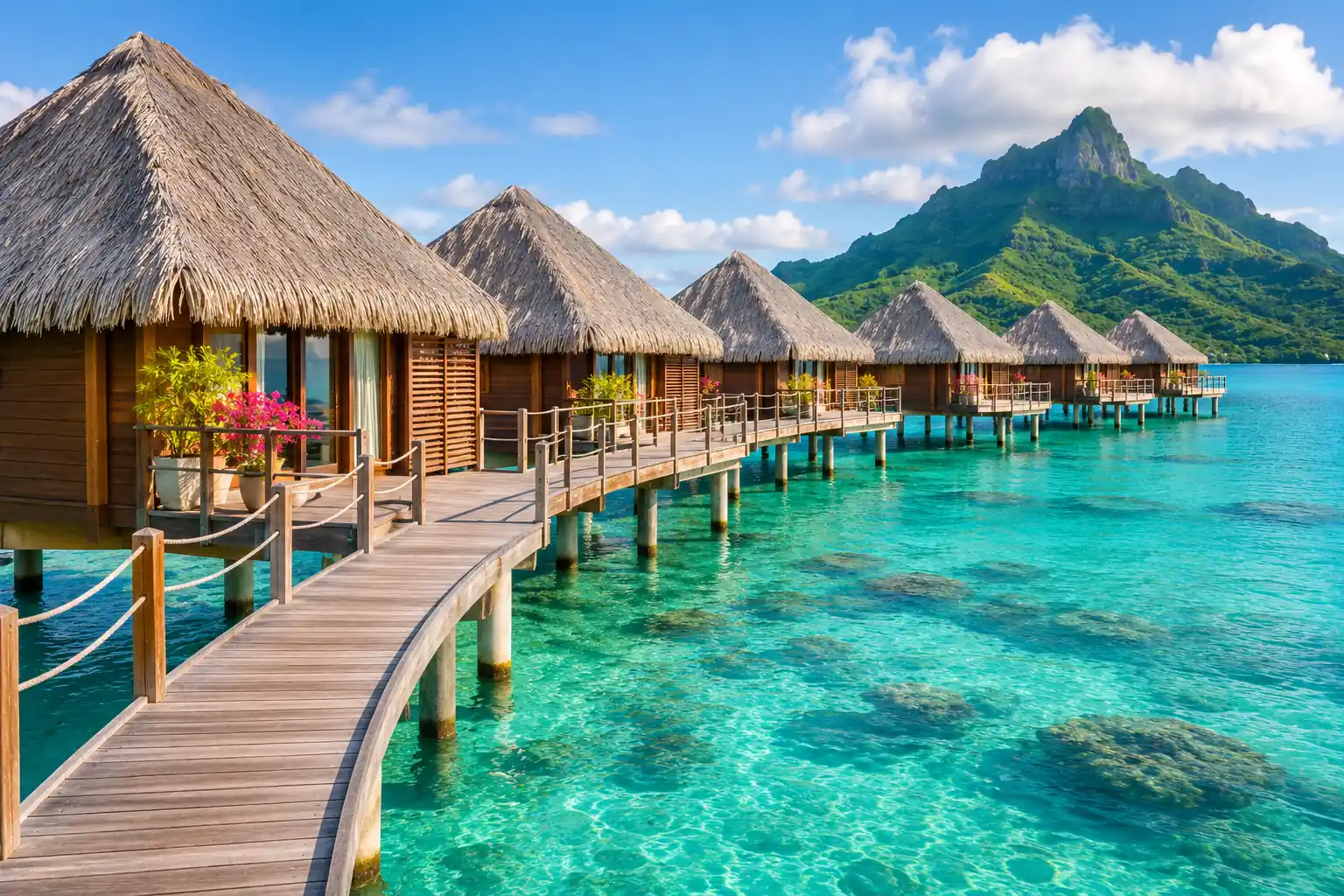
Overwater bungalows are among the island’s most recognizable attractions.
Imagine stepping directly from your private terrace into clear lagoon water, watching tropical fish below, or enjoying breakfast with uninterrupted views of Mount Otemanu.
For the best overall chance of sunny weather and comfortable outdoor conditions, May through October is generally preferable.
However, the exact location of your bungalow matters.
Some villas face the sunrise, while others offer sunset views. Some are more sheltered from prevailing winds, and others have deeper water or better swimming access.
Before booking, consider:
- Whether the bungalow faces Mount Otemanu
- Sun exposure throughout the day
- Wind and wave exposure
- Lagoon depth and swimming suitability
- Privacy from neighboring villas
- Access to resort restaurants and facilities
- Cancellation terms and weather-related flexibility
The most expensive bungalow is not automatically the one that best matches your preferences.
Best Time to Visit Bora Bora for Snorkeling and Diving
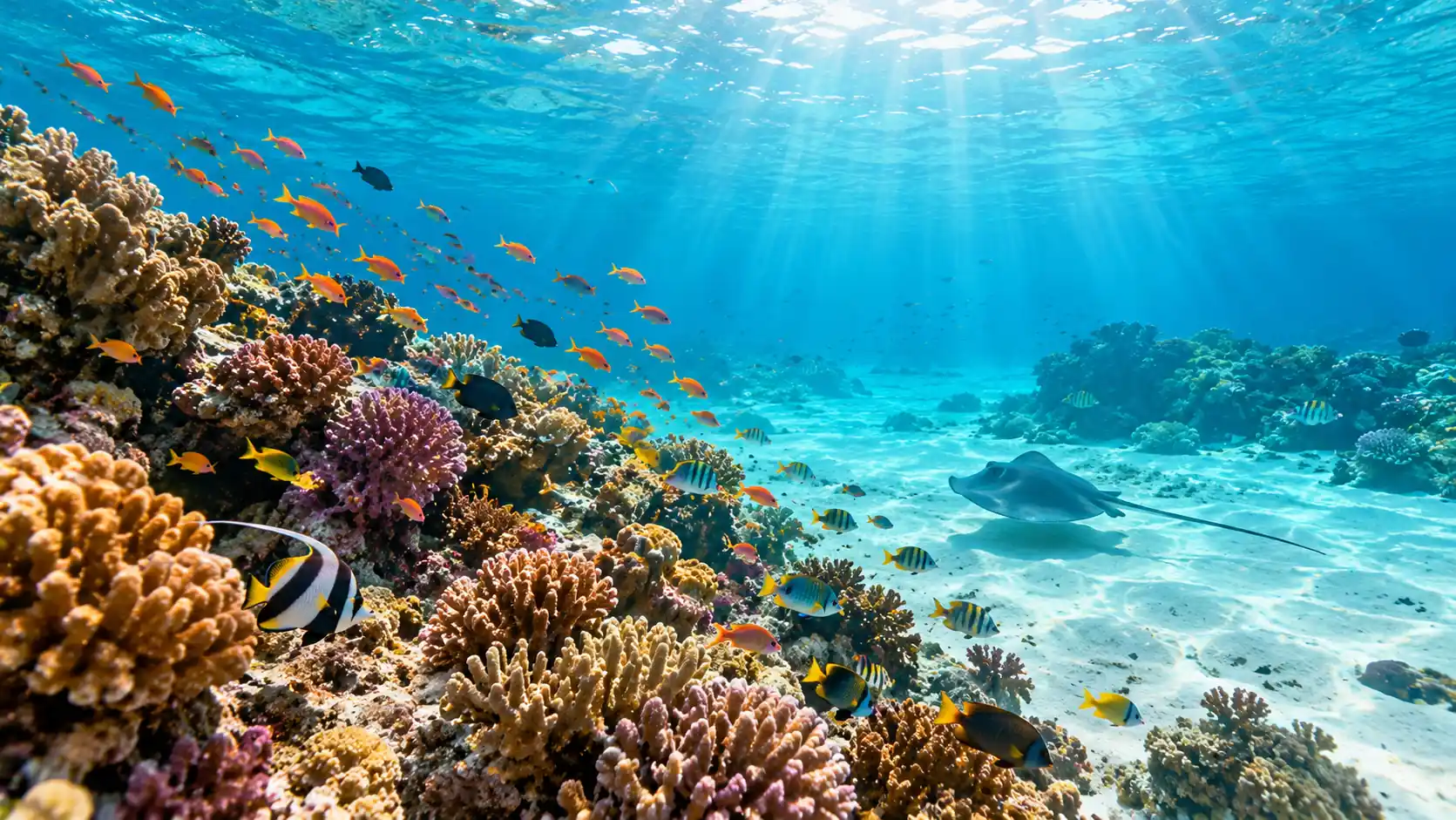
Bora Bora is famous for its lagoon and marine life.
Snorkeling excursions may offer opportunities to observe tropical fish, rays, and reef environments, while diving introduces visitors to a broader underwater landscape.
The dry season, particularly May to October, is generally favorable for water activities.
However, visibility varies with weather, wind, tides, and the specific location.
April and November may offer calmer conditions on some days, making them attractive alternatives for visitors who want fewer crowds.
Choose experienced local operators who follow appropriate safety and wildlife protection practices.
Marine encounters should always respect the animals and their environment.
Best Time for Whale Watching in Bora Bora
Humpback whales migrate through French Polynesian waters during part of the year.
The broader season generally runs from approximately July to November, with particularly promising opportunities often occurring from August through October.
However, whale sightings are never guaranteed.
Bora Bora is not necessarily the most convenient destination in French Polynesia for every whale-watching itinerary.
Travelers whose primary purpose is observing humpback whales may also consider other islands, including Moorea, where whale-focused excursions are well established.
Choose responsible operators who follow local rules concerning distance, boat movements, and interactions with marine wildlife.
Cheapest Time to Visit Bora Bora
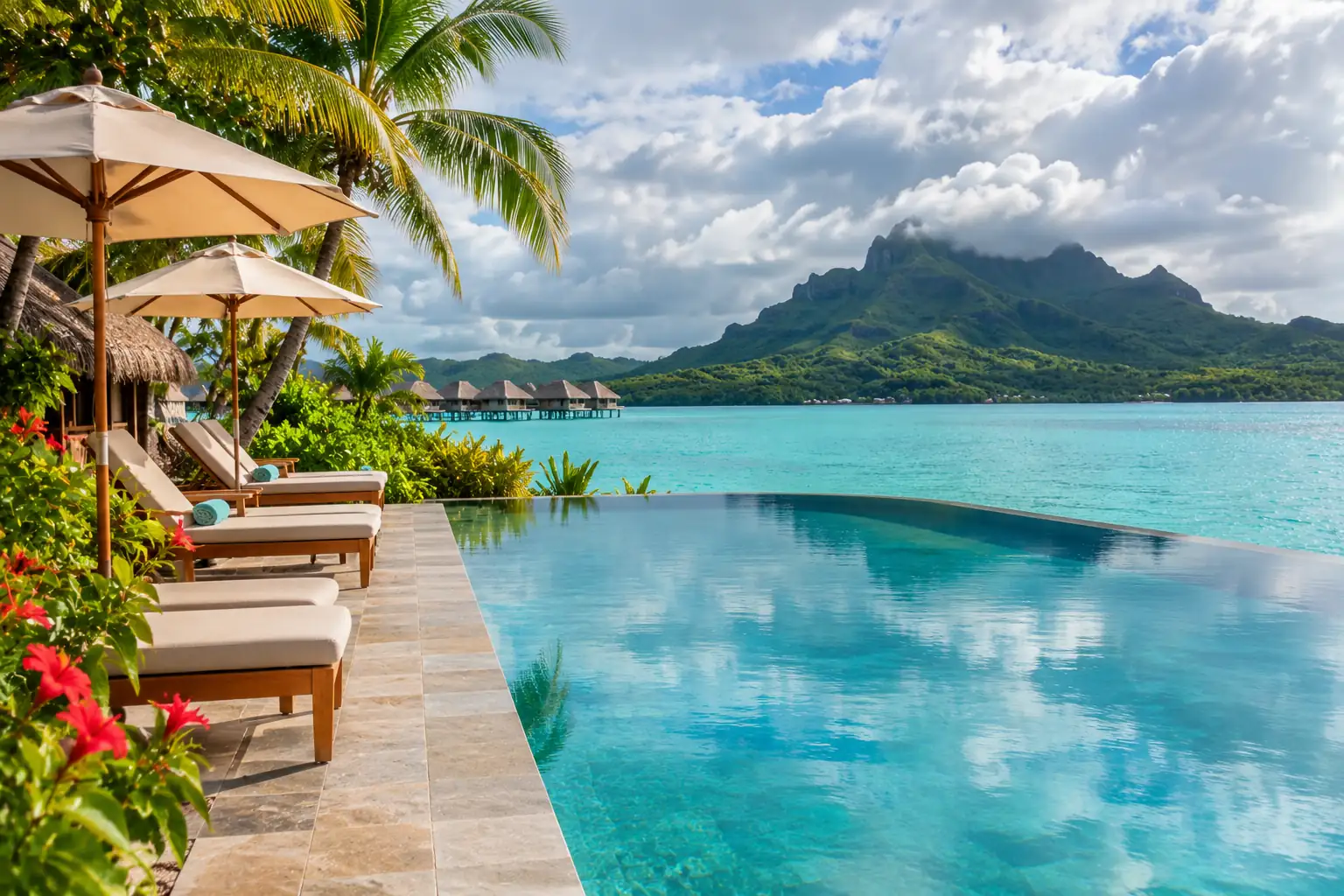
Bora Bora is an expensive destination throughout the year, particularly when staying in high-end overwater bungalows.
However, visitors may find comparatively lower resort prices during parts of the wet season.
January through March is often among the more affordable periods, excluding any unusually busy dates or special events.
April and November can also offer appealing value.
The actual cost of a trip depends on:
- International flights
- Domestic flights within French Polynesia
- Resort category
- Room or bungalow type
- Meal plans
- Transfers
- Excursions
- Travel dates
- Length of stay
A lower nightly room rate does not always mean the total holiday will be inexpensive.
Compare the complete trip cost before booking.
For more practical planning ideas, explore these luxury travel tips for beginners.
Is Bora Bora Worth Visiting During the Rainy Season?
Yes, provided you understand the trade-offs.
Rainy-season travel can bring lush scenery, warm conditions, and fewer visitors during certain periods.
A beautiful resort with excellent dining, spa facilities, and comfortable accommodation can remain enjoyable even when outdoor plans change.
However, the wet season also introduces greater uncertainty.
Heavy rain can affect excursions, visibility, transportation, and outdoor activities. Tropical storms and cyclones are uncommon in Bora Bora compared with some other tropical destinations, but the risk is not zero.
Travelers visiting between November and April should monitor weather forecasts, consider suitable travel insurance, and allow flexibility in their plans.
If your main priority is consistently favorable beach weather, the dry season remains the better choice.
How Many Days Should You Spend in Bora Bora?
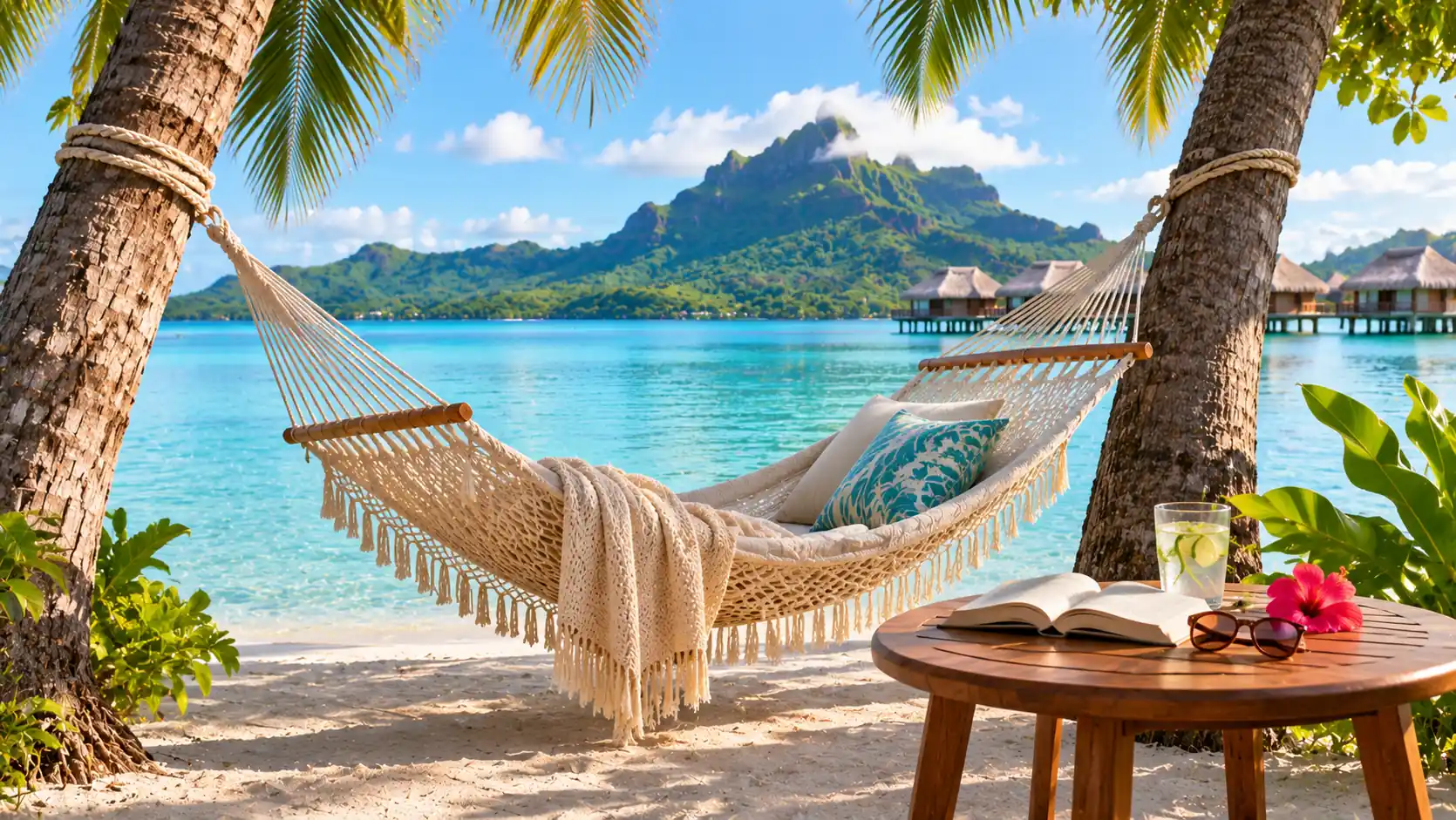
Four to five nights is a comfortable starting point for many first-time visitors.
It provides time to settle into the resort, explore the lagoon, and enjoy the island without feeling rushed.
A longer stay of six or seven nights can be appealing for honeymooners or anyone who wants an especially relaxed experience.
Suggested Five-Day Bora Bora Itinerary
| Day | Experience |
| Day 1 | Arrive, check into your resort, enjoy the lagoon |
| Day 2 | Guided snorkeling or lagoon excursion |
| Day 3 | Relax at the resort, enjoy a spa treatment or beach afternoon |
| Day 4 | Explore Vaitape, local culture, and island scenery |
| Day 5 | Leisurely breakfast and departure |
The itinerary is deliberately simple.
Bora Bora is not a destination where every hour needs to be filled.
The experience often becomes more enjoyable when you allow time to appreciate the surroundings.
What to Pack for Bora Bora
Pack for warm weather, strong tropical sunlight, and the possibility of sudden showers.
Useful essentials include:
- Lightweight, breathable clothing
- Comfortable swimwear
- A sun hat and sunglasses
- Suitable sun protection
- Sandals and comfortable walking shoes
- A lightweight rain jacket
- A dry bag for boat excursions
- A reusable water bottle
- Any necessary personal medication
- Suitable evening clothing for resort dining
Check your resort’s dress expectations before departure.
While Bora Bora generally has a relaxed atmosphere, some dining venues may request smart-casual clothing.
Common Mistakes to Avoid When Planning a Bora Bora Trip
Booking Only Around the Cheapest Room Rate
A discounted bungalow may seem appealing, but consider weather, transfers, dining costs, and activity availability.
Evaluate the complete experience rather than focusing solely on the nightly price.
Assuming Every Month Has Perfect Weather
Bora Bora remains tropical throughout the year.
Rain can occur even in the dry season, while sunny days are possible during wetter months.
Choose dates based on probability rather than expecting certainty.
Ignoring Bungalow Location
The position of an overwater villa can significantly affect privacy, views, and exposure to wind.
Ask the resort about the exact room category and orientation before committing.
Planning Too Many Excursions
Bora Bora is especially enjoyable when the schedule includes unstructured time.
Choose a few meaningful experiences and leave space for spontaneous relaxation.
Forgetting About Transfers
International travelers generally arrive in Tahiti before taking a domestic flight to Bora Bora.
Once at Bora Bora Airport, boat transfers are commonly used to reach resorts or the main island.
Coordinate these arrangements carefully, especially when connecting flights are involved.
Frequently Asked Questions
What is the best month to visit Bora Bora?
May, September, and October are particularly attractive choices for many travelers because they offer a favorable combination of weather and travel conditions. The full dry season runs from May to October.
What is the rainy season in Bora Bora?
The rainy season generally lasts from November through April. During this period, the weather is warmer and more humid, with a greater likelihood of heavy tropical showers.
What is the cheapest month to go to Bora Bora?
January, February, and March often provide opportunities for lower accommodation rates, although pricing varies by resort and travel dates. Holiday periods and special offers can change the pattern.
Is Bora Bora better in June or September?
Both months are part of the dry season. June can be breezier, while September generally offers favorable conditions for lagoon activities. Your preferred travel dates, room availability, and pricing may make one more suitable.
Is Bora Bora too rainy in December?
December falls within the wet season, so rainfall and humidity are more likely. However, sunny periods still occur, and the island remains a possible holiday destination. Travelers should allow flexibility for weather-related changes.
What is the best time to visit Bora Bora for snorkeling?
May through October generally provides favorable conditions, although underwater visibility depends on local weather, wind, and the excursion location. April and November can also be appealing.
When can you see whales in Bora Bora?
Humpback whales may be seen in French Polynesian waters from approximately July to November. August through October is often a promising period, but sightings cannot be guaranteed.
How far in advance should you book Bora Bora?
For popular dry-season travel dates, especially July and August, booking several months ahead can improve your choice of flights and accommodation. Travelers seeking specific overwater bungalow categories may benefit from planning even earlier.
Final Thoughts
The best time to visit Bora Bora depends on the experience you want to create.
For sunshine, outdoor activities, and the classic turquoise-lagoon experience, May through October is generally the best time to visit.
For a balance of pleasant weather, fewer visitors, and better value, May and October are particularly worth considering.
If you prefer a quieter getaway with potentially lower accommodation costs, the wet season can still be rewarding, provided you are comfortable with changing weather conditions and flexible travel plans.
Bora Bora is beautiful for reasons that go beyond the forecast. It is the contrast between deep green mountains and impossibly blue water, the quiet of an overwater terrace, and the feeling of being somewhere genuinely removed from ordinary routines.
Choose the season that suits your priorities, plan the essentials carefully, and leave enough time to enjoy the island without rushing.
Sometimes, the most memorable part of Bora Bora is simply being there.