There was a time when luxury travel meant making the most of every privilege.
The best suite. The private transfer. The tasting menu. The yacht. The perfectly arranged itinerary with every hour accounted for before the suitcase was even packed.
Now, something quieter is becoming more desirable.
Empty space.
An afternoon without a reservation. A morning without an alarm. A day when the only decision is whether to walk toward the sea or stay by the pool a little longer.
Luxury has spent decades accumulating things. The next chapter may be about having fewer demands on your time.
For travelers accustomed to crowded calendars, constant notifications and itineraries designed to maximize every minute, having nothing scheduled can feel almost extravagant.
And perhaps that is precisely why it has become valuable.
Luxury Has Always Been About Time

The most expensive hotel room in the world cannot give a traveler another day.
But it can give something almost as valuable: fewer things to worry about during the day they already have.
Modern luxury hospitality increasingly revolves around removing friction—making transfers effortless, reservations easy, experiences accessible and decisions simpler. The Forbes analysis of luxury travel similarly identifies time, choice and reduced friction as increasingly important parts of the premium travel experience.
That changes the meaning of service.
A great hotel isn’t necessarily the one that gives you the longest list of amenities.
It may be the one that quietly makes everything else disappear.
The Itinerary Has Become Too Good at Its Job

Travel planning has never been easier.
There are apps for restaurants, maps for hidden beaches, algorithms recommending hotels, social feeds suggesting cafés and entire platforms dedicated to constructing the perfect itinerary.
The result is wonderfully convenient.
It can also become exhausting.
A traveler can now arrive in Paris knowing exactly where to have breakfast, which gallery to visit at 10:30, where to photograph the afternoon light, which bar to visit at sunset and which restaurant has the table everyone on Instagram seems to want.
By the third day, the vacation can start feeling like another project.
The irony is hard to miss.
We travel to escape schedules and then recreate them somewhere more beautiful.
The Art of Leaving a Day Empty
A truly luxurious itinerary might contain very little.
Wake without an alarm.
Have coffee slowly.
Walk through a neighborhood without deciding where you are going.
Stop somewhere because the room looks inviting.
Have lunch when you are hungry rather than when the reservation says you should.
Return to the hotel before sunset.
Change for dinner.
Or don’t.
There is no achievement attached to any of it.
That is the point.
An empty day creates something modern travelers rarely experience: permission to be spontaneous.
The Best Hotels Understand This
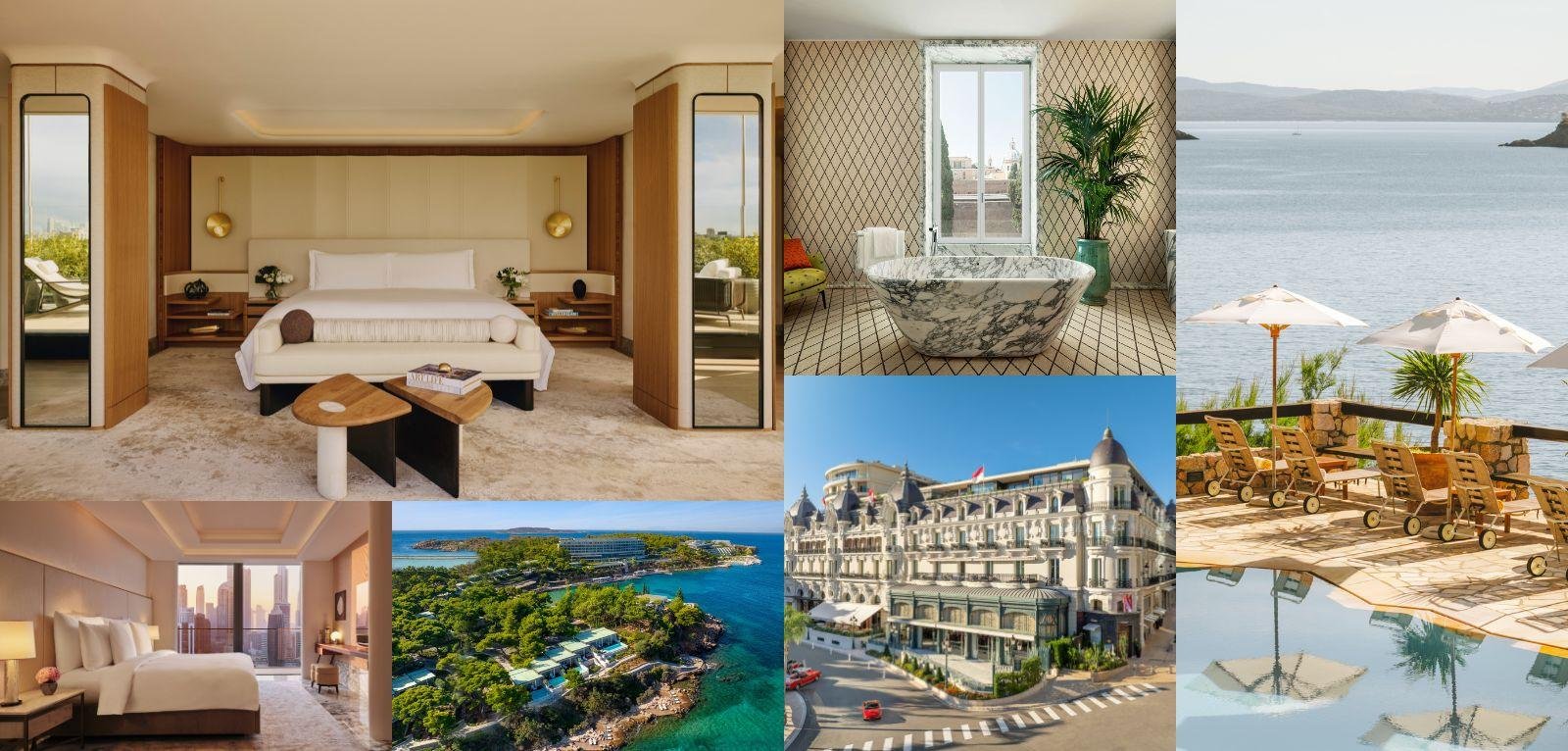
The strongest luxury hotels increasingly function less like places to sleep and more like gateways into a destination.
They can introduce guests to local chefs, arrange private cultural experiences, suggest lesser-known places and make complicated logistics feel effortless.
But the best form of hospitality also knows when to step back.
The guest may want a private guide one morning and complete solitude that afternoon.
They may want a carefully planned culinary experience one evening and room service the next.
That flexibility reflects a broader shift in luxury travel: travelers increasingly want experiences that adapt to them rather than being forced into a single definition of luxury.
The ultimate service may therefore be knowing when not to add another experience.
Luxury Is Becoming More Personal

The modern luxury traveler is difficult to define because luxury itself has become personal.
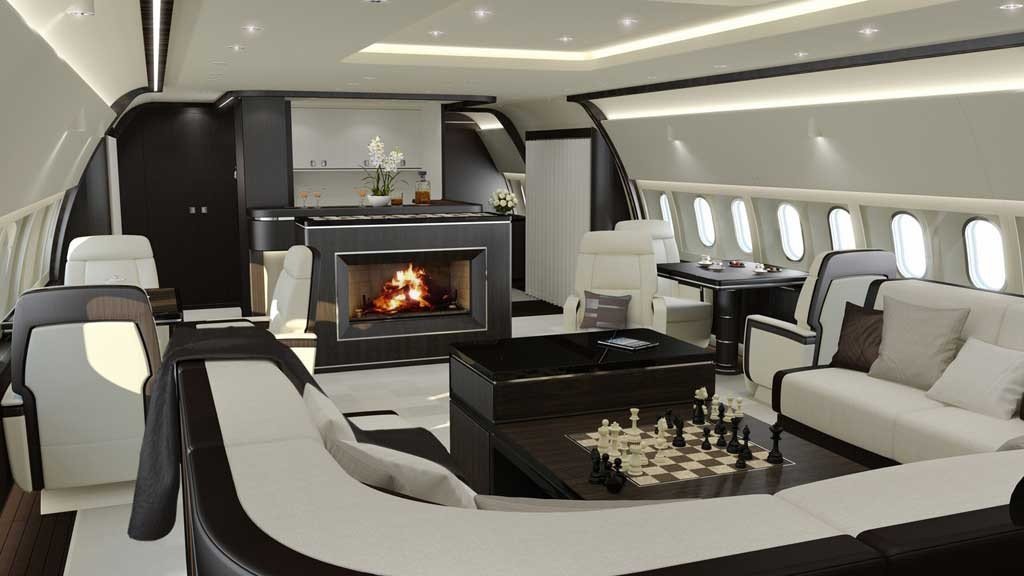
One traveler may consider a private jet the ultimate indulgence.
Another may consider three uninterrupted hours reading beside an empty pool more luxurious.
One may want to spend a morning learning how to cook with a local family.
Another may want to close the curtains, order breakfast and see nobody until dinner.
Neither experience needs to be more luxurious than the other.
The luxury is having the choice.
As the Forbes piece notes, the same traveler can want detailed planning at one moment and privacy at another.
That distinction matters.
Luxury is no longer simply about what you receive.
It is increasingly about how much control you have over the experience.
The Quietest Places May Become the Most Coveted
There is another consequence of this shift.
As famous destinations become increasingly crowded, travelers who have already experienced the world’s iconic cities may begin looking for something less obvious.
Not necessarily somewhere completely undiscovered.
Just somewhere with enough space to breathe.
A quieter Japanese mountain town instead of another afternoon in Tokyo.
A coastal village after visiting the major Mediterranean capitals.
A private villa surrounded by landscape rather than another hotel overlooking a crowded landmark.
The idea is not to avoid famous destinations.
It is to go deeper.
The Forbes reference highlights this movement toward traveling beyond gateway cities and discovering quieter regions, local traditions and experiences that feel more connected to place.
For luxury travelers, that can be the difference between visiting somewhere and actually remembering it.
The New Status Symbol Is Not Being Busy
For years, busyness was a status symbol.
The packed calendar suggested importance.
The same mentality followed travelers onto vacation.
Every dinner became an occasion. Every afternoon needed an excursion. Every destination required a checklist.
But the cultural pendulum is moving.
There is something quietly extravagant about saying:
“Nothing is planned today.”
No meeting.
No deadline.
No reservation until tonight.
No reason to check the time.
For someone whose professional life is measured in minutes, that kind of freedom can be worth more than another upgrade.
Multigenerational Travel Makes Choice Even More Important

The desire for flexibility becomes even more apparent when families travel together.
A family vacation may include grandparents who want slower mornings, parents who want time together, teenagers who want independence and younger children with entirely different rhythms.
The old idea of luxury might have been finding a spectacular resort for everyone.
The newer idea is finding somewhere that allows everyone to experience the same destination differently.
The Forbes analysis points to this growing complexity in multigenerational travel, where large families increasingly need both shared spaces and enough privacy for different generations.
The lesson extends beyond families.
Good luxury design doesn’t force togetherness.
It makes togetherness optional.
What Luxury Travelers Will Actually Remember

Years from now, travelers rarely remember every restaurant reservation.
They remember the afternoon they unexpectedly found a tiny beach.
The conversation with a hotelier who recommended a village they had never heard of.
The bottle of wine opened on a terrace after everyone else had gone to bed.
The morning they slept until noon.
The dinner that lasted four hours.
The road they took simply because it looked beautiful.
These moments are difficult to schedule.
That is exactly why they matter.
How to Design a More Luxurious Trip
The answer isn’t to abandon planning completely.
It is to plan differently.
Reserve the experiences that genuinely matter
If there is a restaurant, concert, exhibition or private experience you would regret missing, secure it.
Then stop filling the calendar.
Protect empty mornings
Don’t schedule breakfast, sightseeing and a tour simply because you can.
Let the destination wake you up.
Stay long enough
Two nights rarely allow a destination to reveal itself.
Longer stays create room for spontaneity, slower mornings and unexpected discoveries.
Choose access over accumulation
A private local experience can be more memorable than another hotel amenity.
Luxury increasingly means gaining access to something difficult to find rather than simply adding more to the itinerary.
Leave one decision to the day
Ask the concierge what they would do if they had an entirely free afternoon.
Then consider actually doing it.
The Most Luxurious Room May Be the One You Leave
There is a strange contradiction at the heart of modern luxury travel.
Hotels are becoming more beautiful.
Suites are becoming larger.
Services are becoming more personalized.
Technology is becoming better at predicting what guests want.
And yet, sometimes the greatest luxury is walking away from all of it.
Leave the suite.
Leave the itinerary.
Leave the phone in the room.
Walk until you find somewhere interesting.
Sit down.
Stay awhile.
The future of luxury travel may not belong to the traveler who experiences the most.
It may belong to the traveler who has enough freedom to decide what is actually worth experiencing.
Because when everything is available, the rarest luxury is no longer access.
It is time.
And sometimes, the most beautiful way to spend it is having absolutely nothing on your schedule.