A well-cut coat or a soft everyday knit can feel special without carrying a traditional luxury price tag. If you shop in the United States, though, a higher price or famous label does not always mean better quality. The best affordable luxury clothing brands in 2027 offer different ways to add thoughtful design and materials to your wardrobe.
This roundup compares brands by design, materials, construction and budget, so you can focus on pieces that suit your life. Listed prices are snapshots from 2026 and can change. Affordable luxury also does not mean every item is a bargain or matches a heritage luxury product in quality, service or design.
Key Takeaways
- Affordable luxury covers a wide range of styles and spending levels.
- Quiet luxury describes an understated look, not a set price.
- Brand claims matter less than the specific item’s materials and construction.
- Listed prices reflect 2026 snapshots and may change.
- Think about expected use, care needs and resale when comparing value.
The most useful starting point is to decide which pieces you will wear often and what matters most in their construction.
What Counts as Affordable Luxury Clothing?
Affordable luxury sits between mass-market clothing and traditional designer purchases, with design and construction helping explain the difference. Quiet luxury is an understated style that emphasizes materials, construction and lasting design over visible logos.
Quiet luxury describes an aesthetic, not a price category. You can find a restrained look at many price points, and an expensive designer item can still use loud branding. Designer price tiers describe broad market positions, not a promise of quality or the budget required for every pick.
| Designer tier | Price range | Common purchase types |
|---|---|---|
| Entry-level | $200-$500 | Handbags and small accessories |
| Mid-range | $500-$1,200 | Tailored wardrobe staples |
| Aspirational | $1,200-$2,000 | Coats, shoes and investment bags |
These ranges can help you compare designer positioning with mass-market fashion, where lower prices often reflect different materials or production choices. For a wider view of fashion brands around the world, brand recognition and price are only part of the story.
Set a personal spending ceiling before browsing, so an elegant look does not become an impulse purchase.
Your own priorities matter more than a tier label. Use this short list to guide your comparison:
- A useful silhouette that suits your routine
- Fabric feel against your skin
- Construction details that fit the garment’s purpose
- Versatility across outfits you already own
Designers can make polished pieces at different prices, but no broad range tells you how one specific garment will perform. Set a personal spending ceiling before browsing so an elegant look does not become an impulse purchase.
Best Affordable Luxury Clothing Brands in 2027 for Everyday and Occasion Wear
If you want a clothing pick first, Reformation begins at a listed $78, while Telfar’s Shopping Bag is an accessory option listed around $150. They serve different needs, so choose whether your wardrobe needs clothing or a bag before comparing them.
Reformation works for vintage-inspired clothing, while Telfar offers a recognizable everyday accessory. Their listed prices are 2026 snapshots, not fixed prices for 2027.
Reformation for vintage-inspired wardrobe pieces
Reformation uses vintage-inspired shapes for dresses, tops and other wardrobe pieces. Its listed starting price was $78 in 2026. That starting point can make the brand an option for shoppers seeking a distinctive design without moving straight to a traditional luxury label.
Its fabrics include Tencel Lyocell and deadstock materials. The fiber and fabric used can differ by garment, so one item should not stand in for the whole brand. You can read more about how Reformation approaches sustainable fashion alongside other labels.
Telfar for a recognizable everyday bag
Telfar’s Shopping Bag is a clear choice if your gap is an everyday accessory rather than clothing. The bag uses vegan leather and was listed around $150 in 2026. Its recognizable shape makes it easy to spot, but brand recognition alone cannot tell you whether its size and use suit your routine.
Reformation and Telfar solve different wardrobe needs, so compare a clothing purchase with an accessory only after deciding which gap to fill. Check how each item fits into your existing outfits and how often you expect to use it. Choose the piece that fills a real wardrobe gap rather than buying an item simply because it is widely recognized.
Is Accessible Designer Fashion Worth the Higher Price?
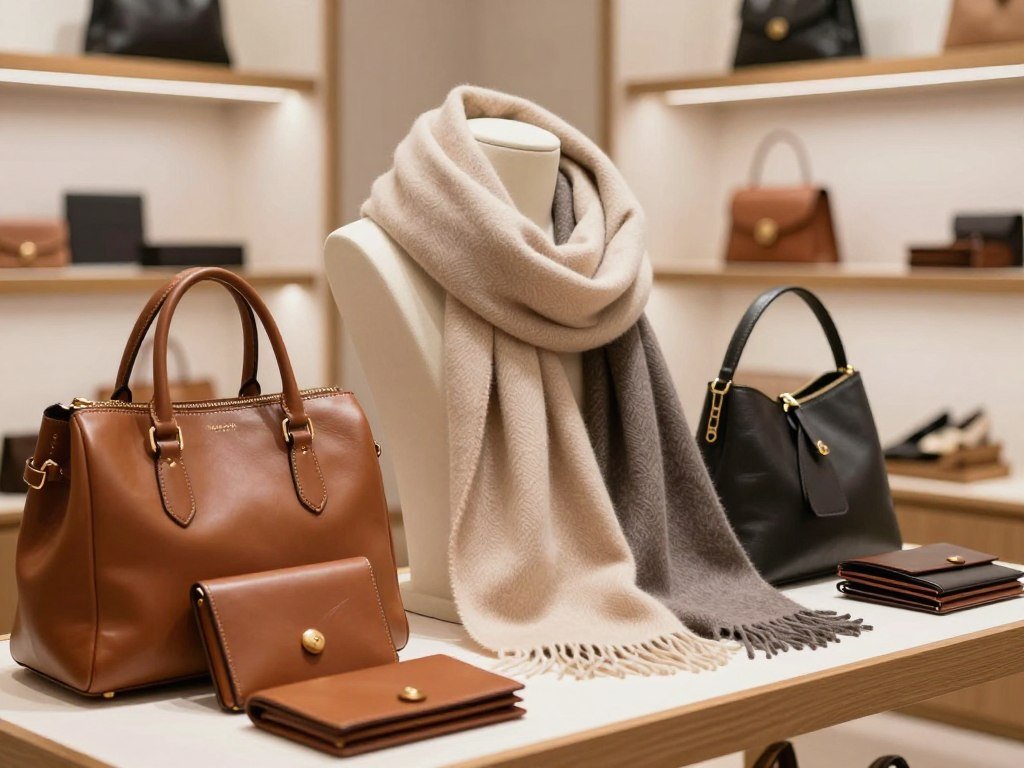
Coach is the more accessible of these two examples, with a listed starting price around $250, while Burberry cashmere scarves start around $450. Each asks you to pay for a different kind of item: leather goods or a more aspirational scarf.
A higher price makes more sense when the specific product, materials and available care support match your needs. It does not prove that every piece will last or suit your wardrobe.
Coach for leather goods with repair support
Coach offers repair and restoration services, which can matter when you are considering leather goods for regular use. Service availability does not promise that every item or type of damage will be covered. Coach’s outlet and boutique lines are different products, so do not assume they share the same materials or construction.
A listed starting price around $250 gives you a broad reference, not a price for every style. Check the item you plan to buy and the service terms for that product. A repair option is useful only if it applies to the item and issue you have.
Burberry for a classic cashmere scarf
A cashmere scarf is a smaller, more aspirational way to buy from Burberry than a major wardrobe staple. Burberry cashmere scarves had a listed starting price around $450. A familiar pattern may draw attention, while the fiber and care needs still matter to your choice.
Before paying more for either kind of item, make three checks:
- Identify the exact product line.
- Inspect its materials and construction.
- Confirm which repair services apply to the item.
Compare the exact item and its care or repair options before treating the label alone as a reason to spend more.
Which Brands Suit Size-Inclusive, Material-Conscious Basics?
Kotn reached U.S. 16 in its 2026 listed range, while Quince reached U.S. 24. Both focus on basics, with material details that can help you compare everyday clothing.
A brand’s overall size range does not mean every style comes in every size. The cut, fabric and use also affect whether an item works for you.
Kotn for Egyptian-cotton essentials
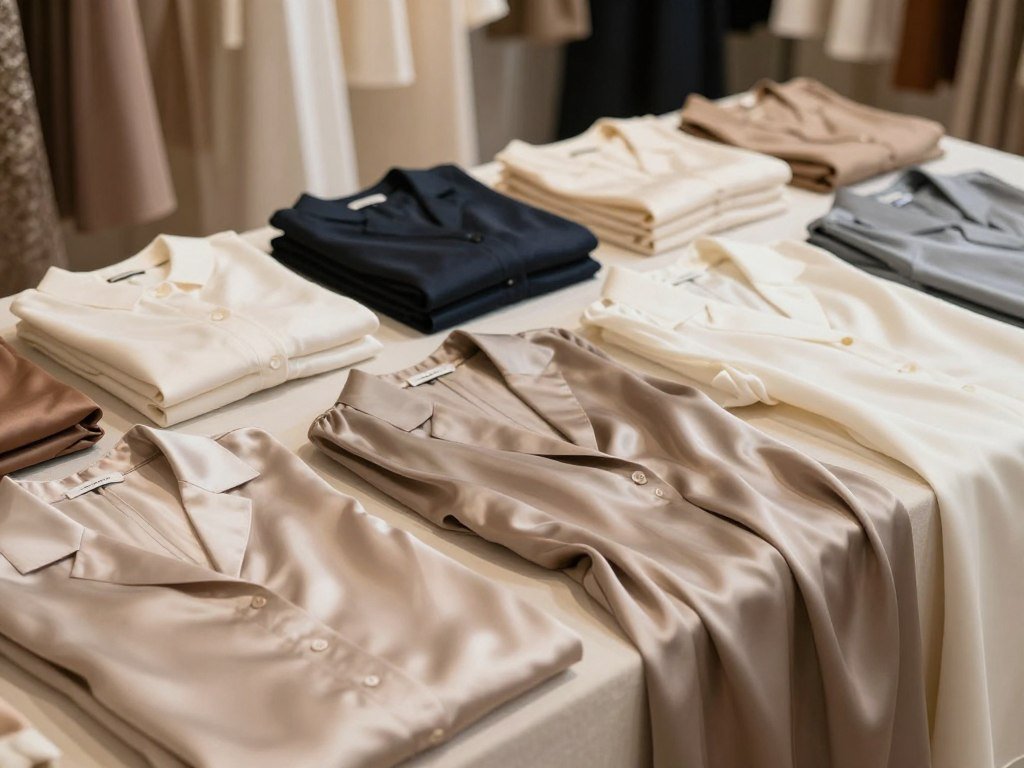
Kotn’s 2026 listed range was XXS-XXL, up to U.S. 16. Kotn is a certified B Corp and uses OEKO-TEX-certified nontoxic dyes. The OEKO-TEX Standard 100 tests textiles for more than 1,000 harmful substances, with stricter tests for goods that touch skin more closely.
Kotn’s Egyptian-cotton basics offer an accessible way to add a luxury feel to everyday clothing. Cotton can feel different depending on the weave and weight, so the fiber name alone does not describe the whole garment. The certification also applies within its stated scope, not automatically to every claim a shopper may see.
Quince for silk and cashmere options
Quince’s 2026 listed size range was XS-3X, up to U.S. 24. Its listed materials include silk and cashmere, and its packaging is virgin-plastic-free. Those details give you useful points to compare, though silk and cashmere have different care needs from everyday cotton.
The 2026 Good Trade list named Pact, Kotn and Quince among its most cost-effective sustainable clothing choices. That mention does not mean each product suits every wardrobe or use. Check the size chart for the specific garment, not just the brand’s overall range.
Which Brands Balance Responsible Basics and U.S. Production?
Pact’s 2026 range reached U.S. 20, while Buck Mason’s Made in USA collection was listed at $48-$408. The labels point to different priorities: certified organic-cotton basics and a named U.S.-made collection.
Check certification and origin claims on the specific item, since neither detail necessarily covers every collection. Brand-wide assumptions can make two unlike garments seem more similar than they are.
Pact for certified organic-cotton basics
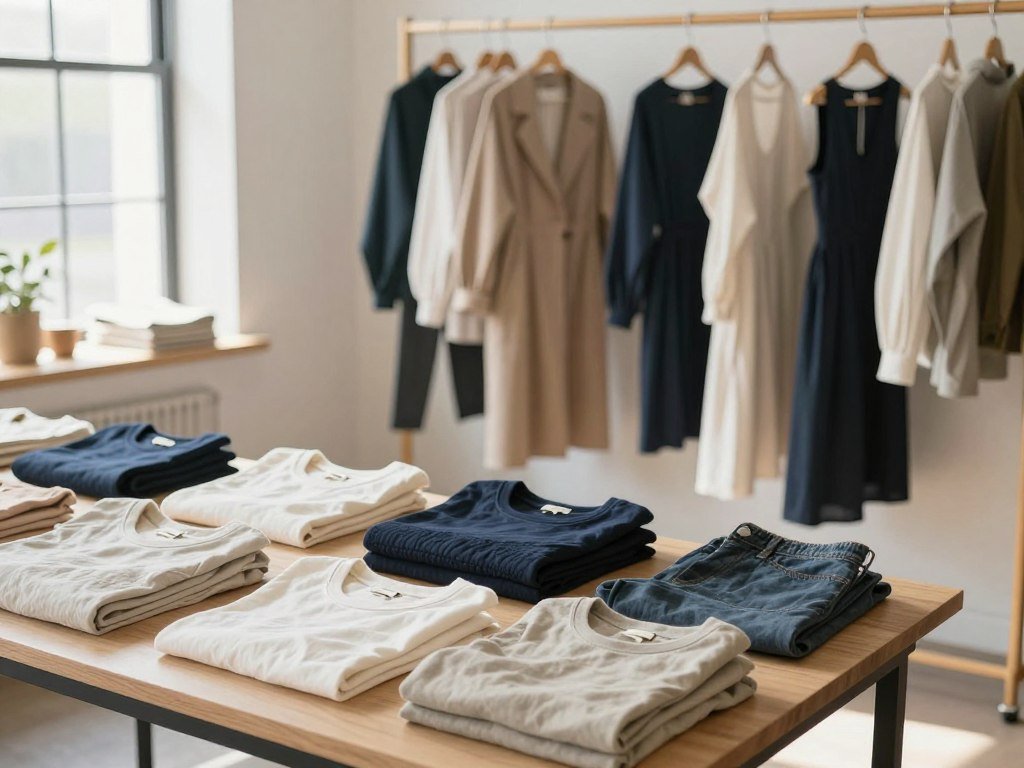
Pact’s listed 2026 size range was XS-2XL, up to U.S. 20. Its listed certifications include Fair Trade Certified and GOTS-certified organic cotton. These labels can help you identify specific standards, but the scope depends on the certified product or process.
Basics are practical when you need shirts, underwear or other repeat-use pieces. Look at the label for the item you are considering instead of assuming that every garment has the same fiber or certification. A simple cut can still feel wrong if the fit does not work for you.
Buck Mason for its Made in USA collection
Buck Mason’s Made in USA collection was listed at $48-$408 in 2026. Those items are made at the brand’s knitting mills in Mohnton, Pennsylvania. The location applies to that collection, not every Buck Mason garment.
A U.S. production detail can matter if you want to know where a garment was made. It does not mean all its materials came from the same place. Verify the exact garment’s label and collection details before assuming a brand-wide standard.
Which Los Angeles-Made Labels Fit Relaxed Everyday Style?
Jungmaven’s 2026 listed range was $56-$460, and its clothing is cut and sewn in Los Angeles from internationally sourced materials. That separates sewing location from material origin, a distinction worth keeping clear.
“Made in Los Angeles” describes production, not proof that every input is domestic. MATE the Label also manufactures clothing in Los Angeles, with a lower listed range.
Jungmaven for internationally sourced materials sewn in Los Angeles
Jungmaven’s listed 2026 price range was $56-$460. Its clothing is cut and sewn in Los Angeles using materials sourced internationally. The range covers different items, so a higher price may reflect a different garment rather than a uniform cost across the line.
Relaxed styles can suit casual days when you want easy layers and simple shapes. The production location tells you where the garment is cut and sewn, while the source of its fibers is a separate detail. Read both when origin matters to you.
MATE the Label for Los Angeles manufacturing
MATE the Label’s listed 2026 price range was $28-$178, and its clothing is manufactured in Los Angeles. That gives shoppers another local-production option at a different price range. The stated location should not be read as a claim about where every material came from.
Manufacturing location can be one useful part of a clothing decision, but it does not by itself describe a garment’s full supply chain. Read the product’s origin details closely when domestic sourcing is important to your decision.
How Can You Tell Whether Clothing Is Well Made?
Inspect stitching, seams, fabric, hardware and pattern alignment before deciding whether a garment feels well made. Small details can reveal whether an item has been finished with care.
Judge construction against the garment’s purpose, not its price tag or brand name. A summer shirt may use light fabric by design, while a coat usually needs more body.
| Check | Good sign | Concern | Why it matters |
|---|---|---|---|
| Stitching | Tight and even | Loose or uneven | Construction consistency |
| Seams | Finished edges | Raw or fraying edges | Wear resistance |
| Fabric | Substantial weight and an even drape | Thin or stiff feel | Wear and comfort |
| Hardware and pattern | Solid-feeling hardware and aligned pattern at seams | Light-feeling hardware or mismatched patterns | Finish and attention to detail |
Stitching should look steady rather than pulled or uneven. Finished seams help reduce fraying, while raw edges may wear sooner. For a patterned garment, check whether the design lines up where fabric pieces meet.
Hardware should feel solid for the garment’s use, especially on coats, bags or trousers. A flimsy zipper can turn an otherwise appealing item into a daily annoyance. Look at buttons and fasteners as well as the outer fabric.
Fabric weight should make sense for the season and cut. A lightweight summer shirt can be comfortable and well made, while a coat needs enough structure to hold its shape. A broader look at affordable designer labels can offer more examples of how garment types and prices differ.
Check the inside seams as carefully as the visible front, since finishing is easy to miss on a hanger.
How Should You Calculate True Cost per Wear?
A lower-priced item can cost more per wear if you wear it only a few times. True cost per wear includes the amount you recover through resale and the cost of care.
True cost per wear = (purchase price – resale value) ÷ number of wears + care cost per wear. Use expected real-life use, not an optimistic guess, to compare items.
| Calculation input | What to enter | Effect on the result |
|---|---|---|
| Purchase price | Full amount paid | Raises cost |
| Resale value | Realistic amount recovered | Lowers net cost |
| Wears | Expected number of uses | More wears lower cost per wear |
| Care cost per wear | Laundry, repair or specialist care | Adds to cost |
For example, a $1,200 coat worn 100 times works out to $12 per wear before resale or care costs. A $70 jacket worn five times works out to $14 per wear before resale or care costs.
These are illustrations, not current product prices. Resale value can lower your net cost, while laundry, repairs or specialist care add to it. The estimate is only as useful as your assumptions about use.
Guesses about wear count can distort comparisons, especially when one piece suits your daily routine and another suits rare events. Count realistic uses across the seasons you expect to own it. Use a conservative wear estimate so a tempting purchase does not look like better value than it is.
What Do Gen Z’s 2026 Brand Rankings Say About Fashion?
Nike led the 2026 U.S. Gen Z ranking, with Apple, Adidas, Glossier and Patagonia completing the top five. The list crosses industries, so it is not a clothing-only ranking.
Brand Radar measures conversation, sentiment and momentum, not garment quality or whether a product suits you. It weights average percentile strength at 60% and breadth across conversation types at 40%.
The global top 10 were Nike, Glossier, Adidas, Apple, Uniqlo, The Ordinary, Patagonia, Dr. Martens, Gymshark and Converse. Apple and The Ordinary show why the list should not be read as a ranking of clothing labels alone.
Brand Radar tracks how brands appear in public conversation, including the tone and pace of that attention. Only 5% of the top 80 U.S. brands appeared across all six conversation types. That finding points to varied ways brands gain attention, not a shared product standard.
Brand visibility can help you understand fashion trends and cultural interest, but it cannot tell you whether a certain coat fits or lasts. Brand-value rankings use a different measure; see how leading fashion labels rank by brand value for that distinction.
Use cultural visibility as context, not as a substitute for checking a garment’s fit, material and construction.
How Can You Check Material and Sustainability Claims?
Start with the garment’s fiber-content and care labels, then check whether broader environmental claims identify a specific standard or production practice. The item label can help you confirm what a broad brand promise leaves unclear.
Fiber names, certifications and broad sustainability claims do not mean the same thing. Cotton, wool, Lyocell and recycled fibers can need different care, and a fiber name alone does not establish overall impact.
Under U.S. Textile Rules, labels disclose fiber content by generic name and percentage by weight, country of origin, and manufacturer or dealer identity. Covered apparel must also carry care instructions under the FTC Care Labeling Rule. These details help you check what the garment contains, where it came from, and how to wash or handle it.
The steps for assessing sustainable fashion practices also stress looking beyond broad promises. Clothing production can affect workers, resources and waste, so a named fiber is only one part of the picture. The Economics Observatory explains some of these wider costs in its review of fast fashion’s true costs.
Use these three checks when a product makes an environmental claim:
- Match the material claim to the fiber label.
- Look for the scope and standard behind a certification.
- Check origin and care instructions on the specific item.
Care instructions matter because hard-to-follow care can affect how often you wear a piece. Treat vague words like “eco-friendly” as a prompt to look for a clear, item-level explanation.
How Can You Style These Picks into a Versatile Wardrobe?
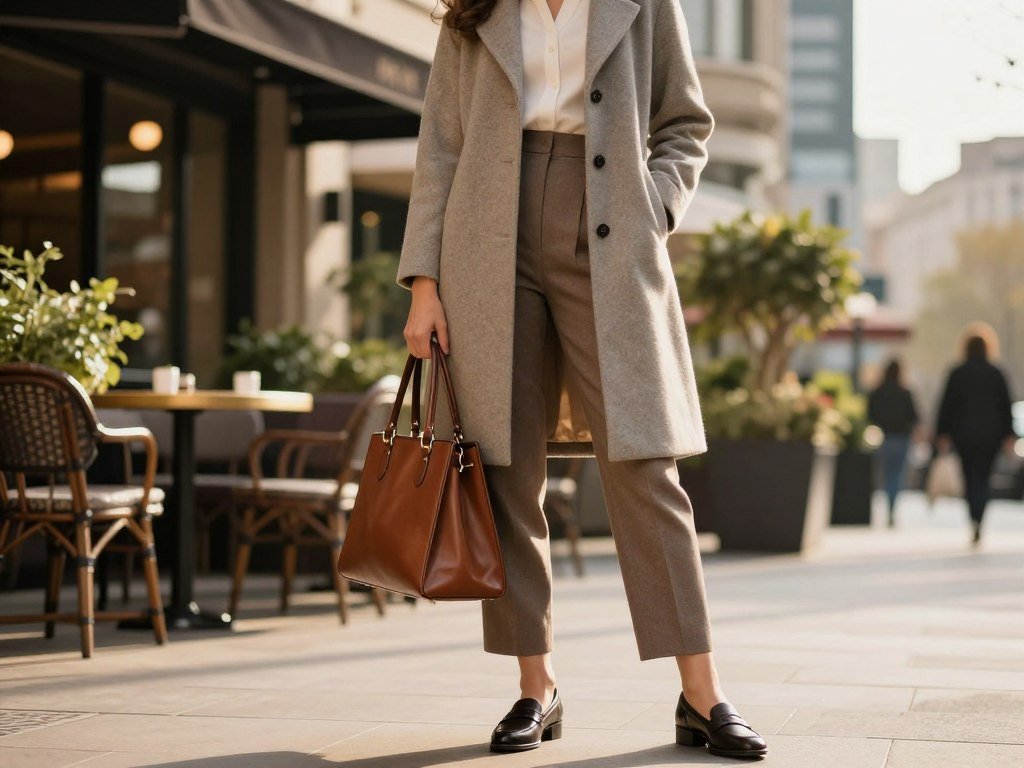
A tailored base, simple top and structured layer make a reliable three-part outfit formula. Fit and balance can make a modestly priced outfit look more polished.
Start with pieces that work together, rather than buying isolated items for one outfit. Tailoring can help an affordable garment sit better, but alterations make sense only when you expect to keep the piece.
Try these styling moves with clothes you already own:
- Pair tailored trousers with a simple knit or tee.
- Use a structured layer to sharpen an everyday outfit.
- Keep the palette restrained when shape or texture takes focus.
- Balance one statement accessory with uncomplicated clothing.
A blazer over a plain tee and tailored trousers follows the three-part formula without needing a matching suit. You can swap the knit for a simple shirt when the day calls for a lighter layer. The same base can work with flats, boots or clean sneakers.
For cooler U.S. spring or fall days, wear a base layer under an outer layer, then remove one when the temperature shifts.
That two-layer approach works for changeable weather without adding a bulky coat to every outfit. Fit matters most at the shoulders, waist and hem, where small changes can alter the whole look.
Before buying another piece, try styling it with three items already in your closet.
Conclusion
The best purchase is the one that fits your budget, feels well made and works with clothes you already wear. A brand label alone does not guarantee quality, and a higher price does not prove a garment will last.
Affordable luxury is most useful when you choose a piece for its real role in your wardrobe. Think about its construction and how often you will reach for it, then weigh care and resale against the price.
Choose one wardrobe gap, set a spending limit and compare two suitable pieces before checking out.
FAQ
What brand is Gen Z wearing?
What are some high quality clothing brands in the USA?
How much does affordable luxury clothing typically cost?
Is affordable luxury worth the money?
Can affordable luxury clothing be sustainable?
What should I buy first for a quiet luxury wardrobe?