A sunscreen that feels greasy can make daily use hard to stick with, but a lighter texture and a finish that suits your routine can change the experience. For oily skin, shine or a heavy feel can turn a useful morning step into one you want to skip.
This roundup helps you compare lightweight formulas by texture, finish, and use case. It includes options for acne-prone skin, makeup wear, and readers who prefer mineral or chemical filters.
Look for a formula that fits the way you get ready, whether you want a soft-matte look or a sheer layer under makeup. Start with a formula you will be comfortable applying generously every day.
Key Takeaways
- Choose broad-spectrum SPF 30 or higher for daily use.
- A gel, fluid, or light lotion may feel less heavy than a rich cream.
- Pick a finish that feels comfortable on bare skin or under makeup.
- Mineral, chemical, and hybrid filters can all suit oily skin.
- Test how a sunscreen looks on your own face before settling on it.
How to Choose the Best Sunscreen for Oily Skin
A useful first filter is broad-spectrum SPF 30 or higher, with water resistance if your routine includes swimming or sweating. Broad-spectrum protection means sunscreen protects against both UVA and UVB rays.
SPF measures UVB protection, while broad-spectrum protection also covers UVA rays. For everyday use, look for broad-spectrum SPF 30 or higher and a water-resistant label when needed.
Choose broad-spectrum SPF 30 or higher, and add water resistance for swimming or sweating.
SPF 30 blocks about 97% of UVB rays, while SPF 50 blocks about 98%. The number matters, but a finish you can wear comfortably can help you use enough.
The American Academy of Dermatology’s sunscreen label guide explains broad-spectrum and water-resistance claims. Water-resistant labels state whether the product holds up for 40 or 80 minutes in water.
| Product | SPF | Filter type | Useful finish or feature |
|---|---|---|---|
| Beauty of Joseon Relief Sun Aqua-Fresh | 50+ | Chemical | Lightweight feel |
| EltaMD UV Clear | 46 | Hybrid | Zinc oxide and octinoxate |
| Eucerin Sun Clear Skin | 50 | Chemical | Includes dimethicone |
| Ultra Violette Velvet Screen | 50 | Mineral zinc oxide | Mineral option |
| Hero Force Shield | 30 | Mineral zinc oxide | Mineral option |
The products vary in filter type and feel, so this shortlist is a starting point rather than a ranking. Beauty of Joseon is a lightweight chemical sunscreen, while EltaMD UV Clear combines zinc oxide and octinoxate.
Eucerin Sun Clear Skin includes dimethicone, a silicone used in skin-care formulas. Ultra Violette Velvet Screen and Hero Force Shield use zinc oxide.
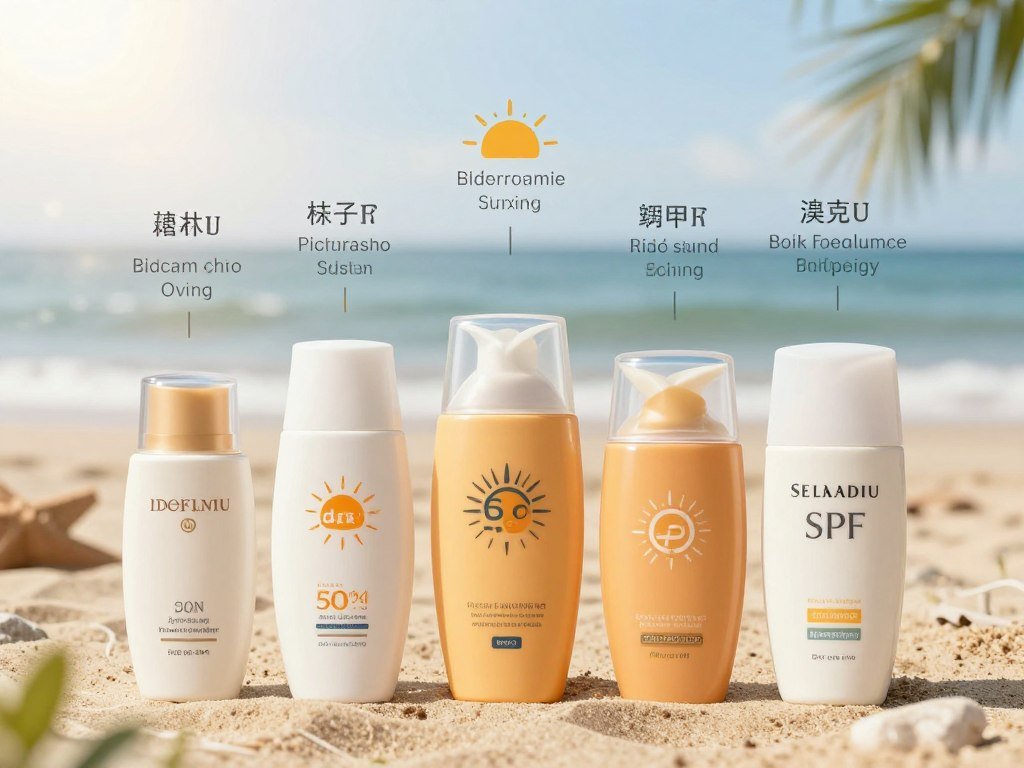
SPF 50 offers slightly more UVB protection than SPF 30, but comfort still counts. Choose the option whose finish makes you most likely to apply enough, rather than choosing a higher SPF number alone.
What Formula Features Work Best for Oily Skin?
A gel or fluid formula is a sensible first place to look if rich creams feel heavy on your skin. Texture matters because a sunscreen that sits comfortably may fit your routine more easily.
Choose a formula that feels comfortable first, then weigh its finish and ingredients. A matte finish can reduce the look of shine, but some mattifying products feel drying.
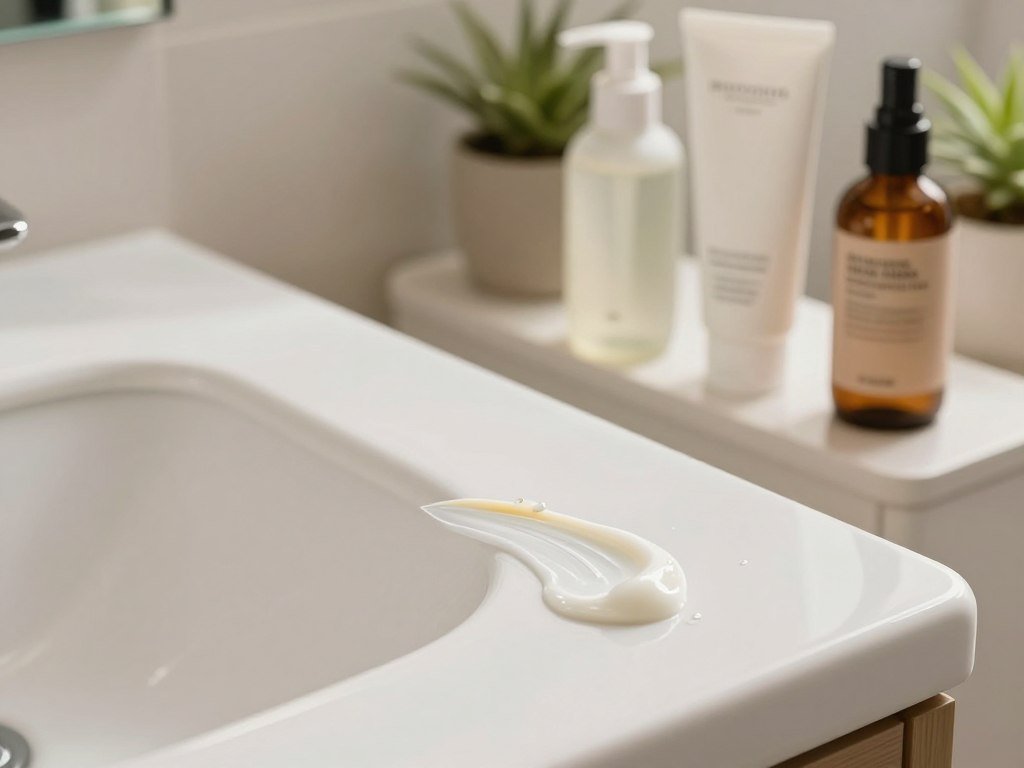
Gel sunscreens are a good option for oily complexions. Lighter gels, fluids, and lotions may also feel easier for acne-prone skin than rich creams.
Lightweight gels, fluids, and lotions
A gel can feel fresh and less creamy, while a fluid spreads in a thin layer. A light lotion offers another option for people who dislike the slip of a gel.
These formats can work well under makeup or on bare skin, but labels do not tell you exactly how a product will feel. Try the texture on your face before building a full routine around it.
Shine control without over-drying
Some formulas aim for a matte finish or include oil-absorbing ingredients. That may suit a shiny T-zone, though a very dry-feeling finish can be uncomfortable elsewhere.
Let comfort guide the choice. A sunscreen that leaves your cheeks tight may not be a good daily match, even if your forehead looks less shiny.
Labels and ingredient preferences
Niacinamide, glycerin, and hyaluronic acid are useful ingredient examples to look for. Glycerin and hyaluronic acid help support hydration, while niacinamide may suit readers seeking a familiar skin-care ingredient.
Use this short checklist to compare a product with your routine:
- Gel or fluid texture
- Finish suited to makeup or bare skin
- Optional oil-absorbing ingredients
- Optional hydrating ingredients
- Broad-spectrum SPF 30 or higher
A matte label does not promise a comfortable feel for every person. Try one formula at a time so you can tell whether the texture, finish, or another product in your routine is bothering your skin.
Should You Choose Mineral or Chemical Sunscreen?
Your skin can wear either mineral or chemical sunscreen, so let comfort and the finish guide the choice. Neither type is automatically best for oily skin.
Formula and personal tolerance matter more than the filter category alone. Mineral sunscreens use zinc oxide or titanium dioxide; chemical sunscreens use other UV filters.
Mineral filters can leave a white cast, while clear chemical formulas may blend more easily across skin tones. A hybrid formula combines mineral and chemical filters.
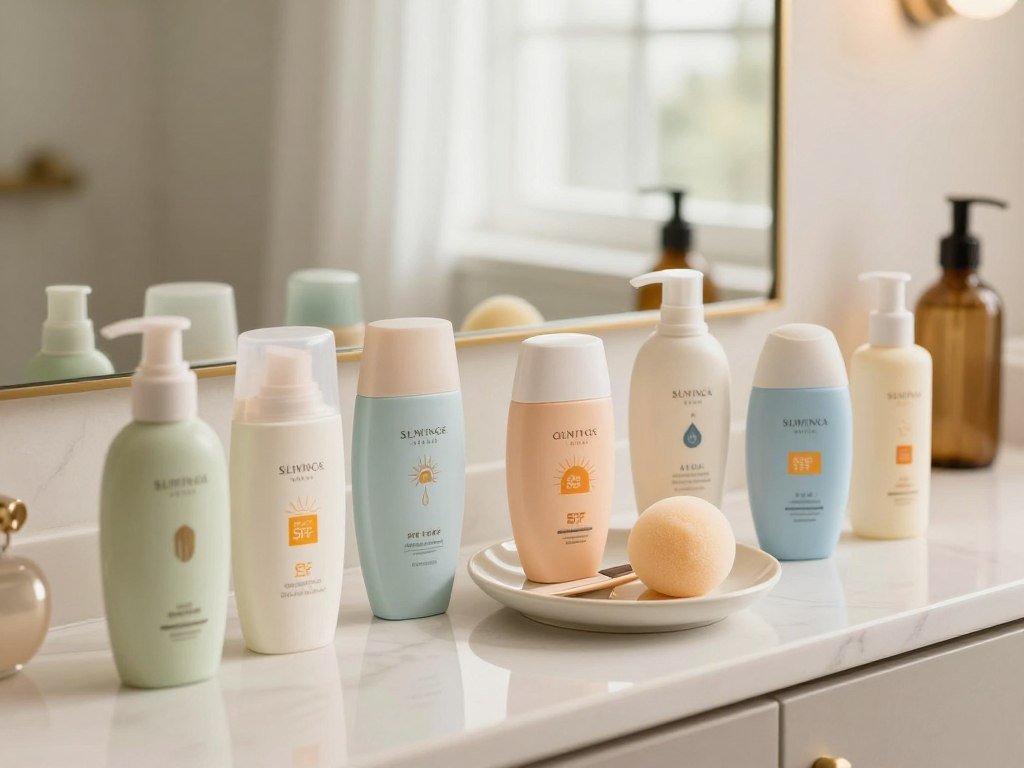
| Product | Filter type | SPF | Relevant consideration |
|---|---|---|---|
| Ultra Violette Velvet Screen | Mineral zinc oxide | 50 | Mineral option |
| EltaMD UV Clear | Hybrid zinc oxide and octinoxate | 46 | Hybrid option |
| Beauty of Joseon Relief Sun Aqua-Fresh | Chemical | 50+ | Korean sunscreen option |
When mineral filters may suit you
Mineral sunscreens use zinc oxide, titanium dioxide, or both. Someone who prefers those filters might consider Ultra Violette Velvet Screen SPF 50.
Mineral formulas can look different once spread and dry. That visible finish may matter if you want to wear sunscreen alone or under makeup.
When chemical filters may suit you
Chemical sunscreen examples use filters such as avobenzone, homosalate, octisalate, or octocrylene. Beauty of Joseon Relief Sun Aqua-Fresh SPF 50+ is a lightweight chemical option.
EltaMD UV Clear SPF 46 is a hybrid sunscreen with zinc oxide and octinoxate. If a formula stings or irritates your skin, stop using it and consider a different filter or texture.
What Should You Know About Korean Sunscreen for Oily Skin?
Korean sunscreen options include fluid and serum-like textures that may feel easier to wear than a rich cream. Lightweight feel can be useful, but it does not replace checking the label.
The PA rating describes UVA protection, while SPF describes UVB protection. Look at both ratings when the product shows both.
| Product | SPF | PA rating | Texture or formula note |
|---|---|---|---|
| Beauty of Joseon Relief Sun Aqua-Fresh | 50+ | PA++++ | Water-based |
| Skin1004 Centella Hyalu-Cica Water-Fit Sun Serum | 50 | Not specified here | Serum texture |
| Then I Met You Essence Light Sunscreen | 50 | PA+++ | Korean formula |
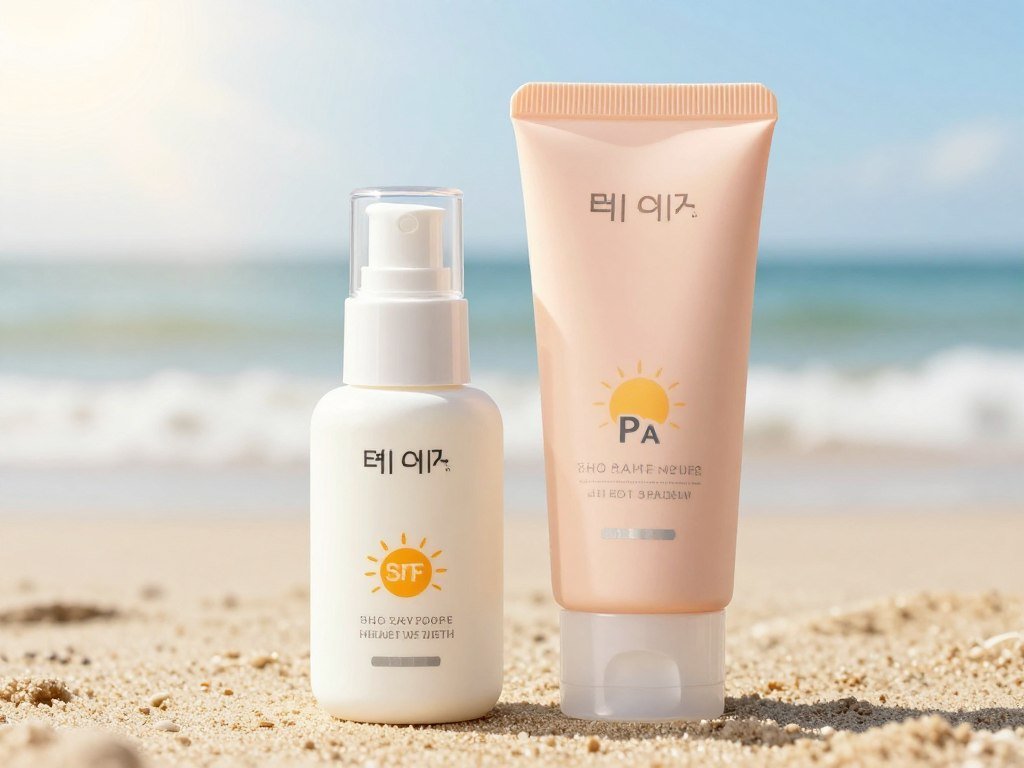
Fluid and serum-like Korean formulas
Beauty of Joseon Relief Sun Aqua-Fresh SPF 50+ PA++++ is a water-based Korean sunscreen. Skin1004 Centella Hyalu-Cica Water-Fit Sun Serum has SPF 50 and a serum texture.
Then I Met You Essence Light Sunscreen has SPF 50 PA+++. Some Korean formulas include ingredients such as hyaluronic acid, though each product has its own blend.
Reading SPF and PA labels
The Korean PA system ranges from PA+ to PA++++. PA++++ indicates a PPD value of 16 or higher, and more plus signs mark a higher UVA rating.
The Korean PA rating system uses those plus signs to show UVA protection levels. A familiar, lightweight feel does not tell you whether a sunscreen has broad-spectrum coverage.
Compare the SPF and UVA label as well as the texture before making a choice.
Which Drugstore and Affordable Picks Suit Oily Skin?
An affordable option can still be a good daily fit if its texture and protection work for your routine. Format first can be a practical way to narrow the choices.
An affordable sunscreen for acne-prone skin should still meet broad-spectrum SPF 30 or higher guidance. Choose a formula that feels comfortable enough for regular use.
A drugstore option can be selected by formula and format rather than by a promise of a specific price. The picks below include a lotion, gel, powder, and fluid.
A lightweight lotion for daily wear
Eucerin Sun Clear Skin Face Sunscreen Lotion SPF 50 is oil-free and includes dimethicone. Its lotion format may suit someone who wants a familiar texture without a rich cream feel.
Check how it wears with your other morning products. A formula can feel different under makeup than it does on bare skin.
Clear gels and matte touch-ups
Black Girl Sunscreen Make It Matte Gel SPF 45 is a chemical sunscreen. Its gel format and matte goal may appeal to someone who prefers less shine.
Hawaiian Tropic Mineral Powder Sunscreen Brush SPF 30 uses zinc oxide. The brush format is compact, though powder is not the same feel as a full lotion layer.
Fluid formulas for a less heavy feel
La Roche-Posay Anthelios Ultra Light Fluid SPF 60 is a chemical sunscreen. A fluid may suit readers who want a thinner feel than a traditional lotion.
The name and SPF can be easy to mix up across a brand’s product line. Check the current package for the exact product name and SPF before buying, since brands may sell several versions.
Which Sunscreens Fit Acne-Prone or Sensitive Skin?
For acne-prone skin, choose a lightweight formula that feels comfortable and does not leave your face feeling coated. Comfort is personal, and sunscreen is not an acne treatment.
A sunscreen can protect skin without preventing or treating acne. Reactions vary, so a small-area trial can help you notice personal irritation.
People seeking help for blemishes can also read about spot treatments for pimples. Those products address acne concerns in a different way than sunscreen.
Acne-prone skin picks
Sofie Pavitt Face Screentime is SPF 30 and is described as non-comedogenic. That label may help narrow a search, but it does not make the sunscreen an acne treatment.
SkinCeuticals Clear Daily Soothing UV Defense SPF 50 is a mineral-chemical hybrid. It offers a different filter blend for someone comparing options.
Lightsaver Activated Mineral Sunscreen SPF 33 uses zinc oxide. These products vary in texture, so the feel on your face remains an important part of the choice.
Formulas for easily irritated skin
First Aid Beauty Hydrating Sunscreen Milk SPF 45 contains colloidal oatmeal. It may be an option for readers who are concerned about irritation and prefer a milk texture.
Keep an eye on how a new product feels in a small area before using it across your face. This can help identify personal irritation, but it cannot replace medical advice about persistent symptoms.
If irritation persists or breakouts are severe, ask a dermatologist to help distinguish a product reaction from another skin concern.
Which Sunscreens Blend Well on Deeper Skin Tones?
A sunscreen’s blend can look different across skin tones, so check the finish on your own face rather than relying on a shade label. Daylight matters when you judge the final look.
A tint or clear formula may still look different across individual skin tones. Test a small amount on your face or jawline before choosing.
Some tinted sunscreens with iron oxides may also help protect against visible light. A dermatology review on sun protection for skin of color discusses tinted formulas and their role in visible-light protection.
Clear and sheer chemical formulas
Shiseido Clear Sunscreen Stick SPF 50+ is a chemical sunscreen described as clear on all skin tones. The stick may be convenient to carry, though its finish can still vary by person.
Cocokind Silk SPF 30 combines homosalate and zinc oxide. This combination offers another format to compare when looking for a sheer-feeling product.
Tinted and mineral options
Ciele Tint & Protect SPF 50+ is a tinted mineral serum with titanium dioxide. A tint may help soften the look of a cast, but the shade needs to suit your skin.
Hero Force Shield SPF 30 may leave a slight white cast on deep skin tones. Test a small amount in daylight on your face or jawline, then let it dry before judging.
Look at the dried-down result in daylight before deciding whether a formula works for you.
Which Finish Should You Pick: Matte, Satin, or Dewy?
Pick the finish you prefer seeing on your face, not the one that sounds most oil-controlling in a product description. Your comfort can matter as much as the look.
A very matte feel can seem drying, while a dewy finish can read as shiny on oily skin. Consider how the finish looks after the sunscreen dries.
Supergoop Mineral Mattescreen SPF 40 is a mineral sunscreen with a soft-matte look. Then I Met You Essence Light Sunscreen SPF 50 PA+++ gives a dewy finish.
Matte and soft-matte finishes
A matte finish may suit someone who likes a less shiny look. Supergoop Mineral Mattescreen SPF 40 is one mineral option to compare.
Still, an especially dry feel may bother some people. A soft-matte finish can be a middle ground if a flat matte look feels uncomfortable.
Natural and dewy finishes
A dewy sunscreen can leave skin looking fresh, but oily skin may read that shine as extra oil. Then I Met You Essence Light Sunscreen is a Korean formula with a dewy finish.
Colorescience Sunforgettable Total Protection Face Shield SPF 50 is water resistant for 40 minutes. Its water resistance is a separate feature, not proof that one finish suits everyone.
If you are torn between finishes, start with a small amount on one side of your face and compare it after it dries.
How Do You Apply Sunscreen With Makeup?
Put sunscreen on after the rest of your skin care and before makeup. Let it set before adding makeup so the layers have time to settle.
The face needs at least 1 teaspoon of sunscreen. Most adults need about 1 ounce to cover exposed skin.
The American Academy of Dermatology recommends applying sunscreen to dry skin 15 minutes before going outdoors. Its sunscreen application guidance also gives the typical amount for exposed skin.
The right order for skin care and makeup
Use this four-step order for a morning routine:
- Finish skin care.
- Apply sunscreen to dry skin.
- Allow 15 minutes before outdoor exposure.
- Apply makeup after sunscreen.
Sunscreen is the last skin-care step and goes before makeup. Give each layer a chance to set, especially if your routine includes several products.
Applying enough before you go outside
Use at least 1 teaspoon for your face, rather than a thin swipe. The amount helps you cover the face more evenly.
EltaMD UV Clear SPF 46 can pill with some skin-care and makeup combinations. If that happens, allow products to set and adjust the layers instead of cutting the sunscreen amount.
Keep the amount sufficient even when you plan to cover your face with makeup.
How Should You Reapply Sunscreen Outdoors?
Set a reminder to reapply about every 2 hours while outdoors. Swimming or sweat calls for another application sooner, following the product directions.
Reapply after swimming or sweating, even if two hours have not passed. Water-resistant labels state a time limit, not all-day protection.
Use this simple checklist outdoors:
- Reapply about every 2 hours.
- Reapply after swimming.
- Reapply after sweating, following product directions.
Reapplication during a regular day outside
A lotion or cream gives the most reliable coverage for reapplication. Spread it over exposed skin rather than relying on a quick pass over only the most visible areas.
Colorescience Sunforgettable Total Protection Face Shield SPF 50 is water resistant for 40 minutes. That limit does not remove the need to reapply as directed.
Touch-ups over makeup or away from home
Shiseido Clear Sunscreen Stick SPF 50+ and Hawaiian Tropic Mineral Powder Sunscreen Brush SPF 30 are portable formats. A stick may be easier to carry, while a powder can be quick to use.
Treat powder as a quick touch-up, not the most dependable way to build full coverage. Check the product directions for its water-resistance limit and reapply after swimming or sweating.
Can Sunscreen Replace Moisturizer for Oily Skin?
You can skip a separate morning moisturizer if your sunscreen leaves your skin comfortable and hydrated. Comfort is the test, not whether a product has “moisturizer” in its name.
Moisturizer hydrates and plumps skin, while sunscreen protects against UV radiation. Some formulas can offer both a moisturizing feel and sun protection.
Some sunscreen formulas include ceramides, niacinamide, or hyaluronic acid. Gel, fluid, and lotion textures may feel lighter than rich creams.
When sunscreen may provide enough moisture
A moisturizing sunscreen may be enough for some oily skin if it leaves the skin comfortable and does not feel tight. A light lotion or fluid can provide a less rich feel than a cream.
Check how your face feels later in the morning, not just while applying the product. Tightness can be a sign that the layer is not enough for your skin.
When to use a separate moisturizer
Dry or dehydrated-feeling skin may benefit from a separate lightweight moisturizer. A gel or fluid moisturizer may fit better than a rich cream if heavy layers bother you.
Try layering and see whether the products feel heavy or pill. People who want more tips on hydrating skin can read about skin care products for dry skin.
Use this five-point routine check:
- Skin feels comfortable.
- Sunscreen is broad spectrum.
- SPF is at least 30.
- Moisturizer layers without pilling.
- The finish feels tolerable.
A separate moisturizer is not required when your sunscreen already feels comfortable. If your skin feels tight after applying sunscreen, try a light moisturizer underneath rather than choosing a formula that feels uncomfortable.
Can Sunscreen Clog Pores or Worsen Breakouts?
Sunscreen can contribute to clogged pores for some people, but that does not mean every sunscreen will cause breakouts. One product at a time makes possible triggers easier to spot.
“Non-comedogenic” is not a guarantee against clogged pores. In the United States, the term has no standardized regulatory definition.
Breakouts may depend on the full formula and how it wears with sweat and sebum, not only on the UV filters. A rich-feeling product may also feel uncomfortable when your face is warm or sweaty.
Look for “non-comedogenic” or “won’t clog pores” on the label when comparing options. These claims can help narrow a search, but they cannot predict how every person’s skin will react.
Changing one product at a time makes it easier to notice a possible trigger. If you switch sunscreen, keep the rest of your routine steady for a clearer comparison.
A non-comedogenic label is a useful clue, not a promise that a sunscreen cannot clog pores.
Give a new product time to show how it wears through your normal routine, including heat and sweat. If a product repeatedly seems to trigger irritation or breakouts, stop using it and ask a dermatologist about alternatives.
Conclusion
A good everyday pick is the one that protects your skin and feels comfortable enough to use consistently. Prioritize broad-spectrum SPF 30 or higher, a lightweight texture, and a finish you will wear often.
Choose one formula that fits your needs, apply it generously, and keep it in your morning routine.
FAQ
How to apply sunscreen with makeup?
Can sunscreen clog pores?
What do dermatologists recommend for oily skin?
What worsens oily skin?
What do Koreans use for oily skin?
Which brand is best for oily skin?
How to remove oily skin fast?