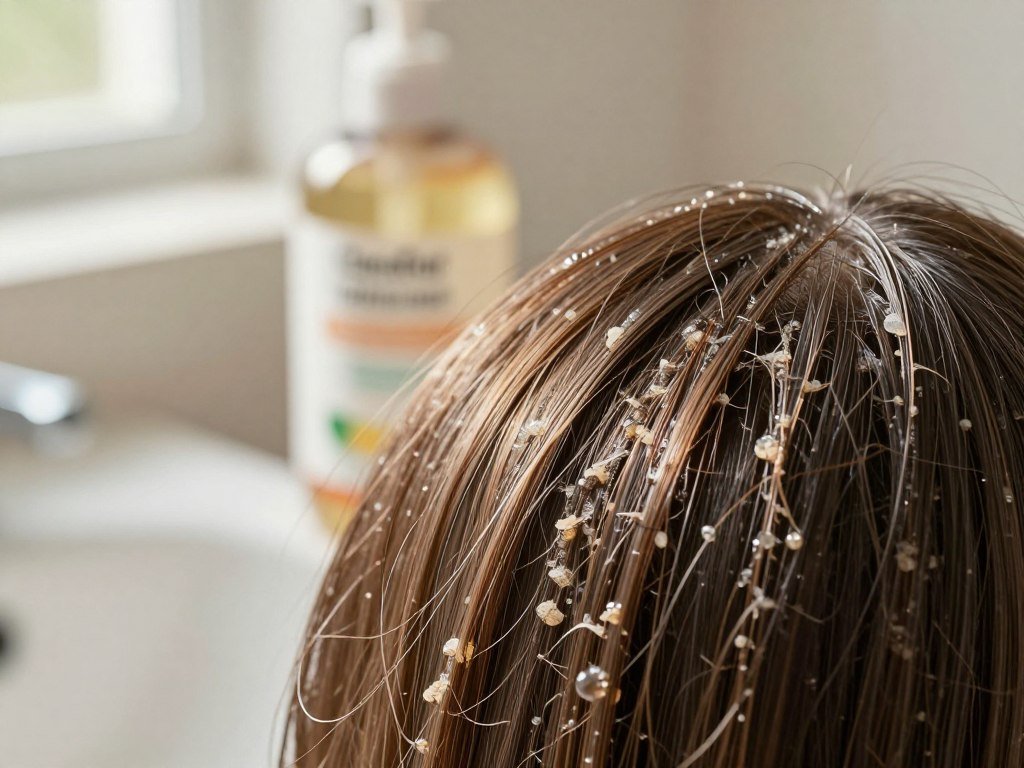
If your hair feels heavy or dull despite washing, the problem may be leftover styling residue, excess oil or minerals from hard water. The best clarifying shampoo depends on which kind of buildup you need to remove and how much cleansing your hair can handle.
This roundup compares options for product residue, oily roots, mineral deposits, curly hair and color-treated hair. Strong cleansing can leave some hair dry, so a deep reset may not suit every texture or routine.
Sulfate-free and color-safe describe different things. One describes certain cleansing ingredients, while the other signals that a formula is intended for colored hair. The best starting point is to match the shampoo’s cleansing action to the residue you want gone.
Key Takeaways
- Match the cleanser to oil, styling residue or mineral deposits.
- Fine hair may need less cleansing strength than product-heavy hair.
- Curly or colored hair can benefit from a gentler, clearly labeled option.
- Strong cleansing can leave lengths dry, so condition after washing.
- Check whether a formula targets minerals before using it for hard water.
What Does Clarifying Shampoo Remove?
A clarifying shampoo uses stronger cleansing agents than a traditional shampoo to lift oil, dirt and residue. It can leave hair and scalp feeling freshly reset, especially when regular washing has not cleared styling products.
Common residue includes grease, dirt, silicones and product buildup from gels, sprays or dry shampoo. Clarifying shampoos are designed for a more thorough cleanse than routine formulas. That deeper clean can help hair feel lighter, but the term does not name one exact formula.
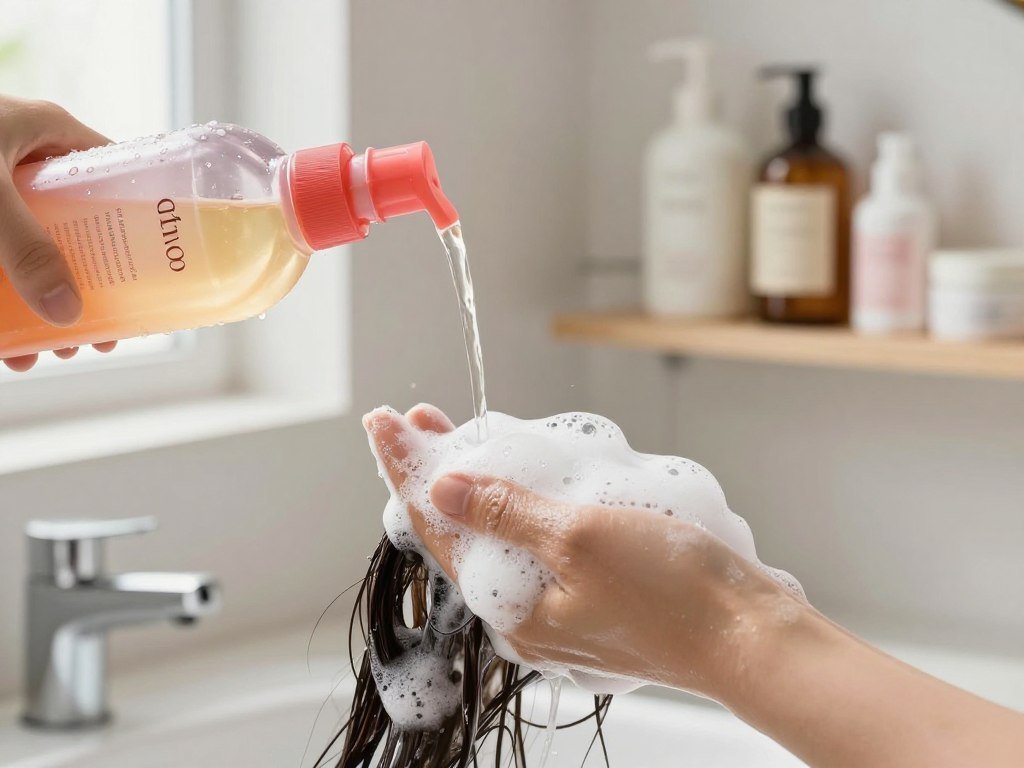
How it differs from regular shampoo
Regular shampoo cleans hair, too. Its cleansing strength and purpose can vary, while a clarifying formula aims to remove more stubborn residue in one wash.
Some products focus on excess oil and styling residue. Others target minerals left by hard water, and some are made to address both.
“Detox” is a loose label, not proof that a shampoo removes hard-water minerals.
Why “detox” can mean different things
Brands may use “detox” for formulas that cleanse oil, styling products, minerals or a mix of residue. The word alone does not tell you which one a product targets.
Look for clear claims about buildup, mineral deposits or hard water on the label. Check the product’s stated target before treating “detox” as proof that it removes hard-water minerals.
Clarifying vs. Chelating: Which One Do You Need?
Choose a surfactant-focused formula for heavy oil or styling residue, and a chelating formula when mineral deposits are the main problem. A chelating agent binds mineral deposits and metal ions so they can be rinsed from hair.
Start by naming the residue, not by choosing a product with the strongest lather. Clarifying shampoos use surfactants to lift oil and product buildup; chelating shampoos target minerals from water.
For oil, silicones and styling products
Sodium lauryl sulfate, ammonium lauryl sulfate and alpha-olefin sulfonate are label clues for stronger cleansing. Sodium lauryl sulfate can help lift oil, silicone and heavy product buildup.
Other anionic surfactants on labels include ammonium laureth sulphate and sodium stearate. A surfactant helps shampoo lift oil and dirt, and sodium lauryl sulfate also helps create lather, as explained in Chemical Safety Facts’ SLS overview.
For calcium, magnesium and metal ions
EDTA and citric acid can act as chelating ingredients. Disodium EDTA is a label clue for targeting calcium, magnesium and metal ions, while citric acid can help bind minerals.
Ingredient names alone do not prove that a shampoo is made to remove mineral residue. Check for an explicit mineral-removal purpose, especially if hard water is your main concern.
Use this quick checklist before buying:
- Identify whether oil or styling products are the main issue.
- Check whether hard-water minerals are weighing down the hair.
- Look for a product that names the residue you want to remove.
If both kinds of buildup are present, look for a product explicitly formulated to address both rather than relying on one ingredient name.
Best Clarifying Shampoo for Every Hair Type
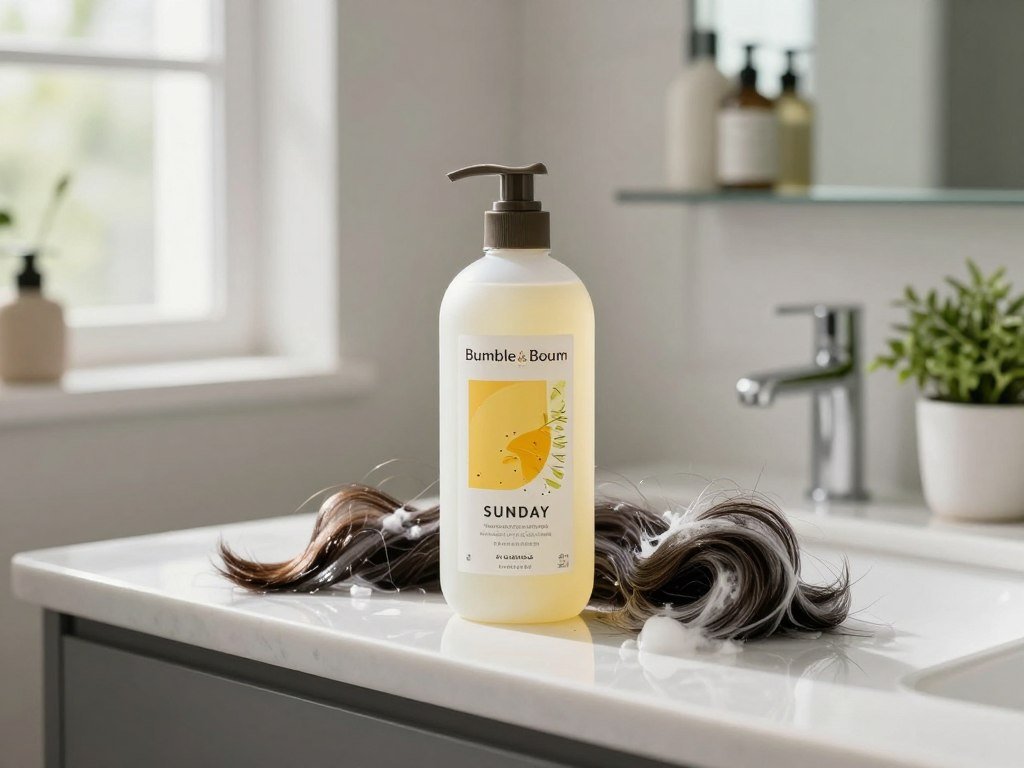
For a reliable one-wash reset when you do not avoid sulfates, Bumble and Bumble Sunday is the strongest all-around pick in this group. Its strong lather left hair clean with minimal dryness, making it a useful choice for common product buildup.
Choose based on the residue, then weigh the formula’s tradeoffs. The best shampoo to get rid of buildup depends on whether the residue is styling product or minerals.
| Product | Best fit | Approximate 2026 price and size | Practical tradeoff |
|---|---|---|---|
| Bumble and Bumble Sunday | One-wash product reset | $30-34 for 8.5 ounces | Strong lather and minimal dryness, but contains sulfate |
| Curlsmith Curl Reset Detox | Product residue and minerals | About $28 for 8 ounces | Removes minerals, but can feel stripping; beads and scent may bother some users |
| Ion Purify Hard Water | Product and water-related deposits | About $15 for 10.5 ounces | Strongly clarifying; use sparingly |
| Malibu C Undo Goo | Product buildup | About $18 for 9 ounces | May take two washes to clear residue |
Bumble and Bumble Sunday contains sodium laureth sulfate and tetrasodium EDTA. Its strong lather can provide a clean feel in one wash, but it is not a fit if you avoid sulfates.
Its 2026 price is $30-34, and the 8.5-ounce bottle sits in the higher price range here. Curlsmith Curl Reset Detox contains sodium C 14-16 olefin sulfonate, sodium gluconate and phytic acid.
That Curlsmith blend removed minerals effectively, though it felt very stripping. Scrubbing beads may irritate a sensitive or dry scalp, and vinegar and peppermint scent were drawbacks.
Ion Purify Hard Water contains sodium C 14-16 olefin sulfonate and disodium EDTA. Its label targets product buildup, iron, well-water residue and hard-water deposits.
Malibu C Undo Goo suits product-heavy hair, though stubborn residue may need two washes. Treat a very thorough formula as an occasional reset, not an automatic choice for every wash.
Which Shampoo Works for Fine or Oily Hair?
Fine hair that goes flat from residue is better served by a targeted cleanse than by repeatedly washing with a very strong formula. Neutrogena Healthy Scalp Clarify is a useful pick when fine hair or an oily scalp needs a lighter chelating agent.
Fine hair often benefits from lighter cleansing because residue can weigh it down. A very strong wash may be too much for dry lengths, even when the roots feel oily.
Fine hair with residue
Neutrogena Healthy Scalp Clarify costs about $9-11 and targets oily scalps and mild dandruff. Its light chelating agent suits fine hair when a stronger mineral-focused cleanse is unnecessary.
Davines Solu is another option for fine-to-medium hair, especially on product-heavy days. It can clear styling residue without making every wash a full reset.
Oily roots or heavy styling residue
Paul Mitchell Shampoo Two costs about $18-20 and is a sulfate-based clarifier. It suits oily or product-heavy hair that is not color-treated.
Choose the strength that matches the scalp and the styling routine. Fine hair can look flat when residue builds up, but dry lengths may feel rough after a powerful cleanse.
If the scalp is oily but the lengths are dry, concentrate the shampoo at the roots and condition the ends.
What Works for Curly or Color-Treated Hair?
Curly hair often needs residue lifted without turning a needed reset into a dry, frizzy wash day. Moroccanoil Clarifying is a gentler fit described for dry or curly hair, with a light chelator.
Choose a formula that matches both the residue and the hair’s tolerance. Curl patterns and dryness can make aggressive cleansing feel especially rough, so follow the product directions and condition afterward.
Curly hair that needs residue removed
Moroccanoil Clarifying costs about $28-32 and is described as color-safe. Its light chelator makes it an option for curls or dry hair that need a reset.
Ouidad Water Works costs about $26-29 and is made for curly hair dealing with hard-water buildup. Pattern Cleansing Shampoo is another color-safe option for styling-product residue, at about $21 for 7.8 ounces.
Color-treated hair that needs a gentler reset
K18 Peptide Prep Clarifying Detox Shampoo is described as pH-balanced and gentle for sensitive scalps and recently colored hair. It may suit a softer reset when a harsher formula feels like too much.
Dae Desert Detox Clarifying Shampoo costs about $26 for 10 ounces and is listed as color-safe. That label can help narrow the choices, but check that its cleansing strength also fits your hair.
Curly hair products can leave residue, yet repeated deep cleansing may make curls feel rough. Use the product as directed, then condition the lengths to help them feel softer.
For color-treated curls, prioritize a clearly color-safe formula and the gentlest cleansing strength that removes the buildup.
Which Shampoos Target Hard-Water Minerals?
A hard-water problem calls for a product that targets mineral deposits, not simply one that creates a strong lather. Calcium, magnesium and iron can leave residue that makes hair feel coated or dull.
Look for an explicit hard-water or mineral-removal purpose. A product marketed only for general cleansing may not target the minerals left by tap water.
| Product | Approximate 2026 price and size | Mineral-related feature |
|---|---|---|
| Kenra Clarify | $16-19 | Chelating agents intended to remove mineral deposits |
| Act + Acre Clarifying Hard Water Shampoo | $32 for 10 ounces | Targets calcium, magnesium and iron deposits |
| SuperZero Clarifying Shampoo Bar | $28 for 2.35 ounces | Designed to remove hard-water minerals and chlorine |
Kenra Clarify costs about $16-19 and contains chelating agents intended to remove mineral deposits. Act + Acre Clarifying Hard Water Shampoo costs $32 for 10 ounces and names calcium, magnesium and iron as targets.
SuperZero Clarifying Shampoo Bar costs $28 for 2.35 ounces and is designed to remove hard-water minerals and chlorine. A bar can suit travel, while the product’s stated purpose matters more than its format.
Mineral buildup can affect how hair feels even after a regular wash. If mineral residue is your main concern, check that hard-water removal is an explicit purpose on the label.
Which Budget Clarifying Shampoo Is Worth Trying?
A low price can make a clarifier easier to try, but it does not make every formula gentle. Garnier Fructis Pure Clean is a low-cost strong cleanser for straight or oily hair.
Pick by hair concern, not shelf price alone. The best clarifying shampoo at a drugstore depends on whether color, dryness or minerals are the priority.
| Product | Approximate price | Best fit | Important tradeoff |
|---|---|---|---|
| Garnier Fructis Pure Clean | $5-7 | Straight or oily hair | Strong sulfate-based cleanser, not suited to color-treated hair |
| Aveeno Apple Cider Vinegar Clarifying and Shine | $8-10 | Low-cost vinegar formula | May need two washes; result felt filmy and significantly drying |
| Kristin Ess clarifying shampoo | $12 | Mineral-deposit target | Check whether its cleansing strength fits your hair |
| Neutrogena Anti-Residue Shampoo | Under $10 | Low-cost reset | Choose it for residue, not as a mineral-specific option |
Garnier Fructis Pure Clean costs about $5-7 and uses sulfates for strong cleansing. Its strength suits straight or oily hair better than color-treated hair.
Aveeno Apple Cider Vinegar Clarifying and Shine costs about $8-10. It contains sodium C 14-16 olefin sulfonate, vinegar, sodium citrate and citric acid.
The Aveeno formula made a foamy lather, but it took two washes and left a filmy feeling with significant dryness. Kristin Ess clarifying shampoo costs about $12 and targets mineral deposits.
Neutrogena Anti-Residue costs under $10 and offers a straightforward reset. Check the formula’s strength and hair-type fit before choosing by shelf price alone.
How Often Should You Use a Clarifying Shampoo?
A useful starting point is once weekly for straight, untreated hair, and every two to three weeks for curly or color-treated hair. Adjust the interval to your hair and styling routine, rather than using a deep cleanser by habit.
Most people should use clarifying shampoo once or twice a week at most. Straight, untreated, low-porosity hair often follows a once-weekly schedule.
Set a schedule around your hair and styling routine
Curly or color-treated hair is generally scheduled every two to three weeks. If you use few styling products, a two-to-four-week interval may be enough.
Heavy dry shampoo, hairspray or styling-product use may call for clarifying about once weekly. Dryness or dullness means you should reduce use, not add another wash.
Apply it without over-cleansing
Use these three steps for a focused wash:
- Wet the hair fully before applying shampoo.
- Work the lather over the scalp and roots.
- Rinse thoroughly before conditioning.
A focused application helps clean the scalp without scrubbing every length. For more on using clarifying shampoo in a hair routine, keep the wash focused and rinse until no lather remains.
If hair becomes dry or dull, lengthen the interval instead of adding another strong wash.
What Are the Risks for Color and Scalp Health?
Color-treated hair can lose color faster after a heavy-surfactant cleanse, so verify the product’s color-safe labeling first. A color-safe statement is a useful starting check before you choose a deep cleanser.
Wait about one or two weeks after fresh hair coloring before clarifying. Heavy surfactants can speed fading, and a product without a color-safe claim may not suit colored hair.
Protect color-treated hair
Fresh color needs time before a strong cleanse. Let about one or two weeks pass after a color service, then choose a product labeled color-safe when possible.
Know when a scalp needs professional advice
Temporary dryness after washing differs from ongoing irritation or a scalp condition. A dermatologist can diagnose and treat scalp conditions, while a stylist can suggest products for chemically or color-treated hair.
Use this short check before clarifying:
- Check the label for a color-safe statement.
- Wait after a fresh color service.
- Ask a professional about ongoing scalp concerns.
Persistent scalp irritation deserves a dermatologist’s guidance rather than repeated experiments with stronger shampoos.
Ask a stylist for help choosing products when chemical treatments have changed how your hair responds to cleansing.
How Should You Pair Clarifying Shampoo With Conditioner?
A moisturizing conditioner after a clarifying wash helps the lengths feel softer and easier to manage. A rich conditioner or deep conditioner can help hair feel less dry after a strong cleanse.
Condition the lengths and ends, especially if your scalp gets oily. Shampoo cleans the scalp, while conditioner mainly helps the hair lengths.
The Ordinary Sulphate 4% Cleanser for Body and Hair costs about $9 for 8 ounces. It is fragrance-free, contains a 4% sulfate concentration and has a matching conditioner.
That pairing is one option, not a universal match for every hair type. Choose a conditioner based on dryness and texture instead of assuming matching labels work best.
After shampooing:
- Rinse the shampoo fully from your hair.
- Apply conditioner through the lengths and ends.
- Use a deep conditioner when your hair feels dry.
For more help choosing shampoo and conditioner for your hair, consider scalp needs separately from the condition of your lengths. Choose a conditioner for your hair’s dryness and texture, not simply because it shares a shampoo’s label.
Conclusion
The simplest way to choose is to identify whether oil and styling residue or hard-water minerals are weighing down your hair. Product residue calls for a clarifying formula, while mineral buildup calls for a chelating or hard-water option.
Match the cleansing strength to your hair texture and color status. A powerful reset may not suit dry lengths or fresh color, even when the scalp feels oily.
Check the label for your specific buildup concern, then follow the product directions and condition afterward.
FAQ
What is the best clarifying shampoo for hair?
What is the best shampoo to get rid of buildup?
Do clarifying shampoos really work?
What are the downsides of using clarifying shampoo?
Is Dawn dish soap considered a clarifying shampoo?
What’s a substitute for clarifying shampoo?
Is there a difference between cleansing and clarifying shampoo?
What qualifies as a clarifying shampoo?