
If you want to stay fresh, first decide whether you need less odor, less sweat, or both. That choice matters because an odor-control product will not keep your underarms dry. An antiperspirant has aluminum-based active ingredients that temporarily reduce sweat reaching your skin’s surface.
Some formulas combine odor and sweat control, while others focus on odor alone. Your routine, skin, and scent preferences can help narrow the options. This comparison covers everyday antiperspirants, aluminum-free deodorants, clinical-strength formulas, sticks, sprays, and roll-ons. It also looks at scent choices and price, so you can compare practical details before picking one.
A good match is the product that solves your main problem without adding a scent or formula you do not want.
Key Takeaways
- Choose an antiperspirant-deodorant if you want odor and sweat control.
- Aluminum-free deodorant targets odor, not underarm wetness.
- Clinical-strength antiperspirants may suit heavier sweating.
- Compare product type and format, not just scent or duration claims.
- Use a formula that feels comfortable on your skin.
How to Choose the Best Deodorant for Men
For most men who want both odor and sweat control, start with an antiperspirant-deodorant rather than an odor-only formula. Dove Men+Care Clean Comfort 72-Hour Stain Defense Stick is a practical everyday pick. Choose by your main need first, then compare formats and scents.
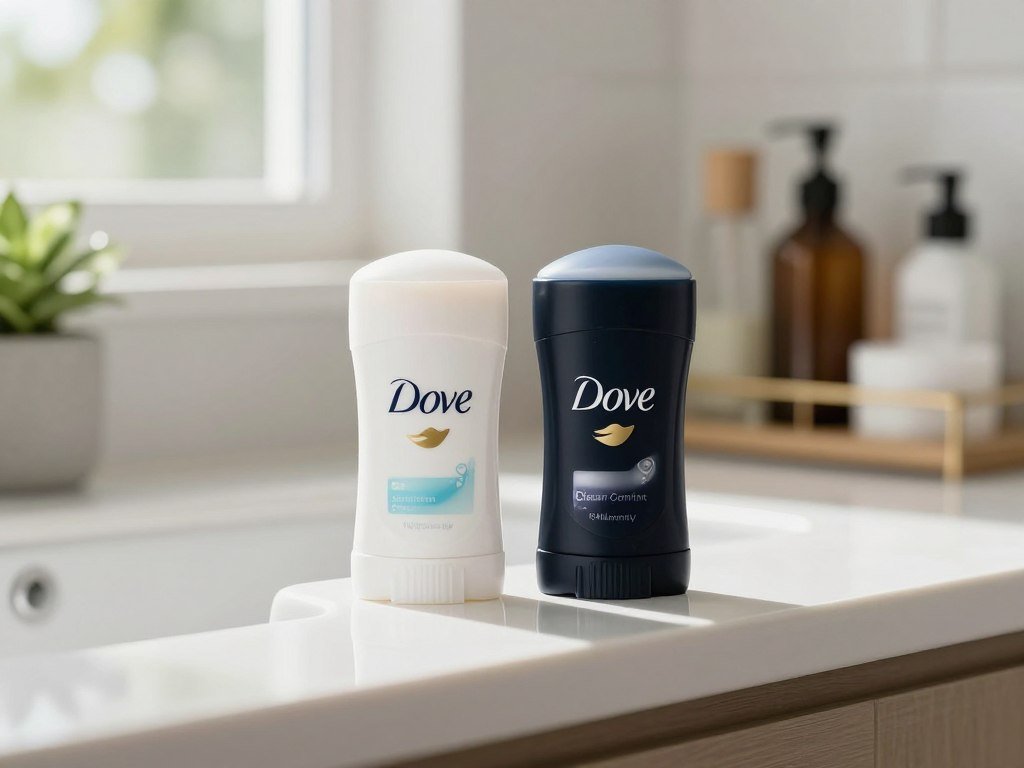
An aluminum-free deodorant can make sense if you only want odor control. More intensive antiperspirants are options when ordinary products do not reduce wetness enough.
| Main need | Best fit | Example |
|---|---|---|
| Odor without sweat reduction | Aluminum-free deodorant | Native Whole Body Deodorant Stick |
| Everyday sweat and odor | Antiperspirant-deodorant | Dove Men+Care Clean Comfort 72-Hour Stain Defense Stick |
| Heavier sweating | Clinical-strength antiperspirant | Carpe clinical antiperspirant stick |
The right formula is the one that addresses your main concern without adding a feature you do not need.
When odor is the main concern
The best deodorant for men focused on odor targets smell without promising dry underarms. Deodorant may use fragrance, help reduce odor-causing bacteria, or do both. If sweat reduction is not a goal, Native Whole Body Deodorant Stick offers an aluminum-free stick option.
A simple body-care routine can also help you choose products by function, rather than by labels aimed at men or women. Compare whether a product controls odor, reduces sweat, or combines both jobs.
A body-care guide can help you place deodorant and antiperspirant within a basic routine. Consider the formula’s intended use before choosing a scent or package.
When sweat control matters most
Dove Men+Care Clean Comfort 72-Hour Stain Defense Stick is a useful everyday default for sweat and odor. If you still have heavy underarm wetness, a clinical-strength antiperspirant may be a better fit than a stronger fragrance.
For everyday sweat and odor, the Dove stick gives you both functions in one product. More intensive choices are meant for people who need stronger sweat reduction, not simply a longer-lasting scent. Match the active ingredient to the problem you want the product to solve.
What’s the Difference Between Deodorant and Antiperspirant?
Deodorant can control odor, but it does not stop sweating. An antiperspirant temporarily reduces sweat reaching your skin’s surface. Choose between odor control and sweat reduction based on what you want the product to do.
Sweat itself is not the same as body odor. Odor-causing bacteria can break down parts of sweat, which can create a smell. Deodorants may use fragrance to mask odor, help reduce odor-causing bacteria, or combine both approaches.
Aluminum-based antiperspirants temporarily form plugs in sweat ducts. This reduces sweat reaching the skin’s surface and limits the moisture bacteria need to produce odor. Aluminum-free deodorants do not reduce sweating.
A Scripps explainer also lays out the difference between aluminum-free deodorant and antiperspirant. In the United States, aluminum-based active ingredients are the only FDA-approved ingredients proven to reduce sweating.
The main approaches are distinct, even when a product uses more than one:
- Reduce odor-causing bacteria.
- Mask odor with fragrance.
- Temporarily reduce sweat flow.
Some deodorants focus on only one of the first two approaches. A combination product may address odor and wetness, but its label should make its intended use clear. Choose an antiperspirant when reducing underarm wetness is part of the goal.
Is Aluminum in Antiperspirant a Safety Concern?
A 2014 review found no correlation between aluminum-containing antiperspirants and increased cancer risk, including breast cancer. That finding does not prove zero risk or establish that aluminum causes cancer.
The review looked at a specific question and reported no correlation. A lack of correlation in one review is not an absolute guarantee about every person or every possible health outcome. It also does not show that antiperspirants cause cancer.
The American Cancer Society says studies have mixed results and offer limited evidence that antiperspirant use raises breast cancer risk. Its review of antiperspirants and breast cancer risk notes that major health organizations have not found conclusive evidence of a link.
Antiperspirants are regulated as over-the-counter drugs in the United States. That status means they are subject to rules for drug products, including product labeling. If you have a personal health concern, a clinician can discuss your situation and the choices available to you.
A study result should be read within its limits, not stretched into a promise or a diagnosis. Treat a specific health concern as a question for a qualified clinician, not a reason to infer a diagnosis from deodorant use.
Which Antiperspirants Fit Everyday Routines?
A combination stick is a practical everyday choice when you want one product to address both sweat and odor. Dove Men+Care Clean Comfort comes as a 72-hour stick, a 96-hour clinical protection stick, and a 48-hour dry spray. Those printed durations describe product claims, not a result every person will get.
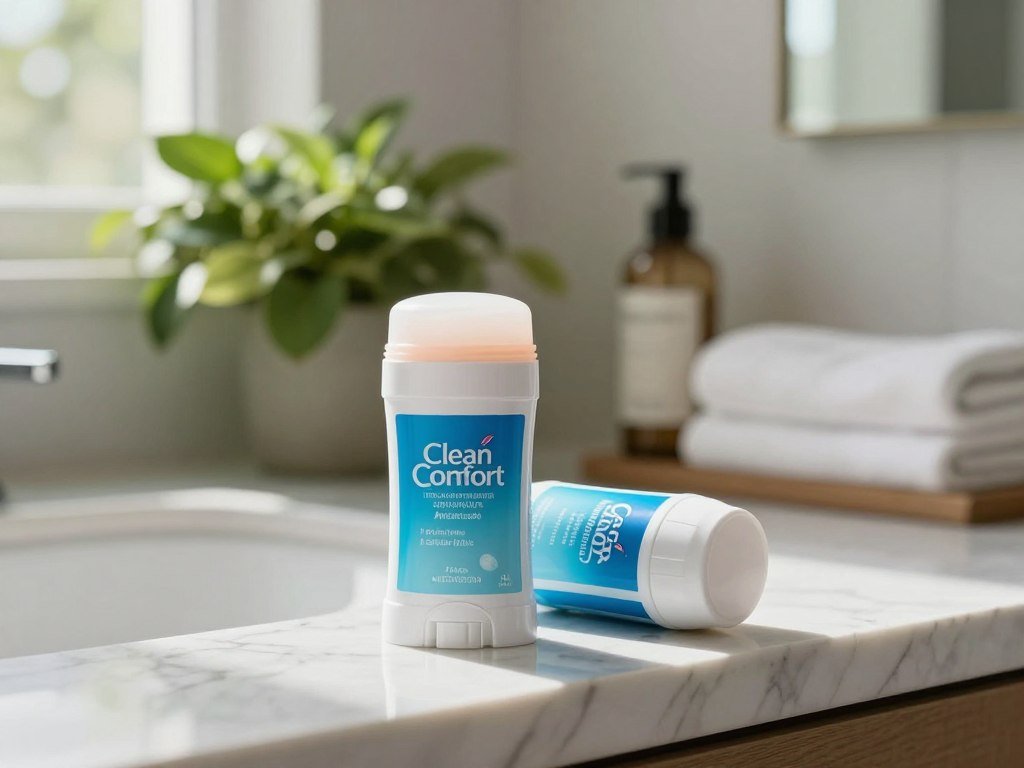
These Dove products are antiperspirants and deodorants. The stick gives you direct application, while the spray covers a broader area. Pick the form you are most likely to use as directed.
| Product | Active ingredient or product type | Stated protection |
|---|---|---|
| Dove Clean Comfort 72-Hour Stain Defense Stick | Antiperspirant and deodorant | 72 hours |
| Dove Clean Comfort 96-Hour Clinical Protection Stick | Antiperspirant and deodorant | 96 hours |
| Dove Clean Comfort 48-Hour Dry Spray | Antiperspirant and deodorant | 48 hours |
| Gillette Clinical Antiperspirant | 20% aluminum zirconium tetrachlorohydrex gly | Up to 48 hours |
| Degree Clinical Protection | 20% aluminum zirconium tetrachlorohydrex gly | 48-72 hours, depending on product |
Secret Clinical Strength also uses 20% aluminum zirconium tetrachlorohydrex gly. Harry’s Extra-Strength Antiperspirant in Stone scent claims 72-hour freshness.
Men looking for the best long-lasting deodorant should compare the active ingredient and product format, not rely on a duration claim alone. A larger number on the package does not tell you how a formula will fit your skin or routine. The right format is one you can apply comfortably and consistently.
Protection claims can help you compare labels, but they do not guarantee the same experience across products. Treat the printed duration as a product claim, not a promise that every person will get the same result.
What Works for Heavy Sweating?
Heavy sweating calls for an antiperspirant with a sweat-reducing active ingredient, not just a stronger fragrance. Clinical formulas include aluminum chloride and aluminum zirconium compounds. Follow the directions for the specific product, especially when it calls for nighttime use.
Carpe clinical antiperspirant stick uses 20% aluminum zirconium tetrachlorohydrex gly. Its underarm lotion uses 15% aluminum sesquichlorohydrate. These formats let you choose between a stick and a lotion.
| Product | Active ingredient | Application or stated claim |
|---|---|---|
| Carpe clinical stick | 20% aluminum zirconium tetrachlorohydrex gly | Underarm stick |
| Carpe underarm lotion | 15% aluminum sesquichlorohydrate | Underarm lotion |
| Certain Dri Clinical Strength | 12% aluminum chloride | Apply at night to dry skin |
| Mitchum Clinical Gel | Up to 25% aluminum sesquichlorohydrate | Claims up to 48 hours of sweat and odor control |
| Maxim Antiperspirant | 15% aluminum chloride | Claims 48-72 hours of wetness reduction when applied at night |
Underarm sweat control
Carpe, Certain Dri, Mitchum, and Maxim offer different active ingredients and directions. Certain Dri and Maxim call for nighttime application, while Mitchum Clinical Gel claims up to 48 hours of sweat and odor control.
More active ingredient does not mean you should ignore the label or apply extra product. For a men antiperspirant choice, start with the directions and the area where you need control. Mitchum Clinical Gel’s claim is up to 48 hours, while Maxim states 48-72 hours of wetness reduction when applied at night.
Targeted control for hands and feet
Carpe makes targeted sweat-control products for underarms, hands, and feet. Its range can suit someone whose sweat concerns go beyond the underarms, though each product is designed for a stated area.
Hyperhidrosis is a medical condition involving excessive sweating. A clinician can advise on treatment when sweat is excessive or disrupts daily activities. Ask a clinician about persistent or disruptive sweating instead of escalating product strength indefinitely.
What Can Aluminum-Free Formulas Control?
Aluminum-free deodorant can help control odor, but it will not stop sweat. The best deodorant for men who prefer aluminum-free odor control depends on format and intended coverage. Choose an aluminum-free formula for odor, not for sweat reduction.
These products vary in scent, ingredients, and how you apply them. Some are made for underarms, while others are labeled for whole-body use. Read the product directions to see where it is intended to go.
Underarm odor without aluminum
Oars & Alps Aluminum-Free Deodorant is a stick made with aloe and corn starch. Bravo Sierra Unscented Deodorant is a stick formulated without aluminum or baking soda. It may suit you if you want an unscented formula without those ingredients.
Native Cucumber Mint Deodorant is an aluminum-free stick formulated for whole-body use. The best deodorant for men aluminum-free is the one with a format and coverage that fit your routine, not simply the one with the most natural-sounding label.
Whole-body odor options
Mando Whole Body Deodorant is an aluminum-free spray for whole-body use. It claims up to 72-hour odor protection. That is a product claim, and odor-control results can vary from person to person.
- Oars & Alps stick, made with aloe and corn starch.
- Mando whole-body spray, with an up-to-72-hour odor-protection claim.
- Bravo Sierra unscented stick, made without aluminum or baking soda.
- Native Cucumber Mint stick, formulated for whole-body use.
An aluminum-free product will not provide the sweat reduction of an antiperspirant. If odor remains, the formula may not suit you or your routine. Choose a whole-body-labeled product only for the areas and use stated on its directions.
Should You Choose a Stick, Spray, or Roll-On?
Pick the format you will apply consistently and comfortably, not simply the one with the boldest package. Sticks and roll-ons let you apply a product directly to a smaller area. Choose an odor-control spray or antiperspirant spray based on whether you also need sweat reduction.
A stick is easy to aim at the underarm, while a roll-on applies liquid through a rolling ball. Both offer a direct path to the skin. Their texture and feel may matter more to you than the package design.
Sticks and roll-ons
Sticks can feel more solid during application, while roll-ons leave a liquid layer. You may prefer either format based on how it feels and how quickly you want to finish getting dressed. Check the label to see whether the product is a deodorant, an antiperspirant, or a combination.
Format also shapes how you handle the product during your routine. A roll-on or stick is easy to apply to the underarm, while a spray can reach a broader area. Choose the format that makes it simple to follow the directions.
Spray formulas
Sprays cover a broader area, but they may need about a minute to dry before you dress. Ursa Major Sublime Sage is an example of a natural deodorant spray, and it comes in one scent. That example does not mean every spray has the same scent or feel.
If you like building a grooming routine around fragrance, a grooming and fragrance roundup can offer more scent ideas. You can also compare fragrance styles for different occasions before pairing a spray with cologne. Let a spray dry before dressing so the product does not transfer immediately to clothing.
How Can Men With Sensitive Skin Reduce Irritation and Shirt Stains?
If an underarm formula irritates your skin, switching to a gentler or fragrance-free option is more sensible than applying more. A best-fit deodorant for men with sensitive skin may avoid fragrance or another known personal irritant. No formula guarantees zero irritation for every person.
Apply the product with a light hand, especially if you are trying a new formula. Nighttime application gives antiperspirant about 6-8 hours to absorb before potential sweating. Using less product can also limit residue on skin and clothing.
These four steps can help reduce irritation and visible buildup:
- Apply to clean, dry skin.
- Use a light amount.
- Let the product dry before dressing.
- Stop using a product that causes persistent irritation, and seek medical advice if symptoms continue.
Some aluminum zirconium complexes are less likely to stain fabric than other aluminum compounds. Sweat minerals and excess antiperspirant residue can also contribute to clothing stains. Fabric type and your skin chemistry affect how marks show up, so a change in formula may not prevent every stain.
If the product feels harsh, do not add more in hopes of better protection. Stop applying a product to broken or persistently irritated skin and get medical advice if the reaction does not settle.
How Should You Store Deodorant Between Uses?
A deodorant does not always have an expiration date printed on its label. U.S. law does not require cosmetics to show a specific shelf life or expiration date. Antiperspirants regulated as drugs must carry an expiration date.
Manufacturers are responsible for cosmetic product safety. Drug products, including products regulated as both drugs and cosmetics, must undergo stability testing and carry an expiration date. The FDA’s cosmetic shelf-life guidance explains the difference between these label rules.
Use this short check when putting a product away or deciding whether to keep it:
- Identify whether the product is a cosmetic or an antiperspirant drug.
- Look for a labeled expiration date when it is a drug product.
- Follow the storage instructions and keep the package closed between uses.
A cosmetic deodorant may not have a required expiration date, so do not assume every label will show one. For an antiperspirant regulated as a drug, use the expiration date printed on the label.
What Should a Deodorant Cost?
The listed prices in this comparison range from $4.99 to $20, with package sizes and formats differing. Price alone does not tell you which product offers the best value. Compare the cost with the amount in the package and how often you reapply.
| Product | Price shown | Package size |
|---|---|---|
| Duke Cannon Deodorant for Men | About $13 | 3 oz |
| Dove Men+Care Clean Comfort | About $6 | 2.7 oz |
| Mitchum Men’s Deodorant | $4.99 | 2.7 oz |
| Degree Men Clinical Protection | $6.70 | 1.7 oz |
| Ursa Major Sublime Sage | $20 | 1.7 fl oz |
The prices show different package sizes and formats, including sticks and a spray. A lower shelf price may come with less product, while a larger package may last longer. Your use habits also affect how long a deodorant lasts.
Unit price can help compare options, but only when the products serve the same purpose. A deodorant and an antiperspirant may not meet the same need, even if their packages look alike. Reapplication habits can change the value you get from either one.
Price, package size, and how often someone reapplies all affect value. The lowest listed price will not be the best choice for every person. Compare price per ounce only when the products serve the same purpose and use the same type of measurement.
Which Scent Fits Your Routine?
A deodorant scent should fit the rest of your grooming routine, not compete with it. Unscented deodorant can avoid competing with cologne. People sensitive to fragrance may prefer a fragrance-free product.
Harry’s offers three scent profiles with different notes:
- Stone: mineral, charcoal, and lime notes.
- Redwood: evergreen and thyme notes.
- Wildlands: sandalwood and cyprus notes.
These options give you a few different directions, from citrus notes to woods and herbs. If you wear cologne, an unscented deodorant can keep the scents from competing. You can also choose a light scent that fits the rest of your routine.
Fragrance preferences are personal, and a scent may smell different on different people. If you are sensitive to fragrance, check the product label for a fragrance-free option. A scent that seems mild in the package may still bother your skin.
If fragrance tends to irritate your skin, choose an unscented formula rather than testing several scented products at once.
If fragrance tends to irritate your skin, choose an unscented formula rather than testing several scented products at once.
Conclusion
The simplest choice is the one that matches your main need, whether that is odor control, sweat reduction, or both. Deodorant targets odor, while an antiperspirant reduces sweat reaching the skin’s surface. Choose one product that addresses your main concern and test it as directed.
You do not need to change several parts of your routine at once. Start with one candidate, follow its directions, and pay attention to how your skin responds. Check the active ingredients and directions on one candidate product, then try it consistently before switching again.
FAQ
How does deodorant prevent body odor?
Does deodorant expire?
Is men’s deodorant stronger than women’s?
What is the best aluminum-free deodorant?
What is the healthiest deodorant to wear?
Why do my armpits still smell with aluminum-free deodorant?
What are the downsides of using aluminum-free deodorant?
What kills armpit odor fast?