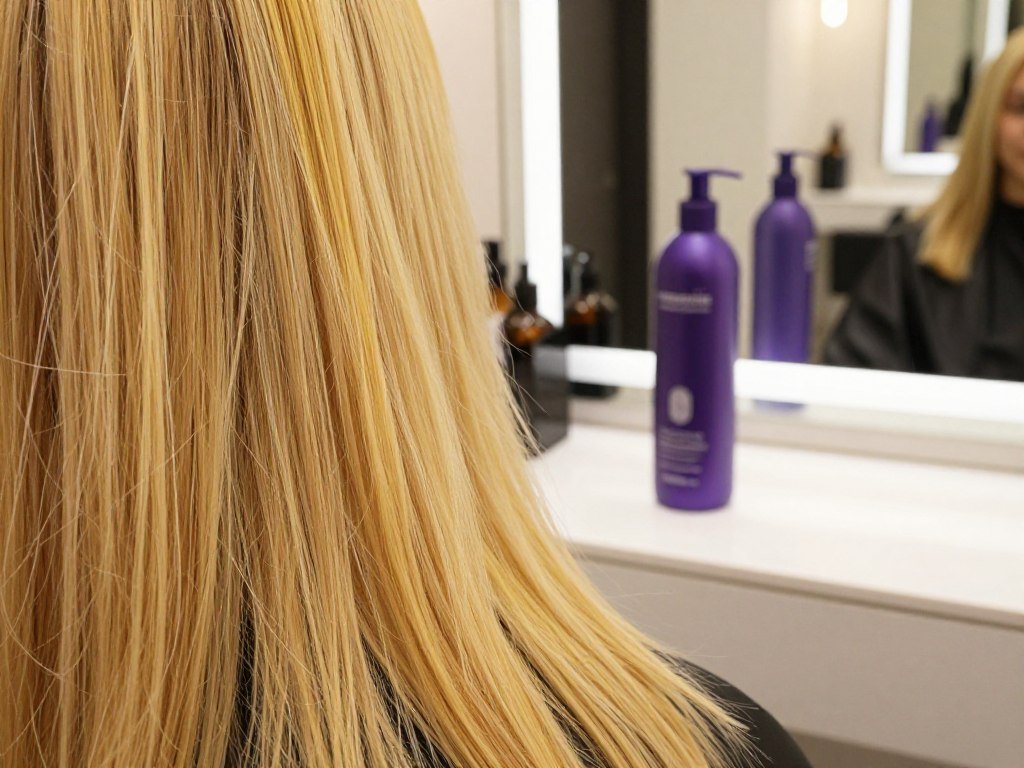
A yellow cast can make blonde color look warmer between salon visits, even when the underlying color has not changed. A toning wash can cool that look, but it cannot make hair lighter.
This roundup helps you match pigment strength and product type to the warmth you see. It covers blonde, highlighted, gray, and dry or damaged hair, so your choice can fit both your color and your hair’s condition.
Color correction means using opposing hues to visually reduce unwanted warmth without changing the hair’s underlying lightness. The right first step is matching the pigment to the warmth you see, not choosing the most vivid-looking bottle.
Key Takeaways
- Choose purple pigment for yellow or pale-gold warmth.
- Purple shampoo changes the look of color, not its lightness.
- Match the formula’s strength to your hair’s condition.
- Start with the bottle directions and a conservative routine.
- Ask a colorist about persistent or pronounced brassiness.
How to Choose the Best Purple Shampoo for Your Hair
For yellow or pale-gold warmth in blonde hair, Dae Violet Hour is the overall pick, while the best match still depends on the tone you want to correct. For typical blonde hair, it offers a targeted way to visually cool yellow tones.
The best purple shampoo for blonde hair overall is Dae Violet Hour Purple Shampoo. It is also the best purple shampoo for brassy blonde hair when the warmth looks yellow, not orange. Its key ingredients include cactus flower extract, quinoa protein, and moringa leaf extract.
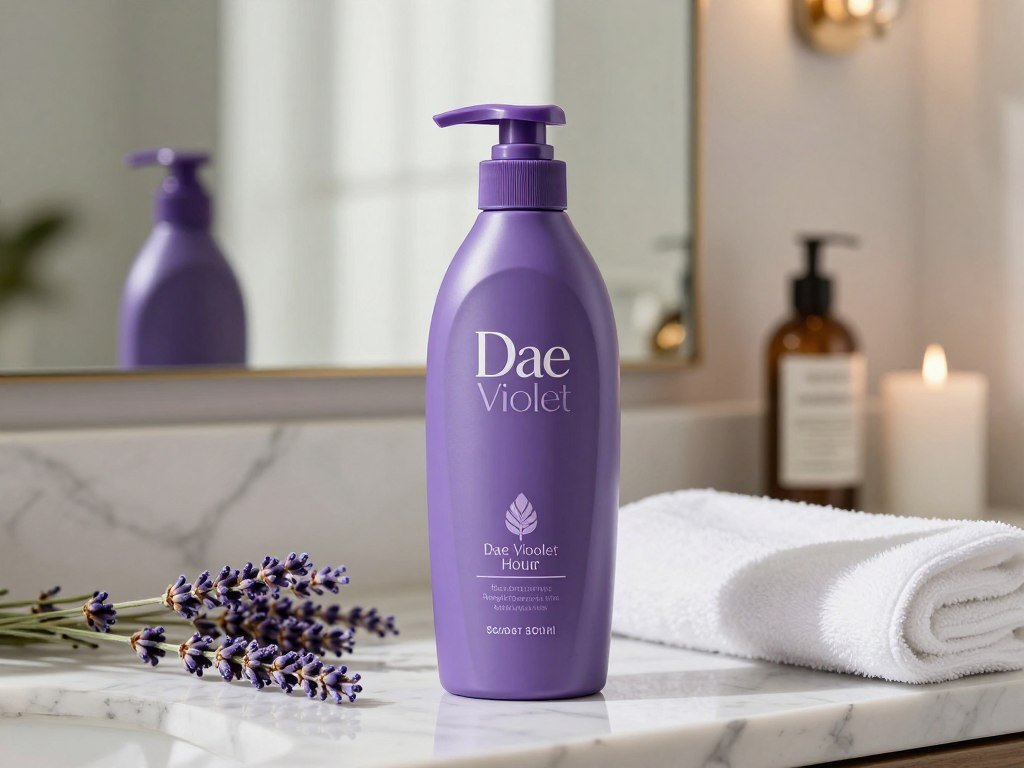
Purple and violet shampoo are interchangeable product terms. Violet pigments sit opposite yellow on the color wheel, so they visually reduce yellow warmth when deposited on the hair.
Color correction changes the visual appearance, not your hair’s lightness or mineral content. The temporary violet pigment coats the hair’s outer layer rather than changing the hair shaft’s internal structure.
Purple shampoo deposits pigment to tone yellow warmth; it does not lighten hair or remove mineral buildup.
That distinction matters if your blonde looks dull because hard water left minerals behind. Toning may change the cast, but it cannot clear that buildup or lift the underlying color.
If warmth remains after pigment toning, do not mistake a temporary color deposit for a change to the hair itself.
Purple or Blue Shampoo: Which Tones Match Your Hair?
Match the shampoo pigment to the unwanted warmth: purple targets yellow, while blue targets orange or copper. The visible cast, rather than your natural hair color alone, guides the choice.
Purple shampoo suits yellow or pale-gold warmth; blue shampoo suits orange or copper warmth. Purple shampoo can work on blonde, silver, gray, and white hair when yellow warmth appears.
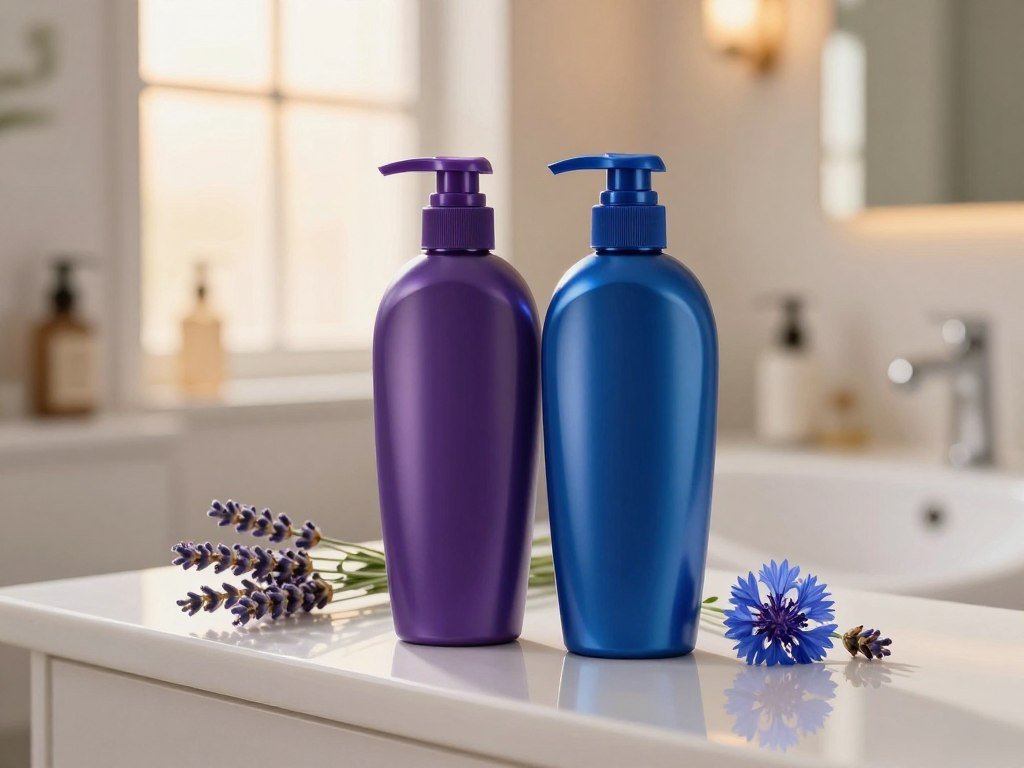
Purple pigment for yellow warmth
The best purple shampoo for highlights is a purple-toning formula when the lighter sections look yellow. Brunettes with blonde highlights, balayage, ombré, foils, or a money piece can tone those lighter sections when they show yellow tones.
The color wheel helps explain the match: violet pigment visually counters yellow. This does not mean every strand needs the same treatment, especially when a brunette’s base color remains cool.
Blue pigment for orange warmth
Blue shampoo is a better match when hair looks orange or copper. It can suit dark blonde, balayage, light brunette, and other hair with orange warmth.
Blue pigment can leave an unwanted green tint on platinum or very pale yellow hair. The comparison below shows which pigment fits each concern and where caution matters.
| Pigment | Warmth it visually tones | Suitable hair or situation | Main caution |
|---|---|---|---|
| Purple | Yellow or pale gold | Blonde, silver, gray, white, and yellow-toned lighter highlights | Does not lighten hair |
| Blue | Orange or copper | Dark blonde, balayage, light brunette, and orange-toned highlights | Can leave a green tint on platinum or very pale yellow hair |
| Neither pigment is a match | Warmth does not fit either target | Check the color concern before buying | Do not use blue on very pale yellow hair as a substitute for purple |
On highlighted brunette hair, apply the color decision to the lighter sections that show warmth rather than assuming every strand needs toning.
What Should You Look for in a Purple Shampoo?
A bleached, porous strand may need a gentler starting point than a sturdy strand with the same yellow cast. Hair porosity means how readily hair absorbs and holds pigment.
The best purple shampoo for bleached hair matches the desired toning strength while accounting for dryness and sensitivity to pigment. Bleached strands may take up pigment quickly, so a very vivid formula is not automatically the best fit.
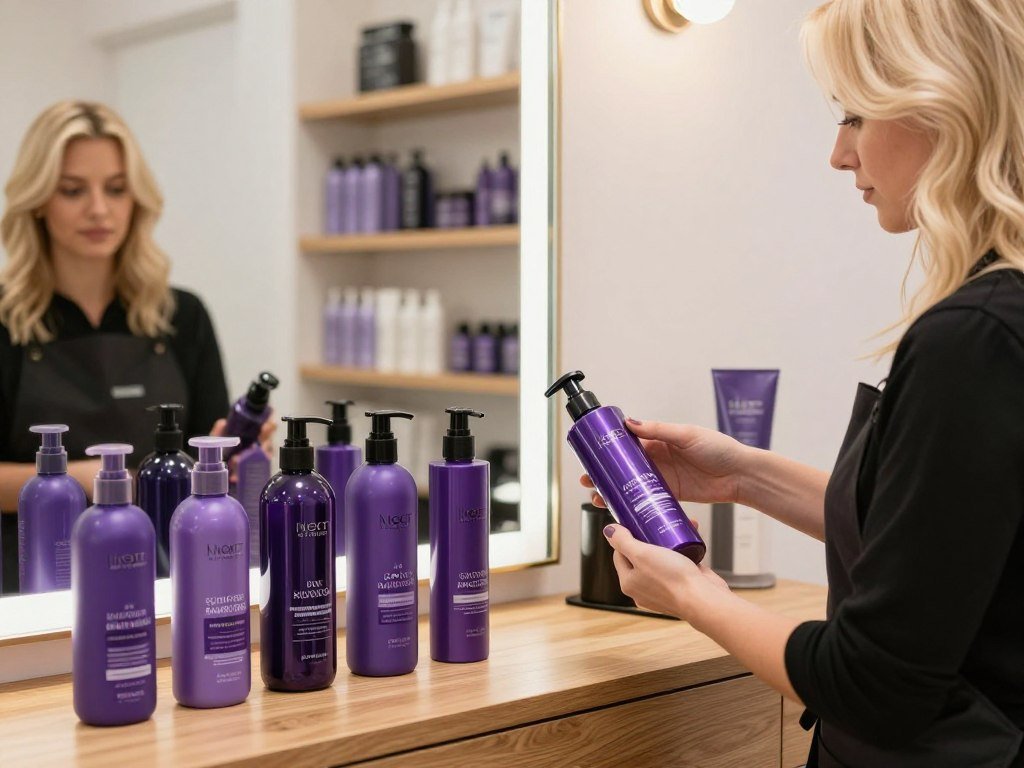
Choose pigment strength for bleached hair
Look at how strongly a formula tones, not just how dark it appears in the bottle. Your target is a visible yellow cast, not a change in the hair’s lightness.
A formula label can help you screen options, but “sulfate-free” alone does not tell you how strongly a shampoo tones. It describes one formula characteristic, not pigment strength.
Balance toning with conditioning
Dry hair may benefit from conditioning ingredients such as jojoba oil, aloe vera, hyaluronic acid, or shea butter. These ingredients can support softness, but they do not tell you how much violet pigment the shampoo deposits.
A research review on hair care explains how conditioners can improve softness and gloss after cleansing. Choose hair care by scalp needs and hair length needs with shampoo and conditioner in mind.
Use this checklist to compare the details that matter to your routine:
- Pigment strength suited to the warmth you want to correct.
- Conditioning ingredients suited to your hair’s dryness.
- Instructions that fit your usual wash routine.
- A formula label that matches your personal preferences.
Choose a milder formula first if your hair is very light, dry, or easily stained.
Which Purple Shampoos Fit Different Hair Needs?
Davines Alchemic Silver is a specific pick for silver and gray hair, while L’Oréal Paris EverPure is the drugstore option. Your main need can help narrow the product list before you compare labels.
The best purple shampoos do not serve every hair type in the same way. For gray hair, Davines Alchemic Silver Shampoo is a sulfate-free option; for drugstore use, L’Oréal Paris EverPure is the drugstore pick, while Clairol Professional Shimmer Lights is the budget pick.
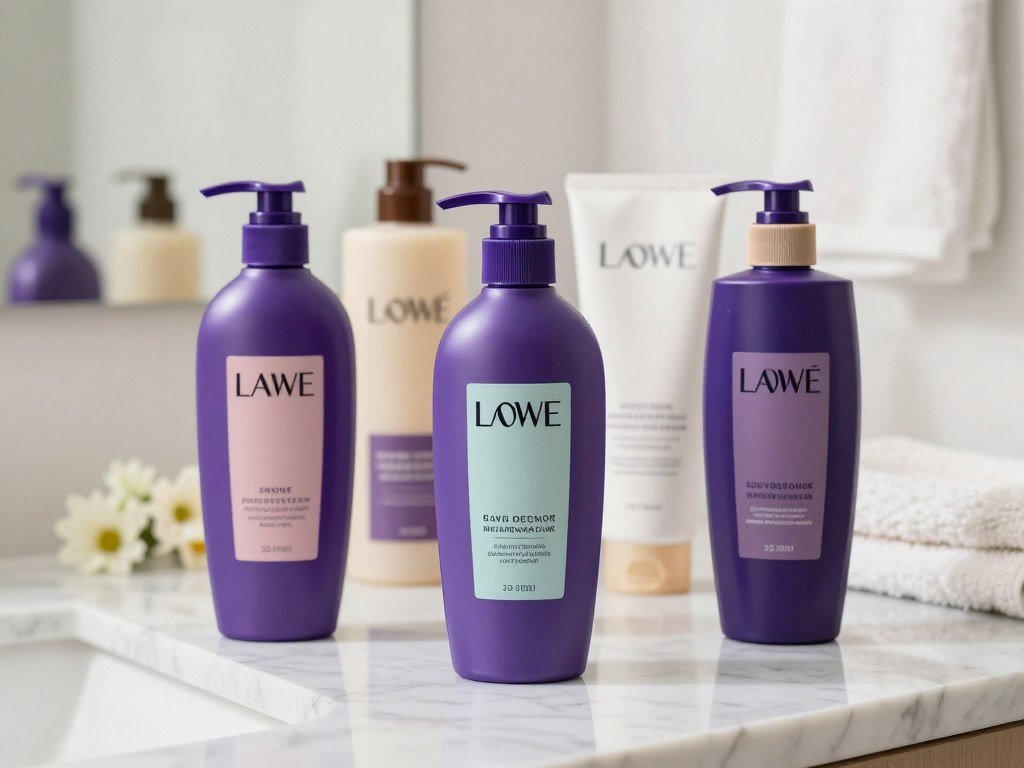
Picks for everyday, budget, and silver-hair care
L’Oréal Paris EverPure Sulfate-Free Brass Toning Purple Shampoo is described as hydrating, vegan, and cruelty-free. Clairol Professional Shimmer Lights Purple Shampoo is the budget choice. Davines Alchemic Silver Shampoo suits silver and gray hair.
Sun Bum Blonde Purple Shampoo is an option for natural or color-treated blonde and brown hair. Its formula contains blue spirulina, violet extracts, and banana.
Sun Bum has a rating of 4.725926 out of 5 from 135 reviews. That score describes customer ratings, not a promise that the shampoo will give every person the same result.
Picks for dry and damaged hair
Dry hair and damaged hair may call for different formula details. BondiBoost emphasizes hydration, while Olaplex No. 4P is a concentrated option for damaged hair.
- L’Oréal Paris EverPure: drugstore choice, described as hydrating, vegan, and cruelty-free.
- Clairol Professional Shimmer Lights: budget pick for a lower-cost option.
- Davines Alchemic Silver: sulfate-free shampoo for silver and gray hair.
- Sun Bum Blonde Purple Shampoo: fits natural or color-treated blonde and brown hair, with blue spirulina, violet extracts, and banana.
- BondiBoost Blonde Baby Hydrating Toning Purple Shampoo: dry-hair pick with jojoba oil, aloe vera, macadamia seed oil, olive oil, and avocado oil.
- Olaplex No. 4P Blonde Enhancing Toning Shampoo: damaged-hair pick described as highly concentrated and sulfate-free.
Hair that is brittle or breaking may need gentler styling habits, too. A guide to choosing a hair straightener for your hair type covers ways to limit heat stress.
Compare the formula’s stated fit with your hair’s condition before choosing on the strength of its toning claims.
How Often Should You Use Purple Shampoo?
Start with one toning wash a week or less often, then adjust according to how quickly yellow warmth returns and what the bottle directs. A conservative schedule helps you see how your hair responds.
Follow the product’s own directions and add a wash only when yellow warmth returns. Purple shampoos do not share one fixed schedule, so product-specific advice can differ.
Davines recommends starting blue or purple shampoo once every week or two, then increasing use as needed. Wella recommends about once per week, or less often when yellow tones are an infrequent concern.
Ethique recommends purple shampoo once or twice a week for most people. It cautions that daily use can leave a purple cast, especially on very light or porous hair.
Those schedules are product-specific guidance, not one universal rule. The bottle’s directions and the return of yellow warmth give you a practical way to adjust.
Porous hair can take on more pigment than less porous hair, so a daily routine may build color faster than you expect. Check the tone in good light before adding another wash.
Ethique’s advice for most people is not a reason to start with frequent use if your hair is very light. A less frequent start gives you room to adjust without rushing into a purple cast.
If the tone stays cool between uses, keep the less frequent schedule rather than adding an unnecessary wash.
How Do You Use Purple Shampoo Without Overtoning?
Wet, evenly distributed application gives the pigment a more controlled start than applying the shampoo to dry strands. Even coverage helps keep some sections from taking more color than others.
Apply purple shampoo to wet hair, then follow the bottle’s leave-on directions. Dry hair can take up too much pigment, especially when the hair is porous.
Apply evenly to wet hair
Keep the product on the sections that need toning. Use these steps for a more even wash:
- Wet the hair thoroughly.
- Distribute the shampoo evenly through the target sections.
- Follow the bottle’s leave-on instructions and rinse fully.
- Use conditioner afterward.
Davines advises against putting blue or purple shampoo on dry hair because the strands may take up too much pigment. Wet hair gives you a more controlled application from the start.
Keep the leave-on time controlled
Leave-on directions vary by product. Davines recommends 2-4 minutes on wet hair, followed by a cool-water rinse and conditioner.
Wella advises leaving INVIGO Blonde Recharge Cool Blonde Shampoo on for 3-5 minutes before rinsing. These are product-specific examples, not one shared timing rule for every formula.
Porous hair absorbs purple pigment faster and may hold more of it than less porous hair. Too much pigment or too much time can leave hair dull or purple-tinged.
Do not add extra time just because one shampoo’s label gives a longer window than another’s. Keep the product’s own directions in view.
Stop using the toning shampoo until the unwanted cast fades if the hair looks purple-tinged.
Purple Shampoo, Conditioner, or Mask: Which Should You Choose?
Choose a purple conditioner or mask when conditioning needs to be part of the toning step, rather than expecting shampoo to do both jobs equally. The format changes how cleansing and conditioning fit together.
Purple shampoo offers a quicker toning step, while a purple conditioner or mask can add conditioning alongside toning. Conditioners can also improve softness and combability after cleansing.
When a purple conditioner makes sense
A purple conditioner may suit you if you want conditioning alongside toning. The best purple shampoo and conditioner pairing can include L’Oréal Paris Sulfate Free Brass Toning Purple Conditioner with its matching shampoo.
Davines Alchemic Silver Conditioner is the companion option for Davines Alchemic Silver Shampoo. For more on how each product supports a different part of hair care, see how shampoo and conditioner fit your hair needs.
Where a purple mask fits
A purple mask is another conditioning-toning format. Choose one when conditioning is a priority, rather than adding several toning products at once.
Ethique sells a Purple Shampoo Bar and Purple Conditioner Bar for blonde and gray hair. The brand describes both as dermatologist-tested and suitable for color-treated hair.
Use one toning format at a time until you know how your hair responds.
When Won’t Purple Shampoo Fix Brassiness?
Purple shampoo cannot solve every color concern, especially when the underlying color needs a larger adjustment. Mild yellow warmth may respond to pigment, but a bigger color change needs a different plan.
UV exposure, repeated washing, hard water, and time can reveal warm underlying tones as hair color fades. Purple shampoo may visually tone mild yellow warmth, but it cannot remove mineral buildup.
Hairdressers may object when purple shampoo is overused, left on too long, or matched to the wrong pigment. Those mistakes can make hair look dull or leave an unwanted cast.
For hard-water minerals or product residue, a clarifying shampoo is made for buildup, unlike a toning shampoo that deposits pigment. A colorist can assess a larger change that a home wash cannot correct.
Do not treat purple shampoo as a replacement for every color correction; the wrong use can add a new cast instead.
Ask a colorist to assess persistent or pronounced brassiness before trying a stronger pigment or longer application.
Conclusion
The simplest decision is to match the pigment to the warmth and the formula to the hair’s condition. Purple shampoo fits yellow warmth, while a milder formula may suit hair that is light, dry, or easily stained.
Check the bottle directions and choose one option that fits your primary need, whether that is blonde color, gray hair, or added conditioning. Choose one suitable product, follow its label, and reassess the tone after a wash.
FAQ
What does purple shampoo do for blonde hair?
What’s the difference between blue and purple shampoo?
How often should you use purple shampoo?
What is the number one best purple shampoo?
Do purple shampoos really work?
Why do hairdressers not like purple shampoo?
When not to use purple shampoo?
What to use instead of purple shampoo?