If mascara looks fine in the morning but leaves marks by lunchtime, the formula may not suit your eyes. A long day, watery eyes, or lashes brushing a hooded lid can turn a neat morning look into cleanup time. You may also find that a traditional mascara takes too much rubbing to remove at night.
This guide compares tubing mascaras by lash goal, ease of application, and removal. You will find options for length, volume, and natural definition, plus a simple way to weigh price and routine. The best pick depends on what you want your lashes to look like and how mascara behaves on your eyes throughout the day.
Key Takeaways
- Match mascara to your wear concern, not your age.
- Thrive Causemetics Liquid Lash suits length and rich pigment.
- e.l.f. Lash XTNDR is a low-cost first try.
- Tartelette XL is the higher-volume Tarte option.
- Tubing mascara can come off with warm water and gentle pressure.
- Swimming may call for a waterproof formula instead.
The most useful choice is the one that fits both your desired lash effect and your everyday wear conditions.
What mature eyes need from everyday mascara
A mascara choice for mature eyes should start with the problem it needs to solve, such as watery eyes or transfer from lashes touching a hooded lid. Your own wear pattern matters more than an age label, since lash type and eye shape vary from person to person.
In 2026, tubing mascara can help with oily eyelids, watery eyes, or smudging on lower lashes. Hooded lids can also bring lashes into contact with the skin above them, creating a possible transfer point.
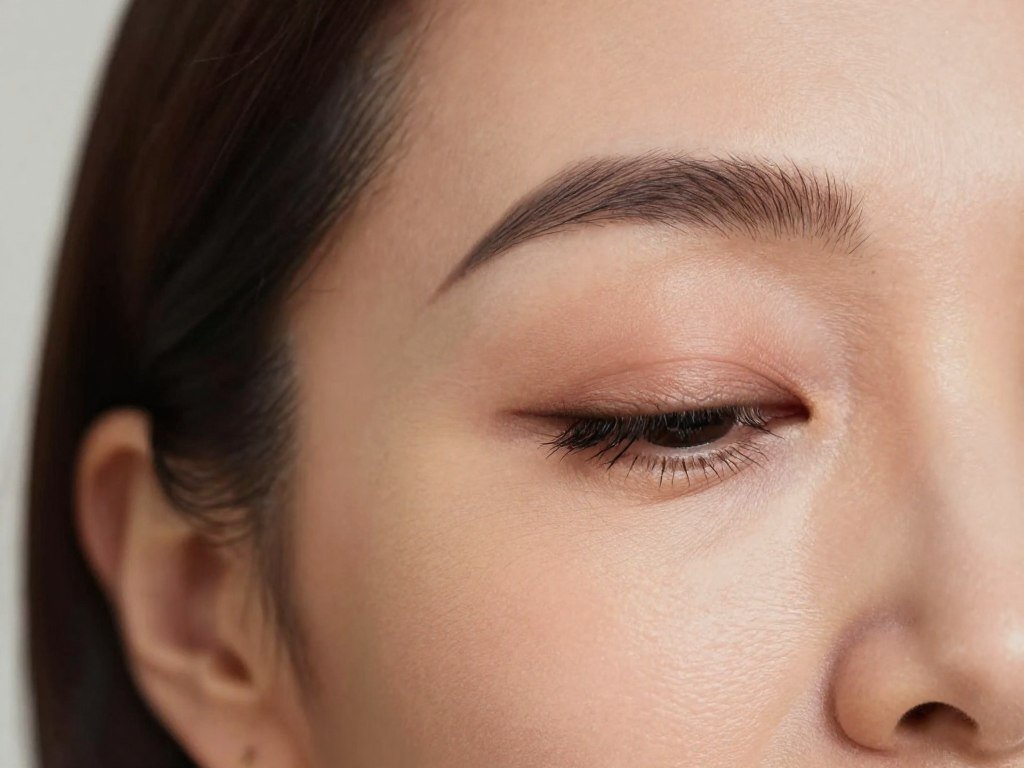
- Oily eyelids may cause mascara to transfer onto nearby skin.
- Watery eyes can disturb makeup during the day.
- Hooded lids may let lashes brush the skin above them.
- Lower-lash mascara can leave marks beneath the eyes.
These concerns can overlap, but you do not need to solve all of them with one formula. A mascara that stays put on oily lids may still feel too hard to remove, while a soft, easy-to-remove option may not suit watery eyes.
Choose based on the wear problem you actually experience rather than an age label on the package.
Think about when the trouble begins: during application, after a few hours, or at removal. That timing can help you tell whether your main issue is brush control, transfer, or the effort needed to clean your lashes.
A concern that appears only on the lower lashes may call for a different routine from one that affects the whole eye area. Keep a note of where the marks appear and when they show up.
How tubing mascara differs from fiber and traditional formulas
The key difference is whether the formula builds lashes with a polymer sheath or with loose lengthening fibers. Each method changes the finish and the way mascara may behave as it wears.
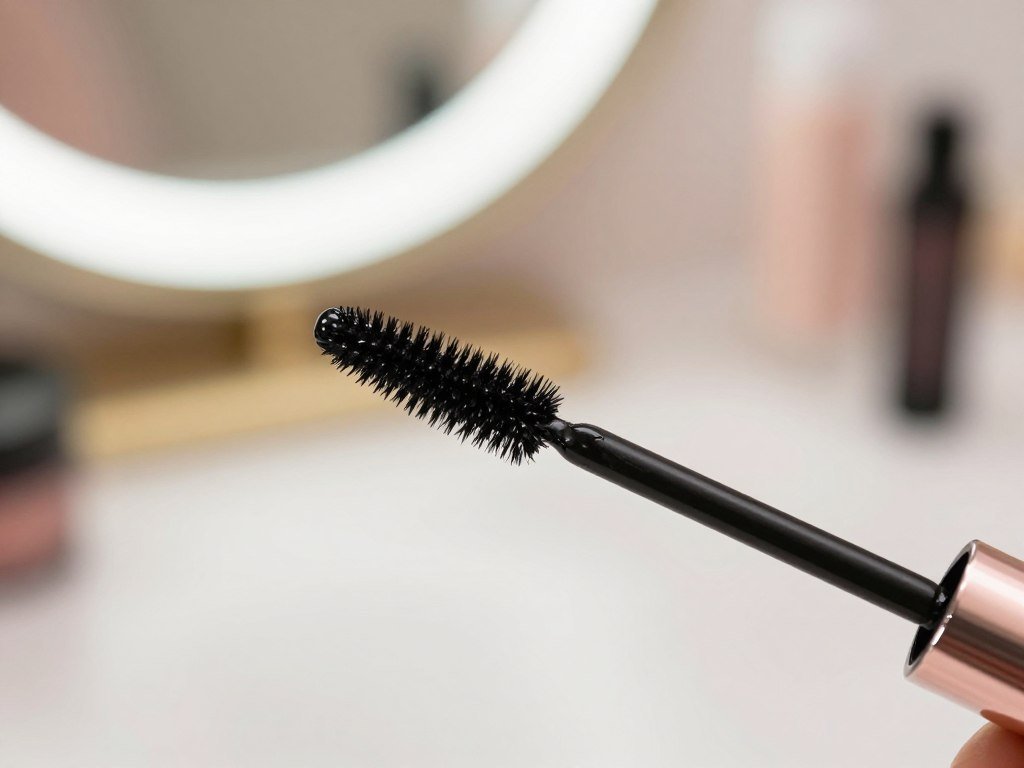
A film-forming polymer is an ingredient that dries into a flexible layer around an individual lash. Tubing mascara uses polymers to form a sheath, or tube, around each lash instead of relying only on pigment sitting on its surface.
Tubing mascara versus fiber mascara
Fiber mascara uses small pieces, such as nylon or rayon, to build length and volume. Those fibers adhere to lashes, adding visible extensions to their ends or sides.
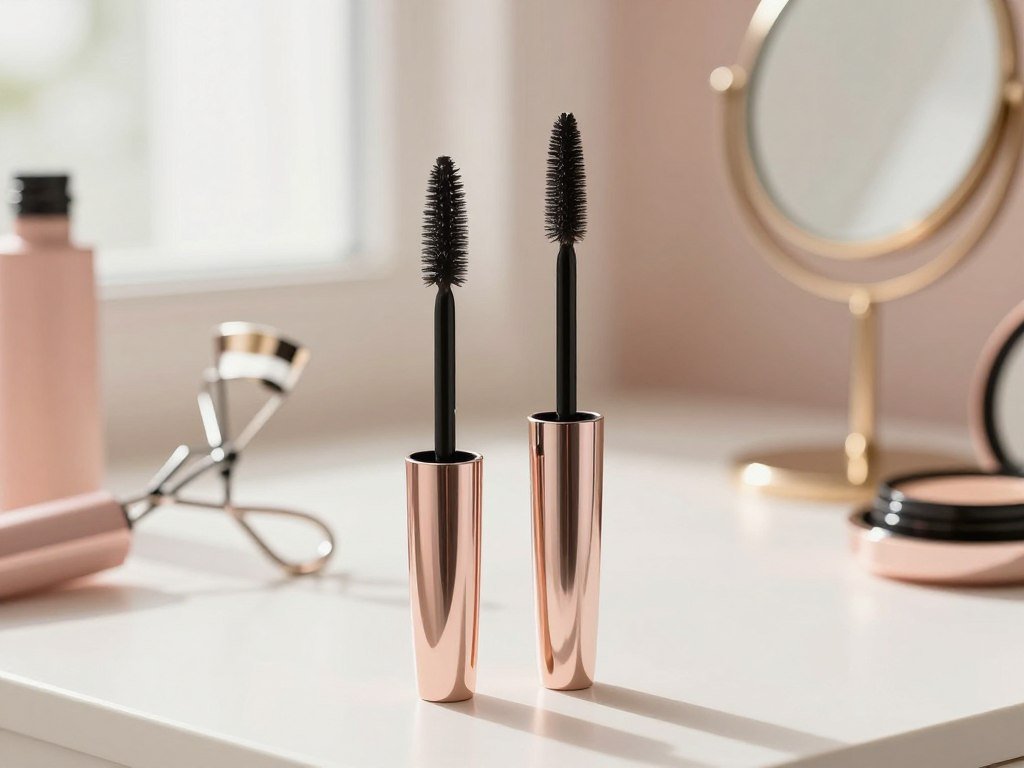
Loose fibers may flake as they detach during wear. Tubing mascara does not rely on loose fibers for length, so it offers a different route to a longer-looking lash.
If you want to compare tubing formulas with other eye makeup picks, see this 2026 makeup product roundup, which includes another tubing mascara.
Tubing mascara versus traditional mascara
Traditional mascara primarily coats lashes with pigment and waxes. A tubing formula forms a tube around each lash, which gives it a different feel and removal pattern.
Both types can add color and definition, though the result depends on the formula and brush. Traditional mascara may be easier to build in layers, while tubing formulas may need careful timing before they dry.
There is no single finish across every product in either category. One tubing mascara may focus on length, while another aims for fuller-looking lashes. Check the stated lash goal and wand shape before choosing.
If loose fiber fallout is the main concern, favor a formula that builds length with polymers rather than fibers.
Best Tubing Mascara for Mature Eyes by Lash Goal
For everyday length and rich pigment, start with Thrive Causemetics Liquid Lash; for a low-cost trial, start with e.l.f. Lash XTNDR. Those are practical first picks when you want to narrow down the best tubing options by lash effect.
Thrive Causemetics Liquid Lash is the strongest general starting recommendation for length and rich pigment, while e.l.f. is the budget-first choice. No mascara is designed for every mature eye, and age alone does not decide which formula will suit you.
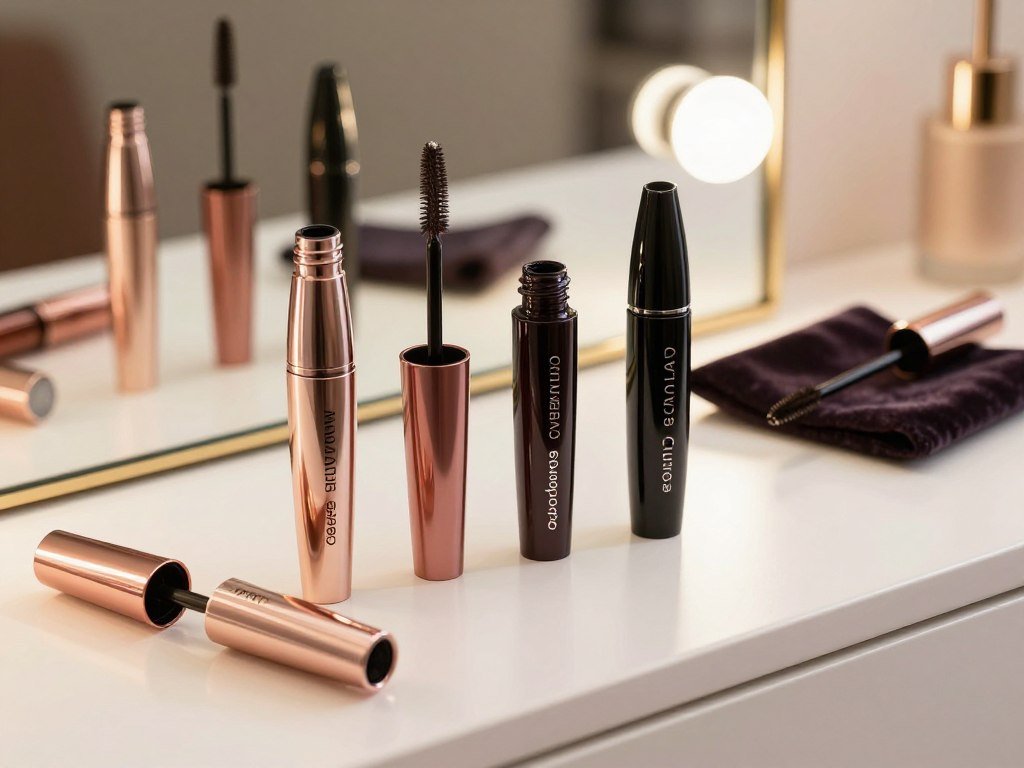
| Product | Best-fit lash goal | Distinguishing feature | Why it suits that goal |
|---|---|---|---|
| e.l.f. Lash XTNDR | Affordable length | Drugstore price | A lower-cost way to try tubing mascara |
| L’Oréal Double Extend | Length with a routine | Primer and tubing mascara | Two steps focus the look on length |
| Thrive Causemetics Liquid Lash | Length and pigment | Rich color | A strong match for defined, longer-looking lashes |
| Tartelette XL Tubing Mascara | Fuller-looking lashes | Higher-volume formula | Its stated goal suits readers seeking more impact |
| MERIT Clean Lash | Natural definition | Soft, defined finish | A fit for a less dramatic everyday look |
Readers looking for the best tubing mascara for mature eyes over 50 can use the same guide: match the formula to the concern, such as transfer or hard-to-see lashes. A person over 50 may want length, definition, or volume, just like anyone else.
The recommended 2026 options also include Caliray Come Hell or High Water, MILK Kush High Roll, Alleyoop Go The Distance, Kulfi Badi Lash, and Sarah Creal Back of the Cab. Their finishes differ, so compare the intended look with your own lash goal.
For the best tubing mascara in 2026, begin with the product whose main effect matches your routine. An option that adds more volume may not be useful if your priority is a light, defined look.
Use the table’s goal column to narrow the options before weighing the application routine and budget.
Which drugstore tubing mascara is worth trying?
e.l.f. Lash XTNDR is the simpler budget starting point, while L’Oréal Double Extend trades a second application step for a length-focused result. Your routine may decide which of these drugstore tubing mascaras feels easier to use.
Both e.l.f. Lash XTNDR and L’Oréal Double Extend were listed under $12 in 2026. A lower price makes e.l.f. an affordable way to try tubing mascara, but price alone does not tell you how a formula will wear.
e.l.f. Lash XTNDR for an affordable first try
e.l.f. Lash XTNDR was listed at $7 in 2026 and has a silicone brush. That makes it a clear option if you want to test the feel of tubing mascara without taking on a multi-step routine.
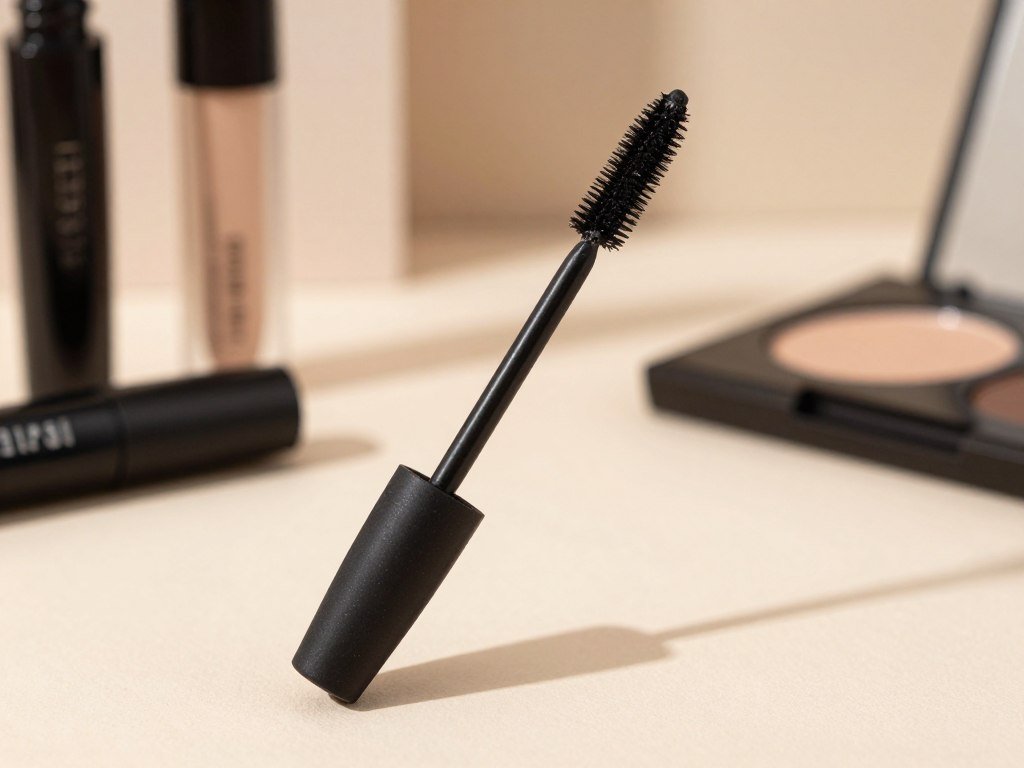
A one-step application may suit mornings when you want to move quickly. The brush is a detail to consider if you prefer a silicone wand over a traditional bristle brush.
L’Oréal Double Extend for length-focused wear
L’Oréal Double Extend is a length-focused option with two application steps. You apply a primer first, then follow it with the tubing mascara.
The primer-plus-mascara routine may suit you if length matters and you do not mind using two products in sequence. It asks for more application time than a single-step formula, so consider how often you will want to do both steps.
Neither low price nor an extra step guarantees a better result. Your lashes, preferred finish, and comfort with the routine all shape the choice.
If you want a simpler one-step routine, e.l.f. may be the more convenient start. If you are willing to manage two steps for a length-focused look, L’Oréal may fit better.
Check whether you are comfortable applying a primer and topcoat before choosing the two-step option.
Is Thrive Causemetics Liquid Lash worth choosing?
Thrive Causemetics Liquid Lash Extensions is a strong option when length, rich pigment, and color choice matter most. Color is the extra draw for readers who want more than a basic black lash look.
The formula offers a lengthening effect, rich pigment, and eight shades. Multiple color options give you room to choose something beyond black or brown, depending on the finish you prefer.
That shade range can make Liquid Lash a useful pick if you like to vary your eye makeup. A dark, rich shade can add definition, while another color may soften or change the feel of the finished look.
The product’s length focus may suit lashes that need more visible reach. Rich pigment can also help lashes stand out without needing to rely on volume alone.
Liquid Lash is not the best choice for every wearer. If your main goal is a lower price, a more natural definition, or a fuller effect, a different mascara may fit better.
Think about how often you will use a non-black shade before choosing a color option. A range of shades is useful only if the colors match the looks you wear.
Choose a shade that matches the finish you want, then consider whether its price tier fits your routine.
How do Tarte’s tubing mascaras differ?
Tartelette XL is the higher-volume choice, while the original Tartelette is the standard option. The key difference is volume, along with the directions Tarte gives for wear and removal.
Tarte says both mascaras are sweatproof but not waterproof and offer 24-hour flake-free, smudge-proof wear. Those are Tarte’s product claims, not a promise that every wearer will get the same result.
Tartelette Tubing Mascara
Tarte says the original Tartelette removes with micellar water or makeup remover. Its formula contains shea butter, castor oil, and carnauba wax.
Tarte advises applying this mascara from lash base to tip. For another coat, apply it while the first coat is still wet.
Tarte also says the formula is dermatologist- and ophthalmologist-tested and can be used with an eyelash curler. The brand recommends curling lashes first.
Tartelette XL Tubing Mascara
Tarte describes Tartelette XL as a higher-volume version than the standard Tartelette. Tarte says XL removes with warm water, rather than the micellar water or makeup remover directions for the original.
The XL formula contains niacinamide, biotin, and panthenol, according to Tarte. The brand gives the same application advice: start at the lash base, sweep toward the tips, and add a coat before the first dries.
Tarte says XL is dermatologist- and ophthalmologist-tested and can be used with an eyelash curler. Tarte recommends curling lashes first and describes both formulas as sweatproof, not waterproof.
Check the product name before removal, since the two Tarte options have different stated directions. That small label detail can prevent you from reaching for the wrong product at night.
Follow the removal directions for the specific Tarte formula rather than assuming both versions come off the same way.
How should you apply tubing mascara for a lifted look?
Curling first is a useful step when your lashes need lift, since tubing formulas may emphasize length more than curl. A curler adds lift before the mascara adds color and definition.
Apply another coat while the first one is still wet. Tubing mascara may be harder to layer than traditional mascara, so timing matters if you want more length without a heavy finish.
- Curl lashes before applying mascara.
- Place the wand at the roots and sweep toward the tips.
- Add another coat while the first coat is still wet.
- Stop layering once the formula begins to dry.
A curl can help lift lashes that point down or disappear into the crease. Mascara can define that shape, but the formula does not create curl on its own.
Start with a light pass along the roots, then guide the brush through the lashes. A steady sweep can help separate them and spread the formula along their length.
If you want a lash-care product rather than a cosmetic coating, a conditioner such as RevitaLash Advanced Eyelash Conditioner is a different kind of product. Follow its directions carefully around the eyes.
Adding layers after the formula dries may not build cleanly, since tubing formulas can resist extra product. A second coat works best before the first one sets.
If the first coat has dried, avoid trying to force on extra layers that may not build cleanly.
How does tubing mascara wear and come off?
Tubing mascara removes differently from a coating formula: warm water and gentle pressure can release the tubes around the lashes. The small pieces are expected as the formula comes away.
Tubing mascara is generally water-resistant rather than waterproof, so it may not suit swimming. A waterproof product may be a better fit if pool time is part of your day.
- Wet a soft cloth or pad with warm water.
- Hold it against closed lashes briefly.
- Use gentle pressure to let the tubes slide away.
The tubes form around individual lashes and can slide off with warm water and gentle pressure. You may see short tube-like pieces on the cloth or pad during removal.
Those pieces are the mascara coming off, not lost lashes. Avoid scrubbing, since gentle contact is enough to let the formula release.
Ordinary water resistance is not the same as waterproof wear. If mascara must stay put during swimming, choose a waterproof formula instead of relying on tubing mascara.
Give the cloth time to soften the formula against closed lashes before moving it. A calm, careful removal can help keep the process comfortable.
Choose a waterproof formula instead when swimming is a regular part of the day.
Can tubing mascara give lashes more volume?
Yes, some tubing mascaras can give a fuller, more dramatic effect, though the finish depends on the formula and wand. Volume is possible, but not every tubing product aims for a bold lash.
MILK Kush High Roll, Kulfi Badi Lash, and Sarah Creal Back of the Cab are described as more dramatic options. Caliray Come Hell or High Water is the more everyday-defined choice.
| Product | Desired lash finish | Specific observed feature |
|---|---|---|
| MILK Kush High Roll | Lush, dramatic volume | Described as holding a curl |
| Kulfi Badi Lash | Dramatic definition | Described as avoiding clumps |
| Sarah Creal Back of the Cab | Lush, thick finish | Has an hourglass brush |
| Caliray Come Hell or High Water | Everyday definition | Described as a defined-lash option |
The first three products are aimed at more impact, while Caliray suits a less dramatic everyday look. A fuller finish can make lashes stand out, but it may feel like too much for a soft makeup routine.
Brush shape and how much product you apply can affect the final effect. Personal results can vary with lash length, density, and application, so a product description cannot guarantee the same finish for everyone.
Consider whether you prefer separated lashes or a thicker line of color. That preference can help you decide whether a dramatic mascara belongs in your daily routine or only for certain looks.
Pick the finish you are likely to wear often, rather than buying for a dramatic look you rarely use.
What should you expect to pay, and how are mascaras tested?
Drugstore tubing mascara can cost under $12, while mid-range options are generally in the $20s and luxury options are $30 or more. Price sets a starting point, but it does not tell you whether the wand or wear will suit you.
A useful mascara evaluation checks application and wear for at least two weeks. That gives enough time to consider more than a first-day impression.
| Price tier | Typical range | Examples |
|---|---|---|
| Drugstore | Under $12 | e.l.f. Lash XTNDR, L’Oréal Double Extend |
| Mid-range | Generally in the $20s | Caliray Come Hell or High Water, Alleyoop Go The Distance |
| Luxury | $30 or more | Sarah Creal Back of the Cab |
Testing should look at how easily the mascara applies and whether it adds length, volume, or curl retention. It should also check smudging, flaking, longevity, and removal.
Wear changes can show up after several days, not just during a first application. A useful review checks how the mascara behaves across daily routines, including the time needed to apply and remove it.
Price tiers can help set a budget, but they do not replace a close look at the brush and your desired effect. A lower-cost option may be a sensible trial, while a higher price does not promise a better match.
Compare a formula’s wear and removal with your own routine, not just its price tier.
How often should you replace mascara?
A practical replacement rule is to discard mascara two to four months after purchase, the usual period manufacturers recommend. That is a usual window, not a single expiration date required on every product label.
U.S. law does not require cosmetics to list a specific shelf life or expiration date. Follow the product’s printed directions and any advice from your clinician.
Follow the usual discard window
The FDA says mascara makers usually recommend throwing it away two to four months after purchase. The applicator enters and leaves the tube during use, exposing it to bacteria and fungi.
Do not keep using mascara just because it still looks full. Write the purchase date on the package if you tend to lose track of when you opened it.
Stop using eye makeup when an infection occurs
The FDA advises discarding mascara if it becomes dry. Adding water or saliva does not restore it safely, so replace the product rather than trying to revive the formula.
The FDA also advises stopping use of eye-area cosmetics when an eye infection occurs. Throw away the products you were using, including mascara, to avoid continuing with makeup exposed during the infection.
Dryness can make mascara clump or drag across lashes, but that change is also a reason to stop using it. Do not add liquid to extend the product’s life.
If an eye infection occurs, stop using eye-area cosmetics and discard the products you were using.
Is tubing mascara practical on lower lashes?
Lower-lash mascara is optional, and a thin comb-like brush can make careful application easier. Small amounts offer control when you want definition without coating every lash heavily.
A comb-like brush can help separate lower lashes, but it cannot guarantee a smudge-free result. Hooded lids may bring lashes into contact with the skin above them, creating a possible transfer point.
- Use a thinner, comb-like brush for more control.
- Start with a small amount of product.
- Skip lower lashes if they cause transfer or feel uncomfortable.
A slim brush can make it easier to reach short lashes without adding too much product. It does not prevent every clump or mark, especially when your lashes touch nearby skin.
Leave lower lashes bare if mascara there repeatedly transfers, clumps, or makes your eyes feel uncomfortable.
Some people skip lower lashes because mascara transfers under the eyes or gathers into clumps. Others simply prefer a cleaner, softer look without color along the lower lash line.
There is no universal rule against lower-lash mascara. Try it only if the added definition suits your look and does not create a problem during wear.
Keep the wand steady and use less product than you would on upper lashes. If the lower lash line still looks crowded, a bare finish can feel more balanced.
If lower lashes repeatedly leave marks, try leaving them bare for a day and compare the result.
Conclusion
For many everyday routines, the best first step is matching the formula to the problem you most want to solve. Smudging or removal may point you toward tubing mascara in a finish you like.
Swimming may call for waterproof mascara, while a demand for heavy volume may lead you to another formula or brush. Choose for the wear conditions you face, not only the lash effect shown on the package.
Choose one option from the shortlist, try it with the recommended application and removal method, and judge it through your own day.
FAQ
What’s the difference between tubing mascara and fiber mascara?
What is the best mascara for a 50-year-old woman?
How often should you replace your mascara?
What is the #1 best mascara?
Why shouldn’t you put mascara on your bottom lashes?
What can I put on my eyelashes instead of mascara?