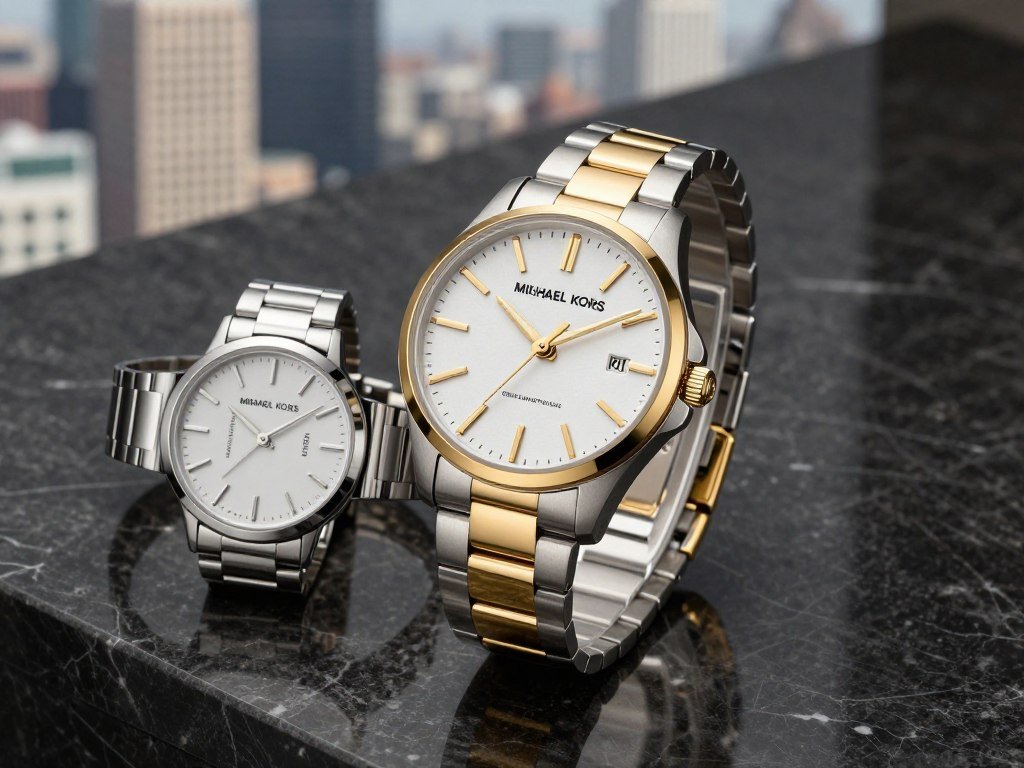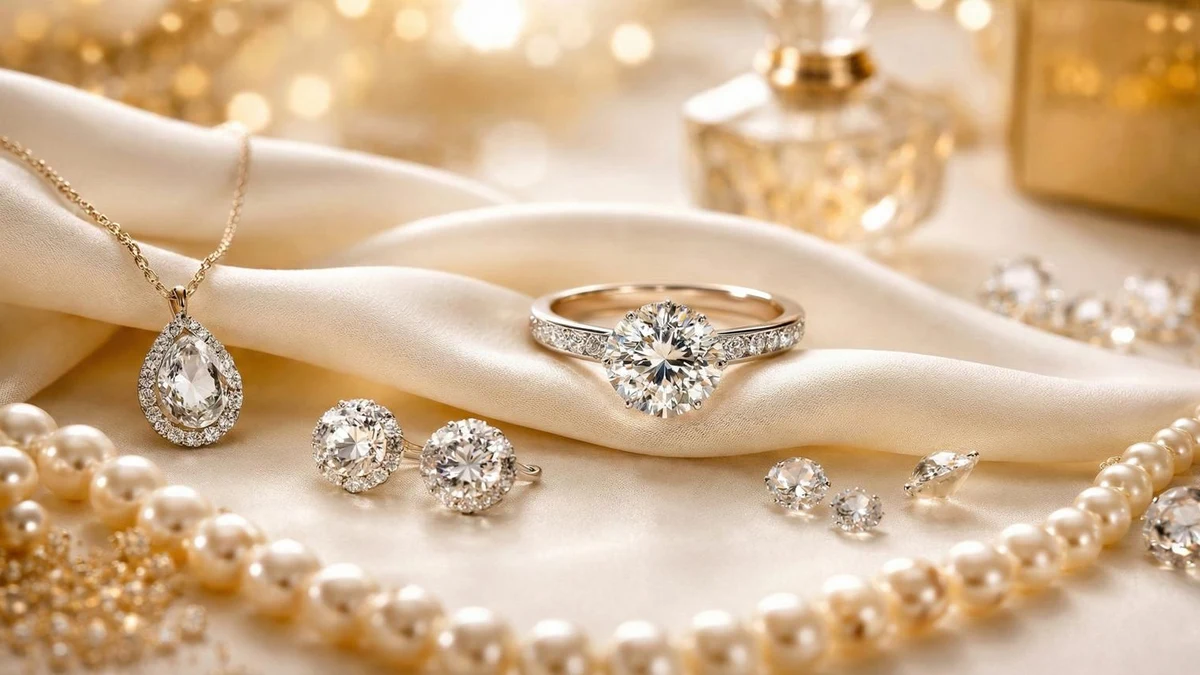
Some pieces of jewelry do more than complete an outfit. They become part of a person’s story, marking meaningful occasions, expressing individuality, or adding a touch of elegance to everyday life.
Luxurious jewelry captures that feeling through thoughtful design, beautiful materials, and careful craftsmanship. It can be a delicate gold necklace worn every morning, diamond earrings reserved for special occasions, or a striking gemstone ring that becomes a treasured part of a collection.
Luxury does not always mean oversized diamonds or elaborate designs. Sometimes, the most beautiful pieces are the simplest ones: a finely made gold bracelet, a pearl necklace with a modern silhouette, or a ring whose proportions feel just right.
Whether you are discovering fine jewelry for the first time or refining a collection you already love, understanding materials, styles, craftsmanship, and care can help you choose pieces that feel special for years to come. Exploring broader luxury lifestyle trends can also help you understand how fine jewelry complements personal style and modern elegance.
What Makes Jewelry Luxurious?
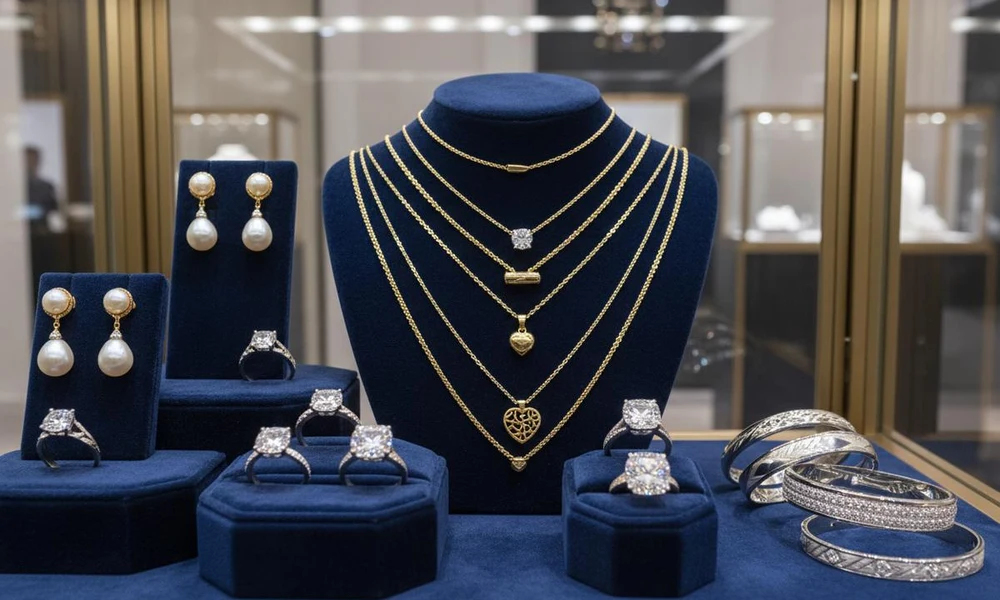
Luxurious jewelry is generally distinguished by the quality of its materials, the skill involved in its construction, and the thoughtfulness of its design. Brand heritage and rarity may also contribute to its appeal, but an expensive label alone does not guarantee superior quality.
Several details are worth considering.
Precious Metals
Gold and platinum are widely used in fine jewelry because of their material properties, appearance, and suitability for detailed designs. Sterling silver is another established choice, offering a beautiful finish at a different price point.
Gold purity is commonly expressed in karats. For example, 18-karat gold contains 75% gold by mass, while 14-karat gold contains approximately 58.3%.
Higher gold content can affect color, softness, and price. The most suitable option depends on the design, intended use, and desired balance between composition and durability.
Beautiful Gemstones
Diamonds, emeralds, rubies, sapphires, and pearls each bring a different character to jewelry.
Diamonds are valued for their interaction with light, while colored gemstones introduce depth and individuality. Pearls offer a softer, luminous appearance that works beautifully with both traditional and contemporary designs.
The quality of a gemstone depends on factors specific to its type, including color, clarity, cut, size, treatments, and origin where relevant.
Craftsmanship and Finishing
Small construction details can distinguish a well-made piece from one that merely looks impressive in a photograph.
Look for secure settings, smooth edges, well-finished metal surfaces, dependable clasps, and comfortable proportions. On necklaces and bracelets, examine how the links move and how securely they connect.
For rings and earrings, check whether the settings protect the stones and whether the pieces feel comfortable when worn.
Thoughtful Design
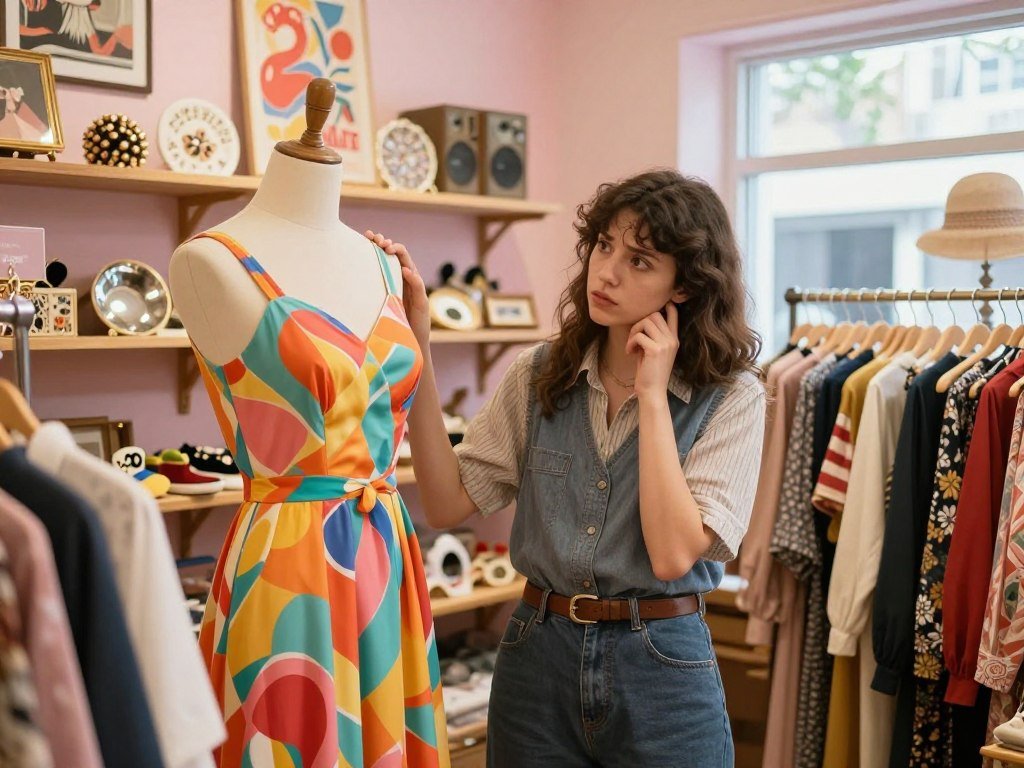
Beautiful jewelry balances materials with proportion. Many fashion designers apply the same principle when creating accessories and outfits, combining carefully chosen details to achieve a cohesive and distinctive look. A substantial gemstone can look striking in a restrained setting, while a smaller stone can become the focal point of an intricate design.
A substantial gemstone can look striking in a restrained setting, while a smaller stone can become the focal point of an intricate design. The best pieces reflect a clear design idea rather than relying on size or decoration alone.
The Most Beautiful Types of Luxurious Jewelry
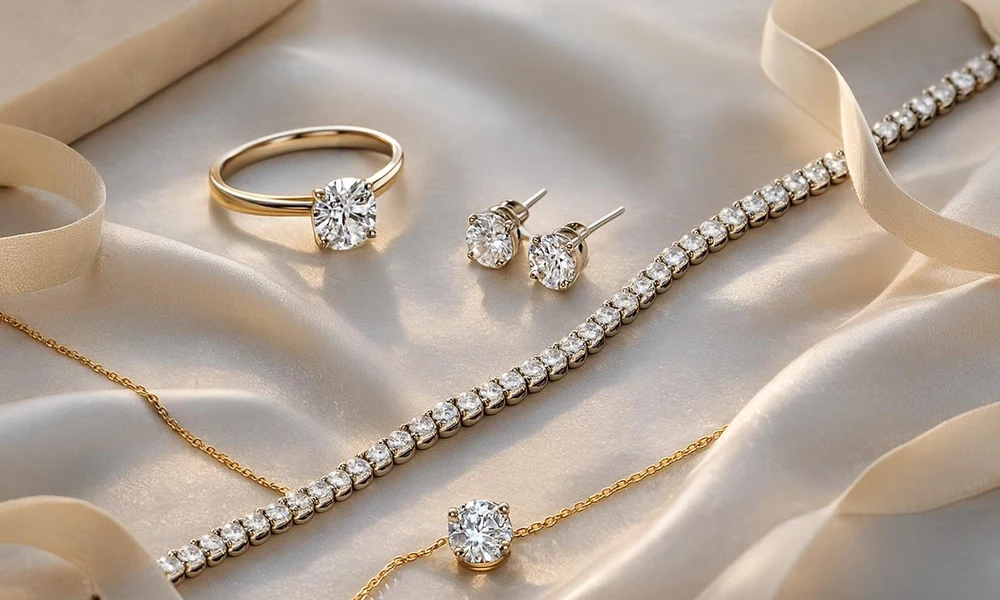
Every jewelry category offers different ways to express personal style. Some pieces are designed for everyday wear, while others are created for celebrations and special occasions.
1. Gold Jewelry
Gold jewelry remains a classic choice because it works across a wide range of styles, from understated everyday essentials to elaborate statement pieces.
Yellow gold brings warmth and traditional elegance. White gold offers a cooler appearance, while rose gold introduces a soft pink tone.
Popular choices include fine chains, hoops, bangles, signet rings, and sculptural earrings. Simple gold pieces can be worn individually for a minimalist look or layered to create a more personal combination.
When buying gold jewelry, check the purity marking, construction, and whether the item is solid gold, gold-filled, or gold-plated. These descriptions refer to different material compositions and should not be treated as interchangeable.
2. Diamond Jewelry
Diamond jewelry is associated with celebrations, milestones, and enduring personal significance. It includes engagement rings, diamond studs, tennis bracelets, pendants, and more elaborate statement designs.
A diamond’s appearance depends on several characteristics, including cut, color, clarity, and carat weight. Setting quality and overall design also influence how the finished piece looks.
A larger stone is not automatically more beautiful than a smaller one. Well-balanced proportions and attractive light performance can matter more than carat weight alone.
For significant purchases, consider obtaining independent grading documentation from a reputable gemological laboratory and ensuring that the diamond’s origin and characteristics are clearly disclosed.
3. Pearl Jewelry
Pearls bring a gentle, luminous quality to jewelry. Traditional pearl strands remain elegant, while modern designs incorporate individual pearls into earrings, pendants, rings, and mixed-material pieces.
Pearls can complement tailored clothing, evening dresses, relaxed knitwear, and contemporary everyday outfits.
Their appeal comes partly from their distinctive surface and glow rather than the sharp sparkle associated with diamonds. Freshwater and saltwater pearls also vary in shape, size, luster, and price.
Because pearls are relatively delicate compared with many gemstones, they benefit from careful storage and gentle cleaning.
4. Emerald, Ruby, and Sapphire Jewelry
Colored gemstones introduce personality and rich visual contrast to a jewelry collection.
Emeralds are known for their green hues, rubies for their red color, and sapphires for their familiar blue shades, although sapphires occur in other colors too.
These stones can appear in rings, earrings, pendants, and statement necklaces. They work beautifully as focal points in otherwise restrained designs.
Gemstone quality varies significantly. Treatments are common in the gemstone market, so ask whether a stone has been treated and whether that treatment affects its care requirements or value.
5. Statement Jewelry
Statement jewelry is designed to attract attention through scale, color, shape, or distinctive construction. Its expressive qualities often reflect the relationship between fashion and art, where creative details transform an ordinary outfit into a memorable visual statement. Large earrings, sculptural cuffs, layered necklaces, and bold cocktail rings can all add personality to an otherwise simple look.
Large earrings, sculptural cuffs, layered necklaces, and bold cocktail rings can transform a simple outfit into something memorable. To keep the result balanced, allow one or two pieces to lead. A dramatic necklace may work best with understated earrings, while bold earrings can make a stronger impression with a simpler neckline.
Statement jewelry does not need to contain the rarest materials to feel luxurious. Design, finishing, and the way the piece complements the wearer can be equally important.
6. Everyday Fine Jewelry
Everyday fine jewelry focuses on versatility, comfort, and durability.
Small gold hoops, simple chains, understated pendants, delicate bracelets, and low-profile rings can fit naturally into daily routines.
These pieces are especially useful when building a collection gradually. A few well-chosen essentials can work with many outfits, while occasional statement pieces add variety.
For frequent wear, prioritize secure clasps, practical settings, comfortable weight, and materials suited to your lifestyle.
Luxury Jewelry Brands Worth Exploring
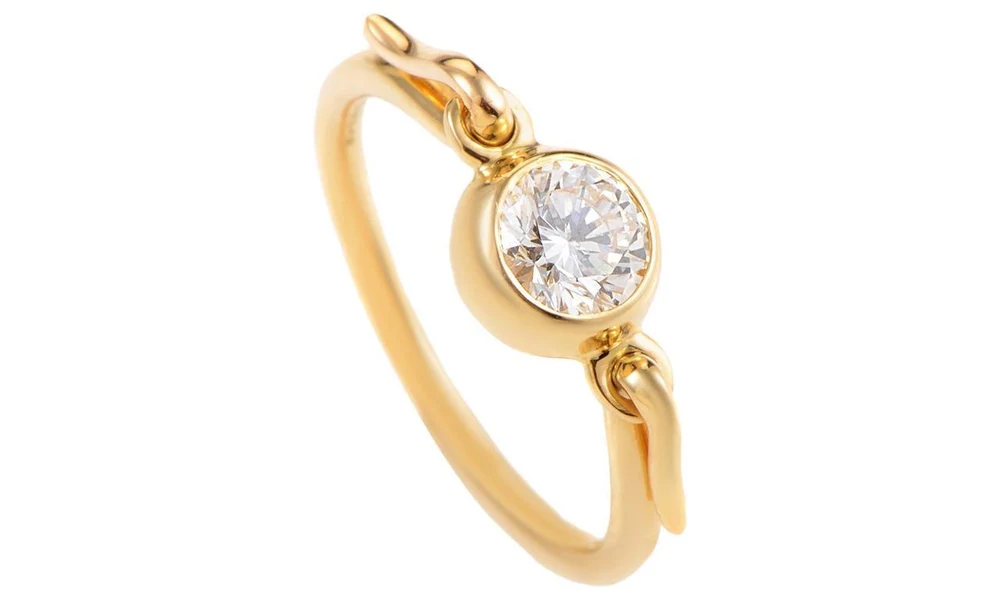
Established jewelry houses offer different interpretations of elegance, craftsmanship, and design. The right one depends on your preferences and the kind of jewelry you want to own.
The way luxury jewelry is presented can also shape how people perceive its design. Lighting, composition, and photography and visual style all influence how viewers appreciate the details of a piece, from the finish of a precious metal to the brilliance of a gemstone.
- Cartier: Known for fine jewelry and watches, including recognizable designs and sculptural gold pieces.
- Tiffany & Co.: Offers diamond jewelry, sterling silver designs, engagement rings, and classic gifts.
- Van Cleef & Arpels: Recognized for intricate craftsmanship, nature-inspired motifs, and distinctive fine jewelry.
- Bvlgari: Combines Italian design with bold shapes, colorful gemstones, and expressive jewelry.
- Harry Winston: Associated with high jewelry and diamond-focused creations.
- Graff: Known for exceptional diamonds and elaborate high-jewelry designs.
- Chopard: Offers fine jewelry and watches, including gemstone and diamond-set pieces.
- Boucheron: A French jewelry house recognized for creative designs and detailed craftsmanship.
These brands offer a useful starting point, not a universal ranking. Compare individual pieces, metal purity, gemstone documentation, construction, warranty terms, and after-sales support before purchasing.
How to Choose Luxurious Jewelry That Suits You
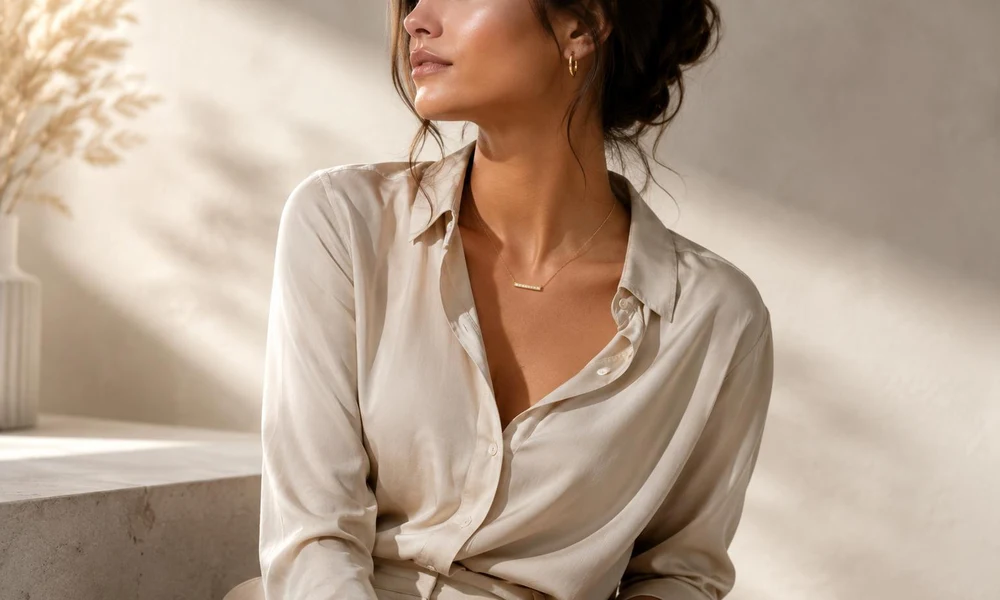
A beautiful piece should feel right for the person wearing it. Before buying, consider how it fits your style, routine, and budget.
Match Jewelry to Your Wardrobe
If you wear mostly neutral colors and tailored clothing, simple gold jewelry, diamond studs, and understated pendants may complement your wardrobe naturally.
If you enjoy expressive fashion, colored gemstones, sculptural earrings, and layered necklaces can introduce contrast and personality.
You do not need every piece to match. Mixing metals can create a modern look when the shapes and proportions work together.
Choose Materials for the Way You Live
A ring worn every day may need a secure setting and a design that does not catch easily on clothing. A delicate necklace intended for occasional wear may allow more intricate details.
Consider your work, hobbies, and how often you plan to remove the jewelry. Some gemstones and settings need more careful handling than others.
Set a Comfortable Budget
Luxury jewelry ranges from relatively simple precious-metal pieces to rare, high-value gemstone creations.
Decide how much you are comfortable spending before shopping. Compare the actual materials and craftsmanship, and remember to account for maintenance, repairs, and insurance when appropriate.
You do not need to buy an entire collection at once. Starting with one versatile piece can be a thoughtful way to develop your personal style.
Verify Authenticity and Documentation
Buy from reputable jewelers or established retailers. Look for appropriate metal hallmarks, clear descriptions of gemstones, and grading reports when relevant.
For secondhand jewelry, ask about the item’s condition, previous repairs, gemstone treatments, and return policy. Packaging and receipts can be useful, but they do not independently guarantee authenticity.
For a particularly valuable purchase, consider an independent appraisal or professional assessment.
How to Style Luxurious Jewelry With Effortless Elegance
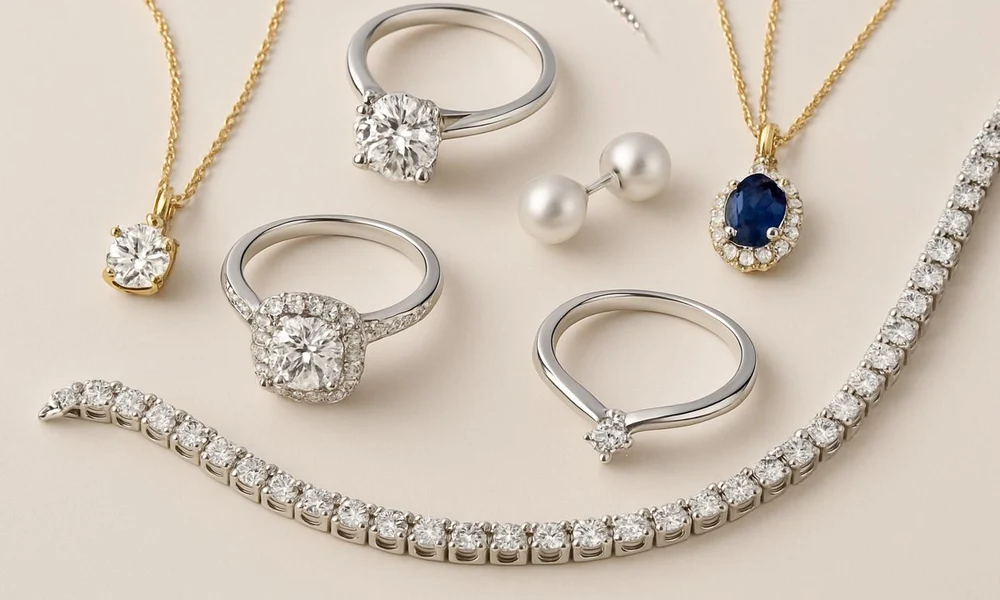
Jewelry can add polish to an outfit without requiring a complicated styling routine.
For everyday wear: Pair small hoops or studs with a fine necklace and a simple bracelet.
For professional outfits: Choose clean silhouettes, restrained earrings, and a classic watch or understated ring.
For evening occasions: Let a gemstone necklace, statement earrings, or a cocktail ring become the focal point.
For a minimalist look: Wear one or two well-crafted pieces with simple clothing, allowing their shape and materials to stand out.
For layered styling: Combine necklaces of different lengths or stack slim bracelets, keeping the overall arrangement comfortable and balanced.
The goal is not to display every beautiful piece at once. It is to choose jewelry that complements your clothing and feels natural to wear.
How to Care for Luxurious Jewelry
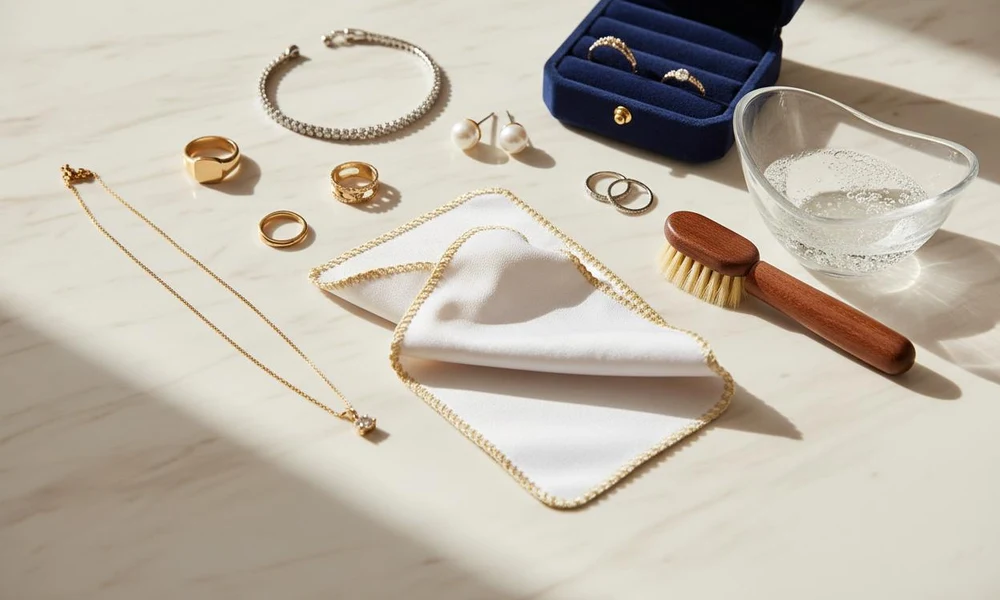
Proper care helps preserve the appearance and condition of fine jewelry.
- Store pieces separately to reduce scratches and tangling.
- Remove jewelry before strenuous exercise, swimming, or activities that may expose it to impact.
- Keep jewelry away from harsh chemicals and household cleaning products.
- Clean pieces using methods suitable for their specific metals and gemstones.
- Have settings, clasps, and chains checked periodically by a qualified jeweler.
- Keep receipts, appraisals, and relevant gemstone documentation in a secure place.
Diamonds are hard, but their settings can still be damaged. Pearls and certain colored gemstones may require gentler care than diamonds or sapphires.
Avoid using ultrasonic cleaners or strong cleaning solutions unless you know they are appropriate for the particular piece. When uncertain, ask a qualified jeweler for guidance.
Frequently Asked Questions About Luxurious Jewelry
What is considered luxurious jewelry?
Luxurious jewelry generally combines precious materials, careful craftsmanship, thoughtful design, and a high standard of finishing. It may include gold, platinum, diamonds, colored gemstones, and pearls. Price and brand recognition alone do not determine quality.
What is the difference between fine jewelry and luxury jewelry?
Fine jewelry generally refers to pieces made with precious metals and genuine gemstones. Luxury jewelry often emphasizes elevated craftsmanship, distinctive design, brand heritage, or rare materials. The terms overlap, and there is no single universal definition that applies to every retailer.
Which jewelry is best for everyday wear?
Simple gold chains, small hoops, diamond studs, and understated bracelets can be versatile everyday choices. Look for comfortable designs, secure settings, and materials that suit your daily activities.
Is luxurious jewelry a good investment?
Some pieces may retain significant material or resale value, but luxury jewelry should not automatically be considered an investment. Resale prices depend on the brand, materials, condition, rarity, documentation, and market demand. Buy primarily for the quality and enjoyment you value.
How can I tell whether gold jewelry is genuine?
Check the metal purity markings and ask the seller for clear information about its composition. Markings such as 14K, 18K, and 750 indicate particular gold purities, while plating and gold-filled construction are different categories. When in doubt, have the piece examined by a qualified jeweler.
What luxurious jewelry makes a thoughtful gift?
Gold pendants, pearl earrings, delicate bracelets, diamond studs, and classic rings can all be thoughtful gifts. Consider the recipient’s style, metal preferences, lifestyle, and whether the occasion calls for something understated or more elaborate.
Final Thoughts
Luxurious jewelry brings together materials, craftsmanship, and personal expression in a way few accessories can. A simple gold chain can become an everyday favorite, while a gemstone ring or diamond necklace may mark a moment that stays meaningful for years.
The best collection is not necessarily the most expensive or the most extensive. It is built around pieces that suit your style, meet your expectations for quality, and remain enjoyable to wear.
Choose thoughtfully, care for each piece according to its materials, and let your jewelry reflect what luxury means to you.
Disclaimer: This content is for informational purposes only and reflects our personal opinions and experiences. We just love to write and share what we know and research