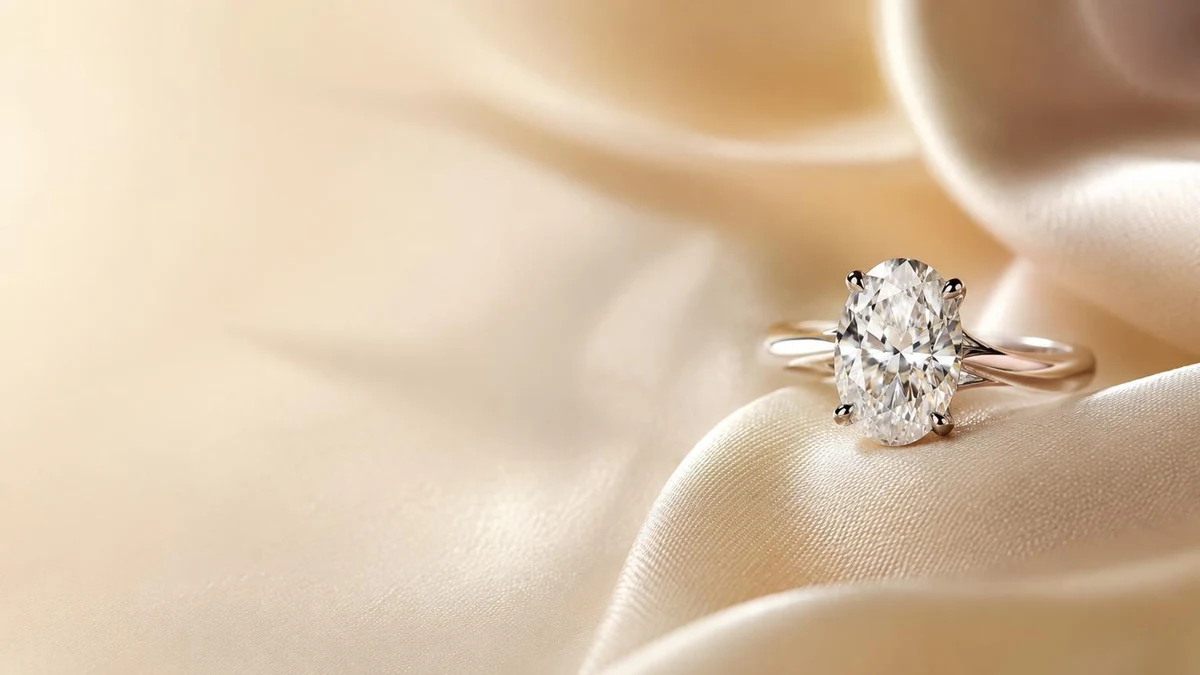
An engagement ring is more than a beautiful piece of jewelry. It represents a promise, a shared future, and a moment that two people may remember for the rest of their lives.
Luxury engagement rings bring that meaning together with thoughtful design, precious metals, carefully selected gemstones, and skilled craftsmanship. Some feature a brilliant diamond in a simple gold setting, while others combine multiple stones, intricate details, or distinctive silhouettes.
But choosing a luxurious engagement ring is not simply about finding the largest diamond or the most recognizable designer name. The right ring should reflect the wearer’s personality, feel comfortable on the hand, and offer the quality and durability expected from a piece intended for years of wear.
Whether you are planning a proposal, comparing diamond rings, or exploring different styles, understanding the details can help you make a more confident choice.
What Makes an Engagement Ring Luxurious?
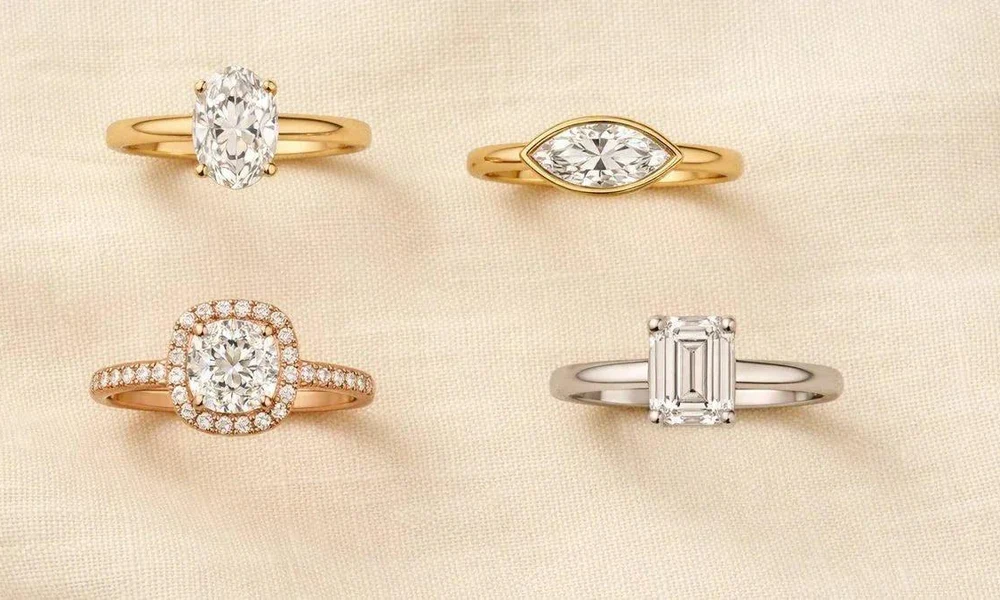
Luxury can mean different things to different people. For some, it means a rare diamond with exceptional light performance. For others, it means a beautifully crafted setting, an unusual gemstone, or a design that feels deeply personal.
Several elements contribute to a ring’s appeal.
Exceptional Materials
Gold and platinum are common choices for fine engagement rings because of their appearance and suitability for jewelry settings.
Yellow gold offers a warm, traditional look. White gold creates a cooler appearance, while rose gold brings a soft pink tone. Platinum is valued for its naturally white color and its use in fine jewelry.
The gemstone is equally important. Diamonds remain a classic choice, but sapphires, emeralds, rubies, and other gemstones can create distinctive alternatives.
Thoughtful Design
A well-designed engagement ring balances the center stone, band, setting, and overall proportions.
A simple solitaire allows the center diamond to command attention. A halo design adds surrounding sparkle, while a three-stone ring creates a more elaborate composition.
Luxury does not require excessive decoration. A restrained design with excellent proportions can be just as striking as an intricate ring.
Quality Craftsmanship
Examine the setting, prongs, band, and finishing. The gemstone should sit securely, the metal should feel well finished, and the ring should be comfortable to wear.
Because engagement rings are often worn frequently, construction matters as much as appearance. A beautiful ring should be designed for real life, not just for photographs.
The Most Beautiful Luxury Engagement Ring Styles
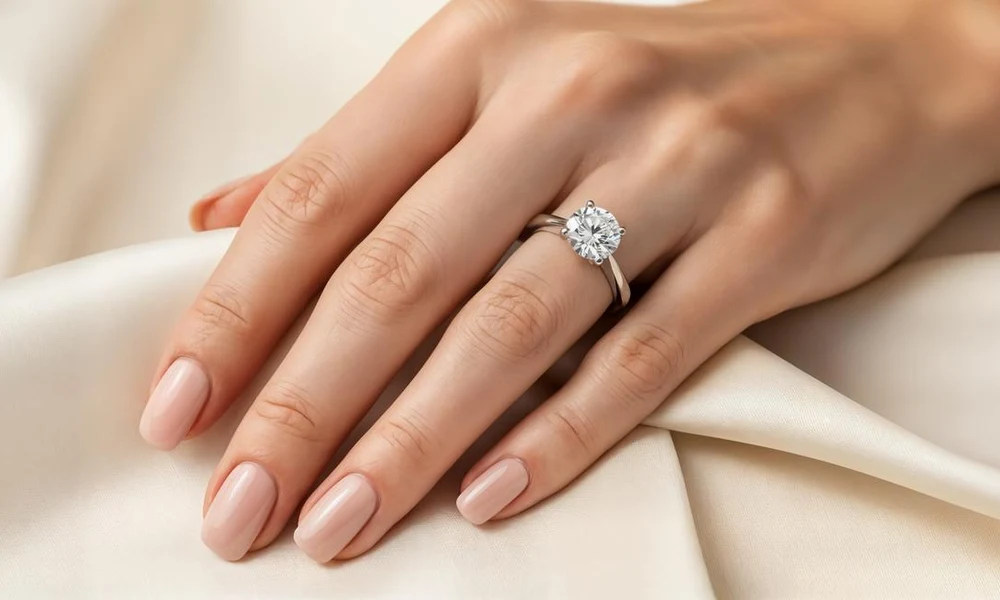
Engagement rings come in many designs, each offering a different balance of brilliance, elegance, and personality.
1. Solitaire Engagement Rings
A solitaire ring features a single center gemstone, usually a diamond, as the main focal point.
Its appeal lies in simplicity. Without surrounding stones or elaborate decoration, the center diamond receives nearly all the attention.
Solitaire rings are available in many shapes, including round, oval, pear, emerald, and cushion. A slim band creates a delicate appearance, while a wider band can give the ring a more substantial profile.
This style suits people who appreciate timeless jewelry that works with a wide range of clothing and other rings.
2. Halo Engagement Rings
Halo rings feature a center stone surrounded by smaller gemstones, commonly diamonds.
The surrounding stones add sparkle and can make the center stone appear larger when viewed from above. Halo designs range from delicate, understated settings to elaborate arrangements with multiple rows of diamonds.
They are a good option for someone who enjoys a glamorous appearance and wants additional brilliance around the center stone.
When comparing halo rings, inspect the small stones and their settings carefully. Fine details and secure construction are particularly important in designs with many individual gemstones.
3. Three-Stone Engagement Rings
Three-stone rings feature a central gemstone flanked by two smaller stones.
The arrangement creates a balanced, substantial appearance and offers opportunities to combine different shapes or gemstones.
Some people associate the three stones with a couple’s past, present, and future, although the meaning is personal rather than universal.
This style can be elegant and symbolic without requiring an oversized center diamond.
4. Oval Diamond Engagement Rings
Oval diamonds offer an elongated silhouette that can create the appearance of a longer line across the finger.
They often look graceful in solitaire settings, halo designs, and rings with tapered side stones.
When choosing an oval diamond, examine its proportions and how evenly it reflects light. Some oval diamonds display a dark bow-tie-shaped area across the center, and the visibility of this effect varies from stone to stone.
Try the ring on if possible and consider how its shape looks from different angles.
5. Emerald-Cut Engagement Rings
Emerald-cut diamonds feature a rectangular outline and step-cut facets that create broad flashes of light rather than the intense sparkle associated with many brilliant cuts.
Their clean geometry gives them a sophisticated, architectural appearance.
Because step cuts can make internal characteristics more visible, pay close attention to clarity and the overall appearance of the individual stone.
An emerald-cut diamond can look beautiful in a simple solitaire, a three-stone setting, or a design with tapered side stones.
6. Vintage-Inspired Engagement Rings
Vintage-inspired rings draw on design elements associated with earlier periods, including milgrain edges, intricate metalwork, engraved bands, and detailed settings.
These designs can feel romantic and distinctive, especially when they combine delicate craftsmanship with a carefully chosen center stone.
A vintage-inspired ring does not have to be an antique. Many contemporary jewelers create new pieces using traditional decorative techniques.
If you are buying an actual antique ring, consider its condition, repair history, stone security, and whether resizing could affect the design.
7. Toi et Moi Engagement Rings
Toi et Moi, French for “you and me,” describes a ring featuring two prominent gemstones placed together.
The stones may be diamonds, colored gemstones, or a combination of both. Different shapes can create an expressive, asymmetrical design.
This style suits people who prefer jewelry with a distinctive appearance and a more contemporary interpretation of the traditional engagement ring.
Because two center stones can create a wider or more unusual profile, consider comfort, ring size, and how the design sits on the hand.
Understanding Diamond Quality Before You Buy
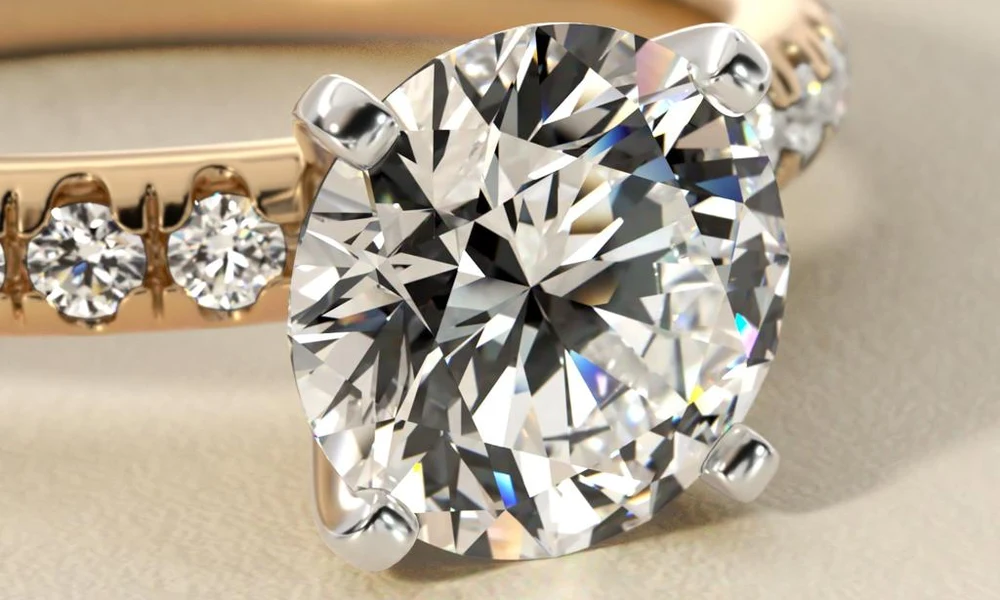
If you are considering a diamond engagement ring, learning the four Cs can help you compare stones more accurately.
Cut
Cut affects how a diamond interacts with light. A well-cut diamond can show attractive brightness, flashes of color, and sparkle.
Cut is different from shape. Round, oval, pear, and emerald describe the diamond’s outline or cutting style, while cut quality concerns the proportions and craftsmanship that influence its appearance.
If brilliance is important to you, compare diamonds under different lighting rather than judging them only under bright showroom lights.
Color
For conventional white diamonds, color grading generally runs from D, at the colorless end, through Z, which represents increasing color.
A completely colorless diamond is not essential for every beautiful ring. Depending on the setting and your preferences, a diamond with a slight degree of color may still look attractive.
Yellow and rose gold can also influence how a diamond’s color is perceived.
Clarity
Clarity describes internal characteristics called inclusions and surface features called blemishes.
Higher clarity grades indicate fewer or less noticeable characteristics under standardized examination. However, some lower-graded diamonds can appear clean to the unaided eye.
Look at the individual stone rather than paying automatically for the highest available grade.
Carat Weight
Carat measures a diamond’s weight, not its overall quality or exact visible size.
Two diamonds with the same carat weight may appear different because of their proportions, shape, and cutting style.
If you want a visually substantial ring, compare the stone’s measurements and appearance, not just the number on its grading report.
Natural or Lab-Grown Diamonds?
Natural diamonds form through geological processes, while lab-grown diamonds are produced using technological processes that create diamond material.
Both are diamonds, but their origins, pricing, and resale considerations can differ. Sellers should clearly disclose which type they are offering.
Choose based on your priorities, budget, and preferences rather than assuming that one option is automatically right for everyone.
Choosing the Right Metal for a Luxury Engagement Ring
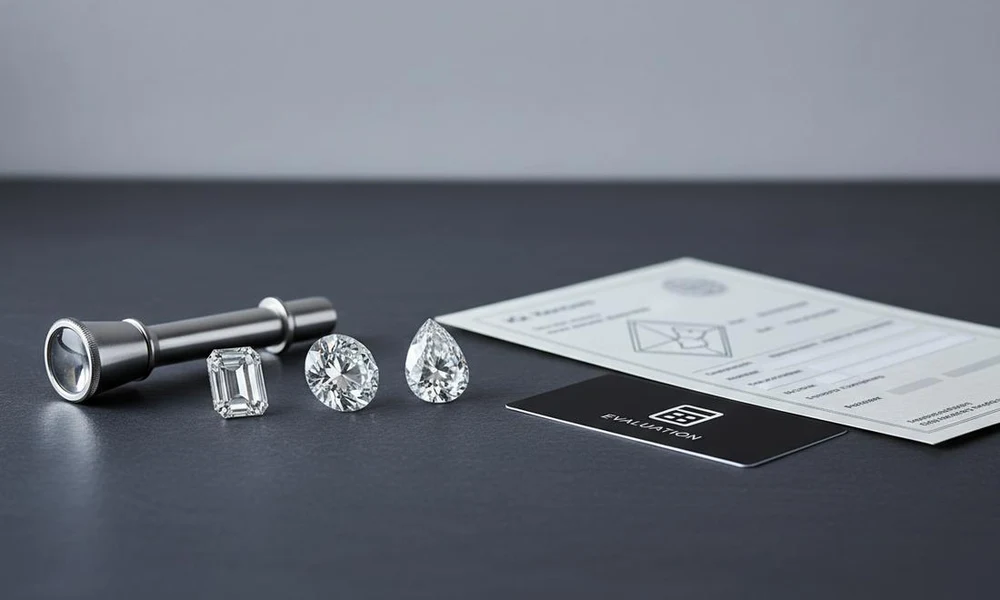
The metal affects the ring’s appearance, durability, maintenance, and overall price.
Yellow gold: A warm, classic choice that pairs beautifully with traditional and contemporary designs.
White gold: Offers a bright, silvery appearance and works well with many diamond styles. Depending on its finish, it may require periodic rhodium plating.
Rose gold: Creates a softer pink tone and offers a distinctive alternative to yellow or white gold.
Platinum: A naturally white precious metal often used in fine jewelry. It is valued for its durability and can develop a surface patina over time.
Consider the jewelry the wearer already owns. Matching the preferred metal can help the engagement ring feel like a natural addition to their collection.
How Much Should You Spend on a Luxury Engagement Ring?
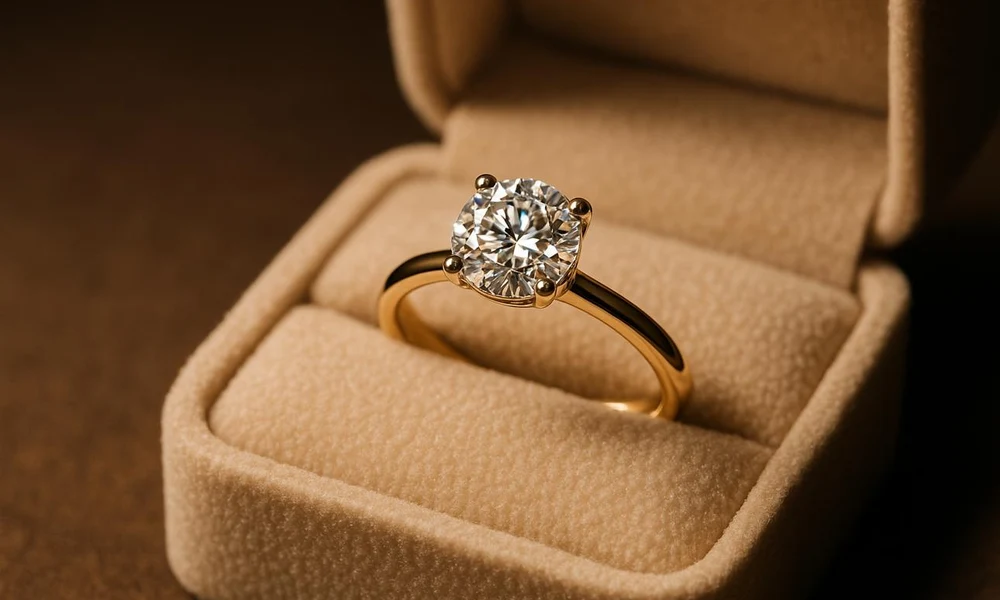
There is no universal amount that every person should spend on an engagement ring.
The right budget depends on your financial situation, the design you want, the materials, and the importance you place on different features.
Before shopping, decide on a comfortable spending range. Then compare rings within that range, paying attention to the center stone, setting, metal, documentation, and after-sales service.
If the diamond is your priority, you may choose a simpler setting to allocate more of your budget to the stone. If design matters more, a distinctive setting or a colored gemstone may offer the look you want without requiring the largest diamond.
Avoid taking on financial pressure simply to meet a traditional spending rule. A thoughtful ring and a meaningful proposal do not depend on a particular price tag.
How to Find the Perfect Engagement Ring for Your Partner
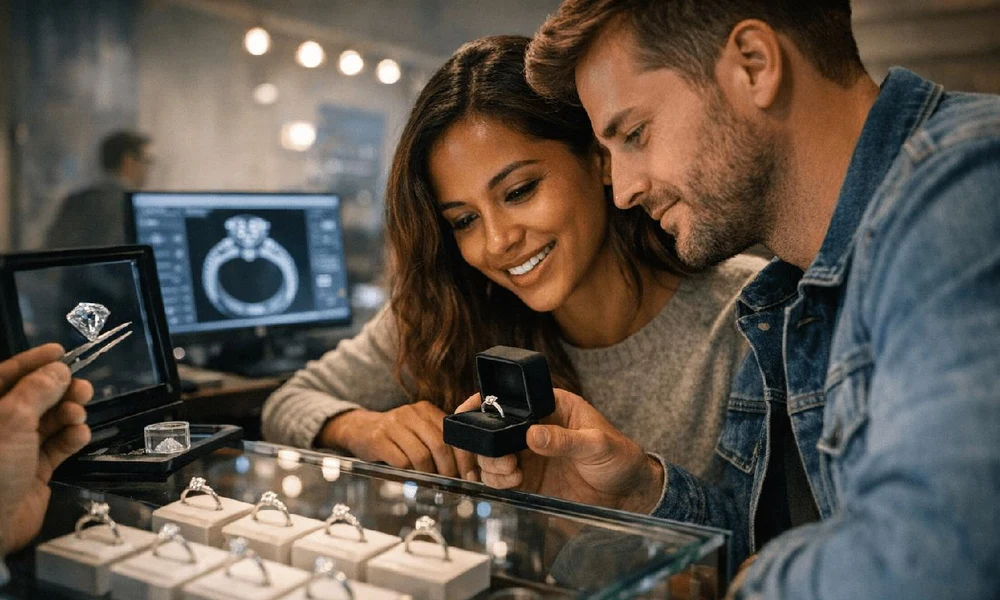
Choosing a ring becomes easier when you focus on the person’s existing preferences.
Notice Their Jewelry Style
Look at the jewelry they already wear. Do they prefer yellow gold or white metals? Are their rings delicate and minimal, or bold and decorative?
Their existing collection can provide useful clues about the styles they may enjoy wearing every day.
Find the Correct Ring Size
If the proposal is a surprise, a ring they already wear on the correct finger can help a jeweler estimate the size. Keep in mind that fingers and ring shapes vary, and the fit may need professional adjustment.
Ask about resizing options before purchasing, especially if the ring features a full band of stones or an intricate design.
Consider Their Lifestyle
A person who works with their hands or regularly participates in outdoor activities may prefer a lower-profile setting that is less likely to catch on clothing or objects.
Someone who enjoys elaborate jewelry may prefer a higher setting or a more decorative design.
Ask the jeweler about the security of the stone, maintenance requirements, and how the ring will perform with frequent wear.
Check the Documentation and Return Policy
For diamond rings, request an appropriate grading report from a reputable gemological laboratory when available. Confirm that the report corresponds to the diamond being sold.
Read the return, resizing, warranty, and repair terms before completing the purchase.
For a significant purchase, consider an independent appraisal and suitable insurance after buying the ring.
How to Care for a Luxury Engagement Ring
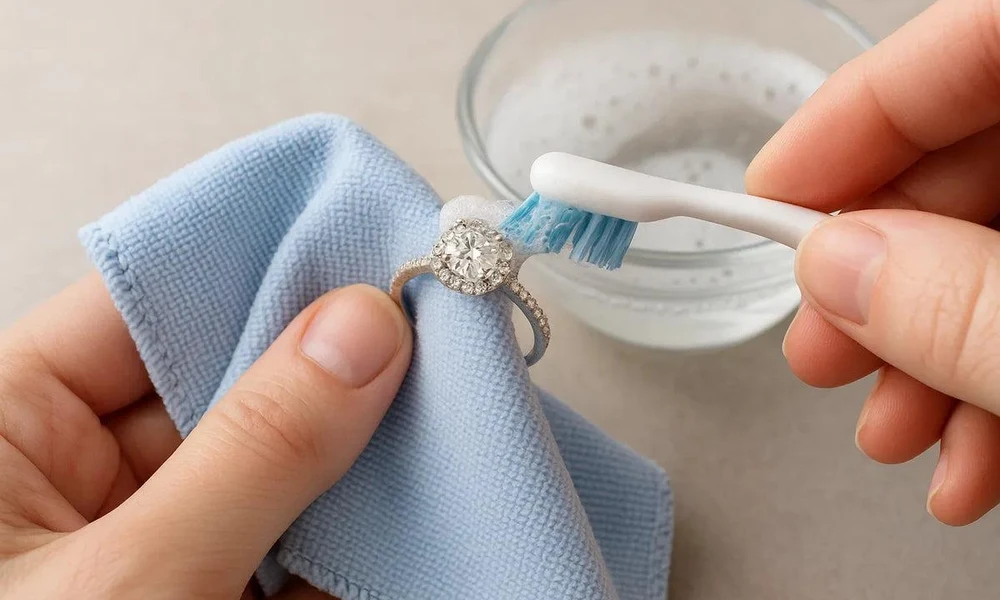
An engagement ring can remain beautiful for years with regular, appropriate care.
- Clean the ring using a method suitable for its metal and gemstones.
- Remove it before activities that may expose it to impact, harsh chemicals, or unnecessary wear.
- Store it separately from other jewelry to reduce scratching.
- Have the setting and prongs inspected periodically by a qualified jeweler.
- Check the ring after any significant impact or if the stone appears loose.
- Keep the grading report, receipt, appraisal, and insurance information in a secure place.
Diamonds are highly resistant to scratching, but they can still chip under certain impacts. The metal setting can also bend or wear, potentially loosening the stone.
Avoid using ultrasonic cleaners without confirming that the ring’s materials, gemstones, and setting can safely withstand them. Following proper care practices for luxurious jewelry can help preserve its beauty and protect delicate settings.
Frequently Asked Questions About Luxury Engagement Rings
What makes an engagement ring luxurious?
A luxury engagement ring may feature carefully selected gemstones, precious metals, refined craftsmanship, and distinctive design. Brand heritage and rarity can also influence its price, but quality depends on the individual ring.
Which engagement ring style is the most timeless?
Solitaire rings are a classic option because of their simplicity and versatility. Three-stone rings and traditional diamond designs also have enduring appeal. The most suitable choice depends on the wearer’s personal style.
Is platinum better than gold for an engagement ring?
Neither is universally better. Platinum has a naturally white appearance and different wear characteristics from gold, while gold offers several colors and purity options. Consider appearance, comfort, maintenance, and budget.
Is a lab-grown diamond suitable for an engagement ring?
Yes. Lab-grown diamonds can be used in engagement rings and offer an alternative to natural diamonds. Compare their quality, price, documentation, and resale considerations before deciding.
Does a luxury engagement ring have to feature a diamond?
No. Sapphires, emeralds, rubies, and other gemstones can create beautiful engagement rings. Choose a stone based on its appearance, durability, care requirements, and the wearer’s preferences.
Should I prioritize diamond size or quality?
Neither should be considered in isolation. Cut, color, clarity, carat weight, setting, and overall appearance work together. Compare complete rings within your budget and decide which characteristics matter most to you.
How often should an engagement ring be inspected?
Periodic professional inspections can help identify worn prongs, loose stones, or other issues before they become more serious. The appropriate frequency depends on the design, materials, and how often the ring is worn.
Final Thoughts
A luxury engagement ring brings together personal meaning, thoughtful design, and the beauty of fine jewelry. From a timeless solitaire to a distinctive two-stone design, the right ring is the one that reflects the person who will wear it.
Take time to compare diamond quality, settings, metals, and documentation. Choose a comfortable budget, consider everyday practicality, and pay attention to the details that will matter long after the proposal.
The most beautiful engagement ring is not necessarily the largest or most expensive. Exploring different types of luxury diamond jewelry can help you discover a style that reflects your personal taste. Ultimately, it is the ring chosen with care, worn with joy, and treasured for the meaning it represents.
Disclaimer: This content is for informational purposes only and reflects our personal opinions and experiences. We just love to write and share what we know and research