The right carry-on makes airport days easier only if it fits your airline and the way you travel. A bag that suits a short work trip may feel cramped on a longer vacation. The best carry on luggage for you depends on your packing style, travel habits, and budget.
This comparison looks at rolling bags for different trips, from simple occasional use to frequent travel. Measured usable volume is the number of liters measured in the main compartment before the bag is expanded. That figure helps you compare packing space, though your clothing and shoes affect how much you can bring.
Weigh a bag’s empty weight against its capacity and the features you will use. Think about how often you pack a laptop, need quick access to small items, or travel over uneven ground. Keep the airline you fly most often in mind while weighing space, weight, durability, and organization.
Key Takeaways
- Travelpro Platinum Elite is the strongest all-around match in this selection.
- A hard-sided carry-on can protect your belongings and limit flexible packing.
- Check your airline’s own size and fare rules before you choose a bag.
- Expansion can add room, but it also increases the bag’s outside depth.
- Interior volume gives a useful comparison, not a promise of trip length.
- Choose features you will use on the trips you take most often.
How to Choose the Best Carry On Luggage for Your Trip
For most travelers, the Travelpro Platinum Elite is the best starting point, while the other picks solve more specific needs. Its mix of transport, organization, and construction makes it the broadest fit in this group.
Match the bag to your main trip need, then check the airline you actually fly. The table gives you a quick way to narrow the products before weighing details like space and materials.
| Traveler priority | Pick | Why it fits |
|---|---|---|
| All-around performance | Travelpro Platinum Elite | Strong transport and useful organization |
| Hard-sided versatility | Away The Carry-On | Protective shell and tidy packing layout |
| Lower-cost hard-shell | Samsonite Freeform Spinner | Roomy case with expansion |
| Maximum capacity | July Carry-on Max | Large main compartment and expansion |
A best carry-on bag for a woman is not a separate product category. Handle comfort, empty weight, and the way the interior holds your items matter more than gendered labels.
For the best carry-on luggage in 2025, the strongest current performance signal among these products is the Travelpro’s 2026 test result. An older list cannot guarantee that a bag fits every airline today.
Choose a shortlist based on the one tradeoff you are least willing to accept.
Some travelers will not compromise on a hard shell, while others want extra space or an easier ride through a terminal. That preference can narrow the options faster than a long list of features.
The shortlist is a starting point, not a substitute for checking your travel plans. A bag that works well for a domestic weekend may not suit a strict fare or a crowded international flight.
What Makes the Travelpro Platinum Elite the Best Overall Pick?
The Travelpro Platinum Elite stands out because it combines easy maneuvering with unusually thoughtful organization. It scored 92 overall in 2026 testing, with the strongest result in ease of transport.
Its magnetically aligning wheels help explain the 10.0 transport score. The case also scored 9.0 for design and functionality, 9.0 for construction quality, and 8.5 for capacity.
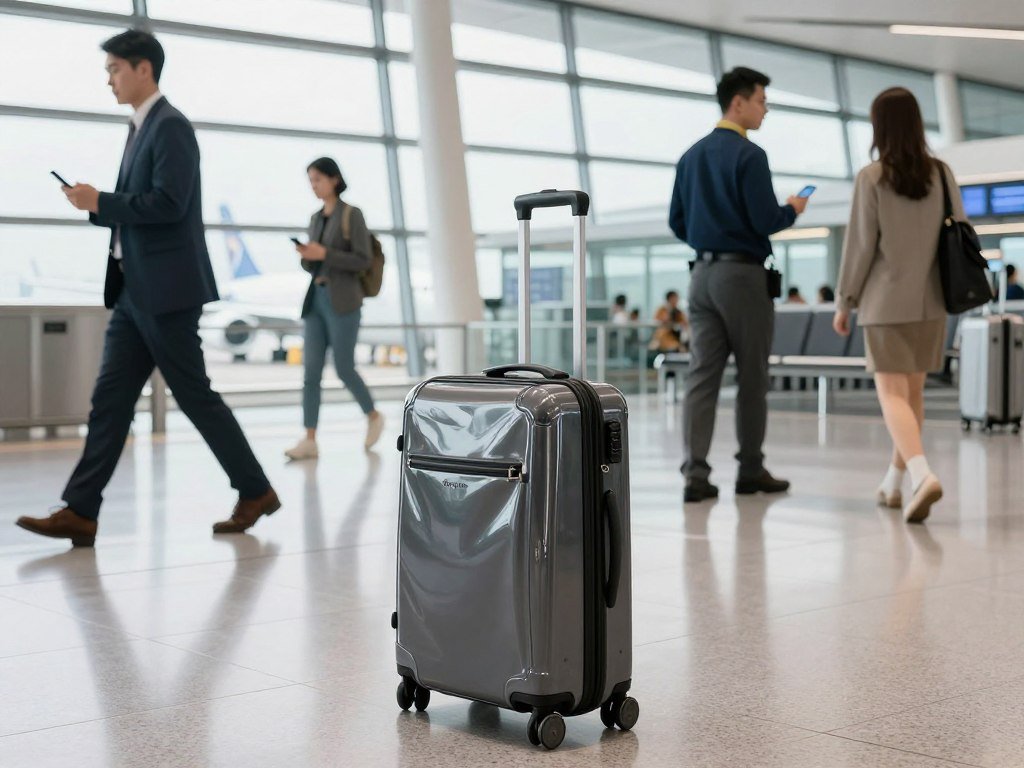
The ballistic nylon exterior gives this carry-on spinner a softer feel than a hard-sided case. Its quality and practical features suit travelers who take regular work trips and want a bag that helps keep small items in order.
A removable TSA-compliant wet case gives toiletries a separate place. It can also hold damp items away from clean clothing after a short trip.
The external USB port adds a handy charging option when you travel with a compatible power bank. A dedicated pocket keeps the bank separate from the main packing area.
A folding garment bag helps protect work clothes from the rest of your luggage. It is useful when you need to bring a jacket or outfit that should arrive in better shape.
The carry-on does have tradeoffs. Its base is heavier than some travelers may prefer, and its dimensions slightly exceed common airline standards.
That makes fit worth checking before you fly, especially if you use a carrier with strict sizing. Still, the mix of wheels, fabric, and organization gives the bag broad appeal.
It makes the most sense for frequent travelers who value easy movement and built-in storage. Pick it when smooth rolling and built-in organization matter more than keeping the empty bag as light as possible.
Is the Away The Carry-On the Best Hard-Sided Choice?
The Away The Carry-On is a strong hard-sided pick for travelers who want a protective shell and a no-fuss packing layout. It earned 82 overall in 2026 testing, with good marks for transport and construction.
The polycarbonate shell and simple interior make it a reliable choice for organized packing. It scored 8.5 for ease of transport, 8.0 for design and functionality, 8.5 for construction quality, and 7.5 for capacity.
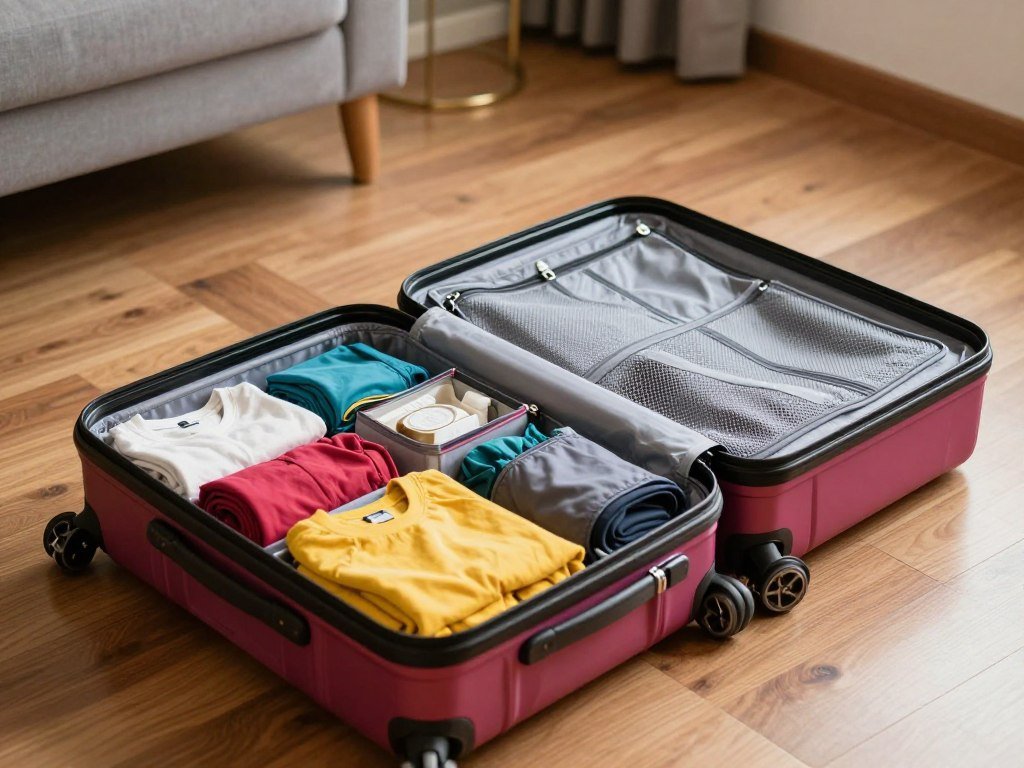
A compression panel holds clothing in place, while a zippered mesh divider encloses items on the other side. That layout helps separate folded clothes from smaller belongings.
The included laundry bag gives worn clothing a place apart from clean items. It is a small detail, but it can be useful after a few days away.
The shell feels tough while still having some give. Its finish can conceal scratches, which may help the suitcase keep a neat look after frequent trips.
Polycarbonate provides structure without making the case fully rigid. That can be reassuring when your bag moves through a busy airport or sits under other luggage.
The design has a clear limit: it does not expand. Travelers who bring home souvenirs or need more room on the return trip may find that restrictive.
That fixed shape can be a plus if you prefer to keep packing contained. It also means there is no extra depth to rely on when the main compartment is full.
The Away works best when you want an organized hard-sided bag and can pack within its set capacity. Choose it for the shell and compression system, not for expandable capacity.
Is the Samsonite Freeform Spinner a Good Budget Pick?
The Samsonite Freeform Spinner makes sense for infrequent travelers who want a roomy hard-shell bag without paying for premium features. It scored 69 overall in 2026 testing, with strong capacity for its price level.
Its 9.0 capacity score is the standout, while its wheels and trolley handle are weaker points. It scored 7.0 for ease of transport, 6.0 for design and functionality, and 6.5 for construction quality.
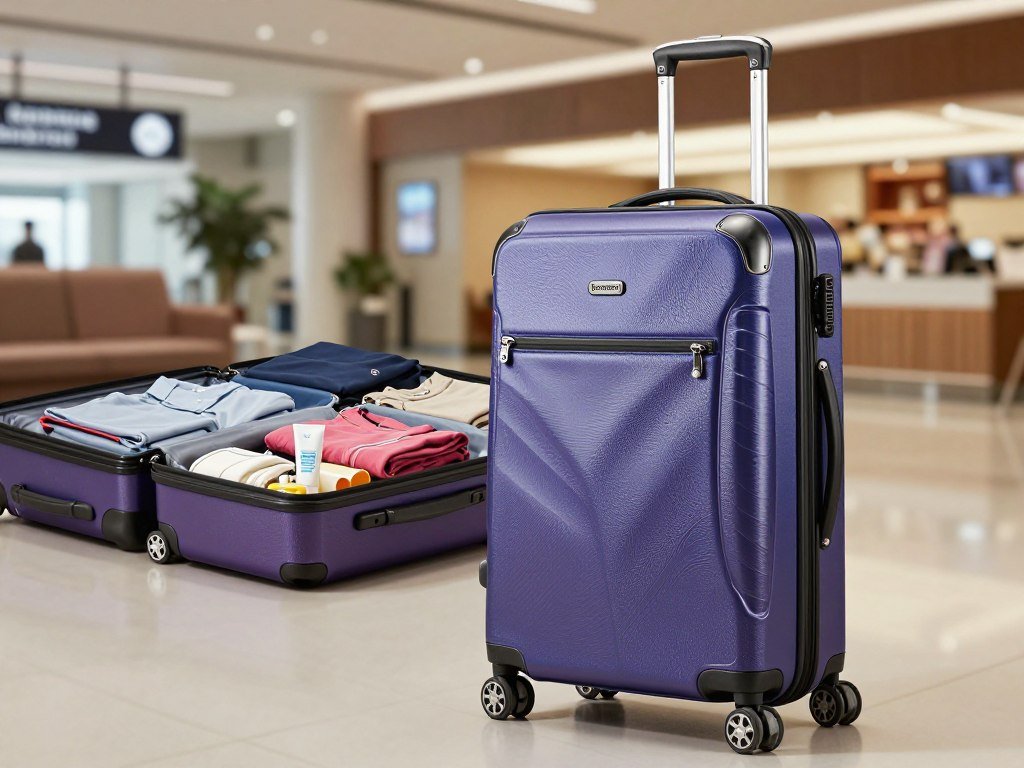
The polypropylene shell is pliable, and the case expands to add packing room. That combination suits a traveler who wants a roomy bag for a weekend away or a few trips each year.
In testing, the trolley handle felt thin and wobbly. The wheels were average, so the bag may not feel as smooth as a more refined spinner during long airport walks.
The case offers useful space, but its material is less suited to years of heavy use than polycarbonate. Frequent travelers may put more strain on the shell, handle, and wheels.
For occasional trips, those limits may be easier to accept. A traveler who packs lightly and uses the bag a few times a year may not need premium construction or special features.
The Freeform still deserves a close fit check before you take it on a flight. Expansion adds exterior depth, and its shape may not work with every airline’s cabin rules.
Think about how often you fly and how rough your usual travel days are. A lighter schedule gives this bag a better chance to meet your needs without becoming a daily frustration.
Favor it for basic, occasional trips rather than repeated heavy-duty travel.
Does the July Carry-on Max Suit Overpackers?
The July Carry-on Max is the pick for travelers who want a carry-on that behaves more like a checked bag. Its measured usable volume is 49.5 liters before expansion, enough for about two weeks of clothing.
The 23-inch height can lead to gate-checking and may be a concern on international flights. The bag measures 23 x 16 x 9 inches, weighs 8.2 pounds empty, and expands for more space.
Reinforced corners add protection where luggage often takes bumps. The trolley handle has more than 20 settings, so you can adjust its height to suit your stride.
A built-in packing system helps keep clothing in place. The bag also includes a stowable tote, a useful extra when you need a separate place for small items.
That generous size can work well for domestic flights, train travel, or road trips. It gives you more room than a compact carry-on without requiring a separate checked bag for every journey.
The tradeoff is less certainty in a full cabin. If overhead space runs short, a large case may be more likely to go to the gate.
Strict international limits can make the same extra capacity a drawback. A bag that feels perfect on a road trip may be awkward on a flight with tight cabin rules.
Consider the type of travel you take most often, not just the longest trip you might take. Frequent flyers with small overhead bins may prefer a smaller bag that is easier to store.
Choose it only when you can accept the chance of gate-checking in exchange for its extra room.
What Carry-On Luggage Size Fits U.S. Airlines?
A common U.S. cabin-bag allowance is 22 x 14 x 9 inches, but each airline sets its own requirements. The full outside size matters, including wheels and handles.
The Travelpro and Samsonite dimensions exceed at least one measure of that common allowance. U.S. airlines rarely weigh carry-ons, except on smaller aircraft, but size checks can still affect your trip.
The common U.S. carry-on allowance is a useful reference, not a promise that every carrier uses the same rule. The table compares it with three bags discussed here.
| Bag or standard | Exterior dimensions | Empty weight | Measured usable volume |
|---|---|---|---|
| Common U.S. allowance | 22 x 14 x 9 in | Not set | Not set |
| Travelpro Platinum Elite | 21 x 14.5 x 9 in | 8.1 lbs | 40.0 L |
| Away The Carry-On | 21.7 x 13.5 x 8.5 in | 7.4 lbs | 35.5 L |
| Samsonite Freeform Spinner | 23.0 x 15.0 x 10 in | 6.6 lbs | 41.2 L |
The Travelpro is 14.5 inches wide, and the Samsonite exceeds the common allowance in height, width, and depth. The Away falls within the listed measures, but individual carrier rules still apply.
Before you fly, use this quick checklist:
- Check the airline’s own size limit for your flight.
- Measure the full exterior, including wheels and handles.
- Recheck the dimensions after expanding the bag.
Compare every outside measurement against the carrier’s limit, not just the height printed in a product name.
What Are the Carry-On Rules for Europe?
For European flights, match your bag to the airline and fare you booked, since a shared cabin-bag size is not universal. A commonly followed reference is 55 x 40 x 20 cm, including wheels and handles.
Typical cabin-bag weight allowances range from 7 to 10 kg, but each airline sets its own limits. Fare type can also decide whether you may bring an overhead bag or only a smaller personal item.
The best carry-on luggage for Europe is a compact bag that fits the specific carrier’s rules before you pack. These examples show how size, weight, and fare conditions differ.
| Airline | Cabin-bag dimensions | Weight or fare condition |
|---|---|---|
| Ryanair | 55 x 40 x 20 cm | Up to 10 kg with priority boarding |
| Lufthansa | 55 x 40 x 23 cm | Up to 8 kg plus a small personal item |
| Air France | 55 x 35 x 25 cm | Combined up to 12 kg, depending on class |
| British Airways | Up to 56 x 45 x 25 cm | Up to 23 kg |
| easyJet | Up to 56 x 45 x 25 cm | Upgraded ticket or paid allowance |
Three more airline policies show why fare details matter as much as the case size:
- Swiss International Air Lines allows 55 x 40 x 23 cm, up to 8 kg.
- TAP Air Portugal accepts 55 x 40 x 20 cm, up to 8 kg.
- Vueling allows 55 x 40 x 20 cm, up to 10 kg; basic fares include a small personal item.
Ryanair passengers without priority boarding may bring only a smaller personal item. Standard easyJet fares also include a small personal item, while its larger cabin bag needs an upgraded ticket or paid allowance.
A 55 x 40 x 20 cm reference size does not guarantee that every airline will allow your bag. The size, weight, fare, and personal-item rules work together.
Check the carrier’s current cabin and personal-item rules before leaving for the airport.
How Much Can You Pack in a Carry-On?
Measured liters help compare interior space, but the number of days you can pack depends on what you bring. A bag’s measured usable volume is a guide, not a fixed trip-length promise.
Measured volume and real trip length
The Travelpro Platinum Elite has 40.0 L of measured usable volume and held a week’s clothing in testing. Its roomy main area works well when you pack clothes for several days without filling every corner.
The Away The Carry-On has 35.5 L and can hold about 4-5 days of clothing. Its smaller measured space makes careful packing more important, especially if you bring extra shoes.
The Samsonite Freeform Spinner has 41.2 L. It can suit a long weekend or a week when you pack lightly and keep bulky items to a minimum.
Shoes, thick layers, and toiletries take up space quickly. A pair of larger shoes can change the fit more than a small accessory, so plan around the items that take the most room.
When expansion helps, and when it hurts
Expansion adds room for clothing or items picked up during a trip. That extra room changes the bag’s outside depth, which can make it less compatible with cabin rules.
Keep your packing contained with cubes or built-in compression straps. They help separate items and reduce loose clothing, without forcing you to pack every open space.
Expansion is useful when you have room to carry the added bulk. It can be less helpful when you need to fit the bag into a small overhead bin.
Try packing the things you use most often, rather than judging capacity by an empty bag. Test your usual shoes and outer layers in the bag before relying on it for a longer trip.
Should You Choose a Spinner or a Soft-Sided Carry-On?
Choose a shell style by deciding whether structure or flexible access matters more on your trips. A hard-sided carry-on offers more structure, while soft-sided luggage often makes it easier to reach items through outer pockets.
Four-wheel spinners suit smooth terminal floors, while soft-sided bags can make quick-access storage simpler. They answer different needs, so the best choice depends on how you move and what you carry.
Hard-sided cases for structure and protection
A shell gives belongings a firm barrier and helps a packed bag keep its shape. The Away The Carry-On uses polycarbonate, a material that can flex rather than crack under pressure.
The firm sides can limit how much you can squeeze into the bag. Scratches may also show on the surface, depending on the finish and how the case is handled.
A hard-sided suitcase works well when you want a neat, defined space. It may be less useful if you need to tuck a last-minute item into a soft outer pocket.
Soft-sided cases for flexible packing and access
Soft-sided carry-ons can offer exterior pockets and more flexible compartments. The Travelpro Maxlite 5 is one example, with pockets that give you a place for items you want to reach quickly.
Those outer pockets can hold a travel document, a book, or a charging cord. They may save you from opening the main compartment while you are in line.
A four-wheel spinner can move in several directions with little effort on smooth floors. A two-wheel roller may be a better match for uneven ground, while a backpack can suit stairs or a route with mixed transport.
Let your usual surfaces and access needs decide the style before color or finish.
Which Organization Features Make Packing Easier?
The most useful organization is the kind that saves time without taking space away from what you pack. Choose pockets and dividers that solve a problem you face on every trip.
These three checks help you judge whether a feature earns its space:
- A separate laptop pocket can speed up security access.
- Compression straps or packing cells can hold clothing in place.
- Exterior pockets can keep transit items within easy reach.
The Monos Carry-On Pro has an exterior zippered laptop compartment and a 29.8 L main compartment. That layout suits work trips, though the laptop area takes room away from the main packing space.
If you carry a laptop only on some trips, a separate sleeve inside the bag may be enough. A dedicated pocket is most useful when you need to remove your device often.
The Travelpro Maxlite 5 uses a zippered organizer lid, compression straps, and two exterior pockets. Those features can help divide clothing and keep small items from shifting.
The Bellroy Transit Carry-On uses removable packing cells. You can group items by type, then take a cell out without unpacking the whole suitcase.
Small items can also be easier to manage in a travel wallet. A travel wallet organizer gives passports, cards, and cash a place beyond the suitcase.
Count the pockets you would use, not just the ones the bag has. Prioritize the pockets and dividers you will use on every trip, not features that only look convenient.
Which Carry-On Luggage Has the Best Warranty?
The Travelpro Platinum Elite offers the broadest stated protection here, but a lifetime warranty does not always mean every repair is free. Coverage depends on registration, the cause of damage, and the warranty’s exact terms.
Travelpro gives the Platinum Elite a limited lifetime warranty for defects or workmanship. Registered products also have coverage for airline-caused damage.
Away offers lifetime repairs for a registration fee, plus five years of free repairs for functional damage caused by manufacturing defects or airline mishandling. Those are different kinds of coverage, even though both refer to repairs.
Samsonite gives the Freeform Spinner a limited warranty for manufacturing defects or faulty workmanship. It is not the same as a promise to repair any damage for life.
A manufacturing defect comes from a problem in how a product was made. Wear and tear is damage that builds through regular use, so it may not count as a defect.
The word “lifetime” can also refer to a product’s useful life, not the owner’s lifetime. The FTC warranty advertising guides say ads should clearly disclose key limits and conditions.
Read the full terms before you rely on a warranty. A claim may depend on how you registered the bag, what caused the damage, and which repair costs the brand covers.
Read the coverage conditions and registration requirements before treating a warranty as a reason to buy.
When Is a Backpack or Duffel Better Than a Rolling Suitcase?
A backpack or duffel can be more practical when your route involves stairs, mixed transport, or a less structured load. Choose a different shape when rolling beside you would slow the trip down.
A compact case, laptop-focused carry-on, or wheeled duffel can each suit a specific travel need. These options give you different ways to carry your items.
Consider these three alternatives:
- A compact carry-on for stricter size limits: the Carl Friedrik Hybrid Carry-On measures 22 x 14 x 9 inches, holds 34 L, and does not expand.
- A laptop-focused case for work travel: the Monos Carry-On Pro measures 20 x 14 x 6.5 inches, weighs 7.7 pounds, and holds 29.8 L.
- A soft, flexible load: the Patagonia Black Hole Wheeled Duffel Bag 40L is a two-wheel option.
The Carl Friedrik Hybrid Carry-On may suit travelers who want a more compact case without giving up a familiar suitcase shape. It has a limited warranty, so check its terms before buying.
The Monos case can make work travel easier when your laptop needs quick access. Its separate laptop area comes with a tradeoff in main-compartment room.
The Patagonia duffel offers a different feel from a hard-sided suitcase. A two-wheel design may be easier to manage when you need to pull a soft bag across mixed ground.
A small crossbody bag can keep daily essentials close while your main bag stays overhead. Compare crossbody bag sizes with what you need to carry by hand.
Backpacks offer another way to keep your hands free, though a full load can feel heavy on your shoulders. A structured travel backpack and a foldable style suit different needs.
A tote can also work for some work trips, but its comfort depends on how much you carry. Think about how often you will use it before choosing a style mainly for its look; this handbag style guide weighs use and comfort.
Choose a non-spinner shape when how you carry the bag matters more than standing it upright beside you.
How Do Wheels and Handles Affect the Ride?
A bag that rolls well on a polished terminal floor may behave differently on cobblestones or carpet. The surface matters, along with how steady the handle feels at your usual walking pace.
Four-wheel spinners maneuver in multiple directions on smooth floors, while two-wheel rollers are more dependable on uneven ground. A secure handle helps you steer either type without strain.
Four-wheel spinners on smooth surfaces
A four-wheel spinner can roll beside you through a terminal, making sharp turns around seats and people easier. You can change direction without tipping the case onto two wheels.
That freedom is useful on tile and other smooth floors. The wheels are more exposed than those on many two-wheel bags, so rough routes can take a harder toll.
Carpet can also make a spinner feel slower than it does on polished floors. A luggage test route may include carpet, cobblestones, cement, and tile, all of which can change how the wheels respond.
Two-wheel rollers on rough ground
Two-wheel rollers travel at an angle, which can make them steadier over uneven ground. Their wheels are often set into the case more than spinner wheels.
That setup suits sidewalks and streets where cracks or uneven paving are common. You may need more room to turn, and the bag will follow behind rather than glide beside you.
Handle height matters for both styles. A telescoping handle should feel secure when extended and sit at a comfortable height for your normal stride.
A handle that rattles or sits too low can make long walks tiring. Try moving the bag at the pace you normally walk, then turn it in both directions.
Test how the handle feels at your natural walking pace, not just while standing still.
How Much Should You Spend on Carry-On Luggage?
The right spending level depends on how often you travel and which features you will rely on. Match the price to your travel frequency and the useful features you will use.
These are the listed prices for the four featured bags, with a short reason to consider each one.
| Product | List price | Best reason to consider it |
|---|---|---|
| Travelpro Platinum Elite Carry-On | $390 | All-around performance and organization |
| Away The Carry-On | $275 | Hard-sided shell and packing layout |
| Samsonite Freeform Spinner | $220 | Roomy hard-shell option for occasional trips |
| July Carry-on Max | $325 | Extra packing space for overpackers |
If you fly often, a bag’s ride, materials, and organization may matter more over time. A traveler who takes only a few trips each year may have less need for premium features.
Consider repair coverage alongside the initial cost. Warranty terms can change the value of a bag, but they do not make every repair free.
Pay for features that solve a real packing problem. A USB port or laptop pocket may be useful, while extra pockets can add cost without helping your routine.
Think about how long you expect to use the suitcase and what kind of trips it will face. Compare the list price with the useful life and repair terms you expect, not just the number of pockets.
What Should You Check Before Buying?
Before choosing a case, make sure the bag you want matches the flight you actually booked. Your exact flight and fare can shape which baggage you can bring into the cabin.
A personal item and an overhead carry-on are separate baggage categories. A personal-item allowance does not automatically include a larger bag for the overhead bin.
Use this checklist before you order or pack:
- Confirm the operating airline’s size limit for your flight.
- Check whether your fare includes an overhead carry-on.
- Compare the full exterior dimensions, including wheels and handles.
- Decide whether you will need the expansion zipper.
- Test the handle and wheels with a realistic packed load.
The operating airline matters when more than one carrier handles your trip. The baggage rule for your ticket may differ from the policy you saw while choosing a flight.
Expansion can change whether a bag fits. The added depth may be useful for packing, but the expanded case can fall outside the cabin limit.
A test at home can help you spot a poor fit before you leave. Pack your usual items, extend the handle, and roll the bag across a floor that feels like your route.
Look closely at the fare details, since a ticket may include only a smaller personal item. Do not assume that paying for a seat also means an overhead bag comes with it.
Use the carrier’s current baggage page to confirm the rules for your ticket. Keep the carrier’s baggage page accessible until the bag is packed and ready to go.
Check the baggage allowance tied to your ticket, not just the airline name on your reservation.
Conclusion
If you want one dependable starting point, choose the Travelpro Platinum Elite and verify its fit with your airline. It suits travelers who value smooth movement and useful organization.
The Away is a strong hard-sided alternative, while the Samsonite suits occasional, budget-conscious travel. Choose the bag that fits your habits, not a feature list you will rarely use.
Before you buy, take one concrete step: measure the bag’s full exterior and compare it with your ticket’s cabin allowance. Measure the bag you are considering against your carrier’s current allowance before placing an order.
FAQ
Can a carry-on be slightly over 22 x 14 x 9 inches?
Is a 21.7-inch suitcase allowed on European flights?
Should I choose a two-wheel or four-wheel carry-on?
Does an expandable carry-on still fit overhead after expansion?
How many days of clothing fit in a 35-liter carry-on?
Does a carry-on with a lifetime warranty cover airline damage?
Can I bring a carry-on and personal item on a basic fare?