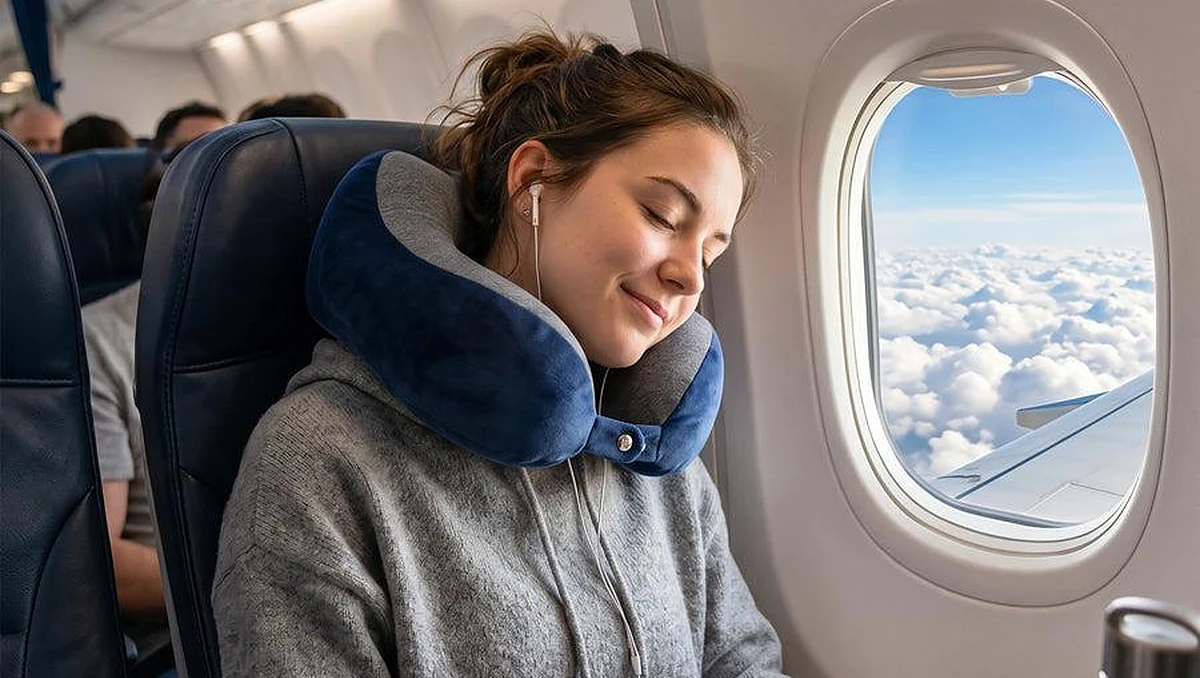
There’s a moment on almost every long flight when comfort becomes the most important thing in the world. The cabin lights dim, the engine hum settles into the background, and you try to find a sleeping position that doesn’t leave your neck aching. You fold your jacket behind your head, lean against the window, and shift around again. Somehow, the person across the aisle seems to be sleeping peacefully.
Sometimes, the difference comes down to a simple travel accessory.
The best travel pillows can make resting upright more comfortable by supporting your head and neck. But choosing one isn’t just about finding the softest cushion or the most expensive design. The right pillow should fit your body, suit your sleeping position, and be practical enough to carry through airports and across destinations.
Whether you’re preparing for a long-haul flight to Japan, a business trip to London, or a holiday that begins with an overnight journey, here’s how to choose a travel pillow that makes the journey feel a little more effortless.
What Makes a Travel Pillow Worth Buying?
A travel pillow should solve a specific problem. For some travelers, that means preventing the head from falling sideways. For others, it’s finding enough support to rest without constantly adjusting their position.
Before looking at brands, consider these four essentials.
Neck support: The pillow should help keep your head in a comfortable, supported position without forcing your neck forward.
Comfort: Materials should feel pleasant against your skin and provide enough cushioning for your preferred sleeping position.
Portability: A pillow that takes up too much space may become inconvenient, especially if you’re traveling with only a cabin bag.
Ease of cleaning: Removable, washable covers are useful because travel pillows come into contact with airplane seats, bags, and other shared surfaces.
No single design works perfectly for everyone. A pillow that feels excellent around one person’s neck might feel restrictive or too bulky around another’s.
Choose the Right Type of Travel Pillow
Travel pillows come in several designs, each with its own strengths and limitations. Understanding the differences can make your decision much easier.
Memory Foam Travel Pillows
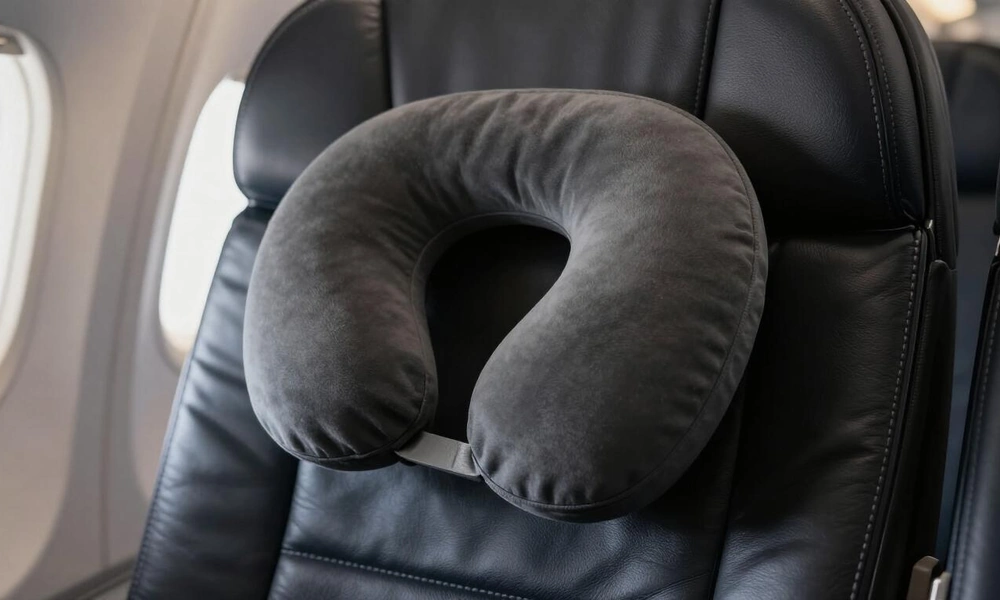
Memory foam pillows offer cushioning that conforms to the shape of your neck and head. Many have a traditional U-shaped design, while others wrap farther around the neck or include adjustable fastenings.
They’re a good choice if you prefer a substantial, supportive feel rather than a pillow that can be squeezed nearly flat.
The downside is that memory foam can be bulky and may retain heat. If you travel frequently, check whether the pillow compresses or comes with a convenient carrying pouch.
Inflatable Travel Pillows
Inflatable pillows are designed for travelers who want to save space. You can adjust their firmness by adding or releasing air, then deflate them when the journey ends.
They’re particularly practical for backpackers, light packers, and people who want to keep their personal item uncluttered.
However, some travelers find inflatable materials less comfortable than foam. The surface and shape can also affect how well the pillow supports your head.
Wraparound and Scarf-Style Pillows
These pillows use fabric wrapped around the neck, sometimes with an internal support structure. They tend to have a slimmer profile than traditional U-shaped cushions.
Their compact design can appeal to travelers who dislike carrying bulky accessories. Depending on the design, they may also help support the head when it starts leaning to one side.
Fit matters here. Some people love the structured feeling, while others prefer a softer pillow that can be repositioned freely.
Pillows With Adjustable Fastenings
Some travel pillows include straps or fastening systems that attach to a compatible seat headrest or help keep the pillow in position.
This can be useful if your head tends to fall forward or sideways when you sleep upright. Before buying, check how the attachment works and whether it is compatible with the seats you commonly use.
Never assume that a pillow’s fastening system will fit every airplane seat.
How to Match a Travel Pillow to Your Sleeping Position
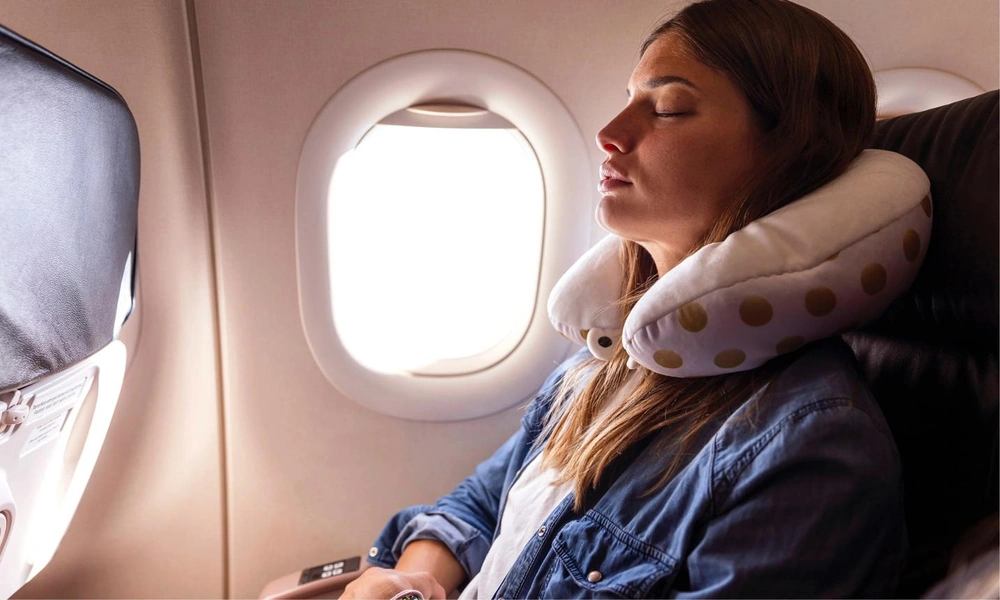
Your usual sleeping position is one of the most important factors to consider.
If Your Head Falls Forward
Look for a design that provides support around the front of the neck or beneath the chin without pressing uncomfortably against your throat. A conventional U-shaped pillow may not offer enough support for everyone.
Try to find a design that keeps your head in a natural, comfortable position rather than forcing your chin sharply toward your chest.
If Your Head Falls Sideways
Look for taller sides and a shape that provides cushioning around the neck. A pillow with adjustable fastening or a wraparound design may help limit unwanted movement.
If you usually sleep against an airplane window, a flexible pillow that can be positioned between your head and the window area may also be useful.
If You Prefer Leaning Back
A more traditional U-shaped pillow may be sufficient if the airplane seat already provides good head support. Look for a shape that fits comfortably around your neck without pushing your head too far forward.
The goal isn’t to hold your head rigidly in place. It is to make resting more comfortable while avoiding awkward positioning.
How Much Should You Spend on a Travel Pillow?
Travel pillows range from inexpensive inflatable cushions to premium memory foam designs. A higher price may buy better materials, thoughtful construction, or more adjustable features, but it doesn’t automatically guarantee a better fit.
For occasional trips, a straightforward pillow with comfortable fabric and adequate support may be all you need.
Frequent flyers may benefit from investing in a durable design with a washable cover, secure fastening, and a shape that works well for their sleeping position.
Before paying more, check the product’s dimensions, weight, care instructions, warranty, and return policy. If possible, try it around your neck before committing to the purchase.
A premium travel accessory should make traveling easier, not simply look impressive attached to your luggage.
Five Travel Pillows Worth Considering
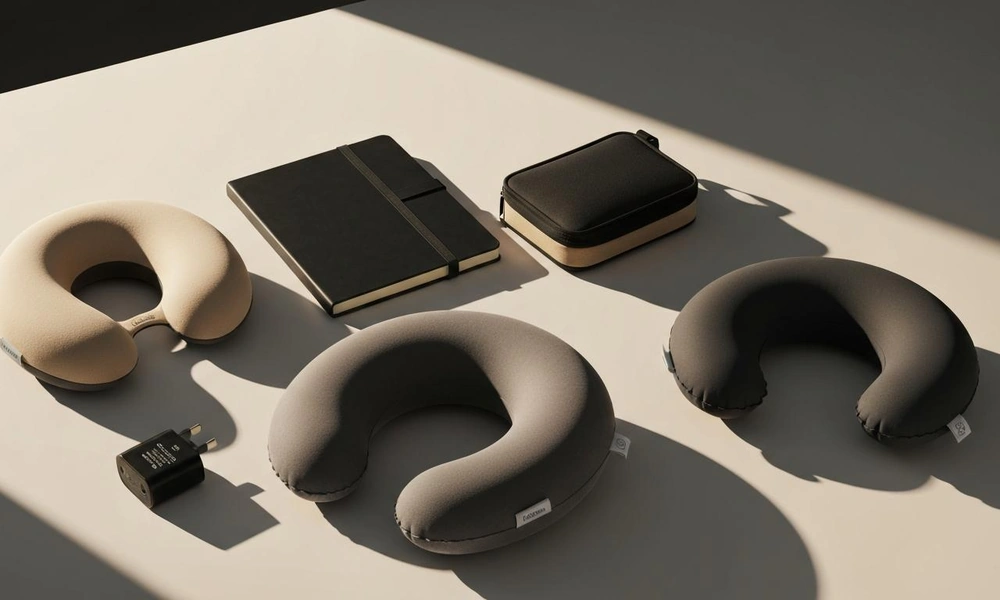
If you’d rather begin with specific products, these designs offer different approaches to comfort. Availability, prices, and versions may vary by retailer and country, so check the exact model before buying.
1. Ostrichpillow Go
The Ostrichpillow Go features a wraparound shape and memory foam cushioning. Its adjustable fastening helps create a more personalized fit.
It is worth considering if you prefer a plush, substantial pillow and don’t mind carrying a little extra bulk.
2. Cabeau Evolution S3
The Cabeau Evolution S3 uses memory foam and a design intended to provide structured neck support. Its headrest attachment system is designed to help keep the pillow in position on compatible seats.
It may appeal to travelers who struggle to keep their heads upright while sleeping.
3. Trtl Pillow
The Trtl uses a soft fabric wrap with an internal support structure rather than the conventional horseshoe shape.
Its relatively slim design is attractive to travelers who prioritize portability. The structured feel may take some getting used to, so consider whether you like having firmer support around your neck.
4. Manta Travel Pillow
The Manta Travel Pillow offers an inflatable approach to travel comfort. Its adjustable air-filled design is useful for people who want to customize firmness and reduce packing bulk.
It is worth exploring if saving space is more important to you than having a solid foam cushion.
5. Tempur-Pedic Travel Pillow
Tempur-Pedic’s travel pillow is an option for people who prefer the feel of supportive memory foam.
It offers a more substantial alternative to minimalist inflatable designs, although its size and firmness may not suit every traveler.
A useful rule: Compare these options based on fit, support, and portability rather than relying on popularity alone. The best pillow for your journey is the one that feels comfortable around your neck and fits your luggage and travel habits.
Common Travel Pillow Buying Mistakes
Even an attractive, highly rated pillow can disappoint if it doesn’t suit your needs.
- Choosing softness over support: A pillow can feel lovely in your hands but provide little stability when you fall asleep upright.
- Ignoring the fit: A pillow that’s too large or too tight can become uncomfortable during a long flight.
- Buying the bulkiest option: A large cushion may be inconvenient if you travel with limited luggage.
- Forgetting about cleaning: A removable, washable cover can make regular care much easier.
- Assuming one design works everywhere: Your needs may differ between an airplane, a train, and a car.
- Buying without checking dimensions: Product photographs can make pillows look smaller or more compact than they really are.
If you can, test the pillow while sitting upright before your trip. A few minutes of trying it on can reveal whether the shape feels natural or presses against your neck in an uncomfortable way.
Make Your Long Flight Feel More Like a Restful Evening
A good travel pillow works best as part of a comfortable travel routine. Wear loose layers, keep a light jacket within reach, and consider an eye mask if cabin lighting makes it difficult to relax. Earplugs or headphones can also help reduce surrounding noise.
Choose a pillow that complements your seat rather than forcing you into a particular position. Adjust your posture when needed, and get up to move around when it is safe and practical to do so.
For long-haul trips, small comforts can change how you experience the journey. Arriving at your destination with enough energy to enjoy your first coffee, explore a new neighborhood, or check into your hotel without feeling completely exhausted is a luxury in itself.
Frequently Asked Questions
What type of travel pillow is best for long flights?
Memory foam and structured wraparound pillows are worth considering if you want substantial neck support. Inflatable pillows are useful when portability is the priority.
Are U-shaped travel pillows good?
They can be comfortable, but their effectiveness depends on their shape and your sleeping position. Some travelers need more support beneath the chin or along the sides of the neck.
Is memory foam better than an inflatable travel pillow?
Memory foam generally offers a more substantial cushioning feel, while inflatable pillows save space and allow firmness adjustments. Neither is automatically better for everyone.
Can a travel pillow prevent neck pain?
A well-fitting pillow may help support a comfortable head position, but it cannot guarantee that neck pain will be prevented.
Should I buy a travel pillow before my flight?
Yes, especially for a long journey. Buying ahead gives you time to check the fit, practice adjusting it, and make sure it is comfortable before departure.
The Right Pillow Is the One That Fits Your Journey
Choosing the best travel pillows comes down to knowing what matters most to you. If you value plush cushioning, consider memory foam. If you travel light, explore inflatable or slim wraparound designs. If your head tends to fall forward, pay particular attention to how the pillow supports your chin and neck.
Think about the journey you’re preparing for, the position in which you usually sleep, and how much space you can spare in your bag. A little consideration now can make hours in the air feel far more manageable.
After all, travel should be about the places waiting at the other end not spending half the flight trying to find a comfortable way to close your eyes.
What’s your biggest challenge on long flights: finding the right neck support, getting comfortable enough to sleep, or packing light?
Disclaimer: This content is for informational and entertainment purposes only and reflects our personal opinions and experiences. We just love to write and share what we observe along the way.