
Cold-weather miles feel a lot more manageable when your clothing matches the temperature, effort, and ground underfoot. The best winter running gear helps you stay warm without turning a steady run into a sweaty slog. Wind, snow, rain, and ice can each change what feels comfortable, even on familiar routes.
Start with the pieces that matter most to your outing, from shirts and tights to shoes and small accessories. Your pace and time outside matter, too. A hard effort can warm you fast, while a long, slow run may call for more coverage. The goal is to keep moving comfortably, not to pile on every warm layer you own.
The most useful setup is the one you can adjust as your body warms up and conditions change.
Key Takeaways
- Choose gear for the day’s wind, precipitation, surface, and effort.
- Use layers you can open or remove as your body warms.
- Pick shoes and a traction device to match the ground.
- Carry a spare layer on longer outings when conditions may shift.
- Check route footing and visibility before you leave.
How Do You Choose the Best Winter Running Gear?
Start by matching your gear to the day’s main challenge: cold wind, wet weather, snow, ice, or a long outing. Start with conditions, then think about effort and comfort. Winter running picks include jackets, base layers, tights, footwear, gloves, socks, and headlamps.
Choose for the route and weather before adding extra insulation. A windbreaker helps block dry, cold wind, while a waterproof shell fits cold rain better. An insulated jacket adds warmth during an easier outing, while trail shoes suit soft or muddy ground. A traction device can add grip when ice makes shoes feel unreliable.

- Temperature and wind: note both the air temperature and wind chill.
- Precipitation: decide whether you need protection from rain, wet snow, or neither.
- Running surface: check for pavement, mud, packed snow, or ice.
- Pace and length: a hard, short run creates more heat than a long, easy outing.
Accessories and heavy insulation can seem like quick fixes, but both may leave you too warm once you settle into a steady pace. For lower-body rain protection, compare your needs with these waterproof pants for wet trails. They are hiking pants, so check that their fit allows a running stride.
Choose the smallest set of pieces that covers the conditions you expect, with one easy-to-remove layer as a backup.
Pay attention to what tends to bother you first. If your hands get cold before your core, gloves may help more than a thicker jacket. If wind cuts through your shirt, a shell may solve the problem without adding much bulk.
The run itself can change how warm you feel. A fast workout may call for less insulation than a slow outing of the same length. Bring only the pieces you can use or carry comfortably.
Choose the smallest set of pieces that covers the conditions you expect, with one easy-to-remove layer as a backup.
What Should You Wear for Different Winter Temperatures?
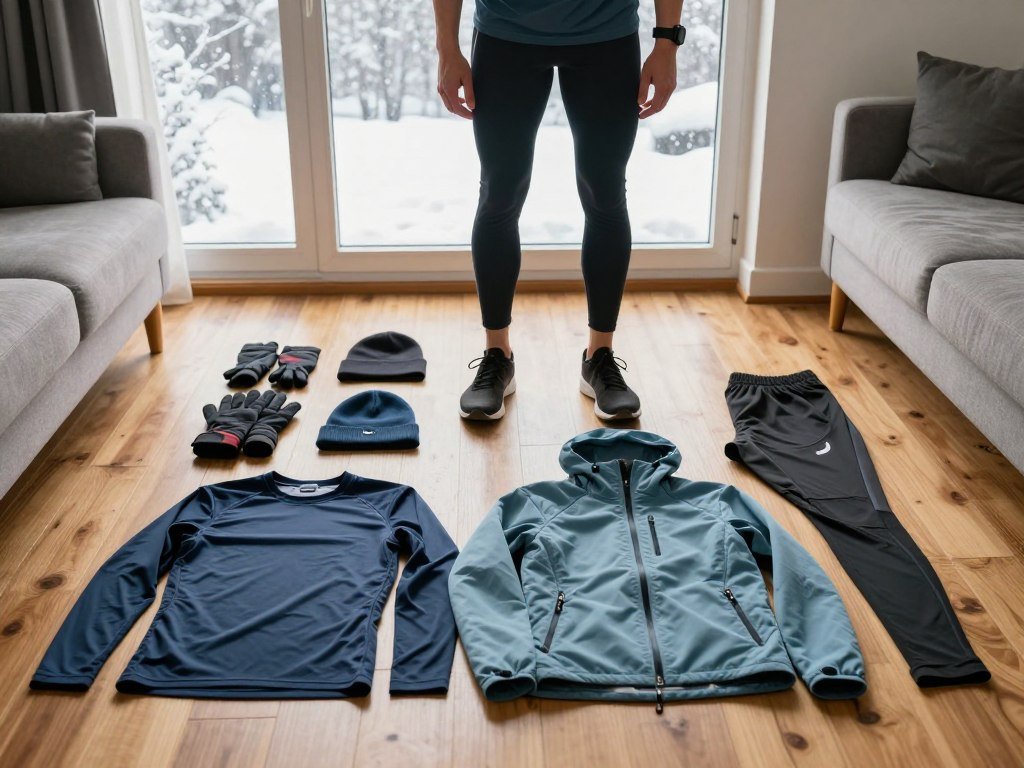
A runner in 45°F weather may be comfortable in a T-shirt, while someone heading out at 40°F will usually want a light long sleeve. A few degrees matter, especially when wind picks up. Use the table as a starting point, not a strict rule for every runner.
For runs below freezing, a common rule is to dress as if it were 10-20°F warmer. A short run often calls for a 10-15°F adjustment, while a long run may call for about 20°F. Wind chill and time outside can make the air feel colder than the thermometer suggests.
| Temperature | Top and core | Legs | Extremities |
|---|---|---|---|
| 40-50°F | T-shirt near 50°F; light long sleeve near 40°F | Shorts near 50°F; light tights near 40°F | Light gloves if hands feel cold |
| 25-40°F | Light base layer; add a vest near 25°F | Full-length tights | Light gloves and an ear-covering headband |
| 10-25°F | Base layer, midlayer, and shell as needed | Warm tights, with an outer layer if exposed to wind | Warmer gloves, hat, and thicker socks |
| Below 10°F | Insulating layers and a wind-blocking shell | Insulated tights or covered layers | Warm mitts, hat, and full ankle coverage |
Near the warmer end of 40-50°F, a T-shirt can feel fine once you start moving. Closer to 40°F, a light long sleeve adds useful coverage without much bulk. At 25-40°F, a light base layer can keep your core warm; a vest adds warmth without enclosing your arms.
Below 25°F, layered insulation and warmer accessories become more useful. You may need more coverage at the lower end of each range, particularly on a slow run or a windy route. A sunny, hard effort can feel warmer than a shaded, easy run at the same temperature.
Use wind chill and time on the route to adjust the outfit rather than treating the thermometer as the only measure.
Dressing 10-20°F warmer is a helpful guide below freezing, but it is not a precise outfit formula. Choose a bit less for a short, hard run and more for a long, easy outing. Use wind chill and time on the route to adjust the outfit rather than treating the thermometer as the only measure.
How Do You Layer Without Overheating?
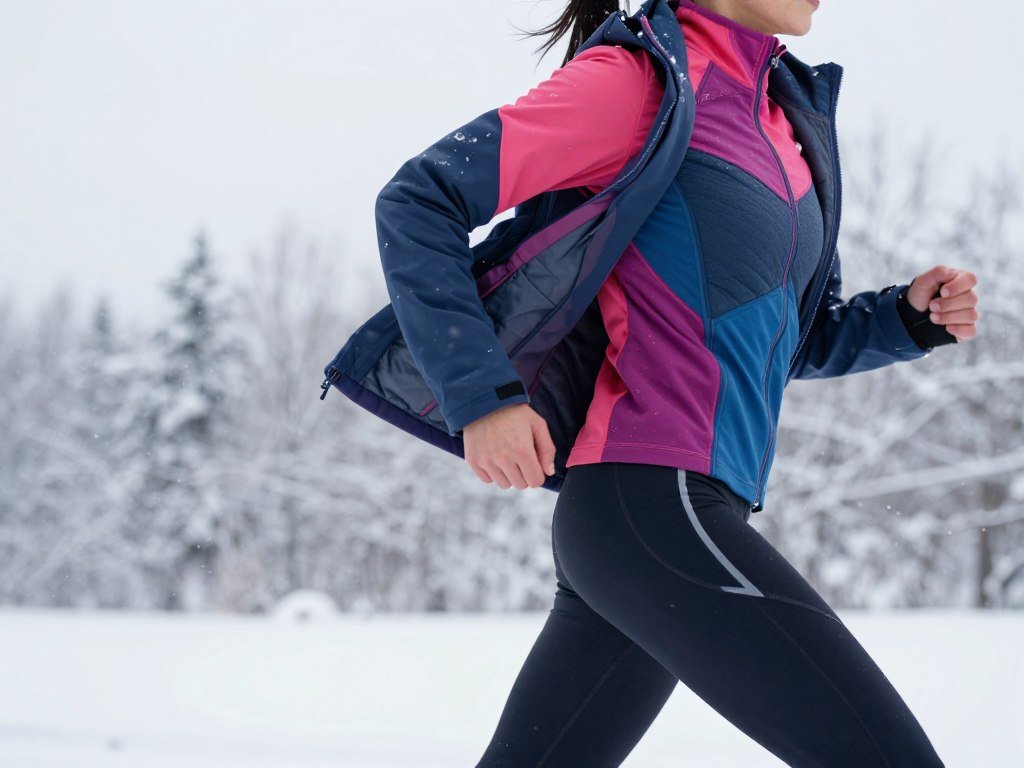
A good layering system manages heat rather than simply trapping as much warmth as possible. Breathable layers help you stay comfortable when your pace changes. A cold-weather setup uses a base layer, a midlayer, and a shell when wind or light weather calls for one.
Wet fabric next to your skin can leave you feeling colder. A close-fitting base layer moves moisture away from your body, so sweat does not sit against your skin as you slow down or stop.
Start with a moisture-managing base layer
Choose a base that feels smooth and comfortable beneath other clothes. Lightweight merino wool and synthetic fabrics are common choices because they can move moisture during a run. The right fit should follow your body without pulling at the shoulders or restricting your stride.
Loose fabric can bunch under a midlayer, while a tight shirt can feel uncomfortable once you add another top. If you sweat heavily, a fabric that dries more readily can help you feel less damp during a slower stretch. Comfort against your skin matters as much as warmth.
Add core insulation, then a breathable shell
A midlayer adds warmth over your base layer. A vest can cover your core while leaving your arms free, which suits runners who want torso warmth without extra sleeves. Use a shell over those layers to block wind and light weather.
A breathable shell lets some heat escape as you move, though no shell feels as open as a shirt. During a harder effort, open a half zip or take off a light shell before sweat builds. An outer layer that fits over your midlayer should still allow a full arm swing.
For more examples of adjustable clothing for rough days, see this guide to winter running clothes and accessories. Your pace may rise or fall during the same outing, so choose pieces that can respond with you.
Keep the most adjustable layer easy to unzip or remove while you are moving.
Which Winter Running Jackets Suit Wind, Rain, and Changing Effort?
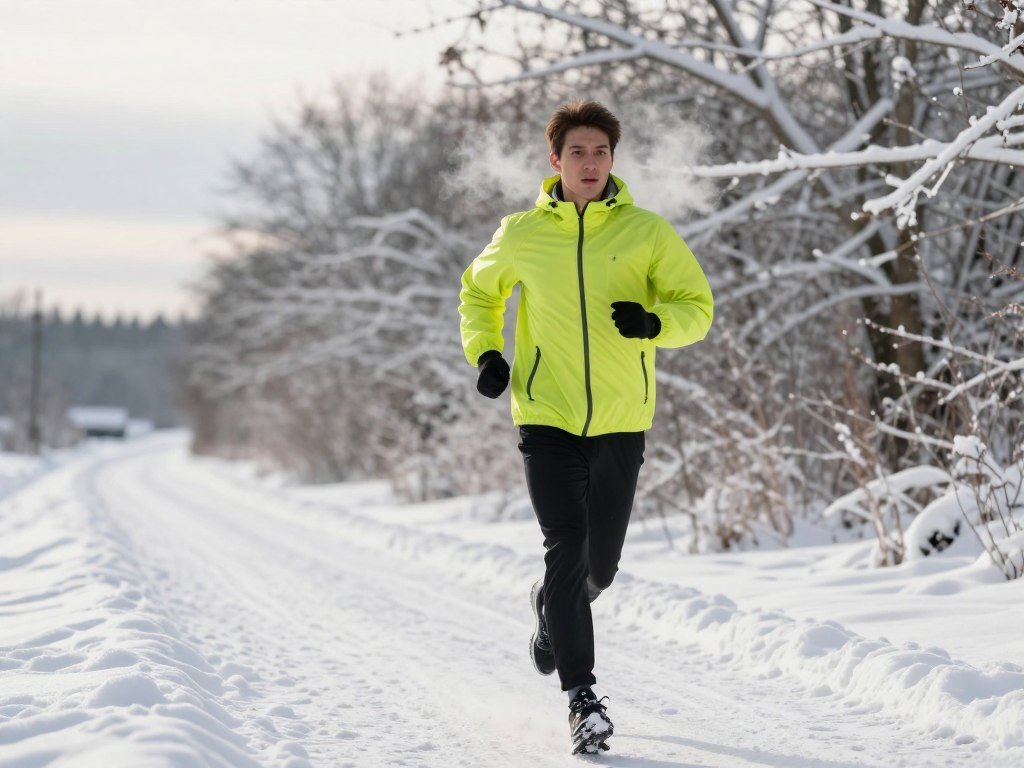
A windbreaker is the versatile choice for dry, blustery runs, while cold rain calls for a waterproof shell. Match protection to weather instead of reaching for the warmest jacket. A waterproof shell can feel less breathable than a lighter wind layer.
The right jacket protects you without making a steady effort feel stifling. These four picks cover wind, rain, active warmth, and changing conditions.
| Role | Jacket | Price | Best suited to |
|---|---|---|---|
| Windbreaker | Patagonia Houdini Jacket | $120 | Dry, windy runs |
| Rain shell | The North Face Summit Series Superior Futurelight Jacket | $360 | Cold rain and wet weather |
| Active insulation | Patagonia Nano-Air Light Hoody | $300 | Moving in cold conditions |
| Hybrid layer | Patagonia Airshed Pro Pullover | $145 | Effort and temperature changes |
Choose a windbreaker or rain shell for protection
The Patagonia Houdini Jacket is a windbreaker for dry days when cold gusts make a shirt feel thin. It adds a barrier without asking you to wear a heavier insulated jacket. For steady rain, a waterproof shell offers more protection from water.
The North Face Summit Series Superior Futurelight Jacket is the rain-jacket pick. The $360 shell is the priciest option in this group. A waterproof jacket may feel less breathable than a wind layer, so think about rain exposure and effort together.
Use breathable insulation for active warmth
The Patagonia Nano-Air Light Hoody adds breathable insulation for a cold run when a thin shell is not enough. The Patagonia Airshed Pro Pullover is a hybrid option for changing effort and temperature. These picks also appear among the 2026-2027 winter-season choices.
The Janji Thermalrunner Insulated Jacket uses targeted insulation while staying light and breathable. It packs into a side pocket, which makes it useful when you want to carry a warm layer. You can take it off when the effort climbs and stow it without carrying a bulky bundle.
Wind protection, rain coverage, and active insulation solve different problems. A rain shell can feel clammy during hard running, while a wind layer may not keep cold rain out. Match the jacket’s protection to the weather instead of choosing the thickest option by default.
Which Running Shirts Work for Cold and Warm Weather?
A cold-weather long-sleeve shirt should wick moisture and layer smoothly, while a hot-weather long sleeve may prioritize sun protection and low weight. Pick for the season and the job each shirt needs to do. Merino wool and synthetic shirts can both work as base layers.
Cold-weather shirts should manage moisture and fit under your other layers. A sun shirt protects exposed skin, but it does not replace an insulating layer.
Long-sleeve shirts and base layers for cold-weather runs
The Smartwool Classic All-Season Merino Base Layer 1/4 Zip is the winter base-layer shirt pick. It costs $105 and gives you a quarter zip for added ventilation. The Janji Rover Merino Hoodie is a midlayer shirt pick at $136.
The Tracksmith Brighton Base Layer has a body-mapped merino-and-mesh design. Its merino knit resists odor, while open mesh helps regulate heat. At $100, it is an option when you want a close-fitting layer with distinct fabric zones.
The Janji Merino Tech Long Sleeve costs $88 in men’s and women’s versions and has thumbholes. For a winter running shirt for men, it is one option to consider. Thumbholes can help keep sleeves in place beneath another layer.
The Patagonia Capilene Thermal Weight Crew suits below-freezing runs and has thumbholes. The Capilene Thermal Weight Zip Neck adds a half zip and tall collar, letting you adjust ventilation on very cold runs. Choose the shape that sits comfortably beneath your next layer.
Sun-protective long sleeves for hot-weather runs
UPF means Ultraviolet Protection Factor, a rating of how much ultraviolet radiation a fabric blocks. The Janji Sunchaser 50 Hooded Long Sleeve has UPF 50 and costs $88. In men’s medium, it weighs 5.8 ounces and uses 84% recycled polyester and 14% Spandex.
The Janji Sunchaser’s UPF 50 rating can help you compare sun-shirt options. The Himali Eclipse Sun Hoodie costs $90, has UPF 20, and weighs 4.1 ounces in women’s medium. It is made of 100% polyester.
The rabbit UPF Deflector 2.0 costs $75 and has UPF 50. These three shirts serve warm, sunny runs, rather than adding winter insulation. Check both the rating and how the fabric feels against your skin.
For cold runs, prioritize moisture management and adjustable ventilation; for sunny warm runs, check the UPF rating and fit.
Which Tights Keep Legs Warm Without Adding Bulk?
For most moderate winter runs, start with a breathable full-length tight and add insulation only when the conditions call for it. Simple coverage first helps you avoid excess bulk. Patagonia Endless Run Tights suit moderate chill and higher-output running.
Choose insulated tights when cold conditions call for more warmth, not just because the calendar says winter. The Janji Aurora Fleece Tight and Janji Boreal Fleece Tight are insulated options for colder runs.
Patagonia Endless Run Tights are breathable and moisture-wicking, making them a sensible starting point when you want full leg coverage without heavy insulation. Stretch matters during a long stride, and a smooth fit helps the tights sit comfortably beneath other clothing.
Wind exposure can change how warm your legs feel. A runner on an open, windy route may want more coverage than someone on a sheltered path. Some runners may prefer a thin layer underneath, but it should not bunch or limit movement.
Insulated tights can feel excessive when conditions are mild or your pace rises. If your legs warm quickly, a lighter tight may feel better through the harder part of a run. Save fleece-lined options for outings where added warmth is useful from start to finish.
Check the ankle opening, too. A tight that rides up can leave a gap above the shoe, while a loose opening may bunch during your stride. Check that the ankle opening stays covered during your stride without bunching inside the shoe.
Which Shoes Work on Snow, Mud, and Wet Trails?
For soft snow, mud, and wet ground, lugged trail shoes offer more useful grip than a smooth road outsole. Start with the surface, then decide whether waterproofing fits the route. Five-millimeter lugs suit soft snow and mud.
A wider footprint gives the Hoka Speedgoat more flotation than a narrower shoe. Waterproof uppers can help in slush, but they may feel less breathable during hard efforts or dry runs.
| Model | Price | Lug depth | Construction or use |
|---|---|---|---|
| Salomon Speedcross 6 | $150 | 5 mm | Multidirectional lugs for soft snow, mud, and wet ground |
| Salomon Speedcross 6 Gore-Tex | $170 | 5 mm | Waterproof Gore-Tex version for wet ground |
| Hoka Speedgoat 7 | $165 | 5 mm | Wider footprint for added flotation |
| Hoka Speedgoat 7 GTX | $180 | 5 mm | Waterproof version with a wide footprint |
| Brooks Cascadia 20 GTX | Not stated | 4 mm | Vibram MegaGrip outsole and waterproof Gore-Tex Invisible Fit upper |
Choose lugged trail shoes for soft snow and mud
The Salomon Speedcross 6 and its Gore-Tex version both use five-millimeter multidirectional lugs. Those lugs suit soft snow, mud, and wet ground. The Hoka Speedgoat 7 and Speedgoat 7 GTX also have five-millimeter lugs, with a wider footprint for more flotation.
The Brooks Cascadia 20 GTX pairs four-millimeter lugs with a Vibram MegaGrip outsole. Its Gore-Tex Invisible Fit upper is waterproof. That upper can be useful when slush would otherwise soak your feet.
Consider flotation and waterproofing for packed snow and slush
On packed snow, choose a shoe that feels stable underfoot. Soft snow may call for more flotation, while slush makes a waterproof upper more appealing. A lugged shoe alone may not feel secure on every icy section.
Waterproofing can trap more heat and moisture than an open upper. That tradeoff matters if you run hard or expect dry ground for much of the route. Choose waterproofing when keeping slush out matters more than maximizing ventilation.
When Do Winter Runs Need a Traction Device?
Add a traction device when ice or steep, slippery snow makes a lugged shoe alone feel unreliable. Use spikes for grip on surfaces that need more than a trail outsole. A removable device can help when the route includes hard, slick patches.
Take the device off when the route no longer needs it. The Black Diamond Distance Spike Traction Device costs $120 and has 14 eight-millimeter stainless steel spikes. The Kahtoola ExoSpikes have 12 spikes, five-millimeter lugs, and tungsten carbide tips.
- Packed snow or ice: add a traction device when your shoes feel insecure.
- Mixed surfaces: choose a device that is easier to remove as the route changes.
- Dry pavement: leave the spikes off when the path no longer needs them.
The Black Diamond model’s longer steel spikes offer a different profile from the lower Kahtoola ExoSpikes. Pick the style that fits the route you expect, then make sure the device sits securely over your shoe.
A loose traction device can shift underfoot and feel awkward. Fit it over the shoe before leaving, and check that the spikes sit in the right place. Recheck the fit before setting out so the device stays centered under the shoe.
Which Gloves Protect Hands in Winter?
Lightweight gloves are a useful first choice for routine winter runs, while very cold conditions call for more coverage. Start light when the weather is less severe. A snug fit helps keep fingers covered as your hands move.
Choose mitt coverage when your fingers need more warmth than lightweight gloves provide. A convertible design can let you uncover your fingers when you need more control.
| Product | Format | Best suited to | Useful detail |
|---|---|---|---|
| Ultimate Direction Ultra Flip Glove | Flip glove | Everyday winter runs | Winter running gloves pick |
| Trailheads Convertible Zip Mitts | Convertible mitts | Very cold conditions | Can uncover fingers when needed |
| Rabbit EZ Gloves | Gloves | Routine cold-weather use | Made with Rabbit’s EZ fabric |
Lightweight gloves for everyday cold
The Ultimate Direction Ultra Flip Glove is a practical pick for ordinary winter runs. Lightweight gloves cover your fingers without the bulk of a full mitt. A secure fit around each finger helps prevent loose fabric from getting in the way.
Rabbit EZ Gloves use Rabbit’s EZ fabric. Choose a glove that lets you move your fingers well enough to adjust a watch or open a pocket. A glove that slips at the fingertips can make small tasks harder.
Mitts for very cold conditions
Trailheads Convertible Zip Mitts are the pick for very cold conditions. Their mitt coverage can hold more warmth around cold fingers, while the convertible design gives you a way to uncover your fingers when needed.
Think about how often you will use your phone or watch during the run. A glove or mitt should protect your hands without making each quick task a struggle. Choose a glove or mitt that lets you use your watch or phone without exposing your hands longer than necessary.
What Headwear and Socks Make Winter Runs More Comfortable?
A hat or headband should protect the ears without making the runner overheat as effort builds. Use less when you can, and add coverage when the cold calls for it. The right sock should cover the ankle without crowding the shoe.
Crew-length socks help close the gap between tights and shoes. Choose a thickness that fits your shoes and the weather, rather than adding bulk by default.
Cover ears without trapping too much heat
A warm hat suits colder conditions, while a headband or multifunctional covering can feel better when a full hat is too warm. The Skida Fleece-Lined Alpine Ski Hat is one option for colder days. The Smartwool Merino Sport Fleece Wind Training Headband covers the ears without covering the whole head.
Buff DryFlx can serve as a lighter, flexible covering. The lululemon Fleece-Lined Running Cap combines a cap shape with a fleece lining. Pick the shape that stays in place and feels comfortable as you warm up.
Choose socks for cold-weather coverage
Crew socks extend above the shoe and help cover the ankle gap when tights shift. The Smartwool Run Cold Weather Targeted Cushion Crew Socks are the wool option for cold-weather running. Their targeted cushion adds some padding without the bulk of a heavier-duty sock.
These Smartwool socks are not as warm as thicker winter socks, so especially cold runs may call for more coverage. Check that added thickness still fits your shoes without squeezing your toes. For more on choosing wool, cushion, and fit, read about socks for serious trail days.
Check that the sock covers the ankle gap when your tights shift during a stride.
What Should You Carry on a Longer Winter Run?
A longer winter outing is easier to manage when you can carry one warm layer and a few essentials. Pack for the route, not every possible problem. A small amount of food or a spare glove can help you stay comfortable if the outing takes longer than planned.
Keep the items you may need soon within easy reach. The Salomon Adv Skin 12 costs $165 and holds 12 liters, enough space for a warm jacket, gloves, a hat, and other essentials.
- A removable warm layer
- Spare gloves or mitts
- A hat or headband
- Your phone and keys
- A little food or other route essentials
The Salomon Adv Skin 12 can carry extra gear and be worn over or under a shell. Wearing the pack beneath a shell can help shelter water, food, and a phone from freezing. The pack can also keep a spare layer close when you want to take it off.
Do not fill every pocket just because space is available. A crowded pack can make it harder to reach the item you need, while a few well-placed essentials stay easy to manage. Place items you may need quickly in pockets you can reach without removing your pack.
How Should Men and Women Choose a Winter Running Fit?
The best fit is the one that allows a full stride and comfortable layering, whatever the size label says. Labels are a starting point, not a substitute for checking measurements. Men’s and women’s cuts can differ, so try the item when you can.
Fit the whole outfit, not just one garment at a time. Leave room for a base layer, reach both arms forward and overhead, and check that your ankle coverage stays in place.
The best winter running gear for men follows the same condition-based method as winter running gear for women. Start with weather, effort, and surface, then choose a size and cut that let you move freely. Neither group needs a different rule for warmth or activity.
The Salomon Speedcross 6 and Hoka Speedgoat 7 come in men’s and women’s versions. The Tracksmith Brighton Base Layer and Janji Merino Tech Long Sleeve also offer versions for men and women. Compare the measurements for the version you plan to wear.
Try the shoe with the socks you expect to wear in winter. For clothes, wear your base layer during the fit check and move through a full stride. A top that feels fine on its own may pull across your shoulders once another layer sits beneath it.
Try winter layers together, since a top that fits alone may feel restrictive over a base layer.
How Can You Build Affordable Winter Running Gear?
An affordable setup starts with the cold-weather problem that most limits your runs, not a full closet replacement. Fill the real gap first. Existing layers may work well enough, even if they were not sold as winter running gear.
Affordable winter running gear means buying the needed category first, not replacing everything at once. These examples cover hands, feet, and slippery routes.
| Category | Example | Price |
|---|---|---|
| Gloves | Rabbit EZ Gloves | $30 |
| Socks | Smartwool Run Cold Weather Targeted Cushion Crew Socks | $24 |
| Traction | Kahtoola ExoSpikes | $80 |
Start with the item that addresses your most immediate comfort or safety issue. If your hands are cold, gloves may make more difference than a new jacket. If ice keeps you from using your usual route, traction may matter more than another shirt.
Use your current clothes when they manage moisture, fit well, and keep you comfortable. Add specialized gear as the weather or route demands it. A new purchase should solve a problem you actually face, not fill a drawer with another barely used option.
Buy the missing piece that solves a real problem before upgrading gear you already use comfortably.
What Should You Check Before a Winter Run?
Check both the forecast and the route, because the temperature alone cannot tell you how slippery a winter run will be. Look beyond the number to wind chill and recent conditions. The National Weather Service provides forecasts and alerts for changing winter weather.
A forecast cannot promise the same footing across your whole route. Shaded sections may stay icy while exposed pavement has cleared.
- Check the forecast and wind chill.
- Look for snow, ice, or standing water on your route.
- Think about how long you will be exposed to the weather.
- Choose a route with an option to turn back if conditions worsen.
Local roads and trails can differ from the broader forecast. A path may have a clear stretch followed by ice beneath trees or beside a building. Conditions can also change while you are out.
Change the route or postpone the run if the footing or weather is beyond the gear you have.
Give yourself a route choice before you start, especially when the weather may worsen. Change the route or postpone the run if the footing or weather is beyond the gear you have.
How Can You Stay Visible on Dark Winter Runs?
Dark winter routes call for both a clear view of the path and details that help others notice you. Use a light source when you run in low light. The Petzl Nao LT is the headlamp pick for winter running.
Reflective details help, but they do not replace a light in darkness. The Petzl Swift LT shines 380 lumens as a compact light option.
A headlamp helps you see changes in the path, such as uneven ground or a patch of ice. It also gives you a light source when street lighting is limited. Check that the beam points where you need it while you run.
Reflective gear can help others spot movement in low light. Buff DryFlx has 360-degree reflectivity, which can make you easier to notice from different angles. Reflective details still need light to shine back toward the person looking.
Carry or wear a light that works for the route, and check its power before you leave. Test your light before leaving home so you do not discover a dead battery on the route.
Conclusion
Comfortable winter running starts with a few well-chosen pieces that suit the conditions. The right setup depends on the day’s weather and surface, while adjustable layers help you handle changes in effort.
You do not need to replace every part of your kit at once. Start with the item that solves the biggest problem on your usual route, then add other pieces when conditions call for them.
Check the forecast for your next run, then set out the layers and footwear you expect to need.
FAQ
How many layers should I wear for winter running?
Do I need waterproof running shoes for winter?
Are trail running shoes good for packed snow?
Can I wear shorts for a 40-50°F run?
Should I wear cotton for a cold-weather run?
How do I keep my hands warm without overheating?