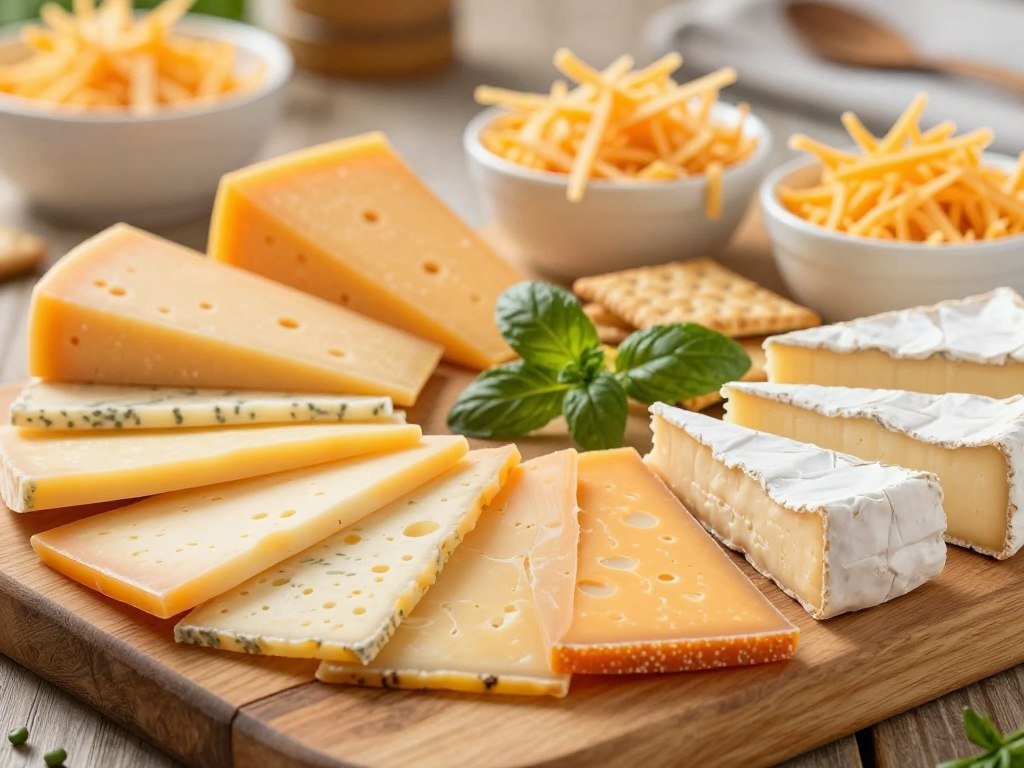
A cheese that works on pizza may disappoint on a cracker, so the best choice starts with how you plan to use it. The best vegan cheese depends on the dish, your taste, and the texture you enjoy. Some products bring a sharp flavor, while others stay mild or feel creamy. Their meltability differs, too. Meltability means how readily a cheese softens and spreads when heated.
You will find options for sandwiches, hot dishes, snack plates, and low-cost grocery trips. A slice may suit lunch, while shreds can cover a casserole. A spread works well with crackers, and snack portions travel easily. There is no single product that fits every meal or every person. Your own taste matters, especially when you compare a tangy style with a mild one.
Key Takeaways
- Choose a format that fits the meal.
- Check flavor and texture before buying several packages.
- Test meltability on the food you plan to cook.
- Compare ingredient and allergen details on the package.
- Use the serving size to compare nutrition labels.
Choose a format for the dish first, then compare flavor and texture within that category.
How to Choose the Best Vegan Cheese
Start with the dish, because a slice for a sandwich and a shred for a casserole behave differently. Format first helps you narrow the choice before flavor or price enters the picture. Common types include slices, shreds, blocks, spreads, and snack portions.
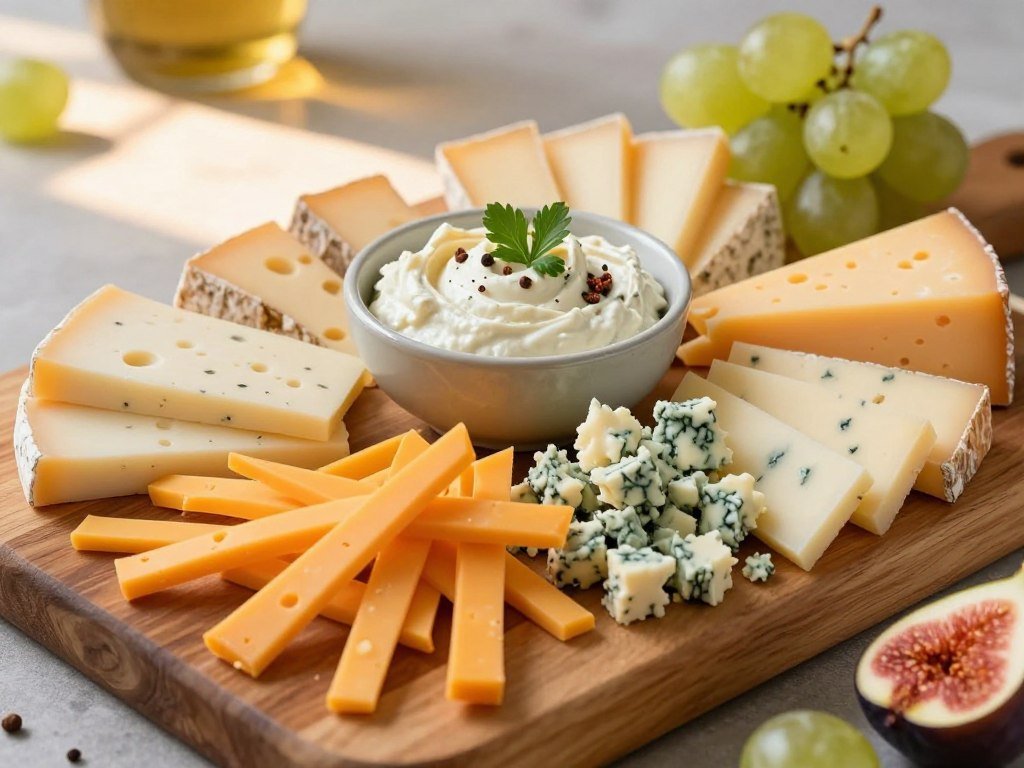
Pick the form that fits the food, then check the label and your own taste. Plant-based cheese alternatives often use coconut oil, nuts such as cashews, or both. Some use fermentation to add tang. The ingredients and recipe can change how each product tastes and feels.
Match the format to the dish
Shreds work well as toppings and in baked dishes because you can scatter them across the surface. Slices suit sandwiches, including grilled cheese, where each piece can cover the bread. Spreadable products are easier to use on crackers or bagels. Blocks give you more control over size and shape.
Best vegan cheese brands depend on the job you need done. Daiya, for example, sells shreds, slices, blocks, cream cheese, sticks, and frozen products. A brand with many formats may offer useful choices, but one product still may not suit every meal.
Use this short checklist before adding a product to your cart:
- Intended use: snack, sandwich, topping, dip, or baked dish.
- Flavor strength: mild, tangy, sharp, or strongly seasoned.
- Meltability: whether the recipe needs a soft melt or a firm bite.
- Ingredient preferences: such as avoiding coconut oil or nuts.
- Allergens: soy, tree nuts, coconut, and other listed ingredients.
Check the ingredient and allergen label
Plant-based does not automatically mean free of soy, nuts, or coconut. Recipes also differ in starches, oils, and added nutrients, so the front label cannot answer every question. Read the full ingredient and allergen statement each time you buy a product, especially when serving someone with a food allergy.
Choose by format and recipe, not by brand name alone. One company’s shreds may suit pizza while its slices work better in sandwiches.
That approach can also help you compare two products from the same brand. A mild slice might be useful for lunch, while a tangy spread could suit a snack plate.
When the label and format fit your needs, taste becomes the final test. Begin with a small package if you have not tried that style before.
Which Vegan Cheese Works Best for Grilled Cheese?
Daiya Cheddar Style Slices are the clearest pick for a flavor-forward grilled cheese, while 365 is the runner-up. Flavor led the result: Daiya earned 8/10 overall and 10/10 for flavor in a 2022 test of five vegan slices.
Daiya scored 8/10 for melt and 3/10 for stretch. Its slice also had 170 mg sodium, 1 mcg added vitamin B12, and 140 mg calcium. The 365 Plant-Based Cheddar-Style Cheese Alternative ranked second, with 6.5/10 overall.
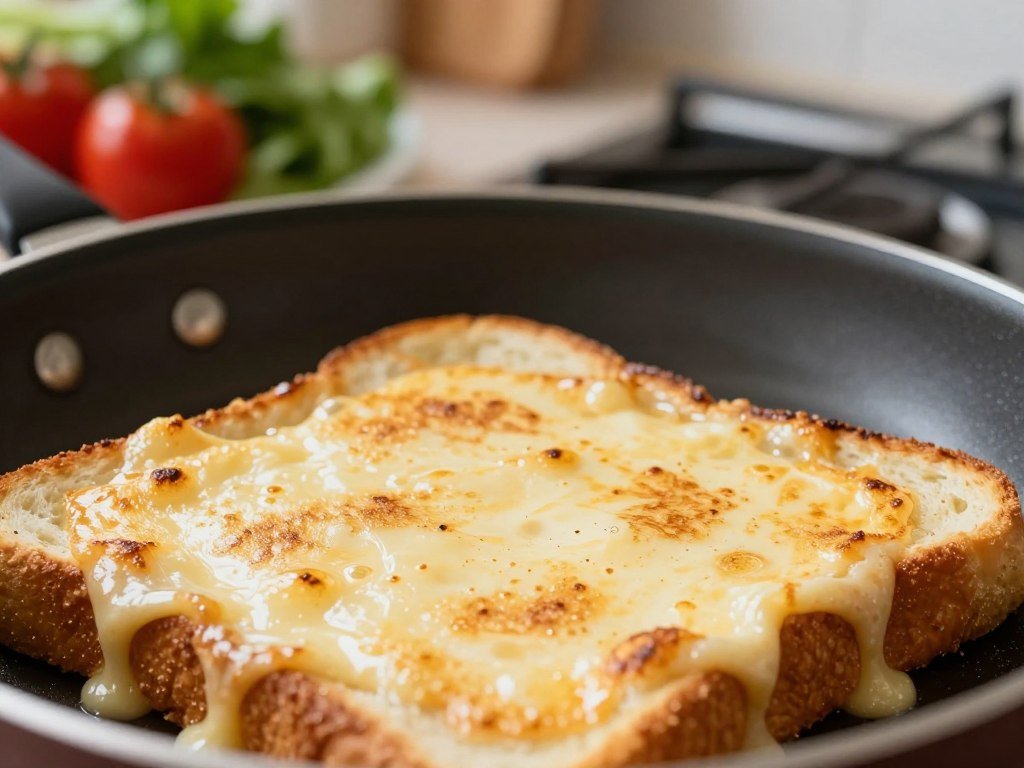
The test compared cheddar, creamy original, mature cheddar, and American styles. It did not rank mozzarella-style slices, so a dairy-free mozzarella cheese slice may suit you better when you want a milder taste.
| Brand | Test rank | Flavor score | Melt score | Stretch score |
|---|---|---|---|---|
| Daiya | 1 | 10/10 | 8/10 | 3/10 |
| 365 | 2 | Not reported | Not reported | Not reported |
| Field Roast Chao | Not reported | Not reported | Not reported | Not reported |
| Violife | Not reported | Not reported | Not reported | Not reported |
| Follow Your Heart | Not reported | Not reported | Not reported | Not reported |
The 365 slices had 70 calories each, compared with 60 calories for each of the other four tested slices. That small difference may matter if you compare portions, but flavor and texture still shape the sandwich.
Package design can affect how easily you store leftovers. Daiya, Follow Your Heart, and Field Roast Chao came in thin plastic wrap. 365 and Violife came in resealable packages.
For easier storage between sandwiches, choose one of the resealable packages rather than the thin-wrap format.
What Is the Best Vegan Mozzarella for Pizza?
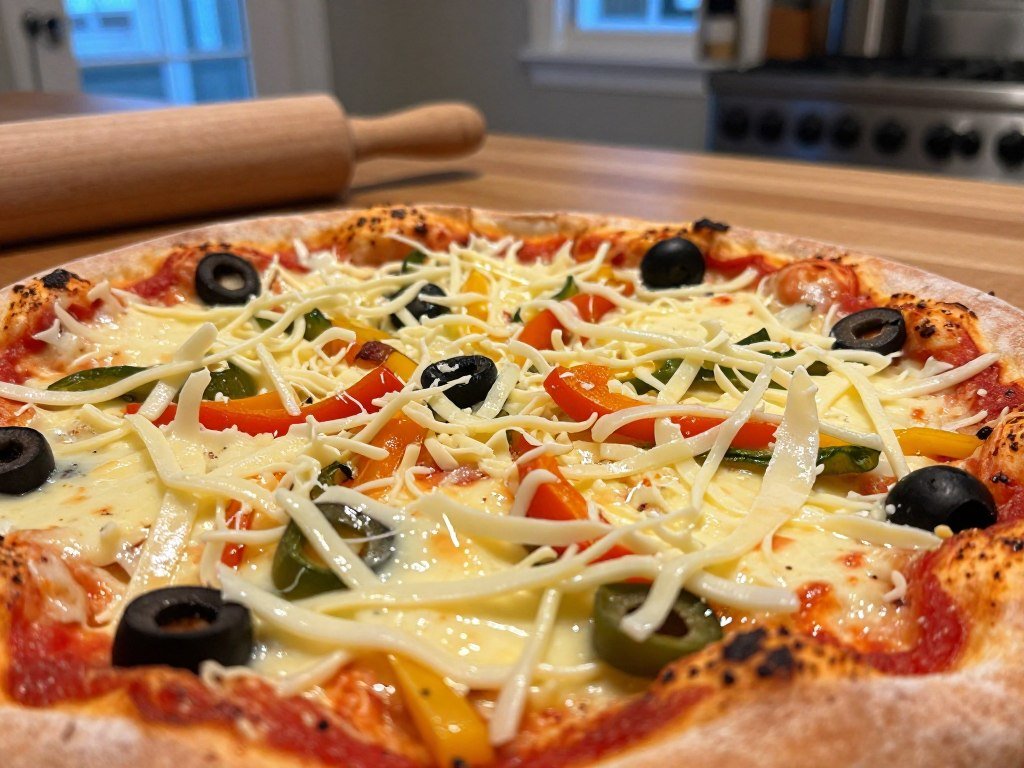
Follow Your Heart Mozzarella is the strongest choice when the priority is oven melt, with Babybel a close alternative for a softer bite. Oven melt is the key difference in an eight-product test of mozzarella-style options.
Follow Your Heart scored 5/5 for meltability, while Babybel scored 4.5/5. For a pizza topping that softens well, Follow Your Heart is the top pick. Violife, Vevan, and Simple Truth each scored 3/5.
| Brand | Melt score | Tested format | Practical note |
|---|---|---|---|
| Follow Your Heart | 5/5 | Mozzarella-style | Best oven melt in the test |
| Babybel | 4.5/5 | Mozzarella-style | Alternative with a softer bite |
| Violife | 3/5 | Mozzarella-style | Mid-range melt score |
| Vevan | 3/5 | Mozzarella-style | Mid-range melt score |
| Simple Truth | 3/5 | Mozzarella-style | Mid-range melt score |
Detroit-style pizza can benefit from evenly spread shreds and enough bake time. A thick layer may soften at a different rate, so watch the center rather than judging by the edges alone.
A comparison of ten shredded cheese brands from six stores cooked most pizzas for about 8-10 minutes. In a 2021 quesadilla test, Violife, Daiya Cutting Board Blend, and Follow Your Heart ranked in the top three. Those results show how a product can work in more than one hot dish.
Miyoko’s dairy-free mozzarella cheese is a soft, sliceable cashew-based option. It worked well in baked ziti, where its creamy texture made more sense than a conventional pizza shred.
For a thick Detroit-style pie, spread the shreds evenly and check the center before adding more bake time.
Which Vegan Cheese Shreds Suit Everyday Cooking?
For shredded cheese, test a small amount on the actual dish before covering the whole pan or pizza. Heat changes texture, so a product that tastes fine cold may turn clumpy, powdery, or grainy in a hot recipe.
Judge the shreds after cooking, not just straight from the package. Cheddar-style shreds can behave differently over nachos than inside a casserole. The sauce, cooking time, and amount of cheese can all change the result.
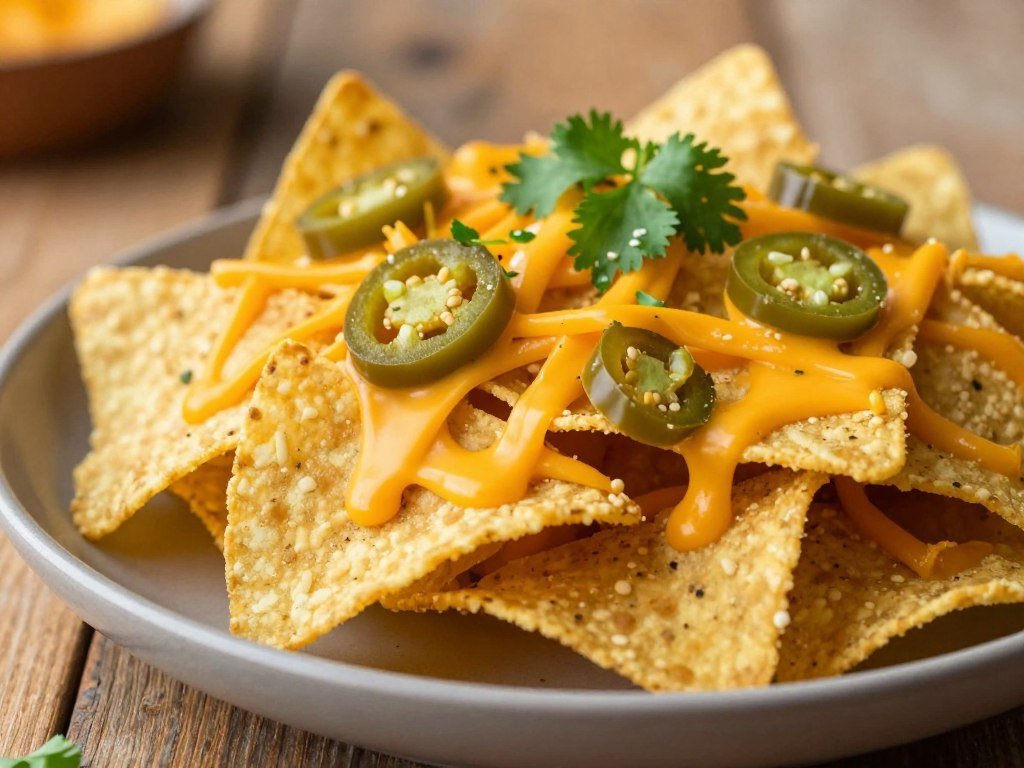
Cheddar-style shreds for nachos and casseroles
In a 2024 taste test, Daiya cheddar-style shreds felt plasticky, brittle, and grainy before heating. They turned globby over nachos. Go Veggie cheddar-style shreds tasted plastic-like and lacked a clear cheese flavor, then stayed in tiny strands after microwaving.
Moocho cheddar and fiesta shreds felt powdery and mild. They melted into a stodgy mass without an authentic cheese pull. A small test portion can reveal whether the shreds suit your recipe before you coat a full tray.
Watch for these four details when you test a new bag:
- Uneven melting: look for firm patches beside soft ones.
- Residue: check whether oily or starchy film remains on the dish.
- Browning: note whether the exposed edges darken too fast.
- Flavor intensity: taste the cooked food, not only the cold shreds.
Mozzarella-style shreds for pizza and quesadillas
Pizza and quesadilla tests show that results can shift with the recipe and cooking method. In a 2021 comparison, Daiya Cutting Board Blend, Follow Your Heart, Violife, and Earth Grown appeared among the tested brands. Violife, Daiya Cutting Board Blend, and Follow Your Heart made the top three in the quesadilla test.
That ranking does not make one brand a sure winner for every oven or tortilla. A pizza’s surface heat differs from a folded quesadilla, and a heavy topping can slow the melt. For more plant-based meal ideas, these vegan cookbooks for everyday cooking offer recipes across several styles.
Stir or scatter the shreds evenly so dense patches do not stay unmelted while exposed edges dry out.
What Is the Best Vegan Feta for Salads?
Follow Your Heart vegan feta is the most suitable pick here for a tangy salad topping with a crumbly bite. Its tang gives Greek-style salads a sharp note without requiring a strong dressing.
The product has a crumbly texture and uses coconut oil. Fold it gently into the salad because it breaks apart more easily than dairy feta. Its feta-style crumbles cost $4.49 in the 2024 test.
That loose texture can work well with tomatoes, cucumber, olives, and greens. It may not hold the same firm shape as a block of dairy feta, so add it near the end of prep.
The product was described as soy-free and gluten-free, but those claims do not replace reading the package. Ingredients and allergen statements can change, and a label matters when you are serving someone with dietary needs.
Its coconut-oil base gives it structure, while the tang brings the feta-style flavor. The texture is best treated as a salad topping rather than a firm cube for skewers.
Add the crumbles last and toss gently to help them keep their shape.
Which Vegan Cheese Spreads Work Best on Crackers?
Treeline plain cream cheese is the strongest choice for a smooth, tangy spread on crackers or bagels. Its soft texture makes it easier to spread than a slice or a firm block.
Treeline ranked first among the tested products. Its smooth, tangy taste suits simple toppings, where a strong seasoning would compete with the cracker.
Choose a spread made for cold use when you want a dip or topping. Tofutti American slices are not a good stand-in for a melting sandwich slice. They liquefied into a small oily puddle rather than melting into an even layer.
Kite Hill offers another cream cheese-style option made with almond milk. Its listed ingredients include enzymes, xanthan gum, and mushroom extract. That ingredient mix helps distinguish it from products built around other bases.
For crackers, a smooth spread can sit in a thin layer without breaking the crisp surface. A bagel can hold a thicker coat, especially when you want the spread to carry most of the flavor.
Use a spreadable product as a cold topping or dip instead of expecting a sliced product to melt into a sauce.
Which Vegan Cheese Belongs on a Cheeseboard?
Boursin dairy-free garlic and herbs brings the boldest savory flavor to a simple cheeseboard. Garlic leads, with chives and parsley adding to its rich, strongly seasoned taste.
Its texture is notably buttery, so it works best as a spread rather than a firm cheese for slicing. A 6-ounce container cost $7.99 in the 2024 test.
Pair a rich spread with plain foods that leave room for its seasoning. Plain crackers, sliced fruit, and crisp vegetables make useful choices. They bring different textures without adding another strong flavor.
Treeline offers a milder, cashew-based cream cheese-style product. It can balance a board when you want a less seasoned option beside Boursin. Its smooth form also makes it easy to spread across a cracker.
For a small plate, set out just a few pairings rather than crowding the board. Thin apple slices or cucumber can offer a fresh contrast to the buttery spread.
Put a milder cracker or sliced fruit beside a rich spread so its seasoning does not dominate every bite.
Which Vegan Cheeses Are Best for Snacking?
Babybel rounds and The Laughing Cow wedges are the most convenient picks when you want a portioned snack rather than cooking cheese. Ready portions make both easy to pack for lunch or serve on a small plate.
Babybel plant-based rounds contain modified food starch, coconut oil, and calcium citrate. A six-piece bag cost $4.49 in the 2024 test.
The Laughing Cow plant-based wedges contain almond milk, coconut milk, food starches, and pea protein. They are fortified with vitamin B12. Both products are made for snacking, not dependable melting. Their ingredients alone do not make either one a complete snack or meal.
You can serve either option in a few easy ways:
- Pair a portion with apple or pear slices.
- Add crackers for a simple lunchbox snack.
- Serve with crisp carrots or cucumber sticks.
The portion size can help when you want a quick bite, while fruit or vegetables add variety to the plate. For a shared snack, leave the portions whole and let each person choose a pairing.
Check the package for current ingredients and allergen information before packing either product for someone else.
Where Can You Find Budget-Friendly Vegan Cheese?
Earth Grown cheddar shreds are the clearest low-cost pick among the options with a reported price. Under $4 was the listed price for an 8-ounce package in the 2024 test.
Earth Grown cheddar shreds had a stronger cheddar flavor than its mozzarella shreds in the taste test. The brand’s cheddar and mozzarella shreds use coconut oil, potato starch, and potato protein.
Prices below are dated reference points, not current shelf quotes. Package size and local store prices differ, so compare the unit price when package sizes do not match.
| Product | Reported price | Reference date or condition |
|---|---|---|
| Earth Grown shreds, 8 ounces | Just under $4 | 2024 test |
| 365 cheddar-style slices | $3.99 | July 2022 |
| Go Veggie cheddar-style shreds | Around $5 | 2024 test |
| Daiya cheddar-style shreds | $4.99 | 2024 test |
A lower package price does not always mean a lower cost per ounce. A smaller bag may cost less at checkout but offer less product. Compare packages with the same unit of measure when you shop.
Earth Grown is a useful starting point if you want cheddar-style shreds for everyday meals. Its mozzarella shreds may suit a different recipe, but the taste test found less cheddar flavor in that style.
Compare the current shelf price per ounce rather than relying on an older total price.
What Dairy-Free Cheese Sticks Can You Buy?
Daiya offers both cheddar and mozzarella dairy-free cheese sticks for a portable snack. Stick shape describes the product format, not a breaded, cooked mozzarella stick.
Daiya also sells shreds, slices, blocks, and cream cheese. Those formats serve different uses, so do not assume that a stick will cook like a shred or slice.
Check the exact package for serving instructions and intended use. Some stick products may be meant to eat cold, while others may have heating directions. The label also lists allergens and handling details.
The distinction matters when a recipe calls for dairy-free mozzarella sticks. A snack stick is not automatically a breaded appetizer ready for the oven or fryer. Its shape alone does not tell you how to cook it.
Look for words that name the product type, then follow its package directions. That small check can prevent a snack item from ending up in a recipe it was not made for.
Confirm the exact product name on the package before treating a cheese stick as a cooking ingredient.
What Ingredients Shape Vegan Cheese Flavor and Texture?
The base ingredient gives a useful first clue, but the full recipe determines the final flavor and texture. Recipes vary, even when two packages use the same main ingredient.
Common bases include cashews, coconut oil, starches, or combinations of these ingredients. Dairy-free mozzarella ingredients vary by brand and style, with starches, coconut oil, and nuts among the common choices.
Cashew-based alternatives
In a survey of 245 U.S. alternatives, cashew-only products more often had the highest protein and lowest sodium and saturated fat. That is a group pattern, not a promise about every cashew product. A recipe may include other ingredients that change its nutrition.
Coconut-oil-based alternatives
Coconut oil is commonly used to add richness and help give a product structure. Its role in the recipe does not mean it will taste like coconut. The full blend of oils, starches, and seasonings shapes the flavor.
Some recipes use starches to create firmness or help the product hold its form. Those choices can affect how a slice feels cold and how shreds behave when heated.
Read the ingredient list alongside the nutrition panel
Use this four-part check to compare products:
- Base ingredient: cashew, coconut oil, or another main component.
- Added starches: look for potato, tapioca, or other starches.
- Fortification: check which vitamins or minerals appear.
- Serving size: compare the same amount across products.
Ingredient order can help you spot the main parts of a recipe, while the nutrition panel shows amounts per serving. Neither label alone tells the full story about taste or cooking performance.
Compare the ingredient list and nutrition panel on the exact product rather than judging it by the front label.
A product name such as “mozzarella style” describes its intended use, not a single fixed recipe. The package details give a clearer picture of what you are buying.
Is Vegan Cheese Healthier Than Dairy Cheese?
Vegan cheese is not automatically healthier than dairy cheese, because the nutrition profile depends on the individual product. Check the label rather than relying on the plant-based claim alone.
A U.S. survey recorded nutrition-label data for 245 plant-based cheese alternatives from 35 brands. The products were collected from November 2021 to January 2022.
What the U.S. product survey found
Only 3% of products had at least 5 grams of protein per serving. The survey found that 19% were fortified with calcium, 14% with vitamin B12, and 1% with vitamin D.
Almost 60% had high levels of saturated fat, while 15% had low sodium. These figures describe the surveyed products, not every vegan cheese sold today.
How to use the label for your own choice
Nutrition varies by product and serving size. Compare protein, saturated fat, sodium, calcium, and vitamin B12 on the package, using the same serving amount where possible.
Fortified products do not all contain the same nutrients. One may add calcium, while another may include vitamin B12. The front of the package may highlight one nutrient without showing the full panel.
Vegan cheese can suit different diets, but the label helps you decide whether a specific product fits yours. It also helps you compare two options that look similar on the shelf.
Choose according to the nutrients you need, and use the serving size on the package when comparing labels.
For a fair comparison, read the listed serving size before comparing numbers from separate packages. A smaller serving can make a product appear lower in nutrients or fat.
Conclusion
The best pick is the one that works for the meal you actually plan to make. Dish first is a simple way to narrow the choices, whether you want a topping, a spread, or a snack.
Flavor, texture, and meltability can differ even within one format. Try a small amount in the recipe before buying several products, especially when you have not used that style before.
Start with one package suited to your next recipe, then keep the style you enjoy most.
FAQ
What can I use as a substitute for mozzarella cheese?
Is halloumi cheese vegan?
Which vegan cheese is better, Daiya or Violife?
Is vegan cheese healthier than regular cheese?
What are the disadvantages of vegan cheese?