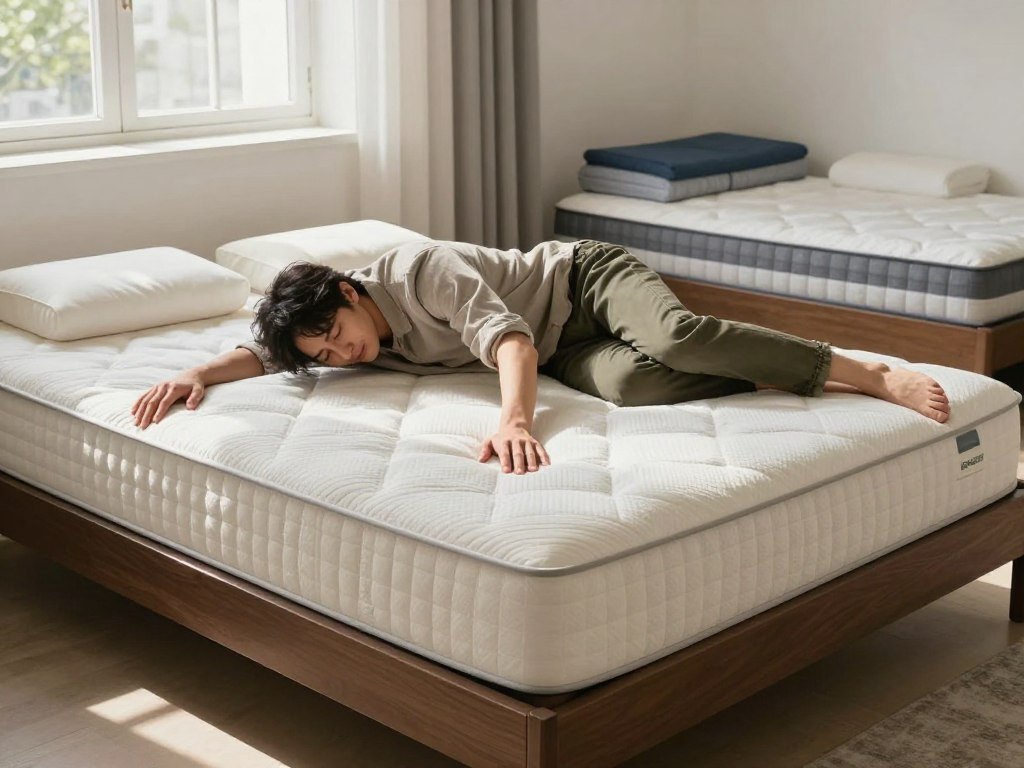
A topper can make a nearly comfortable bed feel more suitable by changing its cushioning, firmness, or temperature feel. It can help if your mattress feels too firm, too soft, or too warm, without requiring a full bed replacement. Pressure distribution means how a surface spreads body weight across contact points such as the hips and shoulders.
The best mattress toppers depend on your sleep position, temperature preference, and the feel you want. You might want a closer hug, a springier surface, or a little more cushion under the body. This roundup focuses on practical ways to match a topper with the sleep problem you want to solve.
Key Takeaways
- Choose by the main comfort change you need.
- Match the surface to your sleep position and preferred feel.
- Consider how a topper may affect heat, bed height, and sheet fit.
- Check care instructions and purchase terms before you buy.
- A topper cannot repair a mattress with serious structural wear.
Start with the one sleep problem you most want to change, then compare options that address it.
Which mattress toppers make the strongest shortlist?
A useful shortlist starts with the sleeper’s main need, then checks whether the product’s construction fits it. These top picks serve different goals, from cooling to contouring, instead of claiming one topper suits every mattress.
Consumer Reports’ January 2026 mattress-topper tests assess support, durability, pressure distribution, and ease of use. Its durability test simulates eight years of use, while its test list includes five named models.
The five Consumer Reports models are Tempur-Pedic TEMPUR-Adapt 3″, Lucid 4 Inch Down Alternative and Gel Memory Foam, Avocado ECO Organic Latex Medium 2″, Coop Sleep Goods Original, and Mainstays 3″ Memory Foam. That is a tested list, not a ranking from best to worst.
| Topper | Construction or feature | Best-fit need | Profile or result |
|---|---|---|---|
| Saatva Graphite Memory Foam | Graphite-infused memory foam | Cushioning and heat management | 3″ profile |
| Helix GlacioTex Premium | Foam, microcoils, cooling cover | Broad comfort and cooling needs | 3.75″ profile |
| Silk & Snow Organic | Latex and organic cotton | Responsive natural materials | 2″ profile |
| Brooklyn Bedding Microcoil | Microcoil construction | Responsive support | 4.7/5 overall |
| TEMPUR-Adapt | TEMPUR memory foam | Contouring and motion absorption | 3″ profile |
A test score is one comparison point, not a universal ranking across every test or a substitute for matching the topper to your bed.
Mattress Clarity’s 2026 topper roundups include products with overall scores of at least 3.5/5. Its Brooklyn Bedding Microcoil Topper earned 4.7/5 overall, with 5/5 for support, responsiveness, cooling, and construction quality, plus 7/10 for firmness.
A high score can help you compare models, but your mattress and comfort needs still matter. One test may focus on ease of use as well as performance, while another may use different categories.
Treat a test score as one comparison point, not a substitute for matching the topper to your bed.
How to choose the best mattress toppers for your sleep style
Sleep position is a practical first filter, but the feel of the mattress underneath still matters. Your usual position can point toward a surface preference, while your current bed can shift the choice.
Use this comparison as a starting point, not a rule that overrides your comfort. A mattress that already feels soft may call for a different topper than a firm one.
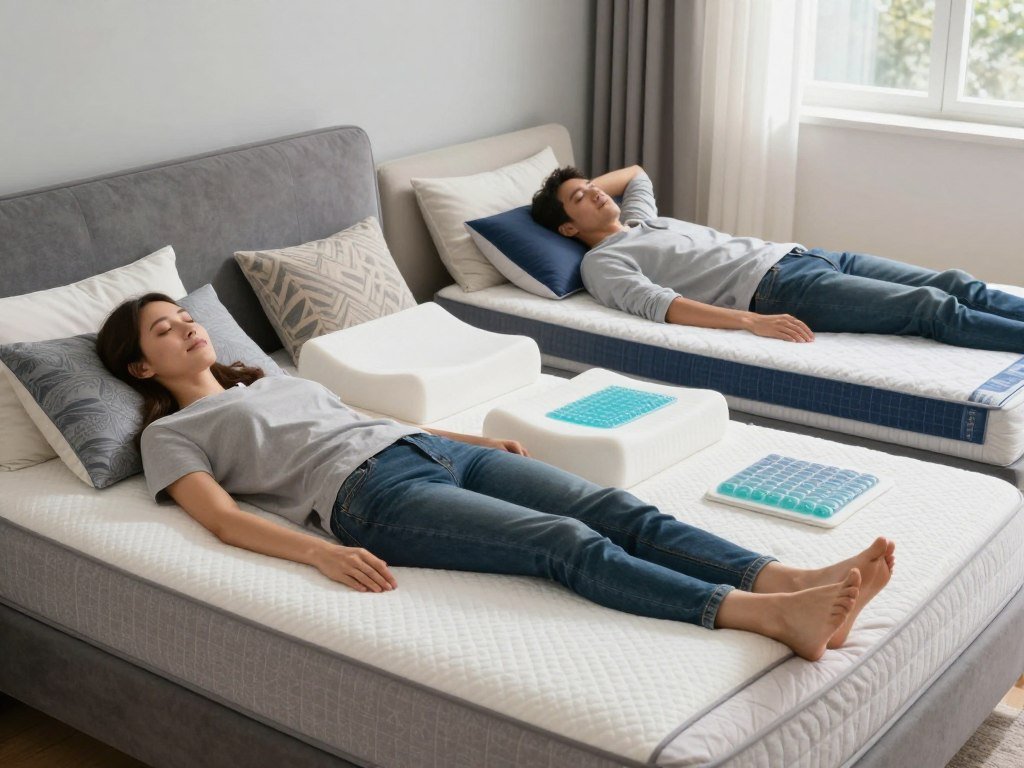
| Sleep position | Main comfort priority | Likely feel | Suitable material type |
|---|---|---|---|
| Side | Shoulder and hip cushioning | Softer | Memory foam or plush latex |
| Back | Balanced cushioning and lift | Medium | Foam or latex |
| Stomach | Keeping the midsection lifted | Firmer | Supportive foam or latex |
| Combination | Easy position changes | Responsive | Latex or responsive foam |
Side sleeping calls for room at the shoulders and hips
Side sleepers commonly look for cushioning where their shoulders and hips meet the bed. A softer surface may ease pressure, but too much sink can feel uncomfortable.
If you are choosing the rest of your bed, this mattress buying guide explains how sleep position and firmness shape the feel beneath a topper. Pillow height is a separate part of side-sleeping comfort, as pillow selection guidance explains.
Back, stomach, and combination sleepers need different balances
Back sleepers often prefer a middle ground between cushioning and lift. Stomach sleepers generally need a firmer surface that keeps the midsection from sinking too far.
Combination sleepers may find a responsive topper easier to move on than a slow-sinking foam layer. Helix Dual Comfort offers a reversible feel, with a medium-soft 4/10 side and a medium-firm 6/10 side.
If you change positions overnight, prioritize a surface that lets you move without losing the support you prefer.
Which mattress toppers suit side sleepers?
Side sleepers usually benefit from a surface that cushions the shoulders and hips without letting the pelvis drop too far. A balanced cushion can soften contact at those pressure points while keeping the body comfortable.
Mattress Clarity’s 2026 side-sleeper picks are at least 2″ thick and have support scores of at least 3.5/5. The named models cover foam, cooling features, and natural materials.
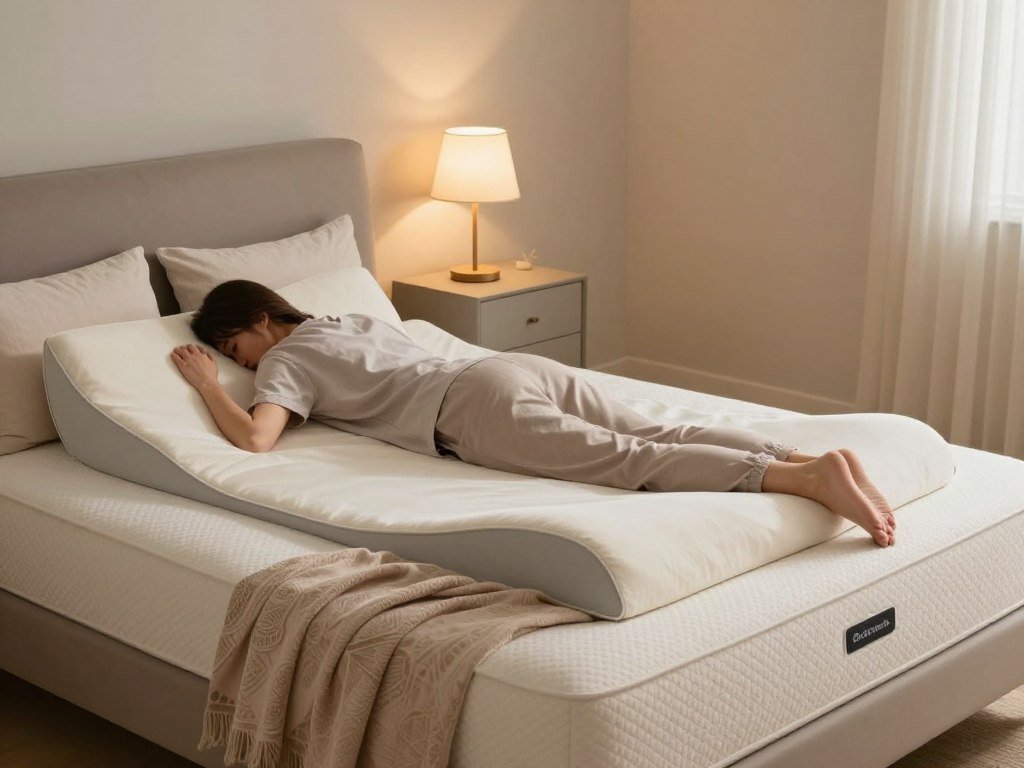
Cushioning for hip and shoulder pressure
Mattress Clarity names Saatva Graphite, Nolah, ViscoSoft Active Cooling Copper, Helix GlacioTex Premium, TEMPUR-Adapt, and Birch Plush Organic as side-sleeper picks. Saatva Graphite offers foam contouring, while Nolah is designed for cushioning.
Nolah is 2″ thick and fits mattresses 10″-15″ high. An expert in chiropractic care advises a 3″ profile for added hip and shoulder cushioning or support, though that is guidance, not a medical rule for every sleeper.
A softer feel can relieve pressure, but it should not let your hips sink excessively. You can also consider a pillow that fits your shoulder width and mattress feel, since head and neck comfort involves different needs.
Responsive alternatives to a deep foam hug
ViscoSoft Active Cooling Copper and Helix GlacioTex Premium offer cooling features. TEMPUR-Adapt is a choice for close contouring, while Birch Plush Organic uses latex and wool.
Foam can feel closer to the body than a responsive surface, so your preferred feel matters as much as the model name. Support scores and profile are useful checks, but they cannot tell you exactly how the topper will feel on your mattress.
Check both the topper’s feel and the mattress below it, since the same topper can behave differently on a firm and a soft base.
What support can a topper add for back pain?
A topper may improve comfort on a bed that feels too firm, but support matters more than plushness when you are trying to sleep comfortably. Comfort is personal, and a topper cannot treat back pain or correct spinal alignment.
Sleep Advisor names the Brooklyn Bedding 4-lb. Memory Foam Topper as its back-pain pick. Its foam is intended to cushion the lumbar area and reduce motion transfer.
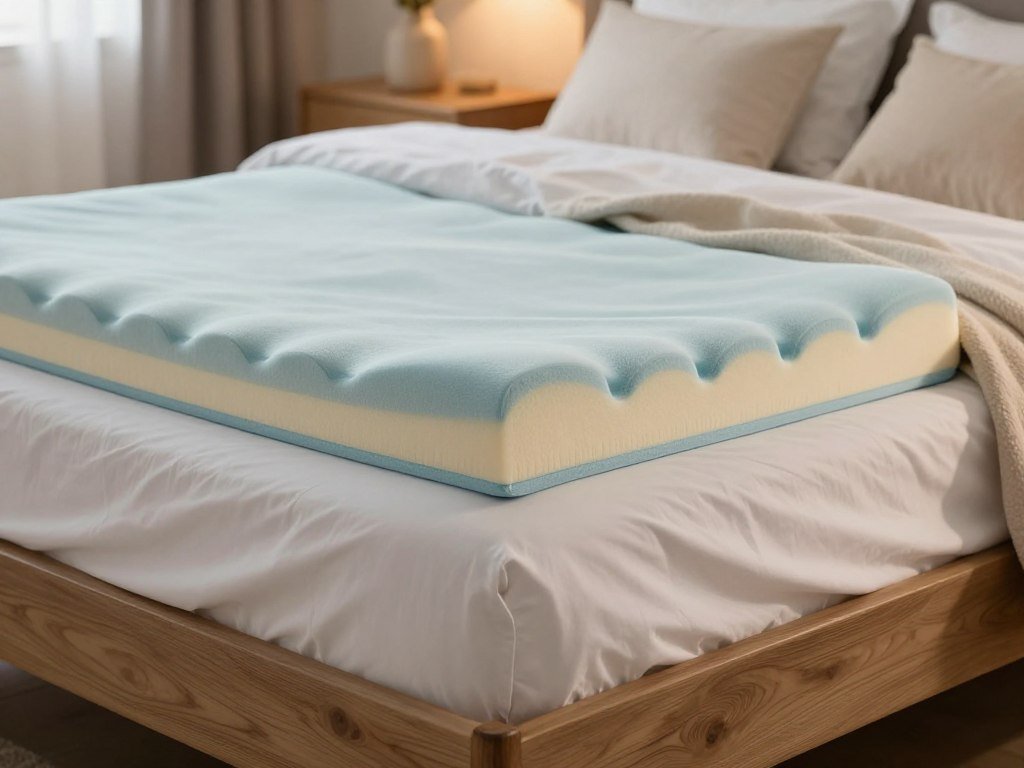
Helix ErgoAlign takes a different approach with zoned foam and firmer support under the midsection. It also has a GlacioTex cover and corner straps, though the mattress underneath must still provide sound support.
Before choosing, check the source of the discomfort in the bed:
- Does the bed feel too firm?
- Does your midsection sink into the surface?
- Would the topper change the feel you want?
- Is the mattress itself worn out?
A topper can change surface cushioning, but it cannot make a worn mattress supportive again. If pain persists or affects daily life, seek guidance from a qualified health professional rather than relying on a bedding change.
Which toppers help hot sleepers stay cooler?
For a hot sleeper, separate the cooling effect of a cover from the breathability of the layers underneath it. A cool-feeling cover may feel different from a construction that lets heat move away from the bed.
Saatva Graphite pairs graphite-infused memory foam with an organic cotton-blend cover. Helix GlacioTex Premium uses a GlacioTex cooling cover, high-density foam, and steel microcoils.
Cooling features built into foam
Saatva Graphite has a 3″ profile and four elastic anchor bands. It scored 5/5 for materials and 4.1/5 overall, but its care instructions allow spot cleaning only.
Infused foam and a cotton-blend cover are distinct features, yet neither promises the same sensation for every person. A cooling label describes the product, not a guarantee that you will feel cool through the night.
Breathability from hybrid and natural materials
Helix GlacioTex Premium combines a cooling cover with microcoils beneath the foam. The coil layer may allow more air movement than a solid foam layer, while the cover supplies its own surface feel.
Helix offers two firmness options for this model. The Helix Plush Topper has a 100-night trial and a 1-year warranty, useful terms to weigh if you are comparing its purchase conditions.
Airflow depends on the cover and the layers below it, while heat retention can vary by material and sleeper. Review the care label before choosing a foam model, especially if spot cleaning would not suit your routine.
Can a topper reduce motion between partners?
Foam can absorb some partner movement, while a more responsive surface may make it easier to change positions. For motion buffering, Consumer Reports recommends memory foam at least 1½ to 2″ thick.
A foam mattress topper can help limit movement that travels across the surface, but no topper removes every shift. Memory foam often responds slowly, while latex tends to feel springier beneath you.
Brooklyn Bedding CopperFlex 201 is 2″ thick and has corner straps. TEMPUR-Adapt uses 3″ of TEMPUR memory foam and has a removable, washable cover.
Those features may suit couples who value motion isolation, but a topper also changes the shared surface. A responsive latex layer can make moving easier, though it may absorb movement differently from memory foam.
A single topper cannot create separate firmness zones for two partners. It may soften the mattress as a whole, which can leave one person with a feel they did not want.
Couples with sharply different firmness needs should consider whether a shared surface can meet both preferences before buying.
Which topper material fits your priorities?
Material is a useful guide to whether a surface will hug, bounce, or fluff beneath you. The main difference is how each layer responds to pressure and movement.
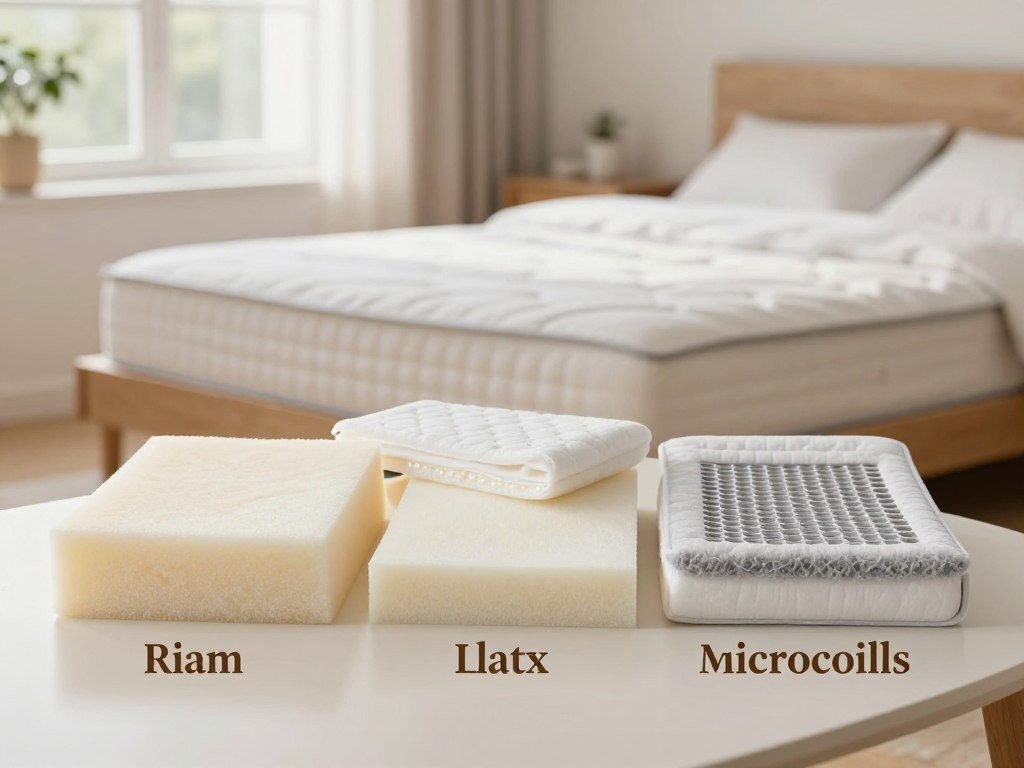
Memory foam contours closely and can buffer motion. Latex feels springier, while down and fiberfill add a loftier surface cushion.
| Material | Typical feel | Useful feature | Example |
|---|---|---|---|
| Memory foam | Close contour | Pressure cushioning and motion buffering | TEMPUR-Adapt |
| Latex | Responsive and springy | Easier movement and breathability | Silk & Snow Organic |
| Down or fiberfill | Lofty and plush | Soft surface cushioning | Brooklinen Down Alternative |
| Microcoils | Supportive and responsive | Added lift and airflow | Brooklyn Bedding Microcoil |
Memory foam for contouring and motion buffering
Memory foam molds more closely around the body than a springy latex layer. That close feel can suit sleepers who want cushioning and less movement across the bed.
Latex for bounce and easier movement
Silk & Snow Organic uses GOLS-certified latex and GOTS-certified cotton. It offers two firmness options and scored 4.1/5 overall.
Saatva Organic Quilted combines quilted wool batting with natural latex in a 3″ profile. It is GOTS-certified organic, a detail that applies to the named materials, not automatically to every part of a product.
Down, fiberfill, and microcoils for other surface feels
Down and fiberfill create a fluffy cushion rather than the close hug of memory foam. Microcoils provide a more responsive construction; Brooklyn Bedding Microcoil scored 5/5 for support, responsiveness, cooling, and construction quality.
Certifications apply to the specific materials named, not every part of every product. If you have a latex allergy, rule out latex models before comparing their other features.
Which affordable toppers merit a look?
For a budget-minded shopper, comparing construction and purchase terms is more useful than choosing by a label alone. Value includes fit, care, and return terms, not just the first price you see.
Sleep Advisor’s 2026 budget guide includes seven options with different builds and terms. That list does not establish that one model is the cheapest.
- Helix Plush
- Brooklinen Down Alternative
- Brooklyn Bedding Gel Swirl
- PlushBeds Natural Latex
- TEMPUR-Pedic TEMPUR-Cloud
- Layla Memory Foam
- ViscoSoft Serene Hybrid
Brooklyn Bedding Gel Swirl comes in 2″ and 3″ profiles, giving you two height choices. TEMPUR-Cloud is 2″ tall and has a 10-year warranty, but it has no trial period.
That difference matters if you need time to learn whether a topper suits your bed. Check the listed purchase terms alongside the feel and construction, since a lower price alone does not tell you how well it fits your needs.
Confirm whether a trial is available before committing to a model you have not tried at home.
Is down or down alternative right for your bed?
Down and down-alternative toppers can add a lofty cushion, but the fill materials are not the same. Natural down or feathers differ from synthetic fill, even when both styles feel soft.
Fiberfill can feel plush on the bed, but it does not contour like foam or offer the same kind of support. A topper with lofty fill may suit you if you mainly want a softer surface.
Queen-size down or feather toppers cost $150-$500. Brooklinen Down Alternative has a cotton skirt that fits mattresses up to 18″ tall.
The Company Store Company Essentials Down Alternative is described as plush, with a gusseted design and densely packed fill. Those details describe its construction, not a measured performance score.
A soft top layer cannot make a sagging mattress supportive. Choose a fiberfill style for surface softness, not as a way to correct a sagging or unsupportive mattress.
How thick should a mattress topper be?
Most shoppers can use 1″-4″ as a practical thickness range, then narrow it by the amount of comfort change they want. A thicker profile can add more cushioning, but it also raises the bed.
Mattress toppers are typically 1″-4″ thick and may add cushioning, pressure relief, or temperature control. Mattress Clarity recommends at least 2″ for a noticeable change in mattress feel.
Choose a profile for the amount of change you want
A thinner topper can make a smaller change, while a deeper profile adds more material between you and the mattress. The right amount depends on how much you want the bed’s feel to shift.
A thick layer may offer more cushion, though it also changes the height of your sleep surface. That added height can affect how your bed feels and how it fits in the room.
Match thickness to sleep position and bed height
One 2024 rule of thumb suggests around 4″ for side sleepers and 2″-3″ for back sleepers. It suggests around 2″ for people seeking added support with back pain.
These are general guidelines, not exact prescriptions for each person. Your sleep position and the mattress underneath can affect how much cushioning feels comfortable.
Measure your mattress and bed height before choosing a thicker profile.
What firmness should you choose?
Start firmness selection with your usual sleep position and the feel of your current mattress. Firmness works in combination with the bed underneath, so the same topper can feel different on two mattresses.
Mattress Clarity’s scale runs from 1/10, the softest end, to 10/10, the firmest. Its soft-topper picks range from 4/10 to 6/10.
Many side sleepers prefer some give at the shoulders and hips. Stomach sleepers often prefer a firmer surface, which can keep the midsection from sinking too much.
Your body and the feel of your mattress can shift those preferences. A label gives you a useful comparison, but it cannot predict exactly how the topper will feel in your bed.
If possible, test a topper at home under the return terms before deciding that its firmness label suits you.
How can you keep a topper in place and sheets fitting?
Before adding height, check both fitted-sheet depth and how the topper attaches. Fit can affect comfort if the layer bunches or slides during the night.
A 4″ topper on a 15″ mattress can make fitted sheets difficult to fit. The combined height leaves less sheet fabric to tuck beneath the mattress.
Check the mattress and fitted-sheet dimensions
Use this short checklist before you make the bed:
- Measure the mattress length and width.
- Check fitted-sheet pocket depth after adding the topper.
- Inspect how the topper is secured.
Tuft & Needle’s 2″ topper has no corner straps and can be tucked under sheets to help limit slipping. Helix ErgoAlign uses elastic corner straps to hold its corners in place.
Choose an attachment style that suits your bed
Corner straps can reduce shifting, while a design without straps may rely on the fitted sheet to hold it. Consider how the topper sits on your mattress and whether its attachments suit your bed setup.
Recheck the fit after making the bed, since a topper that bunches or slides can change how the surface feels.
What do cleaning and durability depend on?
A washable cover can simplify routine upkeep, but the topper’s core may still need separate care. Care instructions differ by model, so check the cover and inner materials rather than assuming the whole topper is washable.
Brooklinen Down Alternative has a machine-washable design and a 365-night trial. TEMPUR-Adapt has a removable, washable cover, while the foam core follows separate care needs.
Read the care instructions for the cover and core
A removable, washable cover does not mean you can wash the core. Some foam models allow spot cleaning only, so spilled liquid may need quick attention.
Brooklinen Down Alternative also has a cotton skirt for mattresses up to 18″ tall. Its care and fit details can help you judge whether routine use will suit your bed.
Consider materials, wear, and purchase terms
TEMPUR-Adapt pairs its removable cover with a 10-year warranty. Purchase terms can differ from care rules, so read both before deciding how well a model fits your needs.
Mattress toppers typically last about 2-5 years, depending on material and care. That is a rough range, not a promise for any one product.
Follow the care label and replace a topper when it no longer holds its shape or support.
When is a topper not the answer?
A topper adjusts the surface feel, but it cannot repair a mattress that has lost its support. Structural wear calls for a different response than a bed that simply feels too firm.
A mattress topper will not fix a sagging mattress or restore a bed that is past its prime. It may change the feel of a mattress with minor wear, but it cannot correct structural deterioration.
Look for these signs that the bed may no longer offer a sound sleep surface:
- Persistent sagging
- Deep impressions
- An uneven surface
- Damaged support materials
A topper can add a new surface layer, but it cannot restore damaged materials underneath. For help comparing a new bed with your current one, use this guide to mattress options as a starting point.
If the bed has deep impressions or structural damage, compare replacement options instead of adding another layer.
A change in surface feel is different from restoring a worn structure. If the bed has deep impressions or structural damage, compare replacement options instead of adding another layer.
What do mattress toppers cost?
Queen-size price ranges differ by fill, with memory foam generally below latex and down or feather in between. Material shapes cost, and the size you buy can change the final price.
Queen-size memory foam toppers cost $100-$400, latex toppers cost $300-$800, and down or feather toppers cost $150-$500. 100% latex toppers sit at the high end of the latex range.
| Queen-size material | Price range |
|---|---|
| Memory foam | $100-$400 |
| Latex | $300-$800 |
| Down or feather | $150-$500 |
Queen-size material ranges offer a starting point, but Saatva’s listed prices also show how size changes a specific product’s cost.
| Size | Saatva Graphite | Saatva Organic Quilted |
|---|---|---|
| Twin | $225 | $695 |
| Twin XL | $225 | $695 |
| Full | $275 | $895 |
| Queen | $305 | $995 |
| King | $355 | $1,295 |
| Split King | $450 | $1,390 |
| Cal King | $355 | $1,295 |
These are product-page prices, and shoppers should check current pricing at purchase. Compare the price of the size you need, rather than assuming the queen-size range applies to every bed.
Conclusion
A good choice is the topper that changes the one part of your bed that is not working for you. Start with your main comfort problem, then balance sleep position, preferred feel, temperature needs, and fit.
There is no need to chase every feature at once. A topper that suits your needs should work with the mattress beneath it and the way you sleep.
Measure your mattress, choose your priority, and check the return and care terms before placing an order.
FAQ
What is the number one rated mattress topper?
What are the best quality mattress toppers?
What is the most effective mattress topper?
What are the best mattress toppers according to Consumer Reports?
What mattress toppers do chiropractors recommend?
What are the best mattress toppers in 2026?