
The best choice changes with the ride you want to do, from racing to long-distance events and relaxed days on familiar roads. The 2026 range serves riders who want an aero bike, an endurance road bike, or a lightweight option for climbs. That gives you choices for racing, long-distance events, and recreational riding.
There is no single winner for every rider. Your intended use, comfort, fit, and budget matter more than a bike’s place on a list. A fast race bike can feel wrong on a long day, while a comfort-focused model may not suit repeated race starts. This roundup helps you weigh those tradeoffs and choose a bike for the roads you ride. Start with your own routes, then compare models that suit them.
Key Takeaways
- Match the bike category to your usual roads and riding goals.
- Choose fit and comfort before chasing small weight savings.
- Check tire clearance against your preferred tire and wheel setup.
- Compare complete builds, not just frame prices or groupset names.
- Test the riding position before ordering a high-performance bike.
Start by matching the bike’s purpose to the rides you actually plan to take.
How to Choose Among the Best Road Bikes 2026
Choose the bike category by the roads you ride most and the position you can comfortably sustain. Race bikes favor speed and sharp handling, endurance road bikes add comfort for long days, and all-road bikes take wider tires. The best road bikes balance those needs with the ride quality you want.
Tire clearance means the widest tire width a frame and fork are designed to accommodate, subject to the bike maker’s stated fit limits. The figures below describe typical category ranges, not a promise about any individual frame.
| Bike type | Best suited to | Typical maximum tire clearance |
|---|---|---|
| Race/aero | Racing and fast group rides | 32mm |
| Endurance | Long days on mixed-quality pavement | 35mm-40mm |
| All-road | Paved roads plus light gravel | About 45mm |
Use these rider profiles to narrow the choice:
- Race and fast group rides: choose a responsive race bike or aero bike.
- Long days on mixed-quality pavement: consider endurance road bikes.
- Paved roads and light gravel: look for an all-road bike with useful mounts.
Aero efficiency can matter at speeds as low as 13mph/20 km/h, especially when you spend time riding into the wind. The UCI minimum bike weight limit is 6.8kg/15.9lbs, a rule mainly relevant to riders concerned with race regulations. Comfortable fit and route needs should guide most choices before race rules do.
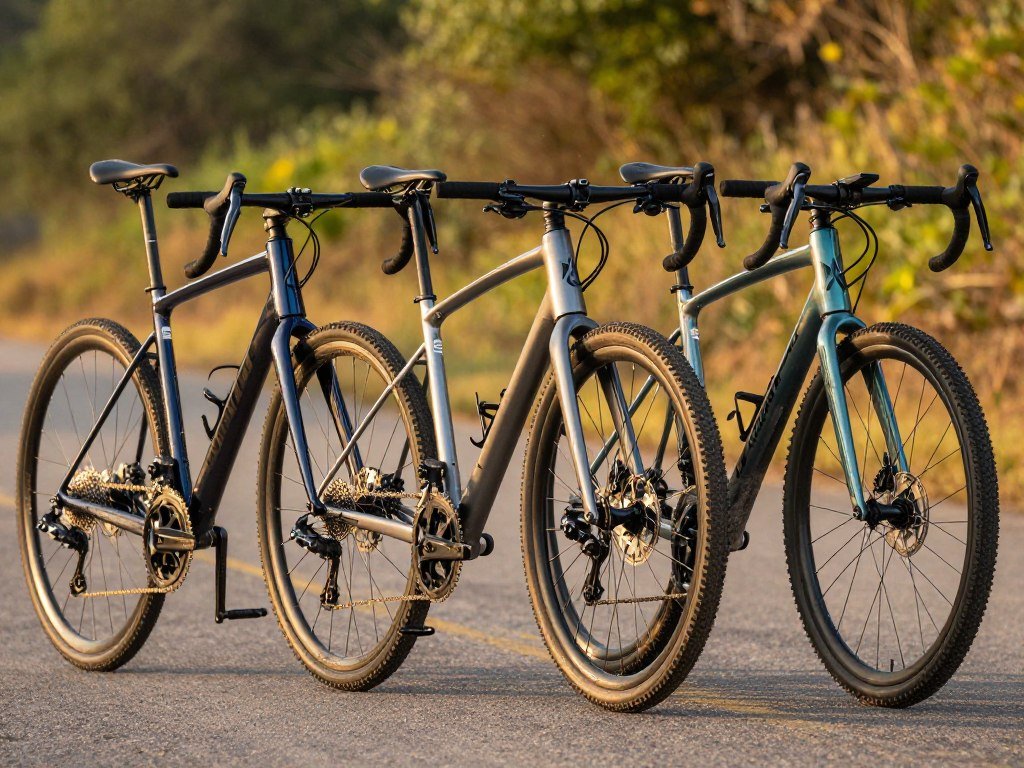
If you expect regular unpaved sections, verify tire clearance and mounts before treating a road bike as an all-road option.
Mounts matter when you want to carry gear or fit mudguards; tire width alone does not tell you that. A gravel bike may suit rougher trails better, while an all-road bike keeps a more road-focused feel. If you expect regular unpaved sections, verify tire clearance and mounts before treating a road bike as an all-road option.
Is the Specialized S-Works Aethos 2 the Best All-Round Road Bike?
For a rider who wants one high-end bike for climbing, fast group rides, and everyday road use, the S-Works Aethos 2 is the clearest all-round pick. Its light, balanced ride feel suits varied roads better than a frame built only for aero gains. It is a strong contender among the best road bikes for riders who value carbon design and low weight.
The listed weight is 5.98kg/13.2lbs. The complete build includes a FACT 12r carbon frame, a SRAM Red AXS 12-speed groupset, and Roval Alpinist CLX II wheels. Those parts make this best road bike a premium choice, not a needed upgrade for every rider.
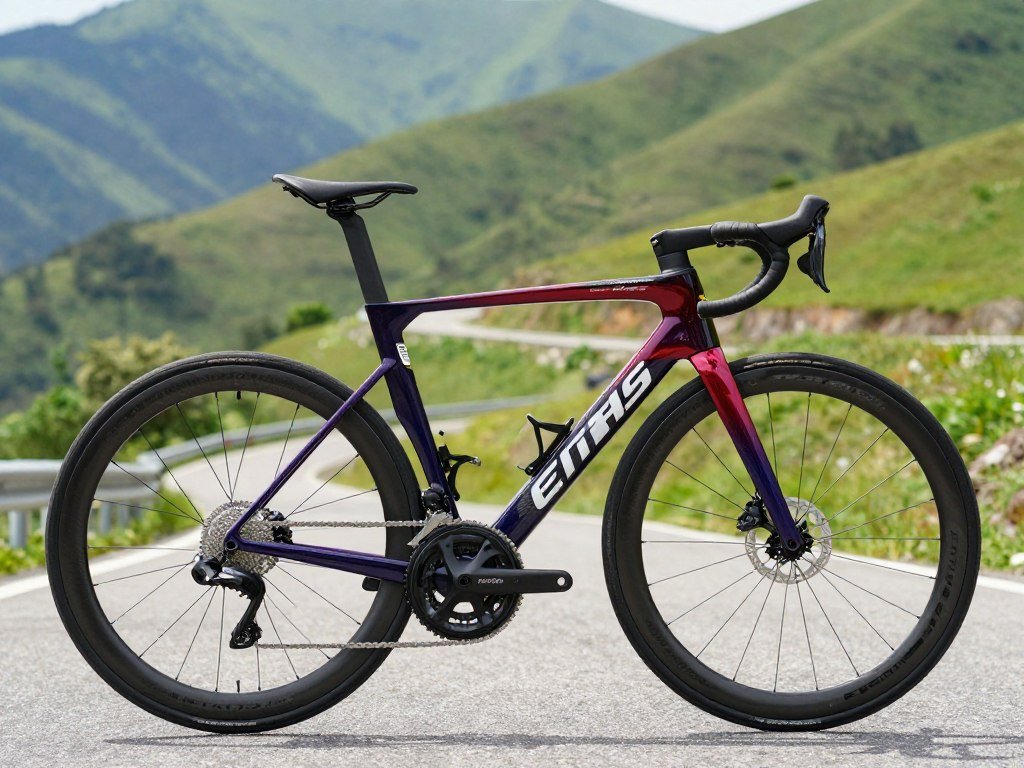
The Aethos 2 puts less emphasis on dedicated aero shaping than an aero race bike. That makes sense if your rides include climbs, changing pace, and ordinary road miles rather than long stretches at race speed. A comfortable position and lively handling can make a bigger difference to your ride than an aero profile you cannot use well.
Riders focused on sustained high-speed racing may prefer a dedicated aero frame. That design can suit a rider who stays low and pushes a steady pace, while a more balanced bike fits a wider range of outings. The Aethos 2 is still a clear choice for riders who want one bike to handle different road days.
Its premium parts may be more than you need if you are buying your first road bike. Consider whether the lighter build and top-tier groupset fit your budget and use, rather than treating them as a requirement. Choose it for its light, adaptable character, not because every rider needs a top-tier build.
What’s the Best Budget Road Bike for Beginners?
The Giant Contend SL 1 is the straightforward budget recommendation for riders who want a well-equipped alloy road bike. Its everyday balance makes it the best budget road pick here for a new rider. The Merida Reacto 4000 offers a more aero-focused option if speed-oriented styling and design appeal to you.
The Contend SL 1 pairs an ALUXX SL-grade aluminum frame with Shimano 105 12-speed shifting. Its Giant P-R2 Disc wheels and listed weight of 9.5kg/20.9lbs make a practical build for regular road use. It has a useful mix of parts without asking a beginner to start with a top-end race bike.
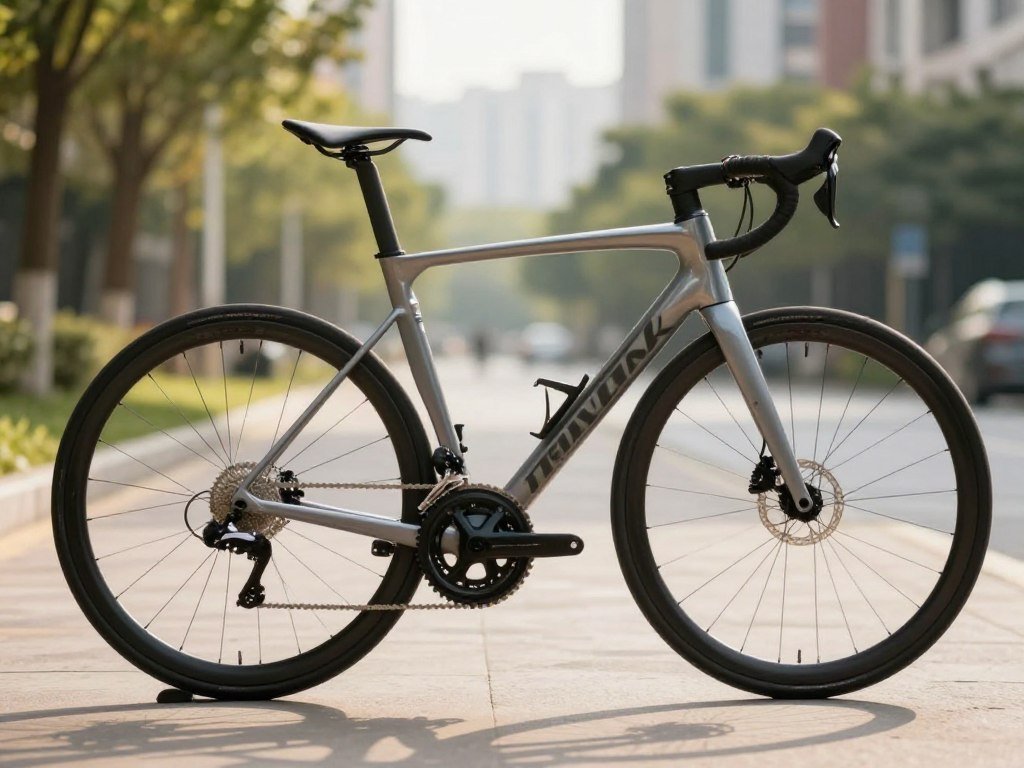
Giant Contend SL 1 for a versatile alloy build
This budget road frame suits riders who want one bike for fitness rides, commuting, and weekend group outings. Shimano 105 is a familiar groupset family, and 12 speeds give you a range of gears for varied roads. The complete setup matters more than a single component name, so check that the gear range suits local hills.
For a first bike, put these four priorities ahead of small upgrades:
- Reliable shifting that works across the full gear range.
- A riding position you can hold without strain.
- Hydraulic braking for controlled stops.
- A frame that leaves room for your intended tire width.
Merida Reacto 4000 for a more aero-focused option
The Reacto 4000 takes a more aero frame approach than the Contend SL 1. It has room for 30mm tires and a built-in rear light in its seatpost, a handy detail for everyday visibility. Those features add appeal, but its past tested price should not be treated as a current offer.
Both models can work as a first road bike, depending on your fit and riding plans. A beginner does not need to choose the most aggressive frame to enjoy fast rides. Put fit and a suitable gear range ahead of a cosmetic upgrade when choosing a first build.
Which Endurance Road Bike Is Best for Long Rides?
The Canyon Endurace CFR is the pick for riders who want an endurance bike that still feels ready to move quickly. Its race-influenced character gives long-distance riders a fast feel without making comfort an afterthought. It belongs among the best endurance road bikes for riders who want a lively ride over rough pavement.
The Endurace CFR uses a SRAM Red AXS groupset and DT Swiss Arc 1100 65mm wheels. Its listed weight is 7.55kg/16.6lbs. The deep wheels suit a fast build, while endurance geometry and frame compliance can help reduce strain on long rides.
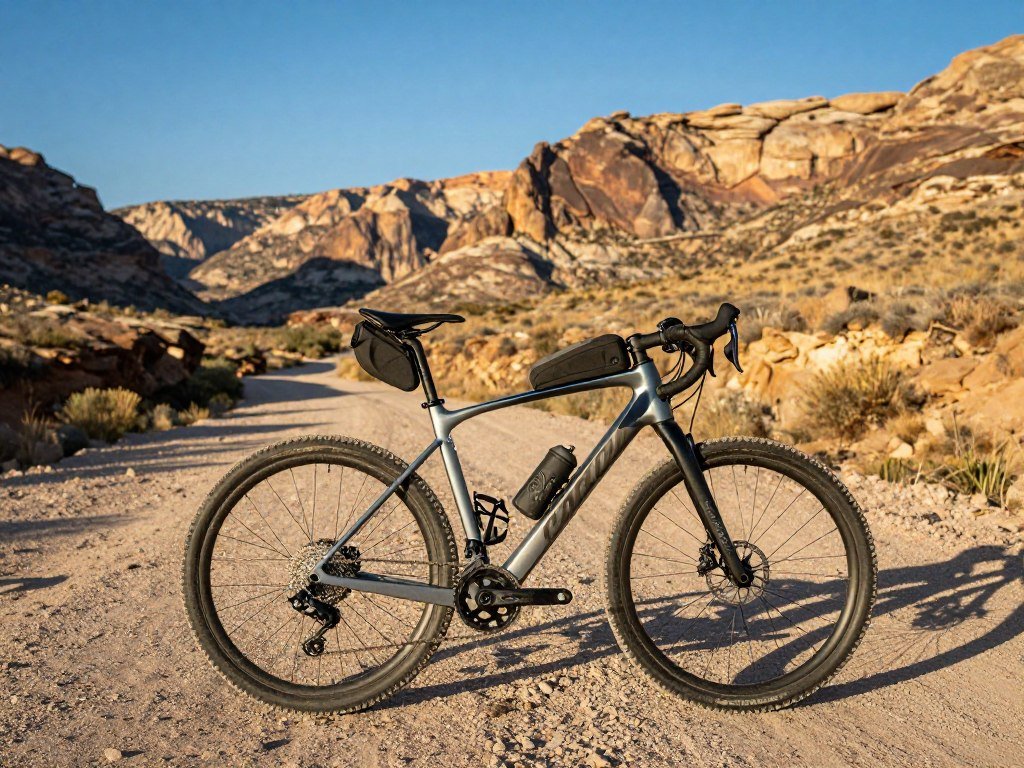
Canyon Endurace CFR for speed over rough roads
Endurance geometry can make it easier to hold a comfortable position for hours. Frame compliance can soften some road buzz, which may help you keep riding when pavement gets rough. Neither feature makes a bike slow by itself; a strong fit and steady effort still count.
The CFR suits riders who want a premium build with a quick response. Its wheel depth and high-end parts give it a different feel from a more practical endurance bike. The best endurance road option depends on whether you want that fast character or features that help with storage and daily use.
Cannondale Synapse and Canyon Endurace CF SLX for added practicality
The Endurace CF SLX has endurance geometry, downtube storage, and 38mm tire clearance. The Endurace CF SLX 8 Di2 was tested at $5,999 and 8.6kg; those figures describe that specific tested build. Its storage and wider tire room suit riders who want to carry small items and take rougher routes.
The Cannondale Synapse SmartSense combines an integrated front light, a rear light with built-in radar, and a downtube battery. That battery can power the lights and an electronic drivetrain. SmartSense is an integrated lighting-and-radar system, not just a set of add-on lamps.
Choose the Synapse if integrated lights and radar matter more to your routine than a race-focused feel.
Can an Endurance Road Bike Still Race Fast?
Yes, an endurance bike can keep pace when its geometry and the rider’s fit allow a strong, sustainable position. Fit you can hold matters more than a frame label during a long race. A road bike that lets you stay comfortable may help you ride harder for longer.
The Specialized Tarmac SL9 shows how close lightweight and aerodynamic performance can overlap. A size 56 frame weighs 687g, about 85g more than the lightest frames. It tests within a few watts of the fastest frames on the market.
That example does not prove that every endurance road bike matches a race bike. Models differ in geometry, handling, and how easily you can stay low. If race starts are frequent, a race-focused frame may give you a position and response that suit hard accelerations.
Position is personal. A low, stretched setup can help reduce wind resistance, but it may feel tiring if your back, neck, or hands take too much strain. The best road bikes for racing are the ones that let you hold a useful position while steering and pedaling with control.
Small frame-only differences can matter less than your body position and handling confidence. A bike that feels secure through corners may let you ride faster than one that seems quick on paper. If racing is the main use, test the race position before trading comfort for a theoretical speed gain.
Which Aero Road Bike Is Best for Racing?
The Tarmac SL8 is the leading aero-race choice for riders who want speed without giving up all-round race-bike usefulness. This versatile aero road bike suits racing and fast group rides without feeling like an extreme specialist. Its design makes it a strong aero race bike for riders who want one machine for varied events.
The 2026 guide lists a Shimano Dura-Ace Di2 groupset, Roval Rapide CLX carbon wheels, and a 6.6kg/14.6lb weight. The Specialized S-Works Tarmac SL8 frame weighs 685 grams. The full build and frame figure describe different parts of the bike, so they should not be read as the same measurement.
Specialized S-Works Tarmac SL8 for all-round race use
The Tarmac SL8 blends an aero frame with a race-bike setup made for varied courses. That makes it a good fit for riders who want speed on flats and responsiveness when the road rises. Its wheels and groupset form a high-end build, though other versions may suit a different budget.
An aero bike can only deliver its intended feel if you can ride in a useful position. Cockpit fit affects how low you can get and how easily you can control the bike. A bike’s listed weight or wheel choice cannot make up for a setup that leaves you cramped.
What a stretched aero position asks of the rider
Aero road bikes commonly use stretched-out riding positions. That can lower your front end and help you present less area to the wind, but the position asks for flexibility and comfort. If you cannot stay low, you may spend more time sitting upright than planned.
Test the drops as well as the hoods. You should be able to steer, brake, and keep your hands relaxed in the position you expect to use during a race. A comfortable cockpit can matter more than choosing an aero bike with the most extreme shape.
Treat the fit in the drops as part of the bike’s performance, not a detail to fix after purchase.
How Do the Leading Aero Race Bikes Compare?
The Argon 18 Nitrogen is a compelling aero-race option for riders who value a 65mm wheel setup and a tested medium weight of 7.9kg. Its deep-wheel build sets it apart from lighter or more adjustable options. The best aero road bikes for 2026 depend on fit, build, and the kind of racing you plan to do.
These figures are not a like-for-like test. They describe different sizes, builds, or measured changes, so they help show design choices rather than rank every aero bike.
| Model | Build or feature | Weight or measured change |
|---|---|---|
| Argon 18 Nitrogen | Shimano Ultegra Di2 12-speed, 65mm Scope R6.A wheels | 7.9kg in size medium |
| 3T Strada Italia | SRAM Force XPLR AXS, Fulcrum Sharq 42 wheels | 7.8kg in tested XL |
| Canyon Aeroad CFR | Three cockpit width settings | Three settings |
| Cervélo S5 | Updated design | 6.3 watts faster than its predecessor |
What changed on the Canyon Aeroad?
The Canyon Aeroad CFR cockpit offers three width settings, a useful option for riders who need a more exact fit. The updated Aeroad has increased tire clearance of 32mm. That gives the aero frame more room for tire choices than some riders may expect from a race bike.
A wider cockpit setting can affect control and shoulder comfort, while tire fit can change how the bike feels on rough pavement. Neither feature decides the best aero bike on its own. Your riding position and chosen build still need to suit your body and race plans.
Is the Cervélo S5 still a top aero contender?
The updated Cervélo S5 is 6.3 watts faster than its predecessor. That measured change keeps it in the conversation for riders seeking an aero road bike. The figure compares the update with its earlier model, not with the other bikes in the table.
Readers comparing the best aero road bikes for 2026 with the best aero road bike from 2025 should focus on the exact version, fit, and build. A past model can still make sense if its parts and price match your needs. Confirm the cockpit width range suits your fit before choosing an integrated aero build.
Is a Lightweight Climbing Bike Right for You?
The Scott Addict RC is the better match for a rider who puts climbing response and a direct race-bike feel first. Its light frameset may appeal if you value a lively bike on steep roads. The Scott Addict is a race bike, so comfort and control still matter when the route turns downhill.
In size M/54, the Addict RC HMX-SL frame weighs 599g and its fork weighs 270g. Those are frameset figures, not the weight of a complete bike. A fitted bike includes wheels, drivetrain, brakes, and other parts that add weight.
The S-Works Aethos 2 is listed at 5.98kg/13.2lbs as a complete bike. That comparison is different from the Scott’s frame and fork weights, so it does not show which complete build is lighter. A complete-bike figure gives you a more useful starting point when comparing bikes you can ride.
A lightweight frame can feel quick on climbs, but it does not decide how the bike handles descents. Gearing affects how comfortably you spin up steep grades, while steering confidence matters when the road drops. Long rides also call for a position you can keep without sore hands or a tired back.
Choose a climbing-focused race bike if that direct response fits your routes and preferences. If most rides include long hours on rough pavement, a more comfort-minded road bike may suit you better. Compare complete builds, since a light frameset does not guarantee a light bike once parts are fitted.
Scott claims the Addict RC Ultimate weighs 5.9kg. Its frame and fork figures are 599g and 270g, respectively, as detailed in Escape Collective’s Addict RC report.
Are All-Road Bikes Worth Choosing Over Road Bikes?
Choose an all-road bike when your usual route regularly leaves smooth pavement but still includes plenty of road riding. Extra tire room and utility can help on rough roads and gravel connectors. All-road bikes are a road-oriented compromise, not a replacement for every dedicated gravel bike.
A road-focused all-road bike makes sense when mixed surfaces are part of your normal week. A road bike remains the better fit if most of your miles come on smooth pavement and you value a focused road position. Your route, not a label, should drive the choice.
A road-focused all-road bike for rough pavement
Wider tires can make rough pavement feel less harsh and can give you more room to choose a suitable setup. That can help when a familiar road has broken patches or loose shoulders. You still keep a road-focused ride for paved sections and faster group outings.
Consider an all-road bike for these reasons:
- Your regular routes include rough pavement.
- You use occasional gravel connectors between roads.
- You need mounts for luggage or other accessories.
A more versatile setup for gravel connectors
The Surly Midnight Special has 42mm tire clearance, mudguard and rack mounts, and additional fittings. Those features support varied routes and utility, such as carrying gear or fitting mudguards. They make it a useful example of an all-road option that can handle more than smooth tarmac.
Gravel bikes often suit riders who spend more time on rough, loose, or technical trails. An all-road bike keeps its focus closer to road riding, while adding room for surface changes. If your riding is almost entirely fast pavement, the extra versatility may be less useful than a road-focused fit.
Should Women Choose a Women-Specific Road Bike?
A women-specific road bike is worth considering when its geometry and contact points match your body and riding position. Fit matters more than the label, since body proportions and comfort needs vary from rider to rider. A model built for women can provide useful options, but it is not automatically the best road bike for every woman.
Compare bar width, saddle, and reach during a test fit. Those contact points shape how you hold the bike and where you place pressure. Road bikes sold under different marketing labels can still have a fit that suits your body.
The Scott Contessa Addict 25 has 32mm Schwalbe One Fold tires and hidden mudguard mounts. That setup offers a practical road option for riders who want those features. Its name alone cannot tell you whether the frame reach or bar setup works for you.
Liv EnviLiv and Liv Langma are distinct women-oriented road-bike models. They offer another path if their geometry and parts better match your preferred ride. The right choice still depends on your proportions, riding position, and the fit you can hold comfortably.
A women-specific frame may suit some riders better, while a unisex frame may suit others. Test the actual model rather than assuming that one design category fits everyone. Compare the actual fit and component setup against unisex alternatives before deciding by name alone.
What Tire Clearance Do You Need on a Road Bike?
Pick enough clearance for the roughest surface you ride regularly, not the widest tire you might use once. Route conditions should guide your choice, with room for the tire setup you plan to ride. A frame’s stated limit does not guarantee every tire and rim combination will fit.
A tire’s actual fit depends on rim width and frame and fork clearance. Mount availability is separate from tire width, so a bike can take a wide tire without having rack or mudguard fittings.
| Model | Maximum tire clearance | Practical feature |
|---|---|---|
| Cannondale Synapse | 42mm | UDH dropout |
| Specialized Roubaix Sport | 40mm | 20mm front-end Future Shock travel |
| Giant Defy | 38mm | Mudguard mounts |
| Ribble Ultra-Road | 38mm | Downtube storage |
| Surly Midnight Special | 42mm | Rack and mudguard mounts |
Clearance for wider road tires
Other models offer different limits: the Specialized S-Works Aethos 2 allows up to 35mm, and the Argon 18 Nitrogen allows up to 32mm. The 3T Strada Italia allows 35mm, while the Cervélo Caledonia allows 36mm. The updated Canyon Aeroad has 32mm clearance.
The Merida Scultura Endurance 4000 fits 32mm tires and mudguards. The Cannondale CAAD13 allows up to 30mm and has mudguard mounts. The Canyon Endurace CF 7 AXS allows 35mm and uses a 12-speed SRAM Rival AXS wireless groupset.
Mounts and frame details for everyday use
Some models pair tire room with extra utility. The Cervélo Caledonia has mudguard eyelets and a standard round seatpost, while the Giant Defy has a frame under 800g. The Ribble Ultra-Road adds downtube storage and mudguard eyelets.
These details help distinguish a bike’s everyday setup from its tire limit. Check the maker’s stated fit range for your exact tire and rim combination, since the printed tire size alone does not show the tire’s full width. Check the clearance specified for the complete wheel-and-tire setup before buying a replacement tire.
Should You Choose Carbon or Aluminum?
Carbon is not automatically the better choice, and aluminum is not automatically a compromise. Your priorities should decide whether a carbon or aluminum frame makes sense. Cost, complete-bike weight, and how you want the bike to feel all matter.
Carbon can be shaped for different stiffness and compliance, while aluminum can offer a direct feel at a lower build cost. Those broad traits do not make every frame ride the same. Design and parts matter alongside the material.
Carbon for tuned ride characteristics and lower build weight
Carbon frames let designers tune different parts of the structure for stiffness or comfort. That can help a bike meet a specific goal, though the result depends on the frame and its build. A carbon road bike may suit you if its ride and weight fit your plans and budget.
Material alone does not tell you how a bike will feel on your roads. The wheelset, tires, and position shape the ride too. A well-fitted aluminum bike may feel better to you than a carbon model with an unsuitable setup.
Aluminum for value and straightforward ownership
The Cannondale CAAD14 shows how aluminum remains a modern road-bike platform. It has 32mm tire clearance and uses aluminum as a performance frame material, rather than treating it as a stand-in for carbon. That example does not mean all aluminum frames have the same ride quality.
Before choosing, compare these three details:
- Complete-bike weight, not just the frameset figure.
- Frame warranty terms and what they cover.
- Replaceable or standard fit components.
Those checks can matter more to ownership than the material name on a frame. Cycling Magazine’s CAAD14 report describes the modern aluminum platform and its 32mm tire clearance. Compare the actual build and fit rather than choosing by frame material alone.
Cycling Magazine’s CAAD14 report also describes the model as a high-performance aluminum frame, not a carbon imitation.
Does Bike Weight Matter More Than Aerodynamics?
Weight matters, but the terrain and pace determine whether it matters more than aerodynamic drag. Climbs and accelerations make weight more noticeable, while steady speed gives aero design more time to help. Neither factor tells the whole story of a bike’s performance.
The three figures below describe different builds and sizes, not a controlled head-to-head test. The Giant Propel Advanced Pro 0 Di2 weighs 7.39kg in size large and was listed at £5,799. The 2026 Giant Propel premium build weighs 6.6kg, while the Cervélo S5 Dura-Ace build weighs 7.6kg.
Those numbers cannot rank the bikes fairly without matching their sizes and parts. A lighter build can feel easier to accelerate or carry uphill. A more aero frame may matter more on fast, exposed roads where you spend longer facing the wind.
You and your equipment form the total moving system. A small difference in bike weight does not decide your speed by itself, especially when rider weight, position, and pace also affect the effort. Ride feel can matter just as much when choosing a bike you will use often.
Pick based on the routes you ride and the position you can hold. A bike that feels controlled and fits your pace may be a better choice than one selected from a scale reading alone. Choose the bike that suits your usual routes and position before chasing the lightest scale reading.
How Much Should You Spend on a Road Bike?
Set your budget around the complete bike you need, rather than comparing a frameset price with a finished build. Build costs matter, since parts included with the bike affect its value and readiness to ride. Price listings also need a date or condition to make sense.
Historical tested prices are comparison points, not current offers. The table separates a 2026 guide figure from prices listed as tested in a guide updated January 3, 2025.
| Model | Price | Price condition |
|---|---|---|
| Giant Contend SL 1 | Under $2,400 | 2026 road-bike guide |
| Merida Reacto 4000 | $2,250 | As tested, guide updated January 3, 2025 |
| Cannondale CAAD13 | $2,300 | As tested, guide updated January 3, 2025 |
| Scott Contessa Addict 25 | $2,800 | As tested, guide updated January 3, 2025 |
| Cannondale CAAD14 | $1,799 frameset; $2,500 or $4,000 builds | Listed frameset and full-build prices |
Current guide prices for value-oriented choices
The Giant Contend SL 1 is under $2,400 in the 2026 road-bike guide. That gives you a current guide anchor for a complete budget road option. The CAAD14 lists a $1,799 frameset, with full builds at $2,500 and $4,000.
A frameset price does not include all the parts needed for a complete bike. Compare what each build includes, such as wheels, brakes, and drivetrain parts. A lower starting figure may not mean a lower cost for the setup you want.
How to interpret last-year price listings
The Merida Reacto 4000 is a historical example of an aero bike under $5,000, listed at $2,250 as tested. That is not a claim about its current price. The same care applies to the CAAD13 at $2,300 and the Contessa Addict 25 at $2,800, both listed as tested in the guide updated January 3, 2025.
Readers comparing best road bikes from 2025 with best road bikes 2026 prices should check whether the model year, build, and listing match. A past tested price helps set context, but it does not promise a current deal. Verify the current build, included parts, and price before treating an older listing as a live offer.
What Should You Check Before Buying a Road Bike?
A short test ride should confirm that the fit feels controlled in both the hoods and the drops. Try your intended position, not just a quick lap with your hands in one place. The bike should feel steady when you turn, brake, and change gears.
Your hands, saddle, and pedals are three key fit contact points. If one feels wrong, the bike may need a fit change before an upgrade. Reach and handlebar width also shape whether you can ride comfortably for more than a few minutes.
Fit and gearing for your actual routes
Use this five-item checklist before choosing:
- Test the intended riding position.
- Check reach and handlebar width.
- Confirm gearing suits local climbs and group rides.
- Verify tire fit and any needed mounts.
- Compare the complete build and likely service needs.
Gearing depends on the exact cassette and crank, not only the groupset name. Shimano 105 and SRAM Rival AXS are examples of distinct groupset families. Two bikes carrying a familiar label can still have different gear ranges.
Build details, service, and upgrade plans
Check the parts you will use most and the service they need. Ask how the wheels, brakes, and electronic parts fit your plans, then compare the cost of any changes you already expect. A well-chosen stock build can save time and money compared with replacing several parts soon after buying.
Look at the bike’s stated tire limit and the mounts needed for your usual rides. Confirm that the complete wheel-and-tire setup fits, and make sure any bags or mudguards can attach as intended. These details can prevent a promising frame from becoming an awkward daily bike.
If the bike feels wrong at the contact points, resolve fit before committing to upgrades.
Pay attention to pressure at your hands, saddle comfort, and how your feet meet the pedals. A test ride that exposes a fit problem gives you a chance to address it before the purchase. If the bike feels wrong at the contact points, resolve fit before committing to upgrades.
Conclusion
Your best choice is the bike that fits your real routes and the position you can ride comfortably. The best road bikes serve different needs, so focus on category, fit, and equipment rather than chasing one model’s reputation. A good fit can make each ride feel more controlled and enjoyable.
Choose a leading candidate that matches your budget and usual roads, then test it in the position you plan to ride. Confirm tire clearance and the exact build specification before ordering. Book a test ride or fit check on your leading option before placing an order.
FAQ
Can I ride an endurance road bike in a race?
Are 32mm tires enough for rough roads?
Can I put gravel tires on a road bike?
Do I need electronic shifting on a road bike?
Should I buy last year’s road-bike model?
Is a lighter road bike always faster?