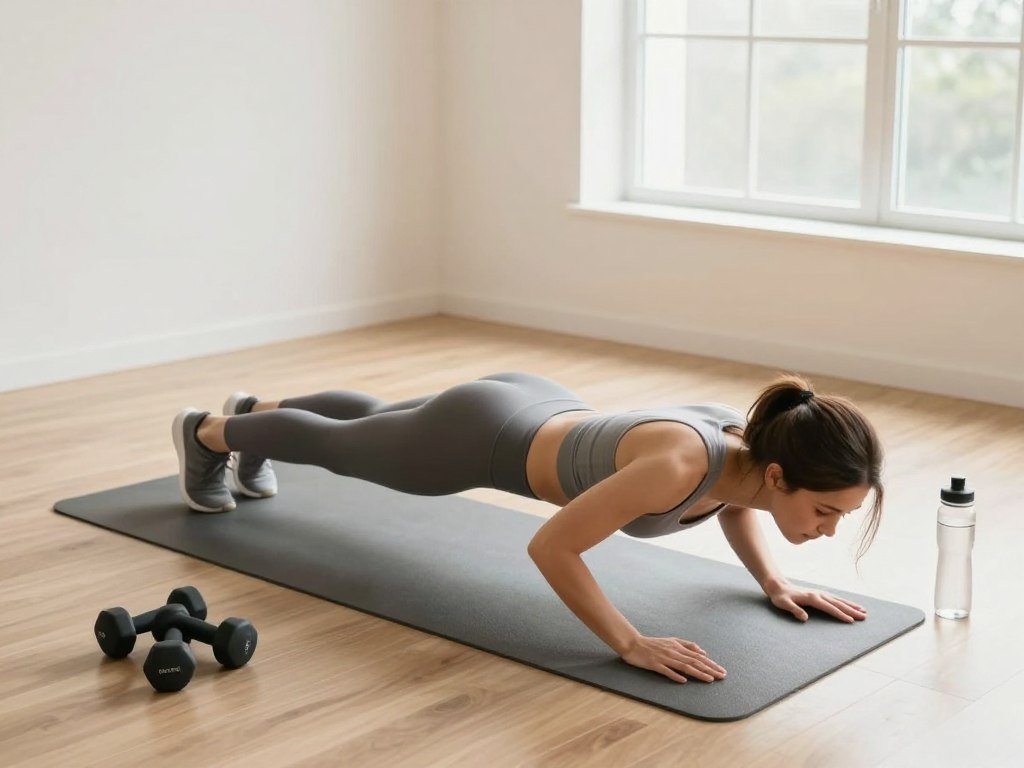
A regular movement routine can support both physical health and the brain, though no single workout guarantees sharper thinking. For adults, that matters because memory and clear thought help with daily choices, work, and time with other people. Exercise also supports heart health, sleep, mood, and strength. Moderate-intensity activity means movement that noticeably raises your breathing while still allowing conversation. You might walk, ride a bike, or move around at home. The right choice depends on your ability, interests, and access to a safe place to move. This guide offers practical ideas and a realistic way to think about cognitive decline: exercise may support cognitive health, but it cannot promise a specific result. You do not need to chase a perfect workout or expect a quick change in thinking. A routine should fit your life, not take it over. The most useful place to begin is an activity you can do regularly and enjoy.
Key Takeaways
- Aerobic activity has the clearest support in the included research.
- Walking, cycling, swimming, dancing, strength work, tai chi, and yoga offer varied ways to move.
- Weekly activity targets are general health guidance, not a proven brain-specific dose.
- Pick a form of movement that suits your health, interests, and schedule.
- Exercise supports health, but it cannot guarantee a particular memory outcome.
What Are the Best Exercises for Brain Health?
Aerobic exercise, particularly moderate walking, has the clearest support among the options for older adults with mild cognitive impairment. That group matters: study findings do not automatically apply to every adult. The best exercises for brain health and memory are still a personal choice, but aerobic activity is a useful starting point.
A 2025 review of 26 trials with 2,085 older adults found better global cognitive scores after aerobic exercise. The average change was SMD 0.81, with a 95% confidence interval of 0.58 to 1.05 and p < 0.00001. The strongest results involved moderate walking four times weekly, for more than 50 minutes each time. Read the 2025 aerobic exercise analysis for its methods and findings.

Aerobic exercise leads the evidence
Aerobic exercise raises your heart rate for a sustained period. Walking can be easier to adapt than a demanding workout, and it needs little equipment. The analysis also found higher quality-of-life scores, with an SMD of 1.26, a 95% confidence interval of 0.70 to 1.82, and p < 0.00001.
What the findings do and do not show
A separate 2026 review of 33 studies and 1,996 older adults with mild cognitive impairment found a modest memory improvement. The result was SMD 0.34, with a 95% confidence interval of 0.06 to 0.63 and p = 0.02. Programs used three to five sessions per week, with frequency, timing, intensity, and duration tailored to individual needs.
- Quality of life improved in the 2025 analysis.
- Sleep quality did not improve significantly in that analysis.
- The 2026 analysis found no significant gains in executive function, attention, processing speed, language, or visuospatial ability.
These results concern cognitive scores, not proof that exercise prevents dementia. They also do not show that every adult will gain the same benefit.
Cognitive score changes are not proof of dementia prevention, and results for people with mild cognitive impairment do not describe every adult.
Treat the study pattern as a reason to move regularly, not as a promise about any individual outcome.
Which Seven Activities Can You Try in Everyday Life?
A brisk walk is a simple first choice, while dancing, strength work, and gentler movement offer other ways to get active. Choose by comfort as well as interest, since movement should fit your body and daily life. These activities vary in pace, effort, and coordination.
Aerobic exercise is a practical starting point for many people. A 2026 review found better memory scores among older adults with mild cognitive impairment, but no significant change in several other thinking skills. You can read the 2026 analysis of exercise and memory for those results. The findings do not mean every activity has the same evidence.

Aerobic options for a simple cardio routine
Brisk walking, cycling, and swimming can raise your breathing and keep you moving. Start with the setting that feels easiest to reach. A nearby route, a stationary bike, or a local pool can make exercise feel more manageable.
- Brisk walking: Take a loop near home, walk through a mall, or use an indoor track. A familiar route can make it easier to head out without much planning. You can walk alone or invite a friend, and you can adjust your pace to your current fitness.
- Cycling: Ride outside on a route that suits your comfort, or use a stationary bike at home or the gym. An indoor bike lets you pedal without traffic or weather concerns. Keep the pace steady enough to continue comfortably.
- Swimming: Swim laps or move through the water at a pace that feels right. Water supports your body while you move, which some people find more comfortable than walking. A pool also gives you a set place and time for exercise.
These options do not need to feel like formal workouts. Mowing the lawn or vacuuming also gets your body moving, though household chores are not separate picks on this list. A short walk to a nearby errand can add movement to a day without setting aside a full workout block.
Try dance, resistance training, and mind-body movement
Other activities combine movement with balance, coordination, or muscle work. Their evidence is not identical to the evidence for aerobic exercise, but they can help you find a form of activity you enjoy. Strength training means resistance training, using body weight, bands, or weights to work your muscles.
- Dancing: Follow a class, a video, or music at home. Changing steps and keeping time add coordination to the movement. Pick a pace and style that feel safe and fun.
- Resistance training: Use bodyweight moves, resistance bands, or weights to work major muscle groups. Squats to a chair and wall pushups are simple ways to begin at home. Rest between sets and use a motion you can control.
- Tai chi: Practice slow, linked movements with steady shifts in balance. This mind-body exercise asks you to focus on posture and control as you move. A class can help you learn the forms at a comfortable pace.
- Yoga: Move through poses and stretches while paying attention to breathing and balance. Many classes offer options for different abilities. A chair-based class can also make the movements more accessible.
Five brain exercises at home can include indoor walking or marching, dancing, bodyweight resistance moves, tai chi, and yoga. The name does not mean that each is a proven way to improve memory. These are forms of physical activity, not a replacement for puzzles or other mental tasks.
Mixing movement styles can make an exercise routine feel less repetitive. For example, you might walk outdoors on some days and do gentle movement indoors on others. If a class feels too fast, look for a beginner session or a version with simpler steps. A good fit is one you can change as your energy and schedule change.
Pick the option that feels enjoyable enough to repeat rather than forcing yourself into a workout you dislike.
How Much Physical Activity Should You Aim for Each Week?
For most adults, the weekly starting target is 150 minutes of moderate activity or 75 minutes of vigorous activity. These are general health goals, not a proven brain-specific dose. The WHO physical activity guidance also allows an equivalent mix of moderate and vigorous movement.
Adults can aim for at least 150 moderate minutes or 75 vigorous minutes each week, plus muscle-strengthening work. More moderate activity can bring added health benefits, while older adults with poor mobility have an extra balance recommendation.

Adults ages 18 to 64
For adults ages 18 to 64, either aerobic target works, or you can combine the two. Increasing moderate activity to 300 minutes per week, or an equivalent amount, may bring additional health benefits. Strengthen the major muscle groups on two or more days each week.
| Age or mobility group | Aerobic activity target | Additional recommendations |
|---|---|---|
| Adults ages 18-64 | 150 moderate minutes or 75 vigorous minutes weekly; 300 moderate minutes for added benefits | Strengthen major muscle groups 2 or more days weekly |
| Adults 65 and older | 150 moderate minutes or 75 vigorous minutes weekly; 300 moderate minutes for added benefits | Strengthen major muscle groups 2 or more days weekly |
| Adults 65 and older with poor mobility | 150 moderate minutes or 75 vigorous minutes weekly; 300 moderate minutes for added benefits | Strengthen major muscle groups 2 or more days weekly; balance activity 3 or more days weekly |
Adults 65 and older
Adults 65 and older have the same aerobic and muscle-strengthening targets. The extra recommendation for adults with poor mobility is balance activity on three or more days each week. This work can help improve balance and prevent falls.
Adults with poor mobility should include balance-focused activity as well as aerobic and strengthening work.
Adults with poor mobility should include balance-focused activity as well as aerobic and strengthening work.
How Can You Build a Routine That Fits Your Life?
A short, comfortable walk is a practical way to start if a full workout feels like too much. Keep the first step small and build up gradually as your body adjusts. A seven-minute walk can be a manageable start, but there is no established way to increase brain power in seven minutes.
A seven-minute movement break is a starting point, not a proven brain-health dose. Choose a time and setting that make the activity easier to repeat, such as a walk after breakfast or indoor movement during a break. The CDC talk test says moderate activity lets you talk, but not sing.

A brain exercise for sharp memory can be an aerobic activity such as brisk walking, but no single session guarantees a memory improvement. Track your sessions on a calendar if seeing your progress helps. You can also explore small daily habits for wellness that pair movement with rest, learning, and social time.
Regular movement works best alongside other habits that support health. The Alzheimer’s Association describes healthy habits for your brain, including movement and mental activity. If you have medical concerns, new symptoms, or pain during activity, consult a health professional before making changes.
If an activity causes pain or unusual symptoms, stop and get medical guidance before continuing.
If an activity causes pain or unusual symptoms, stop and get medical guidance before continuing.
Conclusion
A repeatable routine matters more than finding a perfect brain-health workout. Choose movement that suits your body and interests, then make room for it in your week. Regular exercise supports physical and cognitive health, but it does not guarantee a particular memory outcome or prevent cognitive decline.
Start with one session rather than waiting for an ideal plan. You can adjust the time, place, or pace as you learn what fits. Choose one activity you enjoy and put its first session on your calendar.
FAQ
What is the best exercise to stimulate the brain?
How can I sharpen my brain?
What are 10 brain exercises that can improve memory?
What are 6 daily habits that can help slow down brain aging?
What is one habit to avoid dementia?
What morning habit is tied to dementia?