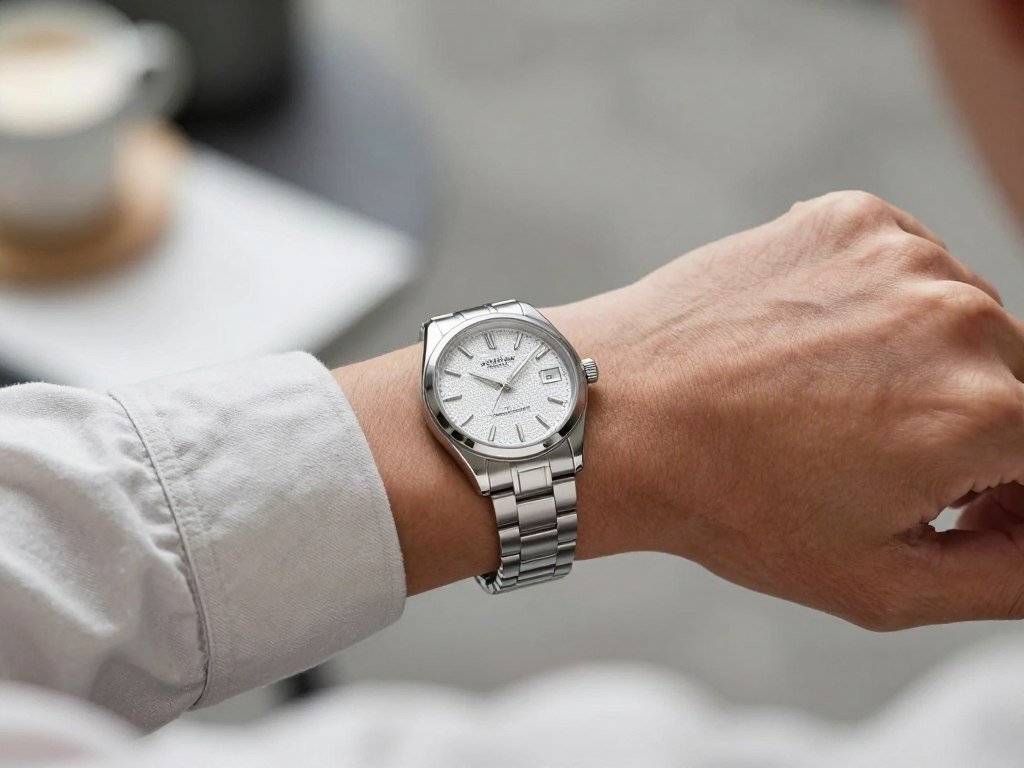
A great watch earns its place on your wrist through the way it fits your life, not just the name on its dial. What makes one worth wearing every day? The answer is personal, and luxury watches offer plenty of ways to express it.
Choosing a watch can mean balancing comfort, style, movement and price. The right purchase is one you will enjoy wearing, not simply a prestigious name that looks impressive in a display case.
This guide compares recognizable brands, watches for everyday wear and special occasions, and practical buying considerations. You can use it to turn a broad browse into a shortlist that suits your routine and budget.
Key Takeaways
- Start with the occasions when you expect to wear the watch.
- Compare case size, thickness and movement for comfort and convenience.
- Use brand rankings as market context, not as a measure of quality.
- Compare listed prices with features and your budget.
- For pre-owned watches, review the condition, documents and written terms.
Begin with the kind of watch you will reach for most often, then narrow the choices by fit and budget.
What Makes a Luxury Watch Worth Buying?
A luxury watch usually combines considered design and finishing with a movement or heritage that gives the piece a reason to cost more than a basic timekeeper. Its value to you depends on whether those qualities make the watch a pleasure to own.
Luxury watches typically start around a few thousand dollars and can reach six figures. Materials, complications, rarity and demand all affect the price, but no single factor guarantees quality or future resale value.
Choose a watch for the qualities you will notice and enjoy, not for a price tag that promises status or investment returns.
A mechanical movement keeps time through a wound mainspring. An automatic movement winds itself as you move your wrist, while a hand-wound movement needs regular winding by hand.
A complication adds a function beyond displaying hours and minutes. Examples include a date display, chronograph or second time zone, with more complex mechanisms often requiring additional work.
Power reserve means how long a fully wound mechanical watch can run before it needs winding again. It can affect how often you need to reset a watch that you do not wear daily.
Premium metals or high-grade steel, careful finishing and recognized heritage can contribute to a watch’s price. A famous name can matter, but it does not automatically make a particular dial, size or movement right for you.
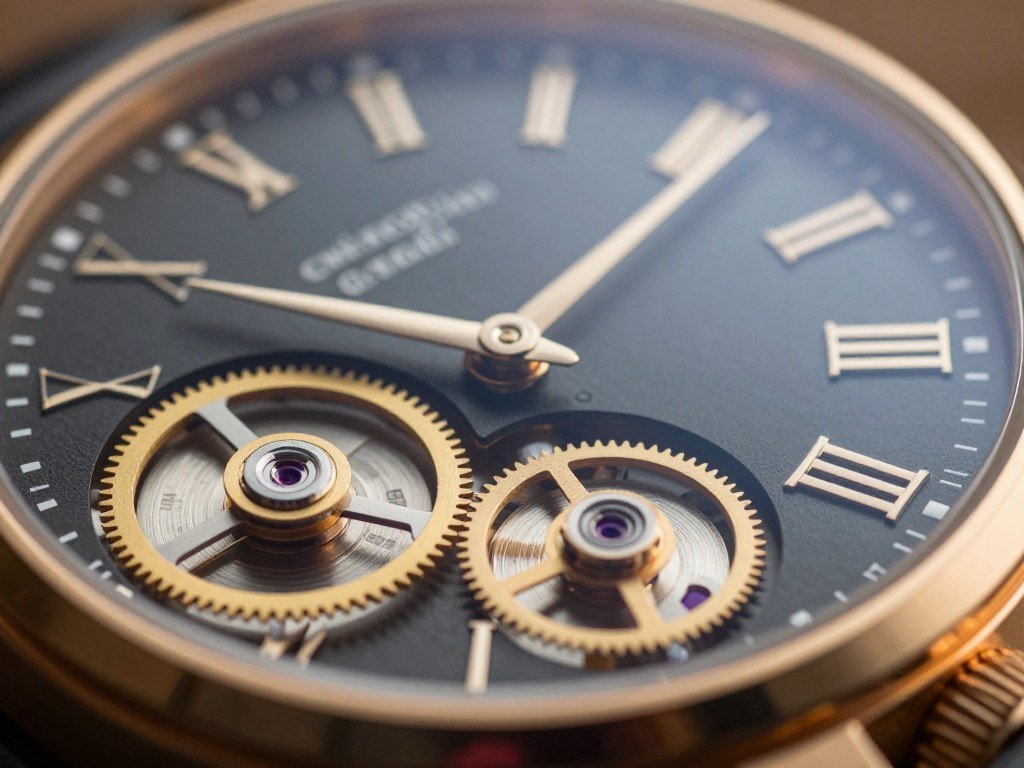
Consider which features you will actually use, along with the time and care a mechanical watch needs. Treat a famous name as one consideration, not proof that a watch suits your taste or budget.
How to Choose Among Luxury Watches
A watch that fits your routine is a better starting point than one chosen only for its reputation. Daily use shapes which size, movement and features will feel worthwhile.
Decide where and how often you will wear the watch before comparing models. A polished office watch may not be the right tool for travel or water activities.
Match the Watch to Your Daily Routine
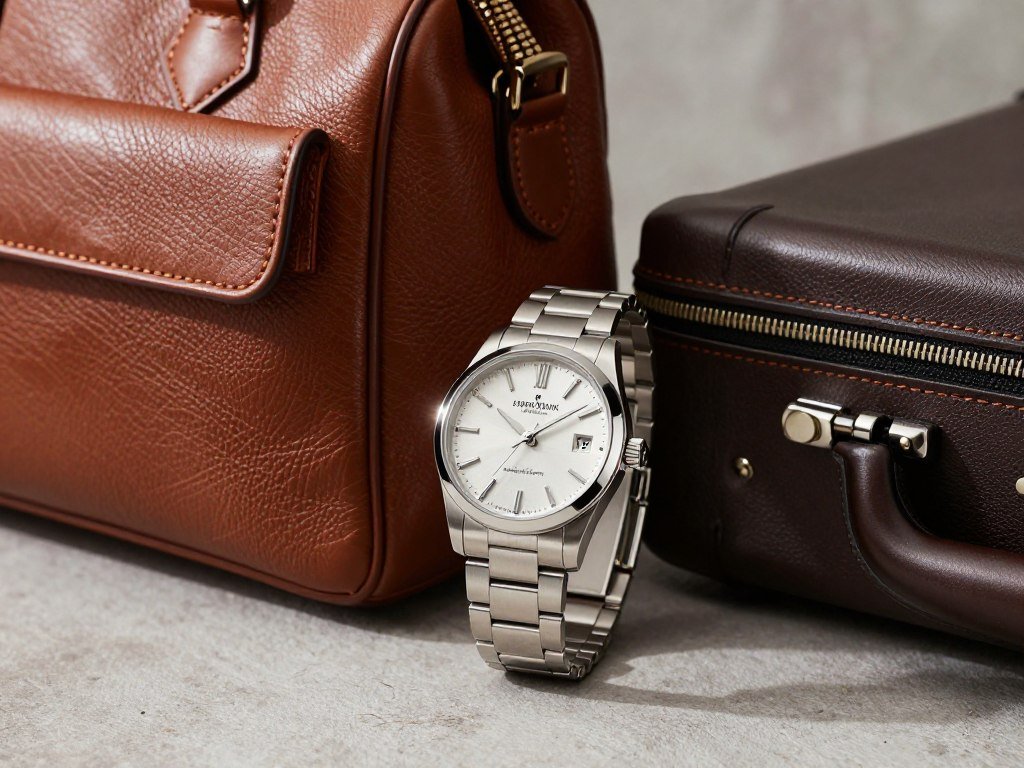
For office wear, the Rolex Datejust, Omega Aqua Terra and Cartier Santos offer professional styles, with examples spanning 36mm to 41mm and 100-meter water resistance. Those sizes can suit different wrists, so the number alone does not tell you how a watch will feel.
Travel can favor a GMT watch, which displays a second time zone. Rolex, Tudor and Grand Seiko offer GMT models that help you track home time while you are away.
A formal occasion may call for a slimmer dress watch that slips beneath a cuff. Water activities call for a watch with a suitable rating and properly maintained seals, not simply a sporty-looking case.
Choose a Case Size and Movement You Will Enjoy
Case diameter affects wrist presence, while thickness changes how easily the watch fits beneath a sleeve. Dress watches under 40mm in diameter and 10mm thick are often practical with French cuffs.
Quartz watches use a battery-powered movement and generally need less daily attention. Automatic and hand-wound watches use mechanical movements, which may appeal if you enjoy their engineering and winding routine. No movement is best for everyone.
Pick a Style for Work, Travel or Water
Dive watches commonly have 200-meter or 300-meter ratings, screw-down crowns and seals tested to resist water. A screw-down crown helps keep the case closed when properly secured, while the rating indicates the watch’s tested water resistance.
The Rolex Submariner, Omega Seamaster and Tudor Black Bay can each serve as a versatile one-watch collection. A GMT is useful when you regularly cross time zones; a dive watch suits water use only when its rating and condition match that activity.
- Daily setting
- Preferred case presence
- Movement preference
- Water or travel needs
Check the stated water-resistance rating against the activity you plan to do, rather than assuming every sports-style watch is suitable for swimming.
Which Brands Belong on a Luxury Watches Shortlist?
Rolex leads the listed Swiss companies by estimated turnover, while the brands below it offer different strengths and identities. A market ranking gives you one way to compare brands, not a verdict on the watch you should buy.
Market scale and horological style answer different questions. Turnover estimates describe a company’s market position, while a watch’s design and movement may matter more to your choice.
Swiss Brands by Market Position
The 2026 Morgan Stanley and LuxeConsult ranking uses financial-model estimates rather than figures reported directly by brands. It estimates Rolex’s 2025 turnover at CHF 11 billion, with an estimated 33% market share.
| Rank | Brand | Estimated 2025 turnover |
|---|---|---|
| 1 | Rolex | CHF 11 billion |
| 2 | Cartier | CHF 3.488 billion |
| 3 | Audemars Piguet | CHF 2.6 billion |
| 4 | Patek Philippe | CHF 2.5 billion |
| 5 | Omega | CHF 2.2 billion |
Cartier is ranked second, Audemars Piguet third, Patek Philippe fourth and Omega fifth. The estimates give useful market context, but they do not rate finishing, reliability or personal fit.
Names Known for Distinctive Design and Watchmaking
Rolex, Cartier and Omega are cornerstone luxury names with broad recognition and varied designs. Rolex’s Oyster case dates to 1926, and its Perpetual rotor followed in 1931. Cartier created the Santos for aviator Alberto Santos-Dumont in 1904.
Patek Philippe, Audemars Piguet and Vacheron Constantin are associated with high horology and heritage. Their histories stretch back to 1839, 1875 and 1755 respectively. Richard Mille is known for a more modern, avant-garde approach.
Other identities broaden the shortlist. TAG Heuer has a strong connection to sports timing, while Tudor offers its own contemporary Swiss range. Longines, founded in 1832, brings a long heritage to a more accessible part of the luxury market.
Choose a brand for the design and ownership experience you want, not for its position in a market ranking.
Which Men’s Luxury Watches Suit Daily Wear?
For a watch you plan to wear most days, prioritize comfortable proportions and a style that works with your regular clothes. A polished everyday piece can move between work and dinner without feeling out of place.
Buy for the settings you actually face, not for a specialized feature you may rarely use. Men’s luxury watches can range from discreet dress designs to robust sports models, and these styles are not limited to any gender.
Luxury Watch Brands for Men Who Want an Everyday Piece
The Rolex Datejust, Omega Aqua Terra and Cartier Santos are polished options for professional settings. They pair well with office clothing and can also work casually, so you do not need to reserve them for formal events.
Rolex Oyster designs include several distinct styles. The Oyster Perpetual keeps the look simple, while the Datejust adds a date display. A Rolex Yacht-Master brings a more overtly sporty look to the same broad family of recognizable choices.
Sports and Dive Watches for Active Wear
Sports watches often have more substantial cases and bracelets than dress watches. A dive model adds a rotating timing bezel and water-focused construction, features that matter when you swim or dive more than when you sit at a desk.
The Rolex Submariner has a 300-meter water-resistance rating. Omega Seamaster and Tudor Black Bay models are other familiar sports-watch examples. A high rating alone does not replace proper care or make every watch suitable for every water activity.
Travel and Dress Options for Different Occasions
A GMT watch displays a second time zone, which can make frequent travel easier to manage. Rolex GMT-Master II, Tudor GMT models and Grand Seiko offer options in this style.
A slimmer dress watch can sit neatly beneath formal clothing, especially when a thick case would catch on a cuff. Keep your shortlist focused on where a watch earns wrist time, rather than choosing a model only because it covers an unusual situation.
- Office and daily wear
- Swimming or diving
- Frequent travel
- Formal occasions
A versatile daily watch is the better choice if you will wear it far more often than a specialized piece.
What Should Women Compare in a Luxury Watch?
Case shape and comfort matter just as much as the brand when choosing a watch you will wear often. Smaller round cases and rectangular designs create different proportions on the wrist.
Try to compare the full shape, not just the case-width number. A compact round watch can feel very different from a rectangular case with similar visual presence.
Smaller Cases and Rectangular Designs
The Omega Constellation 28mm has a 28mm case for a compact round profile. The Longines Mini DolceVita measures 21.5mm by 29mm, giving it a narrow rectangular shape that reads differently on the wrist.
The Mini DolceVita’s bezel holds 38 IF-VVS diamonds. Other details can change the look, too: a diamond dial adds sparkle, while a Roman dial creates a more traditional feel. White gold and yellow gold also offer distinct color choices.
Affordable Luxury Watches for Ladies
Listed prices show how varied the category can be. The Longines PrimaLuna is listed at $1,650, and the Longines Elegant Collection Moonphase at $2,050. The Tudor 1926 is listed at $2,400, while the Tudor Black Bay 31 is $4,600.
The Longines Mini DolceVita is listed at $4,500, and the Omega Constellation 28mm at $3,600. These options cover different sizes and styles; the lowest price is not automatically the right match for your wrist or wardrobe.
| Model and reference | Listed price | Case size | Standout feature |
|---|---|---|---|
| Tudor Black Bay 31, M79600-0003 | $4,600 | 31mm | Stainless steel case |
| Tudor 1926, M91350-0011 | $2,400 | 39mm | Automatic Calibre T601 |
| Omega Constellation 28mm, 131.10.28.60.03.001 | $3,600 | 28mm | Stainless steel case |
| Longines Mini DolceVita, L5.200.0.71.6 | $4,500 | 21.5mm by 29mm | 38 IF-VVS bezel diamonds |
| Longines PrimaLuna, L8.122.4.90.6 | $1,650 | 30mm | Quartz, 11 diamond hour markers |
Quartz and Automatic Choices
The Longines PrimaLuna uses quartz and has a 30mm steel case with 11 diamond hour markers. The Longines Elegant Collection Moonphase has a 30mm case, quartz movement and moonphase display.
The Tudor 1926 uses an automatic Calibre T601 movement in a 39mm case. Quartz and automatic are movement choices, not measures of whether a watch is luxurious. Consider the routine and feel you prefer.
The listed $4,600 price for the Tudor Black Bay 31 gives a clear comparison point beside the less expensive Longines examples. Try the watch on if possible, since case width alone cannot show how its lugs and bracelet sit on your wrist.
Which Watch Models Fit Different Budgets?
A $450 Tissot PRX and a $10,400 Omega Speedmaster illustrate how widely watch prices can vary across familiar brands and styles. The right price point depends on the features and fit you want, not just the number on a listing.
Listed price is a comparison point, not a measure of personal suitability. These models span dress, sports, dive and travel-oriented designs.
Top Luxury Watch Picks by Price and Use
| Model | Listed price | Case size | Dial |
|---|---|---|---|
| Omega Speedmaster Moonwatch Professional | $10,400 | 42mm steel | Black |
| Cartier Santos de Cartier, large | $9,200 | 40mm steel | Silver |
| TUDOR Black Bay 58 GMT | $5,525 | 39mm steel | Black |
| Longines Hydroconquest 42 | $2,200 | 42mm steel | Green |
| Tissot PRX Powermatic 80 | $850 | 40mm steel | Ice blue |
The green-dial Tissot PRX is another entry-level example, listed at $450 with a 40mm steel case. It gives you a lower-priced way to consider the PRX style without choosing the Powermatic 80 version.
A Rolex Datejust, for example, may appeal for daily wear, while a chronograph or GMT suits different routines. Box and papers describe original packaging and documents included with a watch. Those details can matter when comparing listings, but they do not determine fit.
Compare the features and fit you will use, rather than treating a higher price as a shortcut to the right choice.
What Do Men’s Luxury Watches Over $10,000 Offer?
Above $10,000, buyers may be paying for specialized movement technology, precious materials, finishing or a specific brand and model. The price alone does not make a watch an investment.
Look for a feature or craft detail that matters to you before moving into a higher price tier. Gold, hand finishing and complications can add cost, but they do not promise future returns.
Complications, Materials and Higher-End Craft
High-end watches may use precious metals, including gold, and more intricate finishing. Complications add functions and mechanical parts, while the brand and model can also affect the price.
Typical pre-owned Rolex prices range from about $6,000 to $60,000 or more, depending on the model. Typical pre-owned Patek Philippe prices range from about $15,000 to $150,000 or more, with more complicated models higher.
A Patek Philippe Calatrava offers a dress-watch example, while Audemars Piguet has models with a bolder presence. Neither brand stature nor a high number on a listing guarantees that a particular watch will rise in value.
Grand Seiko’s Precision and Dive-Watch Example
The Grand Seiko SLGB023 Spring Drive U.F.A. Ushio 300 Diver is listed at $12,400. Its case measures 40.8mm wide and 12.9mm thick, with a 300-meter depth rating.
Its 9RB1 U.F.A. Spring Drive movement is rated to an accuracy of plus or minus 20 seconds per year. The watch has a three-day power reserve, which describes how long it can run after a full wind.
This example combines a dive-watch rating with a movement specified for high accuracy. Decide which feature or ownership quality justifies the extra spend before choosing a higher price tier.
How Can You Check a Watch’s Authenticity and Completeness?
Before paying for a pre-owned watch, make sure the physical watch and its accompanying information tell the same story. Compare details on the watch with the listing and documents.
Matching reference and serial information is a useful first check, but it does not prove authenticity by itself. Ask the seller to explain the authentication process they follow.
Match the Watch to Its Documents
Compare the watch’s reference and serial information with its documents. If the listing includes box and papers, check that the box and papers match the specific watch rather than simply accompanying it.
Ask what steps the seller takes to assess authenticity and whether those steps are documented. Rolex movements are described as meeting COSC chronometer certification before additional Rolex Superlative Chronometer testing to plus or minus two seconds per day.
That accuracy standard is specific to Rolex; it is not proof that an individual Rolex listing is genuine. A seller’s claims should be considered alongside the watch’s details and supporting information.
Review Condition, Service and Return Terms
Read the condition description closely for scratches, replacement parts, refinishing or damage. Clear photographs should show the dial, case, bracelet and clasp, including areas that are easy to miss in a single front view.
Look for service history and ask what work was completed and when. Review the written warranty and return terms before paying, so the seller’s obligations are clear if the watch arrives differently than described.
- Reference and serial consistency
- Matching documents
- Condition and service disclosure
- Written seller terms
Keep the listing, written condition description and purchase terms together so you can refer to what was represented.
Where Should You Buy a Luxury Watch Online?
The right place to buy depends on whether you want a new manufacturer-backed watch, a pre-owned piece or the chance to try it on in person. Authorized retailers sell new watches, while pre-owned specialists focus on previously owned pieces.
Confirm the watch’s status, warranty, return terms and insured shipping for the exact listing. A seller’s general policy may not apply to every watch or purchase.
Watches of Switzerland lists more than 50 luxury timepiece brands and 191 showrooms worldwide. Watches & Beyond lists a 14-day return period, a two-year warranty and free standard shipping within the United States.
Those are seller-specific examples, not promises about other retailers. Check whether a watch is new or pre-owned, what warranty applies and how returns work. Confirm whether shipping is insured for the watch’s full value.
Read the website’s product information and purchase terms carefully. A responsive team can answer questions, while cookie settings affect how a site stores browsing information, not the quality of the watch itself.
Read the return and warranty terms for the exact listing before you complete a purchase.
How Can You Build a Three-Watch Collection?
The three-watch rule is a simple template for covering different occasions, not a requirement to buy three watches. It assigns one role to everyday wear, one to dress occasions and one to sports or tool use.
A one-watch collection is a sound choice when it better matches your budget or habits. Add another timepiece only when it fills a use you can name.
The Rolex Datejust, Cartier Tank and Omega Speedmaster show how distinct the three roles can look. You can use the idea to plan a collection slowly, or simply choose the role your current watch does not cover.
- Everyday watch: Rolex Datejust
- Dress watch: Cartier Tank
- Sports or tool watch: Omega Speedmaster
Start with the role your current watch does not fill, and add another only when it serves a real use.
The template does not set a required number of watches or a timetable for buying them. Start with the role your current watch does not fill, and add another only when it serves a real use.
Conclusion
The most satisfying watch is the one that fits your wrist, your routine and the amount you are comfortable spending. A prestigious name may draw you in, but comfortable proportions and useful features make a watch easier to enjoy over time.
Choose three candidate models and compare their case dimensions and movement. Then check the current listing and return terms before you buy, keeping the decision within a budget you can spend comfortably.
A thoughtful purchase does not need to complete a collection or impress anyone else. Choose a shortlist of three, compare them side by side and buy only when one feels right to wear.
FAQ
What are some high-end luxury watch brands?
What are the top 100 watch brands?
What is the best online store for luxury watches?
What is the most affordable luxury watch?
What is the 3 watch rule?
What watch is the poor man’s Rolex?
Is $5000 a lot for a watch?
Why is Rolex not in the Big 3?