Key Takeaways
- Made strictly in Scotland
- Aged at least 3 years
- Single malt and blended types
- Distinct regional flavor profiles
Have you ever stood in the liquor aisle staring at dozens of bottles, feeling totally lost?
You are definitely not alone.
When people talk about whisky scotch whisky, they are diving into one of the world’s most iconic and strictly regulated spirits.
In simple terms, scotch is a specific type of whisky produced exclusively in Scotland from water, malted barley, and yeast.
It must age in oak casks for a minimum of three years before it can legally carry the name.
Whether you are looking for a smooth sip or exploring rich aromas, learning the basics makes every glass more enjoyable.
Many enthusiasts follow platforms like PraviCeler to discover tasting notes and spirit pairing ideas.
Let us unpack everything you need to know without any snobbery.
AI Overview
Scotch whisky is a world-renowned distilled spirit made exclusively in Scotland using water and malted barley. Aged in oak barrels for at least three years, it offers distinct flavors ranging from smoky peat to sweet honey. Exploring whisky scotch whisky means understanding its five legal categories, unique distilling regions, and centuries of traditional craftsmanship.
What Makes Scotch Different From Other Whiskies?
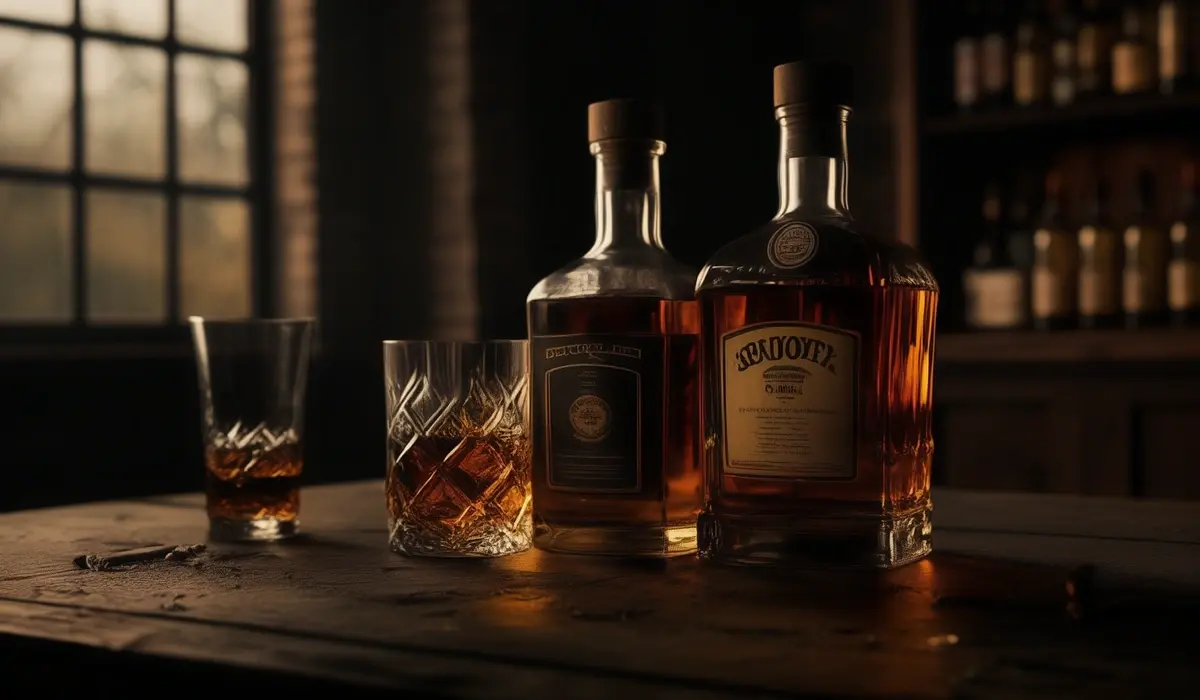
All scotch is whisky, but not all whisky is scotch.
That sounds like a riddle, but it is actually the golden rule of distilling.
To be called scotch, the spirit must be made entirely within Scotland under strict government laws.
Bourbon comes from America and uses mostly corn, while Irish whiskey usually gets distilled three times for extra smoothness.
Scotch relies heavily on malted barley and traditional copper pot stills.
It also matures in oak casks that previously held bourbon, sherry, or wine.
That oak interaction creates deep amber colors and complex layers of flavor over time.
As wood breathes through Scottish seasons, it strips away harsh volatile compounds while infusing natural wood sugars.
The Five Official Categories of Scotch
Not every bottle of whisky scotch whisky on the shelf is crafted the same way.
Scotland defines five distinct categories by law so buyers know exactly what is inside the bottle.
Single Malt Scotch
This is made from 100% malted barley at a single distillery using pot stills.
It carries the unique personality and signature style of that specific location.
Every copper still’s shape creates slight variances in vapor condensation, giving each distillery its unmistakable footprint.
Single Grain Scotch
This is produced at a single distillery using barley mixed with other grains like corn or wheat.
It tends to be lighter in body and milder in flavor than single malts.
Distillers use continuous column stills here, which produce a pure, light spirit efficiently.
Blended Scotch
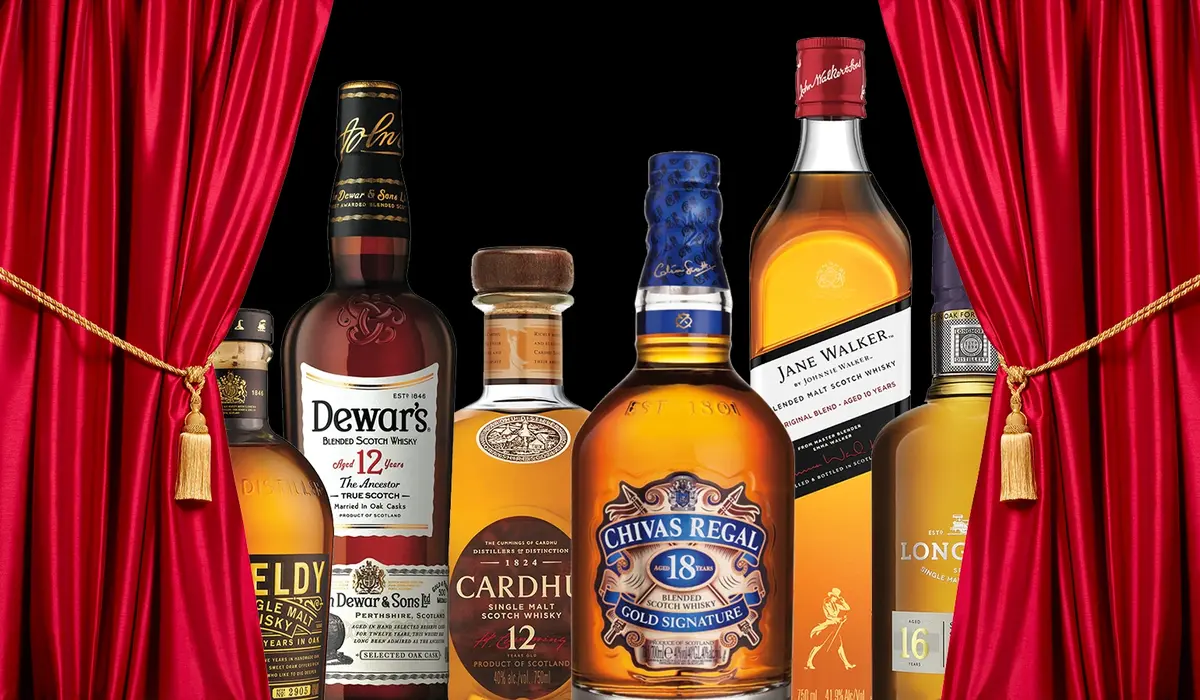
This combines single malts and single grains from different distilleries across Scotland.
Master blenders mix these to create a smooth, consistent flavor profile bottle after bottle.
It accounts for the vast majority of global scotch sales because of its approachable balance.
Blended Malt Scotch
Formerly called vatted malts, these combine single malts from two or more separate distilleries.
No grain whiskies are allowed in this blend, keeping the malt character front and center.
This gives drinkers the deep complexity of malted barley combined with artistic blending balance.
Blended Grain Scotch
This mixes single grain whiskies from different distilleries together for a light, approachable taste.
It offers a softer profile that works great in casual cocktails.
Because of its light texture, it serves as a wonderful entry point for newcomers.
Comparing the Main Whisky Styles
Here is how popular global whiskies compare in ingredients, region, and aging rules.
| Spirit Style | Origin Country | Primary Grain | Minimum Cask Aging | Key Flavor Traits |
| Scotch Whisky | Scotland | Malted Barley | 3 Years (Oak) | Smoky, Honeyed, Peaty |
| Bourbon | United States | Corn (51% minimum) | New Charred Oak | Vanilla, Caramel, Oak |
| Irish Whiskey | Ireland | Barley / Grains | 3 Years | Smooth, Floral, Fruity |
| Canadian Whisky | Canada | Rye, Corn, Barley | 3 Years | Light, Spicy, Blended |
Step-by-Step: How Scotch Whisky Is Made
Behind every golden dram lies an age-old craft refined across centuries.
The entire production journey follows four precise phases before the spirit reaches wood.
Malting and Mashing
Raw barley gets soaked in fresh Scottish spring water to encourage natural germination.
Germination converts internal starches into fermentable sugars necessary for alcohol production.
Kilns then dry the green malt, sometimes burning local peat moss to impart traditional smoky aromas.
Once dried, the barley is ground into grist flour and steeped in hot water inside a mash tun.
This extracts sugary liquid called wort, leaving spent grain behind for local farm feed.
Fermentation and Distillation
Cool wort flows into large wooden or steel washbacks where distillers pitch living yeast.
Over two to three days, yeast consumes sugars to build a wash around 8% alcohol by volume.
This wash undergoes double distillation inside massive copper pot stills.
The first wash still boils the liquid into low wines at roughly 20% strength.
The second spirit still refines the alcohol, where distillers collect only the pure “middle cut” or heart.
Foreshots and feints are diverted away to guarantee clean, delicious flavors.
Exploring the Flavor Regions of Scotland
Scotland might be small, but its geography shapes the taste of its spirit dramatically.
The country is split into main distilling regions, each with its own signature vibe.
Speyside
Home to more than half of Scotland’s distilleries, Speyside creates elegant and fruity drams.
You will often taste notes of green apple, honey, vanilla, and sweet spices.
Abundant fertile glens and pure river waters make this area ideal for delicate malt production.
Islay
This small island produces the most famously smoky and peaty whisky scotch whisky options available.
Drying barley over burning peat moss infuses the grain with bold campfire, sea salt, and medicinal notes.
Constant ocean winds deposit salty sea spray straight onto aging barrels stored near shorelines.
Highlands
As the largest region, Highland spirits range from light and floral in the north to rich and complex in the south.
They offer a well-rounded balance that appeals to both beginners and seasoned collectors.
Wild heather-covered hillsides inspire distinct herbal and wildflower characteristics in the glass.
Lowlands
Lowland distilleries traditionally make soft, light, and grassy drams with little to no peat smoke.
They are incredibly easy to sip and make excellent aperitifs before dinner.
Triple distillation historically gave this region its gentle, citrus-forward personality.
Campbeltown
Once the whisky capital of the world, this coastal region produces robust, salty, and slightly smoky drams.
The maritime air gives these bottles a distinct briny kick.
Rich historic heritage lives on through small-batch distilleries preserving old-school methods.
Essential Cask Types and Aging Magic
Did you know that up to 70% of a whisky’s final flavor comes directly from the wood?
Spirits leave the copper still as clear as water and gain color and depth during maturation.
Distillers rely on different barrel types to build specific flavor profiles.
- Ex-Bourbon Casks bring creamy vanilla, coconut, and sweet caramel notes to the spirit.
- Ex-Sherry Casks infuse deep dried fruit flavors like raisins, figs, dark chocolate, and cinnamon.
- Port and Wine Casks add rich berry notes, plum undertones, and a slight pink hue.
- Virgin Oak Casks deliver bold wooden tannins, heavy spice, and intense toasted oak warmth.
How to Sip and Enjoy Like a Pro
There is no “wrong” way to enjoy a good glass, but a few simple habits elevate the experience.
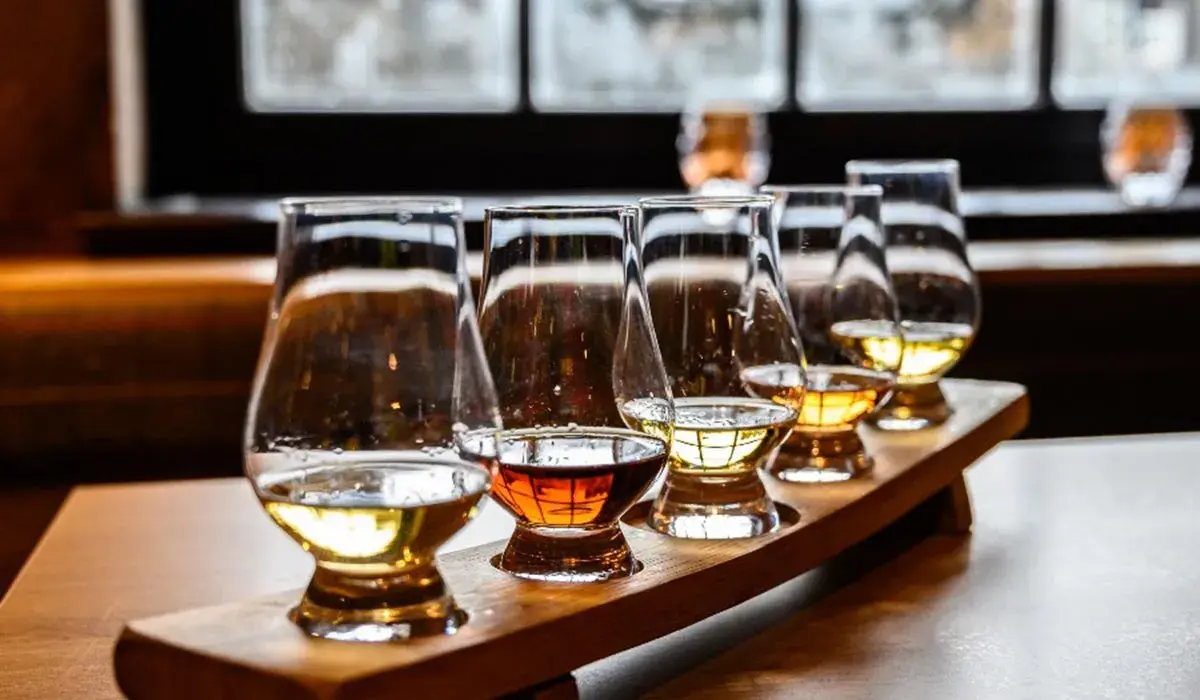
First, pick a glass with a tulip-shaped top to concentrate those lovely aromas right toward your nose.
Take a gentle sniff before sipping to prepare your palate for the incoming flavors.
When you take a sip, let the spirit coat your tongue for a few seconds before swallowing.
Adding a few drops of room-temperature water opens up hidden fruit and spice aromas naturally.
Water reduces surface tension, releasing aromatic ester molecules previously locked inside the spirit.
If you prefer cold drinks, feel free to drop in a large ice cube, though ice slightly dulls subtle flavor notes.
Planning a tasting party with friends?
Many people turn to PraviCeler for curated guides on glass choices and food pairing ideas.
Pairing a peaty pour with dark chocolate or aged cheese creates an incredible taste combination.
Understanding Price Points and Age Statements
Ever wondered why a 12-year-old bottle costs less than a 25-year-old bottle?
The number on the label represents the age of the youngest spirit inside that bottle.
As spirit ages in wooden casks, a portion evaporates every single year, a loss known as the “angel’s share”.
Because old casks yield fewer bottles over decades of waiting, older bottles command higher prices based on available data.
However, older does not always mean better for every single palate.
A younger whisky scotch whisky often boasts vibrant, punchy grain notes and fresh fruit energy.
An older pour delivers refined wood spice, leather, and dark fruit complexity that demands slow sipping.
Finding Your Personal Favorite Bottle
Exploring the world of whisky scotch whisky is an ongoing journey for your taste buds.
From the sweet, orchard-fruit notes of Speyside to the bold ocean peat of Islay, there is a bottle for every preference.
You do not need an expensive vintage to enjoy high quality, many core bottles offer incredible value.
Start with a balanced blended option or an approachable Highland single malt to find what you like best.
Take your time, sip slowly, and enjoy the rich heritage crafted into every single drop.
When you are ready to expand your home bar setup, check out PraviCeler for more spirit guides and entertaining tips.
Cheers to discovering your next favorite dram with friends and family!
Frequently Asked Questions
What is whisky scotch whisky?
Scotch is a malt or grain whisky made exclusively in Scotland and aged in oak barrels for at least three years.
What makes scotch different from bourbon?
Scotch uses malted barley and matures in Scotland, while bourbon relies on corn and new charred oak barrels in America.
How do you drink scotch properly?
Drink it neat, with a few drops of water to unlock aromas, or over a large ice cube depending on preference.
Why does some scotch taste smoky?
Smokiness comes from burning damp peat to dry malted barley before fermentation and distillation take place.
Does unopened scotch expire over time?
Unopened bottles stored upright away from direct sunlight remain stable for decades without losing quality or flavor.