Key Takeaways
- Roof opening for natural light
- Boosts mood and energy savings
- Fixed, vented, and tubular types
- Requires expert installation care
Have you ever walked into a dark room and wished you could just peel back the ceiling to let the sunshine pour in?
That is basically what a skylight does for your home.
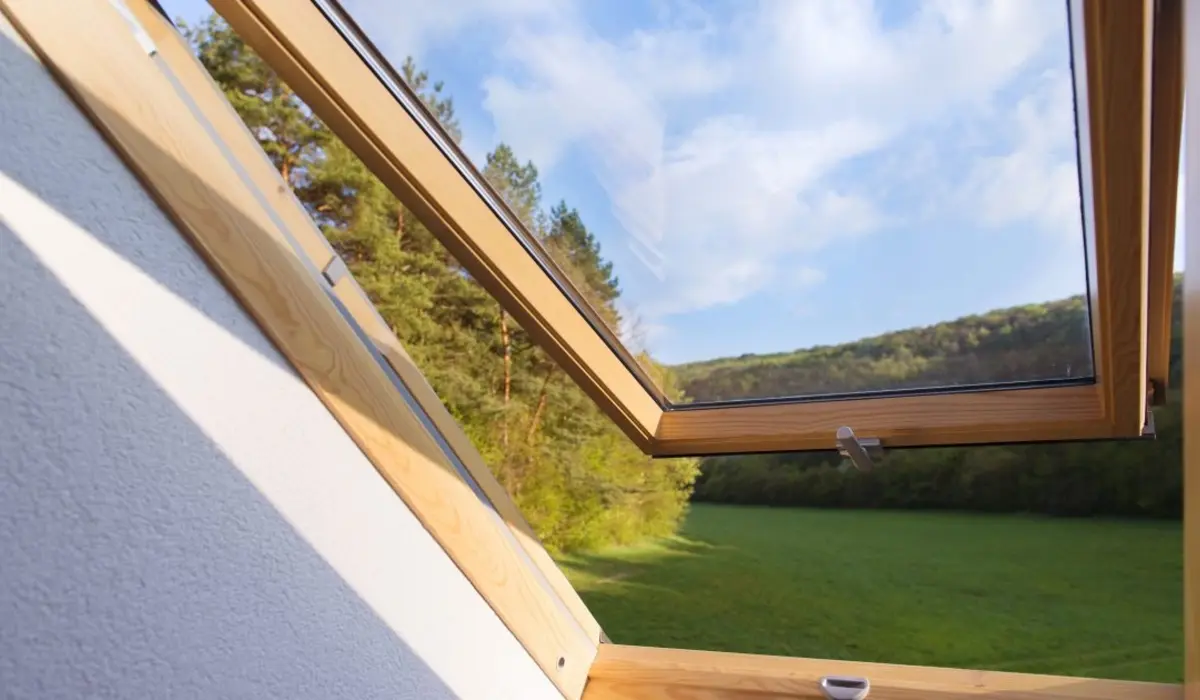
So, what is a skylight? In simple terms, a skylight is a heavy-duty glass or acrylic window built directly into your roof structure.
It lets natural daylight and sometimes fresh air flood into interior spaces that standard wall windows just cannot reach.
Whether you want to brighten up a hallway or save on electricity, adding a roof window is a game-changer.
Many homeowners turn to trusted home design platforms like PraviCeler when planning these daylight upgrades.
At its core, it is your direct portal to the open sky right above your head.
AI Overview
A skylight is a specialized window installed directly on a building’s roof to bring natural sunlight and ventilation into interior rooms. By capturing overhead light, it brightens dark spaces far more effectively than wall windows. Skylights come in fixed, venting, and tubular styles to boost energy efficiency, improve home mood, and enhance overall indoor design naturally.
How Does a Skylight Work?
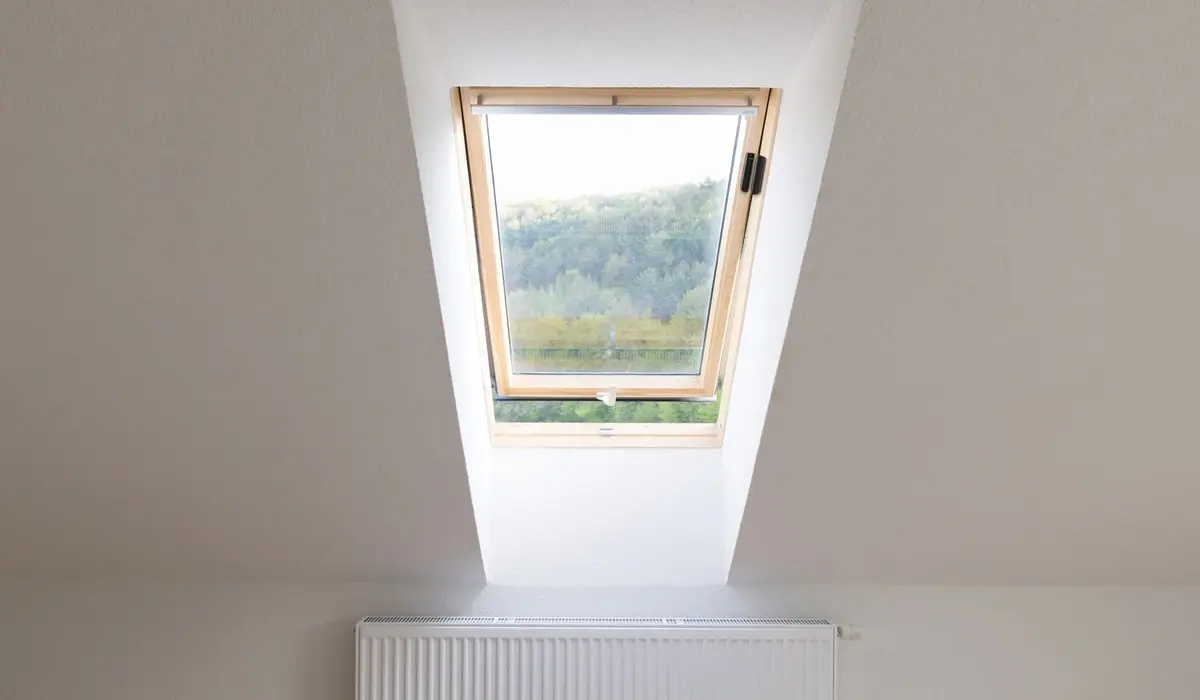
It might look like a simple piece of glass on your roof, but a skylight is actually a clever piece of building engineering.
It captures sunlight from directly above, where the daylight is brightest throughout the day.
Unlike regular windows that depend on the sun’s direction, overhead glass catches continuous light.
It fits securely into your roof framing using special flashing to keep rain and snow completely outside.
When installed properly, it distributes bright, even daylight across your entire room.
Some models can even open up to pull hot air out of your house naturally.
By taking advantage of natural atmospheric pressure, open roof glass creates a passive cooling breeze.
This natural stack effect pulls cooler air from lower windows while letting trapped heat escape through the ceiling.
The Primary Types of Skylights
Not every roof requires the exact same window setup.
Depending on your ceiling layout and room size, you have three main styles to choose from.
Let us break down how each type functions so you can pick the right fit.
Fixed Skylights
A fixed skylight is completely sealed shut and does not open.
Its main job is simply bringing in massive amounts of clear daylight.
These are perfect for high ceilings or places where you do not need extra airflow.
Because they do not have moving parts, they are usually very leak-resistant and budget-friendly.
They offer complete peace of mind during heavy seasonal rainstorms and freezing winter freezes.
Venting Skylights
If you want both sunlight and fresh air, a venting option is your best choice.
These windows open up manually with a hand pole or automatically via a remote control.
They work amazingly well in kitchens and bathrooms to quickly vent moisture and cooking odors.
In most cases, opening a roof vent creates a chimney effect that cools down your entire home.
Modern automated models even come equipped with built-in rain sensors that shut the glass automatically at the first drop of precipitation.
Tubular Skylights
Got a tiny closet, hallway, or bathroom with zero roof space for a big glass panel?
Tubular units use a small roof dome to capture light and send it down a reflective tube.
The light bounces down the pipe and shines through a subtle ceiling diffuser in your room.
They are easy to install, super affordable, and fit into tight spaces where traditional glass cannot.
Because they do not alter your home’s structural roof trusses, installation takes only a couple of hours.
Comparing the Core Skylight Types
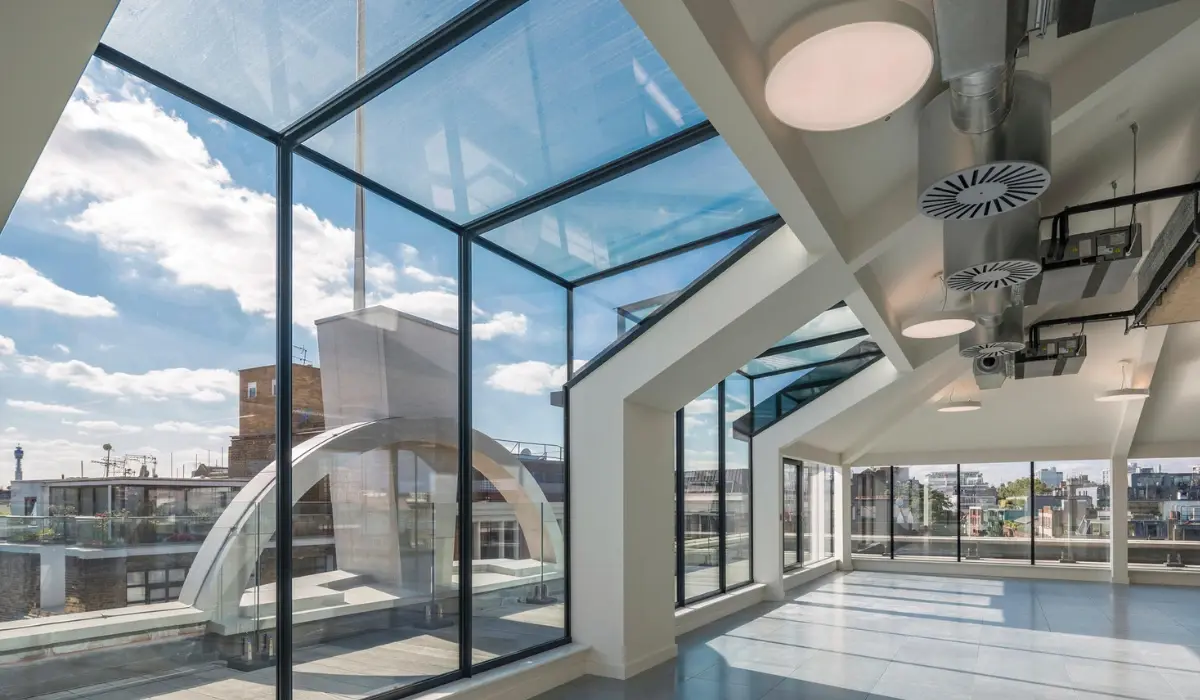
Here is a quick look at how these three popular designs stack up against each other for your home.
| Skylight Type | Opens for Air? | Best Room Location | Installation Complexity | Energy Efficiency | Average Lifespan |
| Fixed | No | Living Rooms, High Ceilings | Moderate | High | 20–25 Years |
| Venting | Yes | Kitchens, Bathrooms | Moderate to High | Moderate to High | 15–20 Years |
| Tubular | No | Hallways, Closets, Small Baths | Low | Very High | 20+ Years |
Major Benefits of Adding Overhead Sunlight
Why are so many people obsessed with adding glass to their roofs?
Understanding what is a skylight goes way beyond simple house aesthetics.
The daily perks touch everything from your health to your monthly power bills.
Maximum Daylight Exposure
Overhead glass receives up to three times more light than a standard vertical wall window.
It lights up dark interior corners without forcing you to flip on lamps during the day.
This balanced illumination reduces harsh glare and deep shadows across your living area.
Lower Electricity Bills
By making the most of daylight, you drastically cut back on daytime artificial lighting.
Solar heat gain can also keep your home warmer during chilly winter months.
Based on available data, daylighting strategies generally trim indoor lighting energy costs significantly.
In warmer weather, proper shading accessories prevent your air conditioner from working overtime.
Better Health and Mood
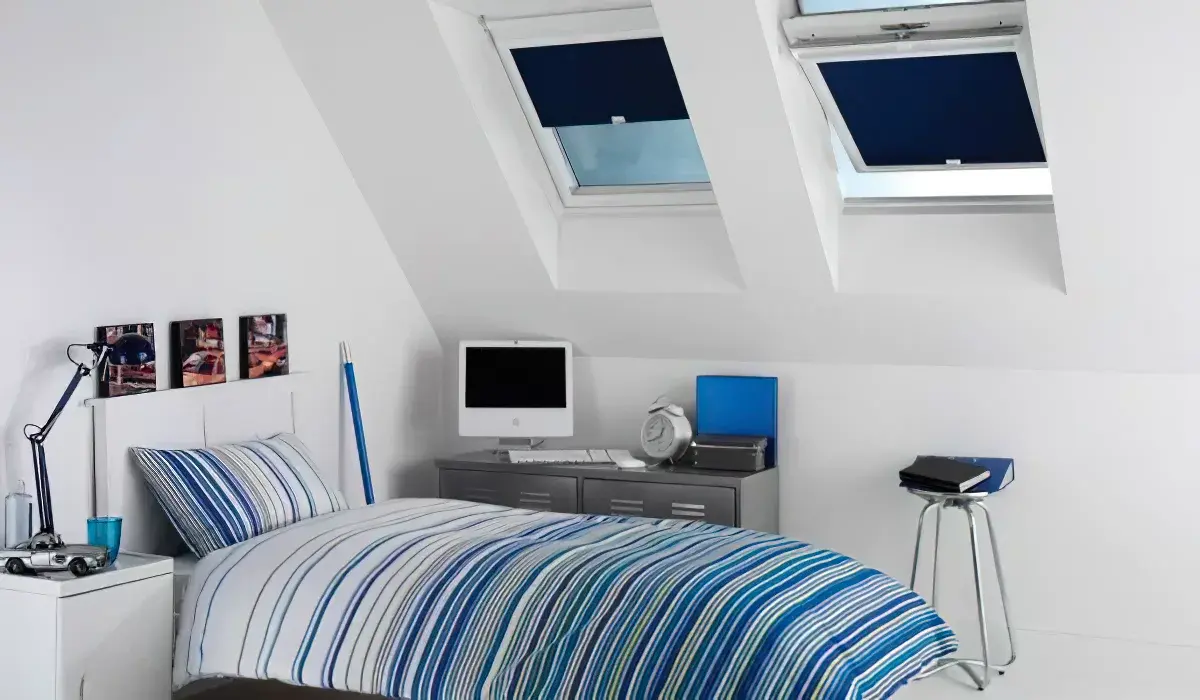
Natural sunlight helps regulate your circadian rhythm so you sleep much better at night.
Soaking in daylight also triggers serotonin production, boosting your daily mood and focus.
Consistently bright indoor environments are proven to increase productivity and reduce daily eye strain.
Potential Drawbacks to Consider
Nothing in home improvement is completely perfect, right?
Before cutting a hole in your ceiling, keep a few potential challenges in mind
Risk of Leaks
If installed poorly, water can easily seep in around the roof flashing during heavy storms.
Always hire experienced professionals rather than taking a risky DIY shortcut.
Routine roof checks ensure small weatherproofing gaps get sealed before water damages your drywall.
Excessive Heat Gain
Too much direct summer sunlight can turn your cozy living room into a temporary sauna.
Choosing low-emissivity (Low-E) glass helps reflect harsh heat while keeping the brightness intact.
Installing interior motorized blinds gives you complete control over room temperature throughout hot afternoons.
Glass vs. Plastic Lenses
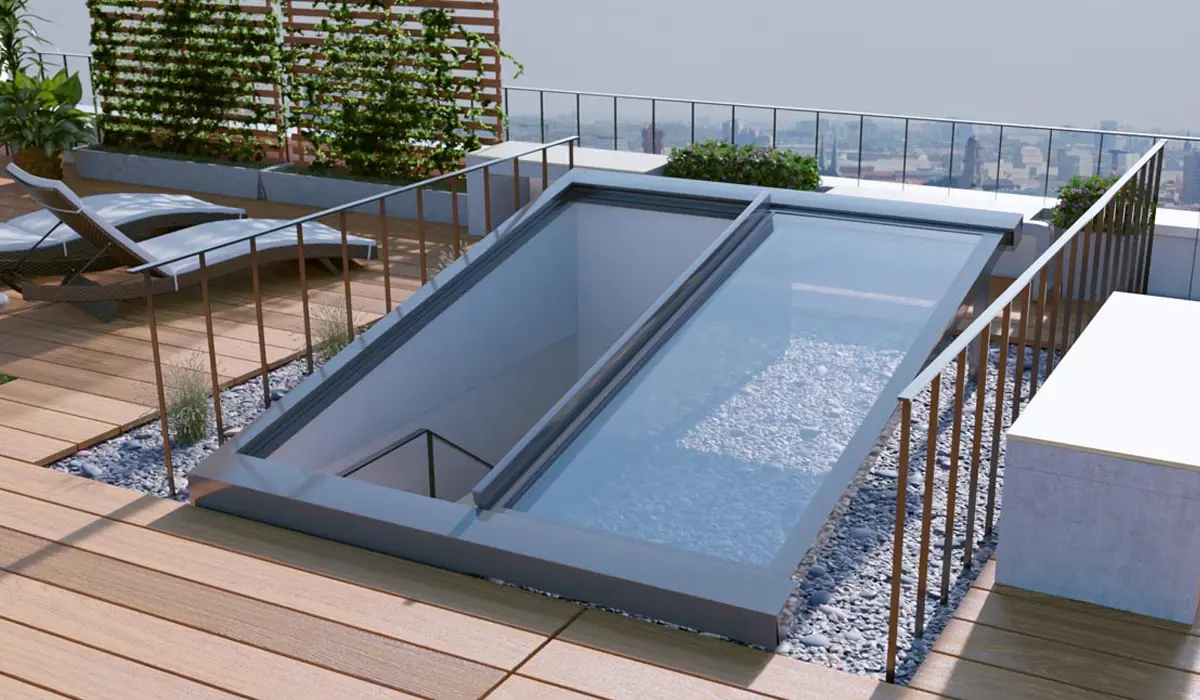
You will generally choose between tempered glass and impact-resistant acrylic plastic.
Glass stays clear forever, resists scratches, and blocks outside noise very well.
Plastic is lightweight and cheaper, but it can yellow or scratch over time.
In most cases, residential homes perform best with double-pane glass units.
Double-pane glass often features argon gas insulation between panes for maximum energy conservation.
Architectural Framing and Mounting Options
When selecting a unit, you also need to understand how it mounts onto your roof frame.
The two main mounting styles dictate how the unit integrates with your shingles or tiles.
Deck-Mounted Skylights
Deck-mounted units feature an integrated frame that nails directly onto your roof deck.
They sit low against the roofline, creating a clean, low-profile appearance from the ground.
This style provides superior insulation performance in colder climates with high snow loads.
Curb-Mounted Skylights
Curb-mounted units sit on top of a raised wooden frame built around the roof opening.
The skylight unit fits over the curb like a box lid over a shoe box.
This style works exceptionally well on flat roofs or low-pitch asphalt tile roofs.
Where Should You Place Your Roof Windows?
Location is everything when cutting into your roof structure.
A north-facing slope provides soft, steady, cool light all day without unwanted heat spikes.
East-facing glass catches bright morning sunshine, while west-facing spots capture warm afternoon light.
South-facing placements give intense heat and light, which requires smart shading or tinting.
When you consult experts through platforms like PraviCeler, analyzing sun direction is always step one.
Evaluating nearby tree branches is also essential to prevent falling sap or debris from covering the frame.
Key Maintenance Tips
Taking care of your overhead window ensures it stays leak-free and crystal clear for decades.
A little bit of routine checking goes a very long way.
- Inspect roof flashing twice a year to clear away fallen leaves and dirt debris.
- Clean interior glass with mild soapy water and a soft microfiber cloth to avoid scratches.
- Check rubber perimeter seals for any cracks, gaps, or signs of wear before winter arrives.
- Keep openable gears lubricated so venting mechanisms continue operating smoothly.
How Much Does Installation Generally Cost?
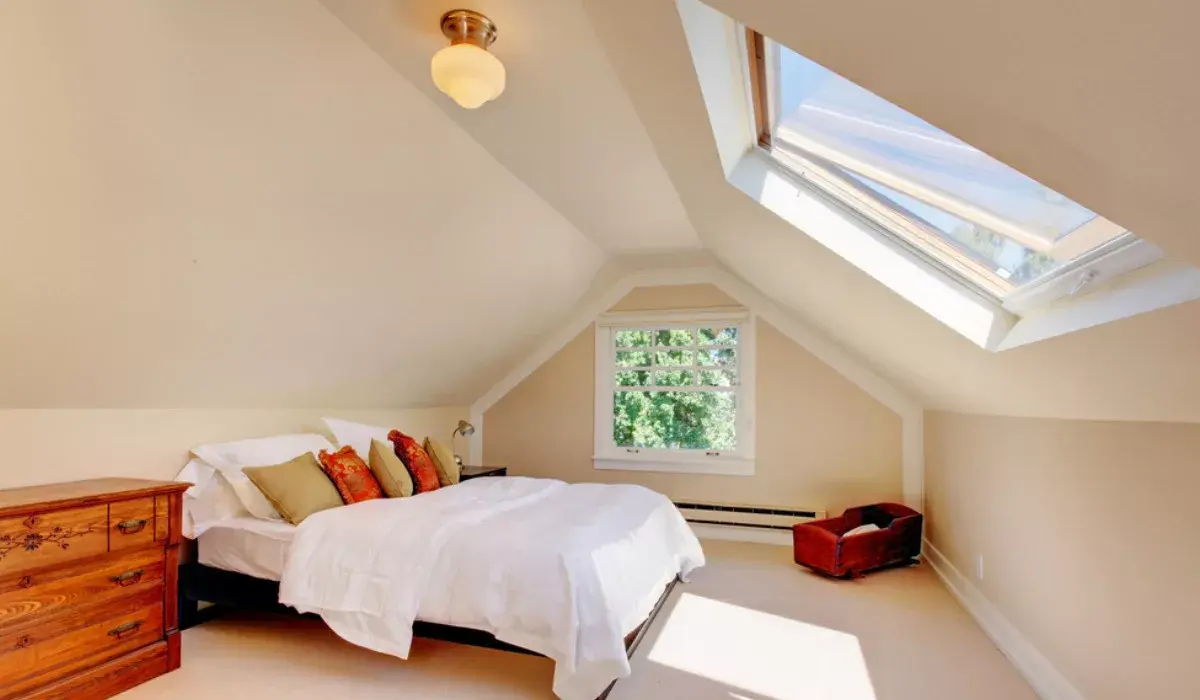
Costs vary widely depending on size, roof pitch, and whether you choose fixed or venting models.
On average, an installed unit generally ranges from $1,000 to $3,000 per window.
Tubular models are much cheaper, often running between $500 and $1,000 fully installed.
Complex custom roofs or electrical solar-powered vents will push your budget higher.
It is an investment, but the boost in home value and energy savings makes it worth it.
Adding smart accessories like solar blinds can qualify your project for federal tax credits in many regions.
Bringing Natural Light Home
Now that you know exactly what is a skylight, you can see why they remain so popular.
They transform dark, gloomy rooms into bright, welcoming spaces filled with sunshine and sky views.
By selecting the right type, placement, and glass, you get stunning natural light while keeping energy bills low.
Whether you choose a simple fixed glass panel or a smart solar vent, your ceiling will thank you.
If you are ready to map out your home upgrade, check out PraviCeler for inspiration and guides.
It is time to look up, let the sunshine in, and enjoy a brighter home every day.
Frequently Asked Questions
What is a skylight?
A skylight is an overhead window built directly into a roof structure to let in daylight and fresh air.
Do skylights leak easily?
Modern units rarely leak when installed correctly with proper flashing materials and professional sealing techniques.
Which skylight type is cheapest?
Tubular skylights are generally the most affordable and easiest option to install in small home spaces.
Do roof windows make rooms hot?
They can add warmth, but using Low-E energy-efficient glass helps block excess solar heat effectively.
Can you put a skylight on a flat roof?
Yes, flat roofs use specialized curb-mounted designs shaped to prevent rainwater from pooling on top.