
Key Takeaways
-
Measure feet in centimeters for precise international conversion
-
US, UK, and European sizing scales use different calculation base units
-
Always measure your feet in the evening when they are slightly expanded
-
Leave a little extra space for children’s growing feet
-
Brand fit variations require checking specific footwear guidelines
Have you ever ordered a gorgeous pair of sneakers online, waited days for delivery, and then realized they pinch your toes?
Finding your exact shoe size across international sizing systems like US, UK, EU, and CM can feel pretty confusing.
To convert quickly: a US men’s size 9 is generally a UK 8.5, EU 42, or about 27 centimeters long.
A US women’s size 8 usually translates to a UK 6, EU 38.5, or roughly 24.5 centimeters.
At PraviCeler, we believe nothing should stand between you and a perfectly fitting pair of shoes.
This guide breaks down every sizing chart clearly so you can shop with confidence every single time.
AI Overview
Finding your correct shoe size depends on measuring your foot length in centimeters and matching it across US, UK, and EU standard sizing scales. International manufacturers construct footwear using different measurement systems, meaning a US men’s size 8 equals a UK 7.5 or EU 41, while a US women’s size 8 equals a UK 6 or EU 38.5. Accurately measuring from heel to longest toe ensures comfortable footwear for men, women, and growing children.
The Basics of Global Shoe Sizing Systems
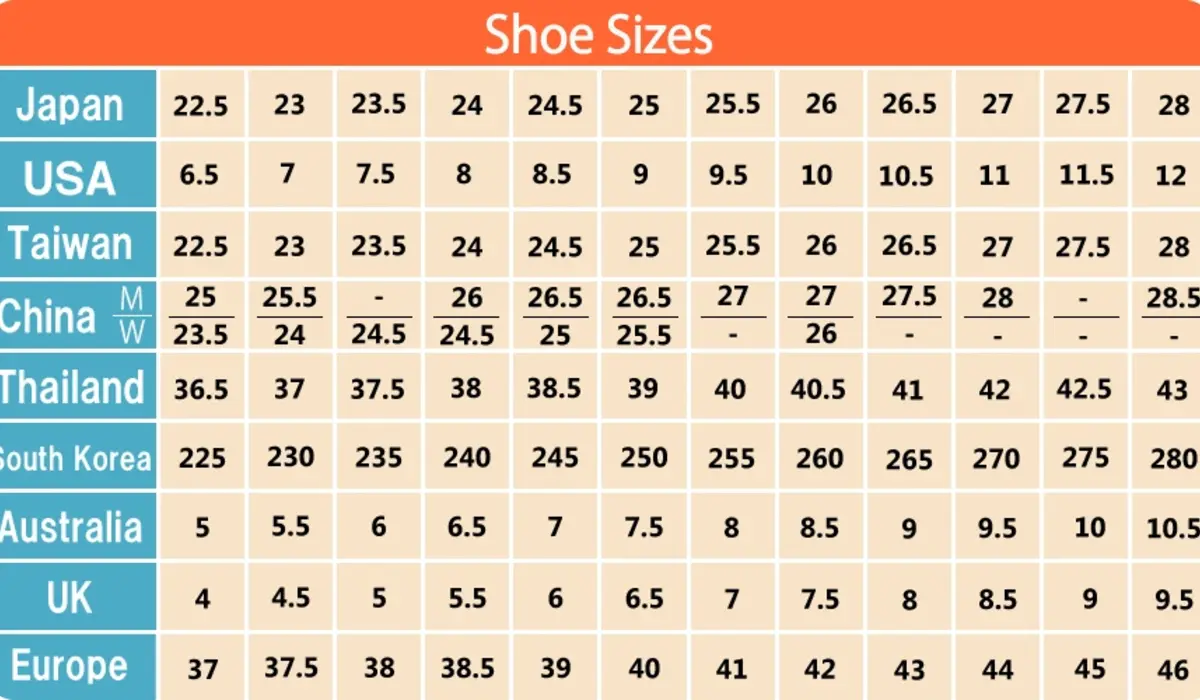
Why do shoe sizes vary so much depending on where you shop?
The answer lies in history and regional manufacturing traditions.
Different countries developed their own unique measurement standards over decades of shoemaking.
Understanding how these systems work makes shopping international brands much easier.
Understanding US and UK Measurement Scales
The US and UK systems both trace their roots back to old English measuring units based on inches.
However, they start their numerical counting scale at totally different points.
A UK size is typically one full unit smaller than the equivalent US men’s size.
For example, if you wear a US men’s size 10, your starting point for UK sizing is generally size 9.
When shopping for women’s footwear, the difference becomes even larger.
A US women’s size is usually two full sizes larger than the corresponding UK size.
Explaining the European (EU) System
The European system relies on a unit called the “Paris Point.”
One Paris Point is equal to two-thirds of a single centimeter.
Because these increments are smaller than imperial inches, European sizing does not split into half-sizes as frequently.
That is why EU sizing ranges from numbers like 35 all the way up to 48 and beyond.
It provides a granular scale that covers both adults and children seamlessly.
Why Centimeters (CM) Are the Universal Standard
Centimeters represent actual physical length without any arbitrary numbering systems attached.
Japanese and Asian sizing standards use centimeters directly as their primary size designation.
If your foot measures 26 centimeters, your Asian standard size is literally 26.
This makes centimeters the most reliable reference point when using a shoe size chart from any global brand.
By focusing on physical length, you bypass regional confusion entirely.
Men’s Shoe Size Conversion Explained
Finding the ideal men’s shoe size is simple once you know your baseline length in centimeters.
Men’s shoes are generally built with a wider heel cup and broader forefoot area than women’s shoes.
If you are switching between American and European dress shoes or athletic sneakers, knowing your exact length prevents returns.
Below is a complete conversion table designed to help you quickly translate your measurements across major regional standards.
| US Size | UK Size | EU Size | Foot Length (CM) | Foot Length (Inches) |
| US 6.0 | UK 5.5 | EU 38.5 | 24.0 cm | 9.4 in |
| US 6.5 | UK 6.0 | EU 39.0 | 24.5 cm | 9.6 in |
| US 7.0 | UK 6.5 | EU 40.0 | 25.0 cm | 9.8 in |
| US 7.5 | UK 7.0 | EU 40.5 | 25.5 cm | 10.0 in |
| US 8.0 | UK 7.5 | EU 41.0 | 26.0 cm | 10.2 in |
| US 8.5 | UK 8.0 | EU 42.0 | 26.5 cm | 10.4 in |
| US 9.0 | UK 8.5 | EU 42.5 | 27.0 cm | 10.6 in |
| US 9.5 | UK 9.0 | EU 43.0 | 27.5 cm | 10.8 in |
| US 10.0 | UK 9.5 | EU 44.0 | 28.0 cm | 11.0 in |
| US 10.5 | UK 10.0 | EU 44.5 | 28.5 cm | 11.2 in |
| US 11.0 | UK 10.5 | EU 45.0 | 29.0 cm | 11.4 in |
| US 11.5 | UK 11.0 | EU 45.5 | 29.5 cm | 11.6 in |
| US 12.0 | UK 11.5 | EU 46.0 | 30.0 cm | 11.8 in |
| US 13.0 | UK 12.5 | EU 47.5 | 31.0 cm | 12.2 in |
When purchasing running or hiking footwear, consider picking a half-size larger than your daily wear.
Your feet naturally expand under heavy physical activity or warm weather conditions.
At PraviCeler, we recommend double-checking foot width alongside length for long-term comfort.
Women’s Shoe Size Conversion Explained
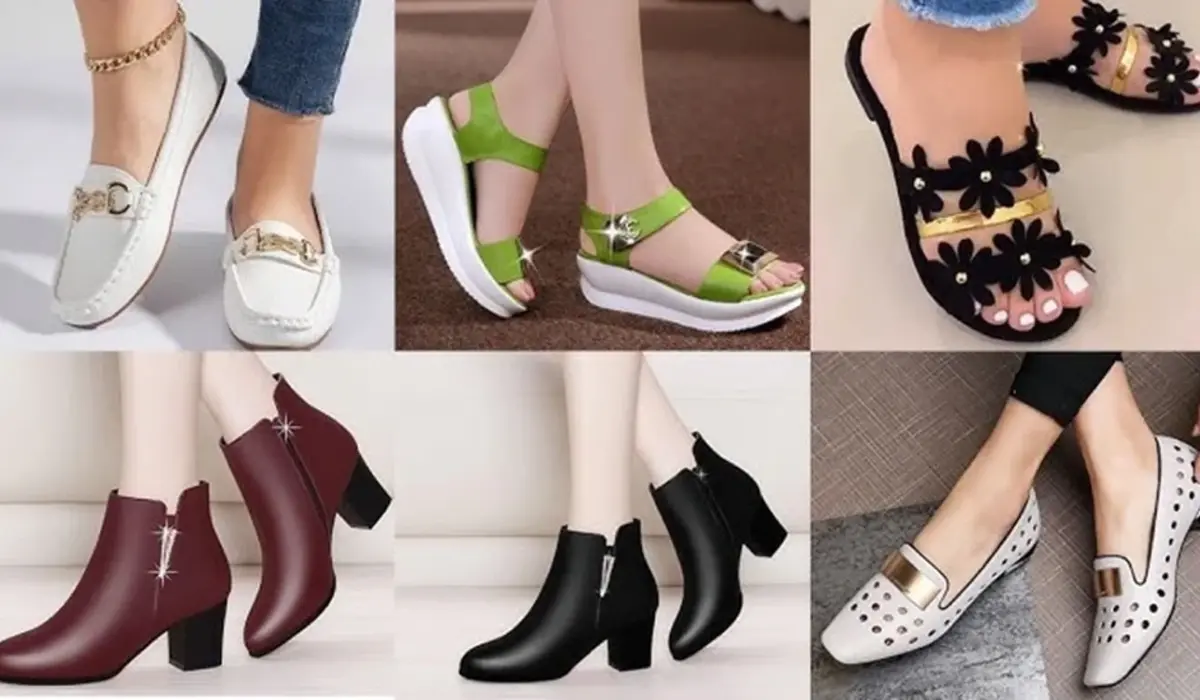
Selecting a women’s shoe size requires attention to detail because shoe shapes vary significantly across styles.
From casual sneakers to formal heels, different shoe builds affect how tight or loose a size feels on your foot.
US women’s sizing runs approximately 1.5 sizes larger than US men’s sizing for the exact same foot length.
If you wear a US women’s size 8.5, you can comfortable fit into a US men’s size 7.0.
Here is a practical reference chart to help you cross-reference your measurements across international regions:
| US Size | UK Size | EU Size | Foot Length (CM) | Foot Length (Inches) |
| US 5.0 | UK 3.0 | EU 35.5 | 22.0 cm | 8.6 in |
| US 5.5 | UK 3.5 | EU 36.0 | 22.5 cm | 8.8 in |
| US 6.0 | UK 4.0 | EU 36.5 | 23.0 cm | 9.0 in |
| US 6.5 | UK 4.5 | EU 37.0 | 23.5 cm | 9.2 in |
| US 7.0 | UK 5.0 | EU 37.5 | 24.0 cm | 9.4 in |
| US 7.5 | UK 5.5 | EU 38.0 | 24.5 cm | 9.6 in |
| US 8.0 | UK 6.0 | EU 38.5 | 25.0 cm | 9.8 in |
| US 8.5 | UK 6.5 | EU 39.0 | 25.5 cm | 10.0 in |
| US 9.0 | UK 7.0 | EU 40.0 | 26.0 cm | 10.2 in |
| US 9.5 | UK 7.5 | EU 40.5 | 26.5 cm | 10.4 in |
| US 10.0 | UK 8.0 | EU 41.0 | 27.0 cm | 10.6 in |
| US 11.0 | UK 9.0 | EU 42.5 | 28.0 cm | 11.0 in |
Pointed-toe high heels often push your toes forward, making them feel tighter than casual sneakers.
In most cases, matching your foot length directly in centimeters guarantees the most consistent fit.
A comprehensive shoe size conversion table helps clear up confusion when ordering international designer brands.
Kids Shoe Size Conversion and Growth Factors
Finding the right kids shoe size can feel like trying to catch a moving target!
Children’s feet grow at an incredible rate, sometimes changing full sizes within just a few months.
Because of this rapid growth, children’s sizing is divided into three distinct age groups: Toddler, Little Kid, and Big Kid.
Understanding these categories prevents you from accidentally ordering young youth sizes instead of adult sizes.
| US Size | Category | UK Size | EU Size | Foot Length (CM) |
| US 4K | Toddler | UK 3.0 | EU 19 | 12.0 cm |
| US 5K | Toddler | UK 4.0 | EU 21 | 13.0 cm |
| US 6K | Toddler | UK 5.0 | EU 22 | 14.0 cm |
| US 7K | Toddler | UK 6.0 | EU 23.5 | 14.5 cm |
| US 8K | Toddler | UK 7.0 | EU 25 | 15.5 cm |
| US 9K | Toddler | UK 8.0 | EU 26 | 16.5 cm |
| US 10K | Little Kid | UK 9.0 | EU 27 | 17.0 cm |
| US 11K | Little Kid | UK 10.0 | EU 28 | 18.0 cm |
| US 12K | Little Kid | UK 11.0 | EU 30 | 19.0 cm |
| US 13K | Little Kid | UK 12.0 | EU 31 | 20.0 cm |
| US 1Y | Big Kid | UK 13.5 | EU 32 | 20.5 cm |
| US 2Y | Big Kid | UK 1.5 | EU 33.5 | 21.5 cm |
| US 3Y | Big Kid | UK 2.5 | EU 35 | 22.5 cm |
| US 4Y | Big Kid | UK 3.5 | EU 36 | 23.0 cm |
| US 5Y | Big Kid | UK 4.5 | EU 37 | 24.0 cm |
Always aim to leave about 1 to 1.5 centimeters of space between the child’s longest toe and the front of the shoe.
This thumb-width buffer permits healthy foot expansion without rubbing against the toe box.
Checking a kids shoe size regularly ensures your children never wear tight, restrictive footwear.
How to Measure Your Foot Length Accurately at Home
You do not need specialized store equipment to find your exact foot dimensions at home.
All you need are a few basic household items and a few minutes of free time.
Follow these practical steps to get clean measurements you can trust:
-
Tape a piece of plain paper flat to a hard floor surface, right against a wall.
-
Stand barefoot on the paper with your heel resting firmly against the back wall.
-
Use a pencil kept strictly vertical to trace around the front of your foot and mark your longest toe tip.
-
Measure the exact distance from the paper edge to your pencil mark using a centimeter ruler.
-
Match your total centimeters against a standardized shoe size chart to find your numerical size.
Avoiding Common Foot Measurement and Fit Mistakes

Even when using a clear reference guide, small oversights can lead to ordering the wrong fit.
Paying attention to timing, stance, and sock thickness makes a massive difference in your end result.
Keep these practical rules in mind whenever you measure your feet:
-
Always measure your feet in the late afternoon or evening when they are naturally slightly swollen.
-
Stand up straight with your full body weight balanced on both feet while taking your tracing.
-
Measure both of your feet carefully, as most people have one foot that is slightly larger than the other.
-
Base your footwear purchase on the dimensions of your larger foot to prevent unwanted friction.
-
Wear the specific type of socks you intend to wear with the shoes you are planning to purchase.
At PraviCeler, we always encourage taking your time during measurement to avoid inconvenient product exchanges.
How an Online Shoe Size Calculator Simplifies Shopping
If manual conversion feels overwhelming, a digital shoe size calculator offers an instant shortcut.
These automated algorithms take your raw length measurement and convert it across regions instantly.
Many advanced tools also let you enter specific brand names to adjust for custom sizing trends.
For instance, certain athletic footwear brands are known to run a half-size smaller than traditional dress shoes.
A reliable shoe size calculator accounts for these brand quirks to give you a personalized fit recommendation.
Inputting your measurement in centimeters guarantees the highest accuracy across every digital tool.
Using digital tools alongside physical reference tables gives you total confidence when shopping online worldwide.
Understanding Brand Sizing Differences and Fit Profiles
Have you ever noticed that a size 10 in one brand feels like a size 9.5 in another?
That happens because shoe brands use custom molds, called “lasts,” to shape their footwear.
Some manufacturers build shoes with narrower profiles, while others design roomier toe boxes.
Athletic Brands vs Casual Footwear
Athletic running shoes almost always require more room than lifestyle leather boots or loafers.
When running, your feet flex dynamically and spread out upon landing impact.
If you buy a running shoe in your exact casual foot size, your toes might hit the front edge.
It is generally recommended to add half a centimeter when selecting performance athletic footwear.
European Luxury Brands and Narrow Lasts
Many high-end European fashion brands design shoes with slimmer, narrower profiles.
If you have wider feet, an EU size 42 from a Italian fashion house might feel tight across the bridge.
In those situations, checking a comprehensive shoe size conversion guide helps you decide whether to size up.
When in doubt, prioritizing foot width alongside overall length prevents painful pressure points.
Shoe Width Considerations: Narrow, Medium, and Wide Fits
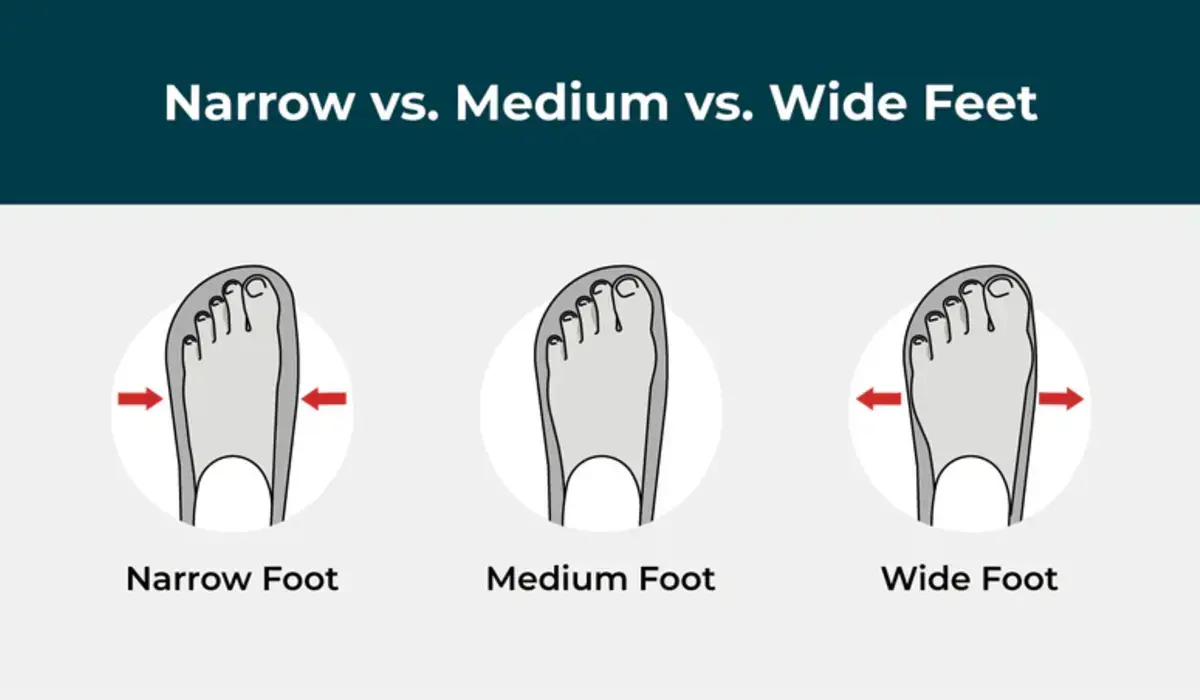
Length is only half the battle when it comes to securing comfortable footwear.
Foot width plays an equally crucial role in how a shoe feels on your foot throughout the day.
Standard width is usually labeled as “D” for men and “B” for women in North American sizing.
Wide fittings are typically marked as “E” or “EE” for men, and “D” or “C” for women.
If a shoe feels tight across the sides despite having room in the toe box, you likely need a wider width setting.
Matching both width and length measurements yields the ultimate custom-fit experience.
International Sizing Summary Table
If you need a quick overview across standard adult sizes, this combined reference chart provides quick context.
It aligns average foot lengths with corresponding men’s and women’s regional numbers.
| Length (CM) | US Men’s | US Women’s | UK Size | EU Size |
| 23.0 cm | US 5.0 | US 6.0 | UK 4.0 | EU 36.5 |
| 24.0 cm | US 6.0 | US 7.0 | UK 5.0 | EU 37.5 |
| 25.0 cm | US 7.0 | US 8.0 | UK 6.0 | EU 38.5 |
| 26.0 cm | US 8.0 | US 9.0 | UK 7.0 | EU 40.0 |
| 27.0 cm | US 9.0 | US 10.0 | UK 8.0 | EU 41.5 |
| 28.0 cm | US 10.0 | US 11.0 | UK 9.0 | EU 43.0 |
| 29.0 cm | US 11.0 | US 12.0 | UK 10.0 | EU 44.5 |
Conclusion
Finding the ideal footwear fit does not have to involve frustrating guessing games or endless return packages.
Understanding how US, UK, EU, and CM scales align empowers you to shop global collections with total peace of mind.
By taking a few moments to trace your foot length at night, you ensure your next pair feels tailored directly to you.
Bookmark this reference guide and review your dimensions whenever you are ready to treat your feet to new shoes!
Frequently Asked Questions
How do I convert a men’s shoe size to a women’s size?
To convert a men’s shoe size to a women’s shoe size in the US system, simply add 1.5 sizes to the men’s numerical value. For example, a US men’s size 7 converts directly to a US women’s size 8.5 for the exact same physical foot length in centimeters.
What is the most accurate measurement system for finding shoe size?
Measuring your feet directly in centimeters (CM) provides the highest accuracy because centimeters measure true physical length from heel to toe. Regional standard systems rely on arbitrary unit scales that vary across brands, whereas centimeter measurements remain completely consistent across all international manufacturing charts.
Why do European shoe sizes feel different across various footwear brands?
European sizes change in smaller increments than US sizes, and distinct footwear brands use custom physical molds with varying widths and toe shapes. Consequently, an EU size 40 in a athletic sneaker might feel slightly different from an EU size 40 in a handmade Italian leather shoe.
Should I size up if my foot measurement falls between two sizes?
Yes, it is generally best practice to choose the larger size whenever your measurement falls between two standard sizes. Selecting the larger size prevents uncomfortable toe rubbing and accommodates natural foot expansion that happens throughout daily standing, walking, and physical activities.
